An Enterprising AFOL: The LEGO Star Trek Set I Wanted as a Kid
/Today’s guest article comes from Samuel Hatmaker, a lifelong Trekkie, professional toy designer and LEGO artist who competed on LEGO Masters and created LEGO artwork for Roddenberry Entertainment. With LEGO returning to the original Enterprise for its second Star Trek set, who better to take a closer look?
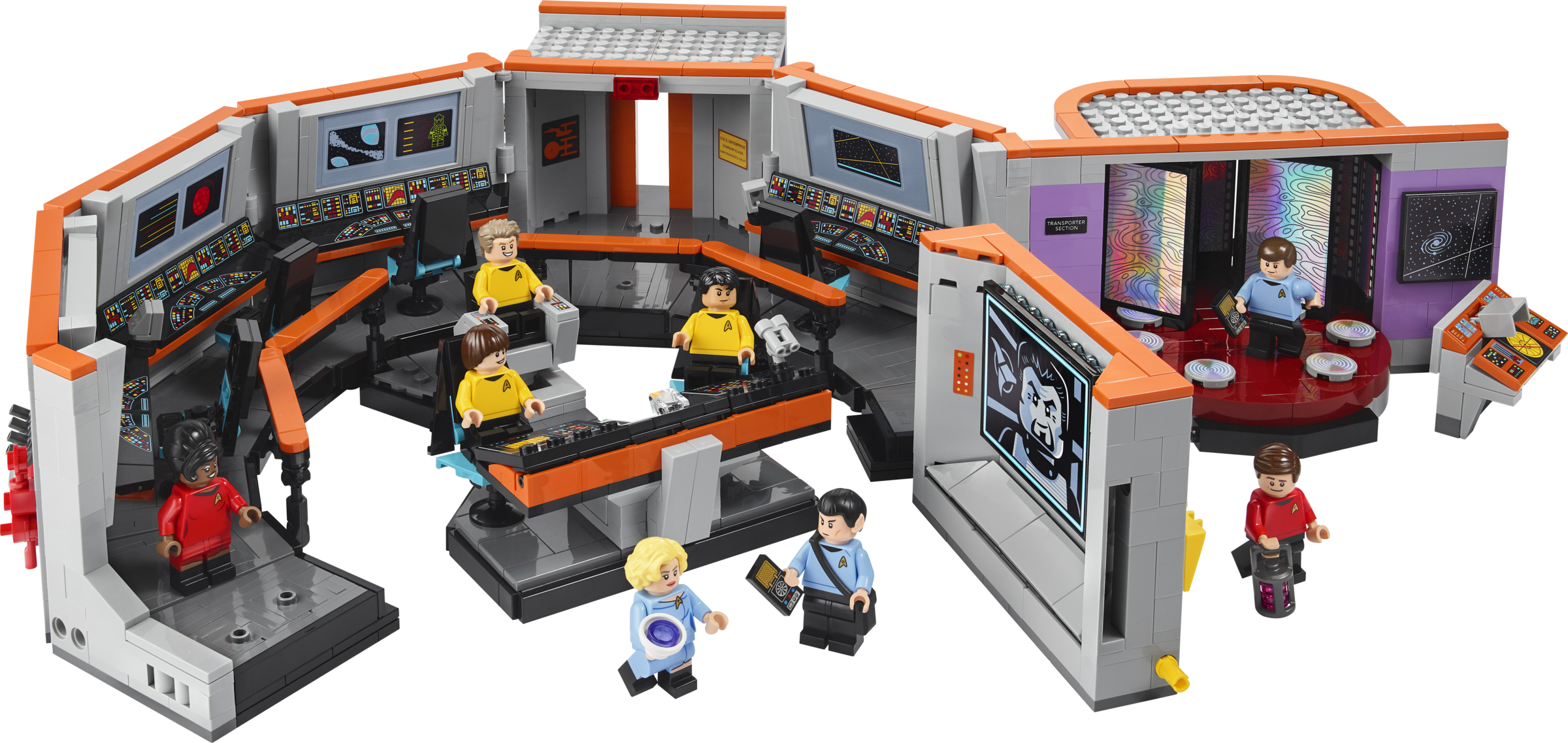
Image via LEGO
Two Obsessions Collide
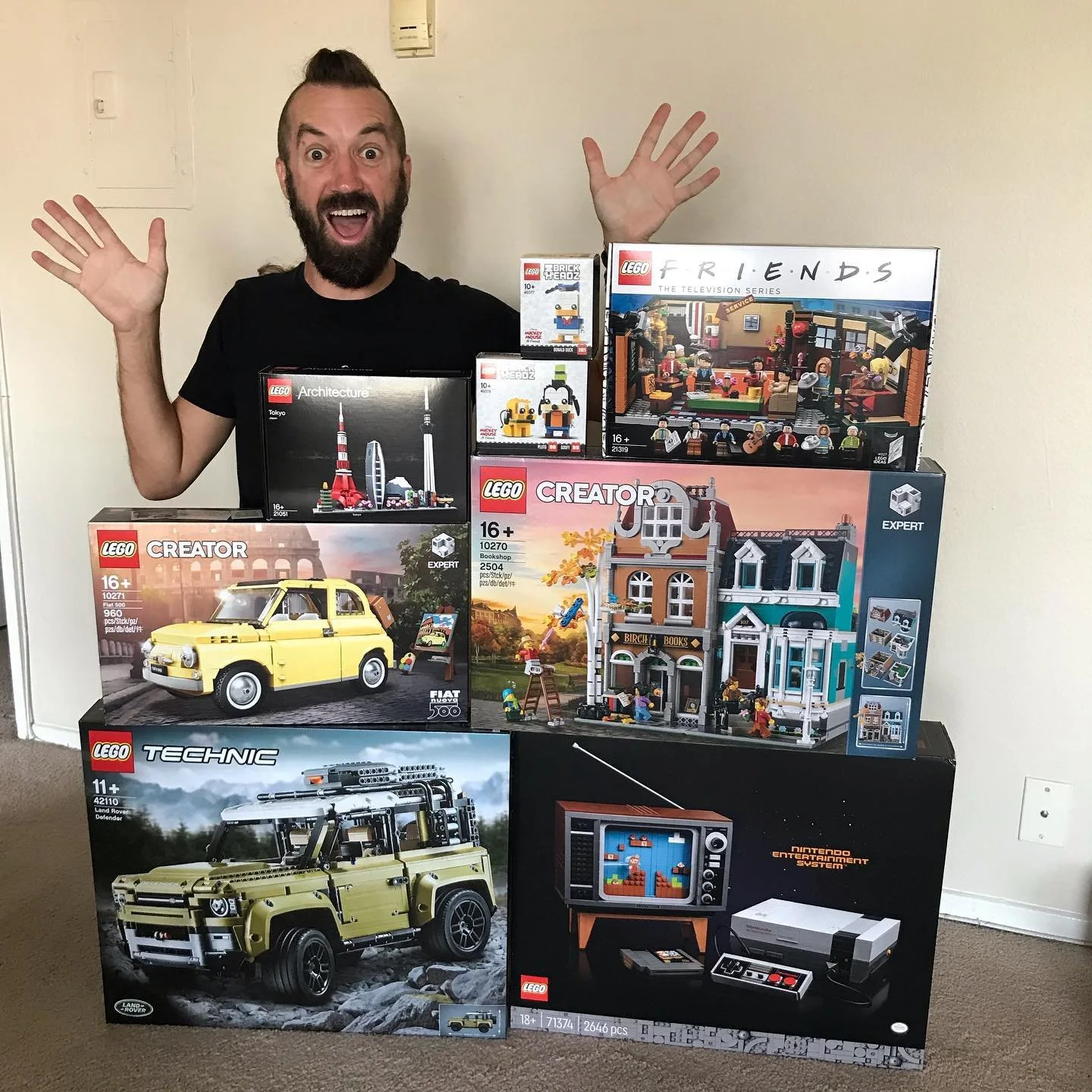
I got my first LEGO set when I was a little kid, and I have never stopped building. I went through waves of obsession: brick-built families with big ball heads (if you remember those, your lower back probably hurts), Space, Castle, Pirates, Fabuland, Dream Houses, Technic, alien invasions, giant insects and plenty more. Along the way, I was always making my own creations, too. The possibilities seemed endless.
Even as an adult, that never really changed. For my 21st birthday, I bought the alcohol, my friends each bought me a LEGO set, and we got drunk and built the Salem Witch Trials with the parts. I’ve bought at least one set from almost every line LEGO has produced, and today I have more LEGO parts than I need. Yet I still buy sets I know I will never display because I want the building experience, the parts and the chance to learn a new technique. LEGO inspires me to create. Hello, my name is Samuel Hatmaker, and I am an AFOL.
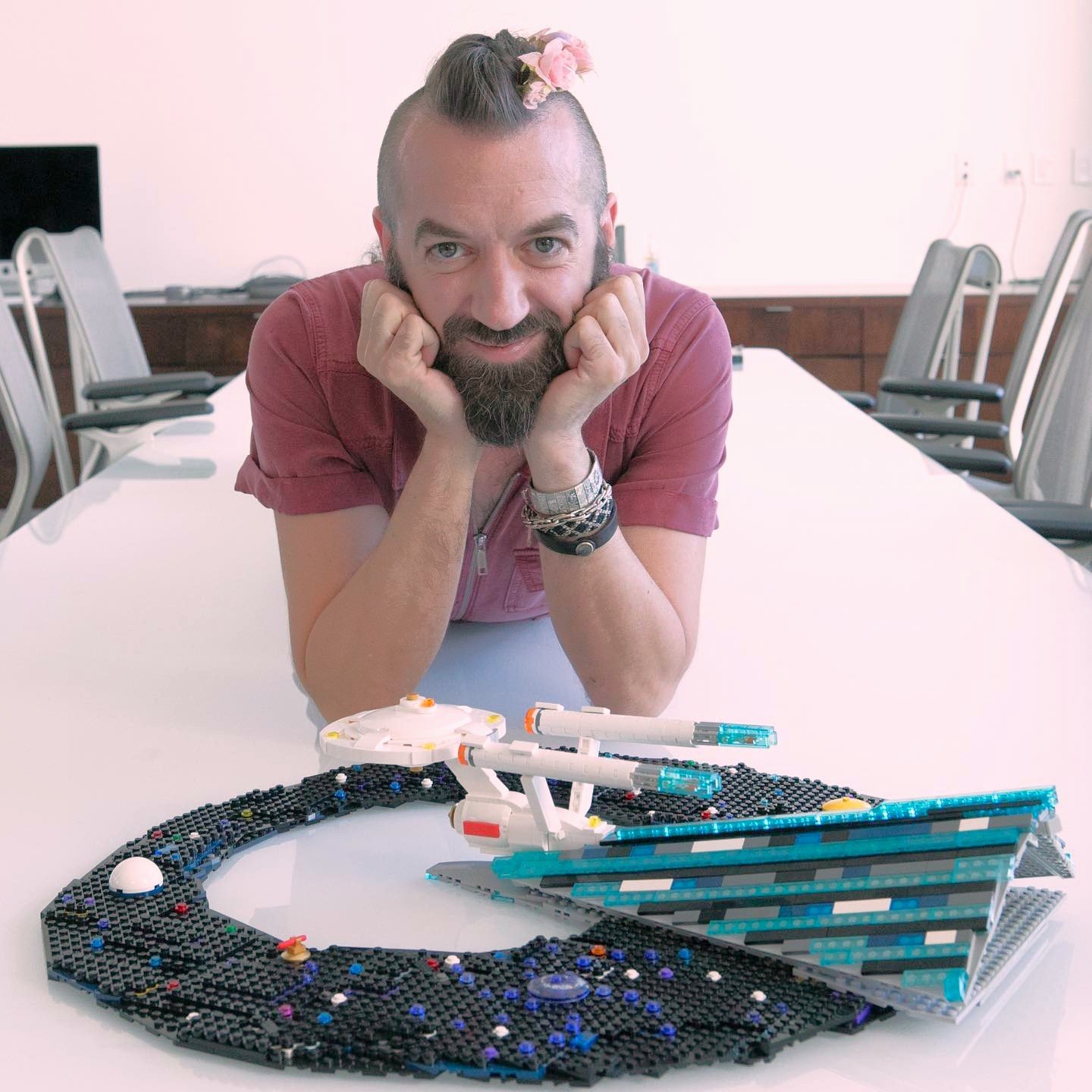
But there has always been another obsession running right alongside LEGO. I watched Star Trek: The Original Series in syndication, The Next Generation as it aired each week, and every Trek series since. I’ve been to more than a dozen Star Trek conventions, met many of the cast members, collected autographs and memorabilia, and immersed myself in the universe. Hello, my name is Samuel Hatmaker, and I am a Trekkie.
What has kept me coming back to Star Trek isn’t just the ships, aliens or technology. I love its optimistic view of humanity coming together to explore the great unknown. Its crews are made up of different races, cultures and even species working alongside each other. They have moved beyond the need for money and aren’t exploring to conquer or colonize. They are there because they want to discover, learn and meet whoever might be out there. Star Trek inspires me to explore.
Infinite Diversity in Infinite Combinations
It took me surprisingly long to realize just how much those two parts of my life had in common. I had been going to Star Trek conventions for years before I finally discovered LEGO conventions. Trek conventions were filled with fans who were passionate, creative and eager to share those qualities with others. Why wouldn’t the AFOL community be the same?
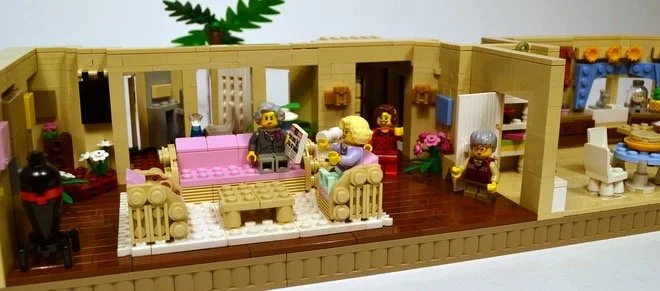
By then, I had already started putting my LEGO creations out into the world. I built The Golden Girls house and submitted it to LEGO Ideas, where it went viral for a few days and quickly reached 10,000 supporters. It ultimately wasn’t selected to become a set, but the response encouraged me to keep sharing.

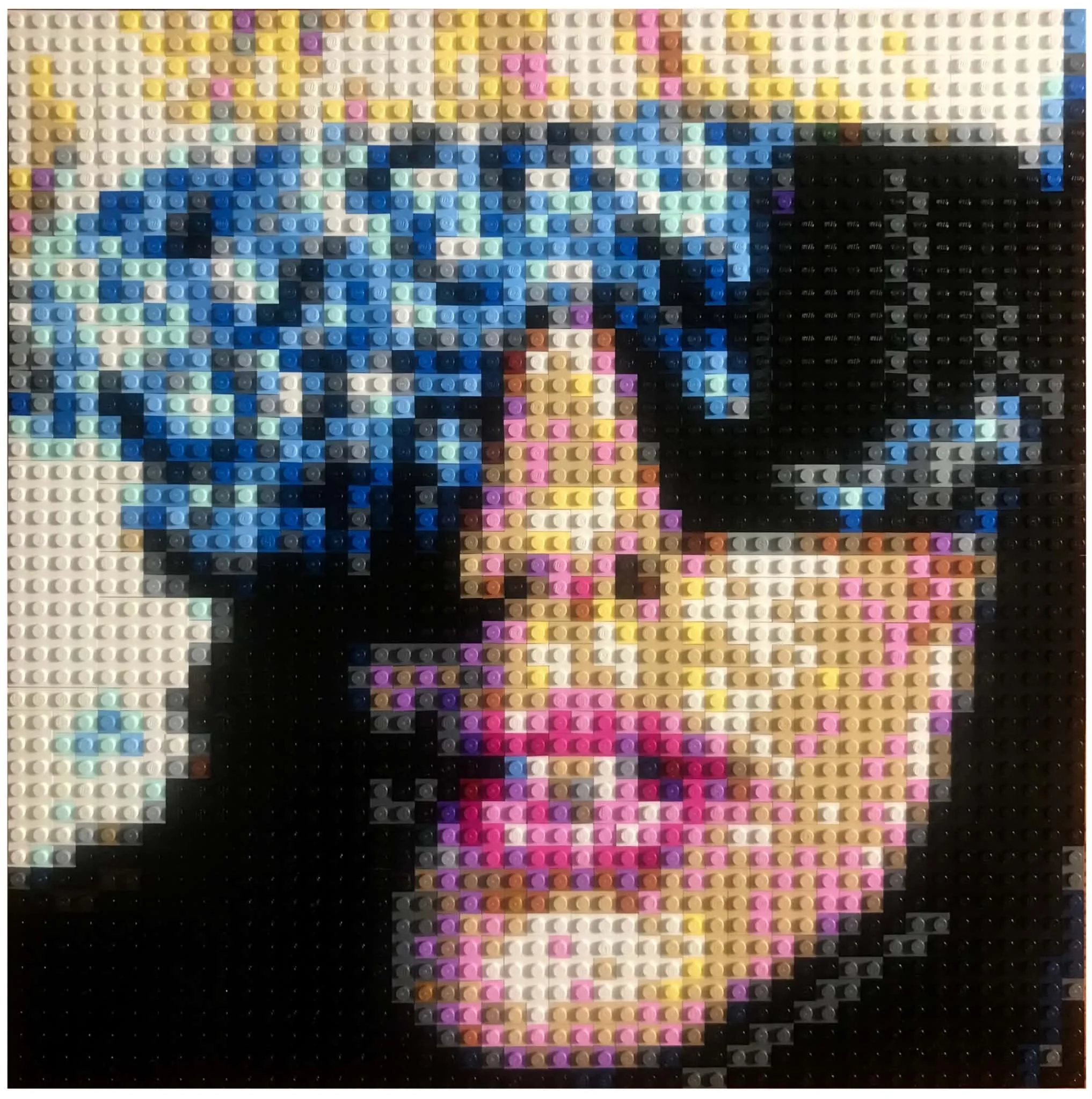
I had also started making LEGO mosaics as gifts for friends, became obsessed with the process and soon had close to 30 of them. Some even became places to hide Easter eggs and personal references. A friend connected me with a gallery, which led to my first real solo art show. Once again, people were encouraging me to keep creating and sharing.


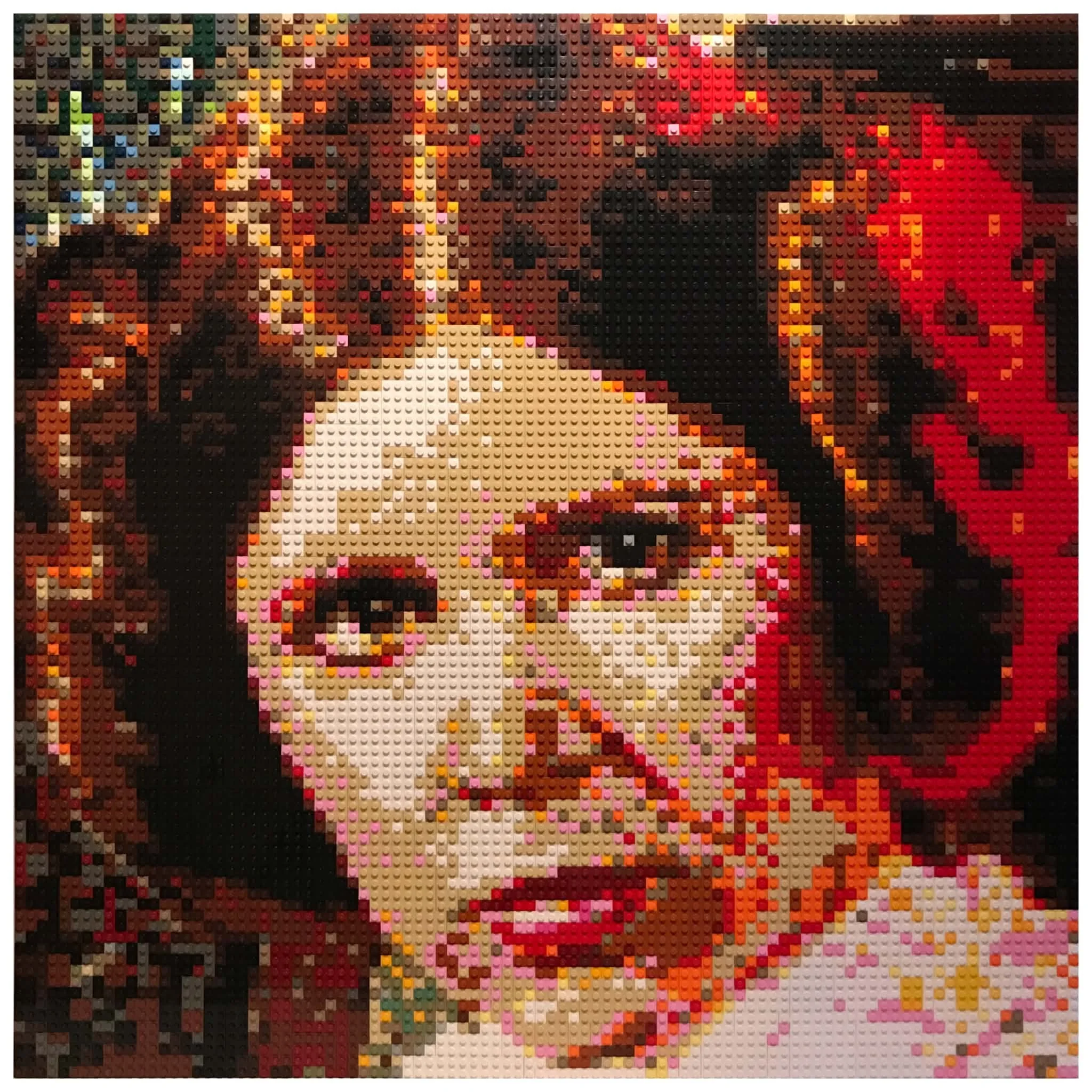
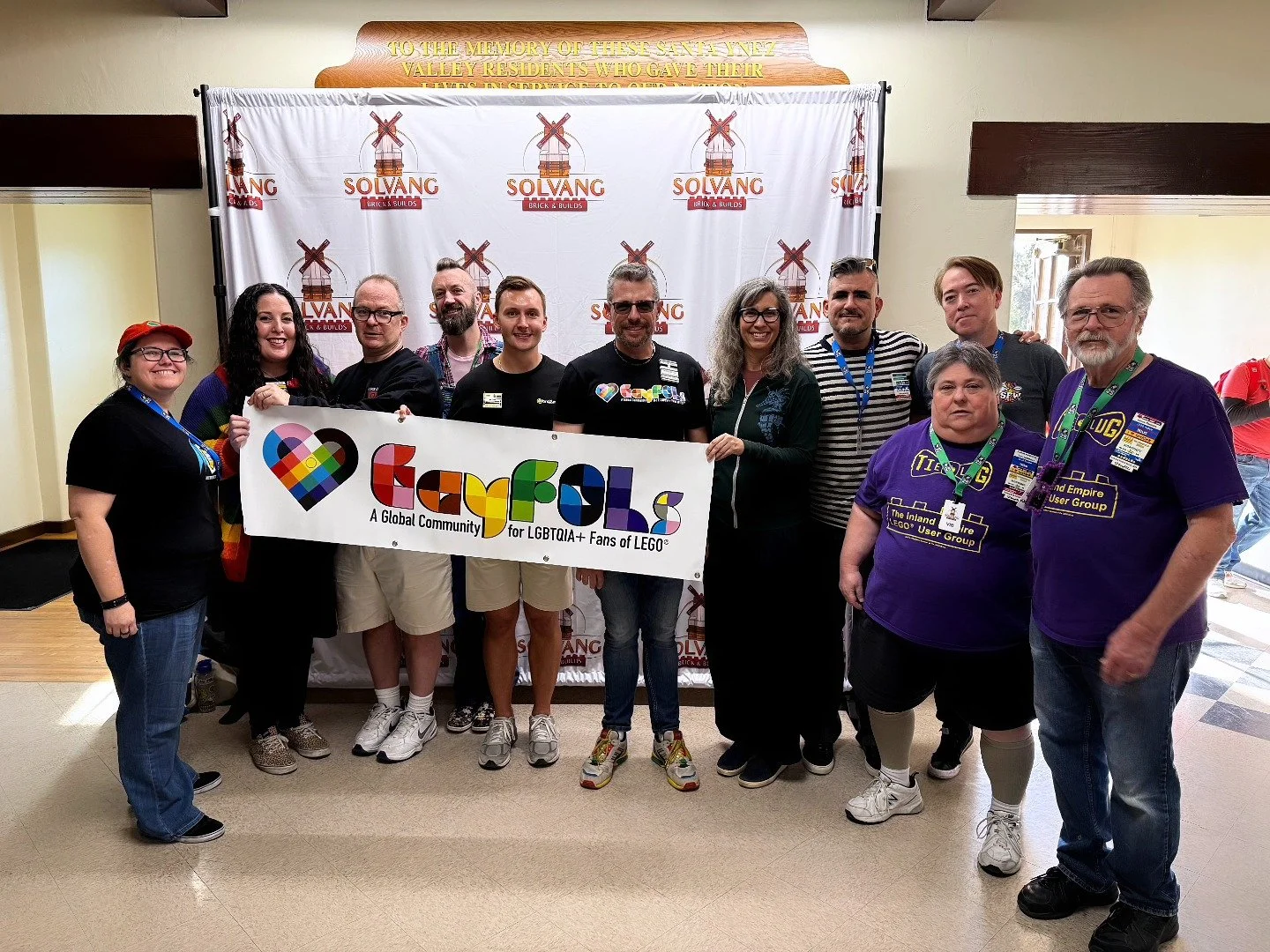
Still, when I discovered LEGO conventions, I was scared that I wasn’t good enough to actually show anything. So when I first went to Brickworld Chicago, I didn’t exhibit my work. I went as “THE PUBLIC.” I spent the weekend looking at incredible creations and meeting builders. Boone Langston, Bruce Heller, Mark Larson and Ted Andes were all incredibly kind to me. Just like at a Star Trek convention, the AFOLs welcomed me into the family.

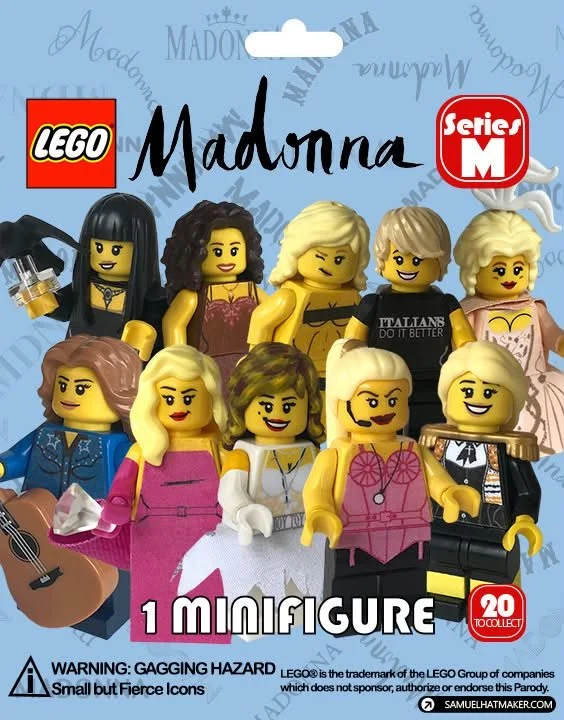
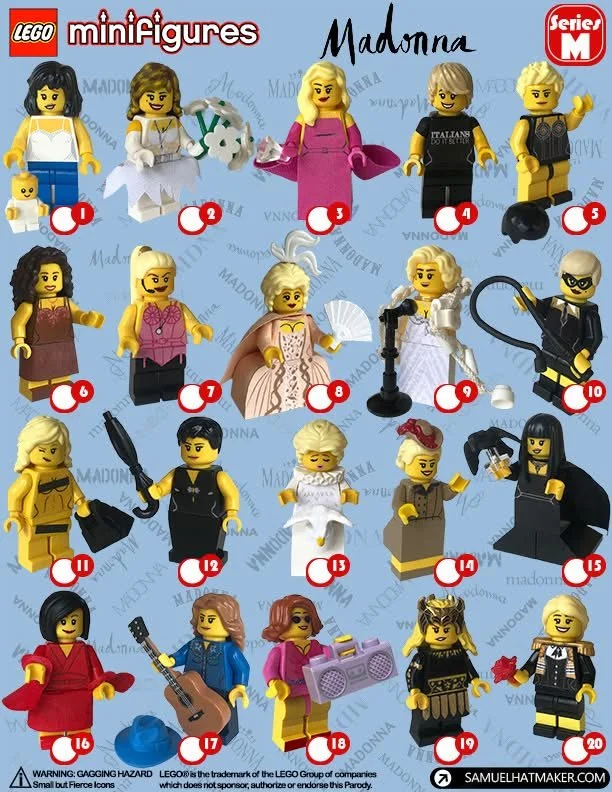
The next year, I came to SHOW, and I brought a lot with me: mosaics, The Golden Girls house, a Jem and the Holograms playset, Divine and Edith Massey from Pink Flamingos, characters from Avatar: The Last Airbender and The Legend of Korra, six queens from RuPaul’s Drag Race, a self-portrait BrickHeadz figure, animals and 20 custom Madonna minifigures representing looks through the years, complete with packaging and a checklist as if they were a real Collectible Minifigure series. I was nominated for two awards that weekend. I didn’t win either of them, but I received something more important to me at the time: more encouragement to keep building and sharing.
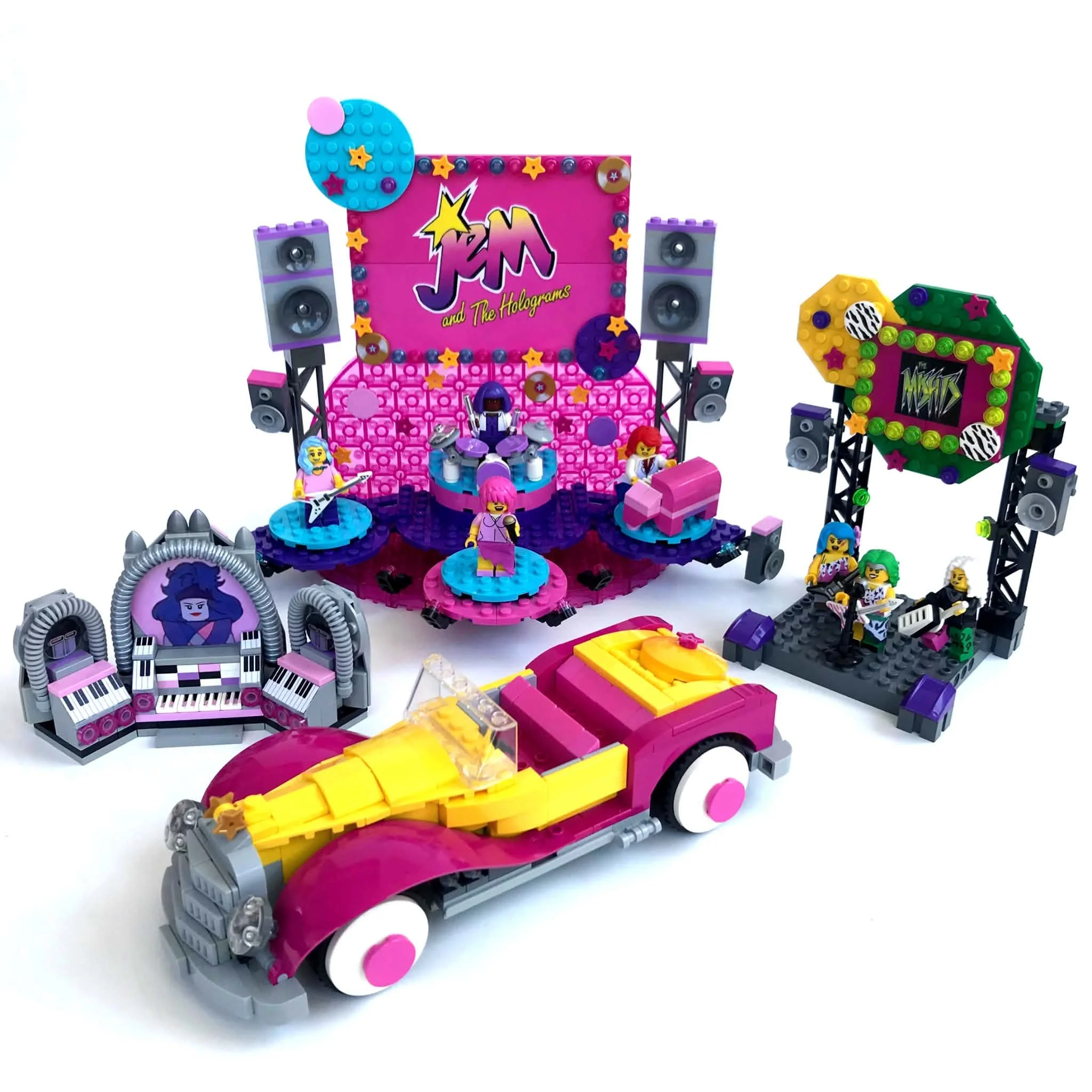

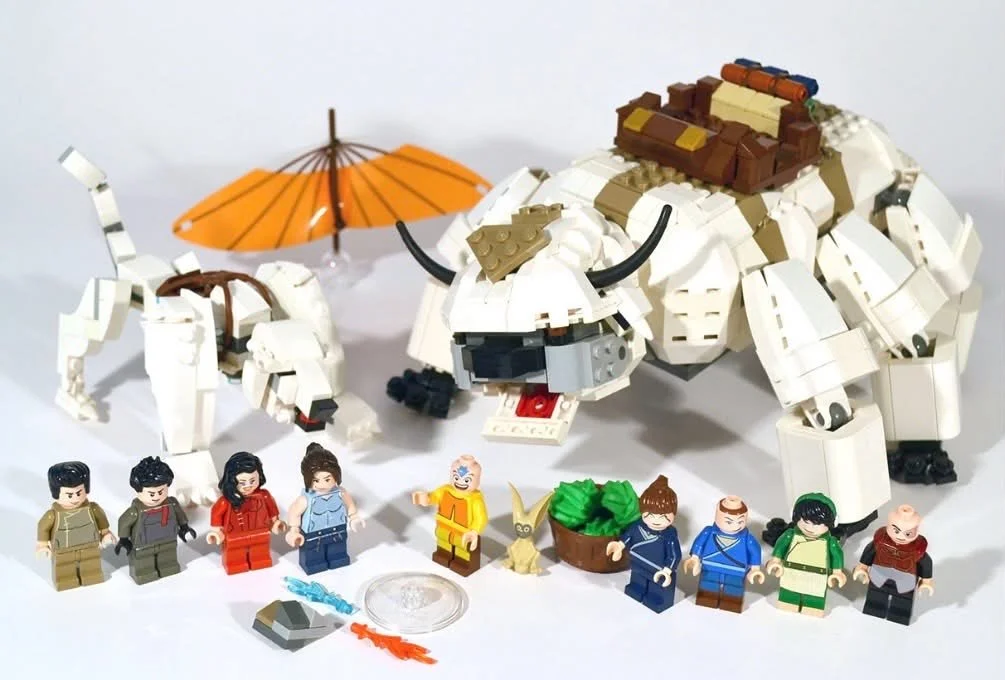
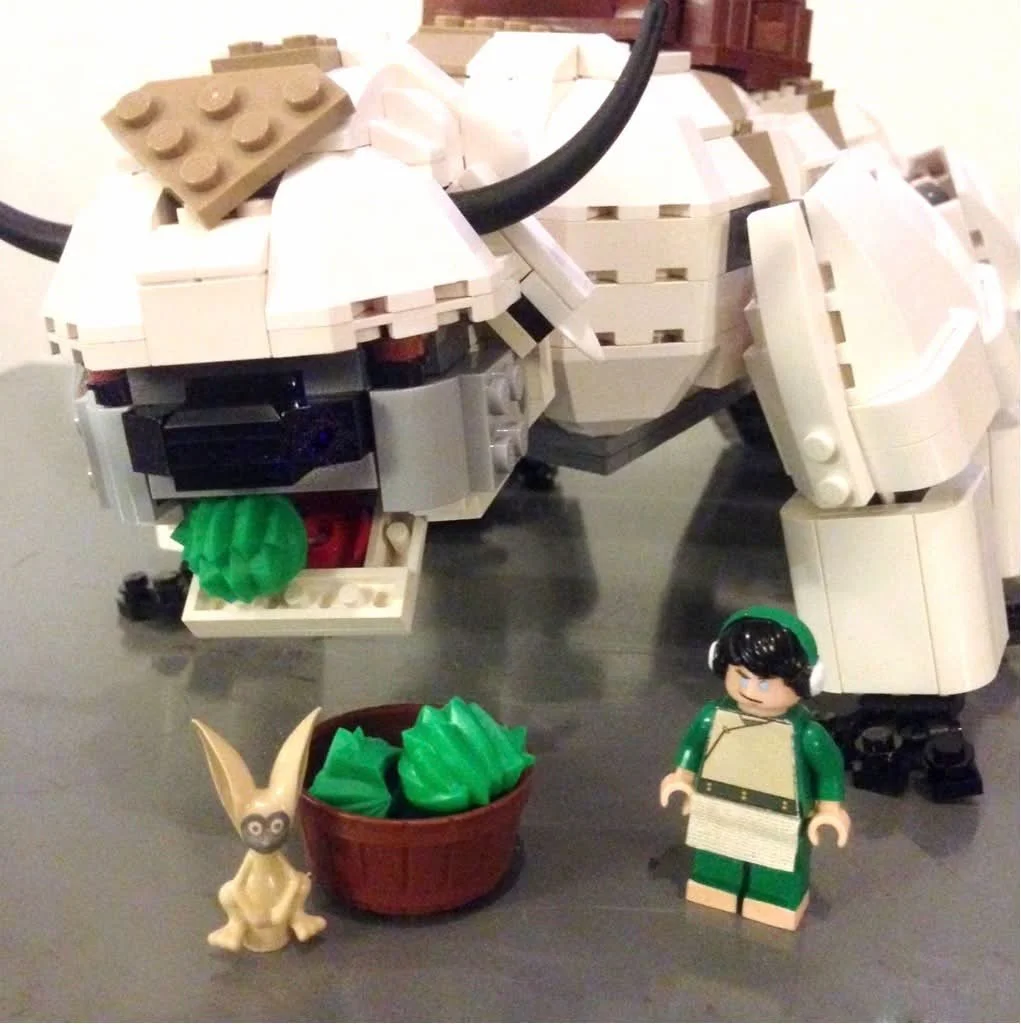
That encouragement became especially important when FOX approached me about competing on LEGO Masters. I was at just the right balance of fear and encouragement to say yes. My friend Bill Vollbrecht gave me a crash course in techniques he thought I might need on the show because there was plenty I had never done before. I had never built anything at that scale, sculpted with basic bricks or worked with electronics. Then I was partnered with someone who had never built LEGO models before. I hoped we might make it to Episode 3 before going home.
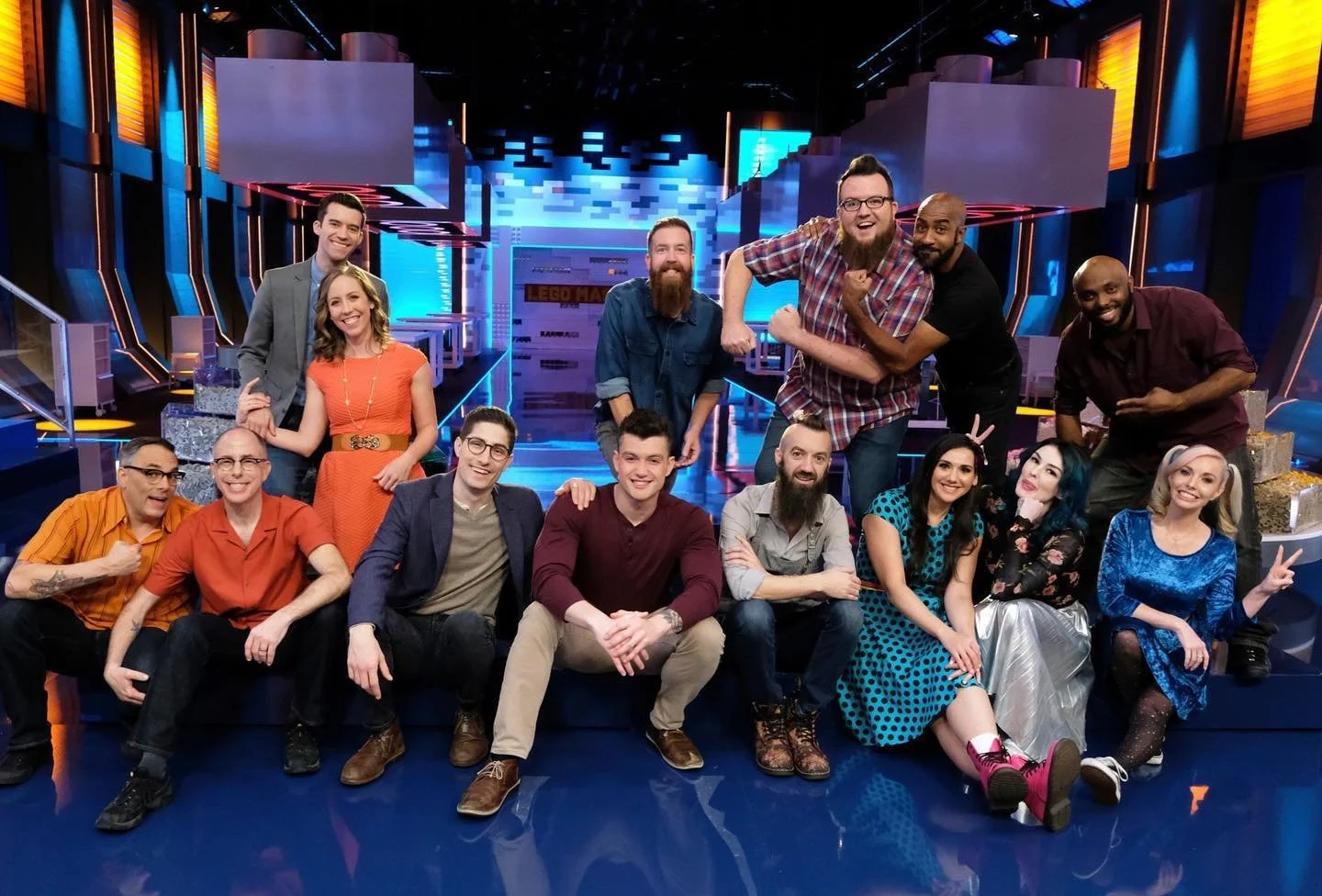
Instead, we kept getting better and growing as builders. The experience challenged me mentally, physically and emotionally, but it also gave me the chance to share my creativity with more people than I had ever imagined. We ultimately didn’t win, but once again, the experience encouraged me to keep building and sharing.
Looking back, that cycle of creativity, fear and encouragement has followed me through much of my LEGO life. It also reminds me of what first drew me to Star Trek conventions. AFOLs and Trekkies can both obsess over tiny details, debate things nobody outside the fandom would ever notice, collect things, make things and know far more trivia than is probably useful. More than anything, both groups gave me people who understood why I cared so much.

One of the most famous ideas to come from Star Trek is IDIC: Infinite Diversity in Infinite Combinations, a Vulcan philosophy celebrating the strength and beauty that comes from different people and ideas coming together. It also sounds a lot like LEGO to me. Give a room full of builders the same pile of bricks, and you’ll get a room full of different ideas. Give Star Trek fans the same universe, and they’ll each find different characters, stories and ideas that speak to them. Maybe that is why I have always felt at home with both groups.
Boldly Building Before
After LEGO Masters, I dreamed about making more large-scale models on my own, but there was one major obstacle: the cost of all those bricks. So when Roddenberry Entertainment approached me with an opportunity to build the largest models of my life while celebrating the 55th anniversary of Star Trek, I enthusiastically jumped at the chance. Two of my passions were finally smashing together!
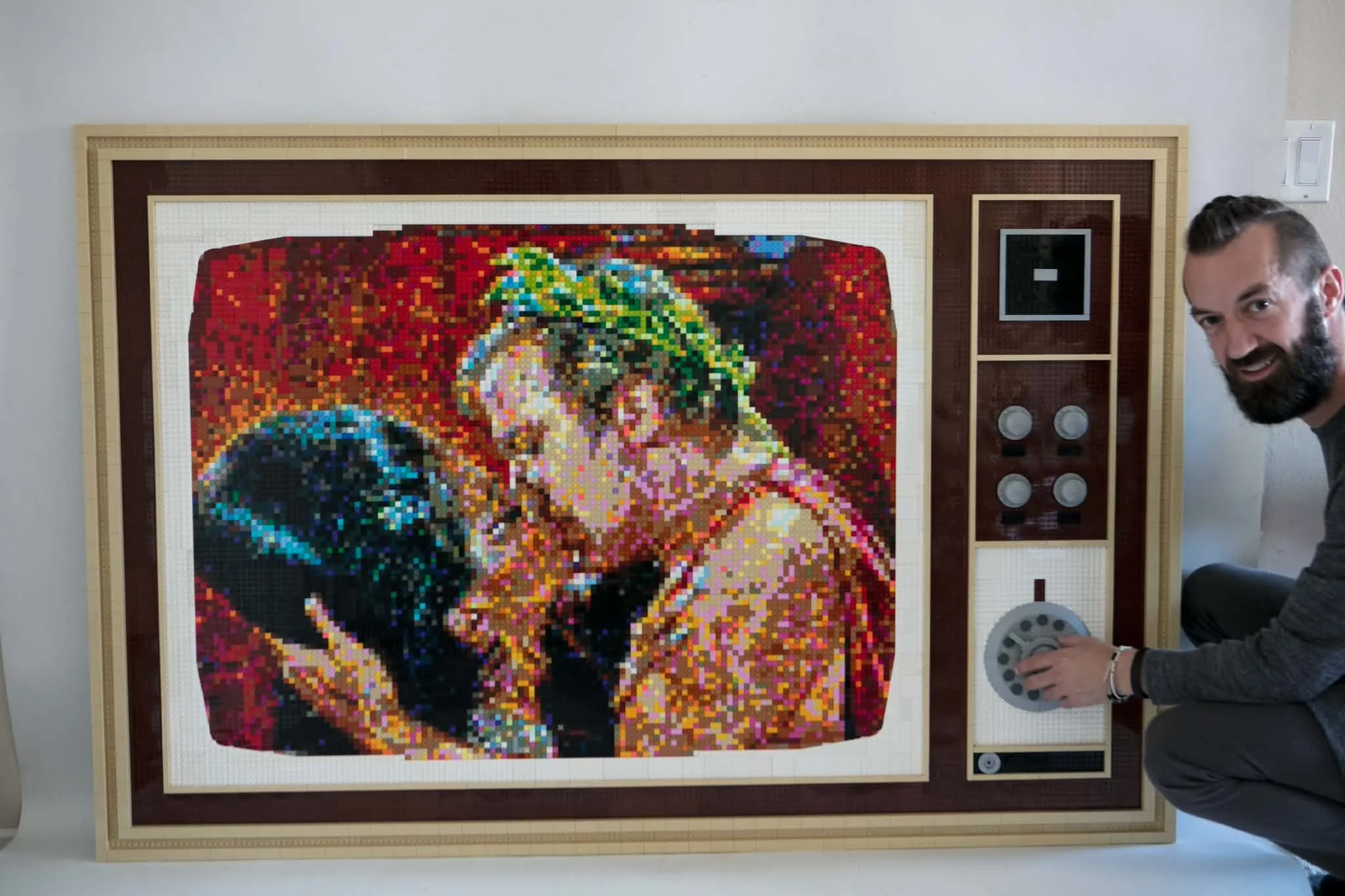
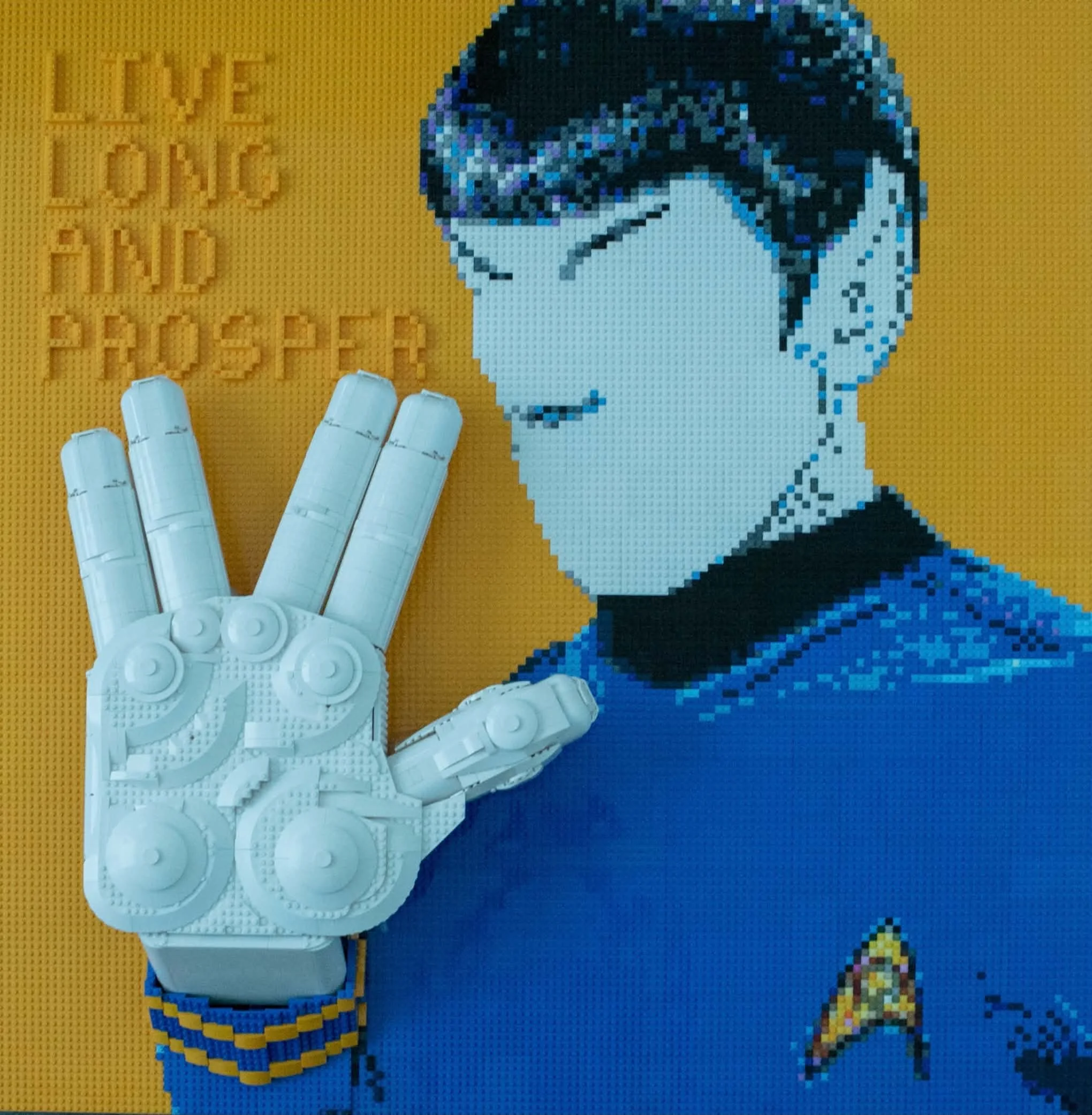
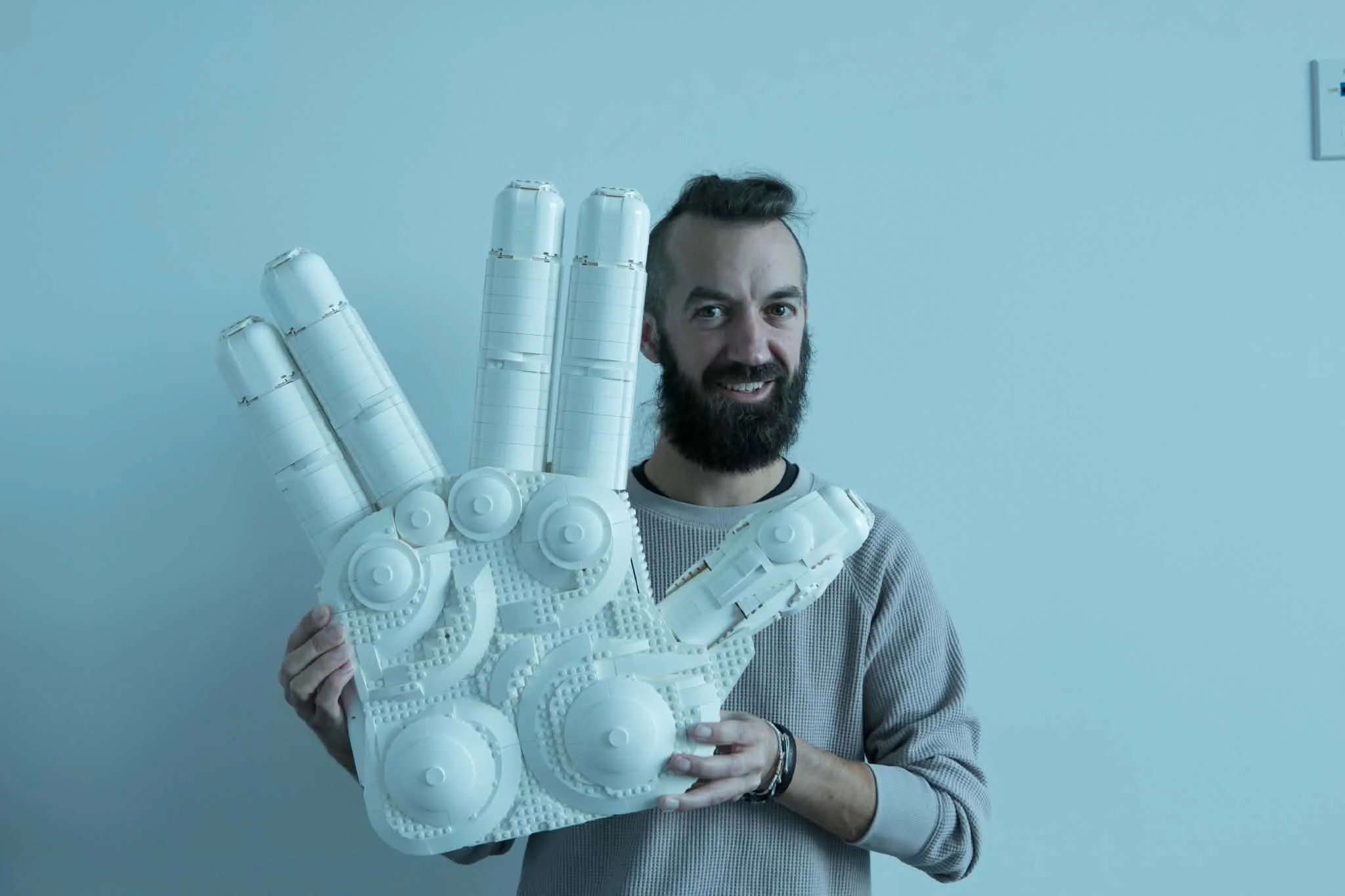
I created six large-scale models and several mosaics to be displayed at the annual Star Trek convention in Las Vegas. They included pop art of Spock making the Vulcan salute, a mosaic of Nichelle Nichols as Uhura, and a giant version of the Vulcan IDIC symbol. I had spent years making LEGO art and even longer loving Star Trek, and suddenly I was being asked to put the two together.
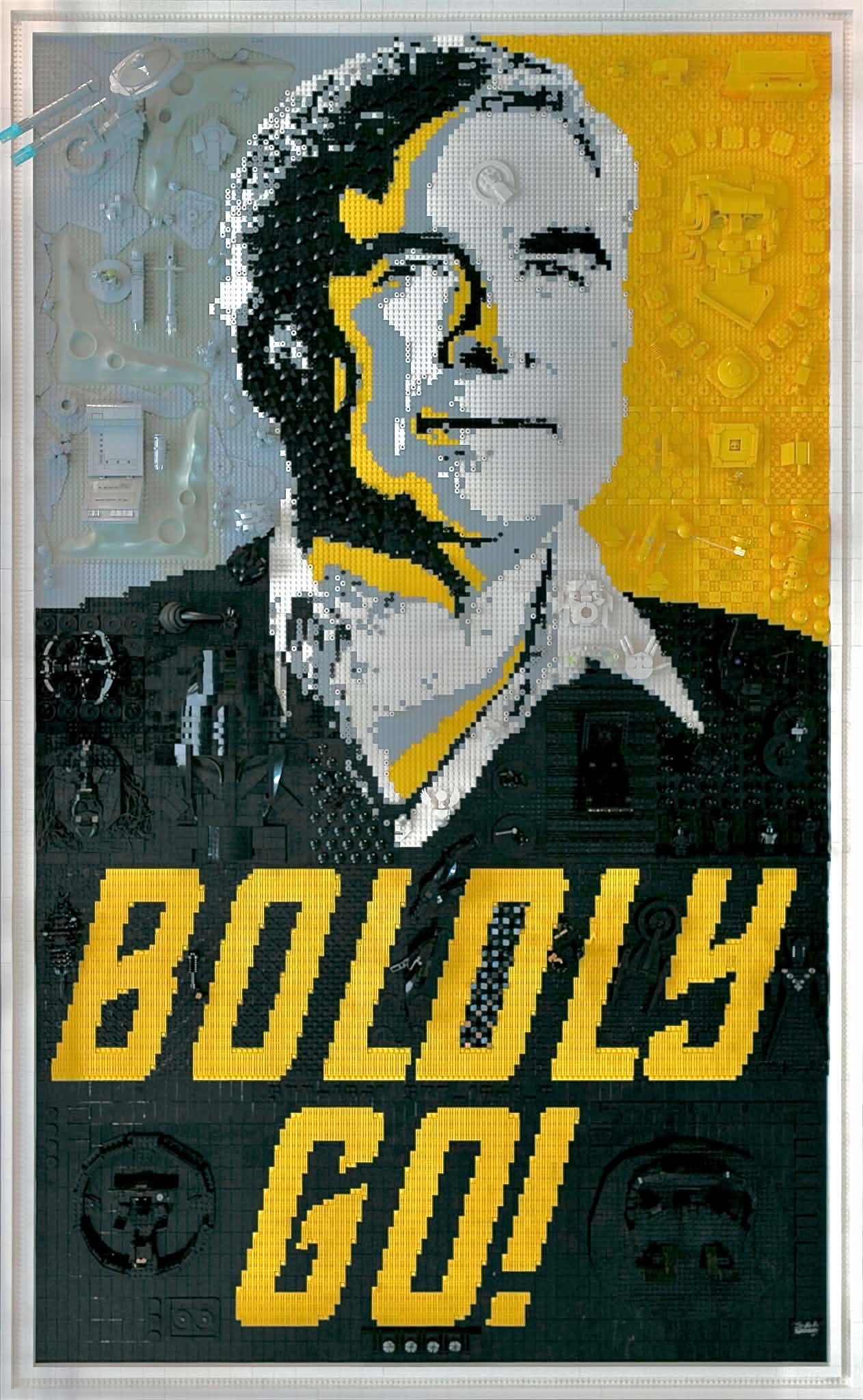
The centerpiece was a portrait of Star Trek creator Gene Roddenberry, measuring 6'8" tall and 4'2" wide. Rather than simply recreating a photograph in LEGO, I wanted the portrait to tell a story. Coming out from Roddenberry’s head were 55 different models representing people, ships, symbols and other pieces of the Star Trek universe—one for each year since the original series premiered. There were 100 Delta badges in the background, along with the IDIC symbol, Majel Barrett, the Defiant and references spanning decades of Trek history.
The collection went on to be displayed at the Comic-Con Museum in San Diego and a gallery in Miami during Art Basel, and pieces from it still appear at special events. I had wanted to build at that scale for years but could never afford all the parts myself. Now I had gotten to do it with Star Trek.
So when LEGO officially acquired the Star Trek license, I was excited. I had spent years creating my own versions of this universe with LEGO bricks. Now I wanted to see what LEGO would do with it.
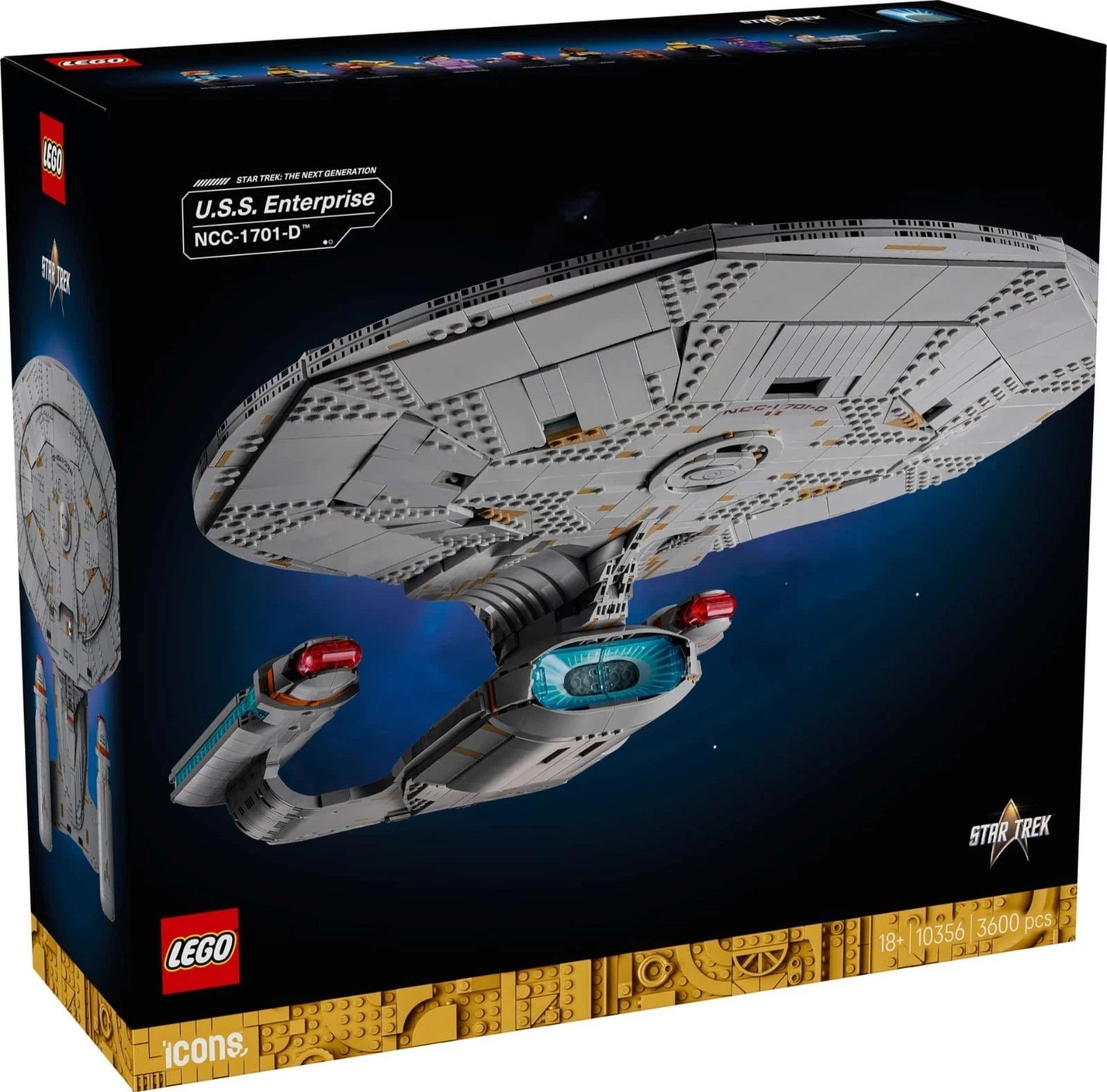
The first set, LEGO Icons 10356 U.S.S. Enterprise NCC-1701-D, was what many fans probably expected: a large model of one of the most recognizable ships in science fiction, designed primarily to build and display. I assumed more ships would follow. I was wrong, and I am very glad I was.
The Set I Wanted as a Kid
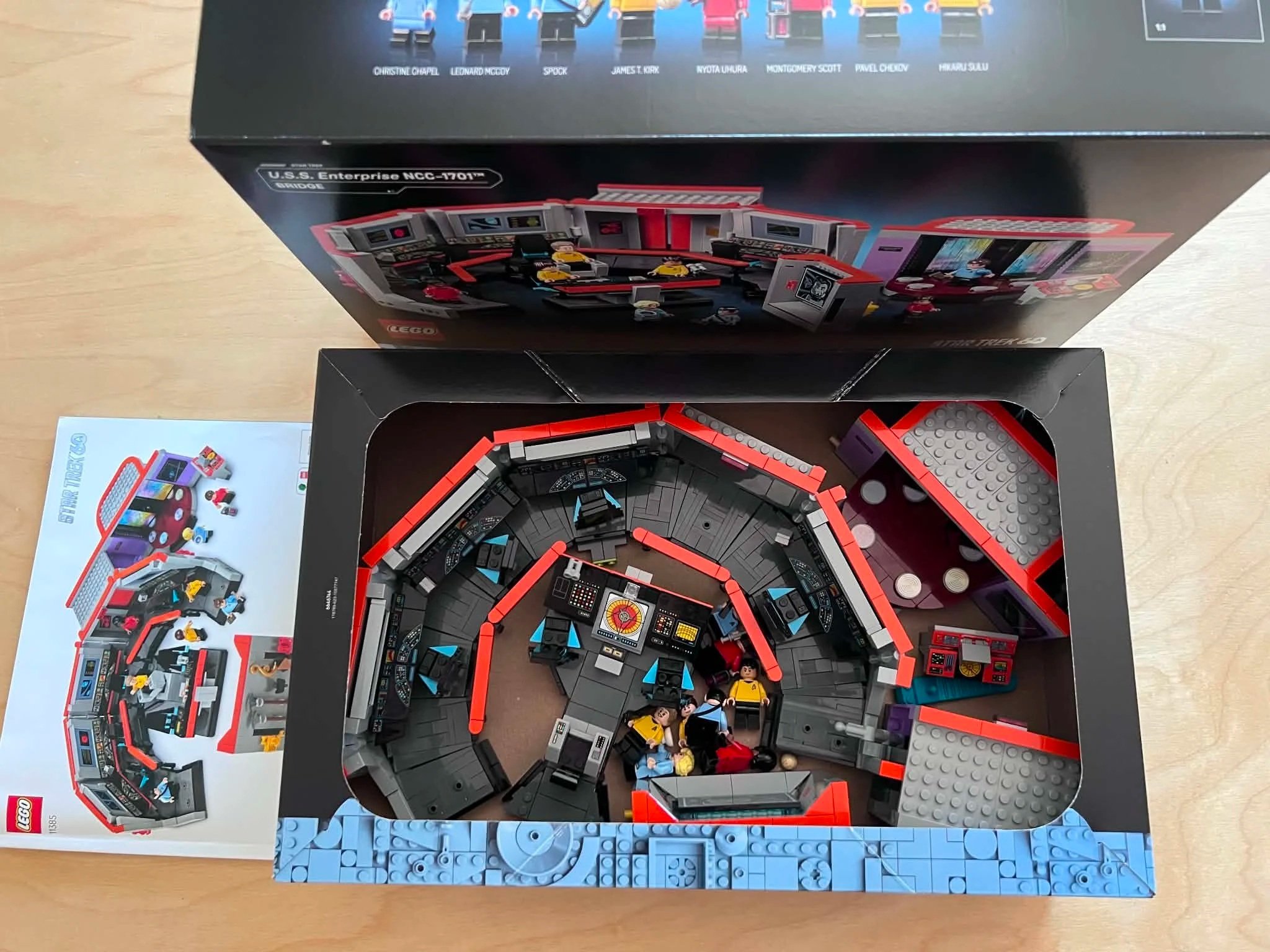
I can’t convey how surprised I was when I learned that the second set from the LEGO Star Trek theme, 11385 Enterprise NCC-1701 Bridge, wouldn’t be another ship. Instead, LEGO went all the way back to the 60-year-old Star Trek: The Original Series and made an actual playset. Even the 1,701-piece count is a nod to the Enterprise’s NCC-1701 registry number.
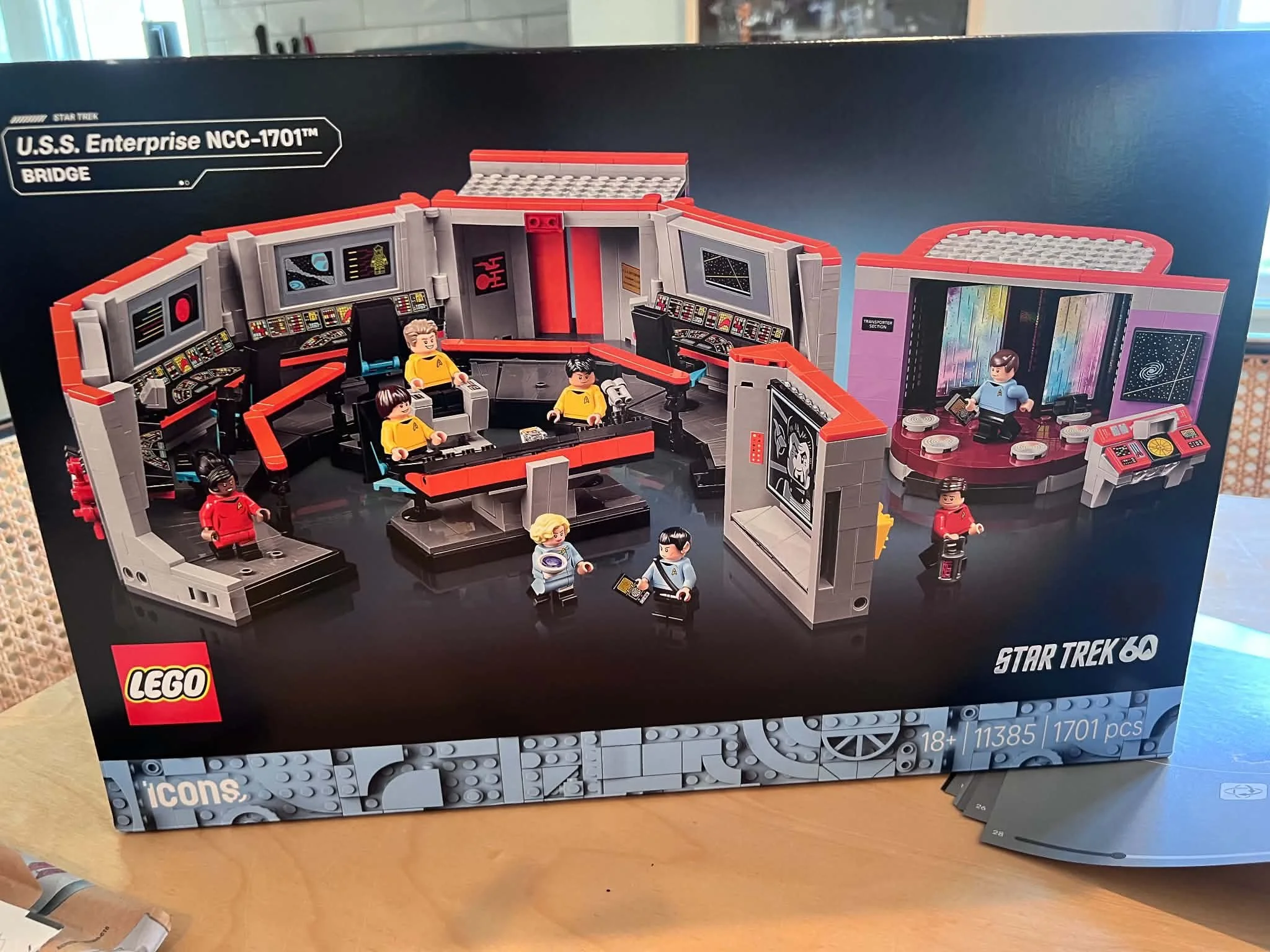
I have already seen plenty of complaints online about that decision. Some fans want a whole fleet with every ship from every series and every alien race. I understand the appeal, but I don’t agree. This is the Star Trek set I would have wanted as a kid.
As much as I love the Enterprise, the ships were never the whole point of Star Trek for me. I wanted to have adventures with the crew. I wanted to recreate my favorite stories and make up new ones. I wanted to beam an away team down to a planet I created out of whatever I could find around the house—and, of course, have the red-shirted ensign die while they were there. Spock could come up with a perfectly logical solution that Captain Kirk ignores, leading everyone into even more danger. Scotty could fix the warp core just in time to save the day. Uhura could receive a communication from the Klingons that needed to go up on the viewscreen.
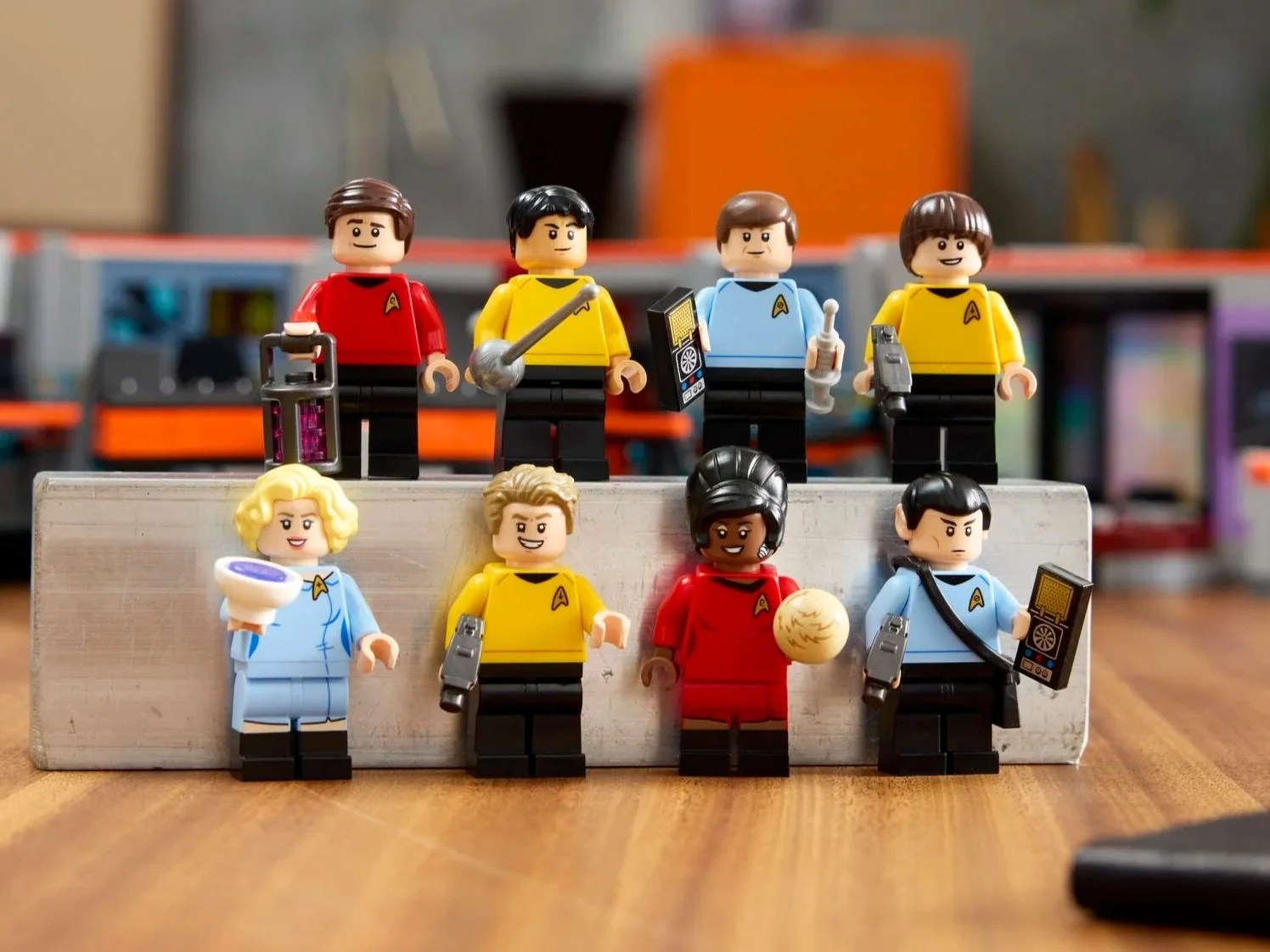
Image via LEGO
That is why I like this set so much. The Enterprise-D is an impressive model, but once you finish building it, its primary purpose is to be displayed. This one gives you something to do after the building is over. You can move the crew around, recreate scenes or invent an episode that never existed. I spent my childhood watching these characters explore the galaxy. Now I finally get to play with them in LEGO form.
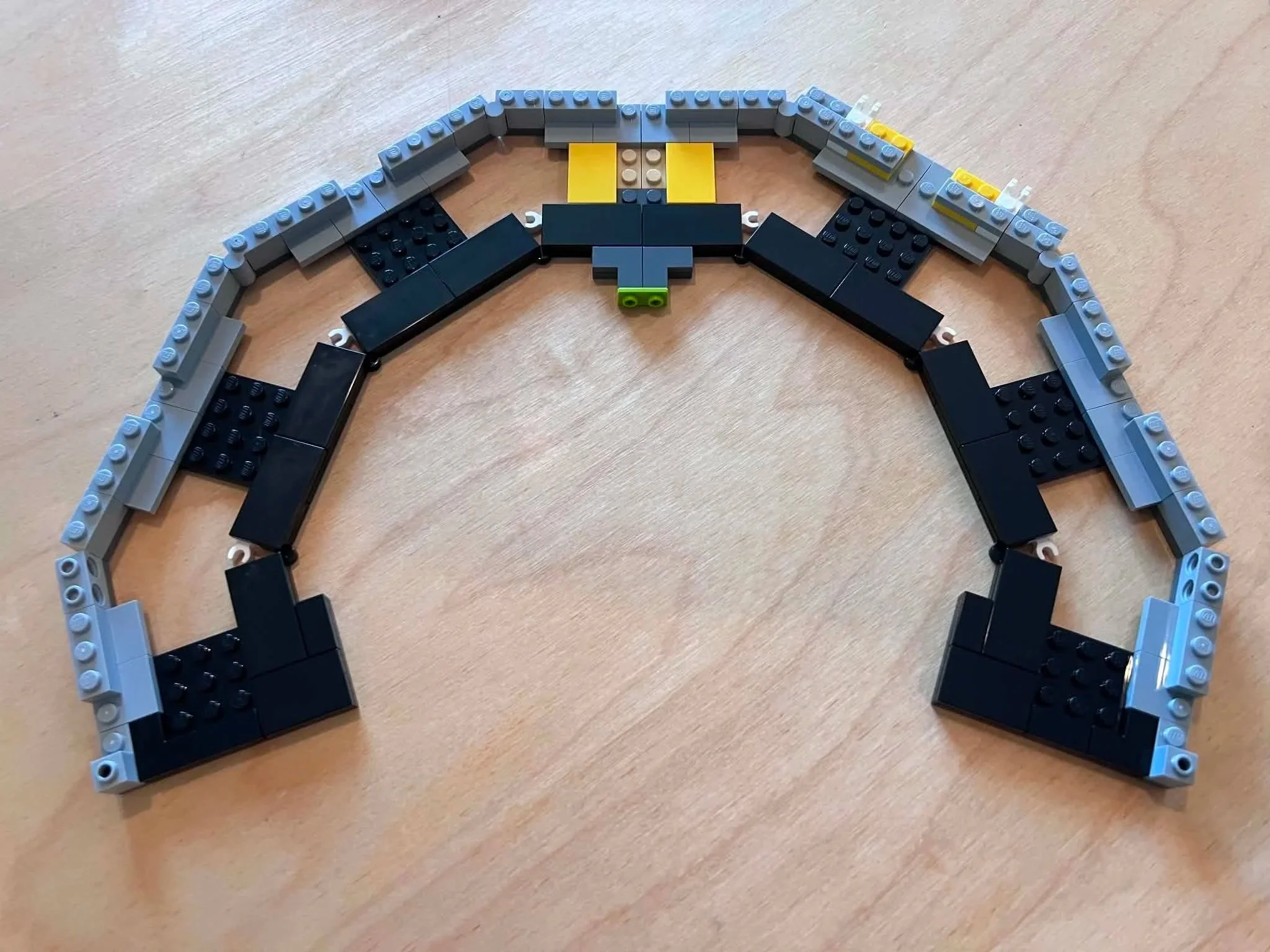
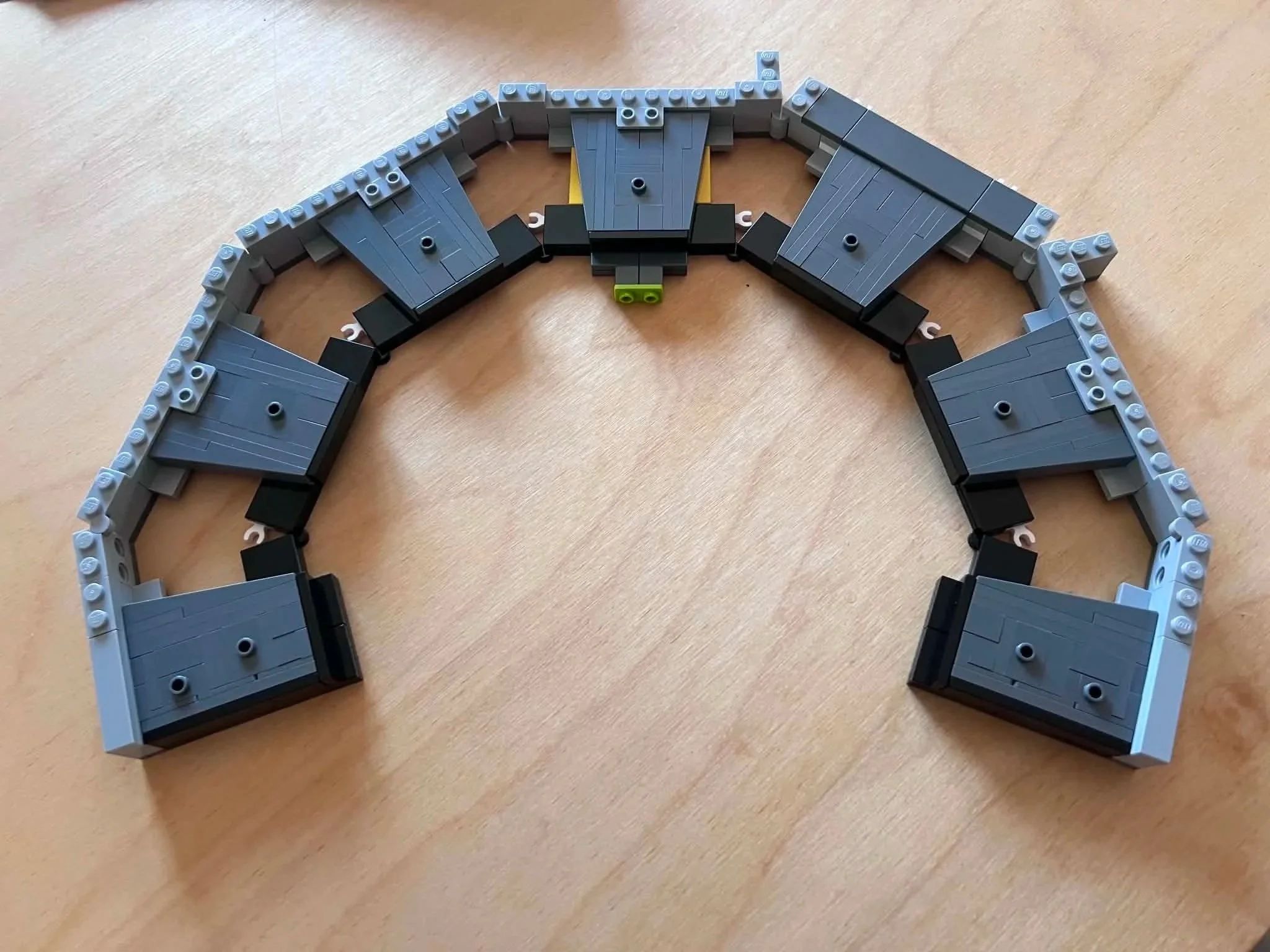
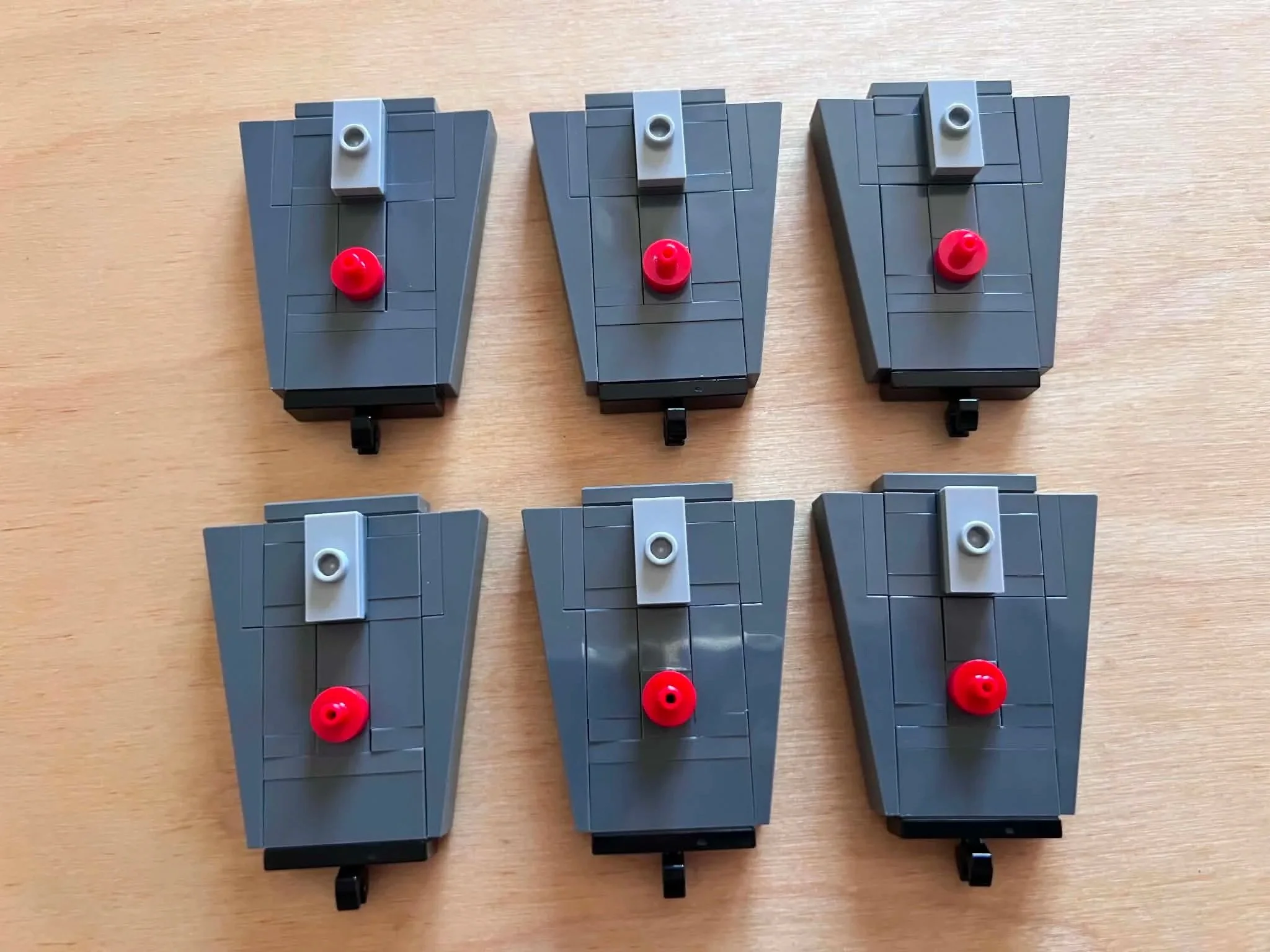
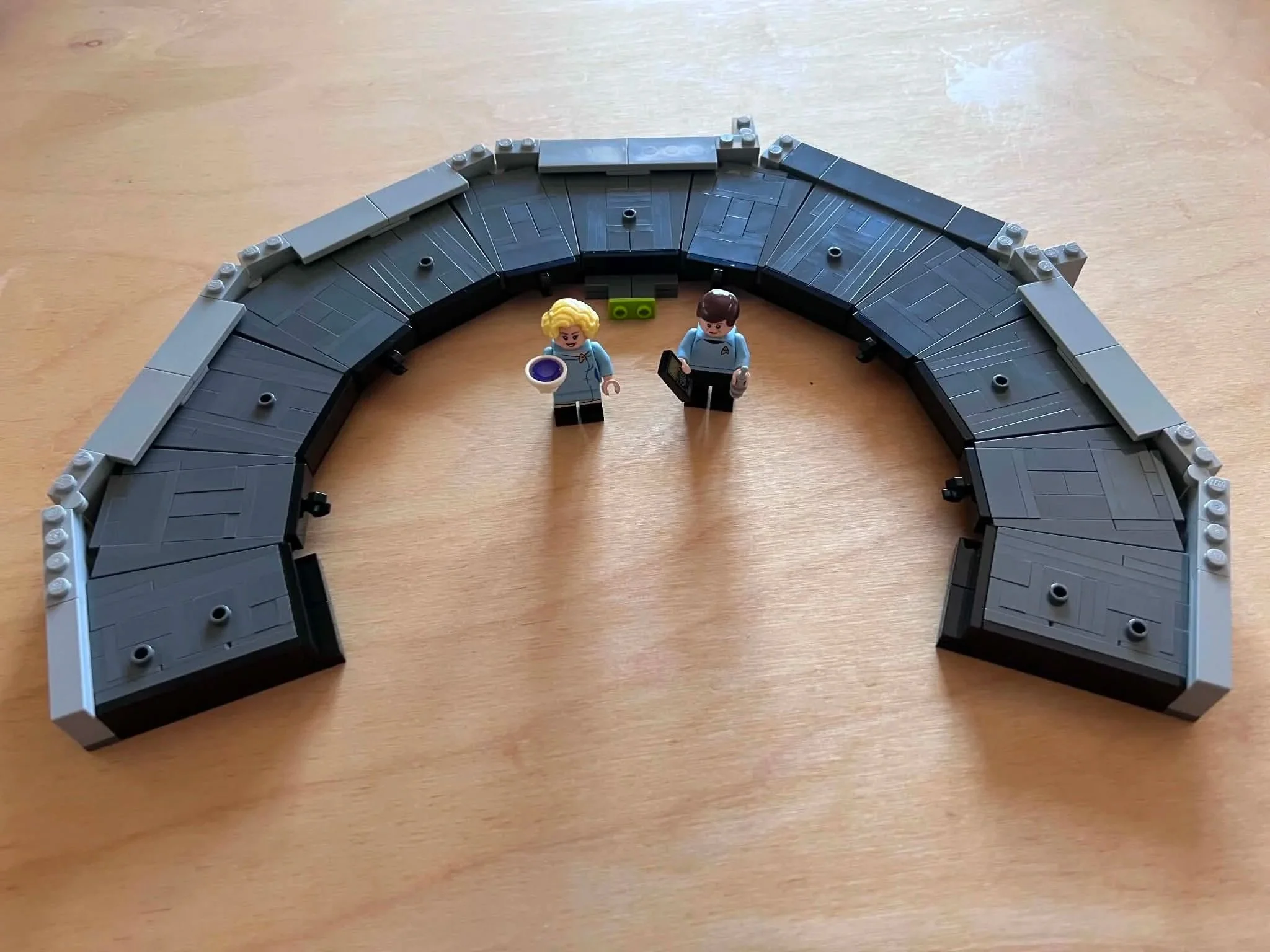
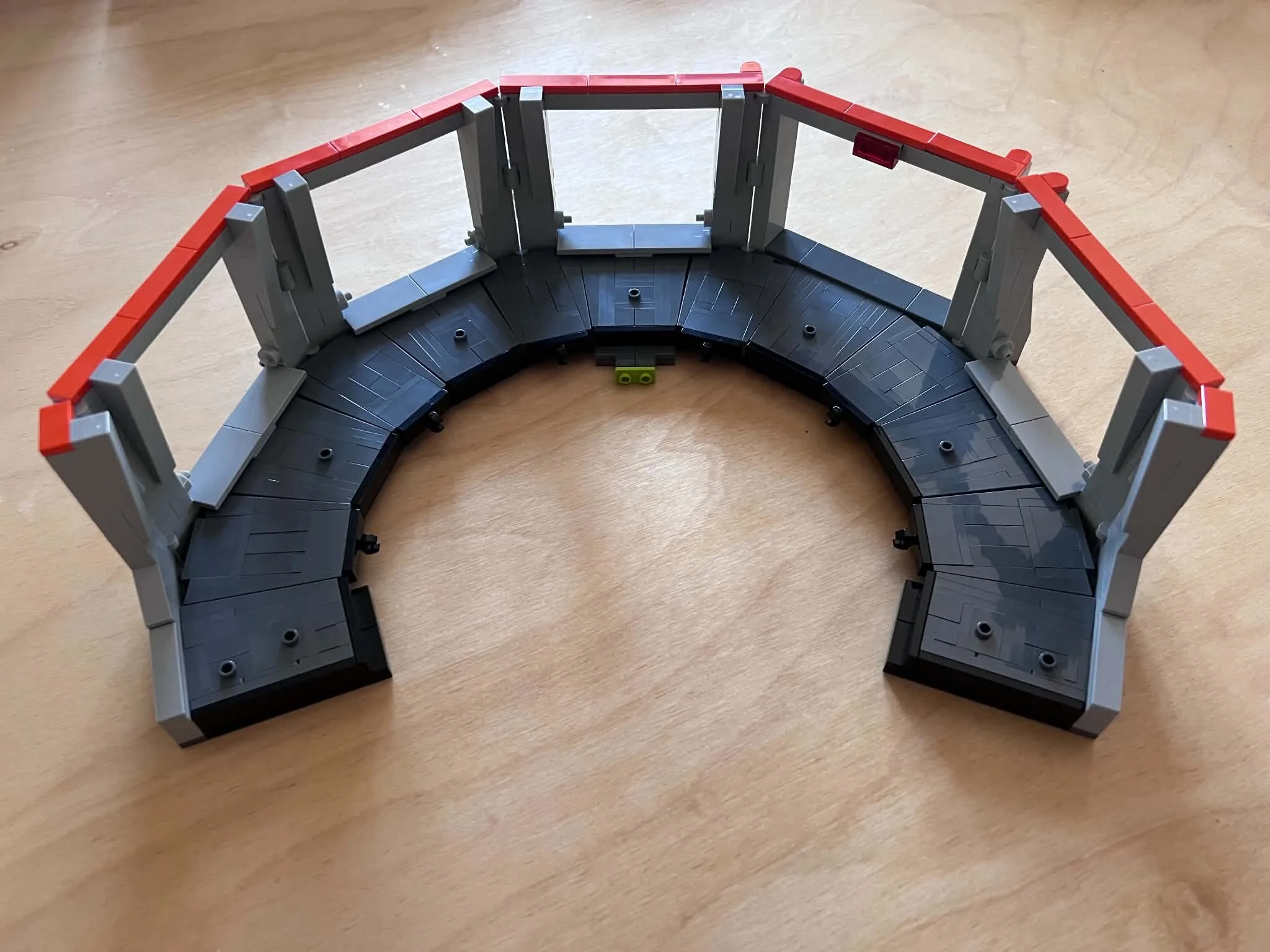
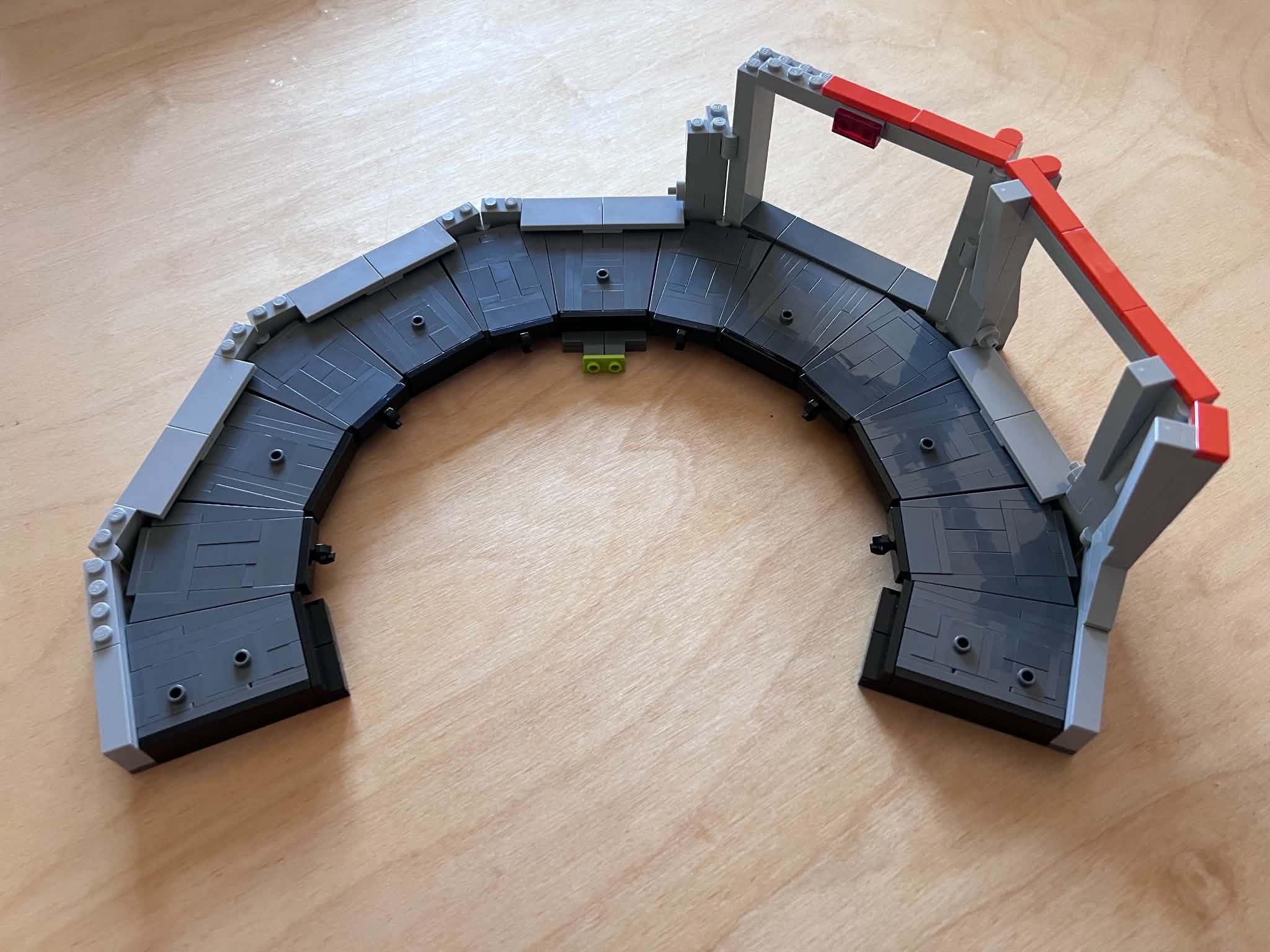
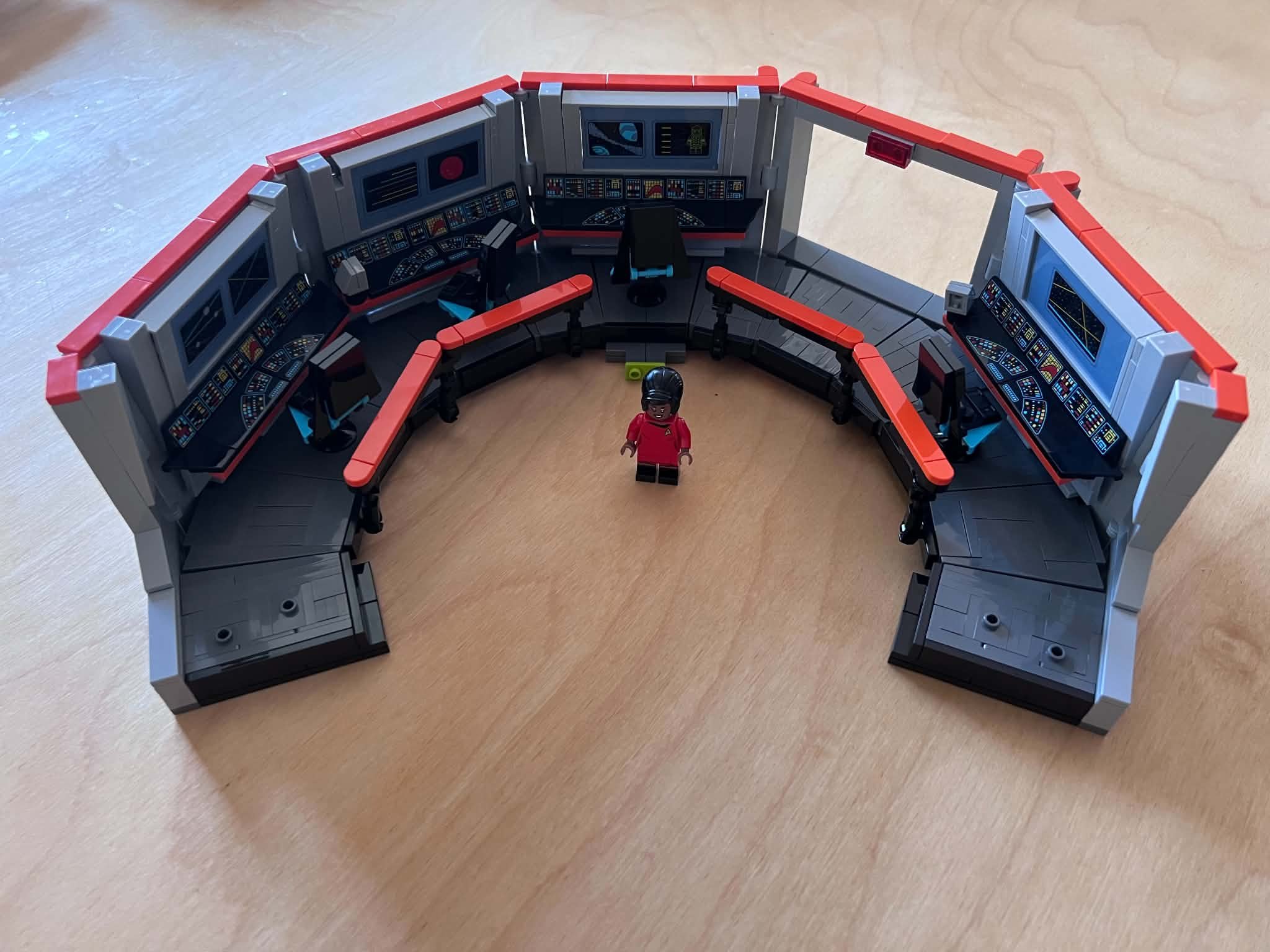
There is something else I like about LEGO choosing The Original Series for its first Star Trek playset. The sets, costumes and effects of the 1960s series could sometimes be wonderfully simple, but the stories asked viewers to imagine entire planets and civilizations beyond what was physically on the screen. A handful of rocks on a soundstage could become an alien world because the story told you it was one.
You can do the same with LEGO. A few bricks can become a planet, a strange alien creature or whatever the crew encounters next. You don’t need LEGO to make every corner of the Star Trek universe for you. Sometimes it is more fun when they leave a little of the exploring to us.
Designed to Be Played With
I spent 20 years of my adult life designing toys to be played with. I worked on action figures, role-play toys, dolls, bath toys and plenty more, and one thing we always had to think about was play value. What is someone actually going to do with this toy once they take it out of the package?
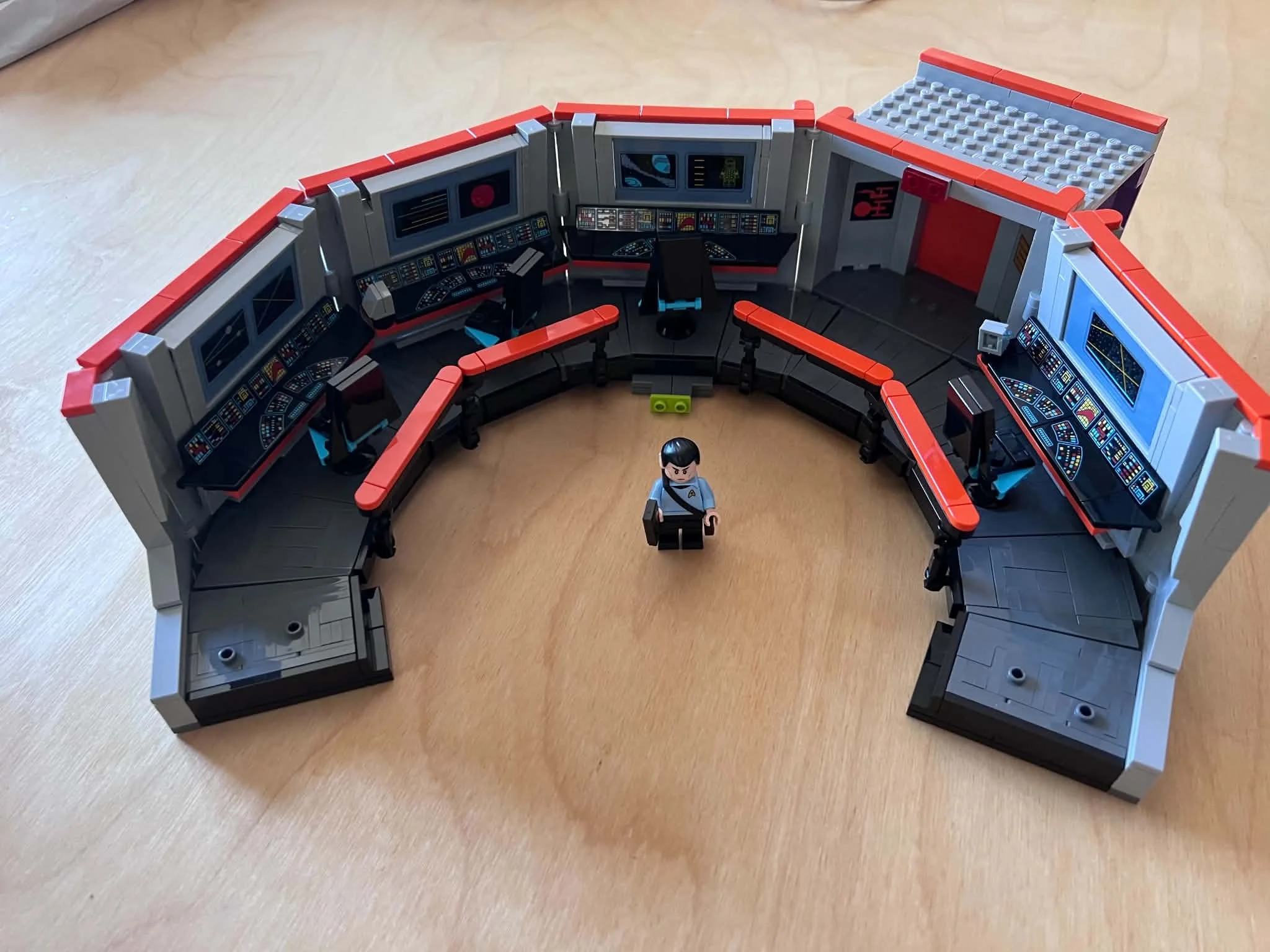
That experience probably explains why I appreciate this set so much. It displays well, but the designers clearly thought about what happens after you finish building it. The different sections are modular, so they can easily be moved around and reconfigured. Fittingly, the original television bridge worked much the same way: its set was built in removable sections so cameras could get inside, meaning viewers rarely saw the entire bridge at once.
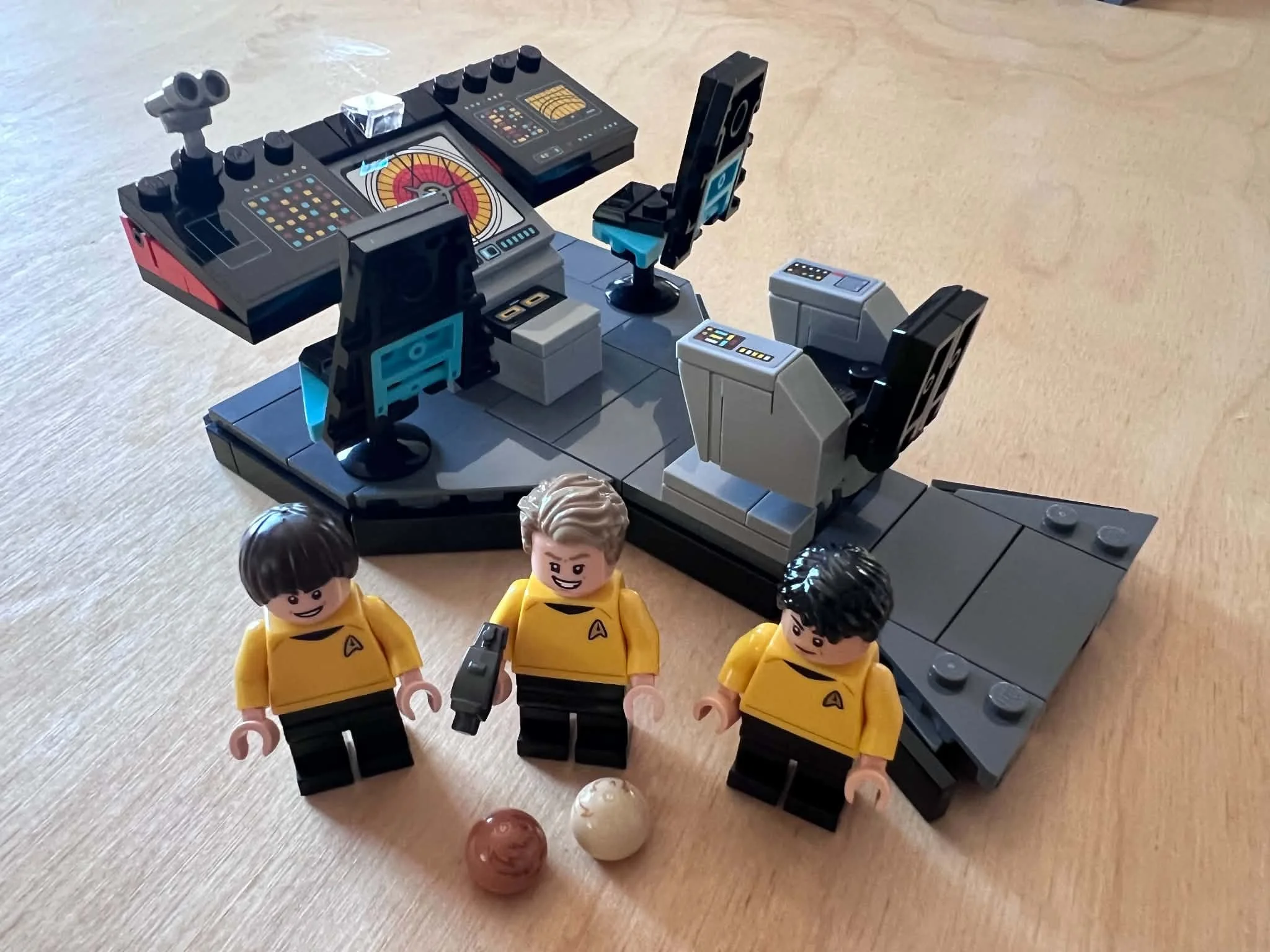
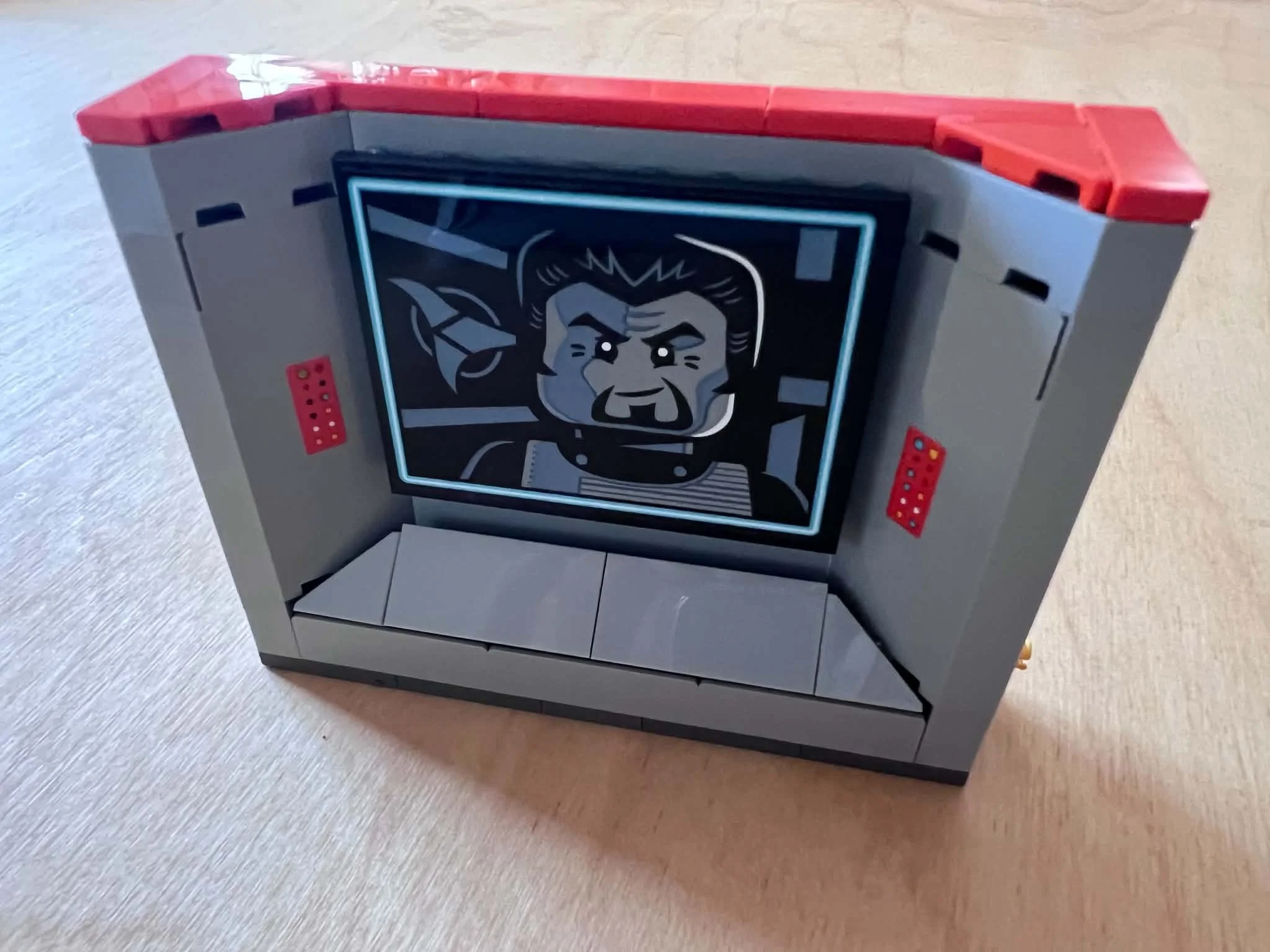
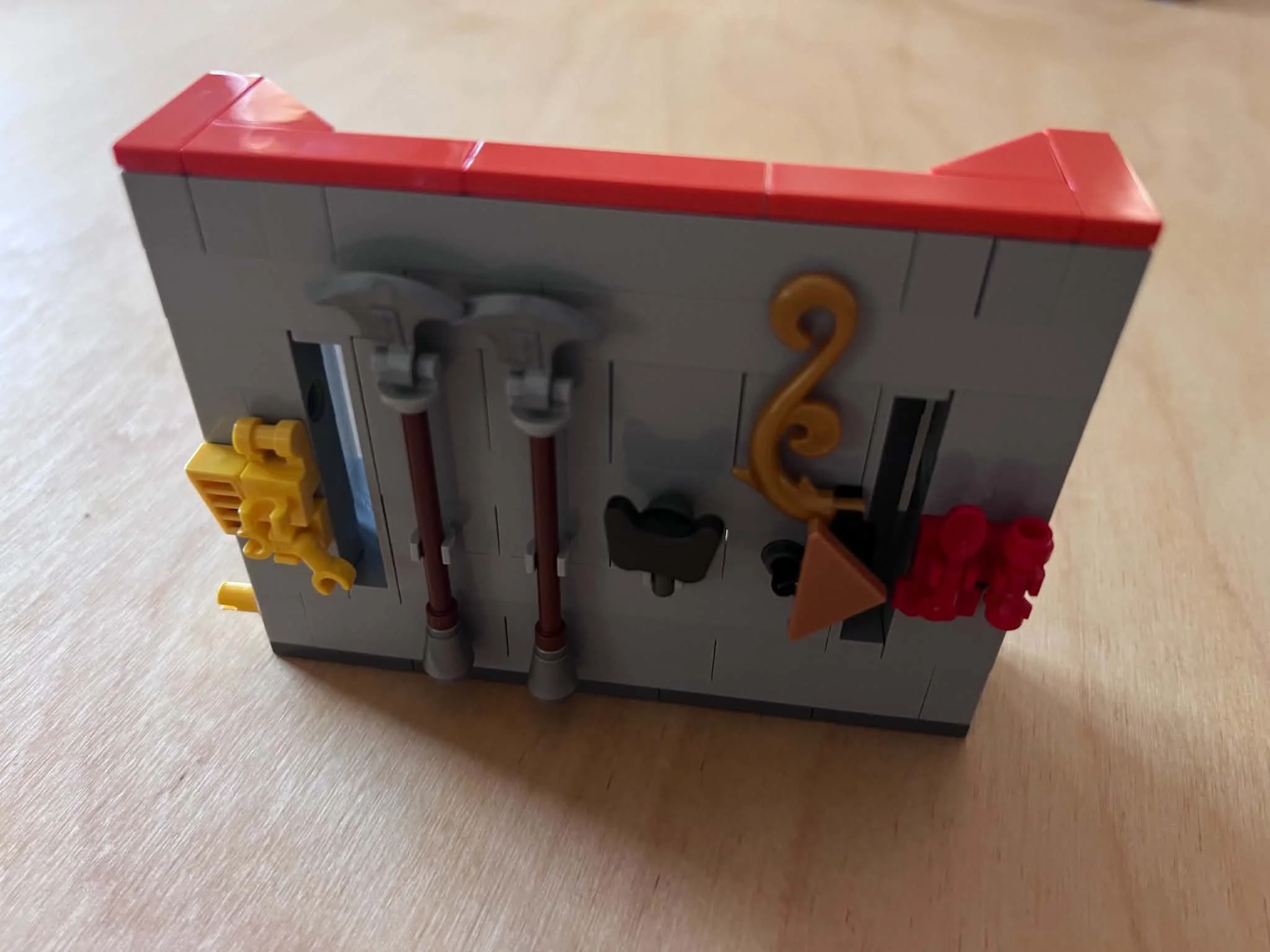
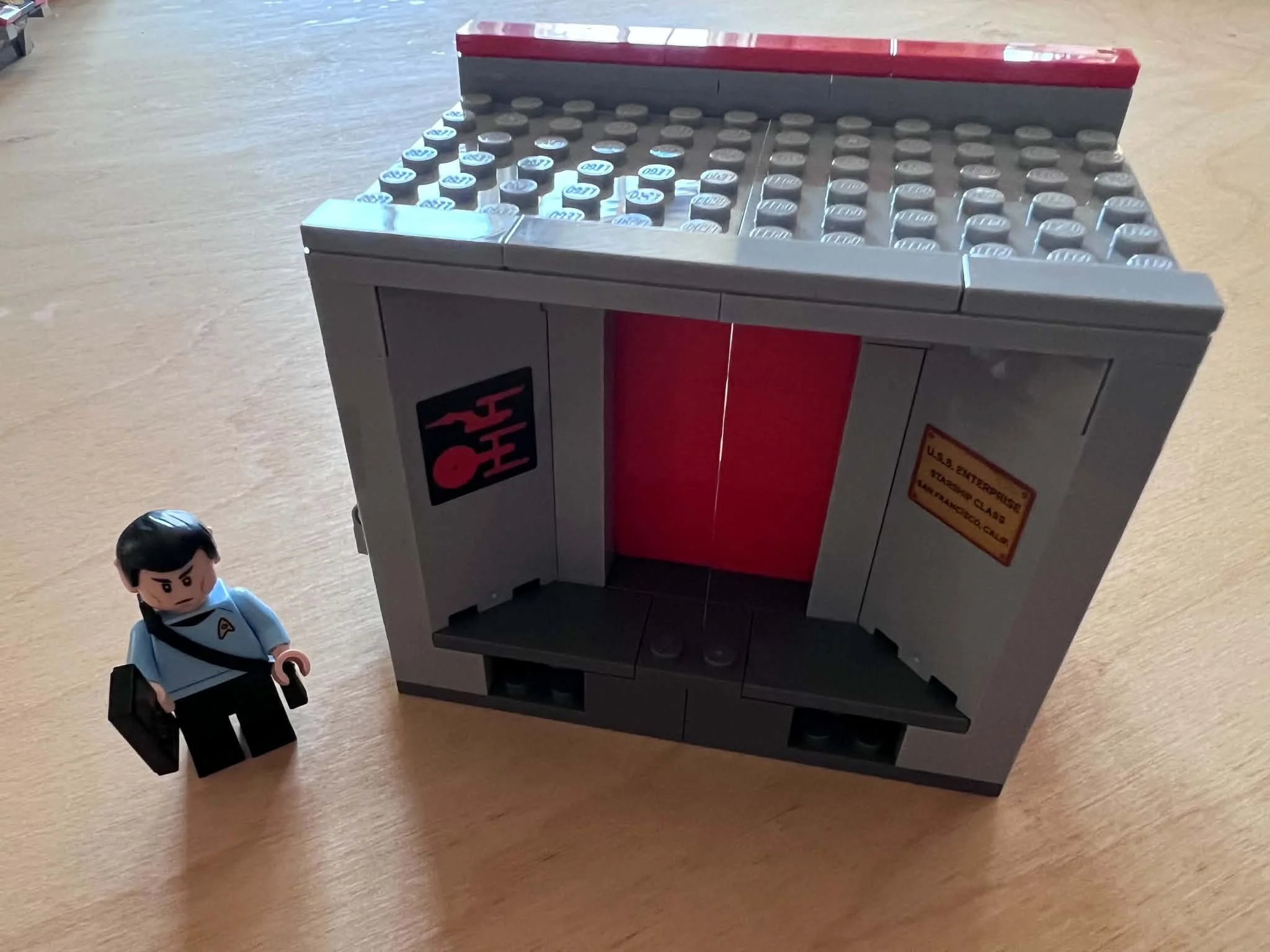
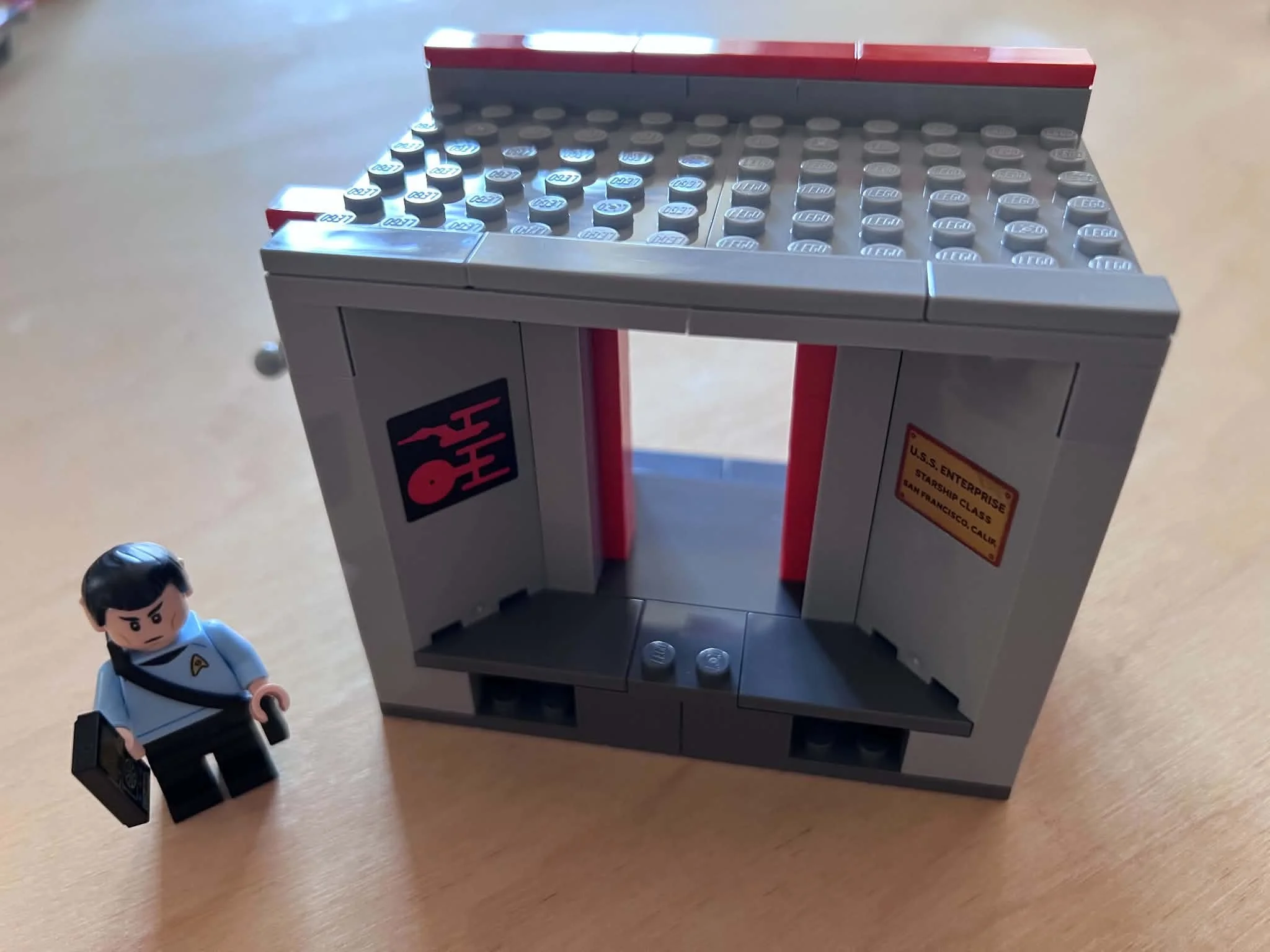
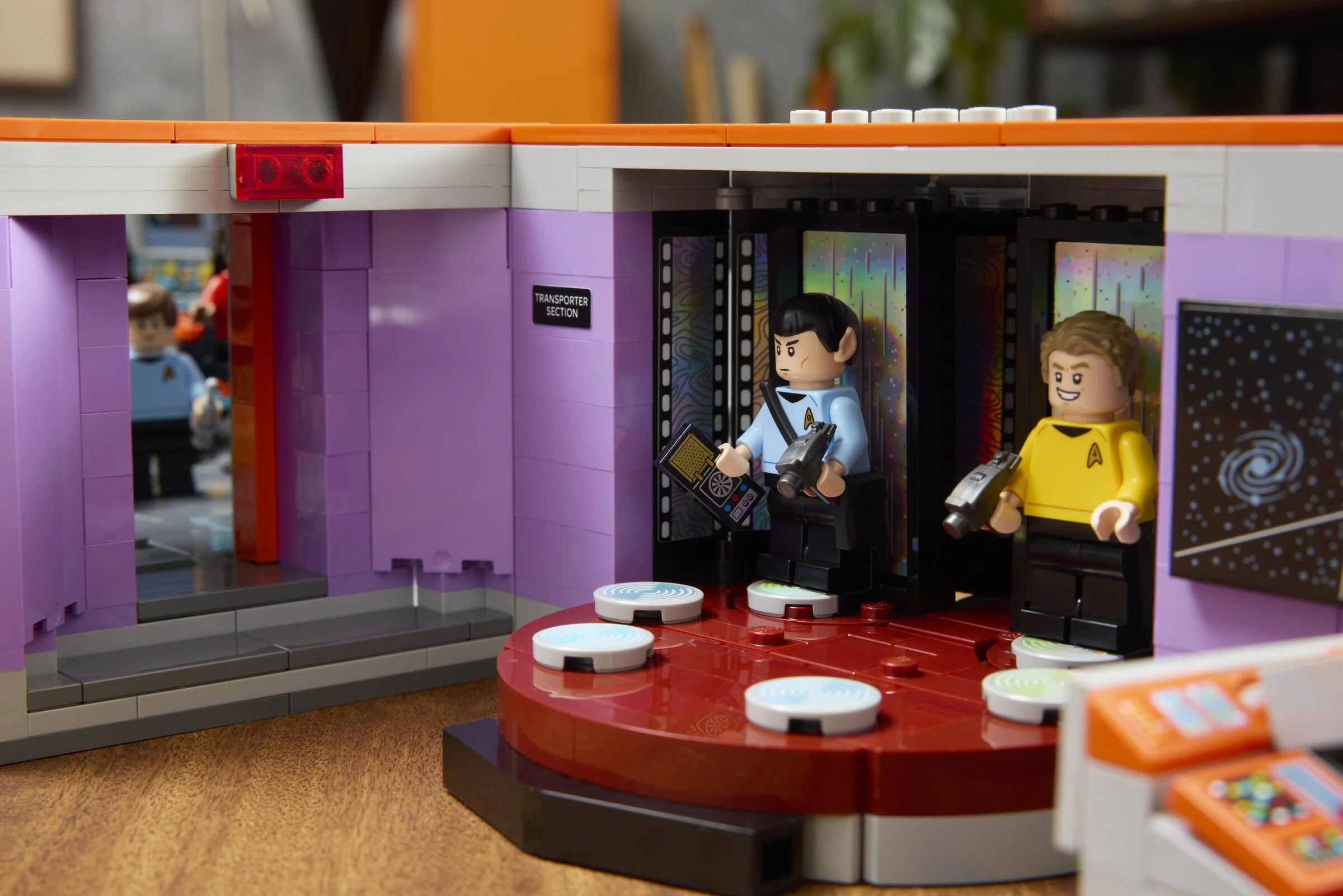
The captain’s chair rocks back and forth as if the Enterprise has just been attacked. Push a lever and the turbolift doors open. Another mechanism operates the transporter, letting you actually beam a member of the crew away.
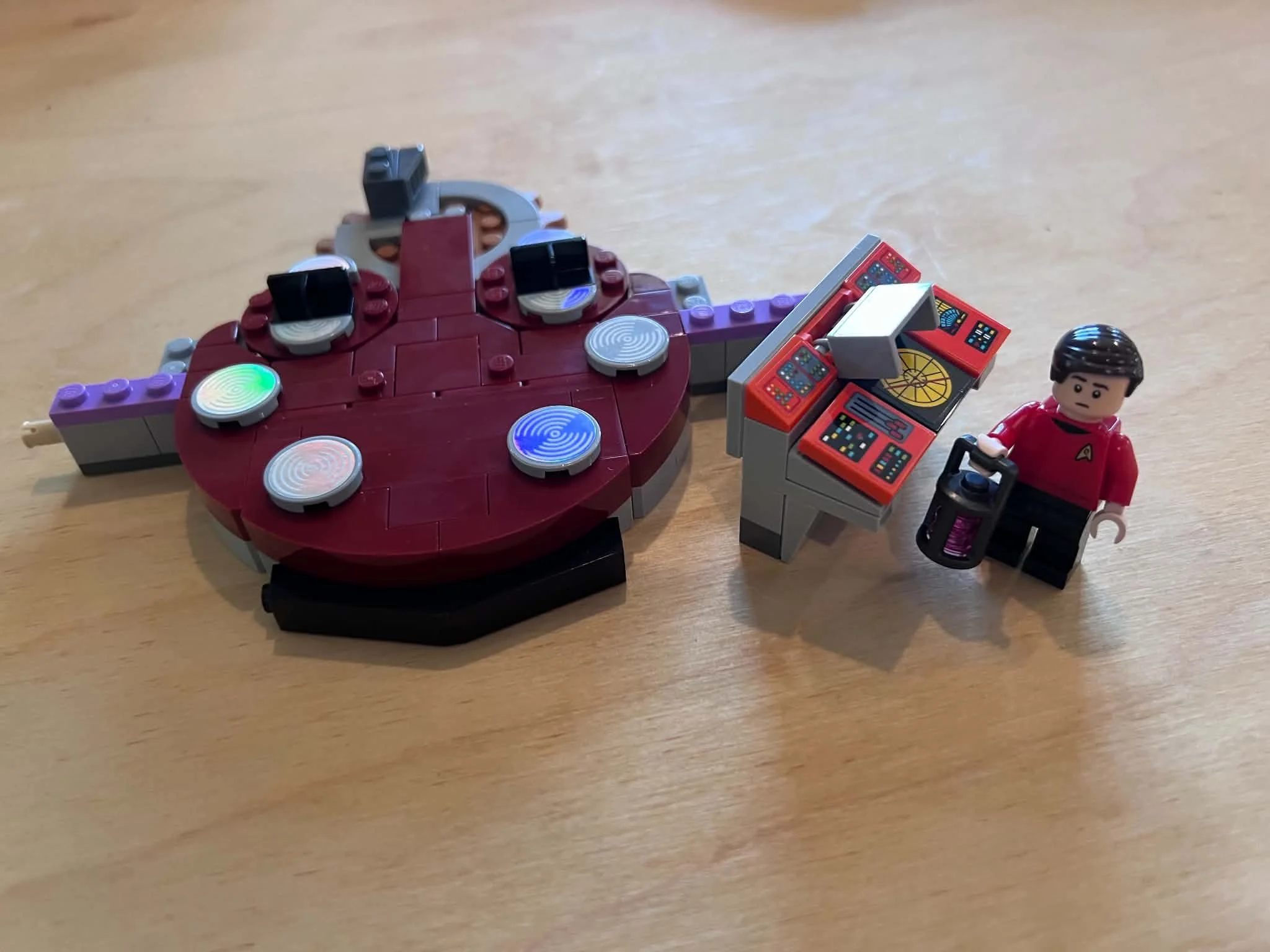
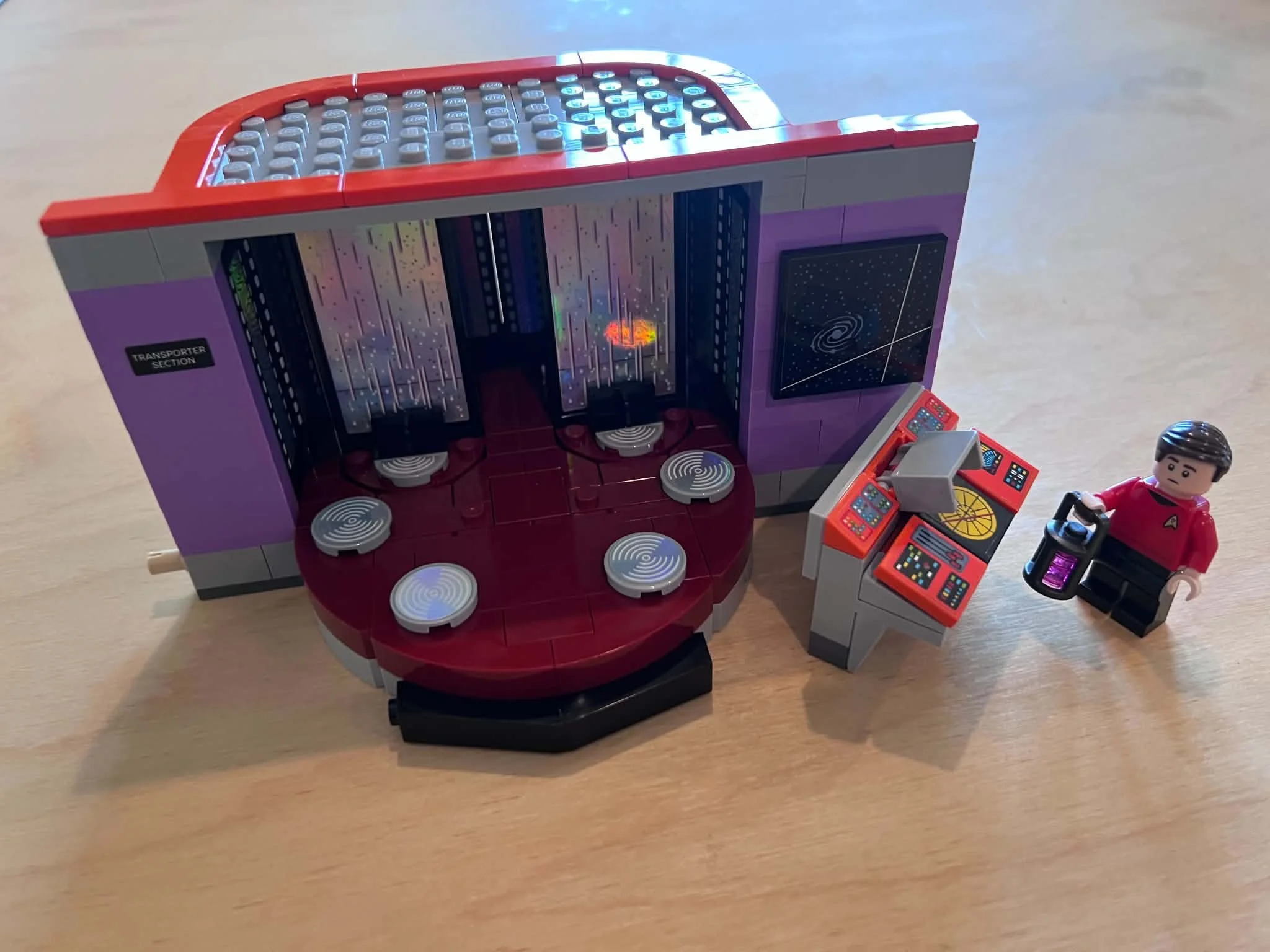
When I designed toys, the best play features were the ones that gave you an excuse to start making up a story. That is what these do. Rocking Kirk around in his chair means the ship is under attack. Opening the turbolift means someone has just arrived on the bridge. Put a minifigure in the transporter and now you have to decide where they are going and what is waiting for them.
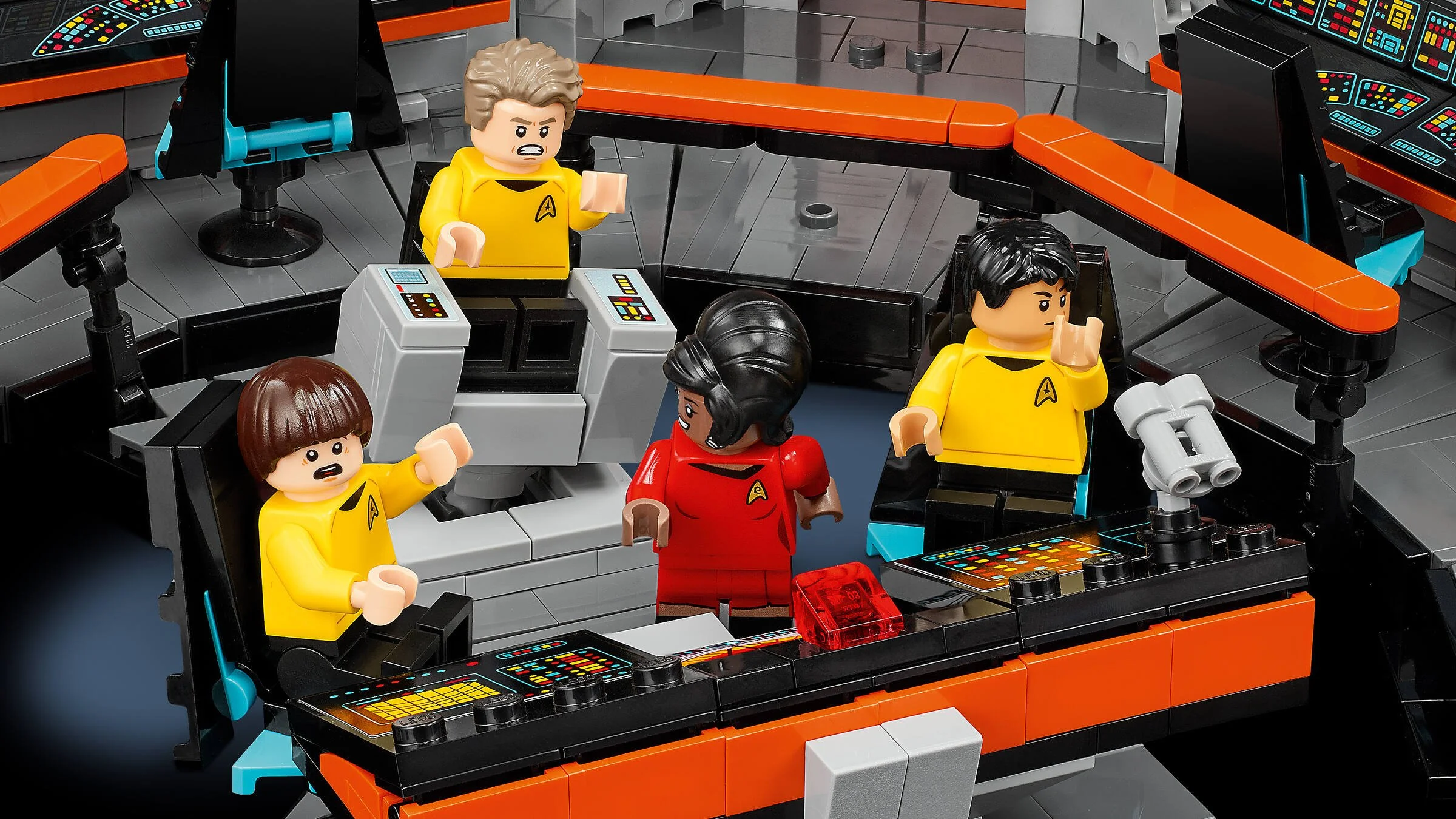
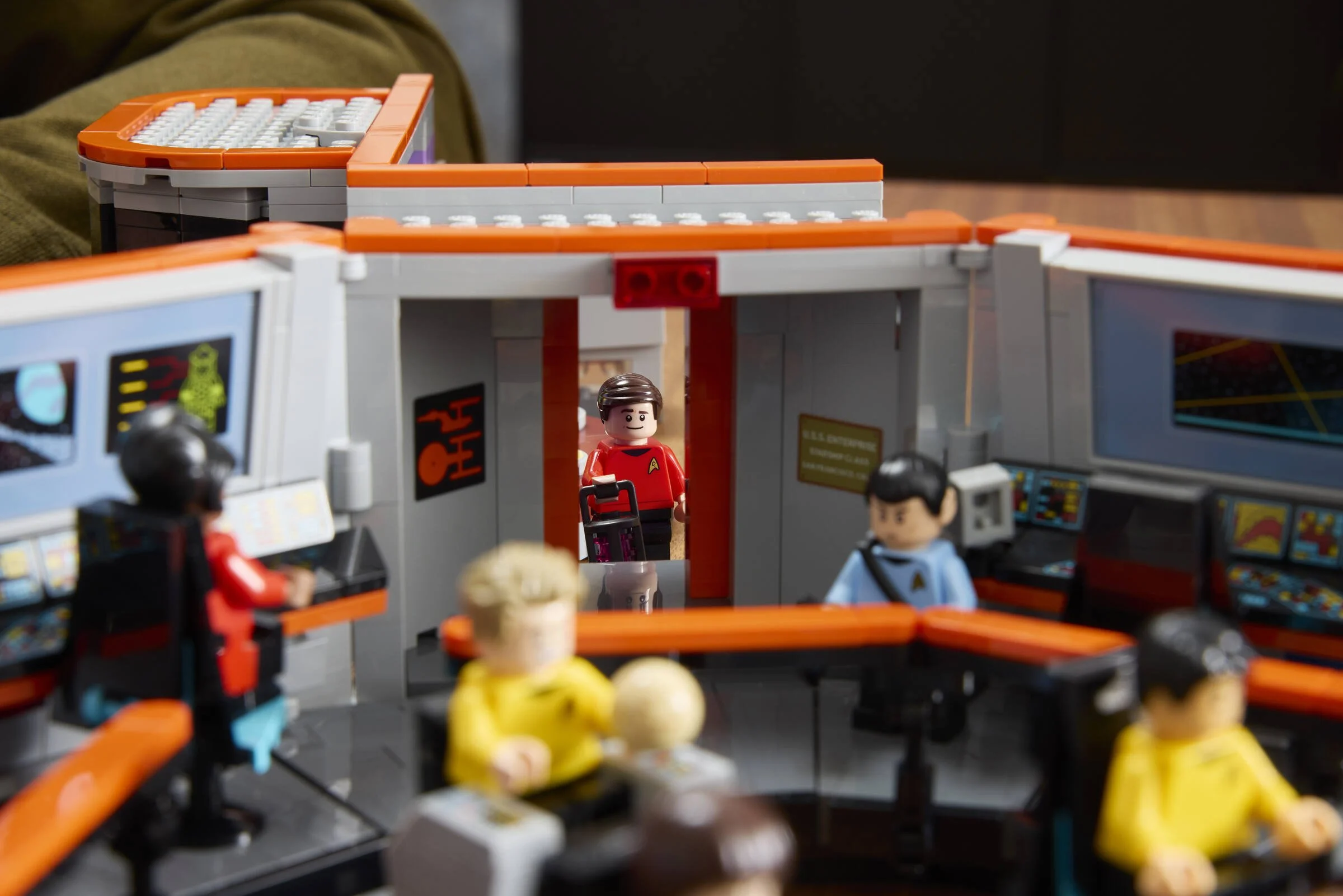
Then there are the minifigures. The set includes eight members of the crew, giving you Kirk, Spock, McCoy, Scotty, Uhura, Sulu, Chekov and Nurse Chapel. I’m especially happy to see Chapel included. She was played by Majel Barrett, Gene Roddenberry’s real-life wife, who had a connection to Star Trek that extended far beyond that character. She also played Number One in the original pilot, Lwaxana Troi in The Next Generation and Deep Space Nine, and became the familiar voice of Starfleet computers across multiple series.
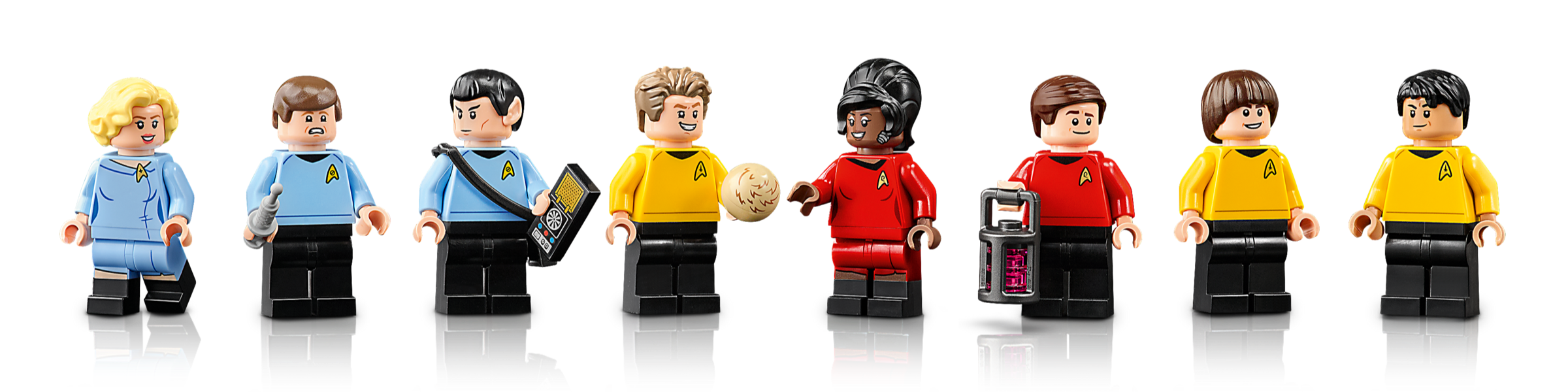
Image via LEGO
There are plenty of smaller details to help tell those stories, too, including communicators, new molded phasers and, naturally, Tribbles to frustrate the crew. I’m glad to finally have proper Star Trek phasers in LEGO form, but the weapons were never the most important part of the show for me. Star Trek was about discovery rather than war. Give me the crew, their equipment and a place to send them, and I can make up the rest.

Image via Brickset
That is what I wanted from a Star Trek toy as a kid. The Enterprise-D gives me a beautiful model of a ship I love. This set hands me Kirk, Spock and the crew and lets me decide where they are going next.
Let’s Talk About Those Stickers
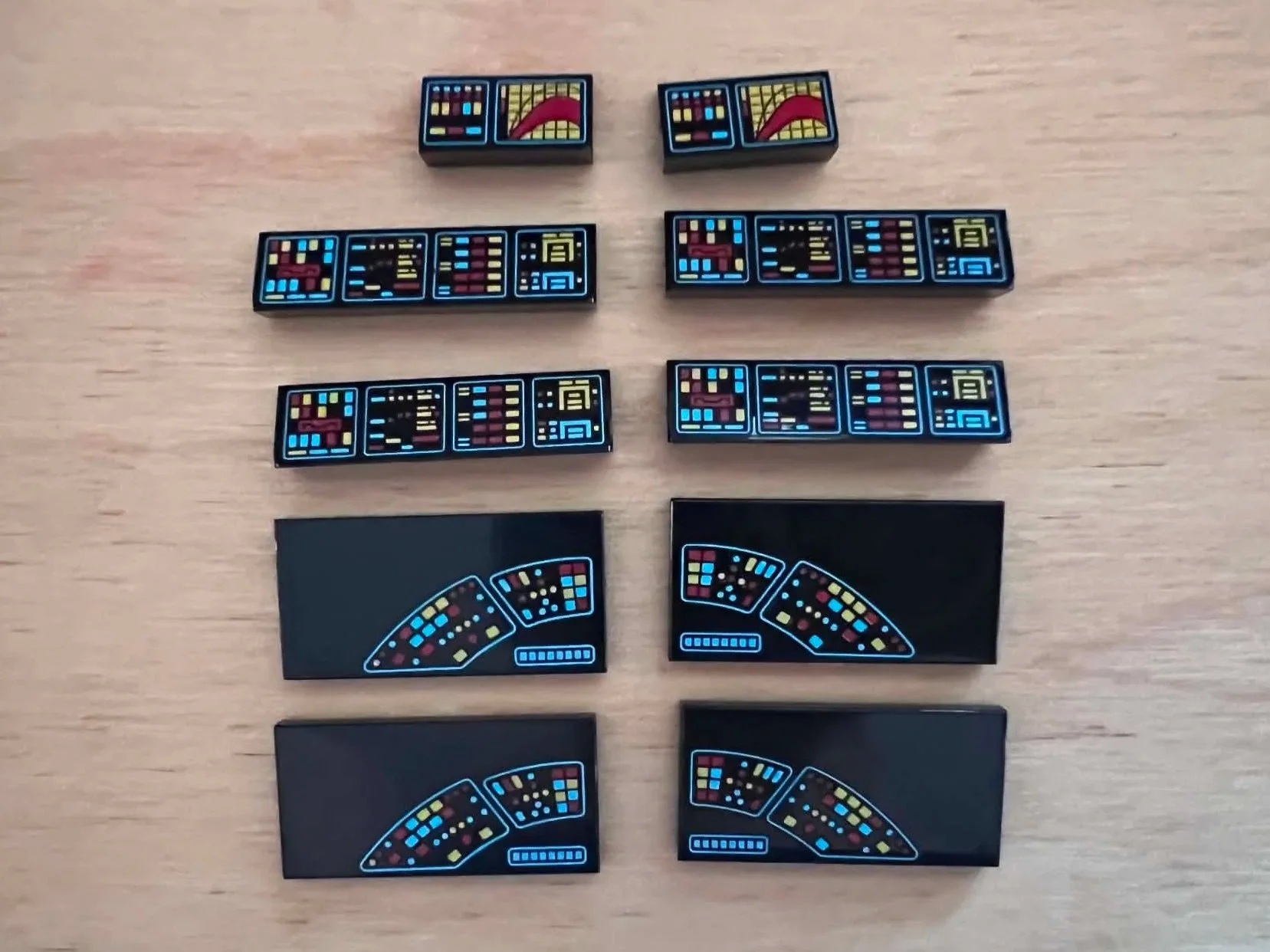
I know what some of you are going to say: that is a lot of stickers. There are 45 in total, spread across two sticker sheets and covering everything from computer consoles and the viewscreen to the transporter walls, maps and schematics. LEGO did print some of the repeated console elements, but there is still a lot of sticker application involved.
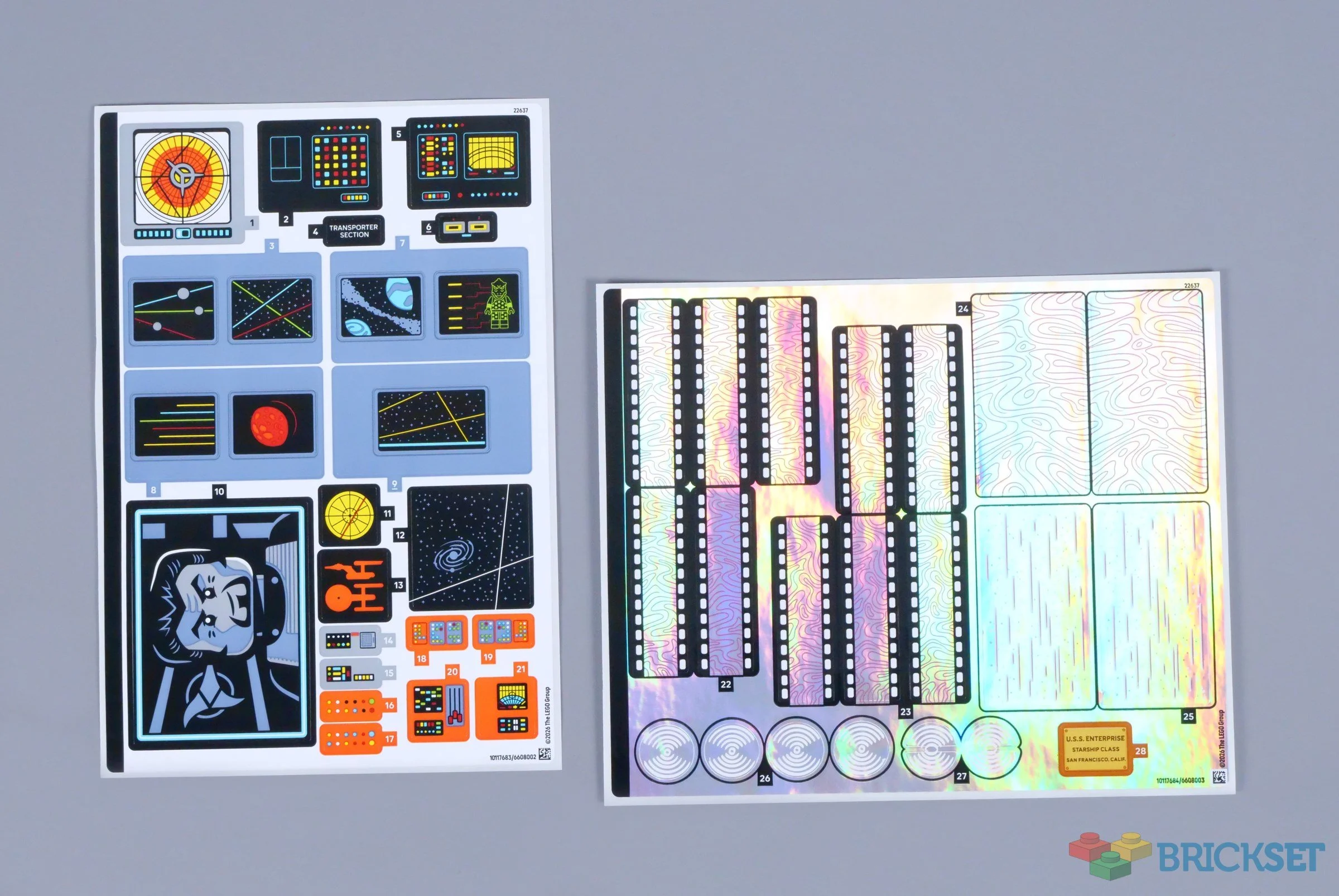
Image via Brickset
There is even a sticker for the plaque reading “U.S.S. Enterprise Starship Class San Francisco, Calif.” And after the infamous “to boldy go” typo on the dedication plaque in the LEGO Enterprise-D, I’m happy to report that everything is spelled correctly this time.
I understand why LEGO fans get frustrated by stickers, especially in a set aimed at adults. Applying them can be difficult if you have shaky hands or struggle with spatial alignment, and nobody enjoys realizing that a sticker is crooked after pressing it firmly into place. Given the choice between a sticker and a printed element, I think most of us would happily choose the print.
But I spent 20 years working in the toy industry, so I also look at those stickers from the manufacturing side. When we manufactured toys, every paint station needed to decorate a toy would add about three cents to our cost. Every additional color or application could mean another station. Three cents sounds insignificant until you start multiplying it across all the decoration on a toy and all the units being manufactured.
Then there is what happens to those costs on the way to the store. We might manufacture an action figure for around $2, sell it to a retailer like Walmart or Target for $4–5, and see it on the shelf for $10–12. A few extra cents at the manufacturing stage don't necessarily mean a few extra cents at retail.
LEGO also has a logistical problem we didn't have with most of those toys. An action figure is generally manufactured and packaged as a single toy. A LEGO set contains hundreds or thousands of individual components that all have to end up in the correct bags and boxes. Every uniquely printed LEGO element becomes another specific component that has to be produced, stored, tracked and sorted into the final set.
It gets even more complicated when the same element appears both printed and unprinted. To a builder, those might look like the same piece with a little decoration added. In the factory, they are two different inventory items that need separate storage and have to remain separate through sorting and packaging.
Now apply that to this set. If every stickered detail were printed, I estimate there could easily be more than 100 individual paint or printing operations involved. Add in the manufacturing, storage and sorting for all those unique elements, and I could easily see a fully printed version of this set costing $100 more at retail.
Would I rather have printed elements? Of course. But after working in toy design, I know it isn't as easy as just running 45 pieces through a printer. Every one of those decisions has consequences somewhere else in manufacturing.
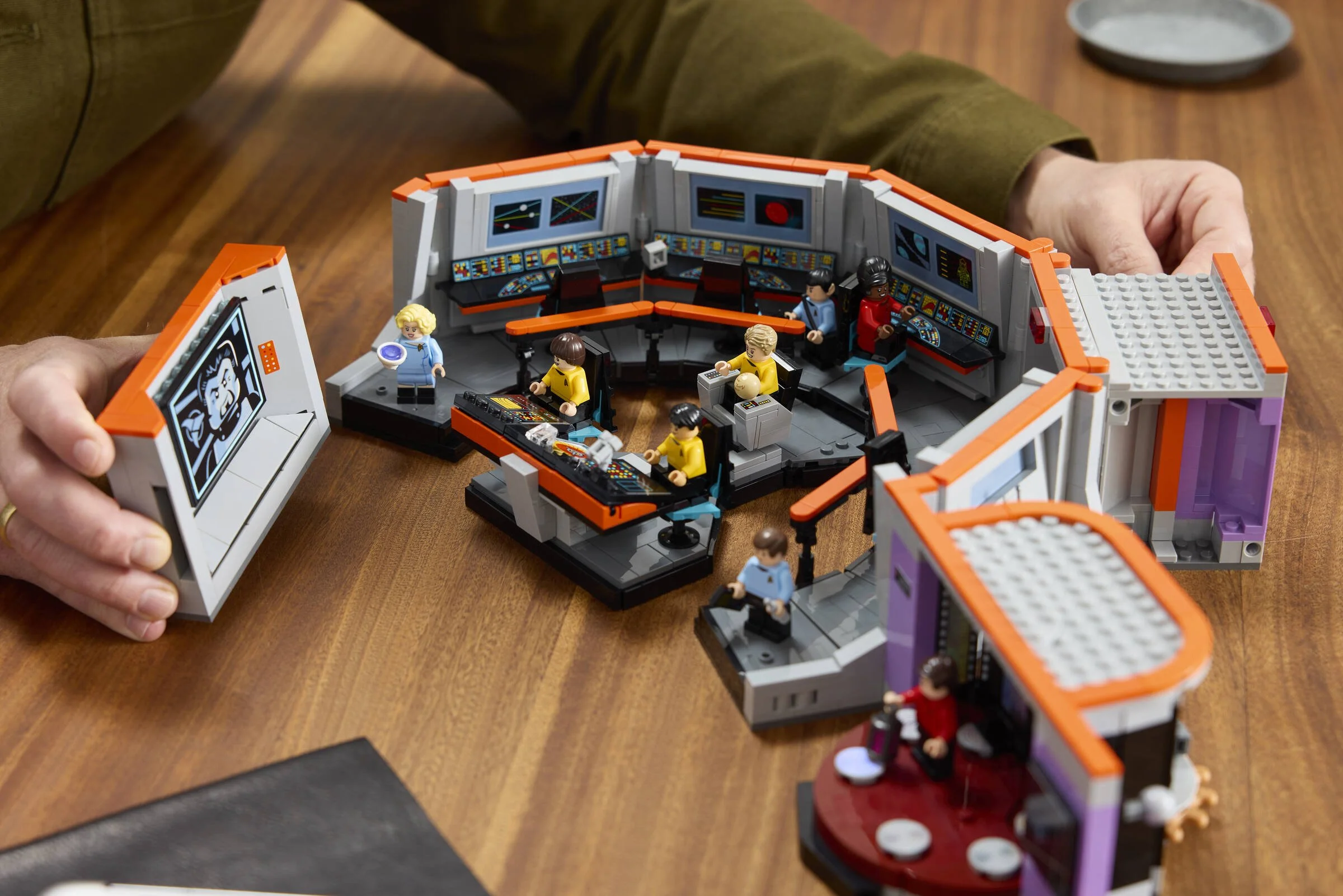
Image via LEGO
So yes, there are a lot of stickers. I’m not going to pretend everyone will enjoy applying them, but I understand why they are here. And after applying enough LEGO stickers over the years, I’ve learned to find something almost meditative about the process. Almost.
AFOL & Trekkie
I have spent most of my life loving LEGO and Star Trek for slightly different reasons. LEGO made me want to create, take things apart and see what else they could become. Star Trek made me want to explore, stay curious and imagine what might be out there. Eventually, those two things started running into each other.
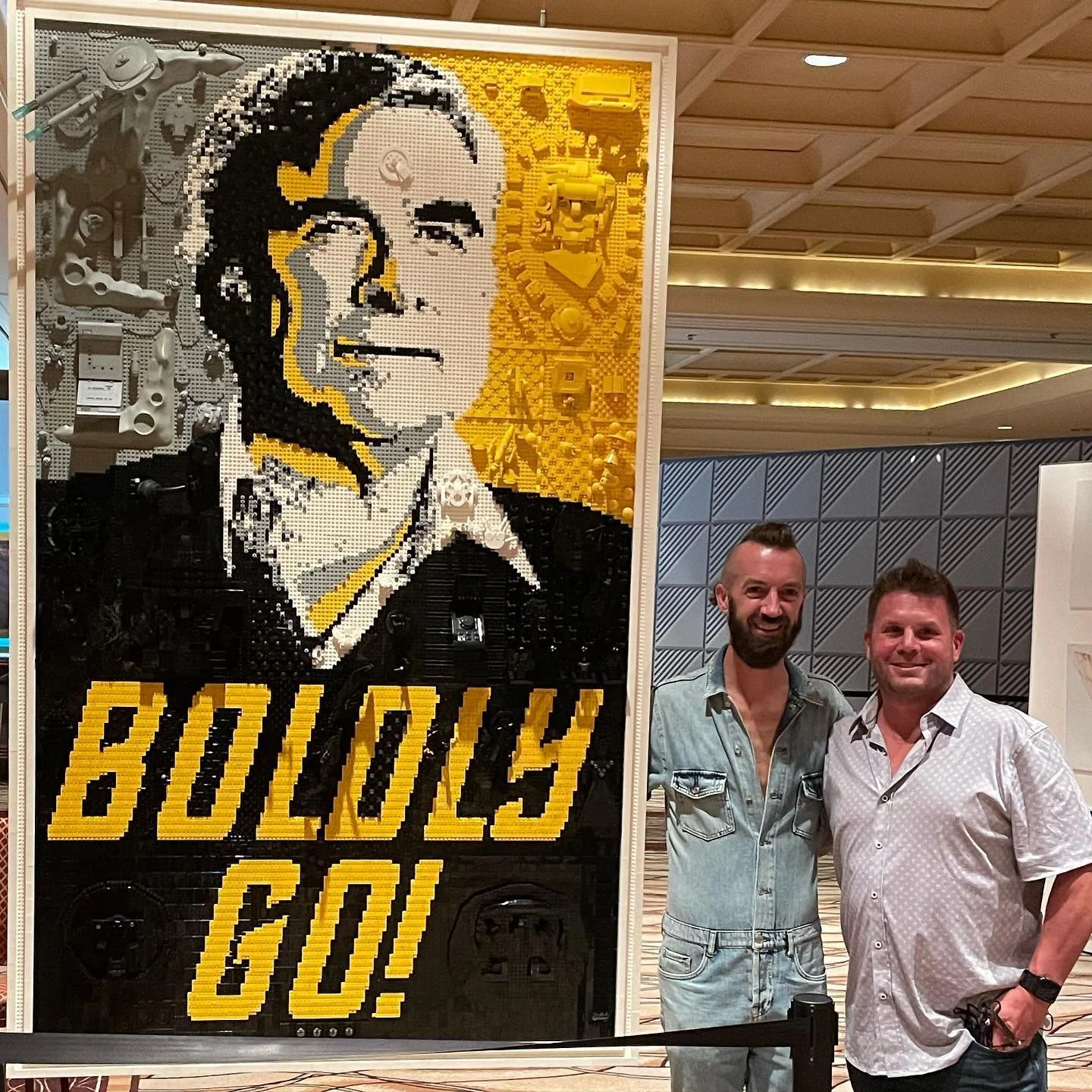
I’ve been lucky enough to build Star Trek models for Roddenberry Entertainment, share them with other fans and see my creations displayed in places I never expected. Now LEGO is finally making official Star Trek sets, and I get something I never had as a kid: I can open a box and find Kirk, Spock, Uhura and the rest of the crew inside.
Will every Star Trek fan be happy that LEGO made a playset instead of another ship? Probably not. I still want to see more ships, more characters and more corners of the Star Trek universe in LEGO form, too. But I hope this theme doesn’t become a collection of models that we build once and put on a shelf. I want some sets we can actually play with.
That is why 11385 Enterprise NCC-1701 Bridge works for me. It doesn’t just give me something from Star Trek to display. It gives me a place to start creating my own stories again, just like I would have done as a kid. Hello, my name is Samuel Hatmaker. I am an AFOL, I am a Trekkie, and I’m very happy that I finally get to be both at the same time.
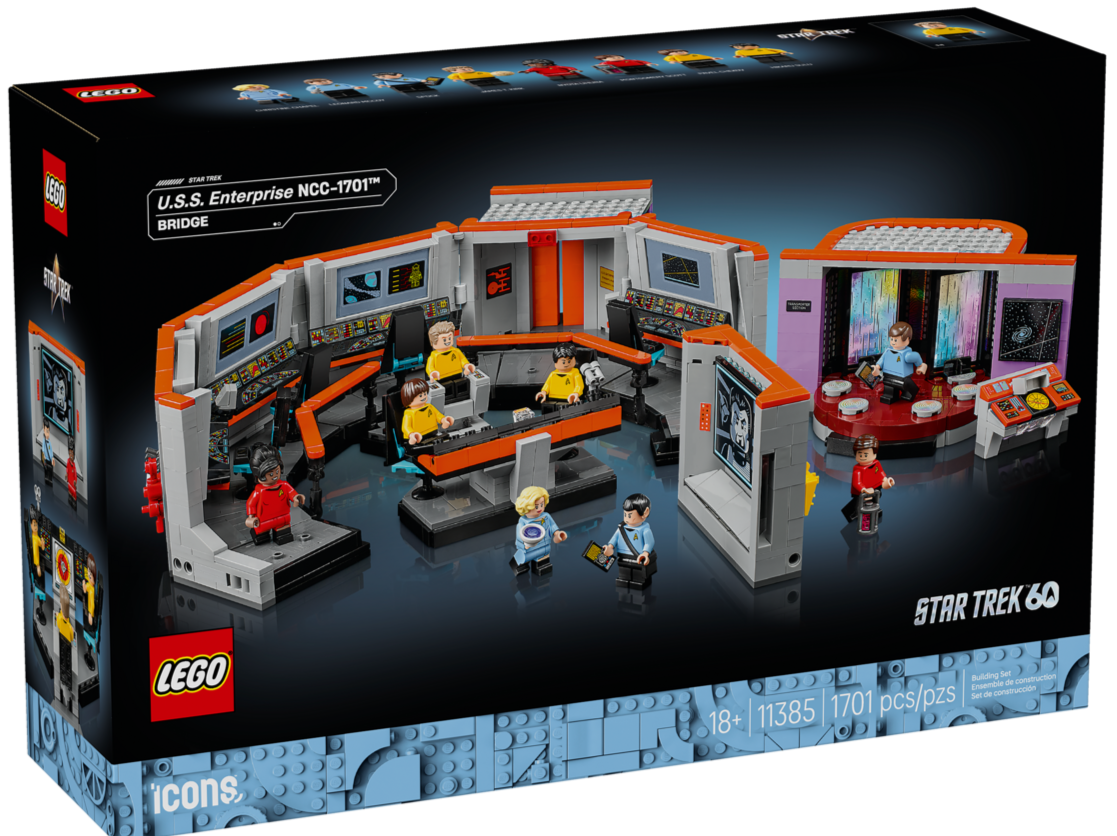
LEGO Icons 11385 Star Trek: U.S.S. Enterprise NCC-1701 Bridge is available for pre-order now and will be released on September 1st for $200 US | $270 CA | £160 UK | €180 EU | $300 AU.
DISCLAIMER: This set was provided to BrickNerd by LEGO. Any opinions expressed in this article are those of the author.
Would you rather see LEGO Star Trek continue with displayable ships or more playsets like the Enterprise bridge? Let us know in the comments below!
Do you want to help BrickNerd continue publishing articles like this one? Become a top patron like Paige Mueller, Rob Klingberg from Brickstuff, John & Joshua Hanlon from Beyond the Brick, Megan Lum, Andy Price, Lukas Kurth from StoneWars, Wayne Tyler, Dan Church, Roxanne Baxter, and Marci Hollingsworth to show your support, get early access, exclusive swag and more.