Building a Battlefield: LEGO Battles in the Brassbound Universe
/Just before November last year, I stumbled across a Facebook post about an air combat game that used LEGO models as miniatures. A few questions led to an invitation to the Brassbound Universe Discord server, where I found a community of builders developing games, testing rules, and sharing models.
There were two games to explore: Brassbound: Knights of the Air (KotA), an air combat game still in development, and Brassbound: Adamantine Dawn (BAD), a ground combat game set in an alternate Cold War with jumping mechs. While I haven’t spent much time with Adamantine Dawn, I’ve been playtesting Knights of the Air and offering suggestions. It’s fast-paced, approachable, and lets me put my love of aviation and LEGO building on the same table.
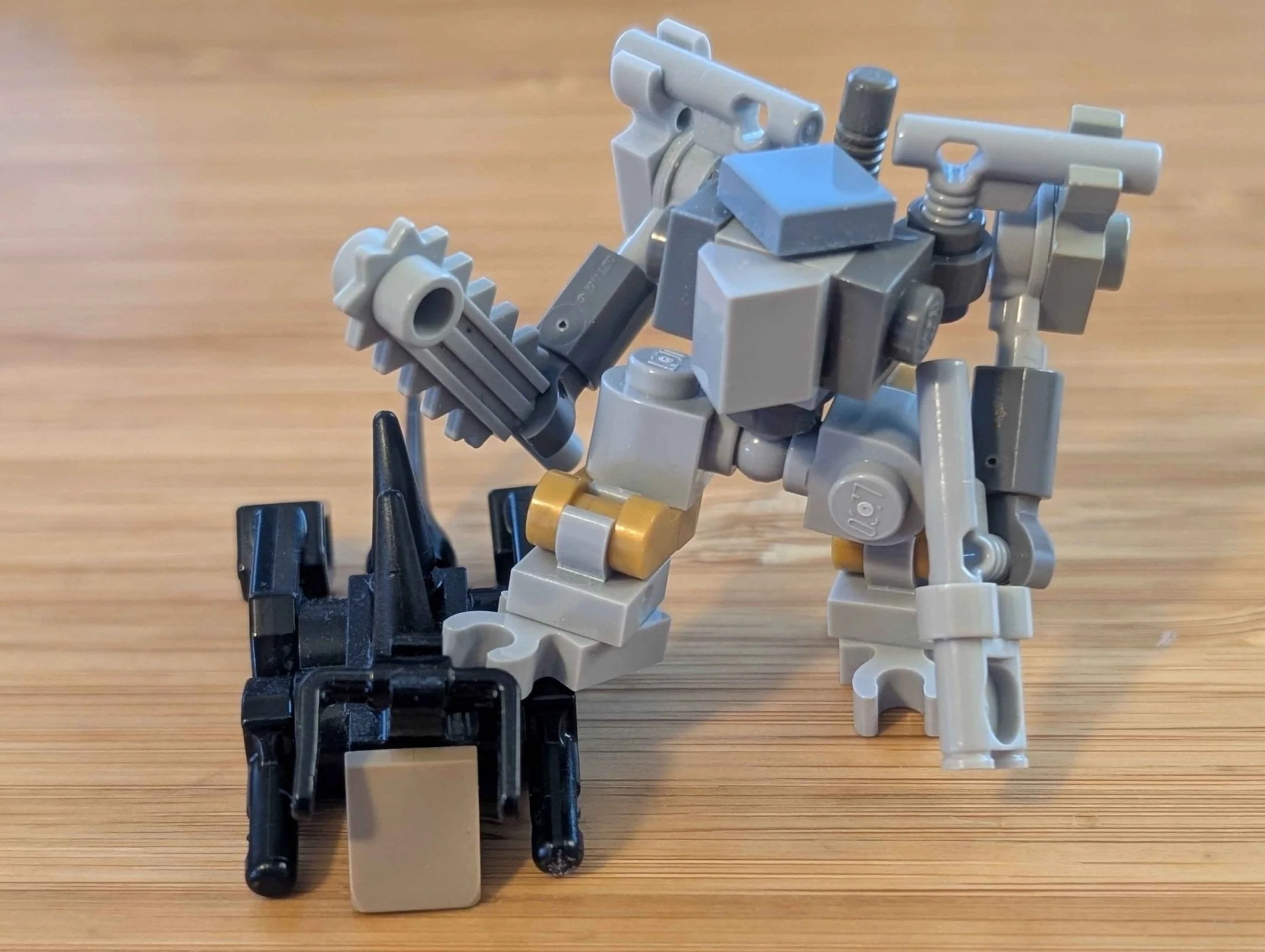
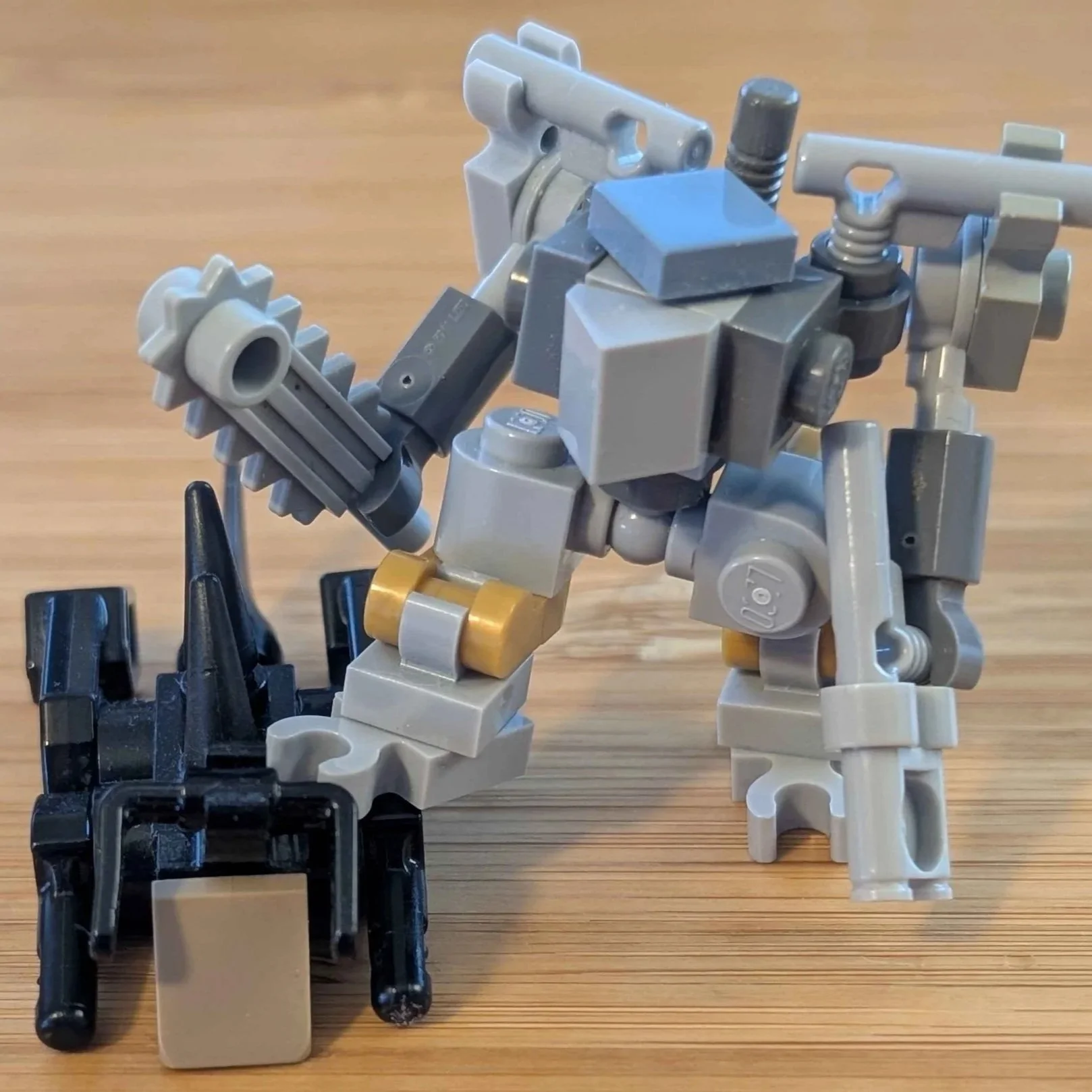
A Brassbounder stomping a Jötunn. Image by Paul Antoine.
Paul Antoine, known online as ThatBroDad, is the designer behind both games. After months of chatting about rules, models, and aviation history, I asked if he would share the story behind Brassbound with BrickNerd.
From Building to Board Games
Michael J: Hey, Paul! We’ve talked a lot about game design and aviation history over the last few months. Before we get into Brassbound, what’s your LEGO story?
Paul: I’m the youngest of four, so I got a lot of hand-me-downs. I was always drawn to LEGO because it was one of those “the whole is greater than the sum of its parts” toys. More bricks don’t just mean more toys; they mean more possibilities. My parents didn’t have a lot of money for toys when I was growing up, so whenever I was asked what I wanted, the answer was always “LEGO.” I didn’t need the latest toy because I could build it with LEGO. This was before licensed LEGO themes like Star Wars, mind you, so the sky was very much the limit!
Like pretty much every other adult builder I know, I went through a dark age. It wasn’t being “too cool” for LEGO, as that was never true. It was more that I got too busy with school and extracurriculars. I really got back into LEGO when I moved into an apartment in college. Suddenly, I had the space for a whole bin of LEGO. My roommates and I would just sit on the floor and build stuff for hours. In the years since, I’ve had periods with more or less time for LEGO, but it’s remained a constant.
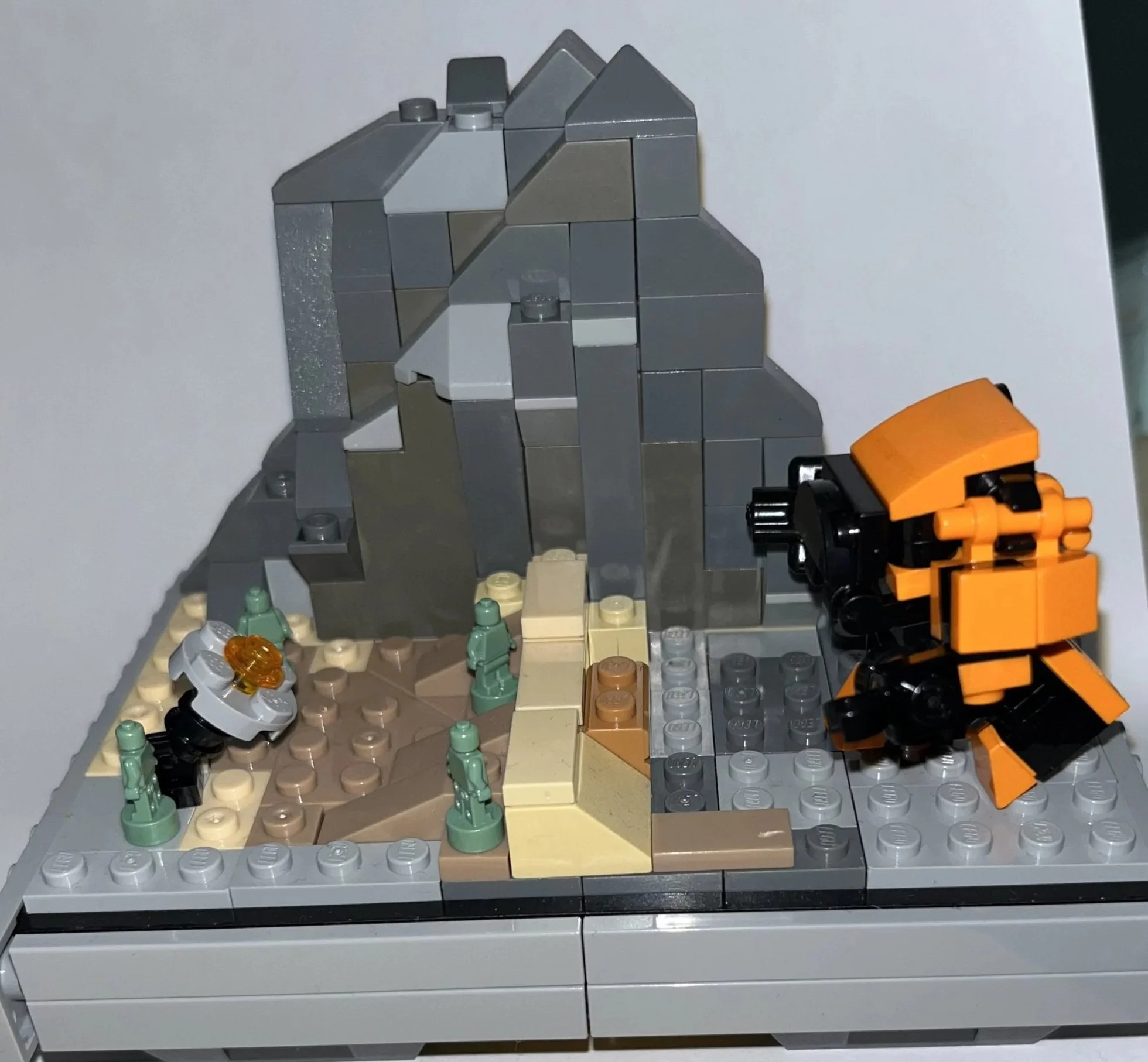
A Brassbounder approaching an infantry position. Build by J. Jere, shared on the Brassbound Discord server.
Michael J: My college roommates and I might never have finished our engineering work if we’d all brought our LEGO collections! How did board games enter the picture, and what led you to combine the two hobbies?
Paul: I was really lucky to get adopted into a friend group when I moved for my first real job after college. I moved to a city where I didn’t know anyone, and they were kind enough to bring me into the fold. It started as me just wanting to have friends and something to do, but then I grew to really like the games.
Like many adults who like board games, I started with “gateway” games like Catan, Ticket to Ride and Dominion. My friends got me Power Grid for my next birthday, and then I was hooked. I got to know friends of those friends, some of whom were into miniatures. That’s when I was introduced to games like X-Wing, Armada and War Machine.
It took me all of five minutes to realize I could make those out of LEGO. I immediately went home, made a series of Rebel and Imperial starfighters, and played a game of X-Wing with the rules I remembered. With a group of friends who liked this kind of stuff, I created several games along the way. They didn’t all use LEGO, but many did because it’s an excellent prototyping material.
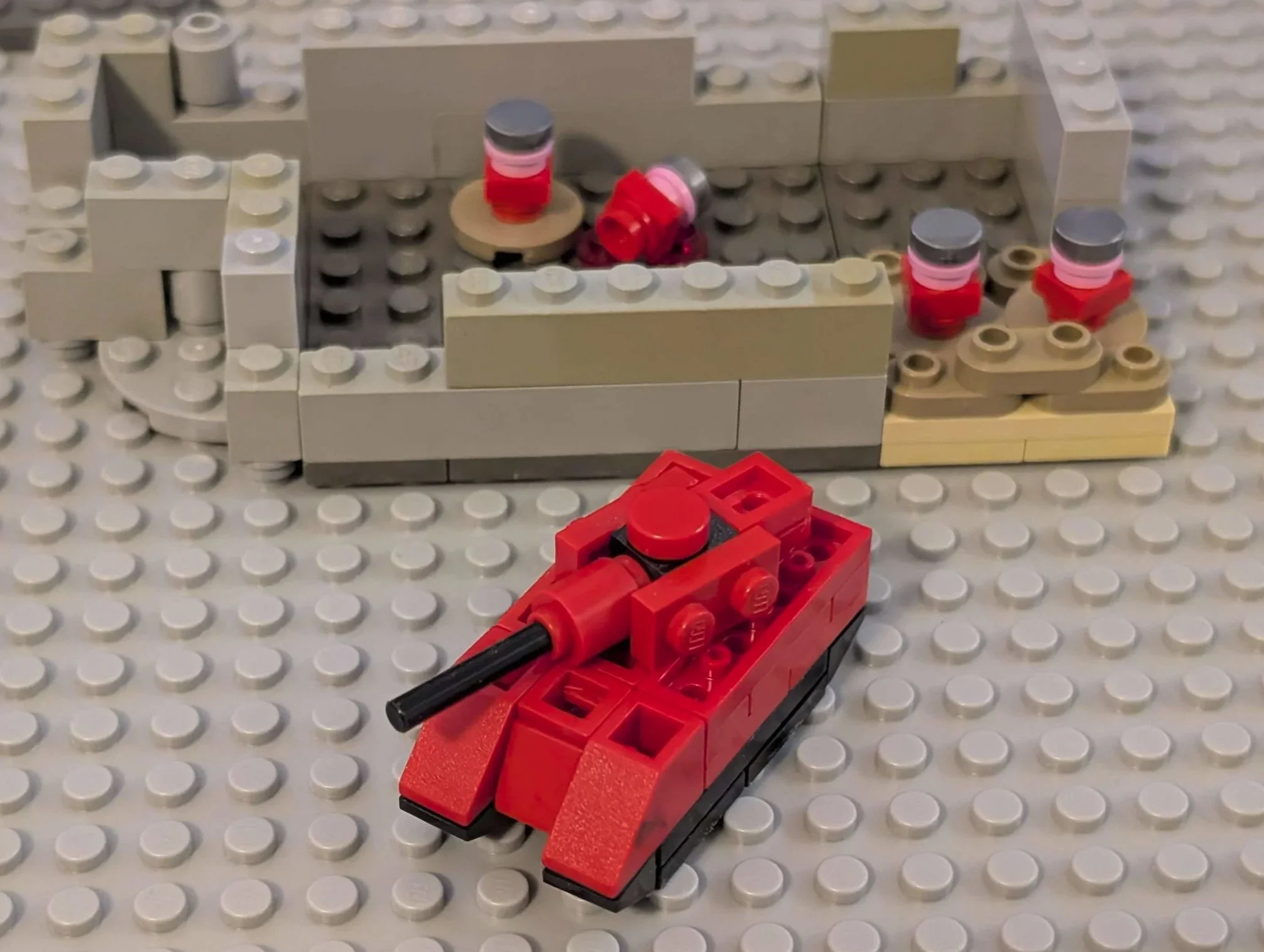
A Pact faction tank for Adamantine Dawn. Image by Paul Antoine.
Michael J: Catan was a gateway game for me, too. I always liked the idea of X-Wing, but the cost put me off. What can players expect from your two games?
Paul: I created Brassbound, a universe of free and low-cost tabletop games you can play with a box of bulk building bricks. I have released two games so far.
Brassbound: Adamantine Dawn is a platoon-sized tabletop game that combines different types of military units in an alternate Cold War setting. The rules are free, mature, and balanced, and include step-by-step building instructions and a Unit Creator to bring your own models to the table.
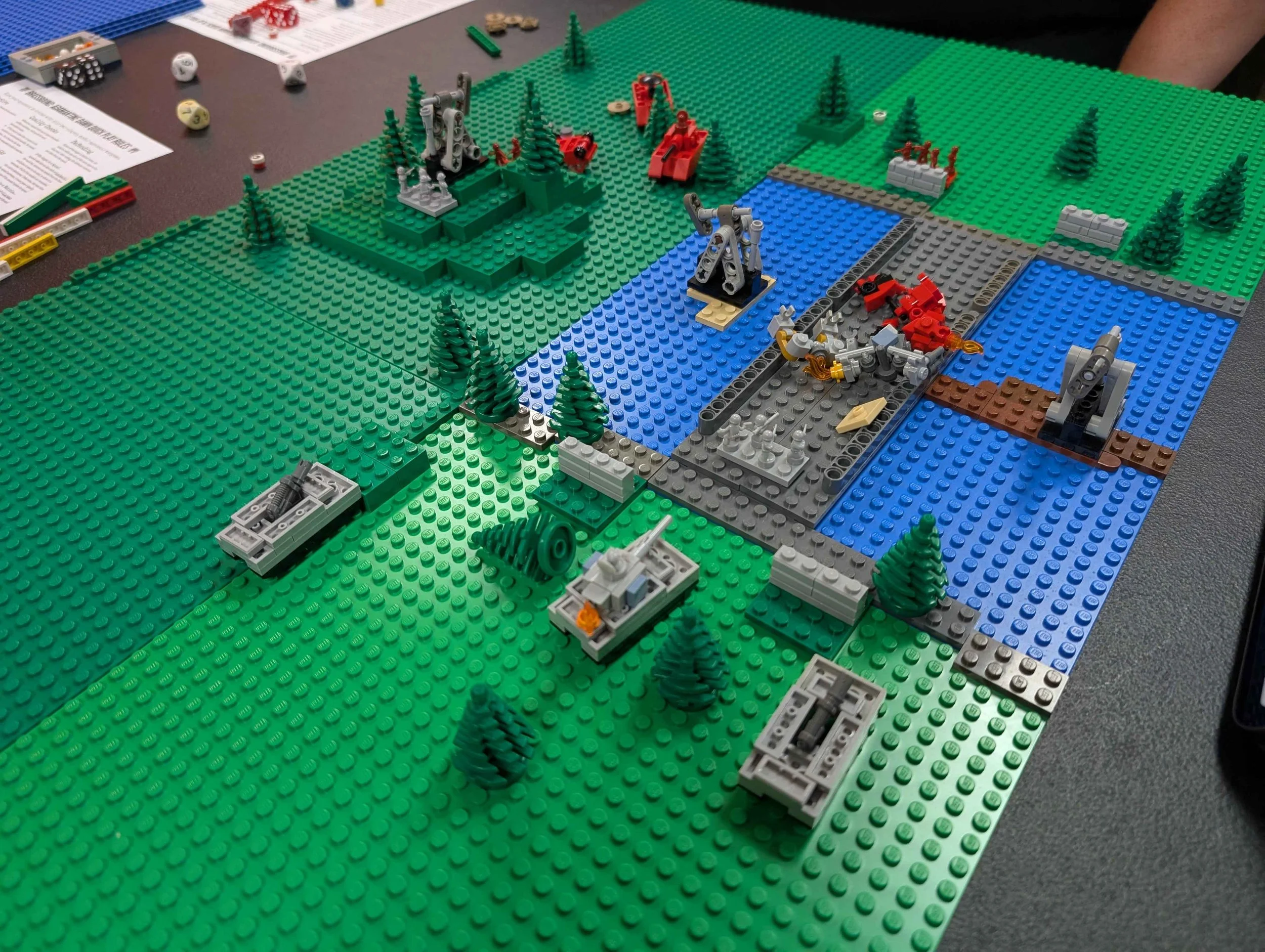
An Adamantine Dawn game in progress. Image by Paul Antoine.
Brassbound: Knights of the Air is a 1:300-scale tactical air combat game, similar to what you would get if you mixed X-Wing and Crimson Skies. It’s also free, but not totally done. The core rules are done and balanced, the scenarios are still subject to further balancing, and the Aircraft Fabricator, which will allow you to bring your own designs, is under development.
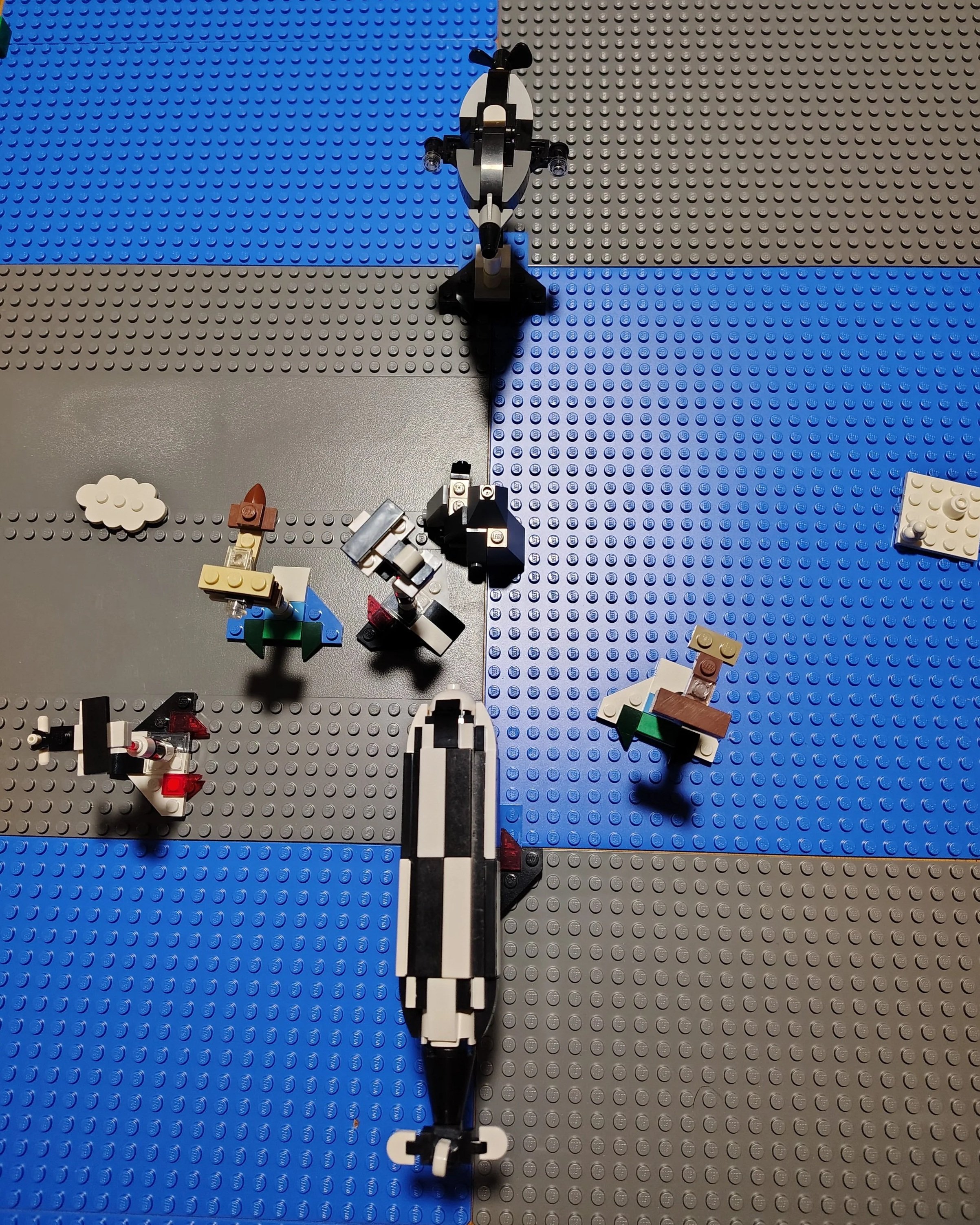
A Knights of the Air game in progress. Image by Michael J.
You can download both from my website. My games have been downloaded over 4,600 times, and we have a thriving Discord community that writes stories, draws art, creates models, and is helping create a spin-off role-playing game set in the universe.
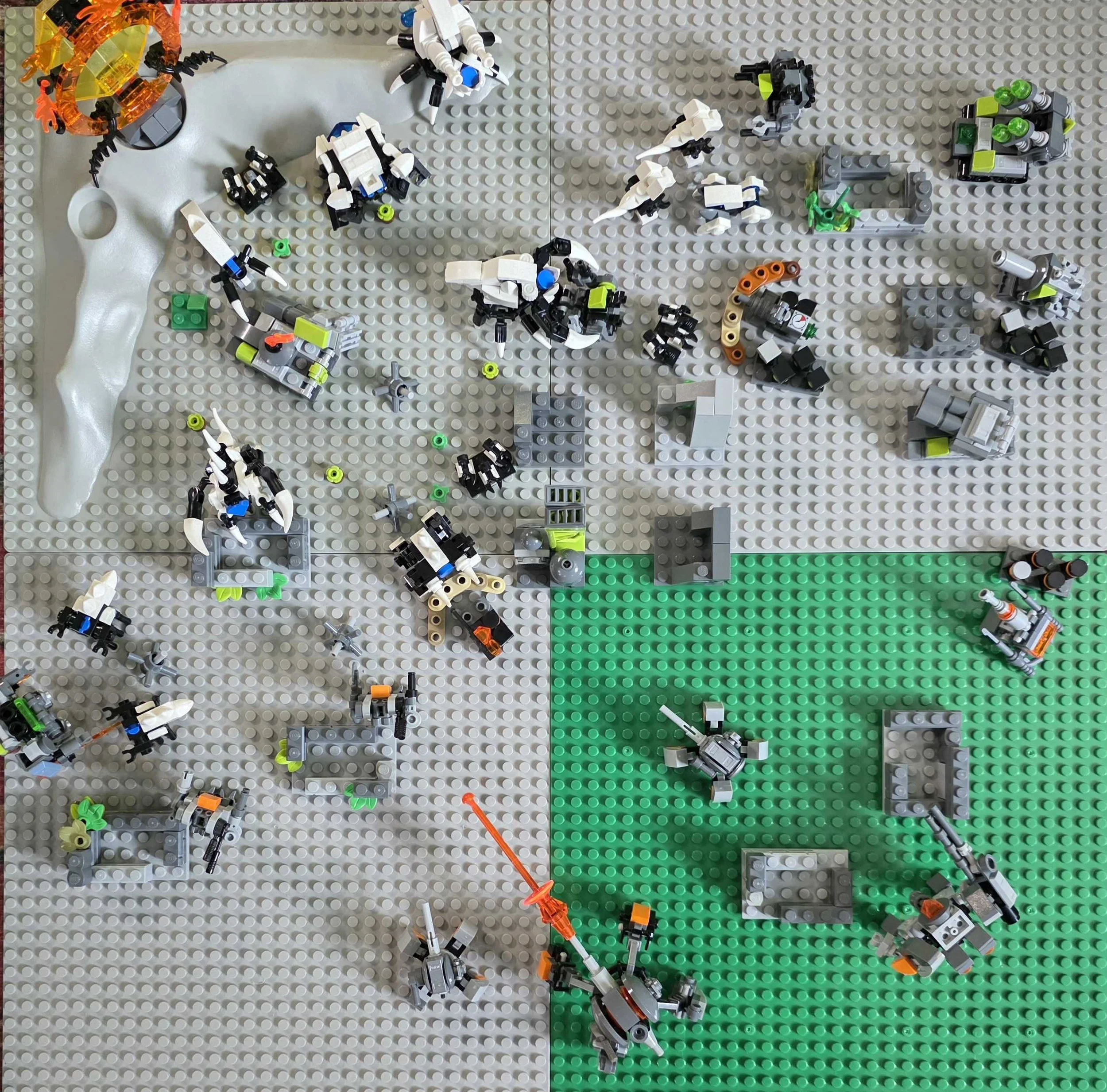
A brawl in Adamantine Dawn. Image by R. Ellison.
Micheal J: It’s been fun watching how quickly the Discord community tests and tweaks ideas for both models and rules. One detail that pulled me into Knights of the Air was how easily I could see an aircraft’s altitude: just count the bricks underneath it. What else does LEGO bring to the way these games work?
Paul: Brassbound is made for LEGO. I don’t know how many times I mention “creativity” in the rulebook, but that is really what makes the game fun. What I’ve tried to create is a framework, more than anything. Here are some models, here’s how they interact, now go make your own and tell your own story.
LEGO works really well for a few reasons. It’s a prototyping material I have in sufficient quantities to try out new ideas. Building bricks are widely available, and you can break them down and rebuild them almost endlessly. If a model or building doesn’t work, you can recycle the parts into new models! When building at microscale, it is remarkably affordable.
I’ve said a few times in my community that while Adamantine Dawn pretty much requires LEGO for the full experience, I do think you can get a decent facsimile of Knights of the Air with printed materials. Using LEGO allowed me to get a prototype out there and test it much more quickly than just about any other medium I can think of. It also makes the game instantly relatable because anyone can make the models, bases, and rulers and start playing!
Small Models, Lots of Possibilities
Michael J: The microscale units are a lot of fun to build. You’ve mentioned keeping the games accessible. How does that influence your model designs, and which units are your favorites?
Paul: I really cannot emphasize enough how much time I spent on model design. I was very thoughtful in choosing parts that came in lots of colors, were inexpensive, and were still in production. At one point, I even made sure that all the parts I used were available in the colors I chose through LEGO’s Pick a Brick service. Wherever possible, I’ve tried to keep the costs down so that as many people can try Brassbound as possible.
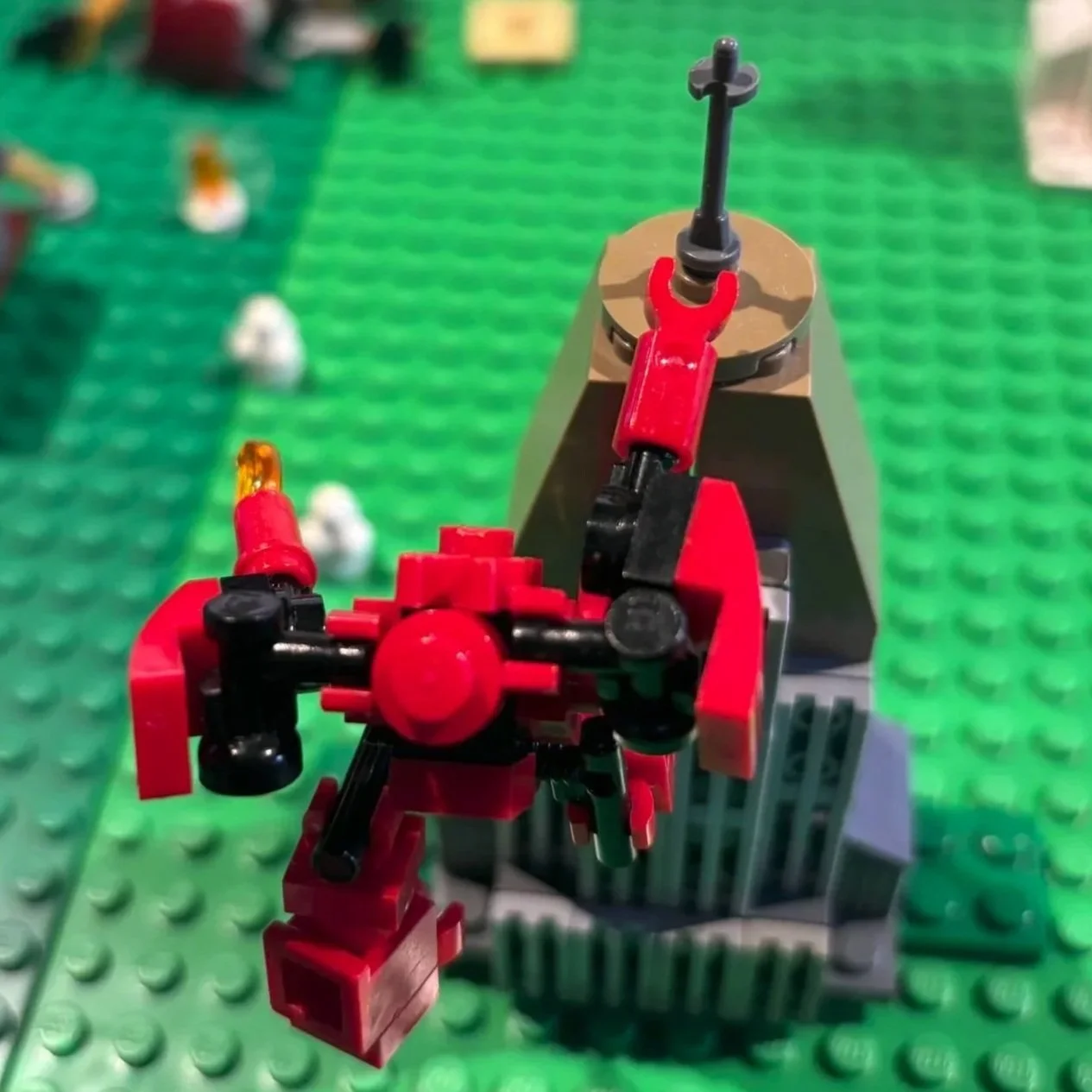
However, like so many people in my community, I also really want to make things that look cool. I’m fortunate enough to have a hand-me-down collection spanning five decades, so I have access to all kinds of parts that aren’t made anymore. While I design the base models to be inexpensive and easy to make, the models I actually play with are full of little modifications and tweaks. I might use a part from the ’90s that isn’t made anymore, or a piece in a rare color, just to make my army pop a little more.
This is especially true of the main units for each game. I go all out on my Brassbounders for Adamantine Dawn and have no fewer than four variants for each faction in the standard box I bring to “Learn to Play” events. I do that specifically so people can see firsthand that the actual model doesn’t matter. Make whatever you like the most.
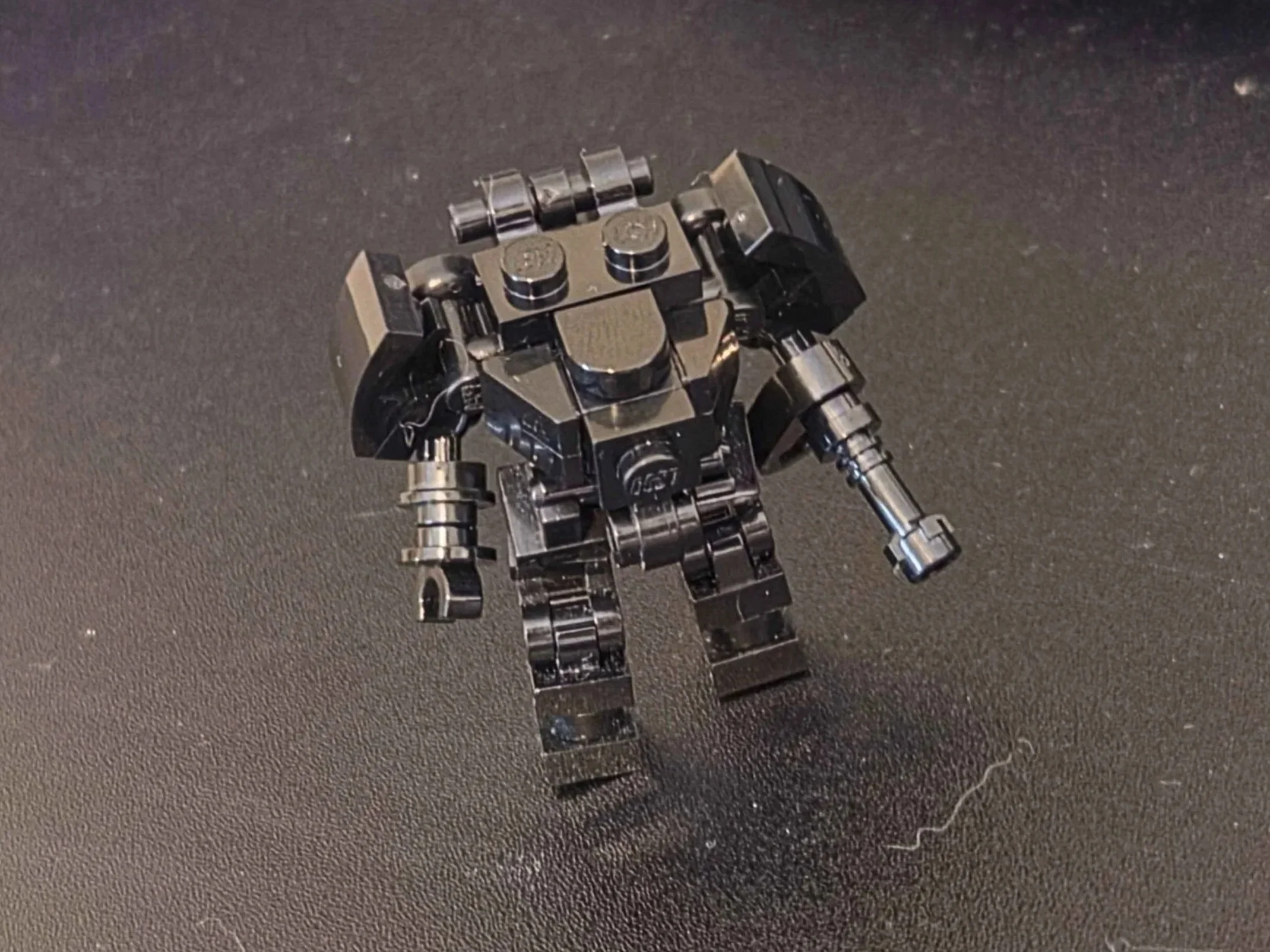
A Brassbounder. Image by Paul Antoine.
For Knights of the Air, my favorite is unquestionably the Zeppelin. They’re huge. They’re slow. They’re wildly impractical, and yet I love them. I love to envision a world in which they are mobile bases and centers of control. They’re too valuable to destroy, so battles are fought to capture and claim them intact.
For the Jötunn, the “baddies” of the Brassbound universe (though you could just as easily argue that’s the humans), I spent a great deal of time on their Zeppelin equivalent, the Lesser Nargle. It’s a kind of flying whale, blimp, hive-mind thingy. With a pointy tail because, duh.
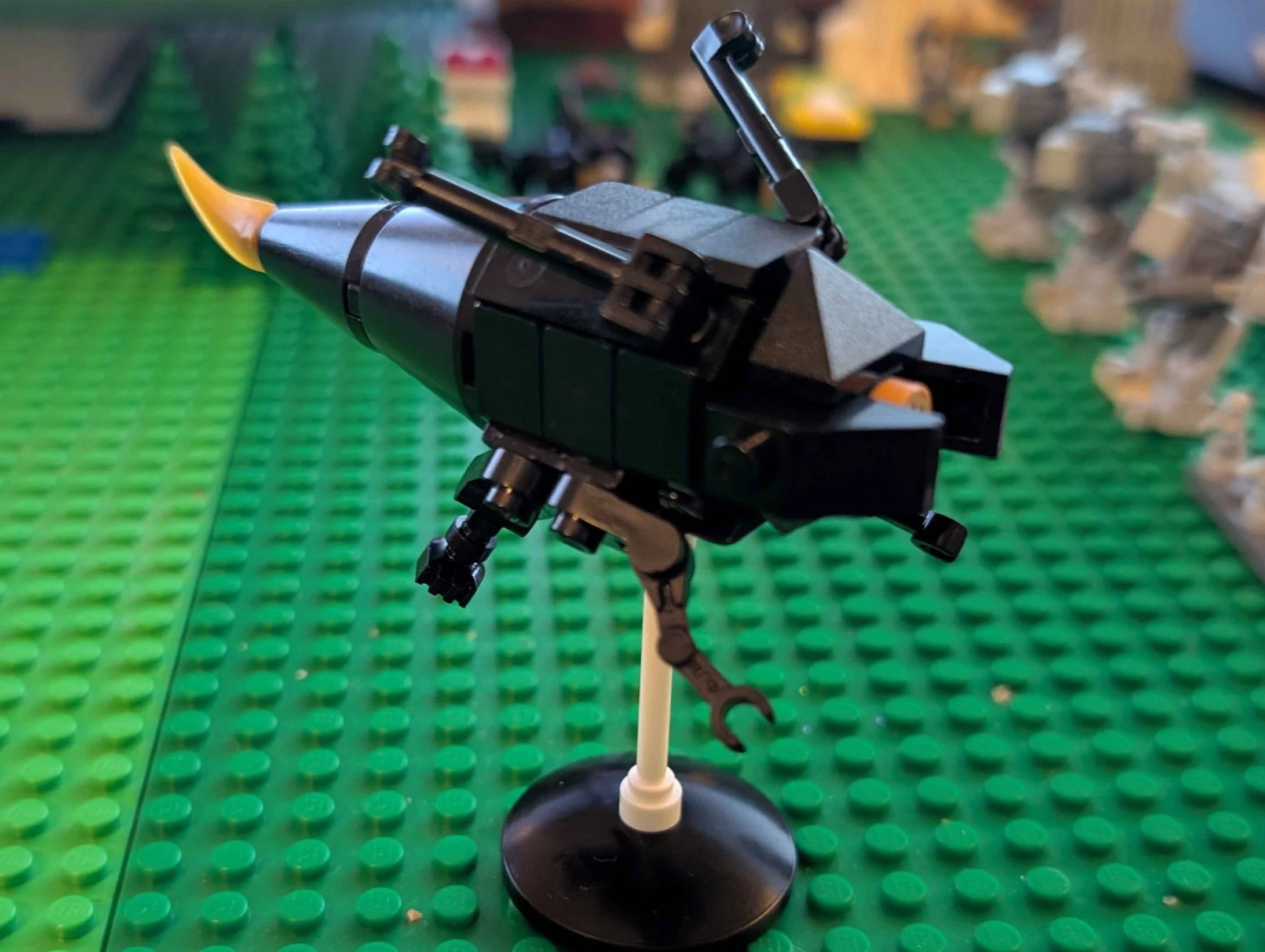
A Jötunn Lesser Nargle. Image by Paul Antoine.
Michael J: The Jötunn flying units are great fun. Where would you like to take each game next?
Paul: Brassbound: Adamantine Dawn will remain my “first love” as far as games go. It isn’t perfect, and there are absolutely things I would change, but I’m at the point where every time I change it, it’s for the worse.
What I’d really like to do is make a version of Brassbound that supercharges your creativity. This game is set in a specific time period, with specific technology. You aren’t going to get things like energy shields, plasma weapons, teleportation, or spaceships. Just 100% not going to happen. But those things are unequivocally awesome, and I want to make a setting that supports them. The core combat mechanics in Adamantine Dawn work really well, in my opinion, so what I’m looking at is mostly a change in setting and some of the rules that support combat.
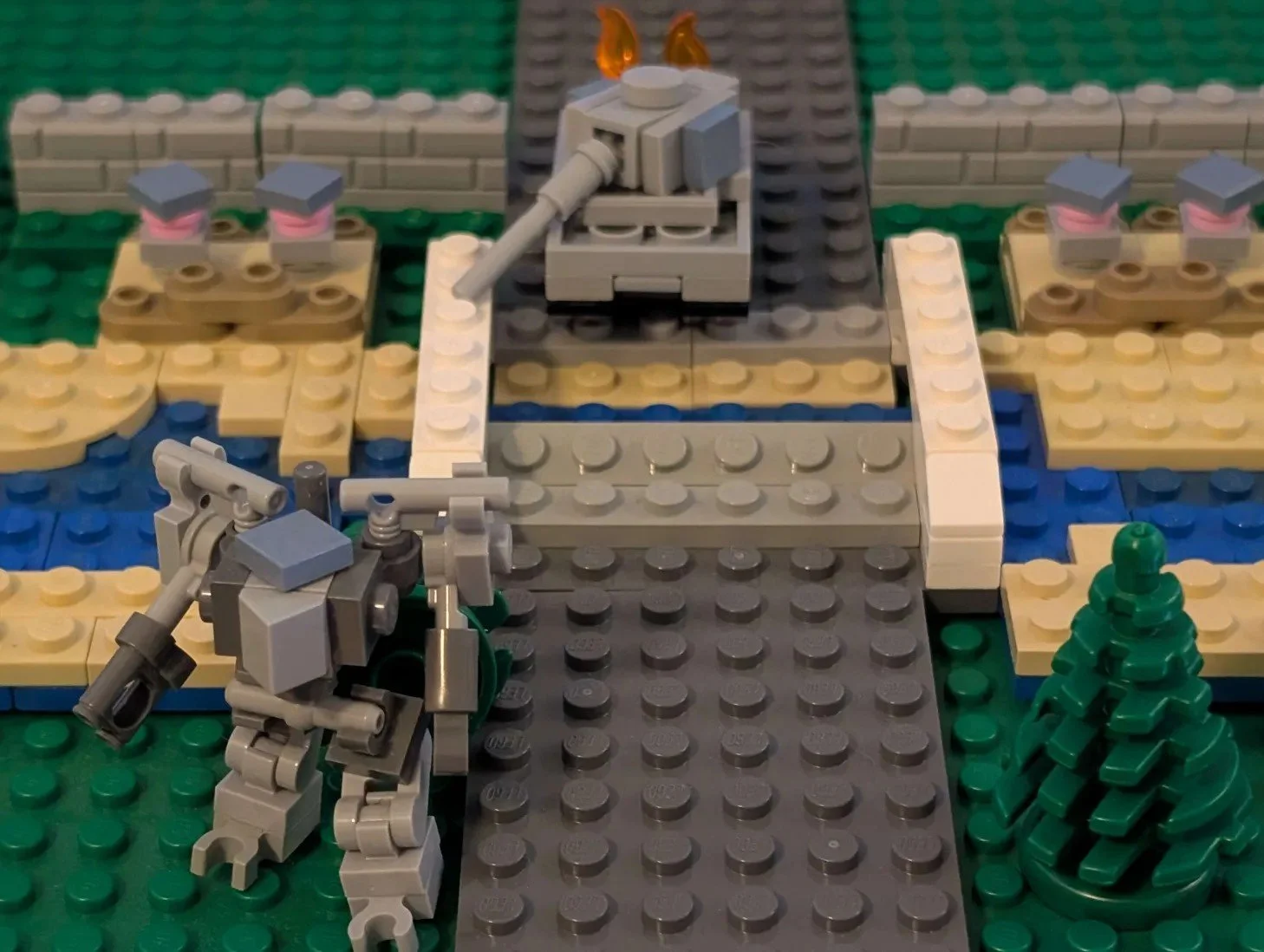
A Coalition faction tank, infantry, and Brassbounder. Image by Paul Antoine.
For Knights of the Air, the list is equally long. The whole game spawned out of my stubborn refusal to put flying units into Adamantine Dawn at all. After lots of asking, I finally broke down and wrote some very basic rules for flying units. I was immediately disappointed with them and vowed that I could do better. After a few evenings, what I had wasn’t a modification to Adamantine Dawn; it was a whole new game.
Perhaps the biggest difference between Knights of the Air and Adamantine Dawn is the setting. Because Knights of the Air is set in 1917, it is even more restricted in what you can build than Adamantine Dawn. While I won’t commit to anything specific, I do want to do whatever I can to make Knights of the Air a bit more open-ended.
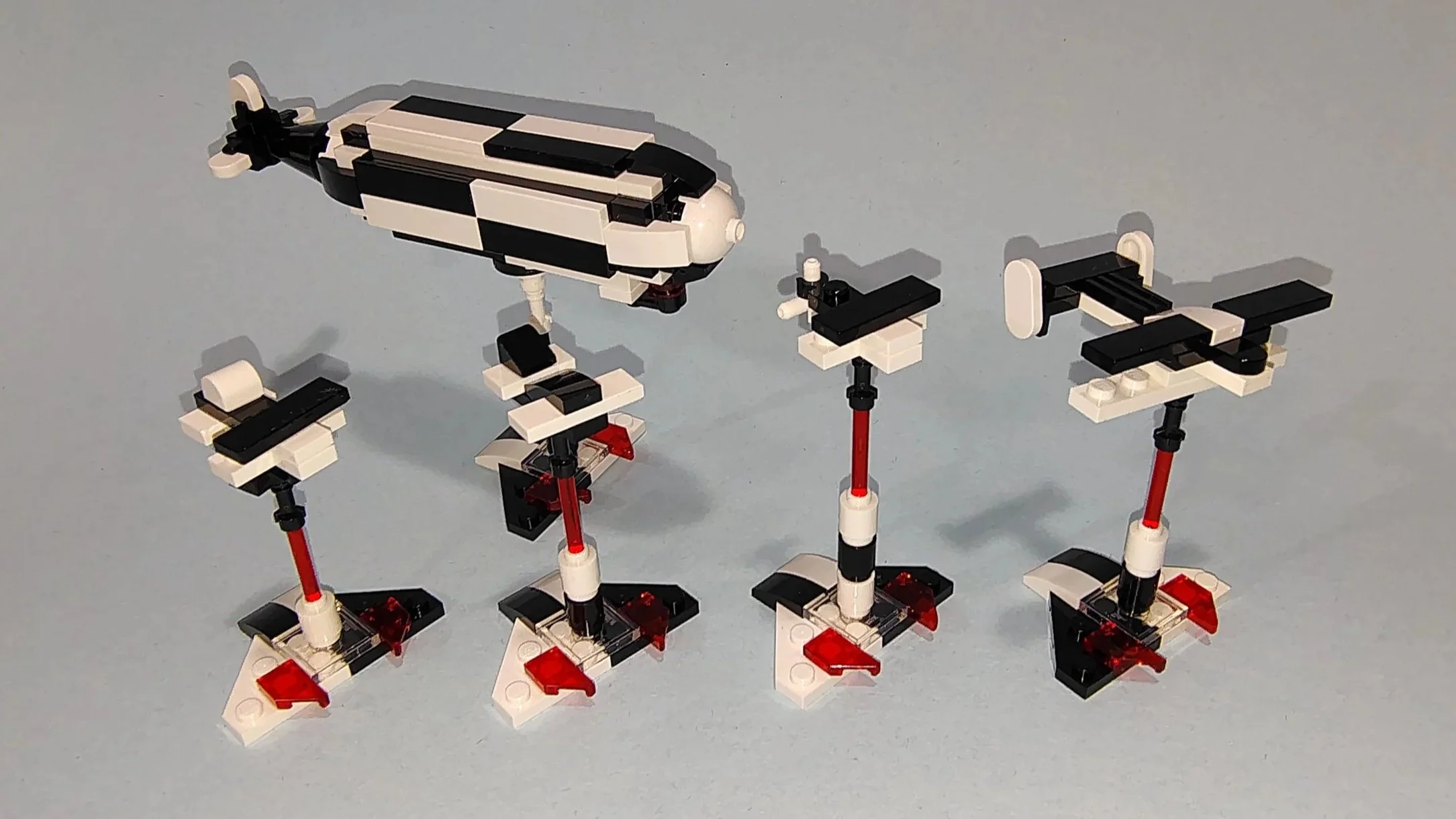
L’Escadrille des Anges de Sainte Jehanne. Image by Michael J.
Around the Gaming Table
Michael J: Those restrictions seem to have inspired some inventive Zeppelins on Discord! Have you had a chance to take the games to any LEGO or gaming conventions?
Paul: I’ve hosted numerous “Learn to Play” events at local gaming stores and my local brick reseller. I haven’t felt like I was ready to take the game to any conventions until now, but with a strong core group of local players, we are eyeing a few conventions for the fall.
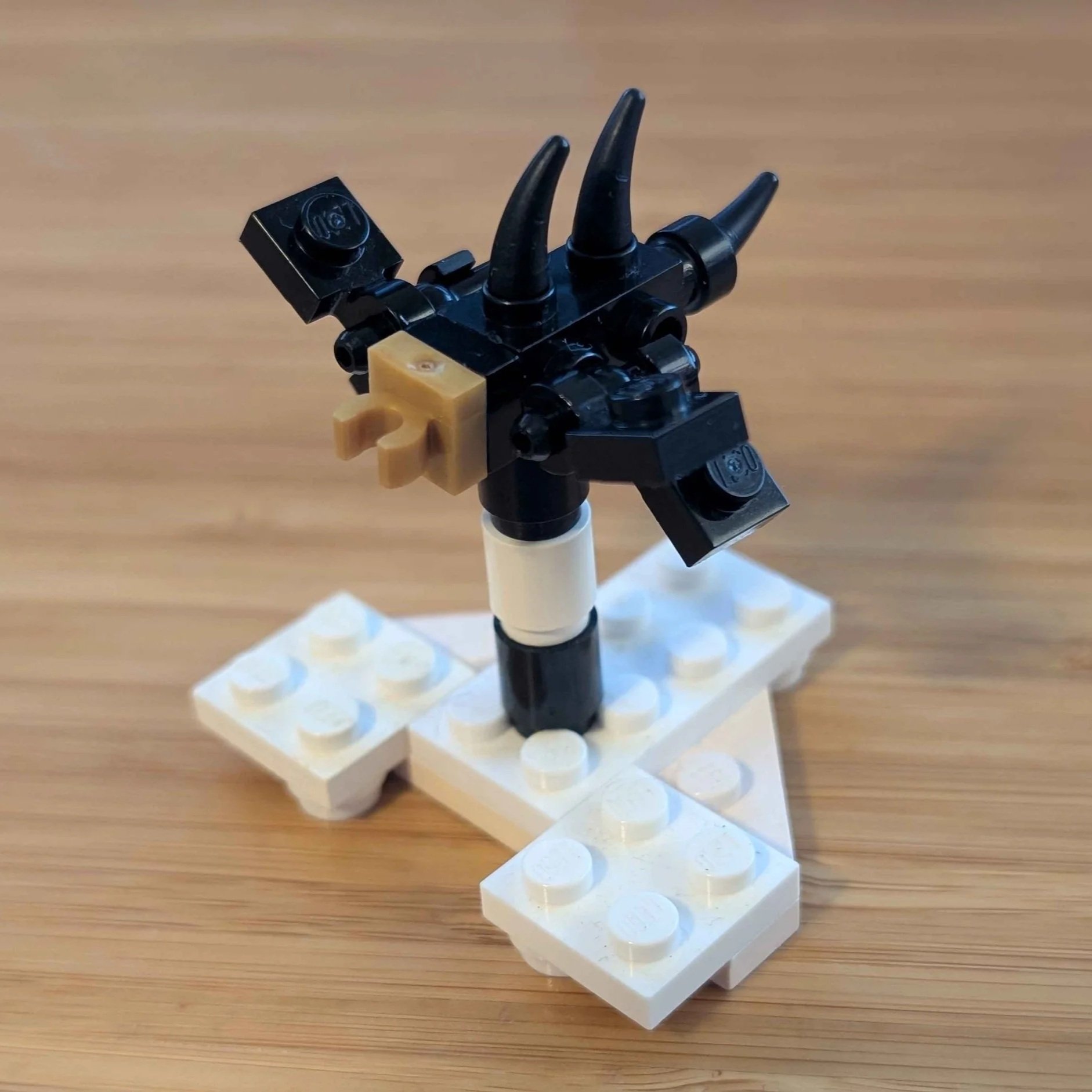
A Jötunn Wespe. Image by Paul Antoine.
Michael J: We’ve touched on the community a few times, from playtesting to sharing models and stories. What’s a challenge of running that community that players might not see?
Paul: If I had to put my finger on any one thing, it’s delivering on the things you promise and promising things that actually make sense. It’s no secret to anyone in my community that I’m blessed/cursed with rampant ADHD. As a solo game developer, there are about a hundred different things to do. Thankfully for me, if I get tired of doing one thing, there is another that needs doing.
This does cut both ways, though. Sometimes I really want to make more models when I know I need to spend more time writing lore or rules. Similarly, sometimes I’m neck-deep in lore and realize I haven’t posted a new model this week.
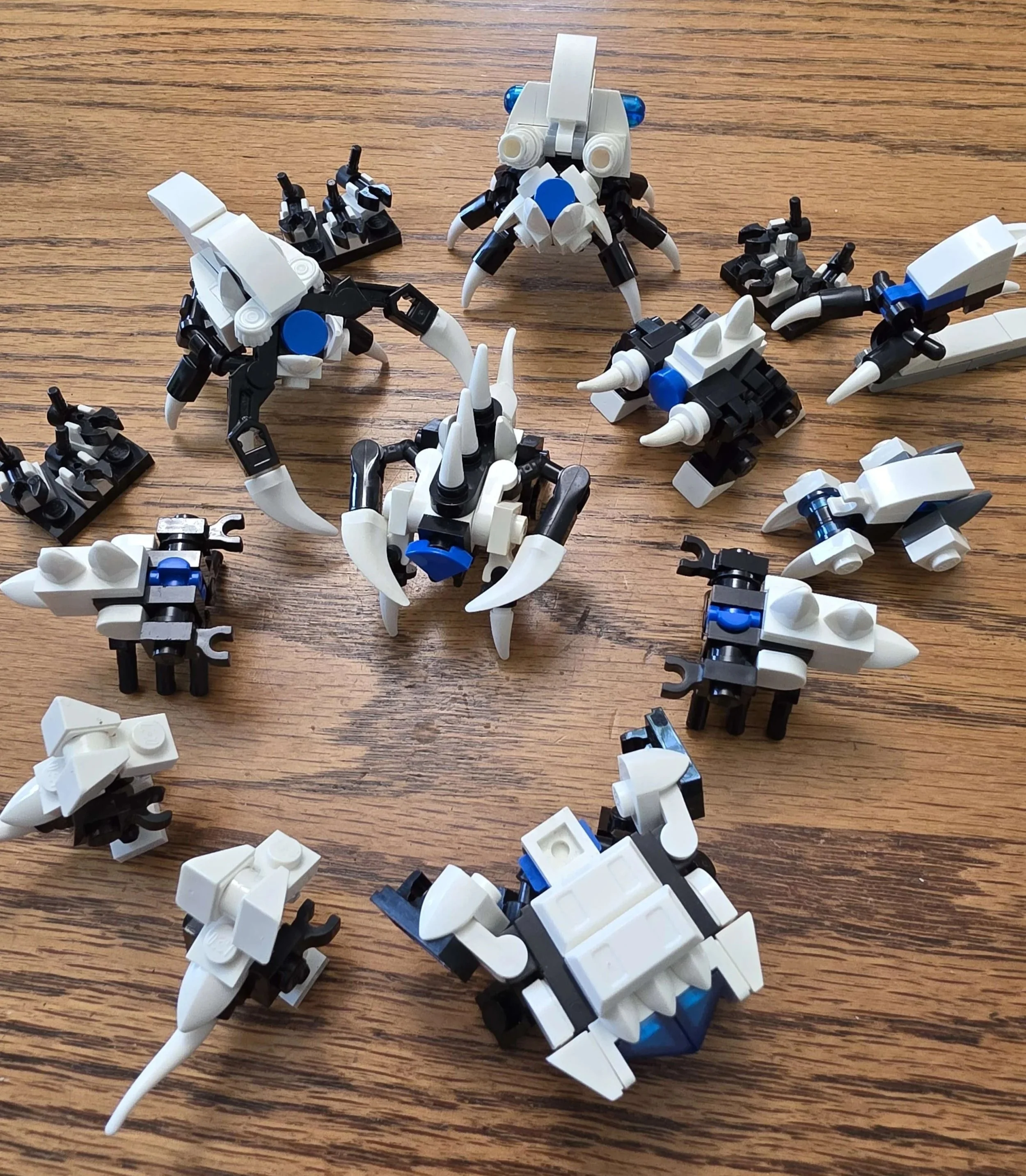
Jötunn units for Adamantine Dawn. By R. Ellison.
Michael J: One thing you and the community keep delivering is small-scale builds. What draws you to working at that scale, and what challenges come with building models people will play with?
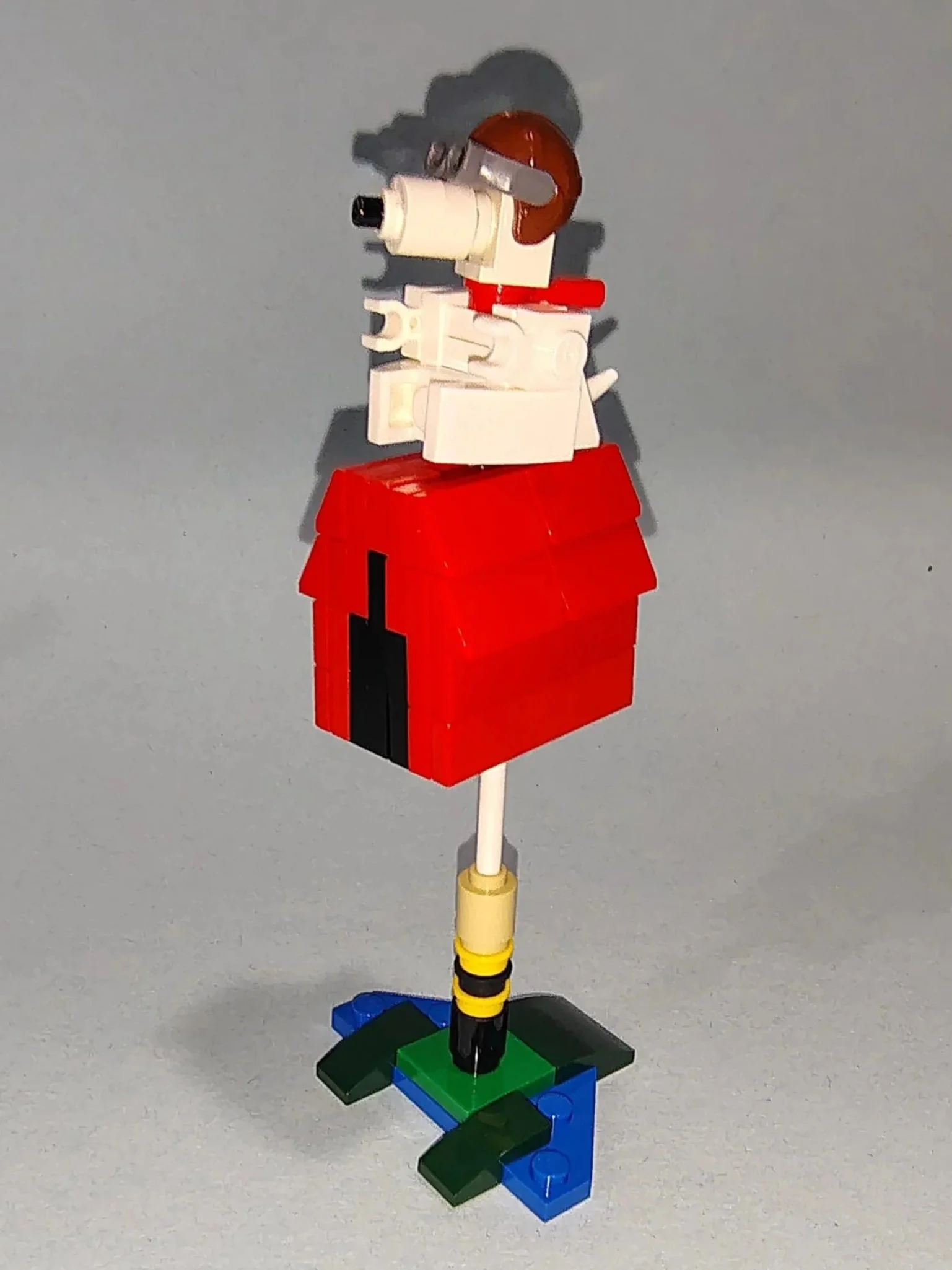
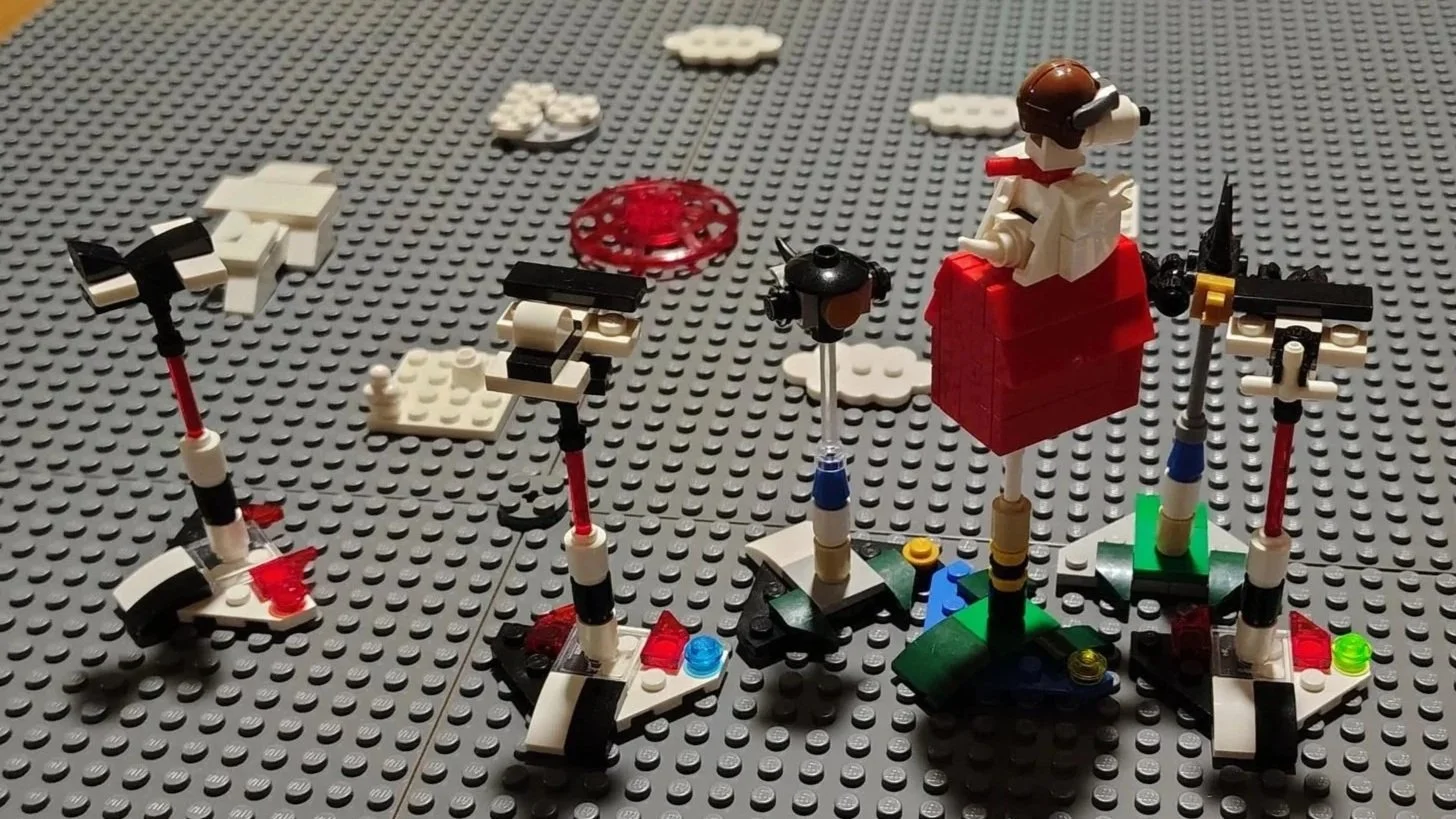
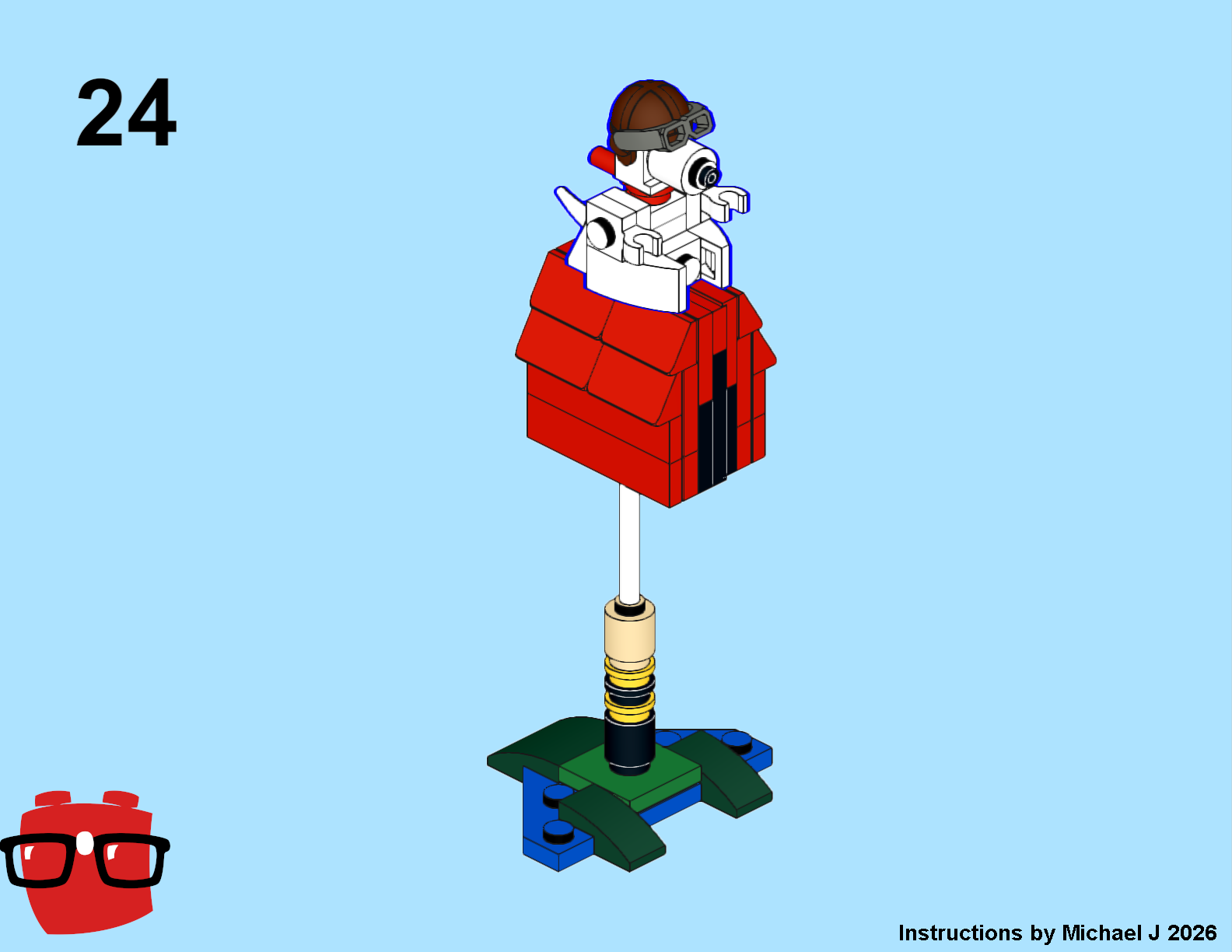
The Flying Ace takes to the skies in Knights of the Air. Snoopy is top-heavy, but a fun unit to have! Image by Michael J.
Paul: I really love making models that you can hold in the palm of your hand and show off. While I do occasionally make minifigure-scale builds, I find that microscale works really well for my ADHD. I don’t usually have the focus to work on a model for weeks on end, but I can absolutely pump out one model a week indefinitely.
The biggest thing I struggle with is the trade-off between stability and looks. I learned the hard way a few years ago that illegal connections are a road to pain. Yes, they look very cool in the moment, but when you’ve got a whole cup of broken clips like I do, you’ll learn that it’s just not worth it.
A Few Favorite Parts
Michael J: I tend to build in short bursts, too, so making units for Knights of the Air suits me well. And when you’re constantly picking up models during a game, stability matters! Let’s finish with a few LEGO questions. What’s your favorite piece?
Paul: It’s got to be the headlight, or “Erling,” brick. It just gives you so many options for cool offsets and configurations. While as a kid I cursed the shape—as an adult I’ve grown to love it and respect the people who made it.
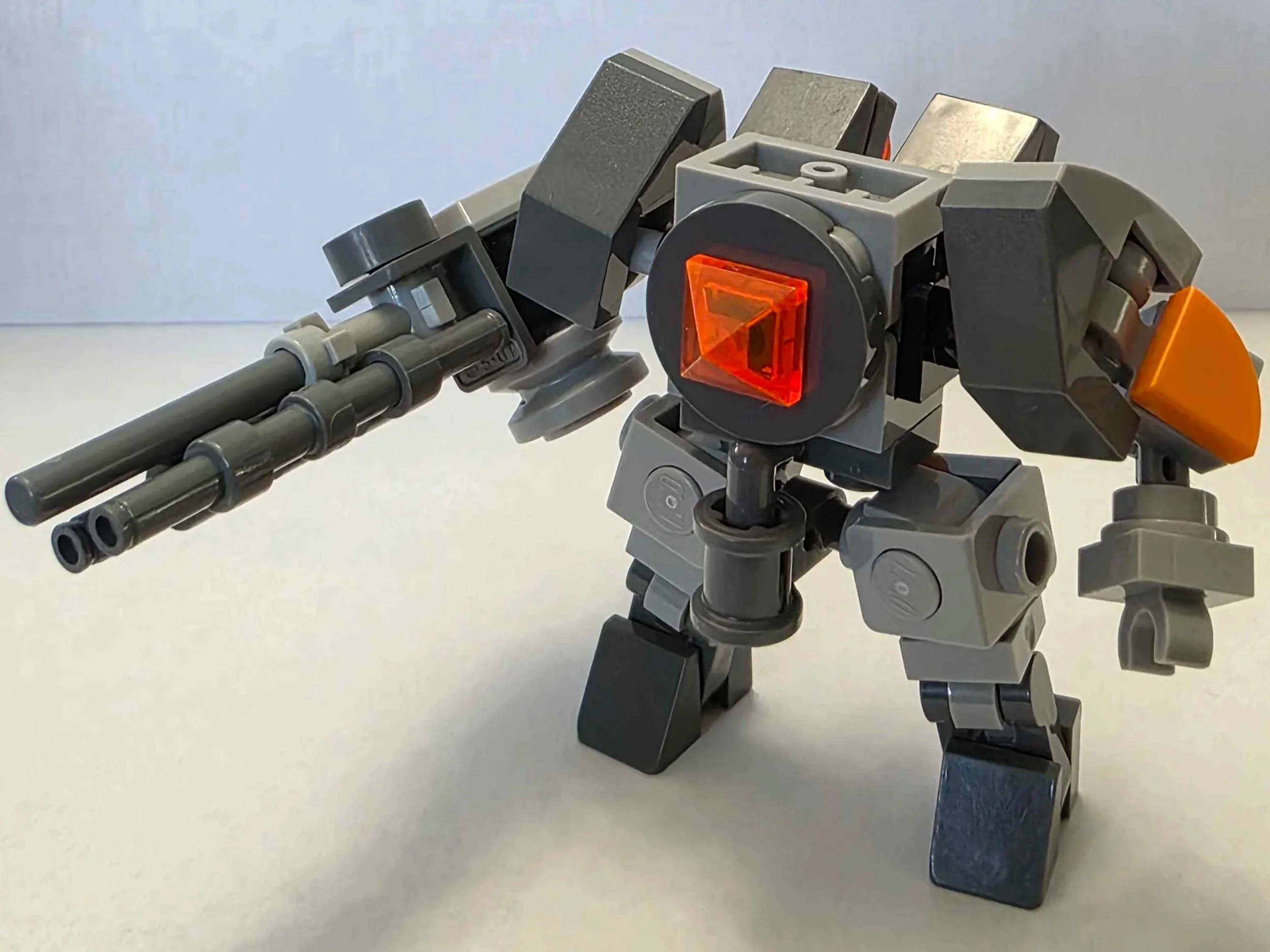
A Brassbounder. By R. Ellison.
Michael J: A classic choice! What’s a LEGO piece you wish existed?
Paul: A modified brick with studs on three sides. Like a “Travis brick,” but missing studs on one of the sides. No question about it.
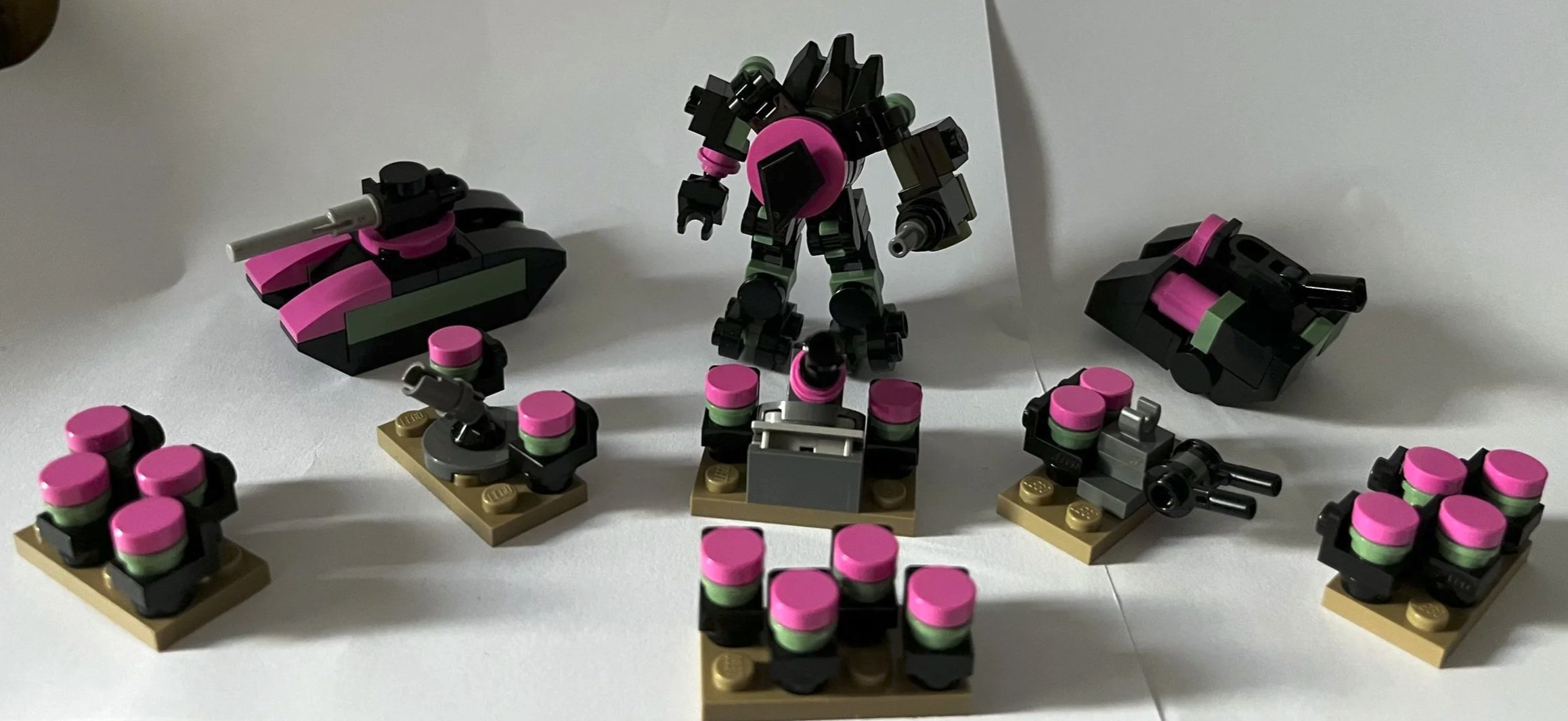
The Children of Jötunnheim faction for Adamantine Dawn. Image by J. Jere.
Michael J: That would open up some useful options. Are there any colors you’d like to use more in your models?
Paul: I really feel like we’re spoiled when it comes to colors. Sometimes when I’m sorting bricks, it genuinely feels overwhelming. Is that tan? Medium nougat? I really wish we had more parts in sand blue. That color works so well as “horizon blue,” a color used by the French in the Great War. I don’t have a lot of it, but that is why I chose it as the accent color for the Coalition faction in Brassbound.
Michael J: Sand blue is a favorite of mine, too, and I’d love more parts in that color. Thanks for sharing your games with us, Paul. I’m looking forward to seeing what you and the community build next!
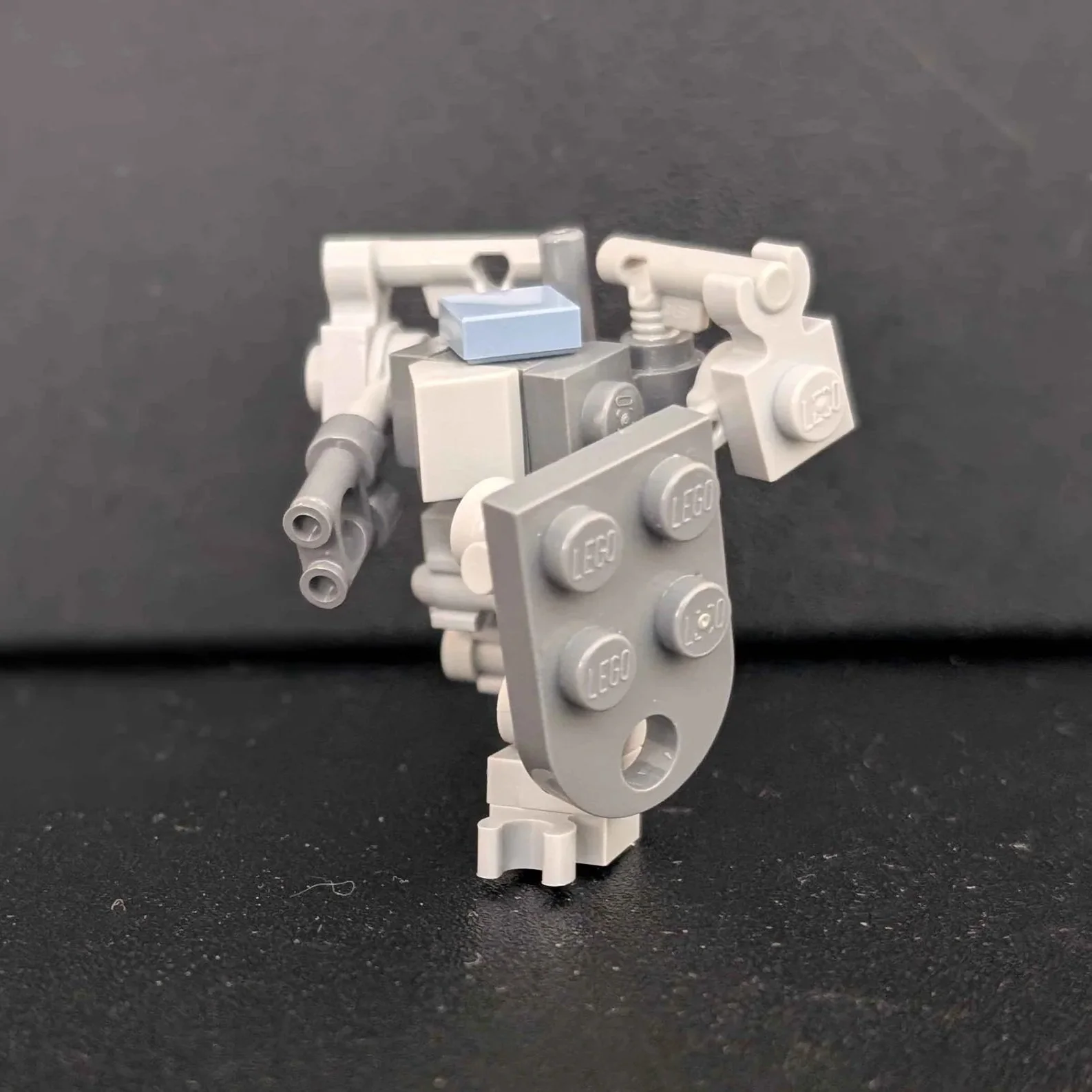
A Coalition faction Brassbounder. Image by Paul Antoine.
Ready to Play?
You can find the original games on Paul’s website: Brassbound: Adamantine Dawn and Brassbound: Knights of the Air. Adamantine Dawn’s free core rulebook is listed under “Download demo.” Knights of the Air is available as a name-your-own-price download, including a free option. The Brassbound Discord community is also a place to share models and follow the games’ development.
Since Paul and I spoke, he has released Brassbound: 1919, another game of mechs and monsters set during an alternate Great War. A free demo is available, with the full rulebook offered separately for purchase.
For more about the game design process, Paul’s interview on Tell Me About Your Game explores the Brassbound universe in greater detail. If you’d like to start building, I’ve also included instructions for my Knights of the Air units below.
Build Your Own Squadron
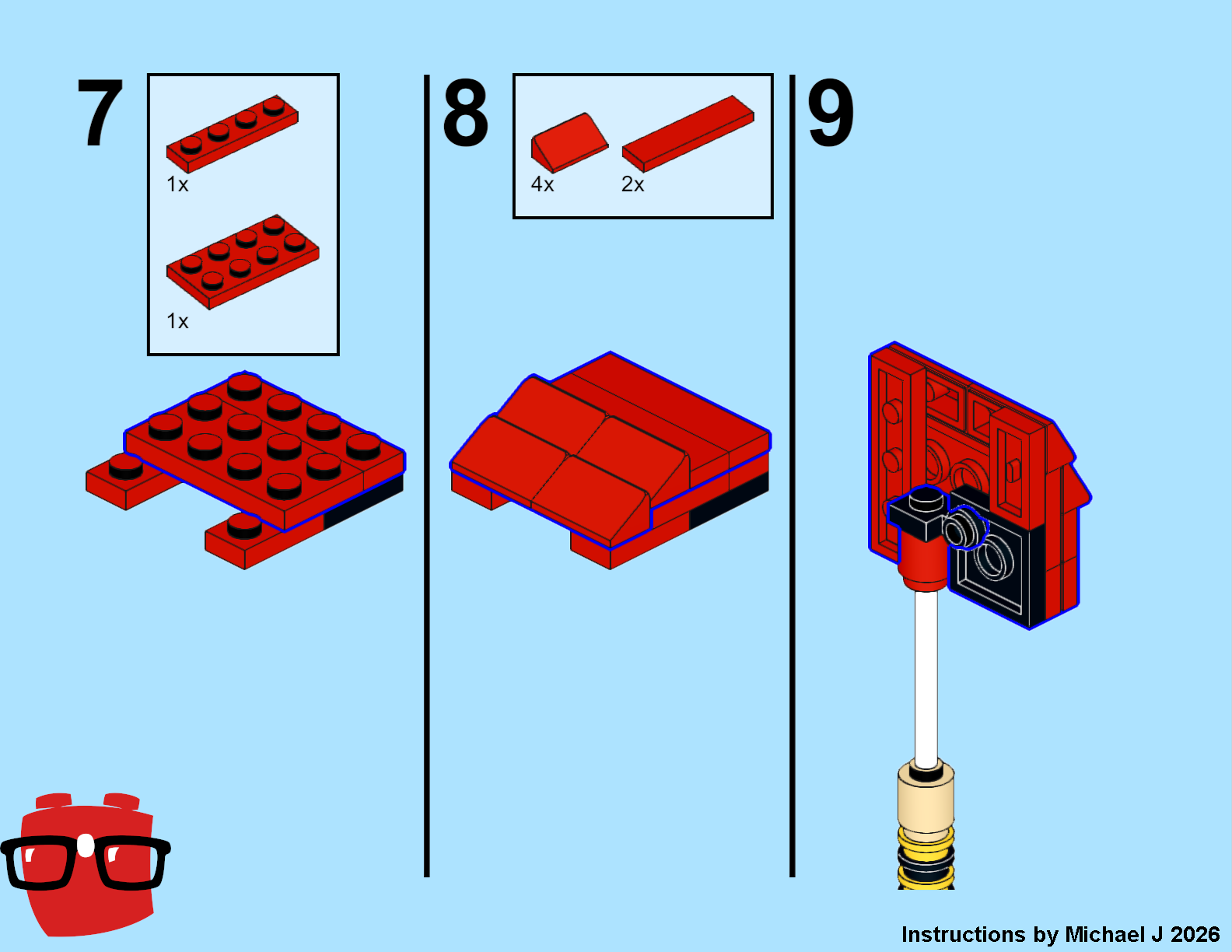
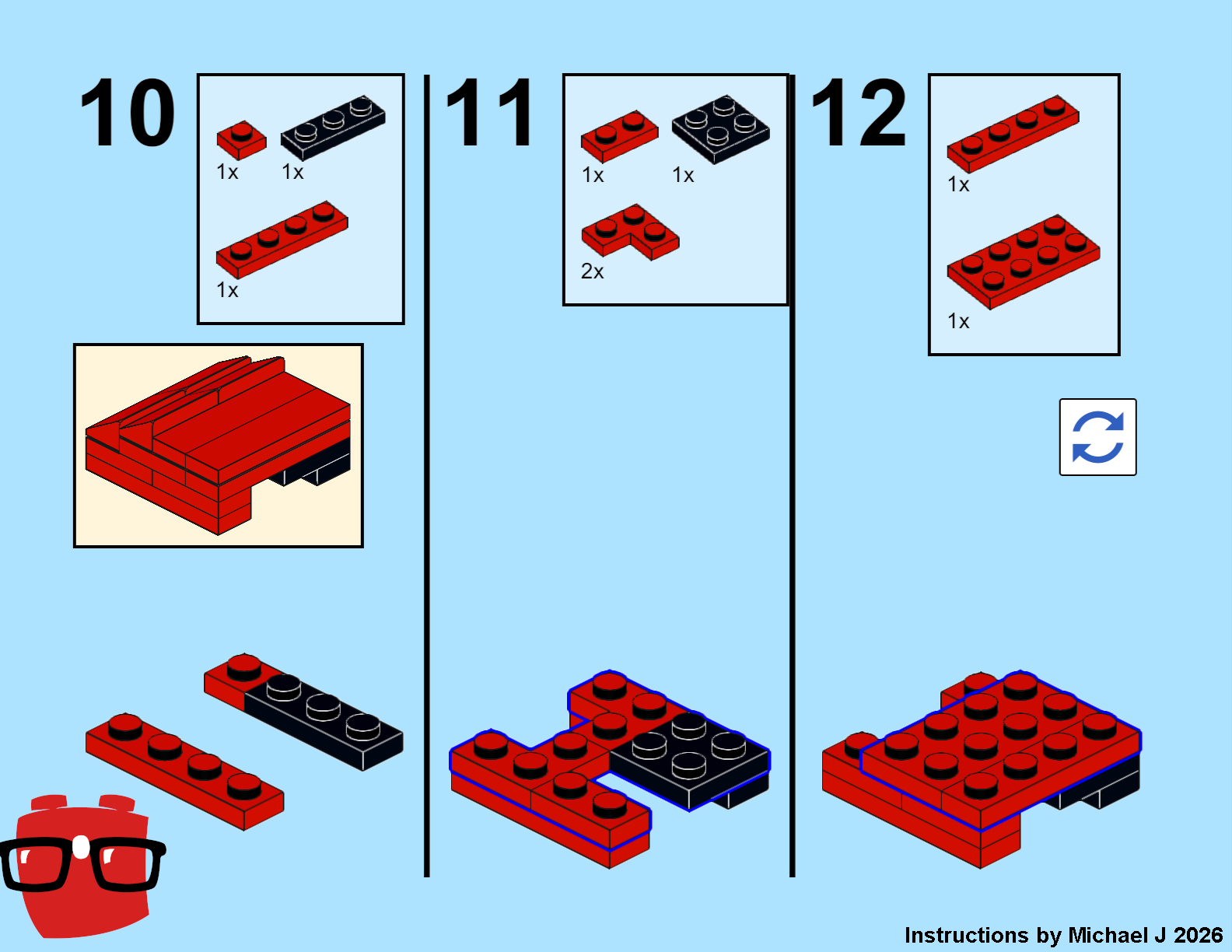
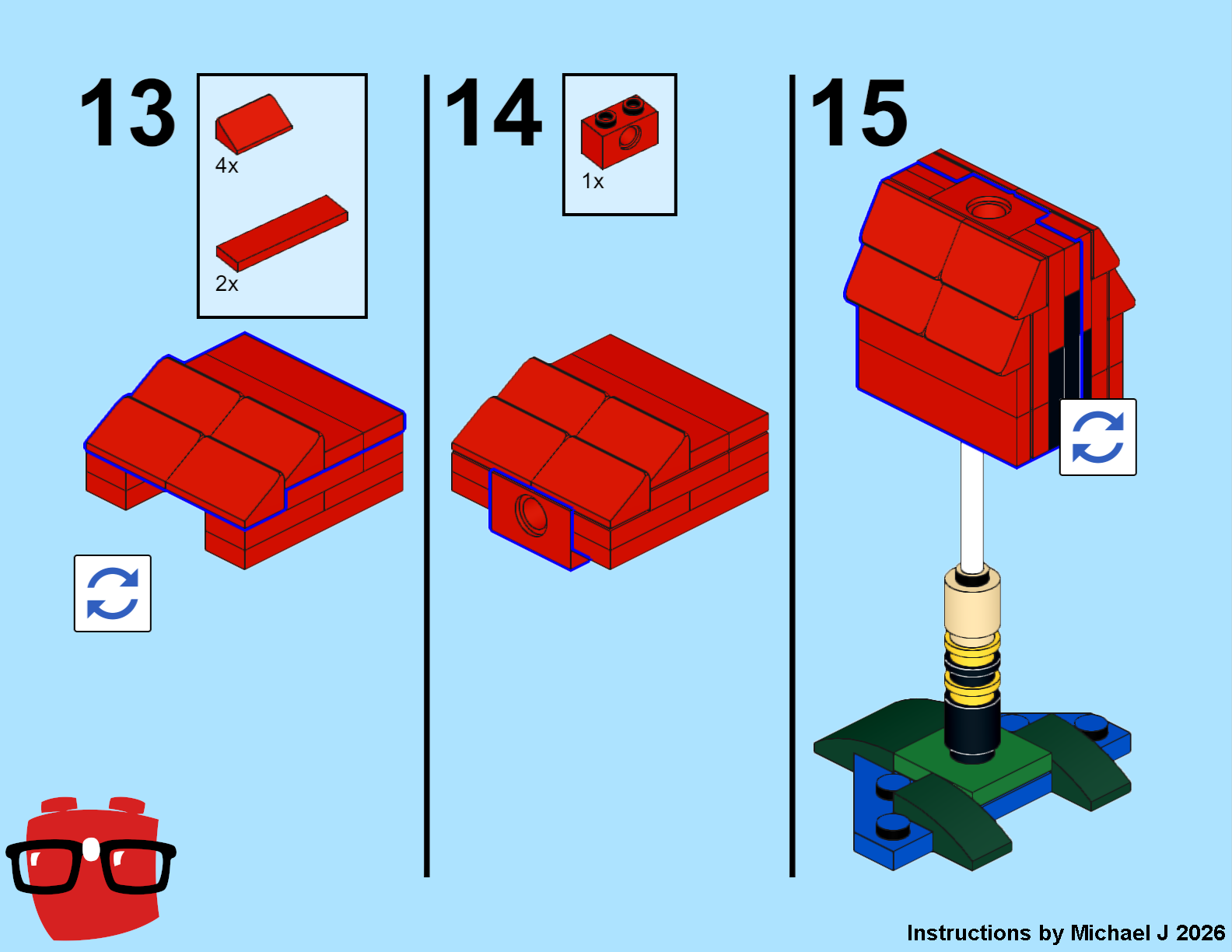
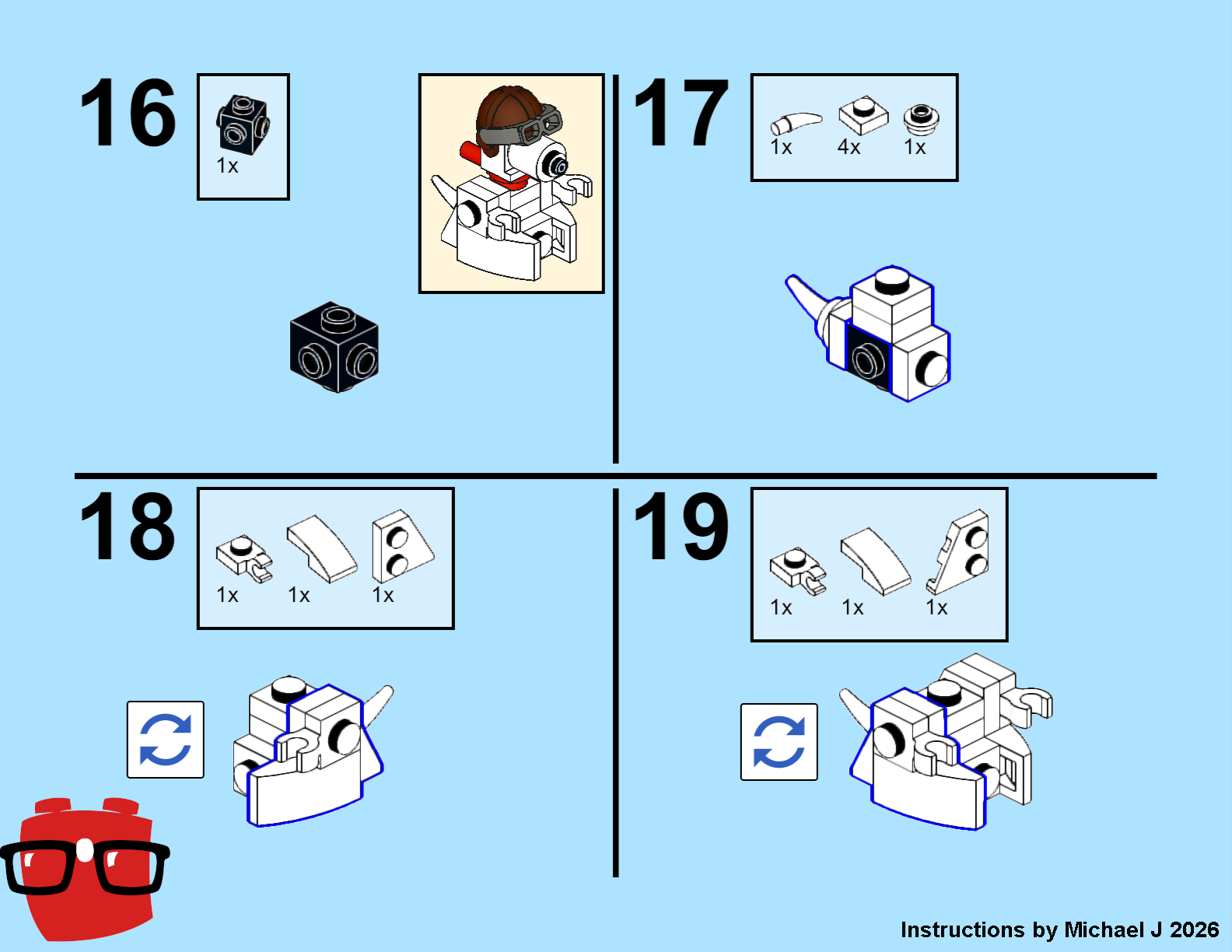
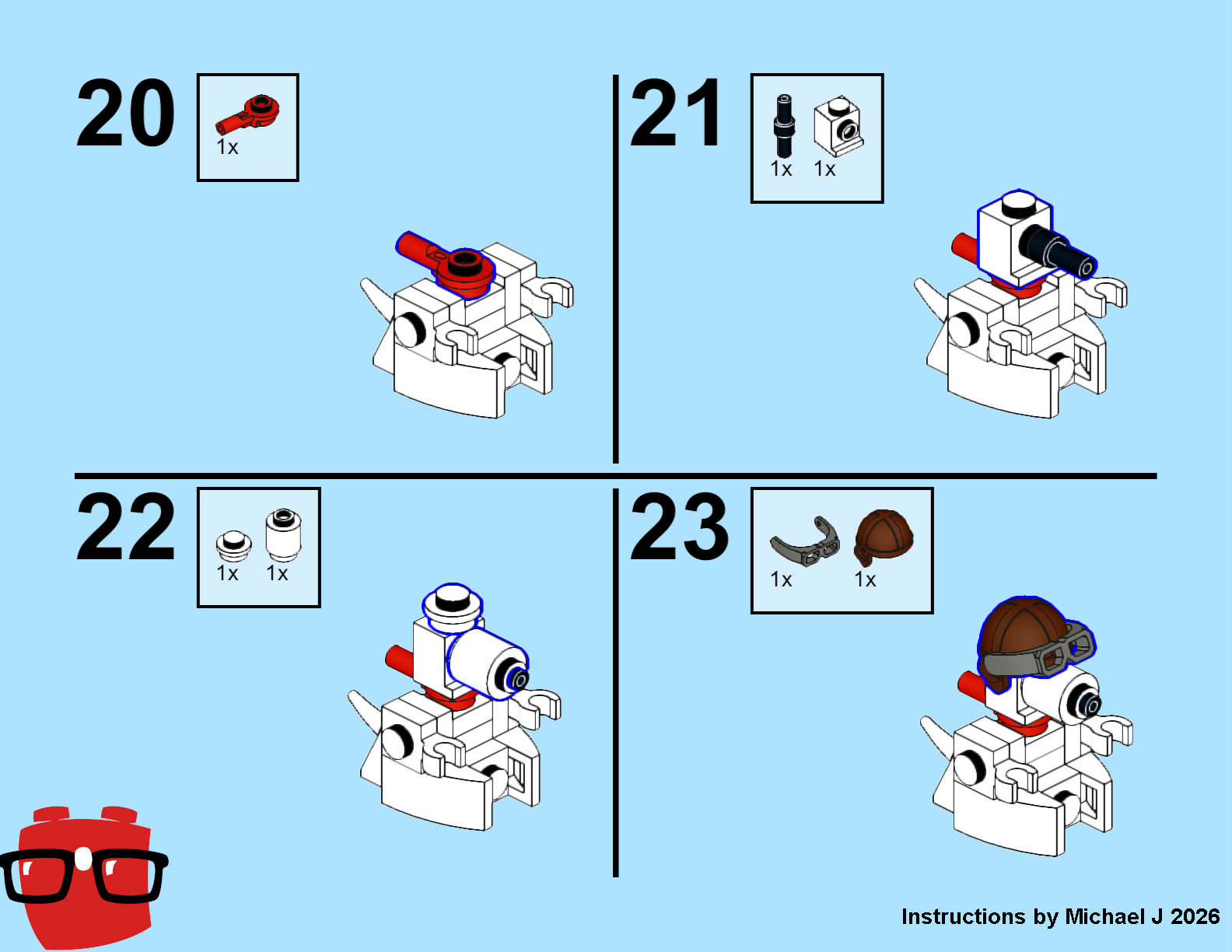
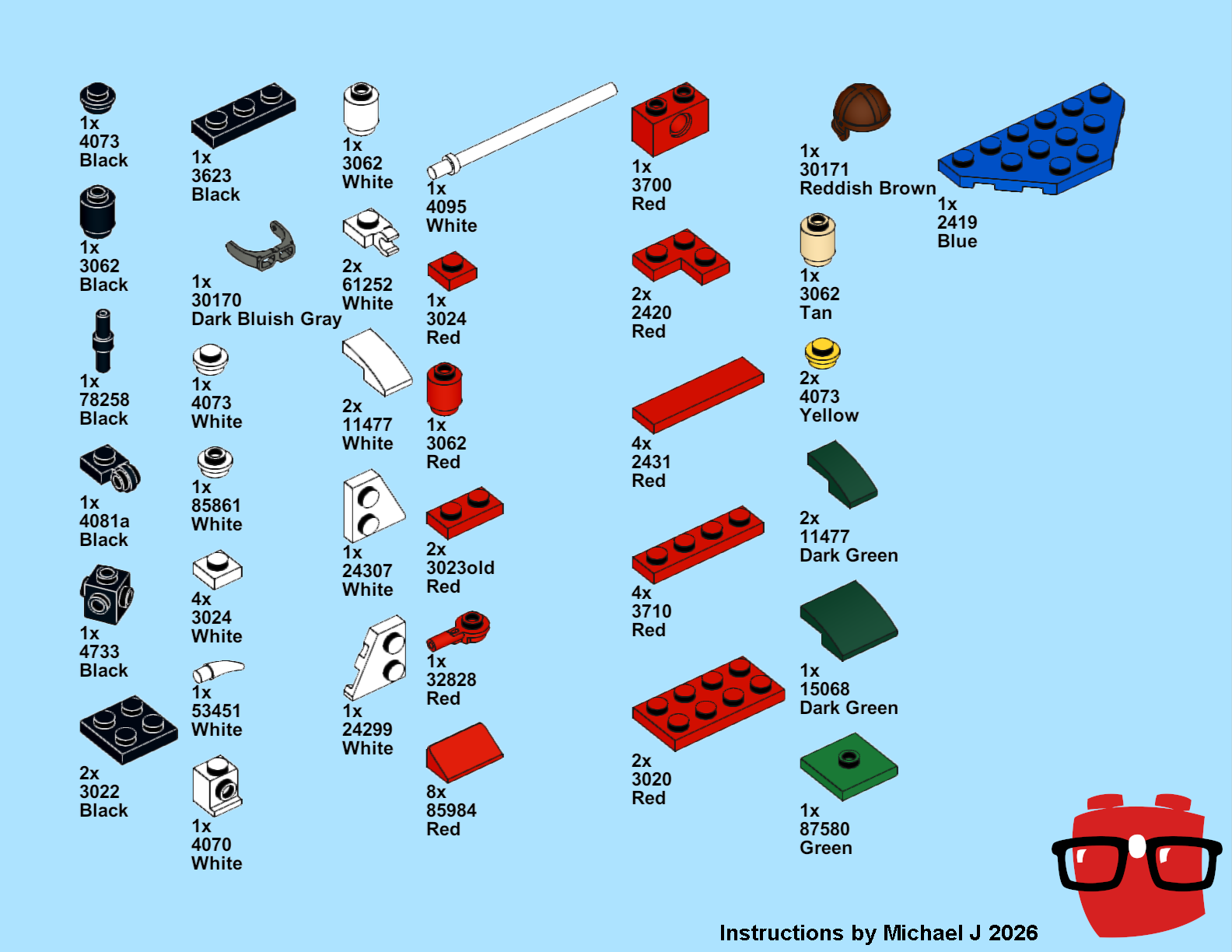
I’ve included instructions for my Knights of the Air units the L’Escadrille des Anges de Sainte Jehanne, or “The Angels of Saint Joan Squadron,” named for Joan of Arc.
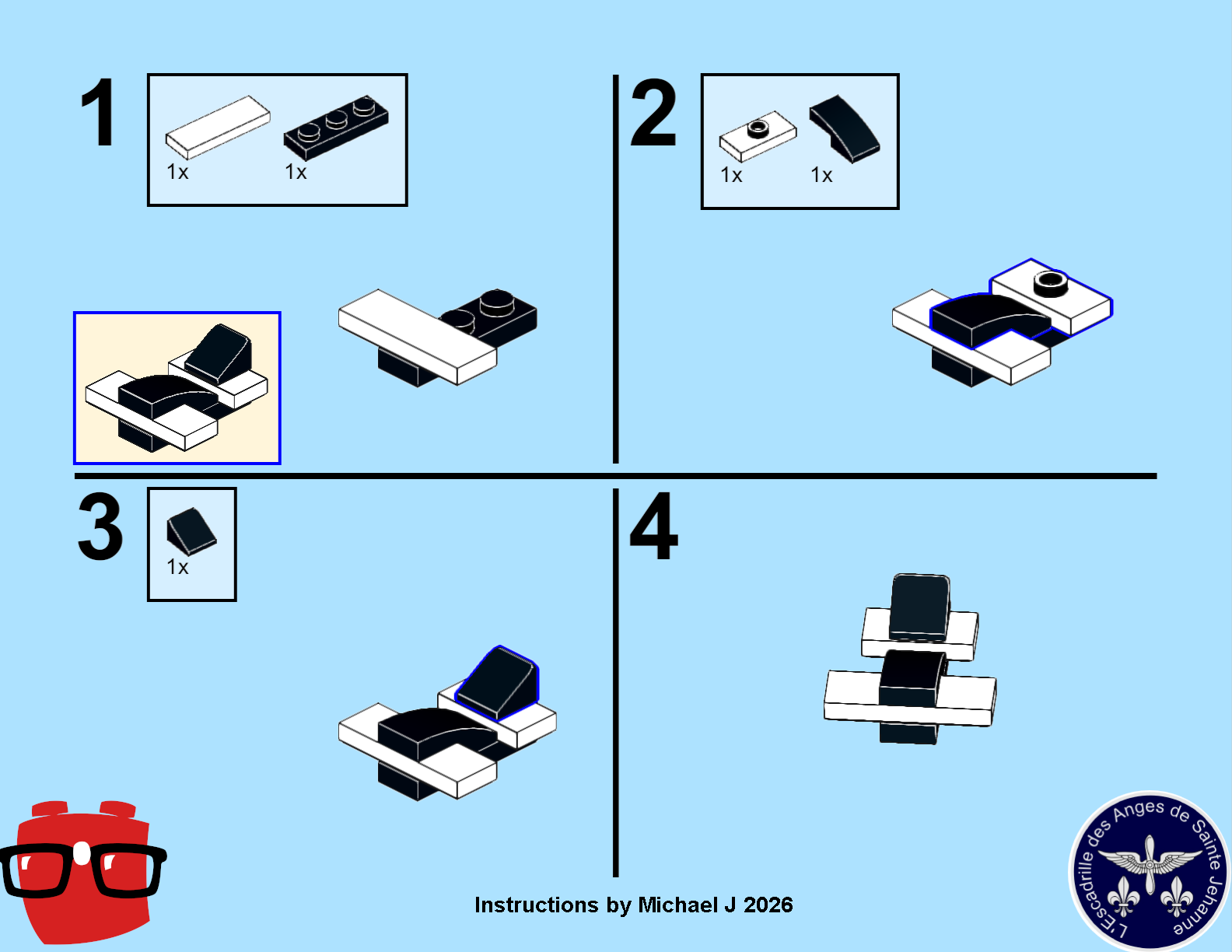
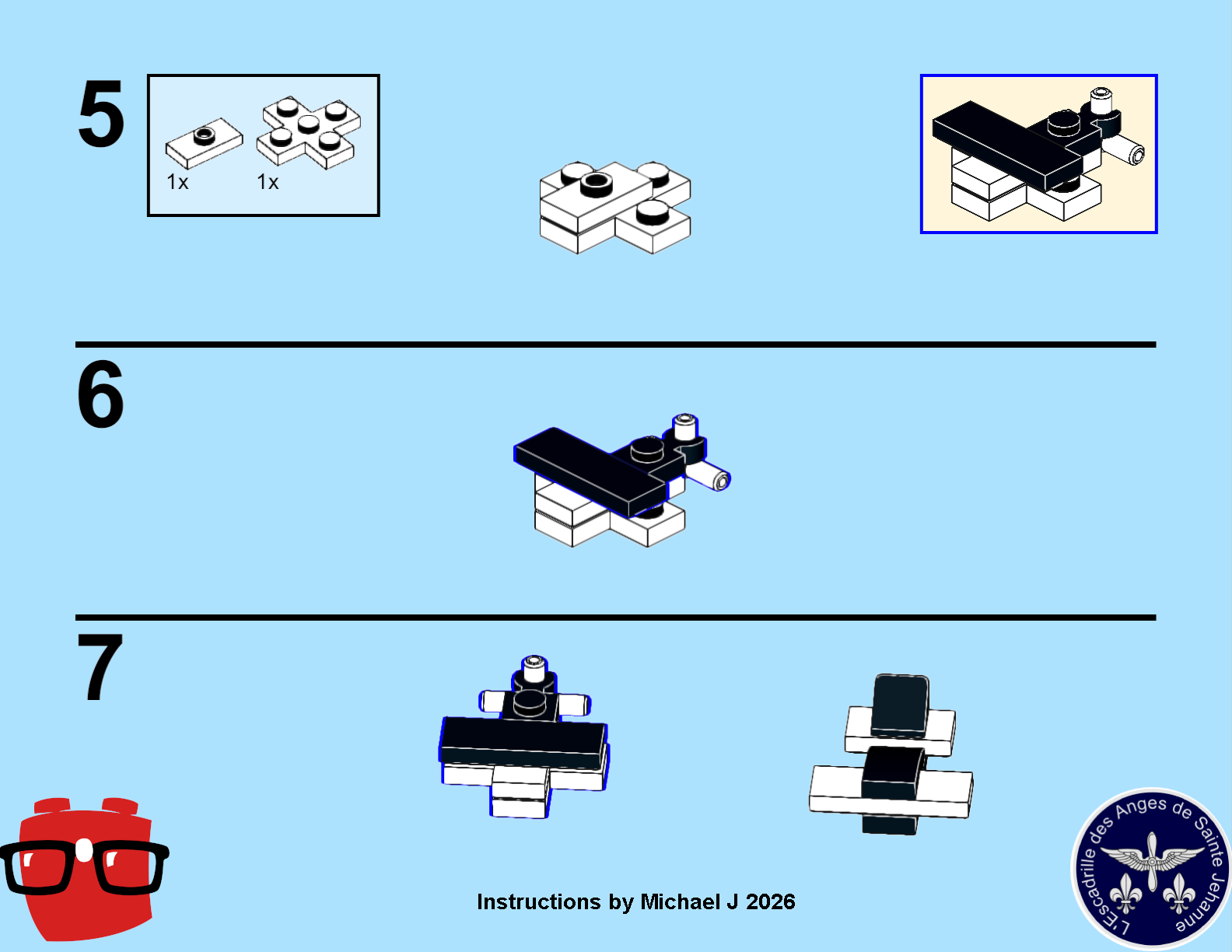
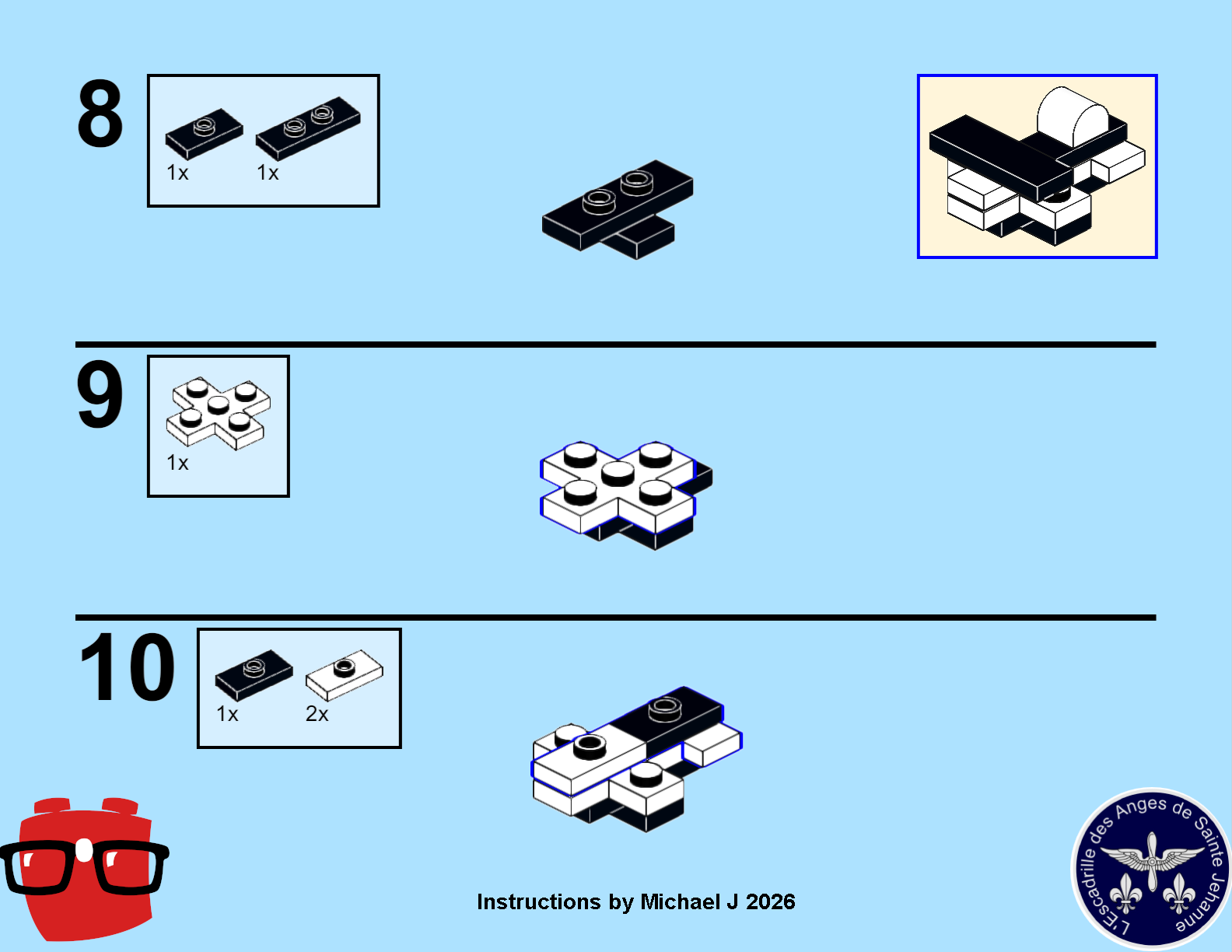
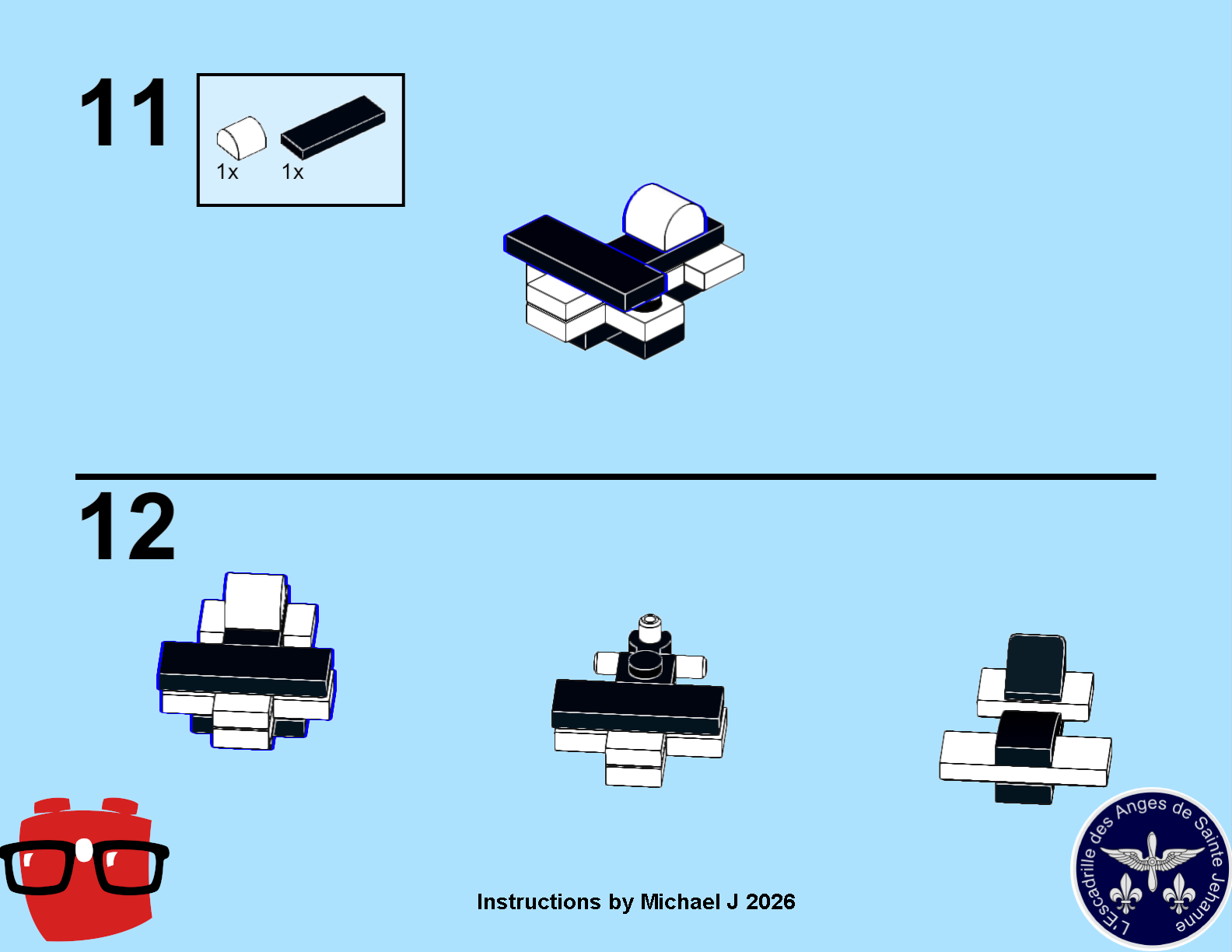
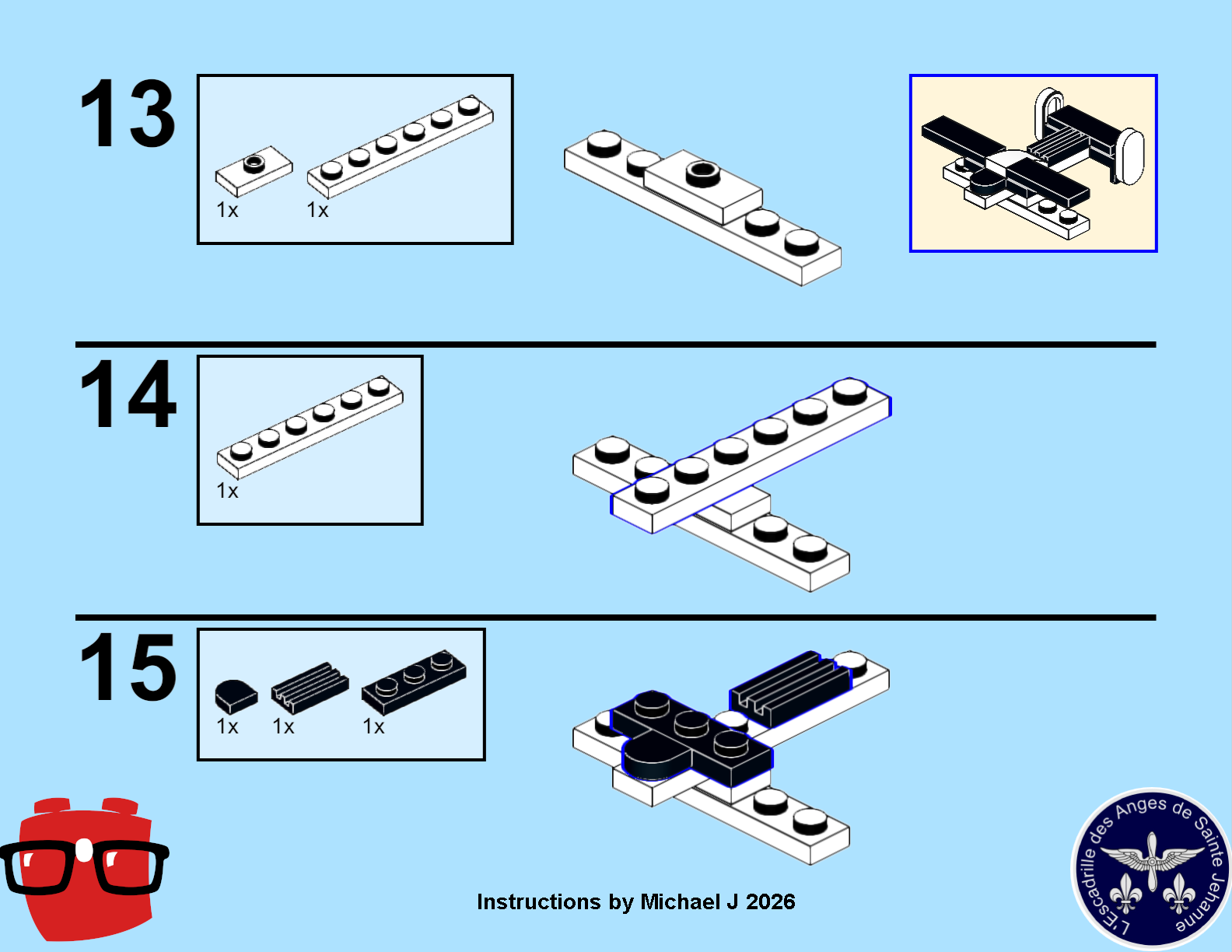
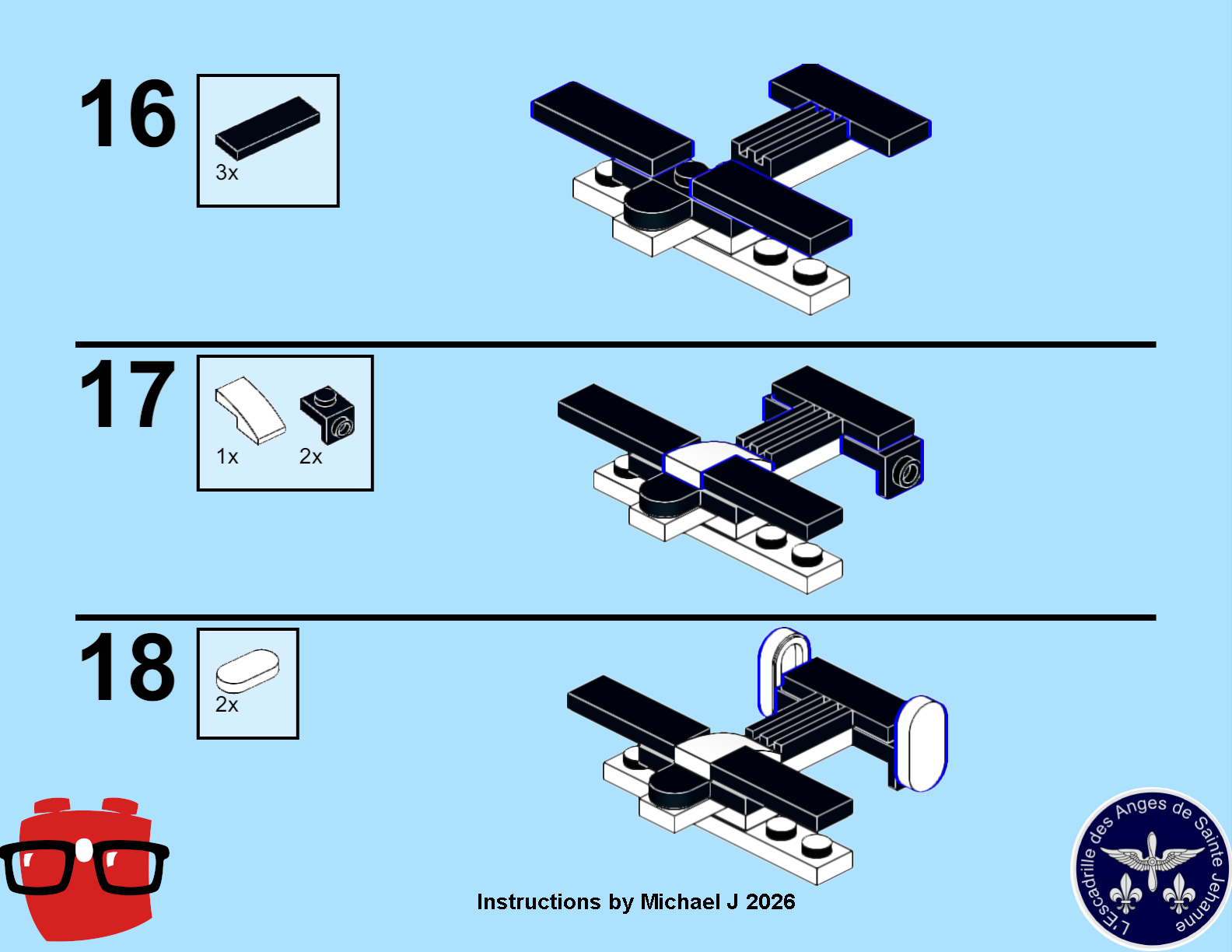
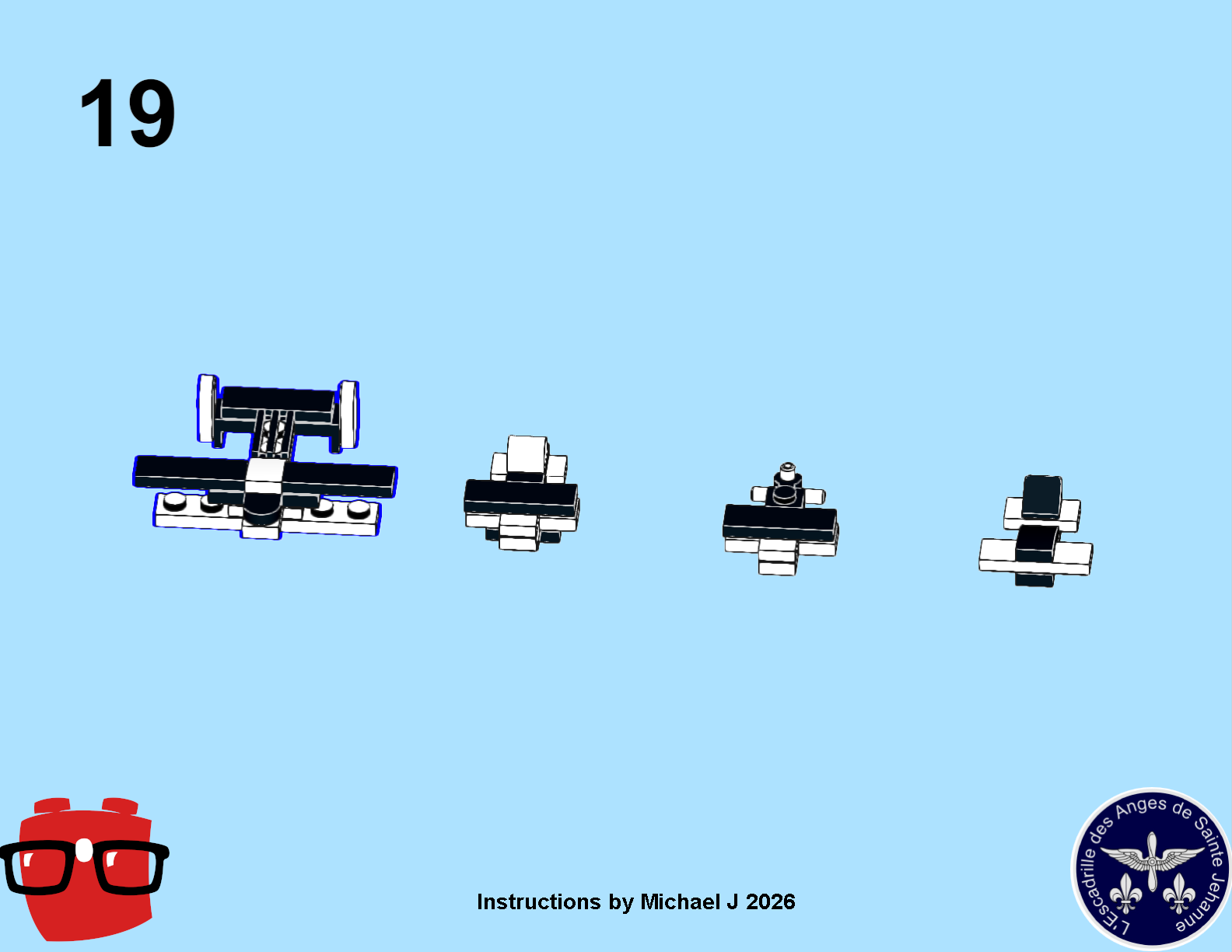
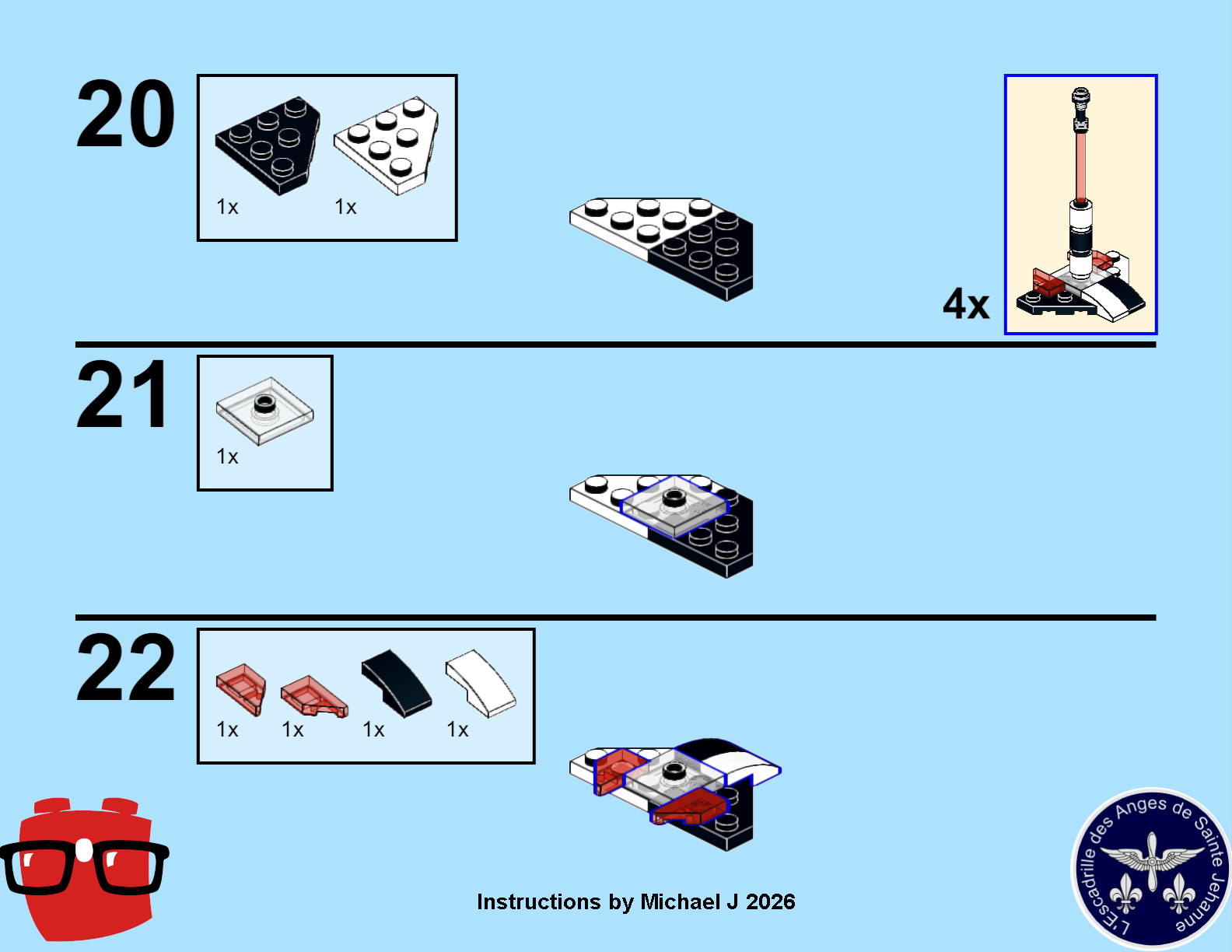
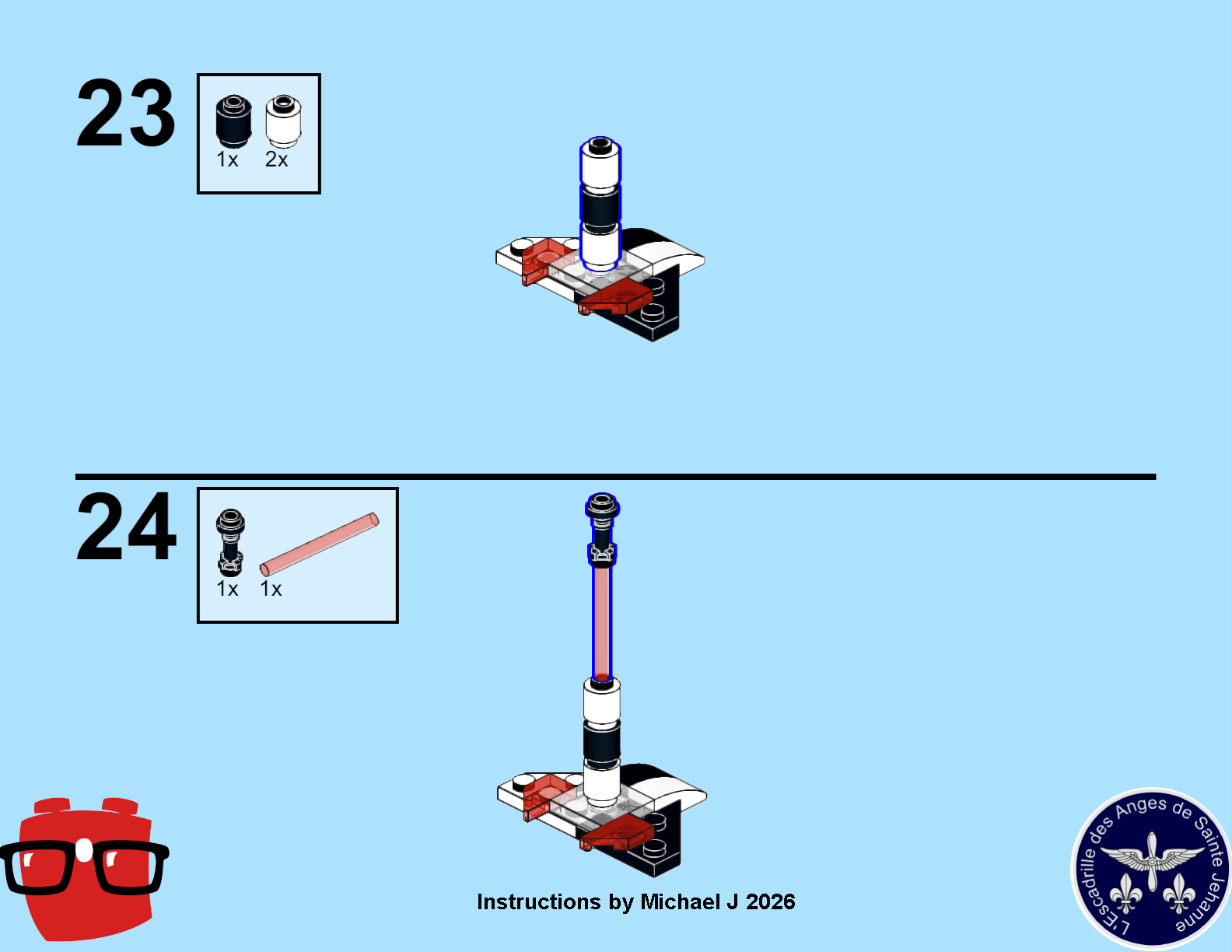
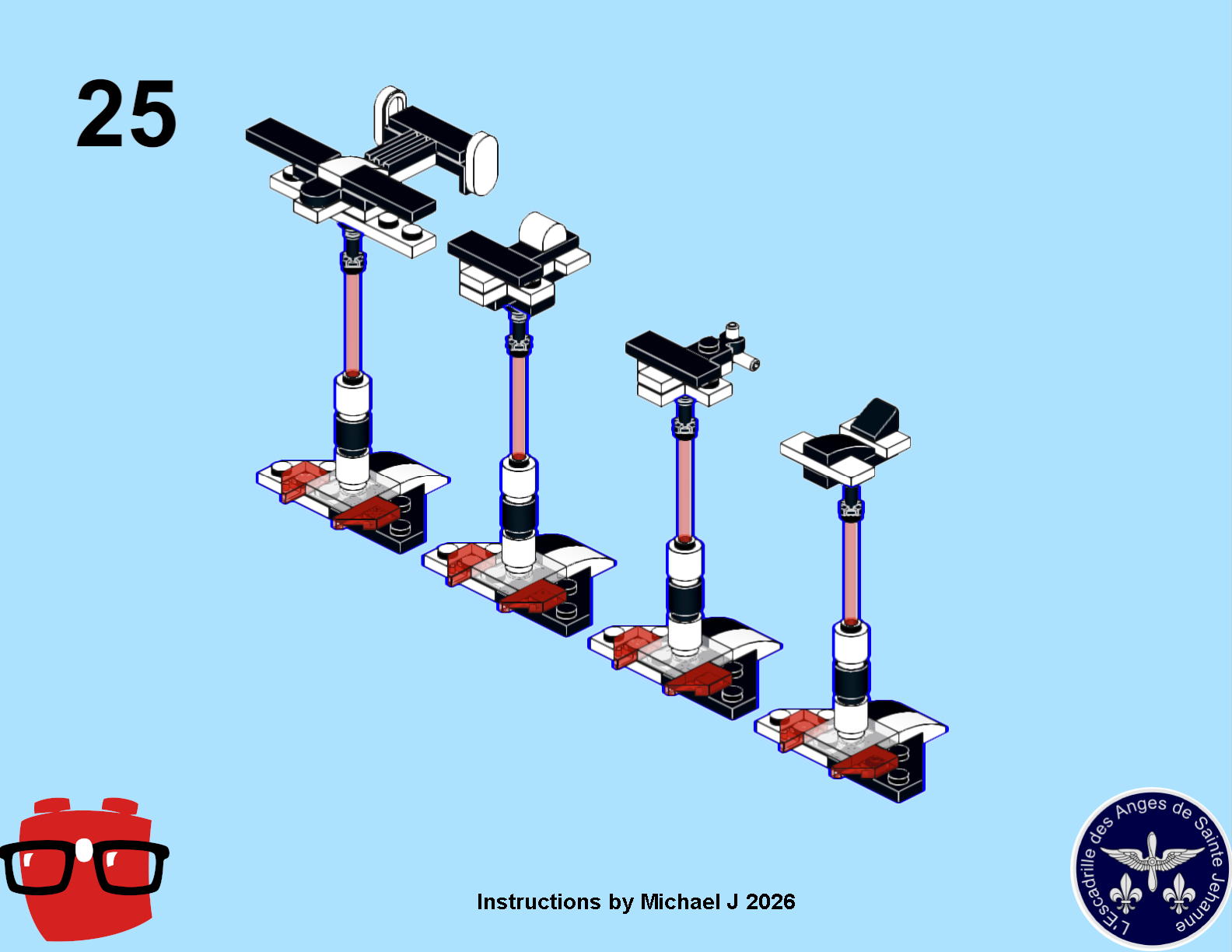
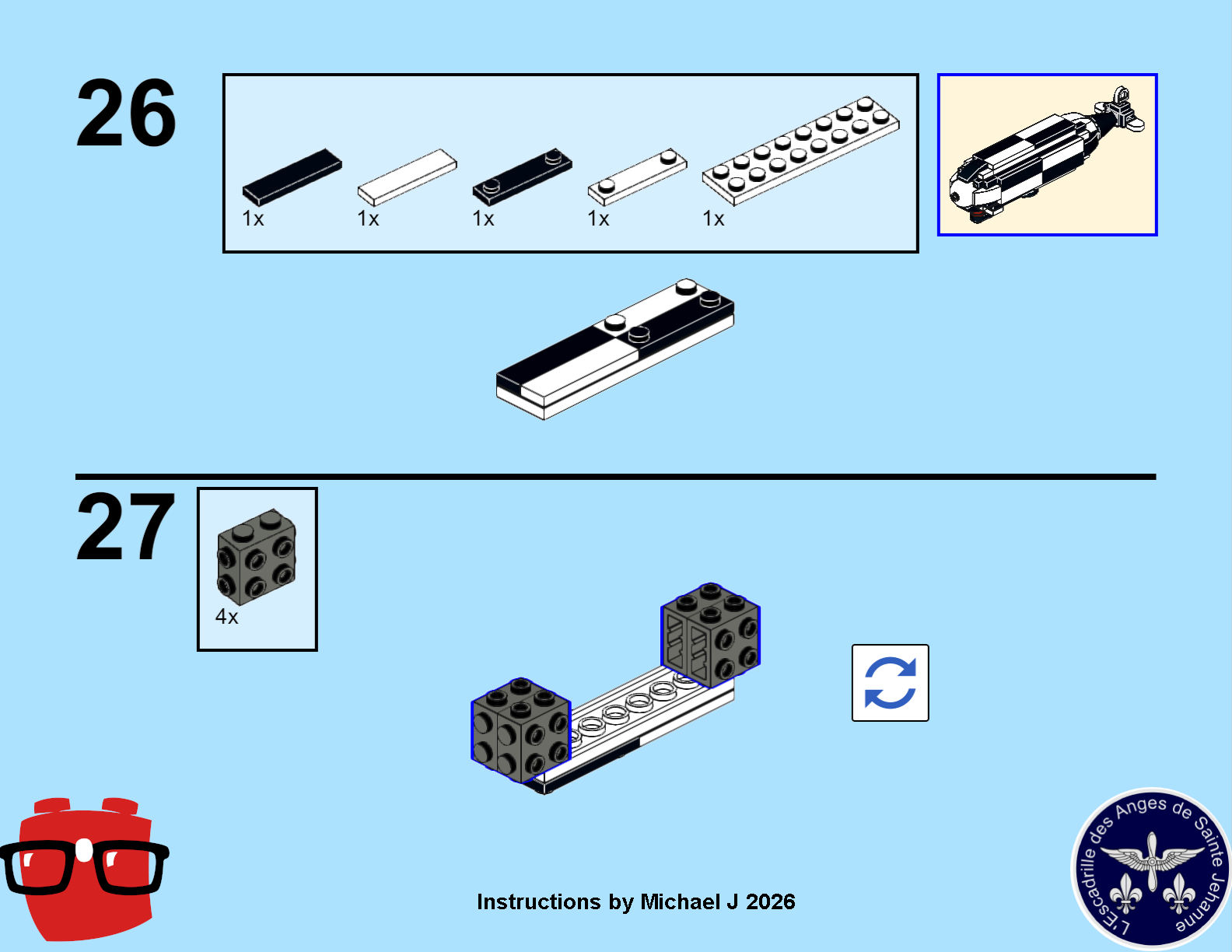
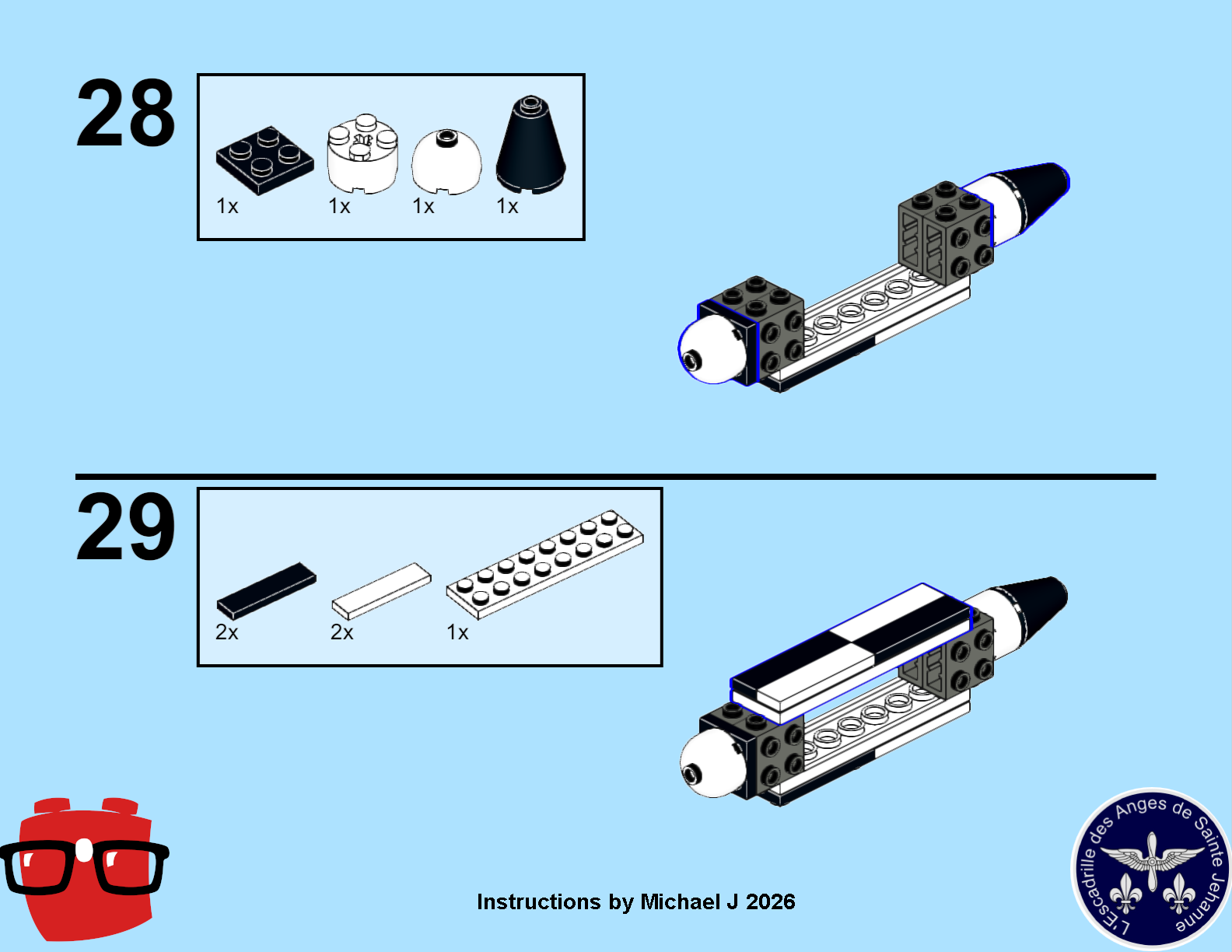
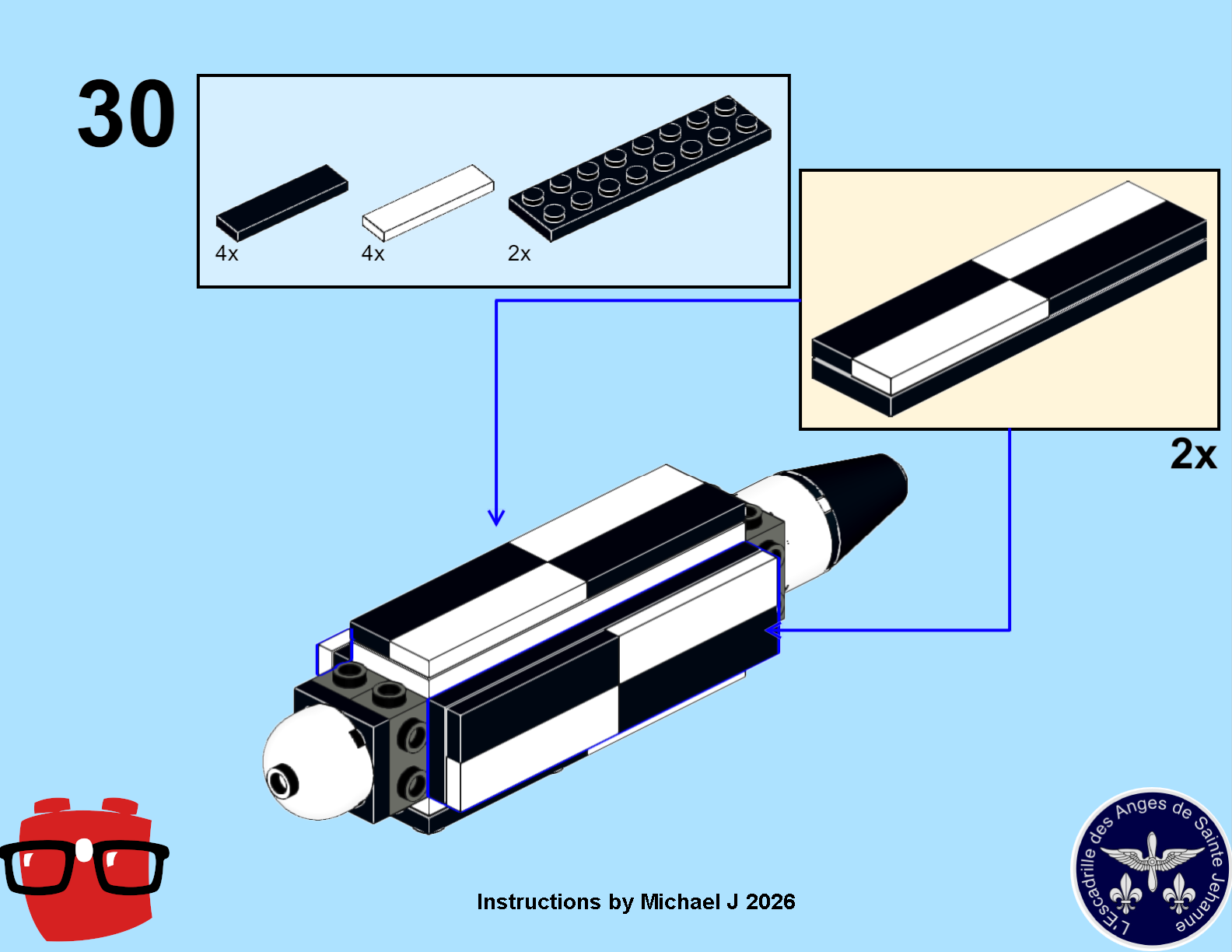
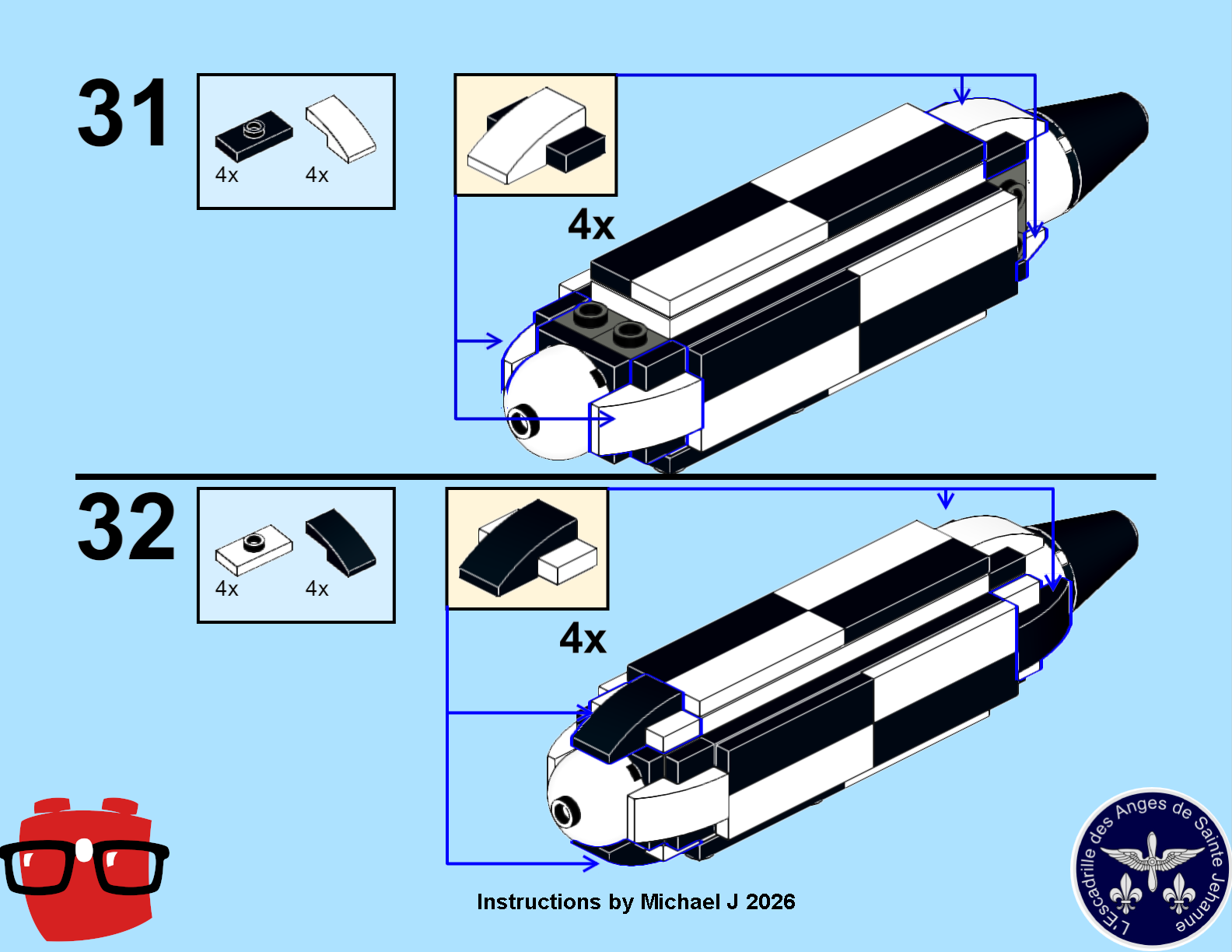
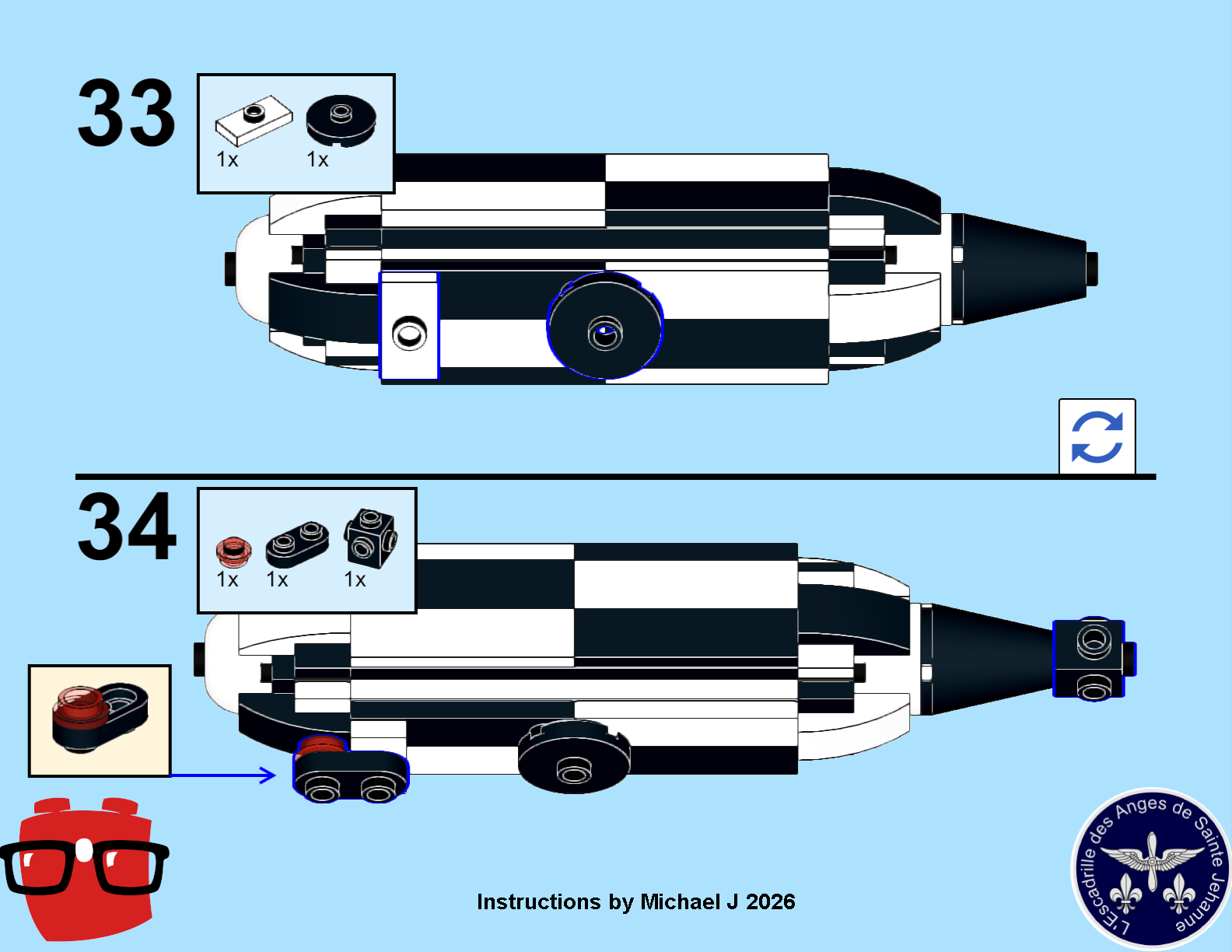
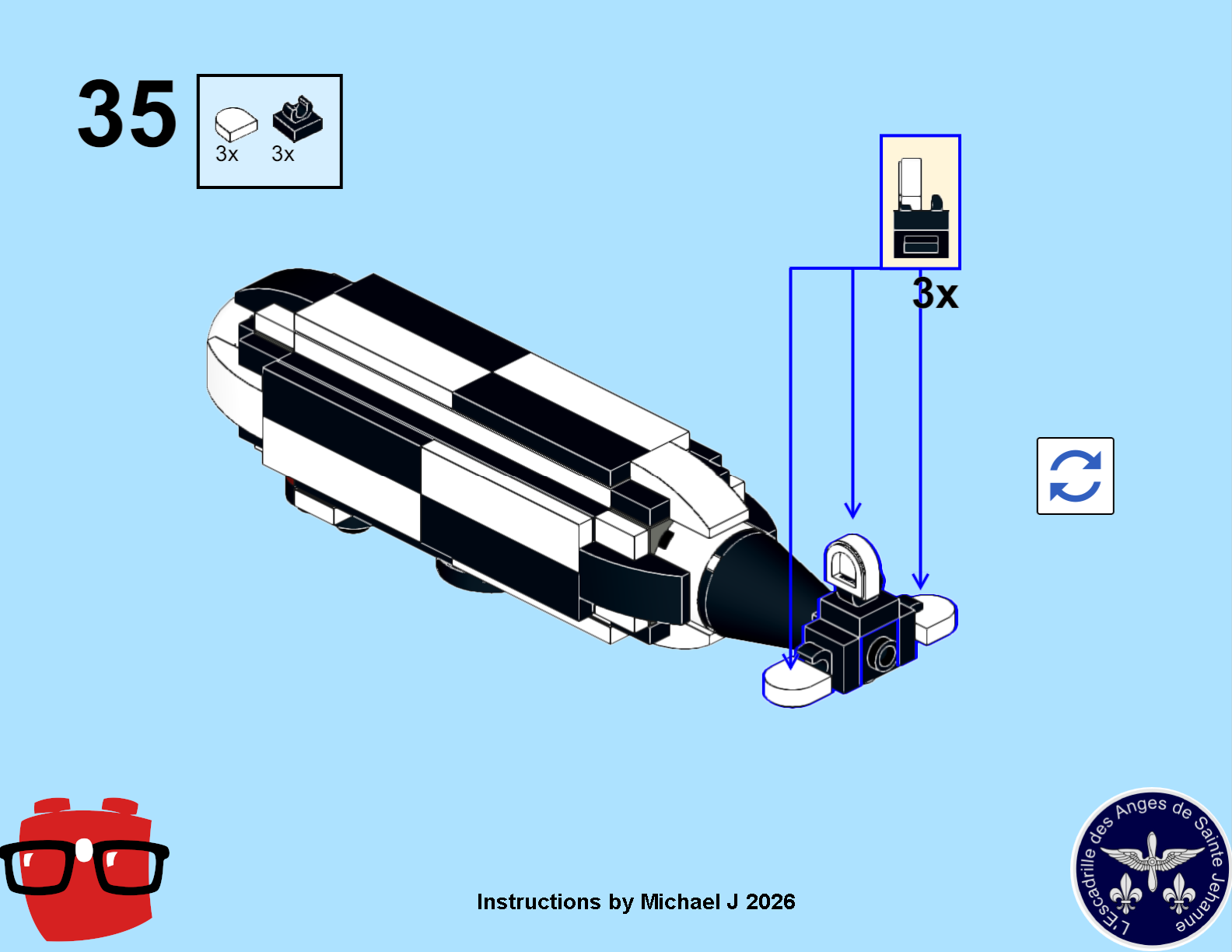
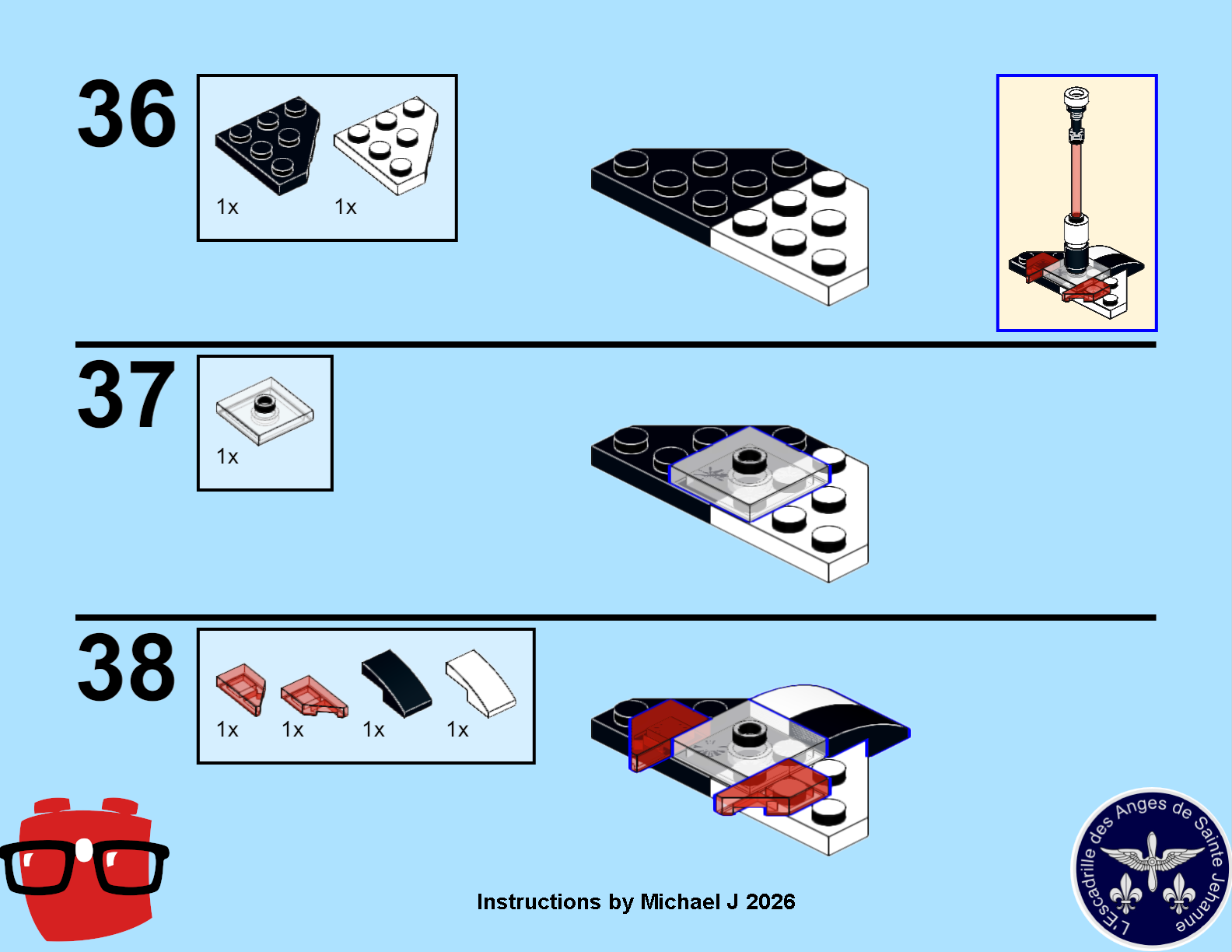
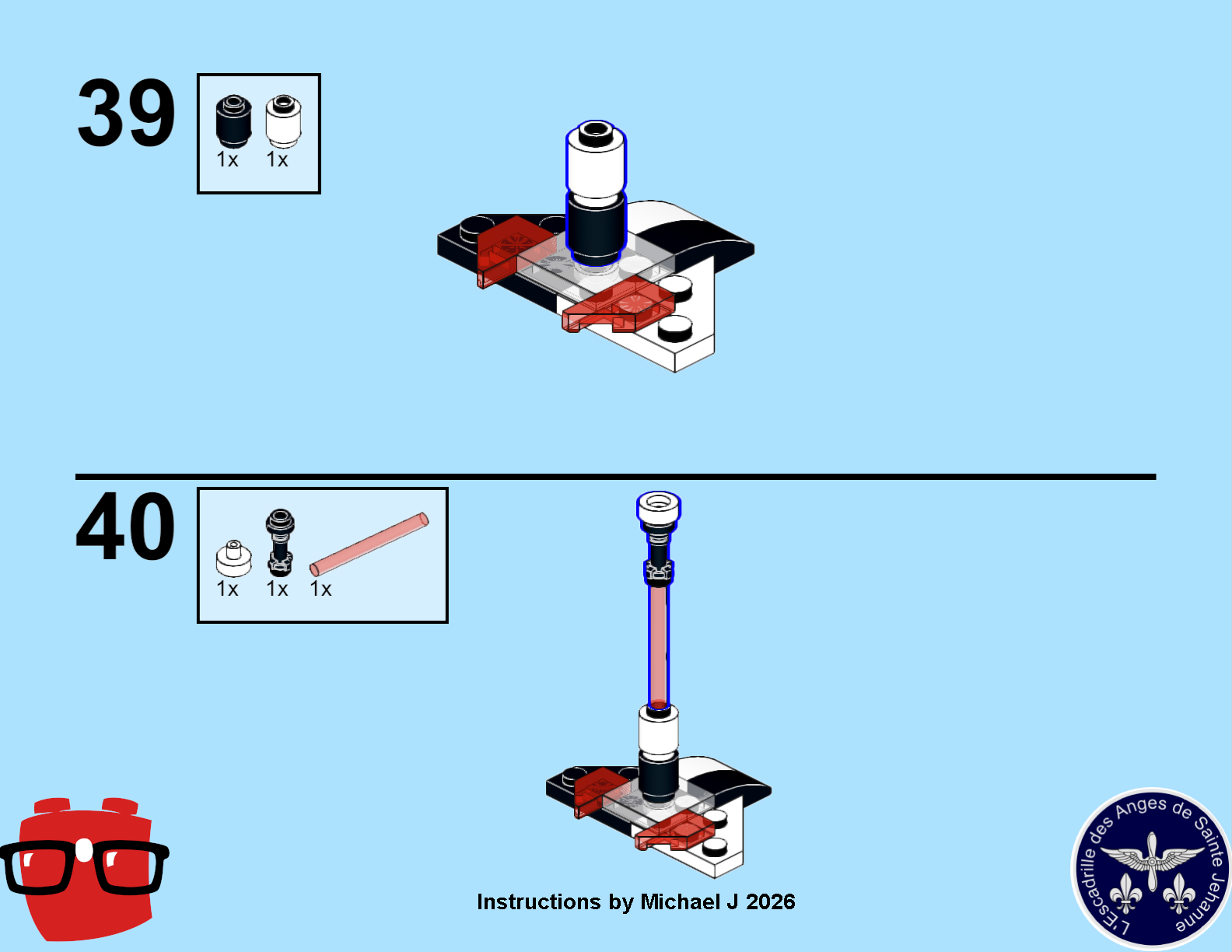
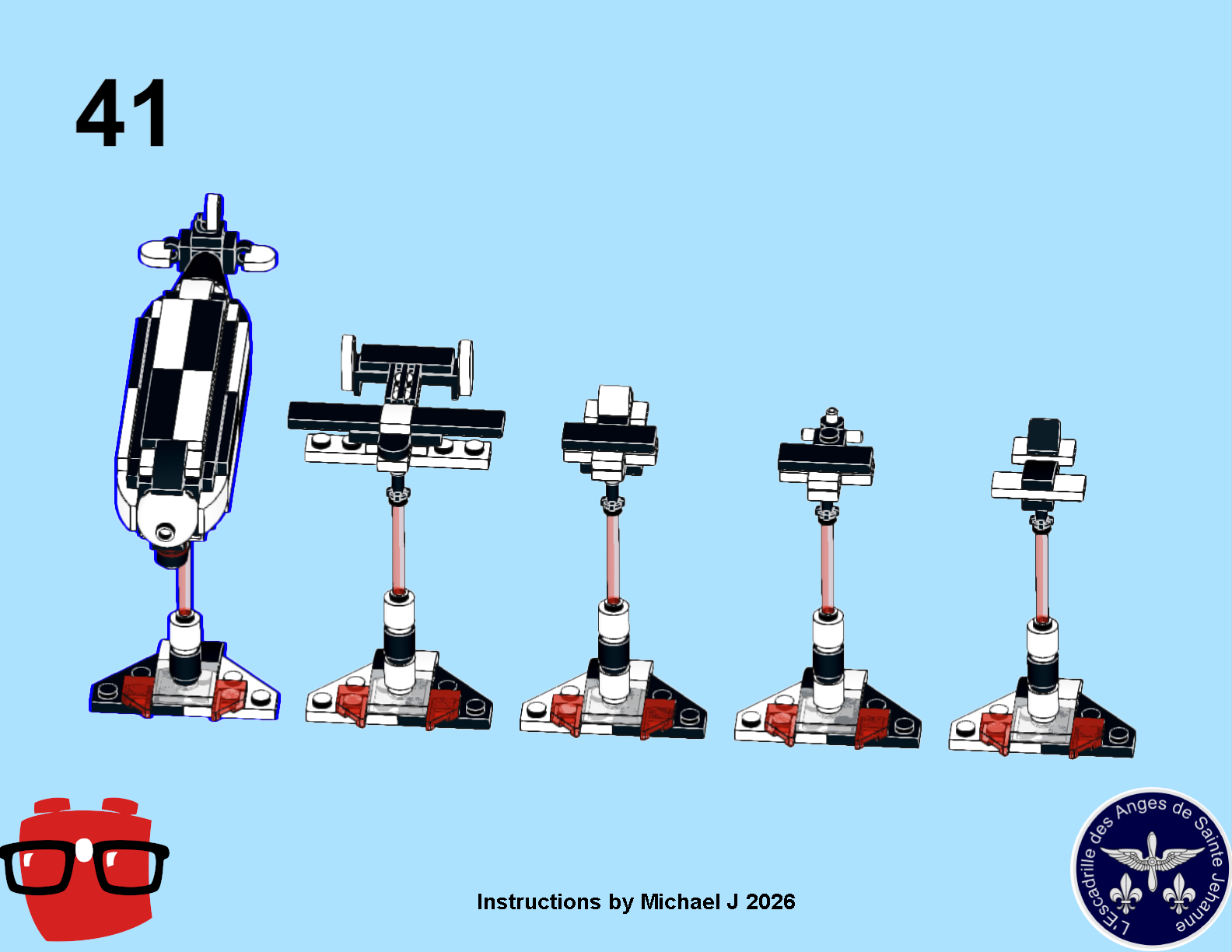
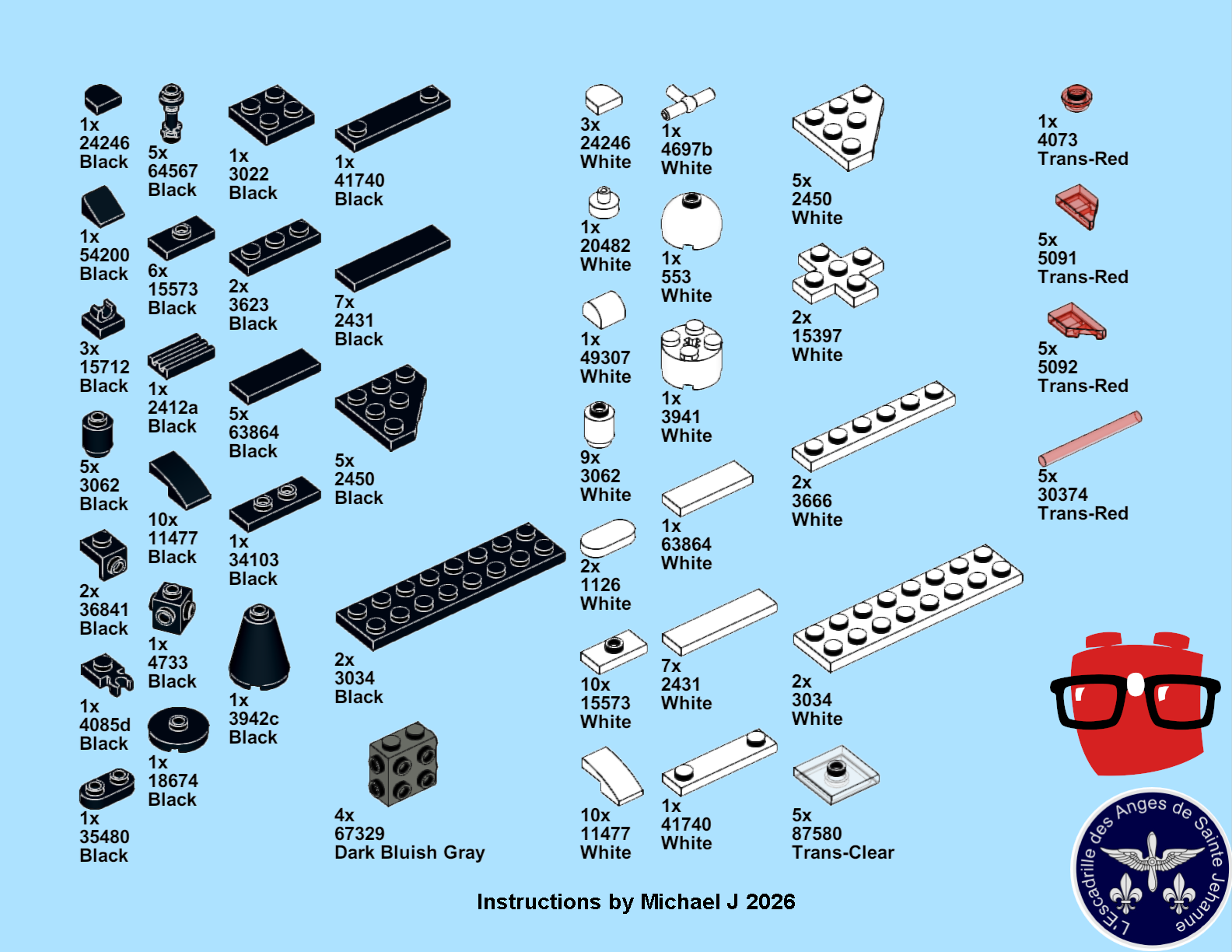
And, of course, I couldn’t resist adding Snoopy as the World War I Flying Ace! (The second set of instructions we have posted depicting Snoopy!) Enjoy!
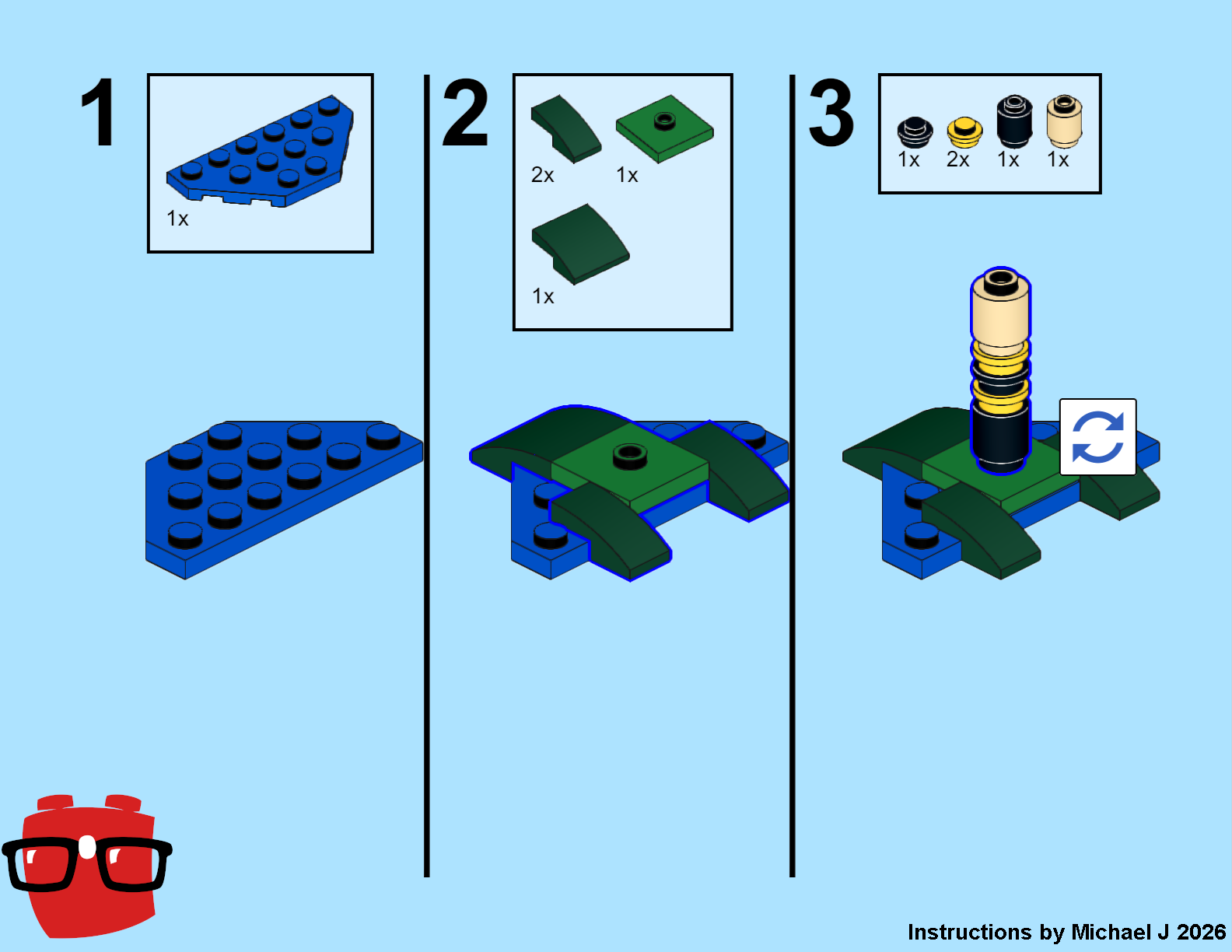
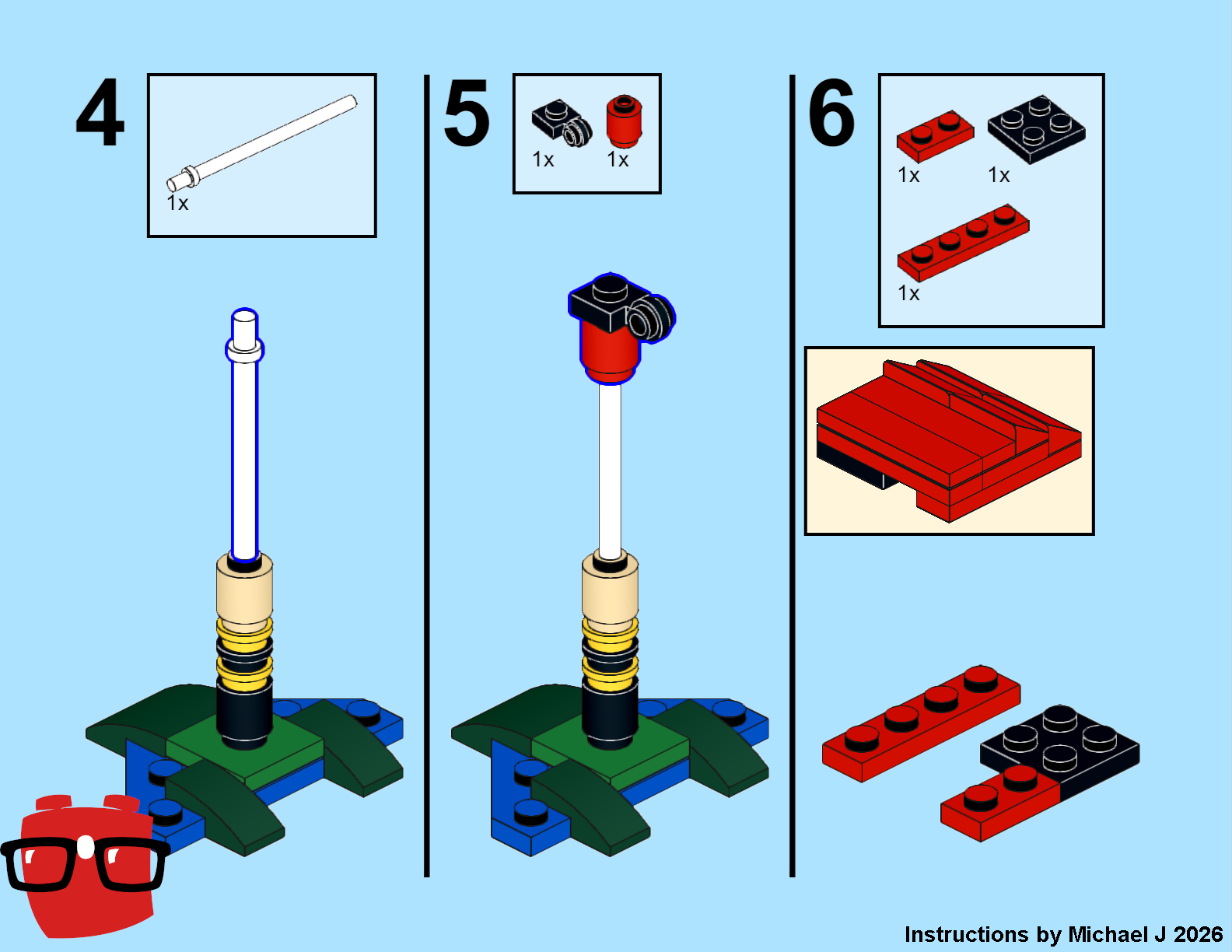
What LEGO models would you bring to the gaming table, and what abilities would you give them? Let us know in the comments below!
Do you want to help BrickNerd continue publishing articles like this one? Become a top patron like Paige Mueller, Rob Klingberg from Brickstuff, John & Joshua Hanlon from Beyond the Brick, Megan Lum, Andy Price, Lukas Kurth from StoneWars, Wayne Tyler, Dan Church, Roxanne Baxter, and Marci Hollingsworth to show your support, get early access, exclusive swag and more.