Room for Adventure: Designing the Sleepy Dragon Inn
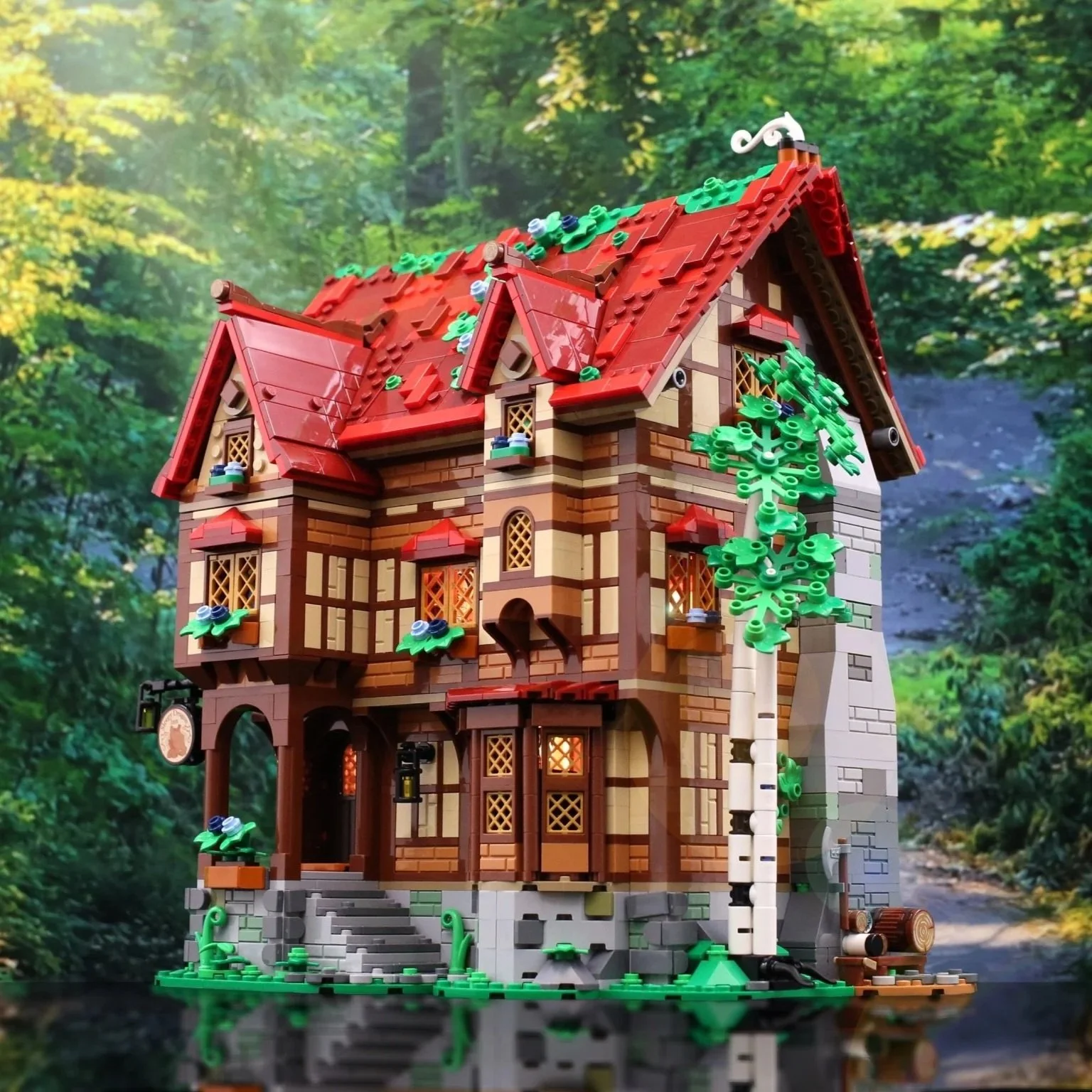
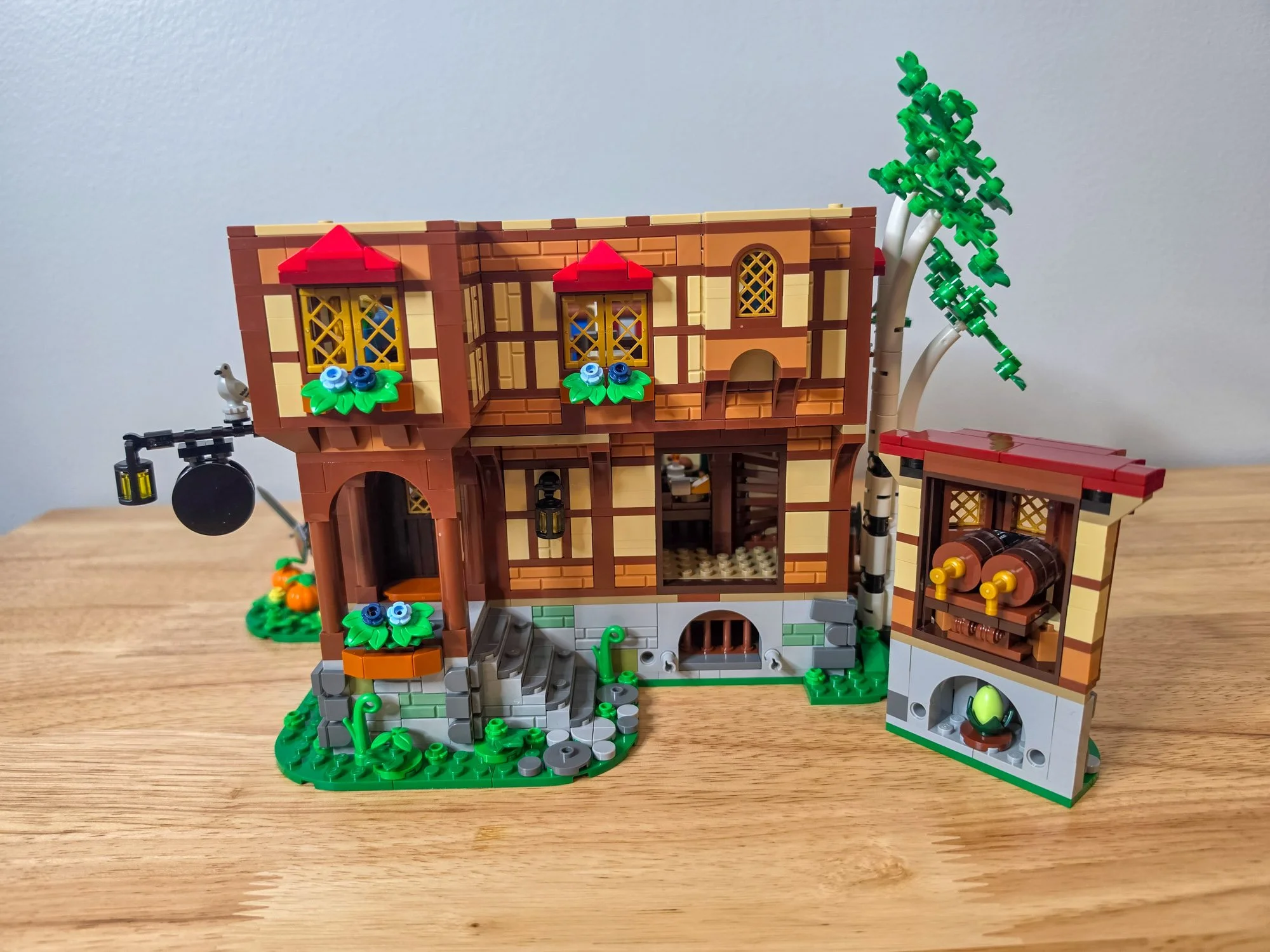
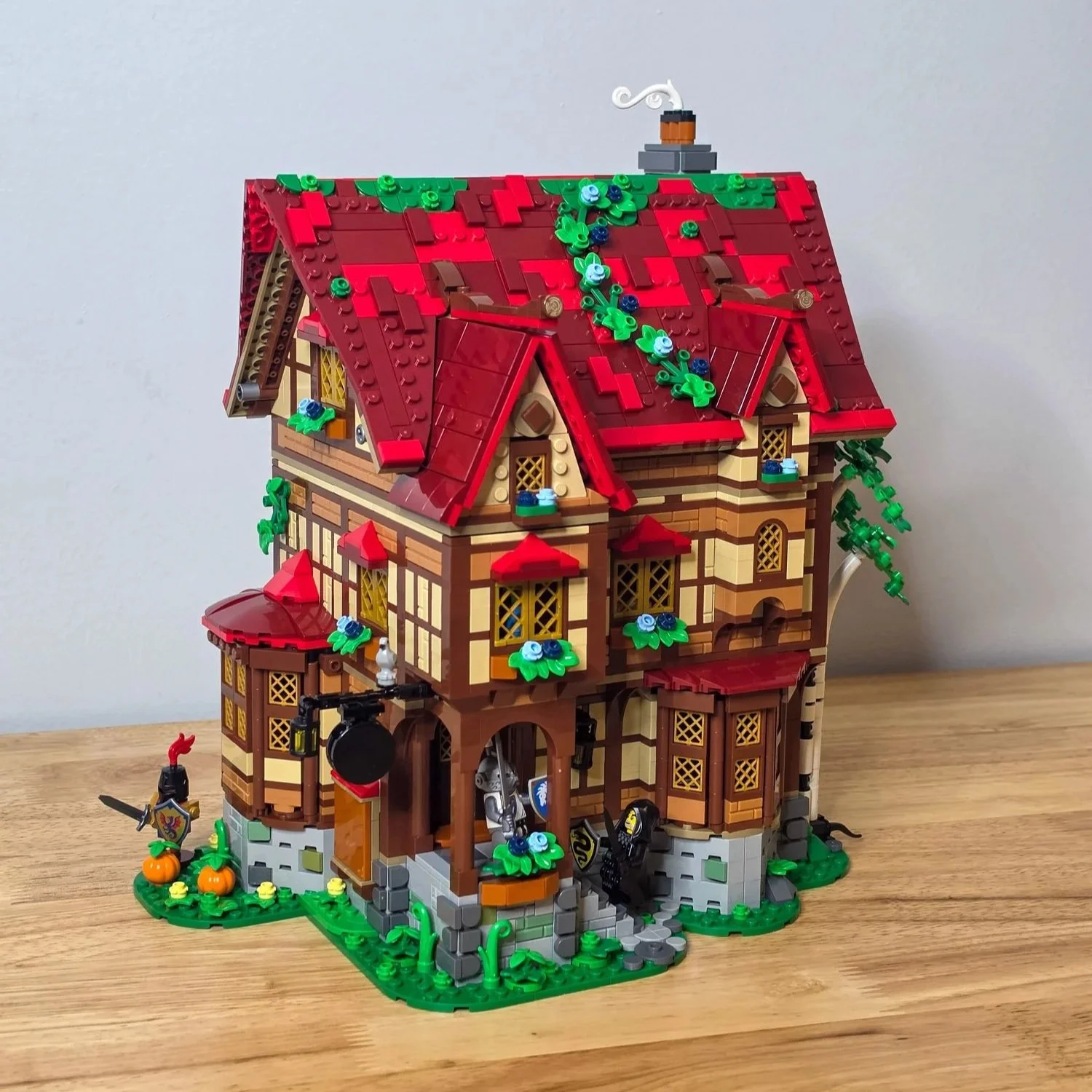
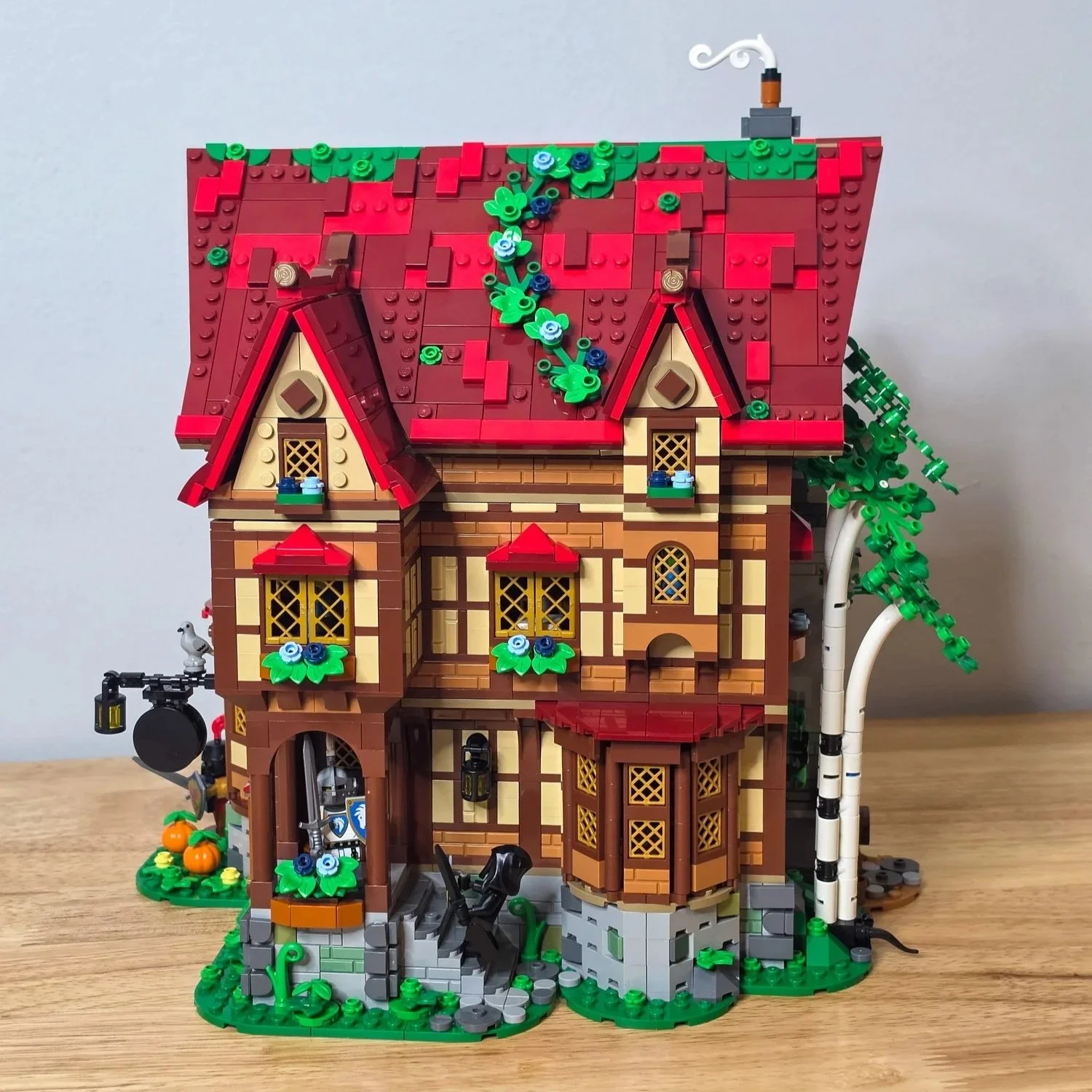
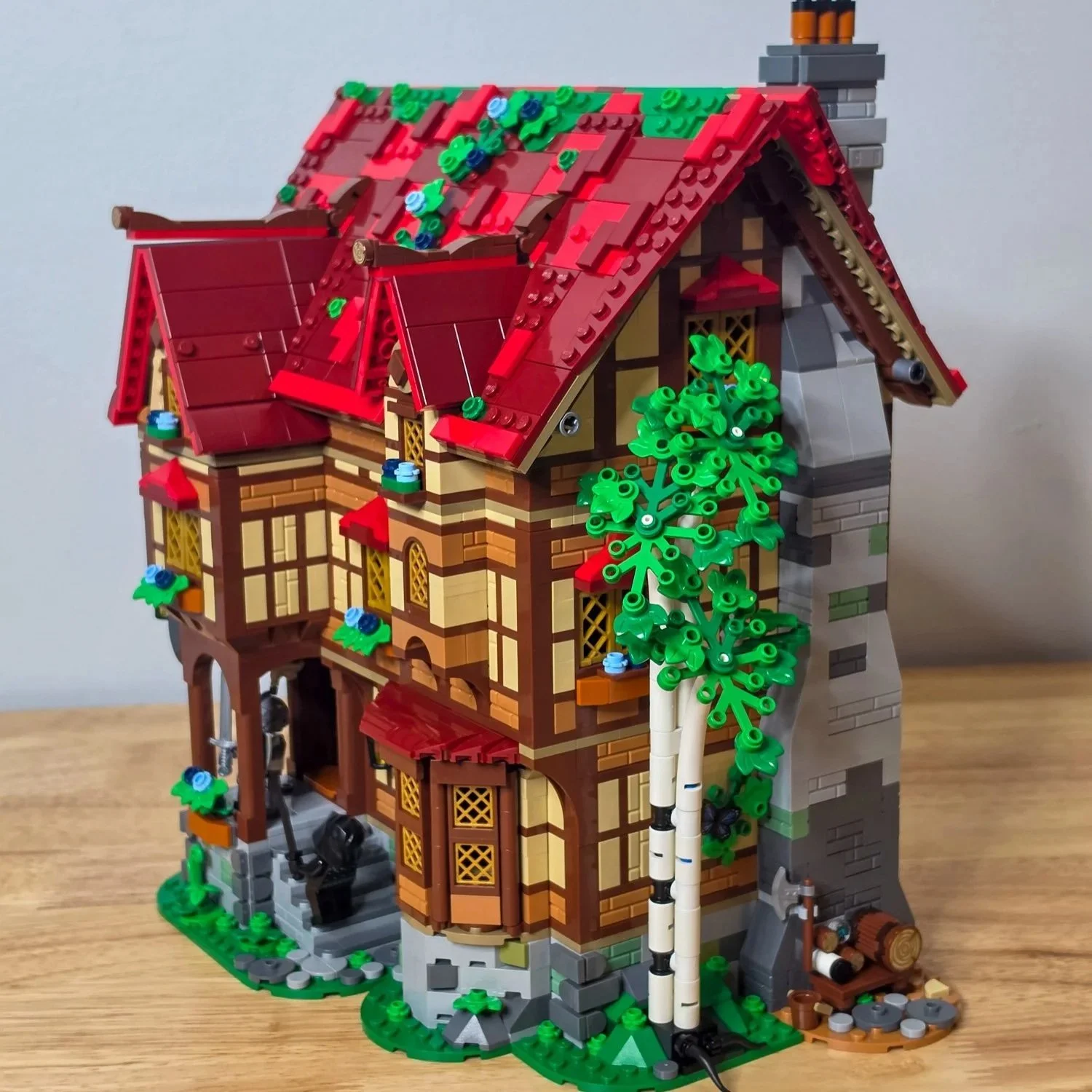
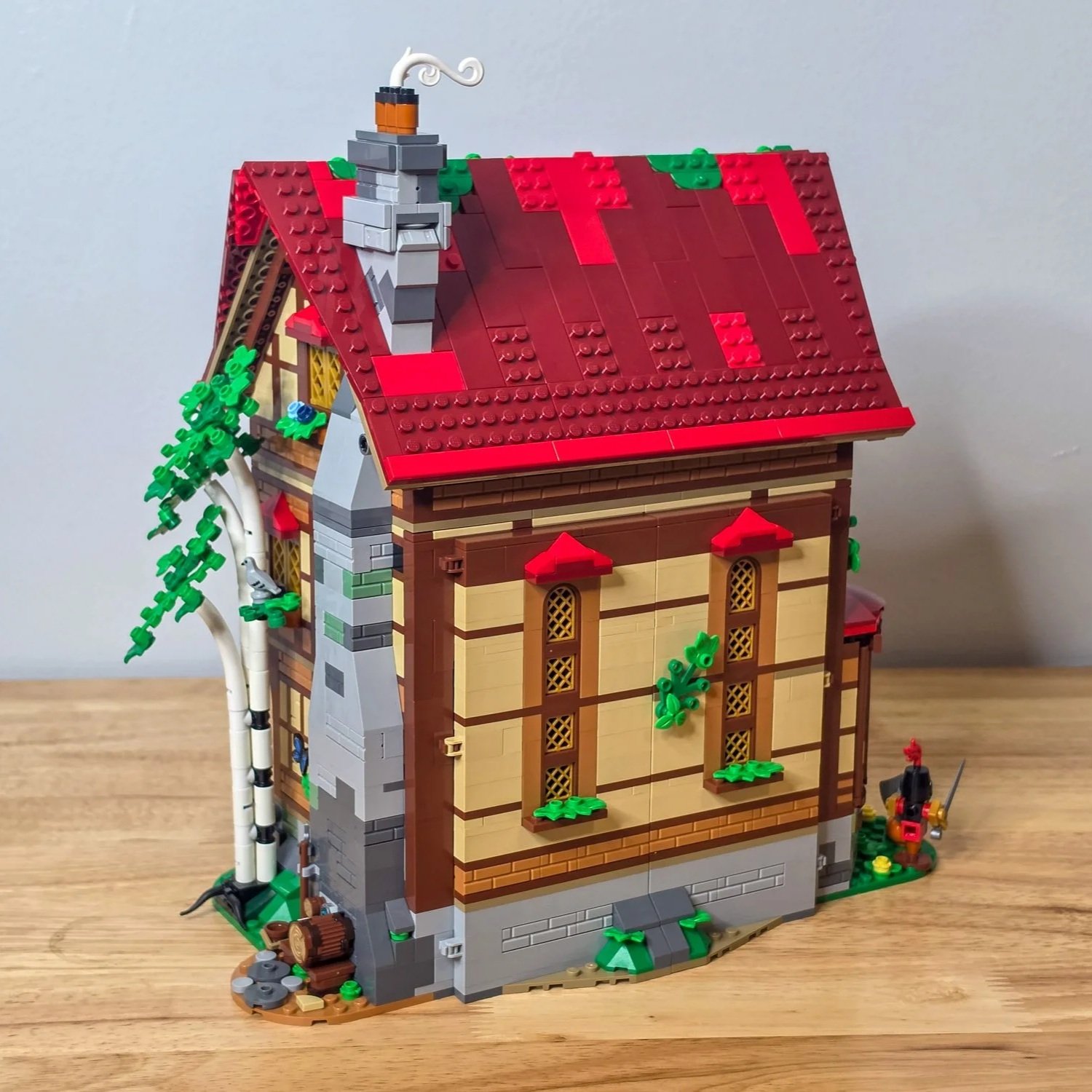
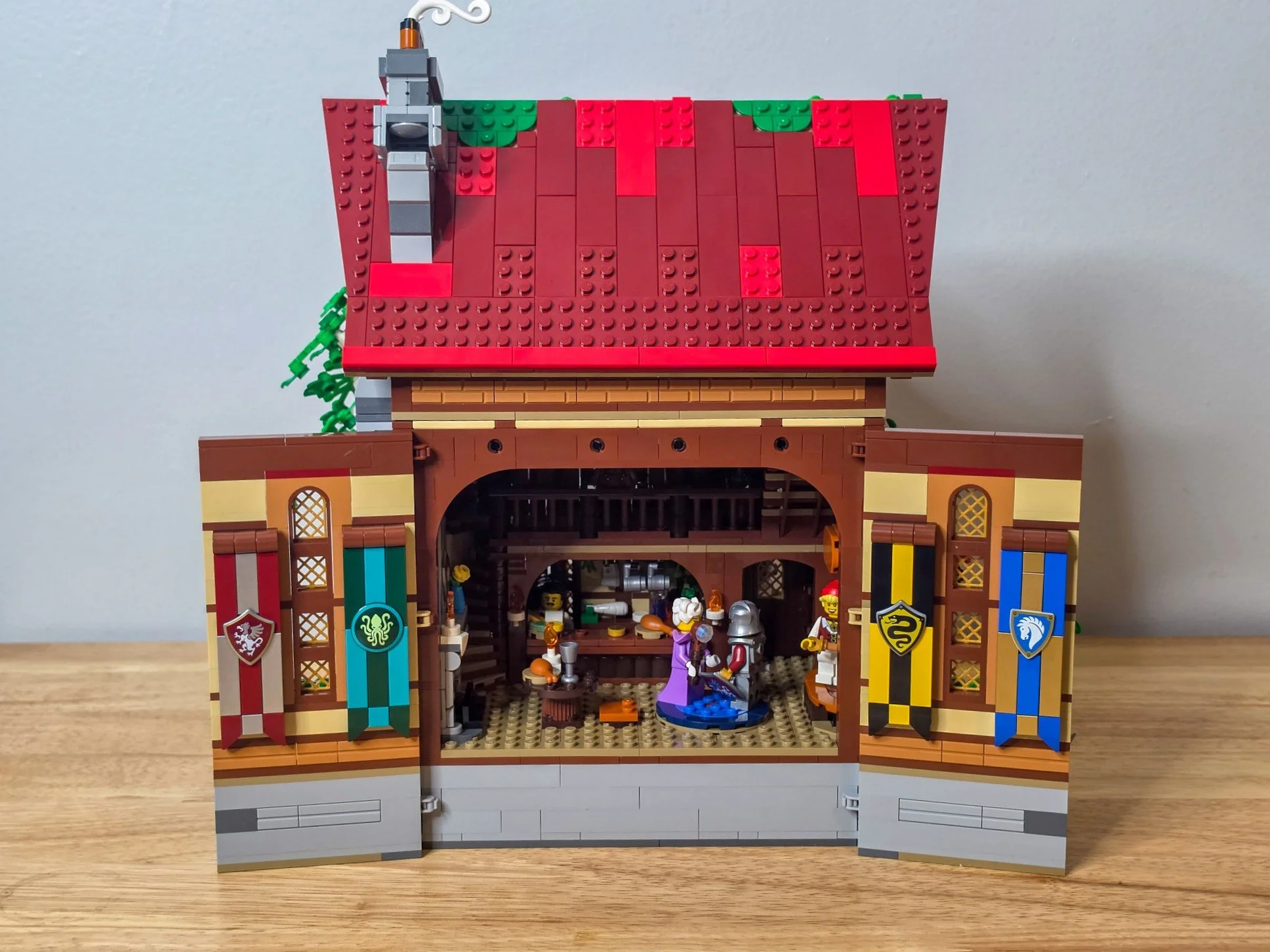
/Every medieval LEGO village needs somewhere for its knights to put down their shields and pull up a chair. The Sleepy Dragon Inn, designed by French builder Marin Graux, also known as MarinBD, offers just that. The 3,121-piece addition to the BrickLink Designer Program brings travelers together for roast chicken, music, dancing, and a bed for the night, with a hidden mechanism that sets the main hall in motion.
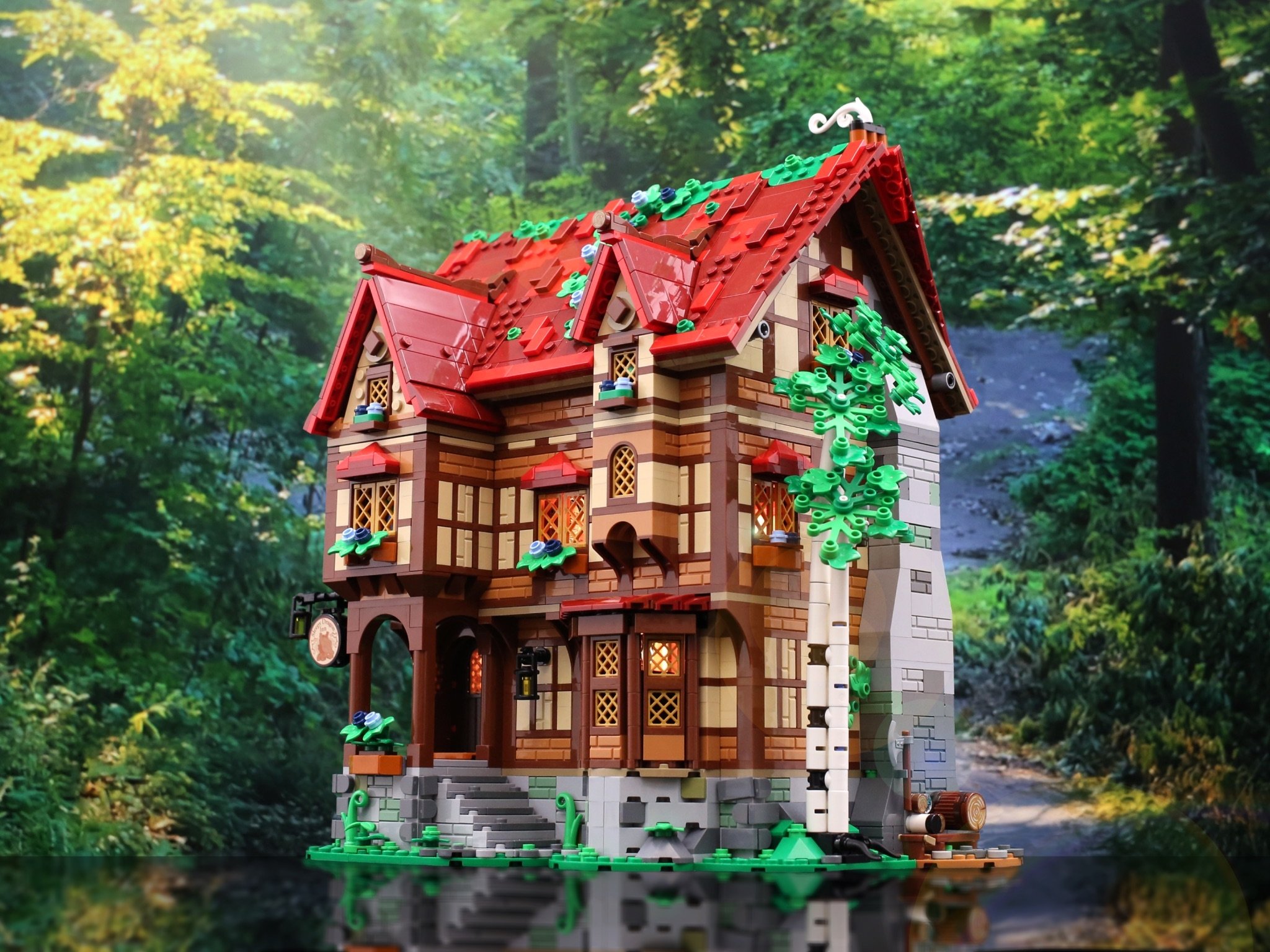
With preorders open now, we caught up with Marin to talk about the childhood castles, French villages, and fantasy adventures behind his design. From working out the roof angles to finding room for rival factions under one roof, he shares how the inn developed into a LEGO set built for play.
The Builder Behind the Inn
Dave: Welcome to BrickNerd, Marin! Could you introduce yourself and tell us how LEGO fits into your life today? What do you design when you’re not building LEGO?
Marin: Thanks a lot for the warm welcome! My name is Marin; I’m 32 years old and live in Paris. I’ve been a huge LEGO fan since early childhood. LEGO is a big part of my daily life as an AFOL and collector. It’s also part of my professional work in 3D object design. I’m seeing increasing demand from companies and museums for LEGO models.
Dave: You grew up building medieval cities and kingdoms. What do you remember about those childhood builds, and what has stayed with you in the worlds you create today?
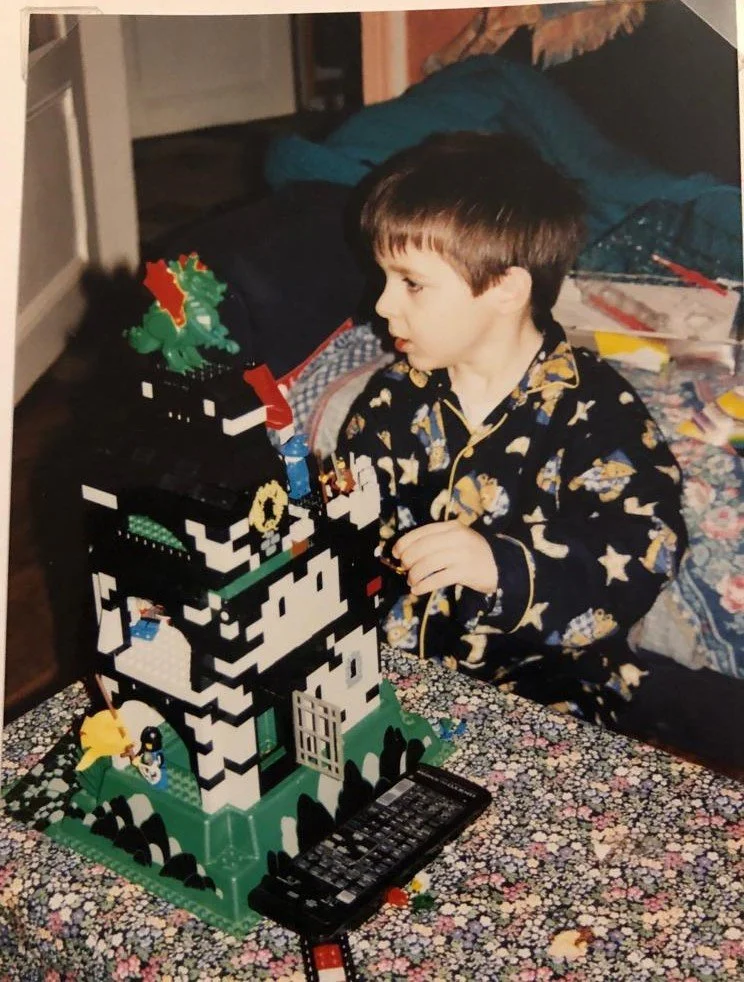
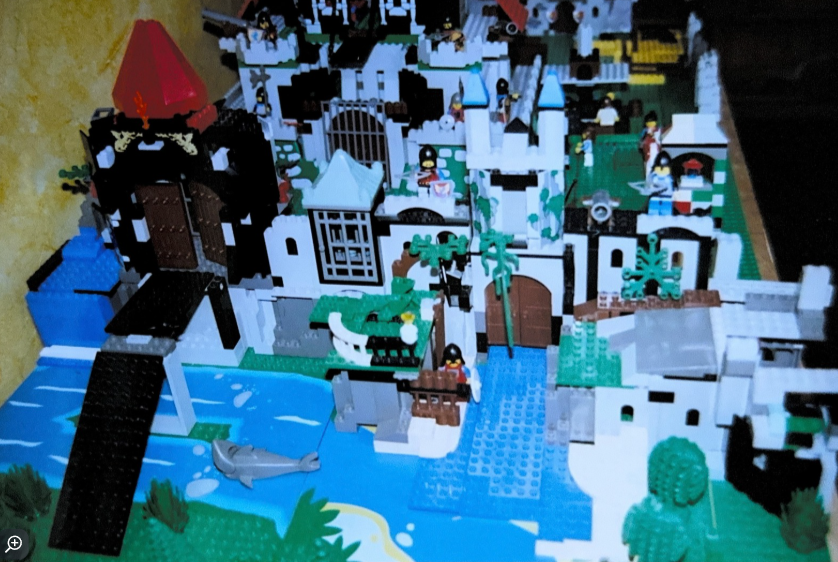
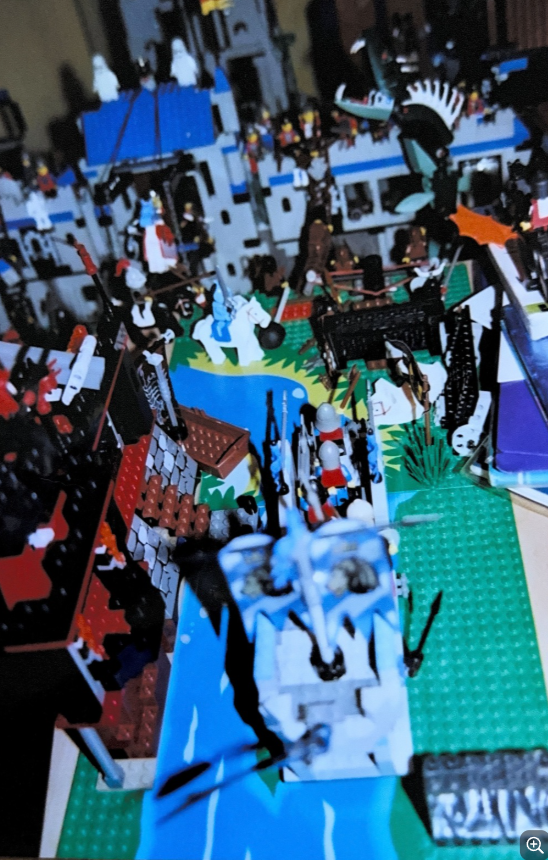
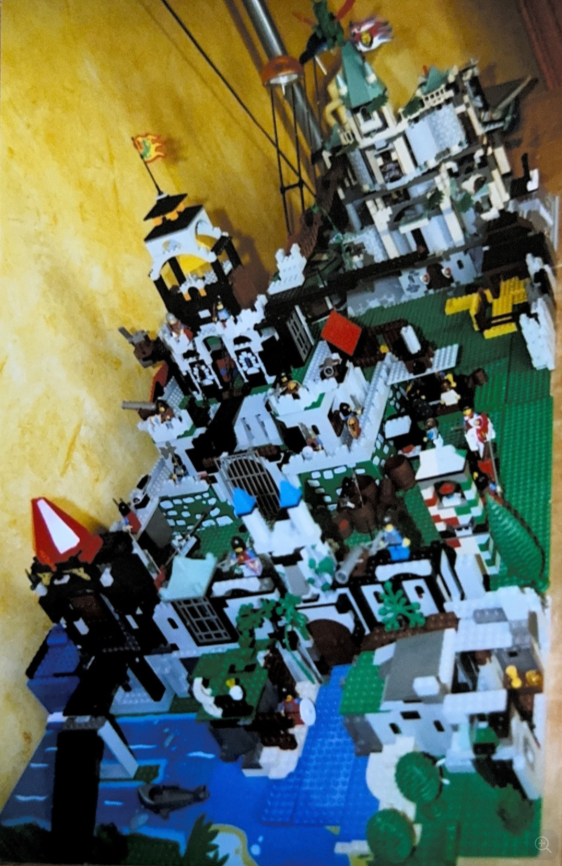
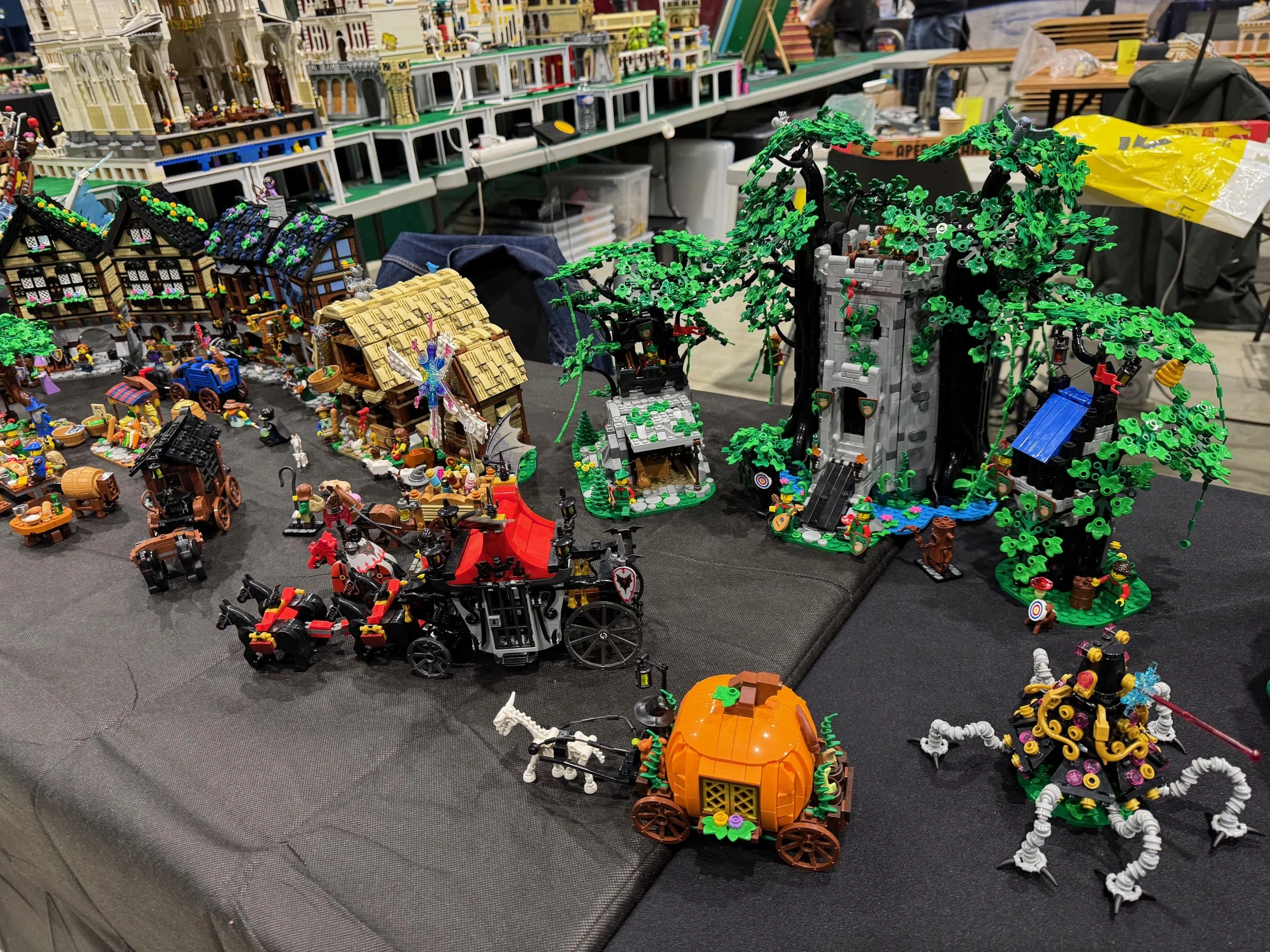
Marin: My first castle, which I received for Christmas when I was four or five, was a modified version of 6082 Fire Breathing Fortress built by my father. My parents also used to buy me lots of loose LEGO bricks. I soon started building my own castles and towns to play with my brother. My second castle was 6090 Royal Knight’s Castle. I loved it so much that I used to sleep with it in my loft bed!
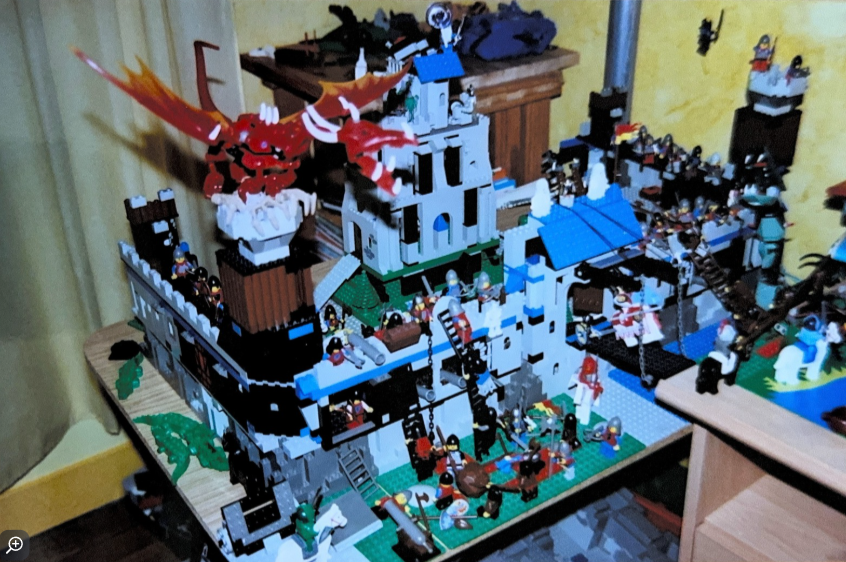
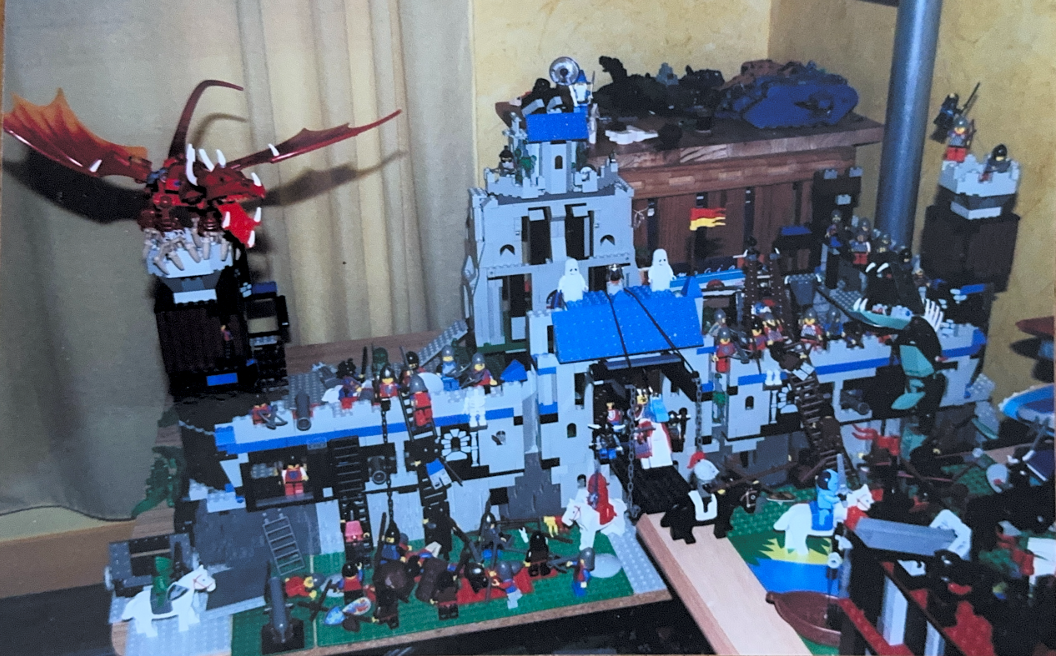
I also had a lot of LEGO Harry Potter sets, almost the entire 2001 line. Later, I decided to create a giant kingdom by combining all the sets so I could stage epic battles and play with my friends and brothers. Now, whenever I can, I try to incorporate elements into my designs that make me feel good and reconnect me with those childhood feelings.
Dave: Sleeping with a castle in your bed is quite the accomplishment! You later worked at the LEGO Store in Paris. Did seeing how people chose sets, or hearing what they wanted to build, change how you thought about your own creations?
Marin: I worked there ten years ago, and it was a different era. With the growth of LEGO’s range for adults, demand has changed significantly. Honestly, while it was a wonderful personal experience, it didn’t really help me with my approach to design.
Dave: How about LEGO Masters France? You and Alexandre finished second. What did that experience teach you about yourself as a builder, and did any of those lessons carry over to the inn?
Marin: At the time, I was unemployed due to the pandemic, and I was lucky enough to participate in Season 2 of LEGO Masters France. It was an incredible experience that helped me regain confidence in myself and my abilities, and taught me to trust my instincts.


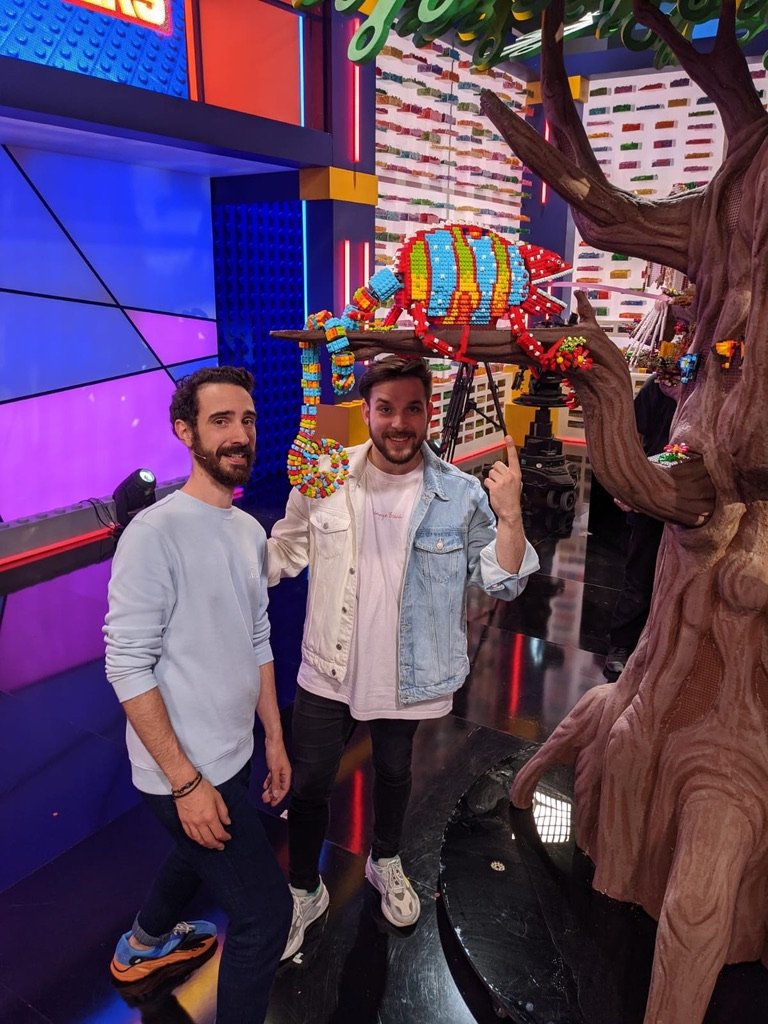

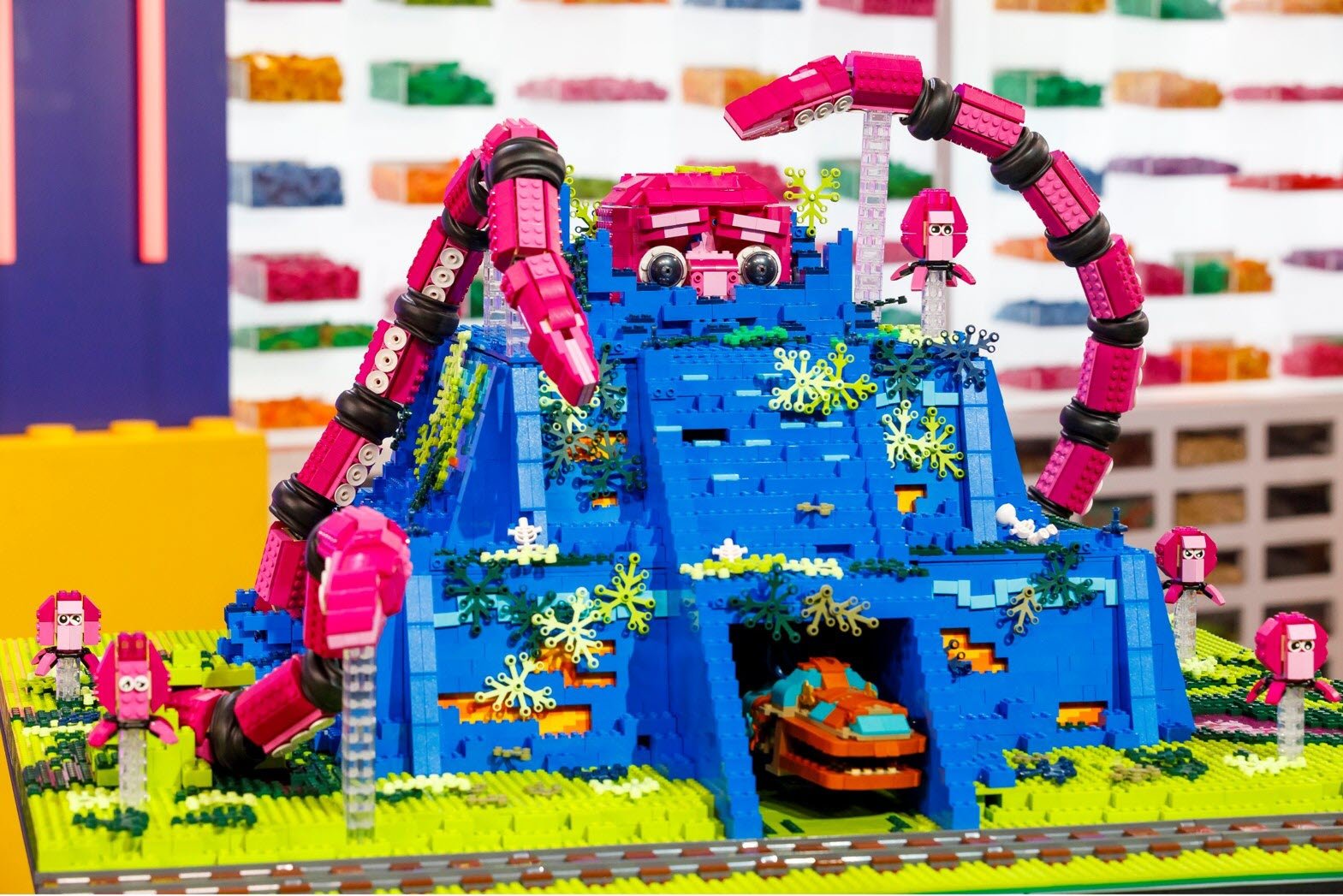
Although LEGO Masters is a different challenge from designing a set, the two share a common thread: storytelling. That is one of the key lessons from the show. You need to be able to see, understand, and feel a creation’s story at first glance.
A Place Between Adventures
Dave: We understand the idea for the Sleepy Dragon Inn came after you built Medieval Blacksmith. What did that set spark for you, and what was your first idea for the inn?
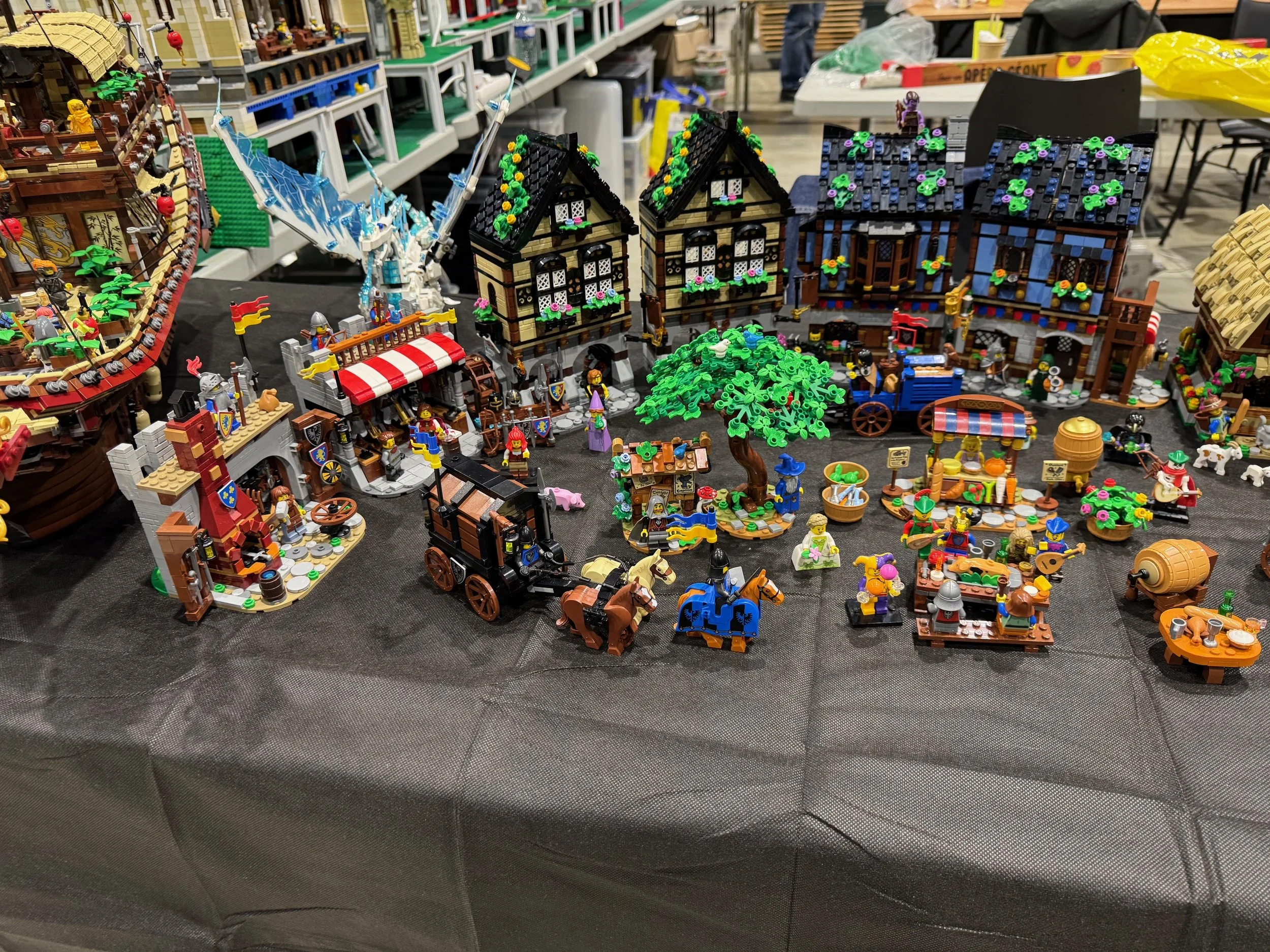
Marin: The initial idea was to create an inn that could house a minifigure from every LEGO Castle faction. I wanted to create a grand historical scene featuring all the knights, though that would have required an impossibly large build. So I decided to match the scale of Medieval Blacksmith. It offered the right size to accommodate quite a few minifigures while ensuring the building would fit into a medieval village.
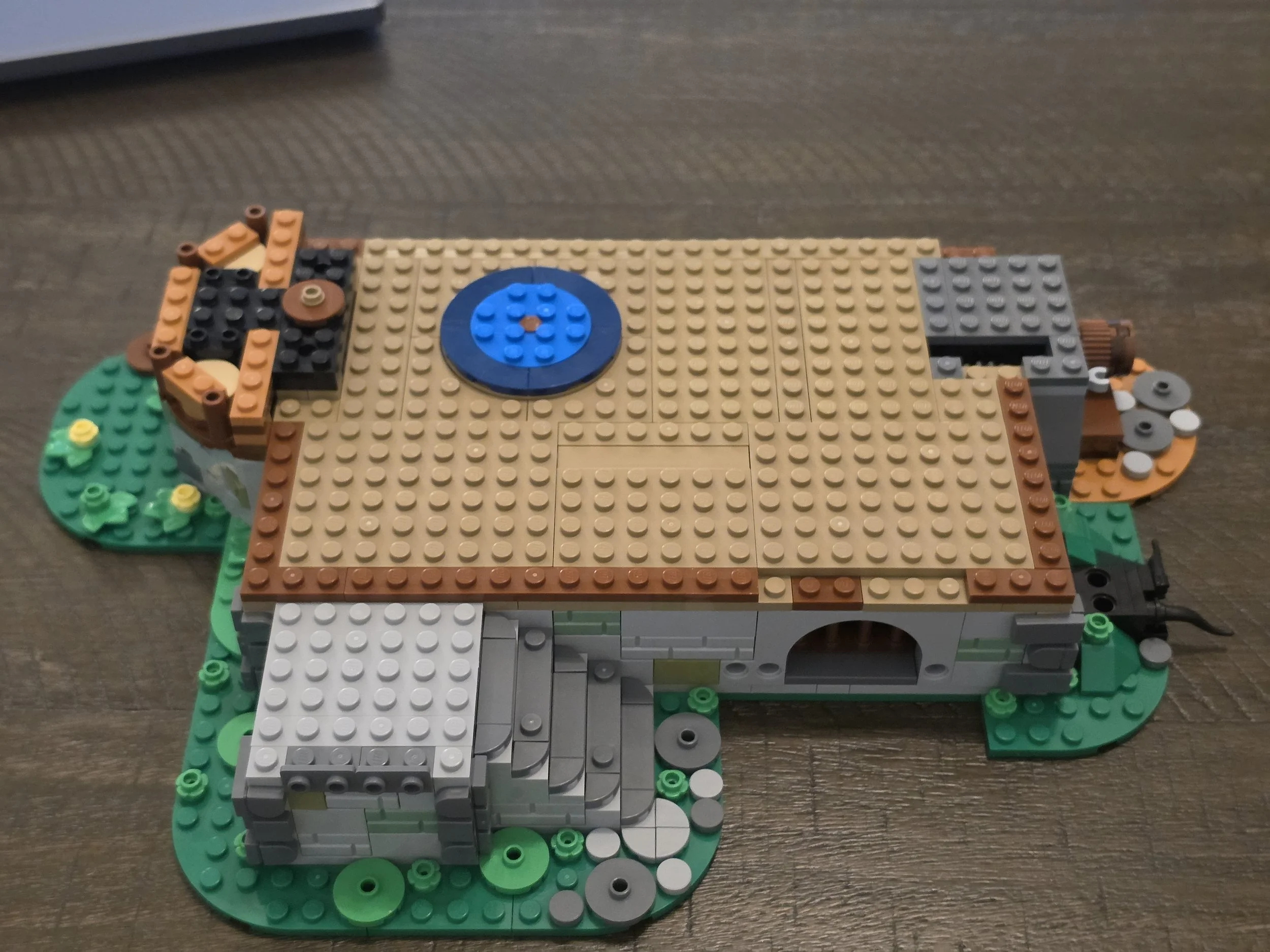
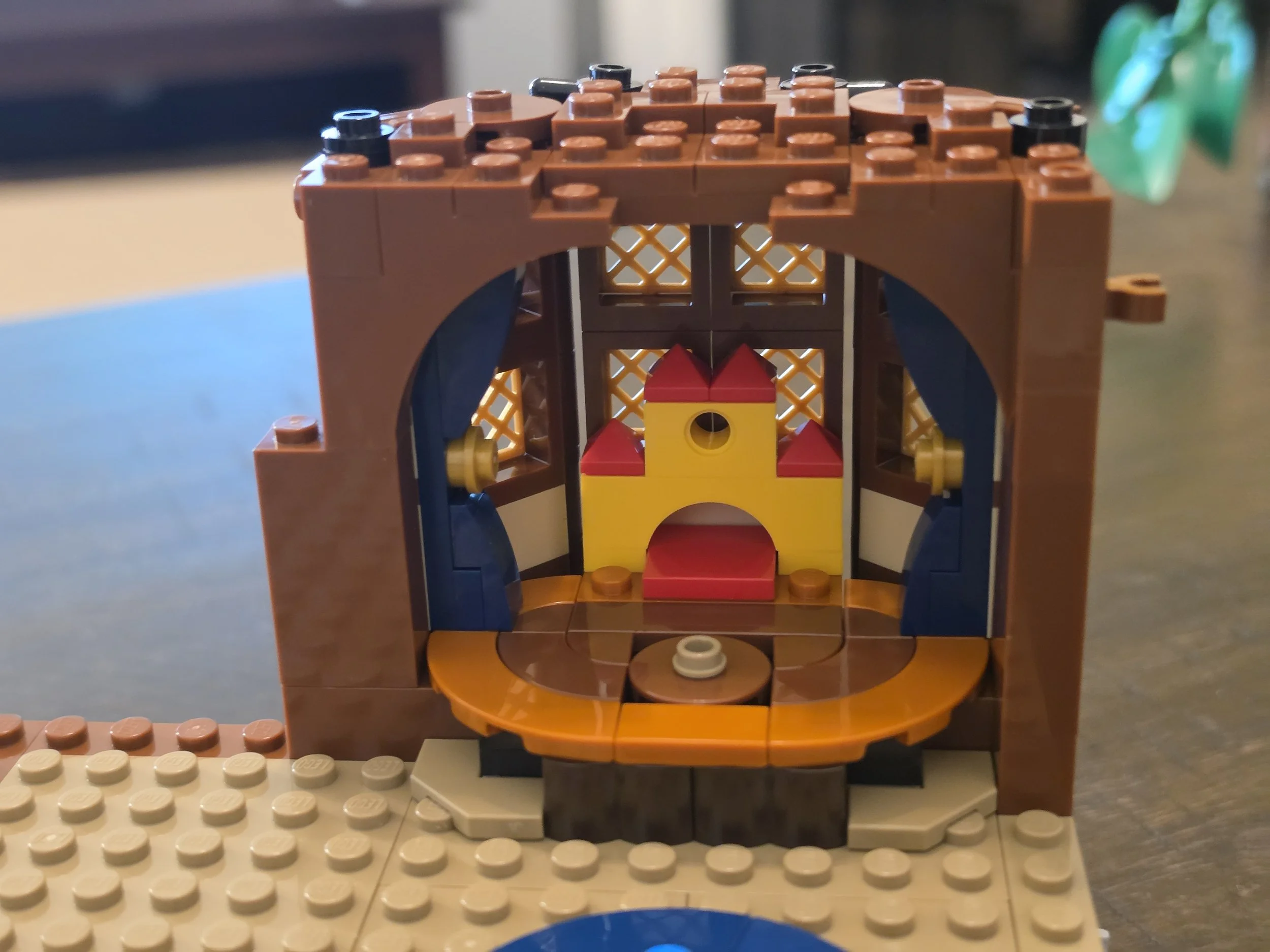
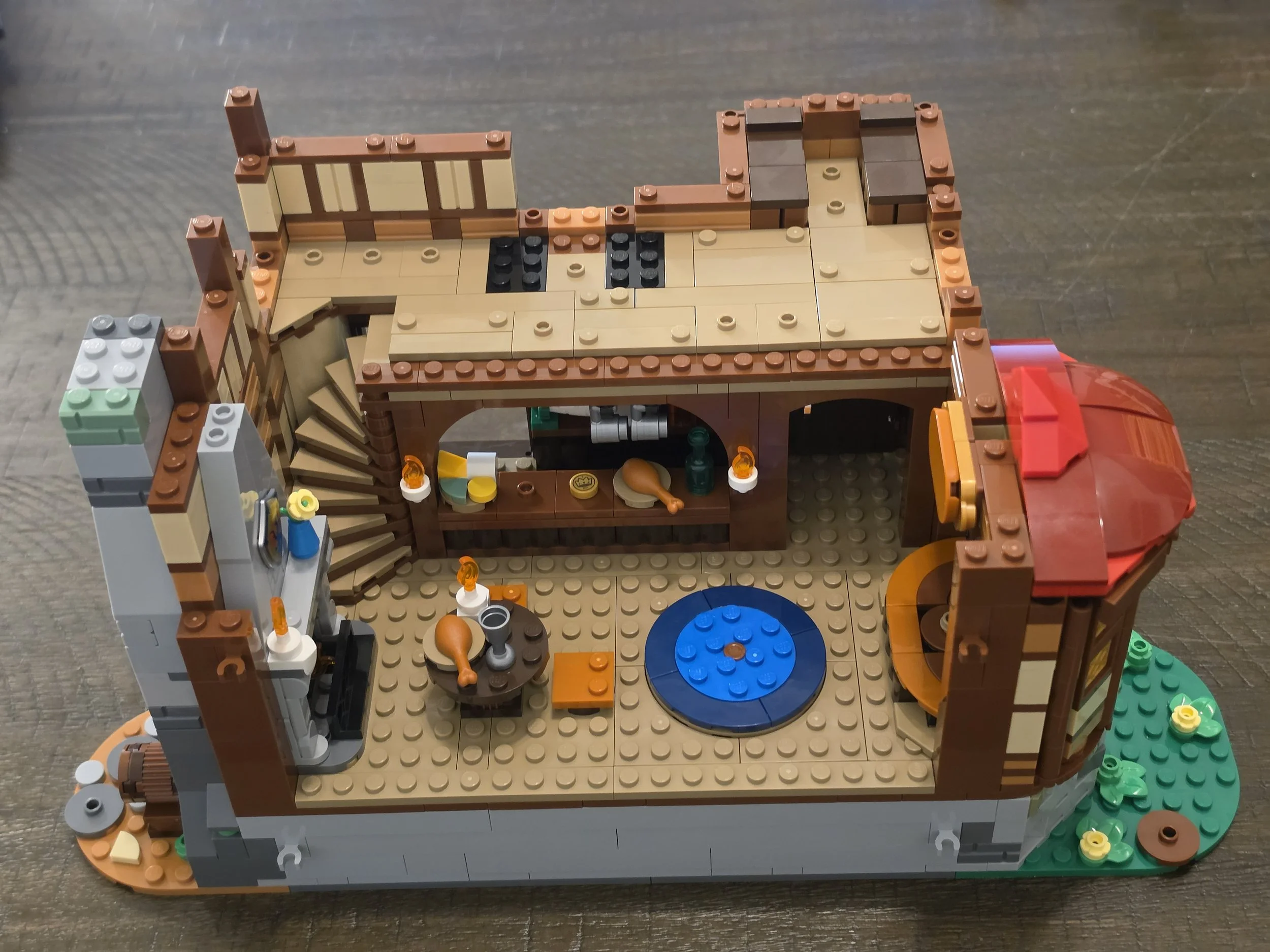
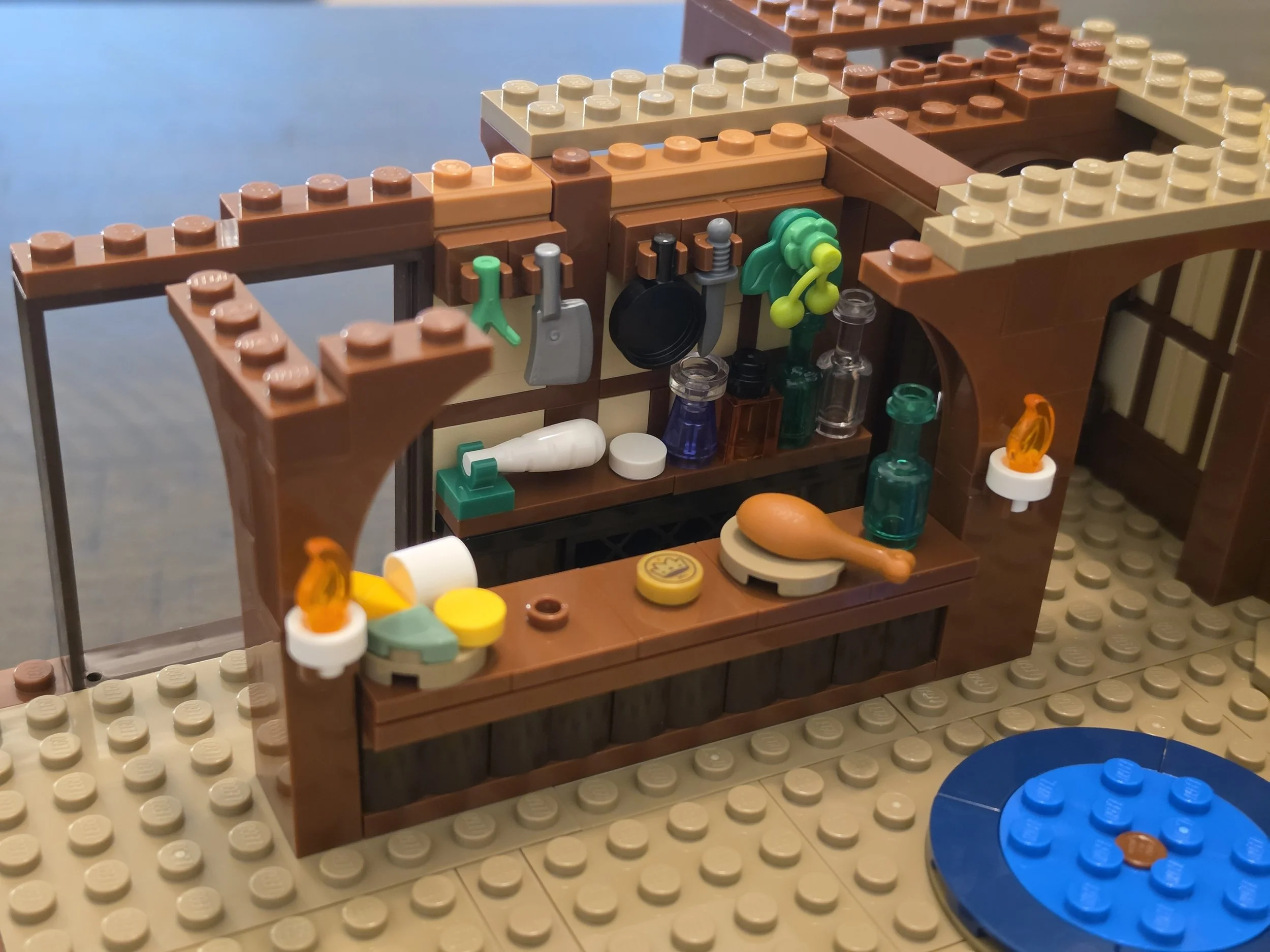
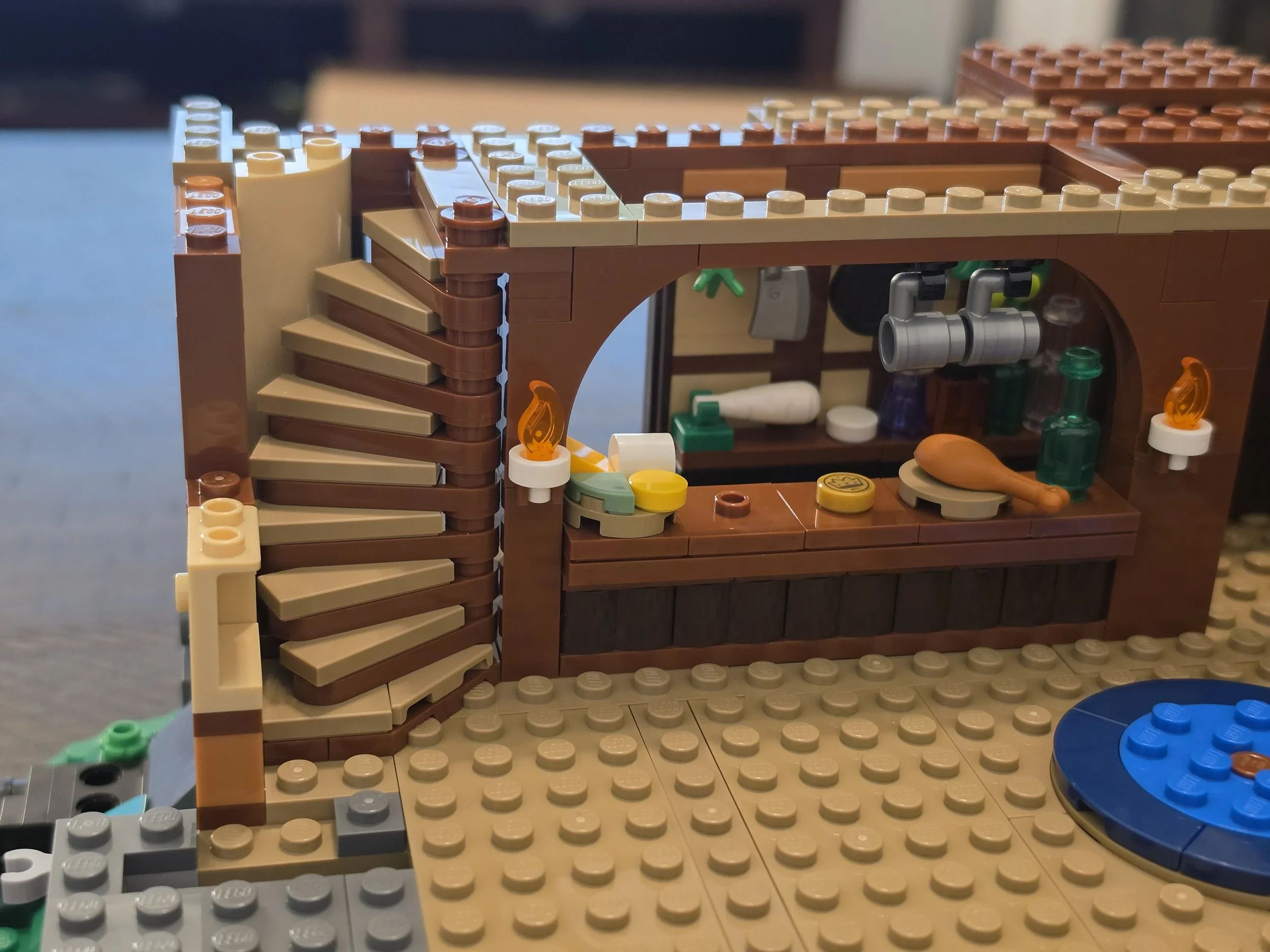
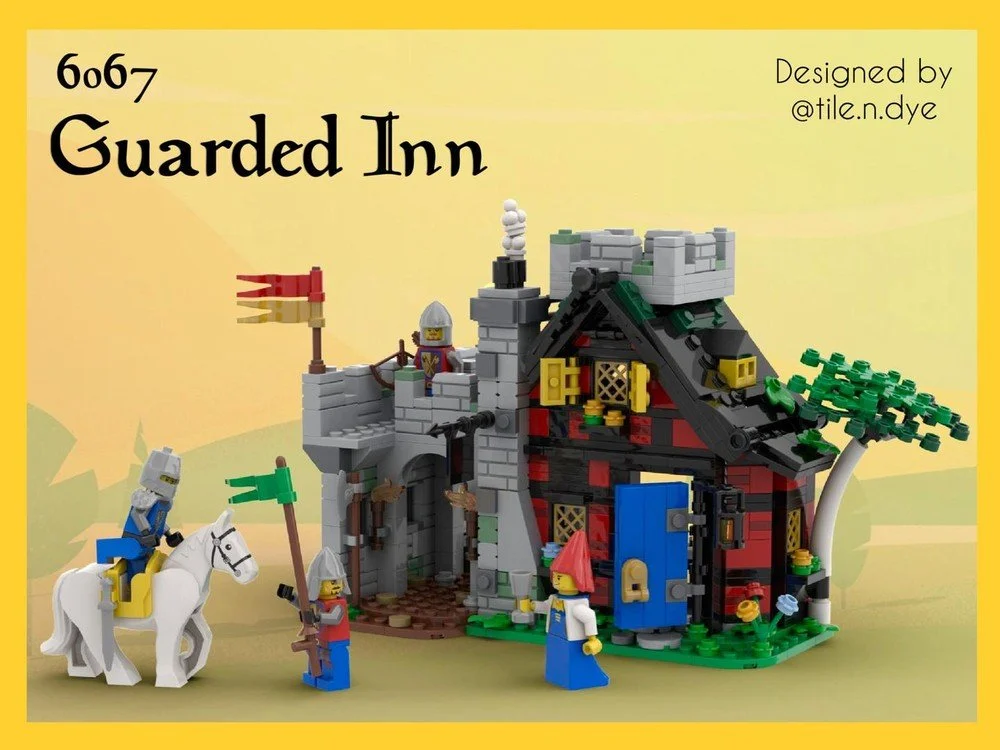
Dave: That would be quite a gathering of knights! You’d already explored inns with your Guarded Inn remake and The Crusader’s Inn. What did those earlier builds teach you, and what did you still want to achieve with the Sleepy Dragon Inn?
Marin: I’ve wanted to create an inn for a long time. I initially designed a remake of Guarded Inn out of nostalgia. Then I designed The Crusader’s Inn because I wanted to offer a set that rivaled Medieval Blacksmith. Unfortunately, The Crusader’s Inn didn’t quite capture the atmosphere of a medieval inn, the kind you see in movies.
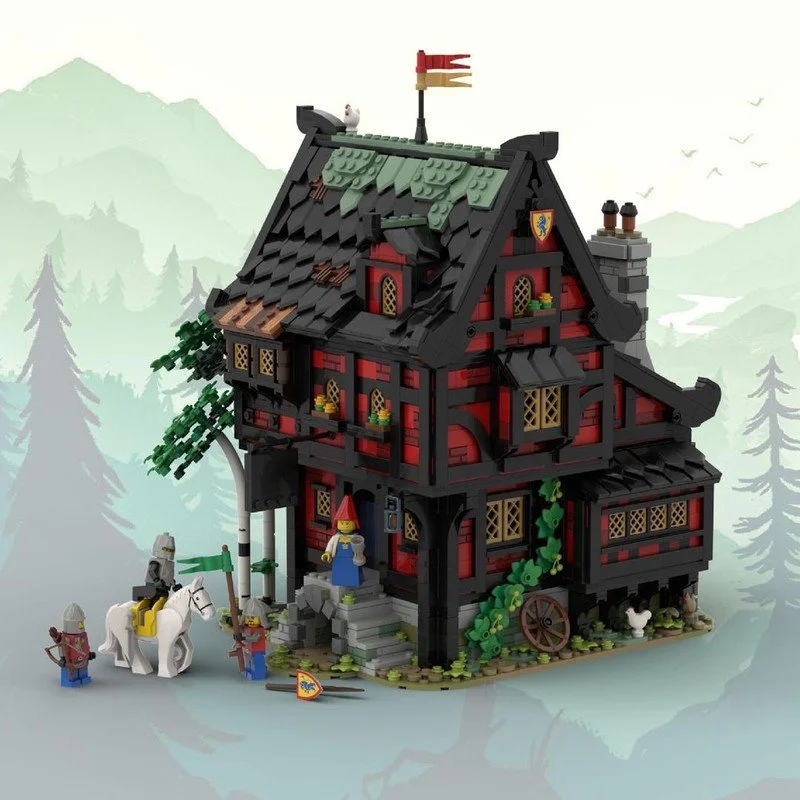
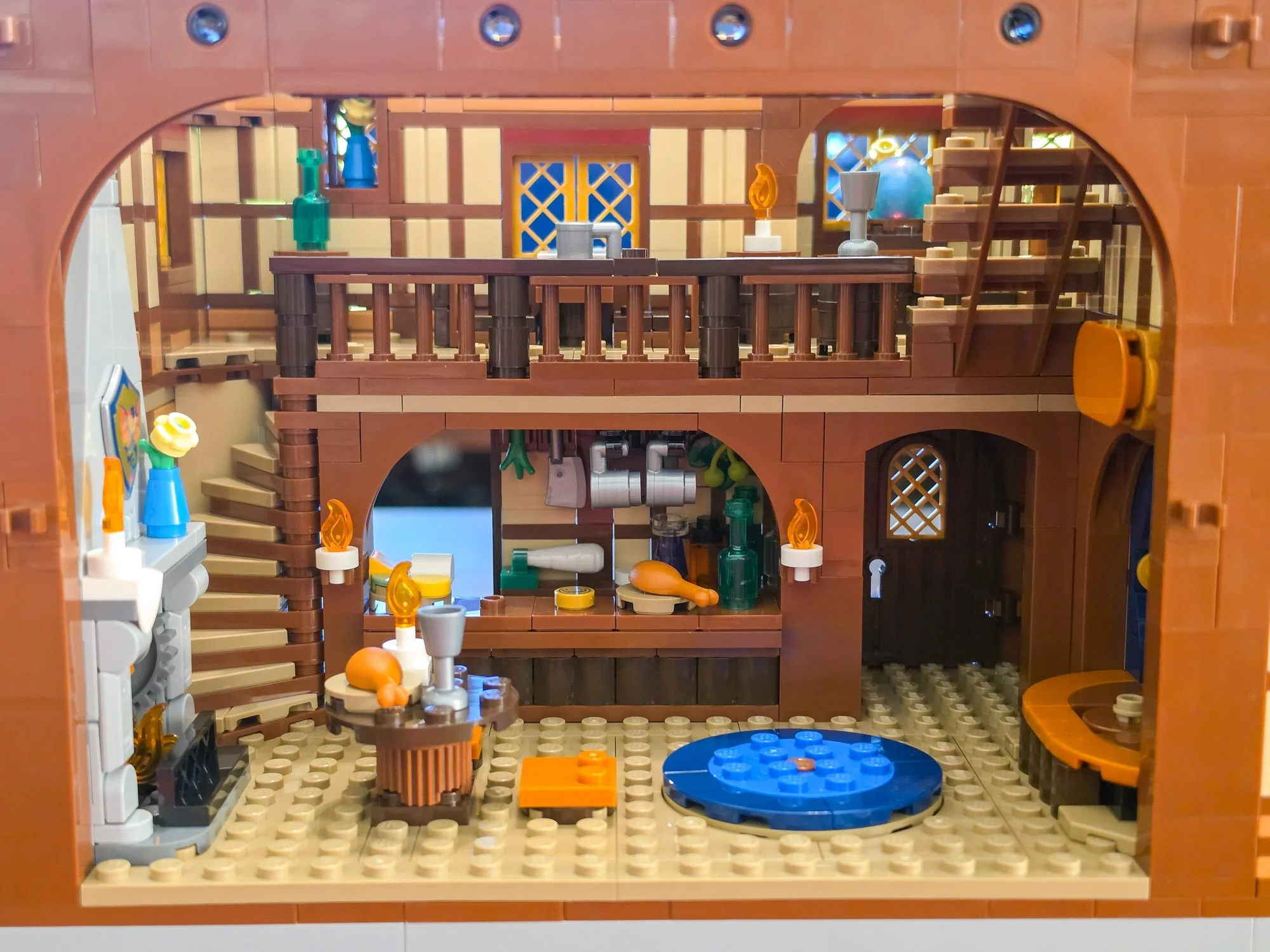
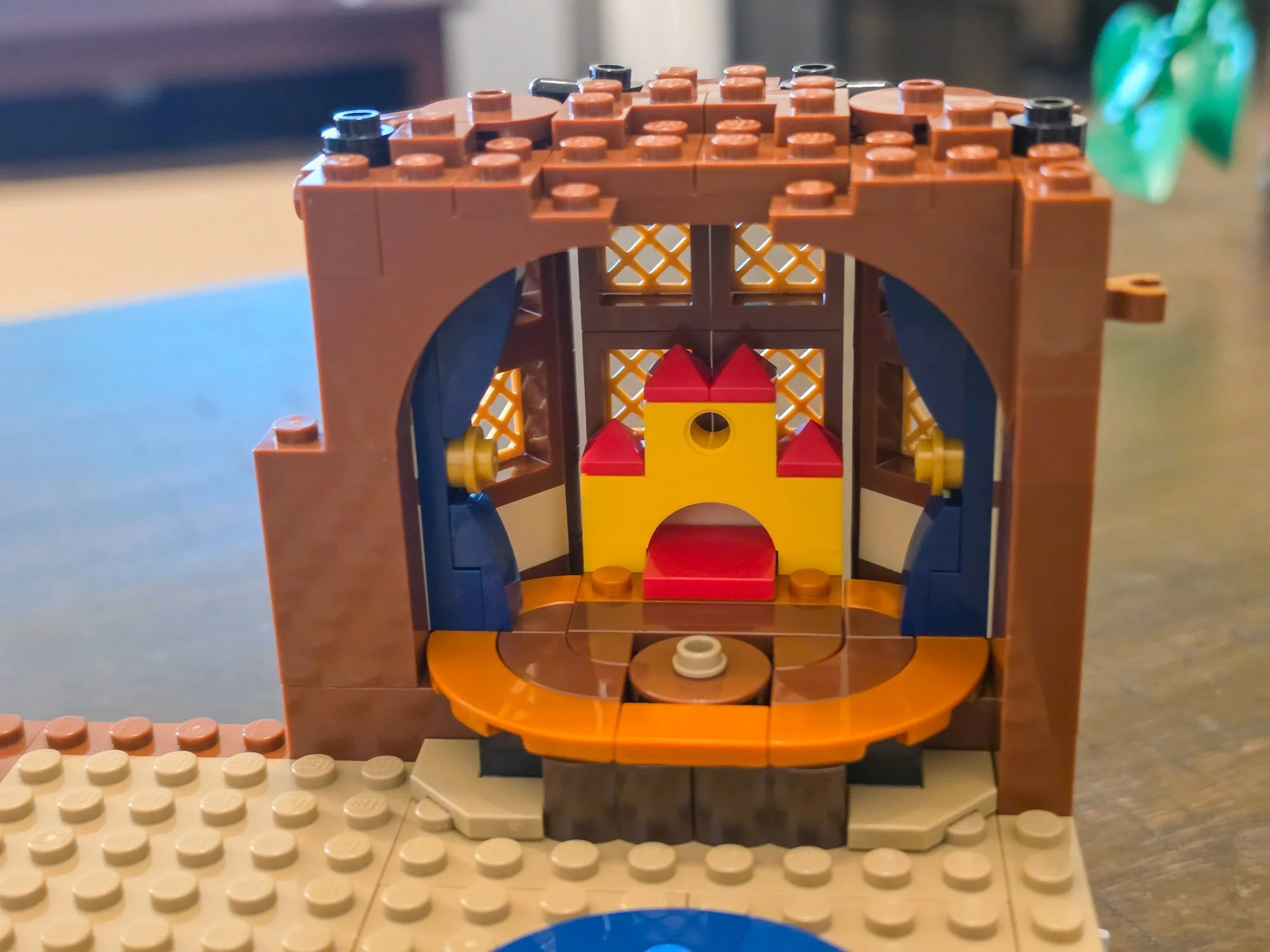
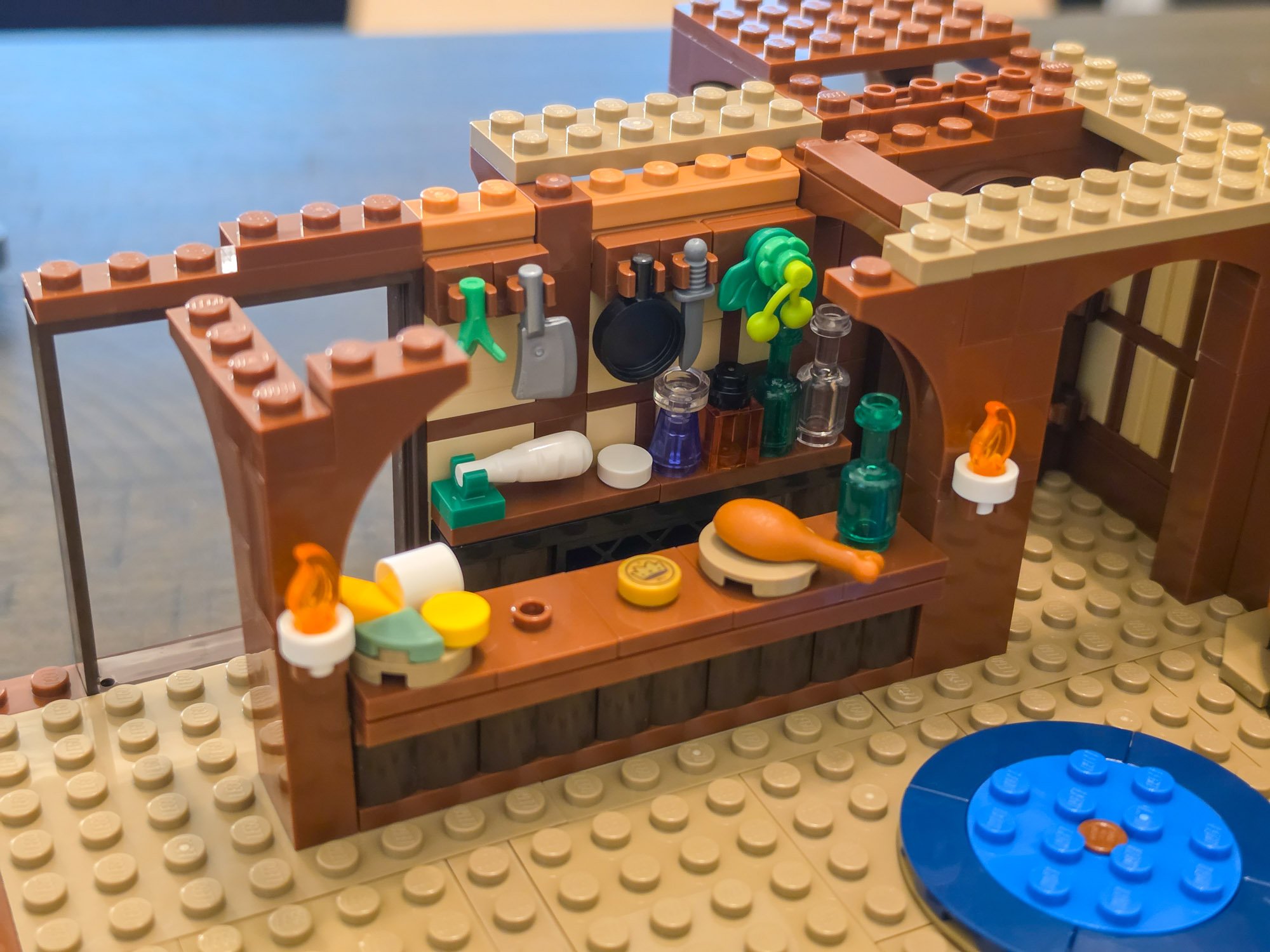
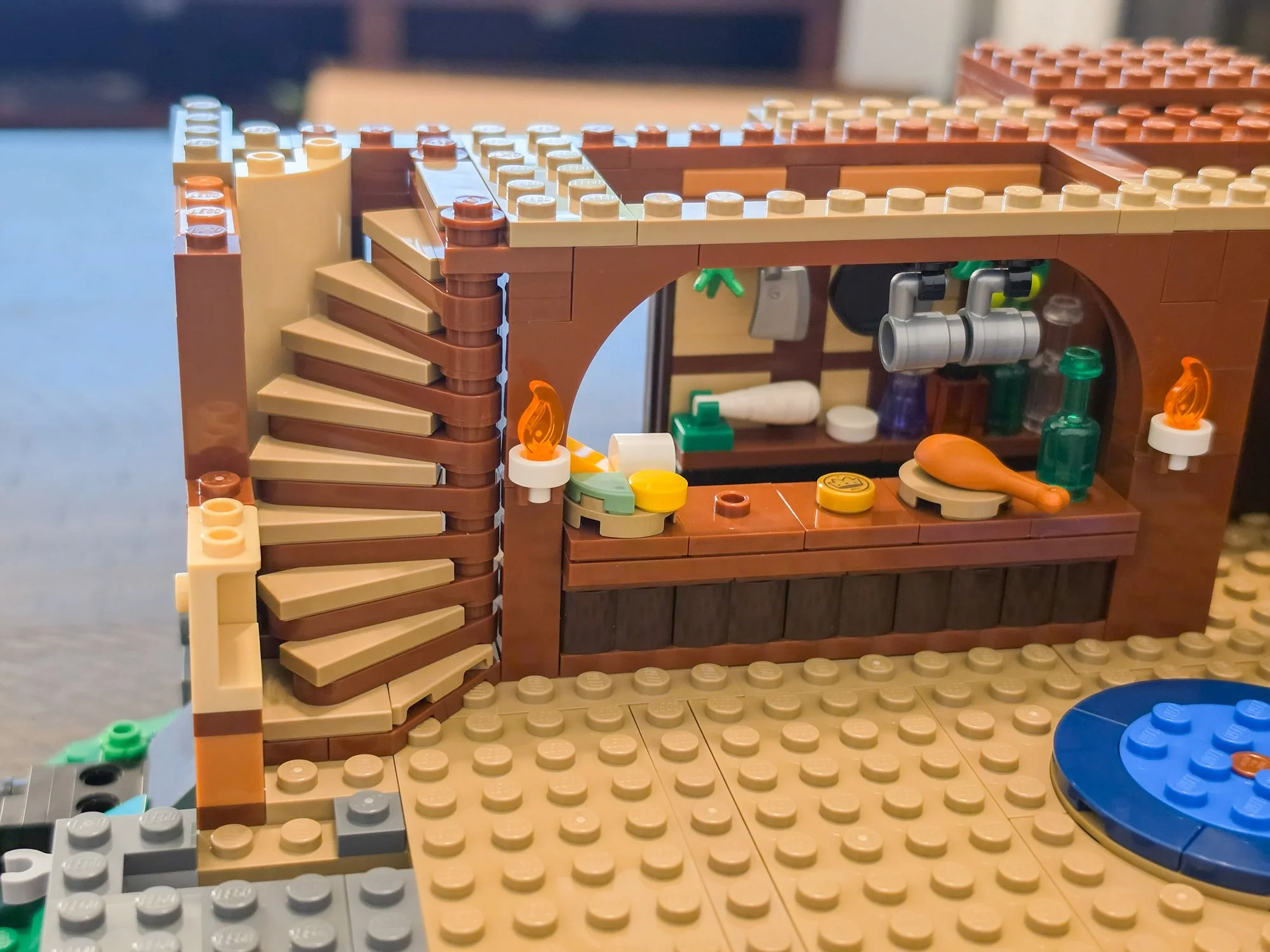
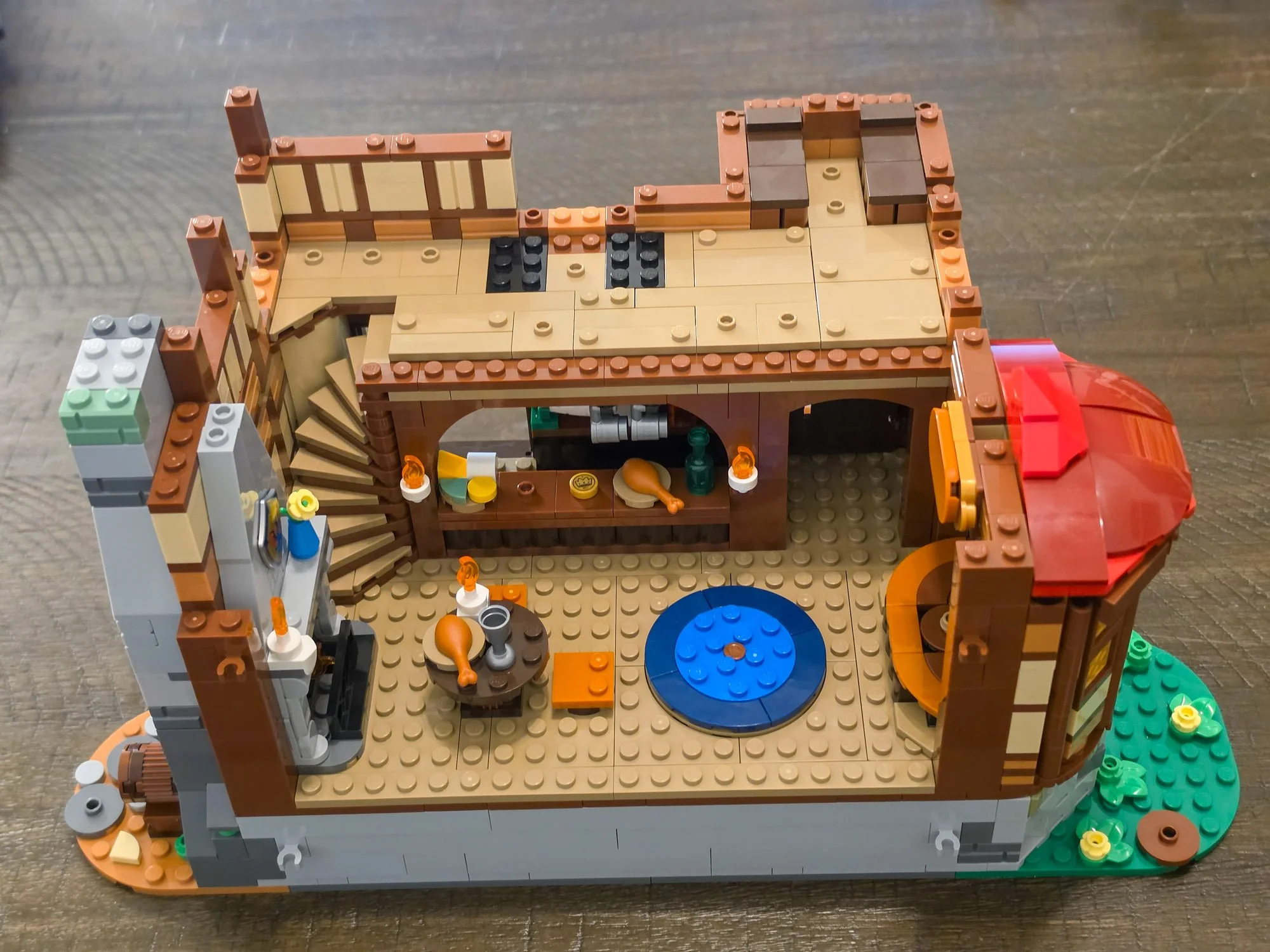
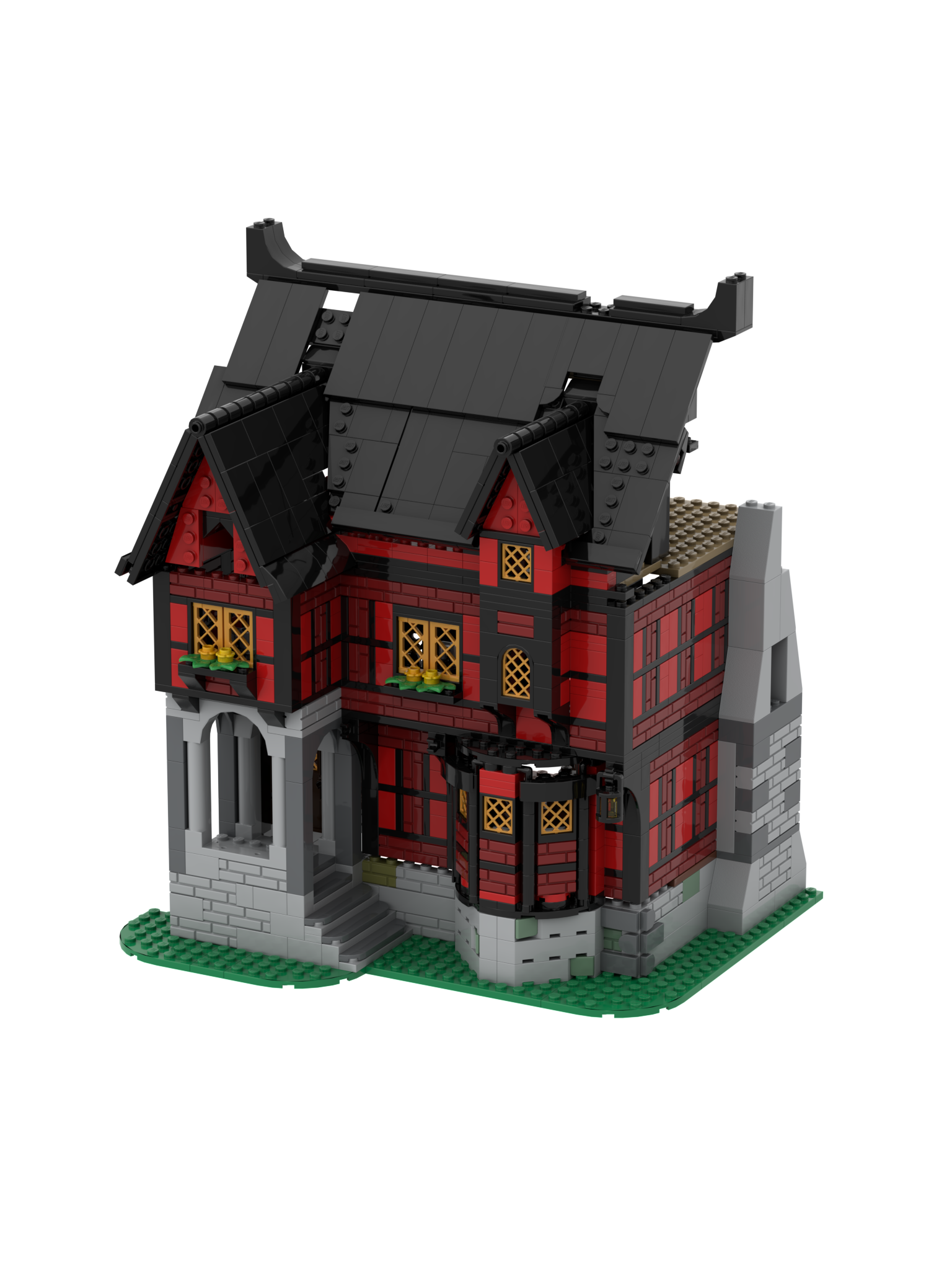
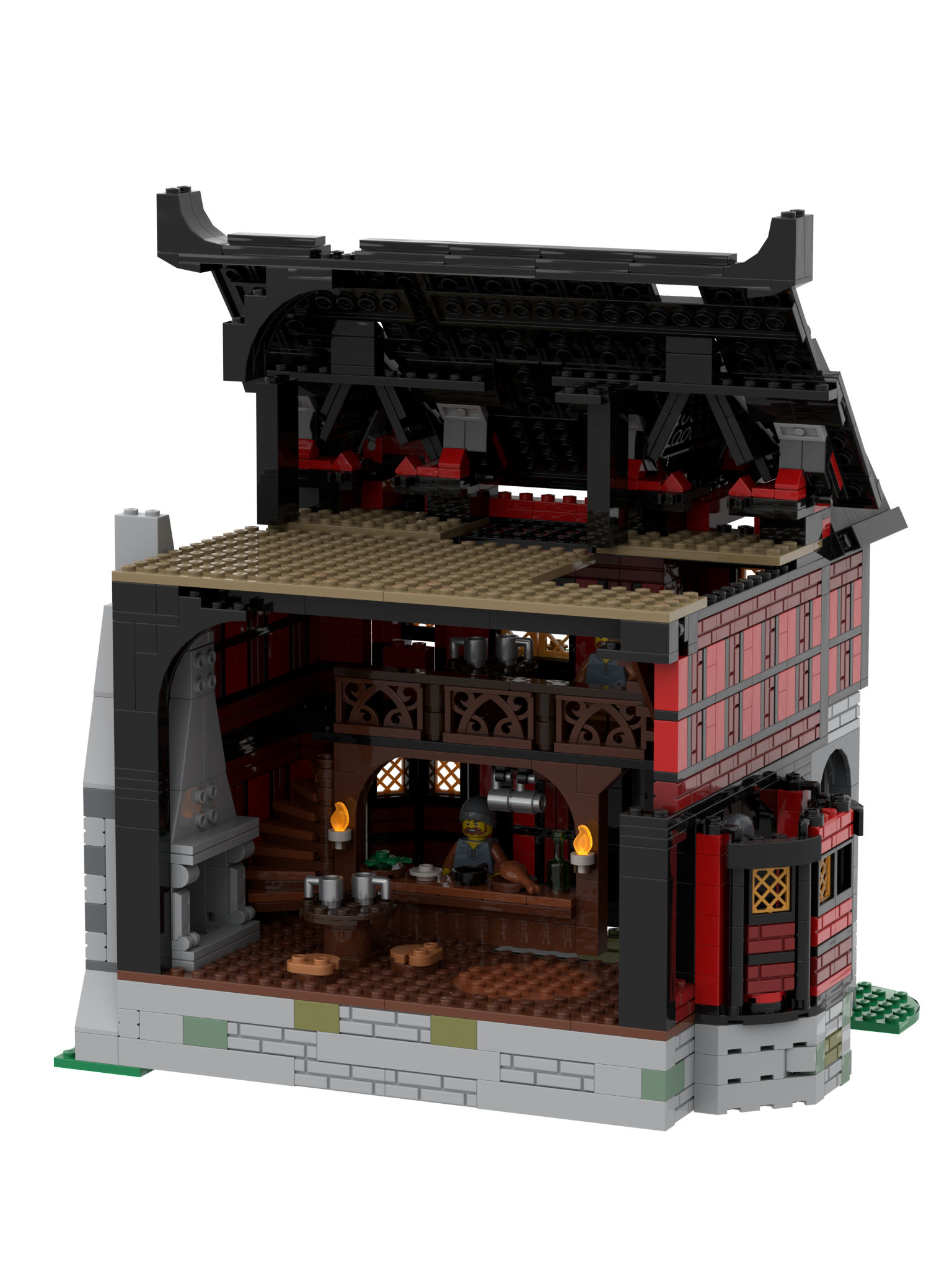
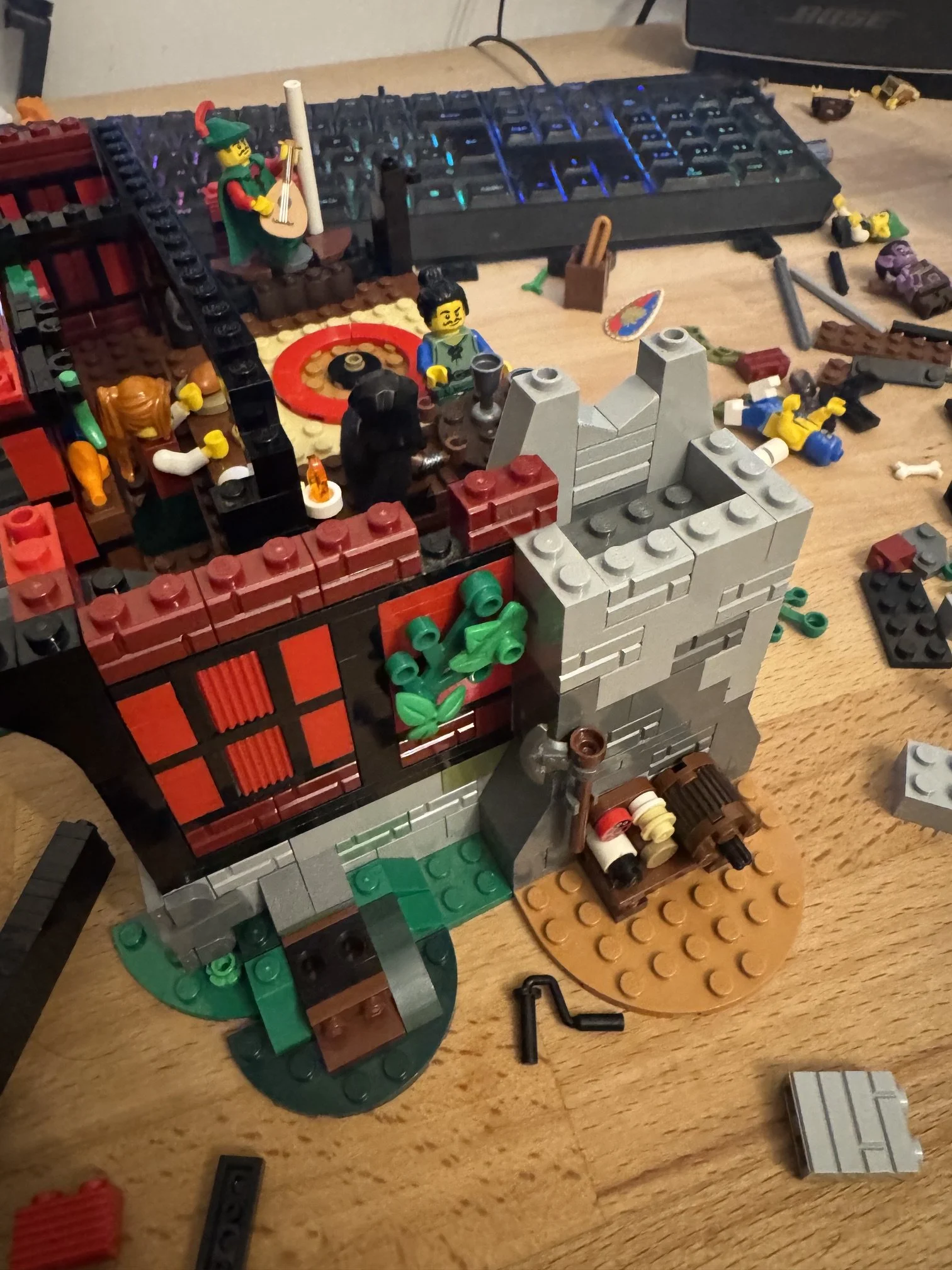
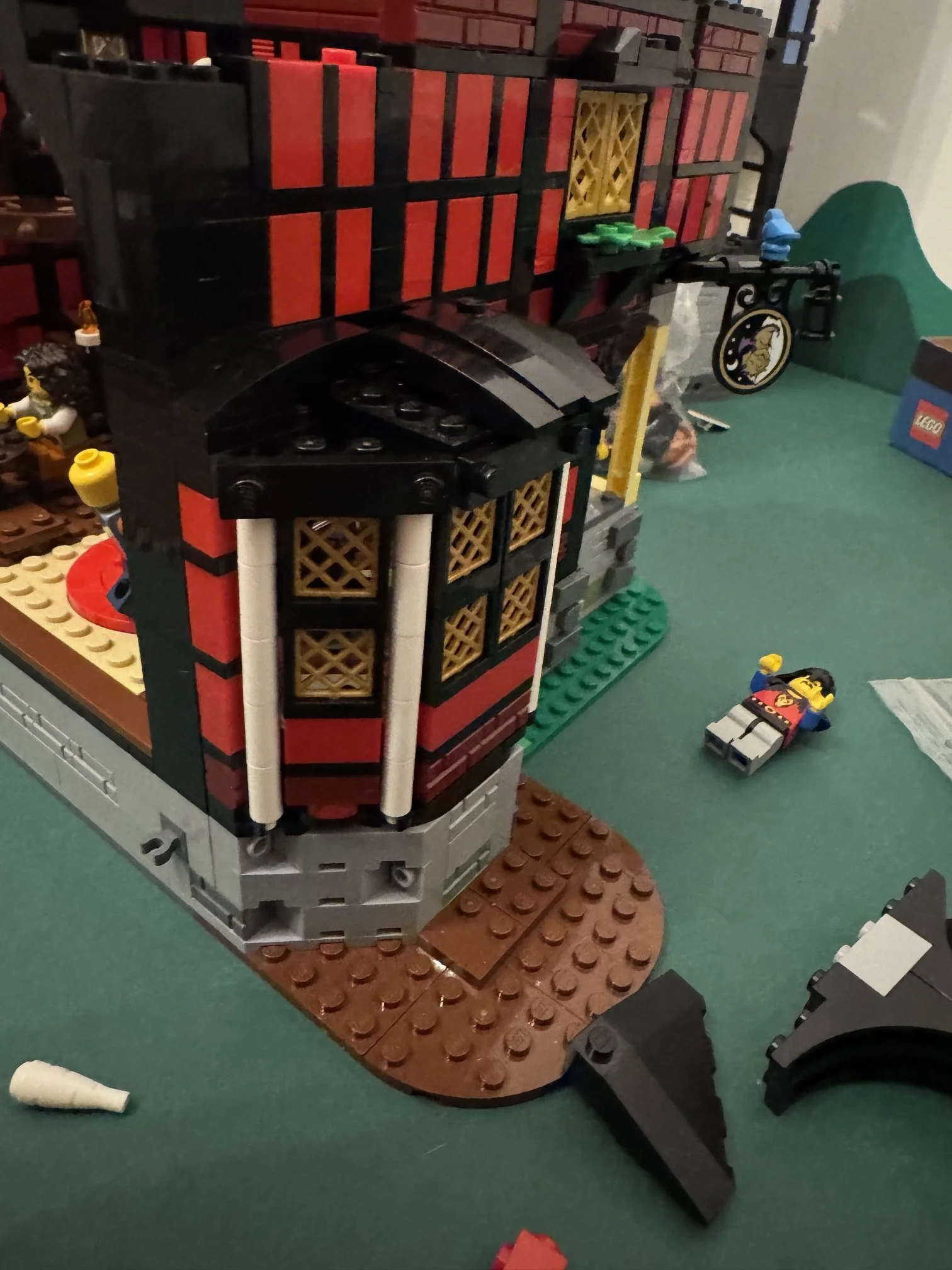
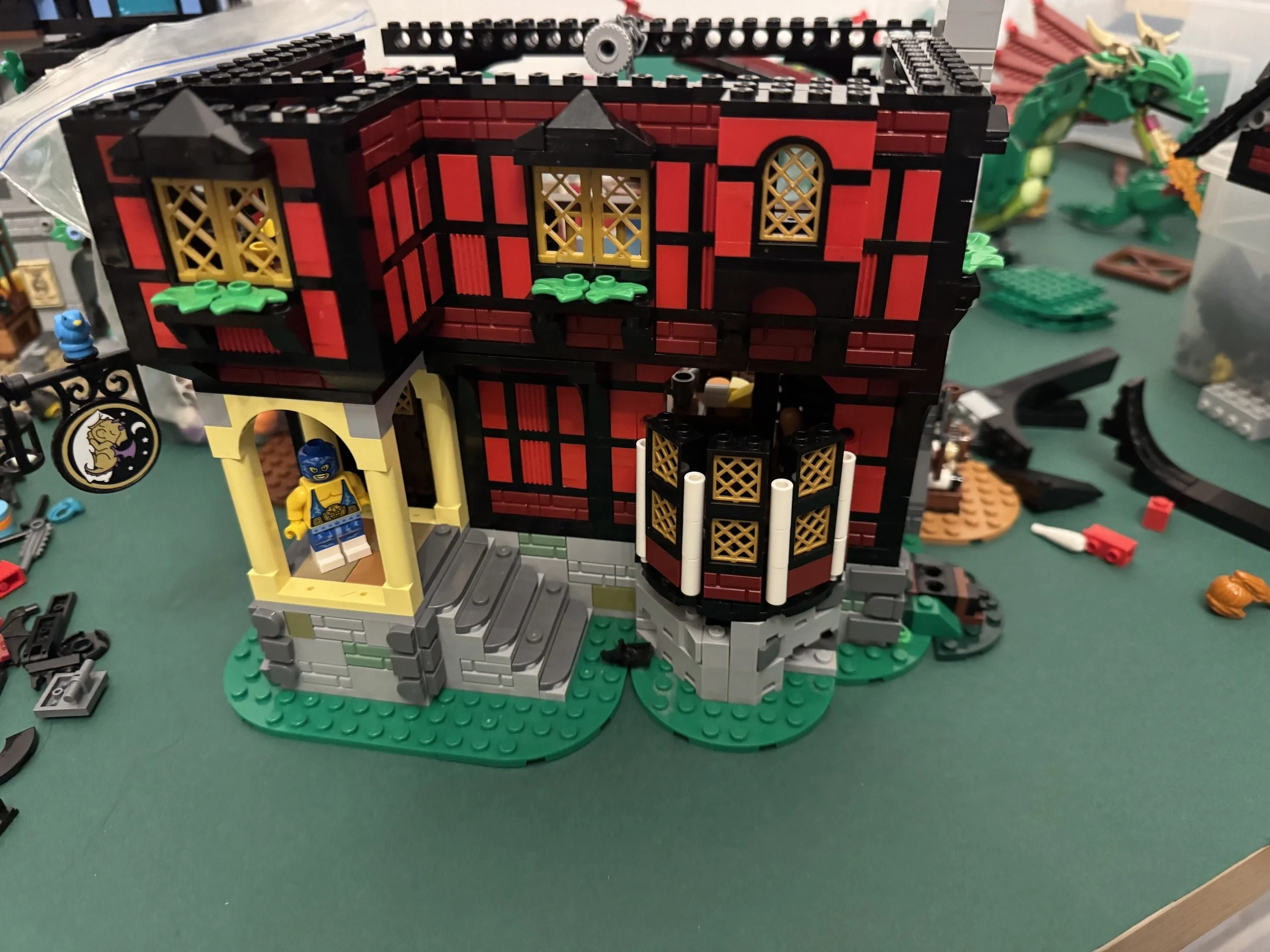
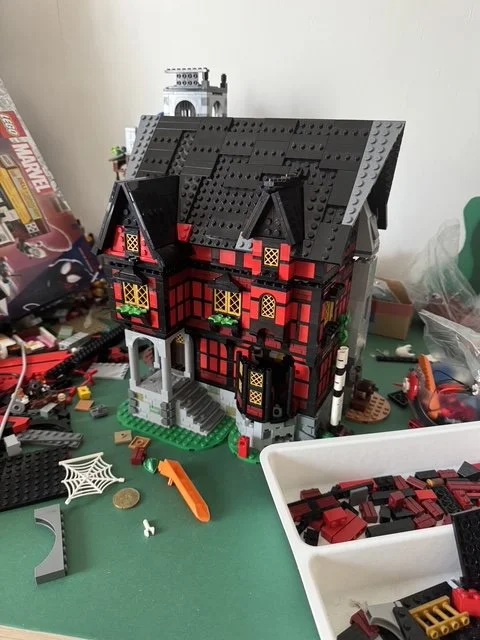
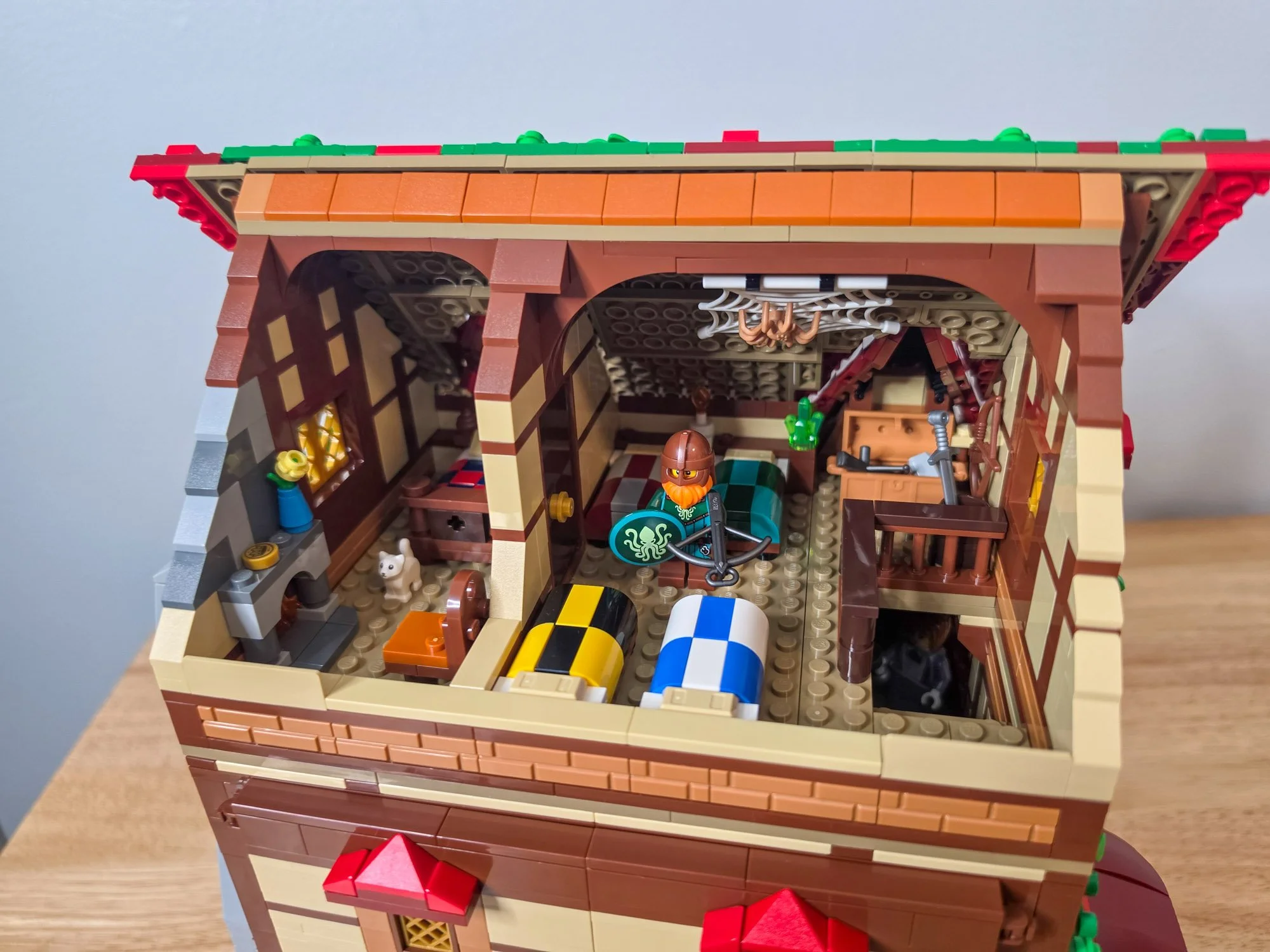
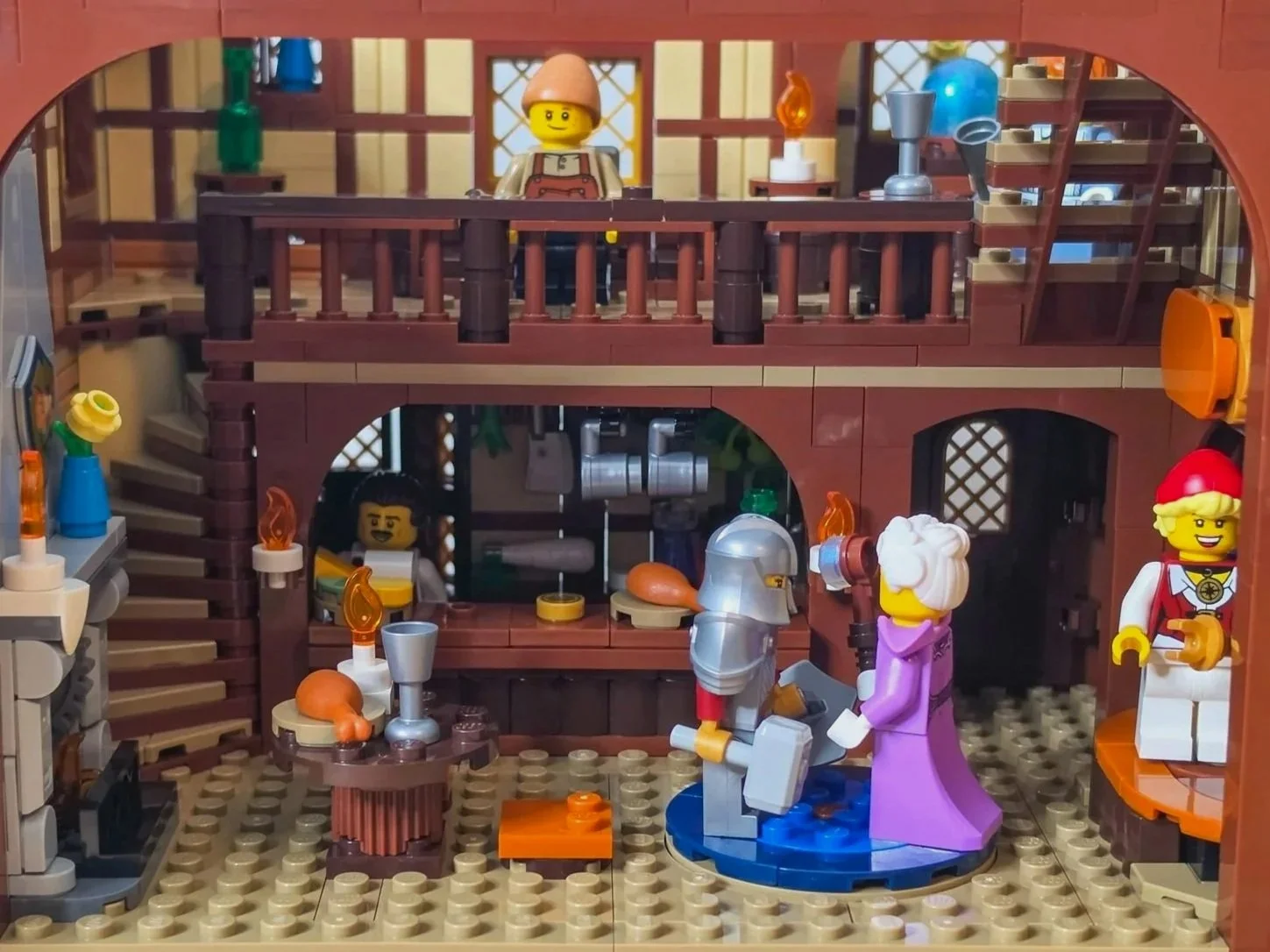
That’s why I created the Sleepy Dragon Inn. Its dollhouse design and architecture let you see everything happening inside while also making it fully playable. It brings me back to my original vision: seeing all my medieval characters together in a single scene. Oh, and the first version was red and black, like Guarded Inn, but I changed the colors because I felt it was a bit too much, or a little too vintage.
Dave: You’ve mentioned the medieval villages of France as an inspiration. Are there particular places or buildings that influenced the inn? We’d love to hear about a detail from a real location that found its way into the model.
Marin: Yes, I was influenced by the town of Provins, not far from Paris, which hosts one of Europe’s largest medieval festivals. For the colors, Riquewihr, like many other villages in Alsace, is a fantastic source of inspiration. There is such a variety of architecture and colors that if you recreated it in LEGO, fans wouldn’t believe it!
Dave: Fantasy inns are often where adventures begin or travelers recover from them. Did any books, games, films, or personal experiences influence the atmosphere you wanted to create here?
Marin: My influences are pretty classic. I was influenced by Dungeons & Dragons and various adventures you can watch or listen to online, and, of course, by The Lord of the Rings. But this set also represents a desire to experience that kind of thing myself one day.
Dave: You describe the inn as a place away from battlefields and dungeons, where minifigures can enjoy themselves. What appealed to you about showing that part of a medieval world, and how did you translate that feeling into the design?
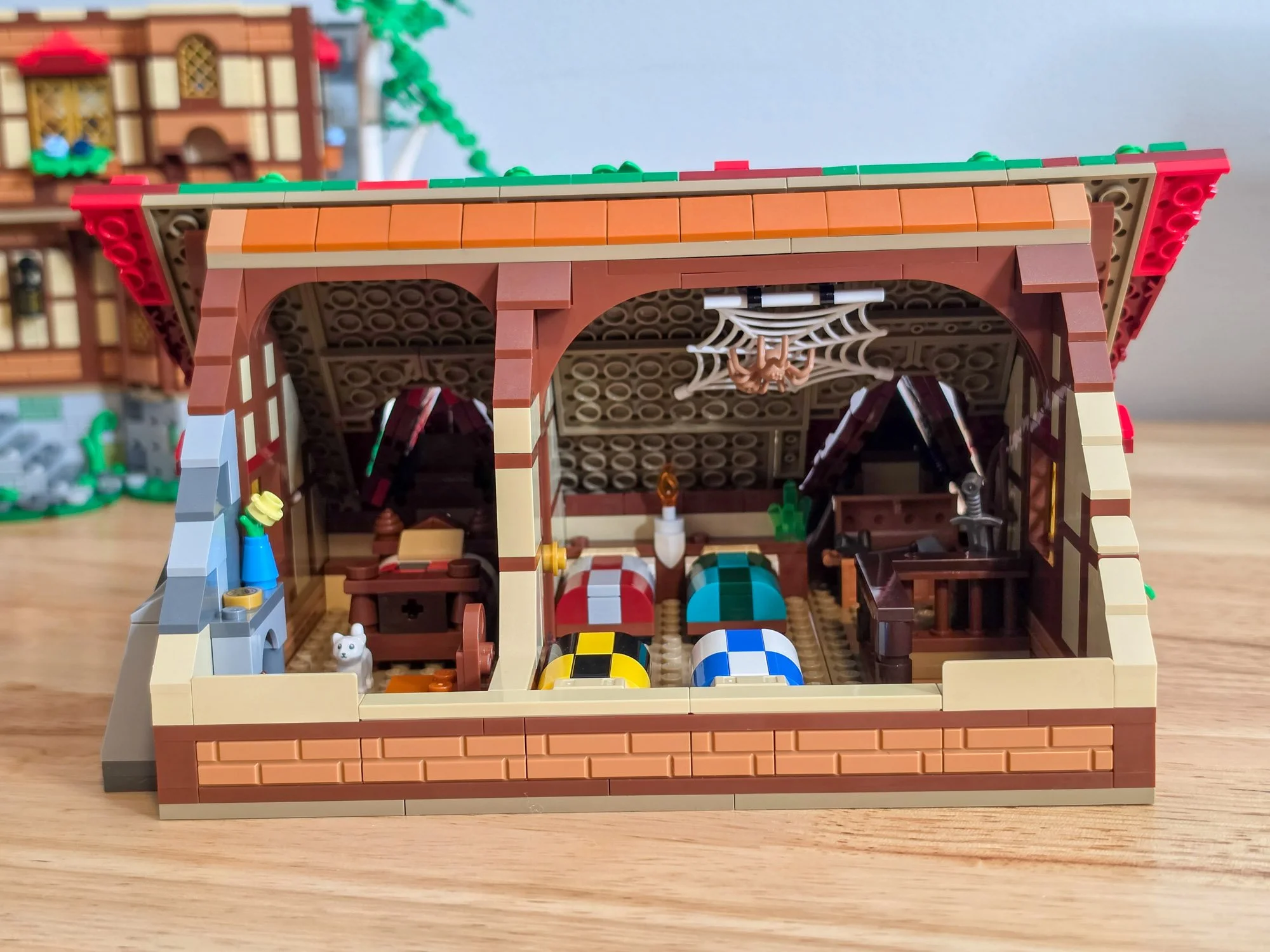
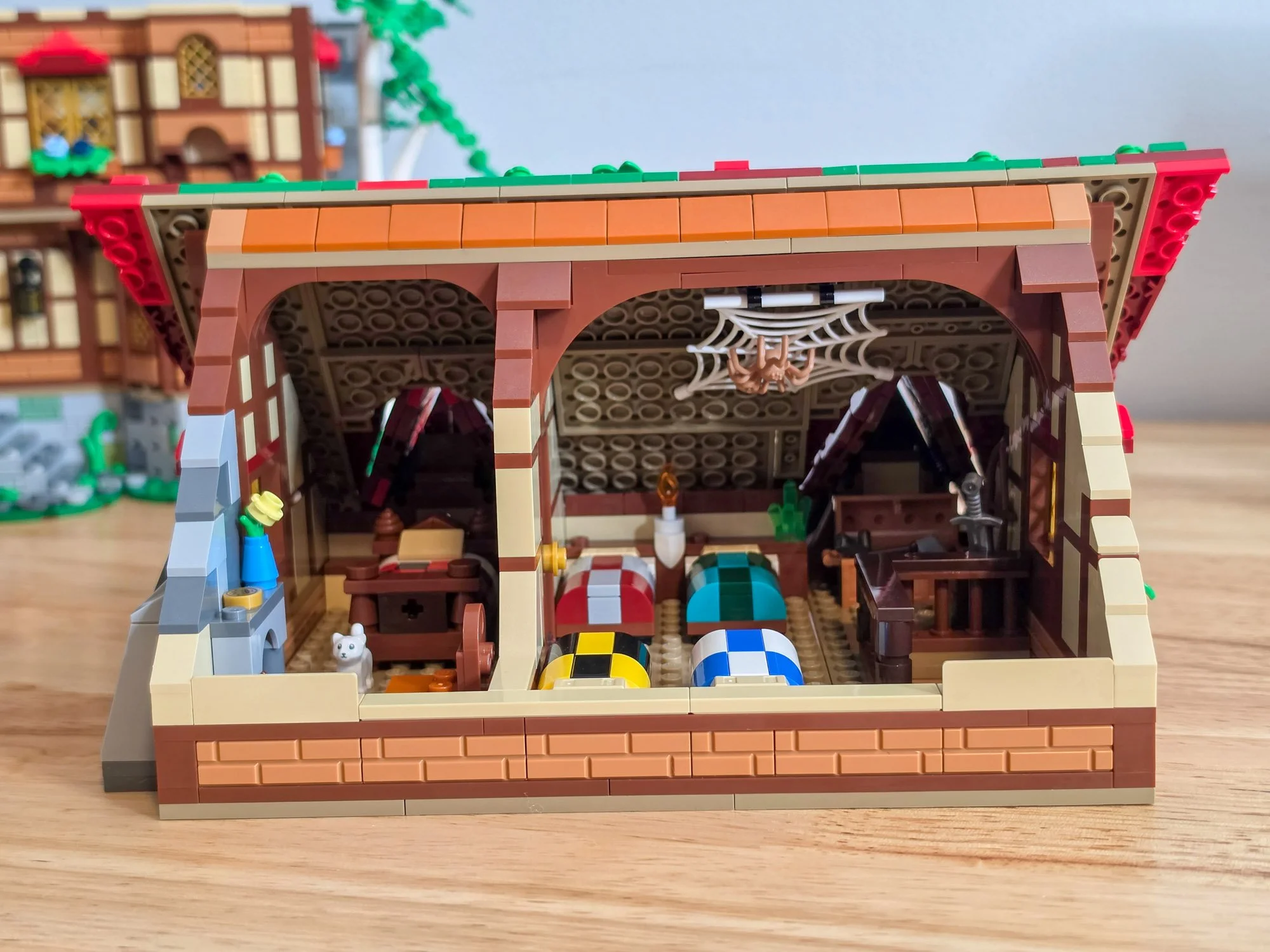
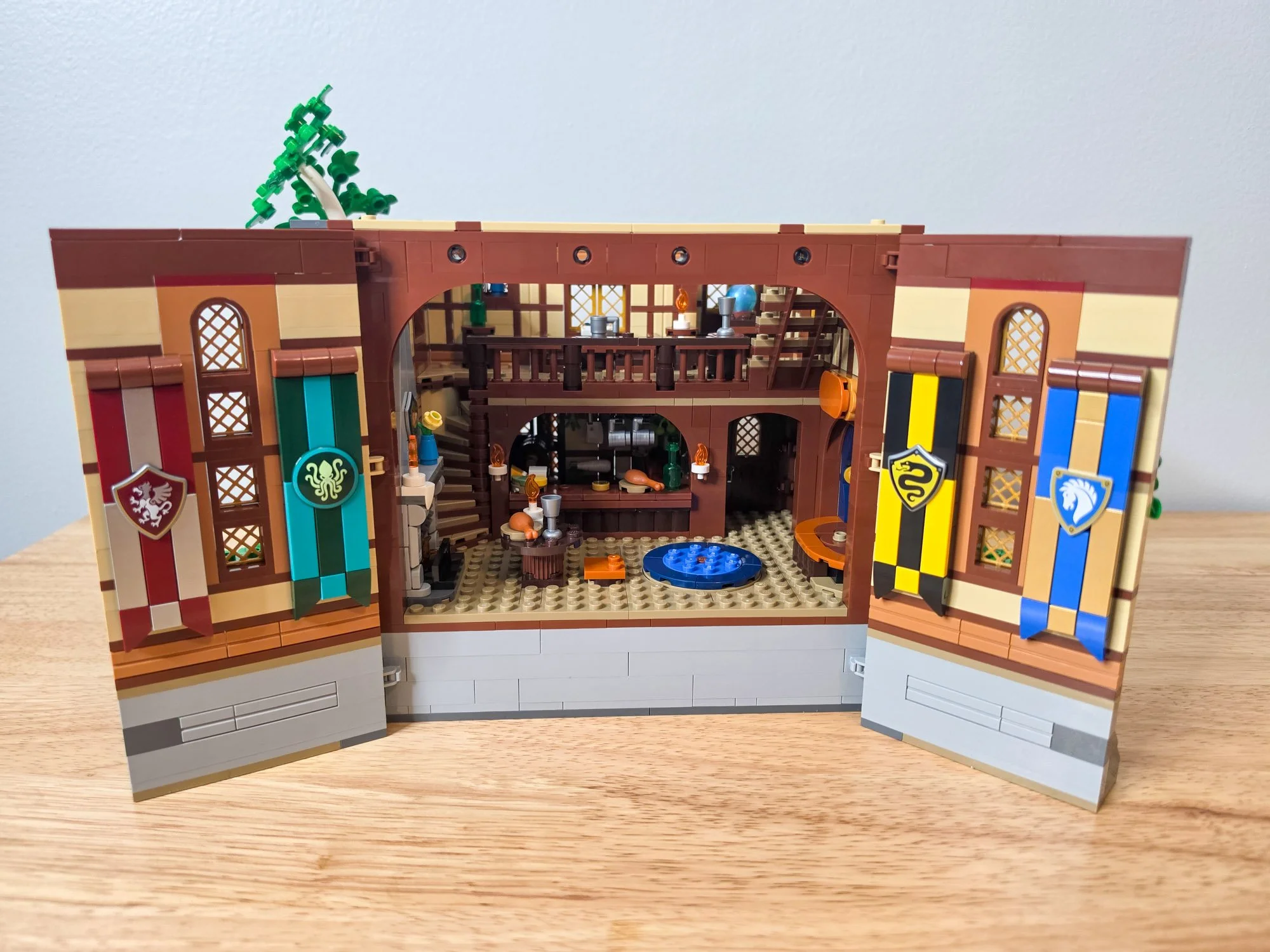
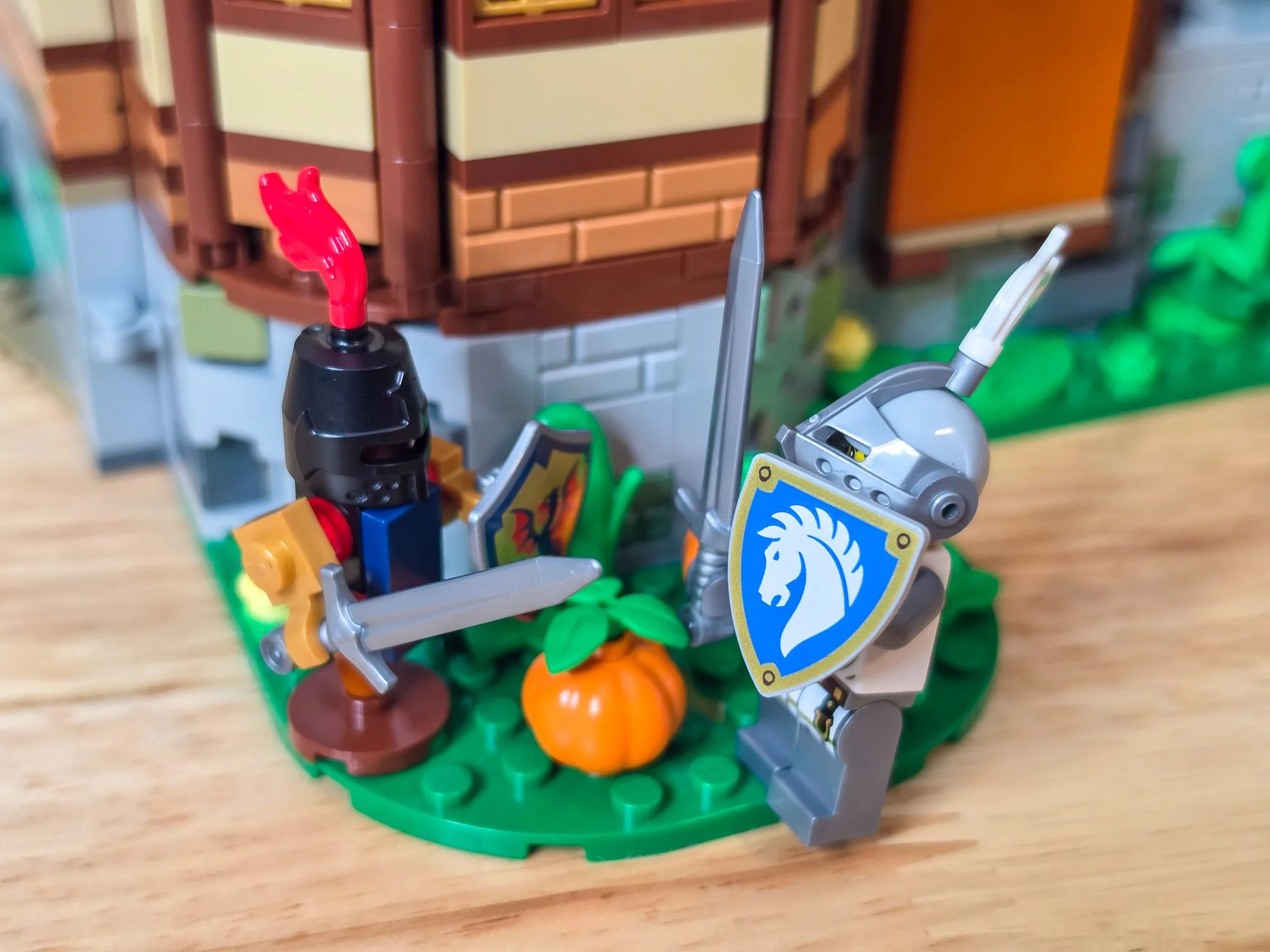
Marin: I’d say it stems from LEGO itself. Throughout its history, LEGO has released many sets centered on medieval warfare, but very few focused on medieval daily life. I always felt that was missing, which is likely why Guarded Inn made such an impression on me. That is exactly what I wanted to capture in this design. Thanks to BrickLink designer Dallen Powell, we were able to reinforce that idea by incorporating banners and beds featuring the colors of each faction.
Dave: Where did the name Sleepy Dragon Inn come from? Have you imagined a history for the building or a story behind its name?
Marin: Well, the inn was originally red, which reminded me of a red dragon, hence the name. Since it was an inn, Sleeping Dragon seemed like a perfect fit. Plus, the green dragon is one of LEGO’s iconic figures, so I thought the connection was pretty cool. I had also written that the Sleepy Dragon Inn got its name from its red roof, a nod to those LEGO red dragons that, unfortunately, no one has ever actually seen.
Finding the Shape of the Inn
Dave: Where did you start when designing the inn: an exterior silhouette, a room layout, the roof, or something else? How much did that first version resemble the finished building?
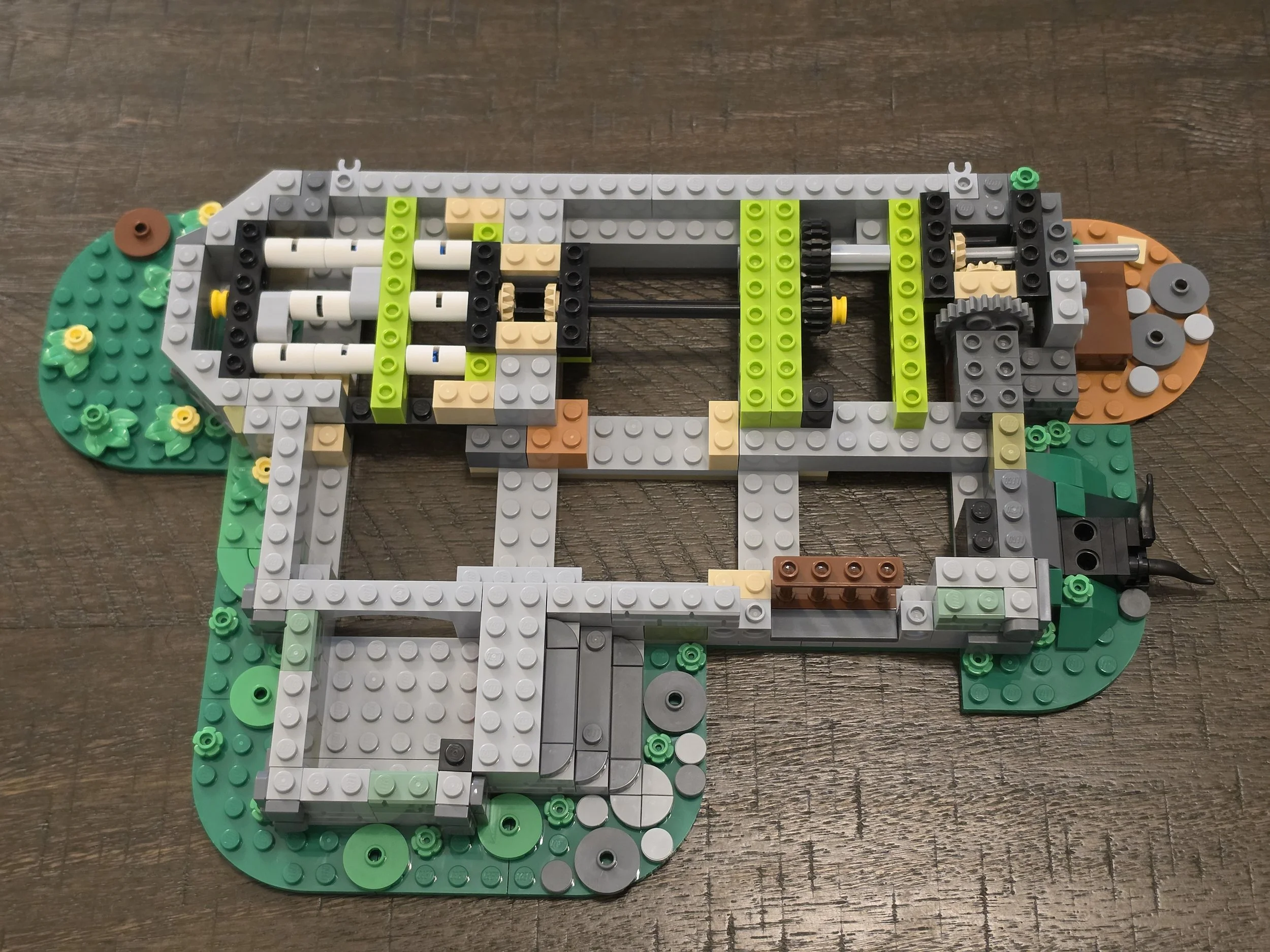
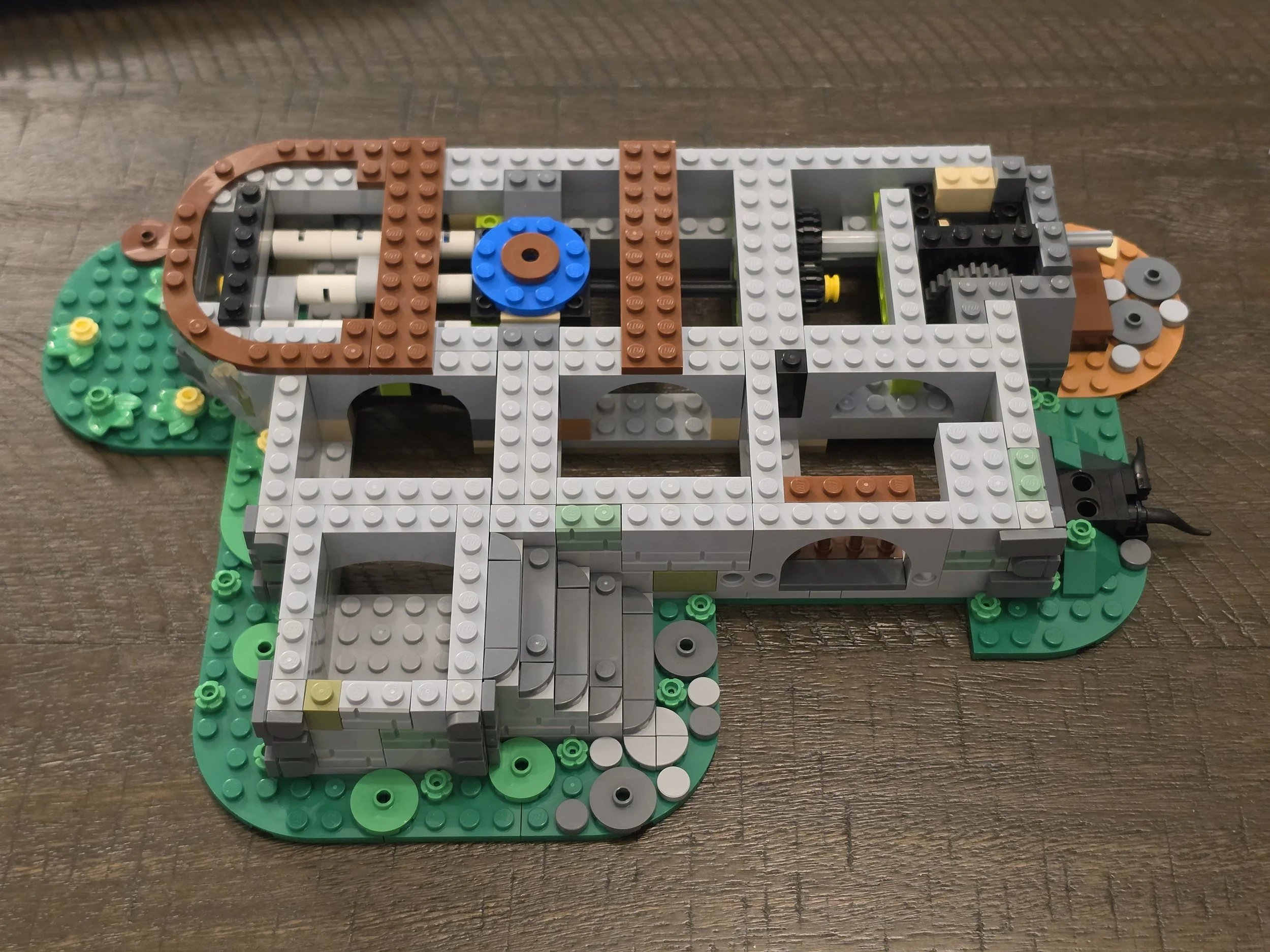
Marin: I started with the interior layout of the central hall. I wanted all the elements, including the fireplace, bar, stage, and tables, to be represented within a compact space suited to the scale of Medieval Blacksmith.
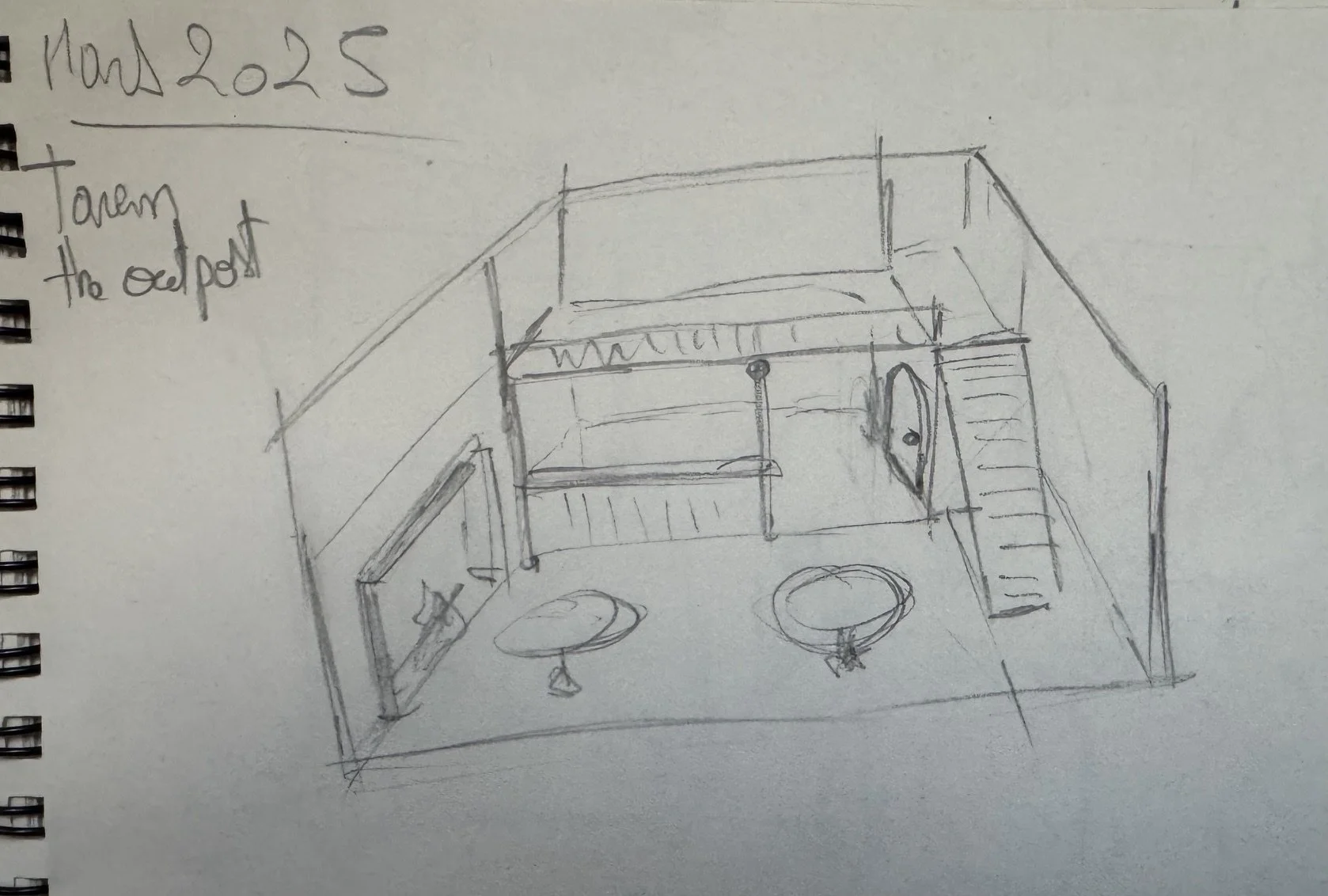
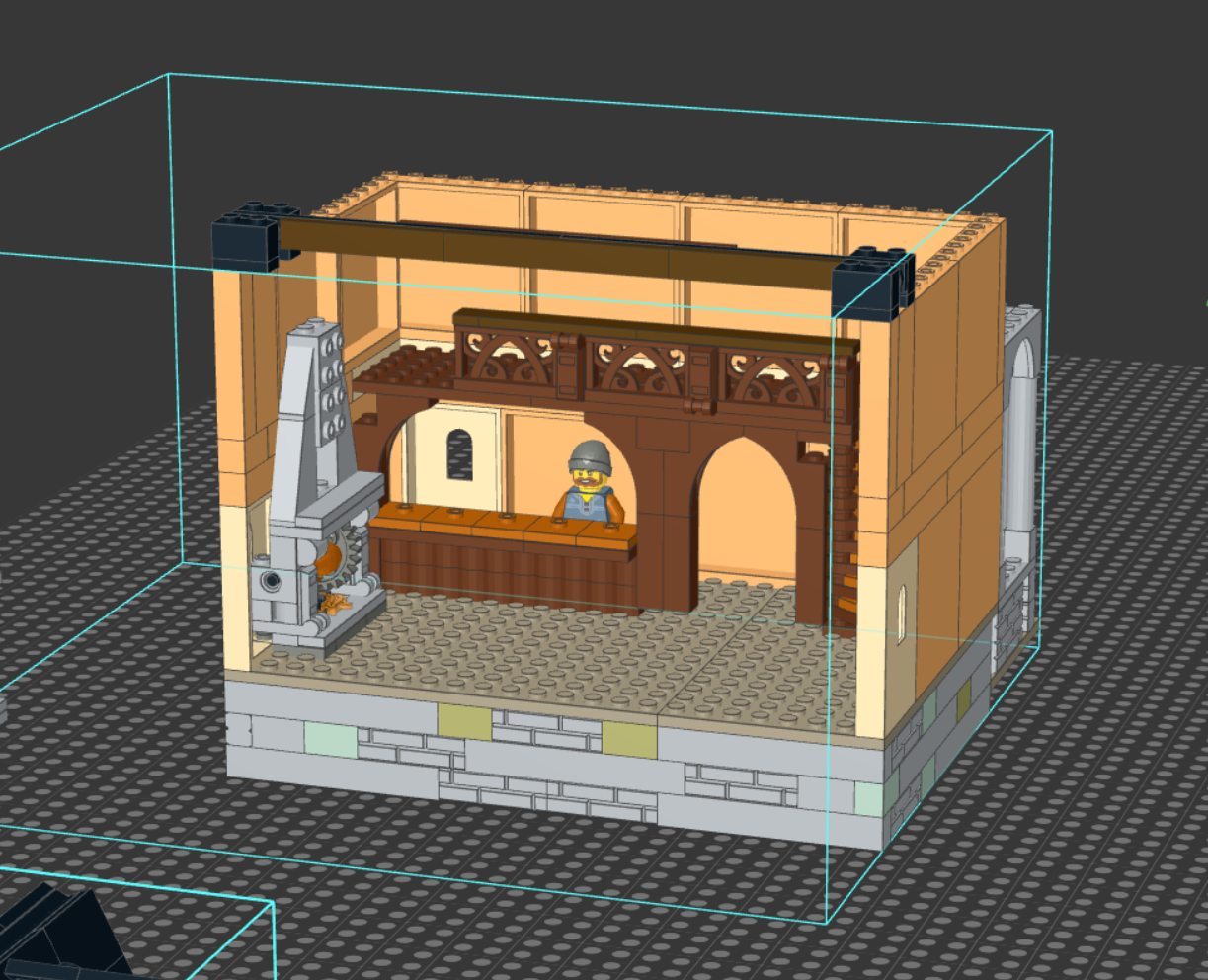
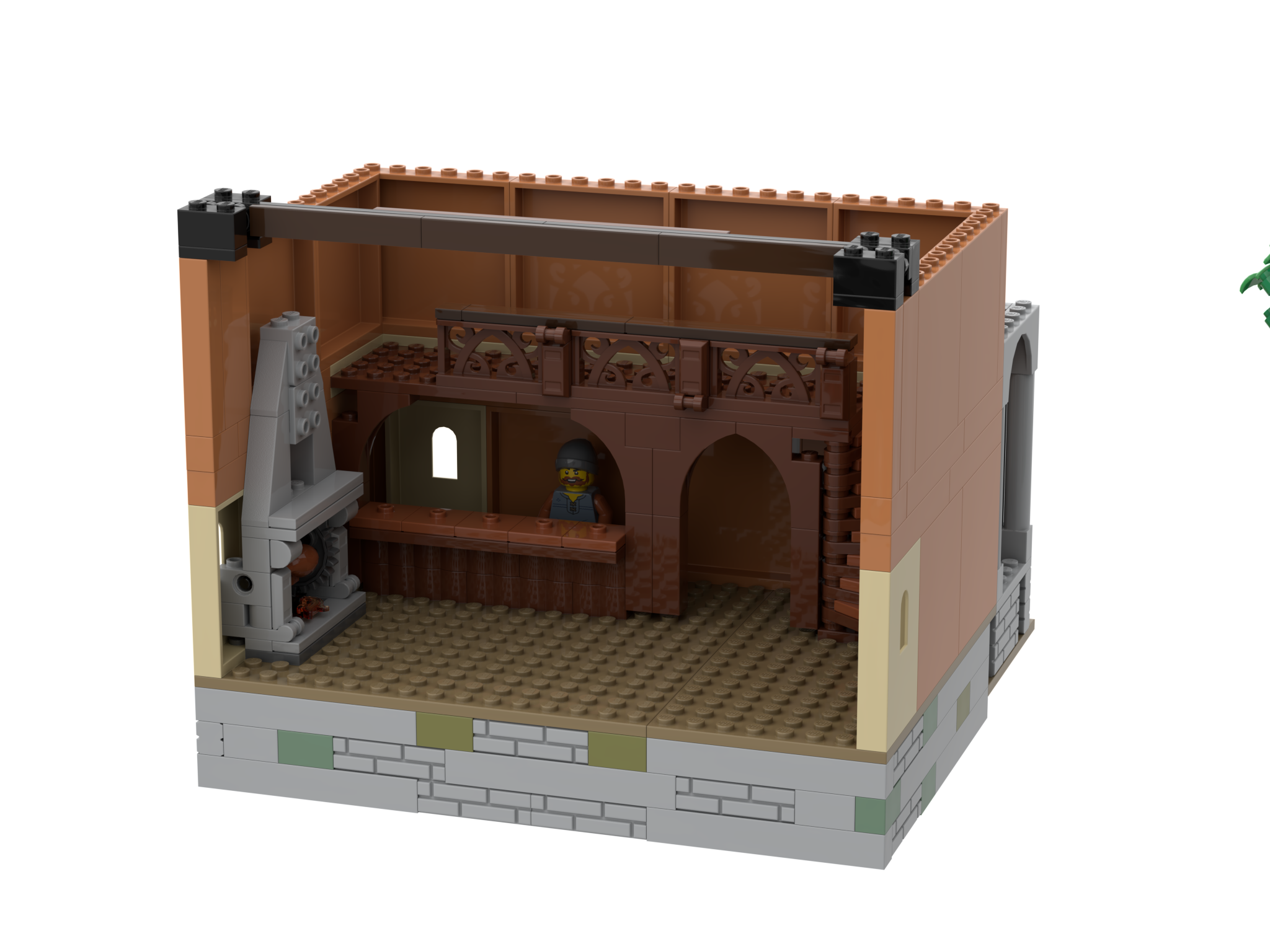
Dave: So the main hall came first. How did you work out the roof around it? We understand that became one of the hardest parts of the design. What made it so challenging?
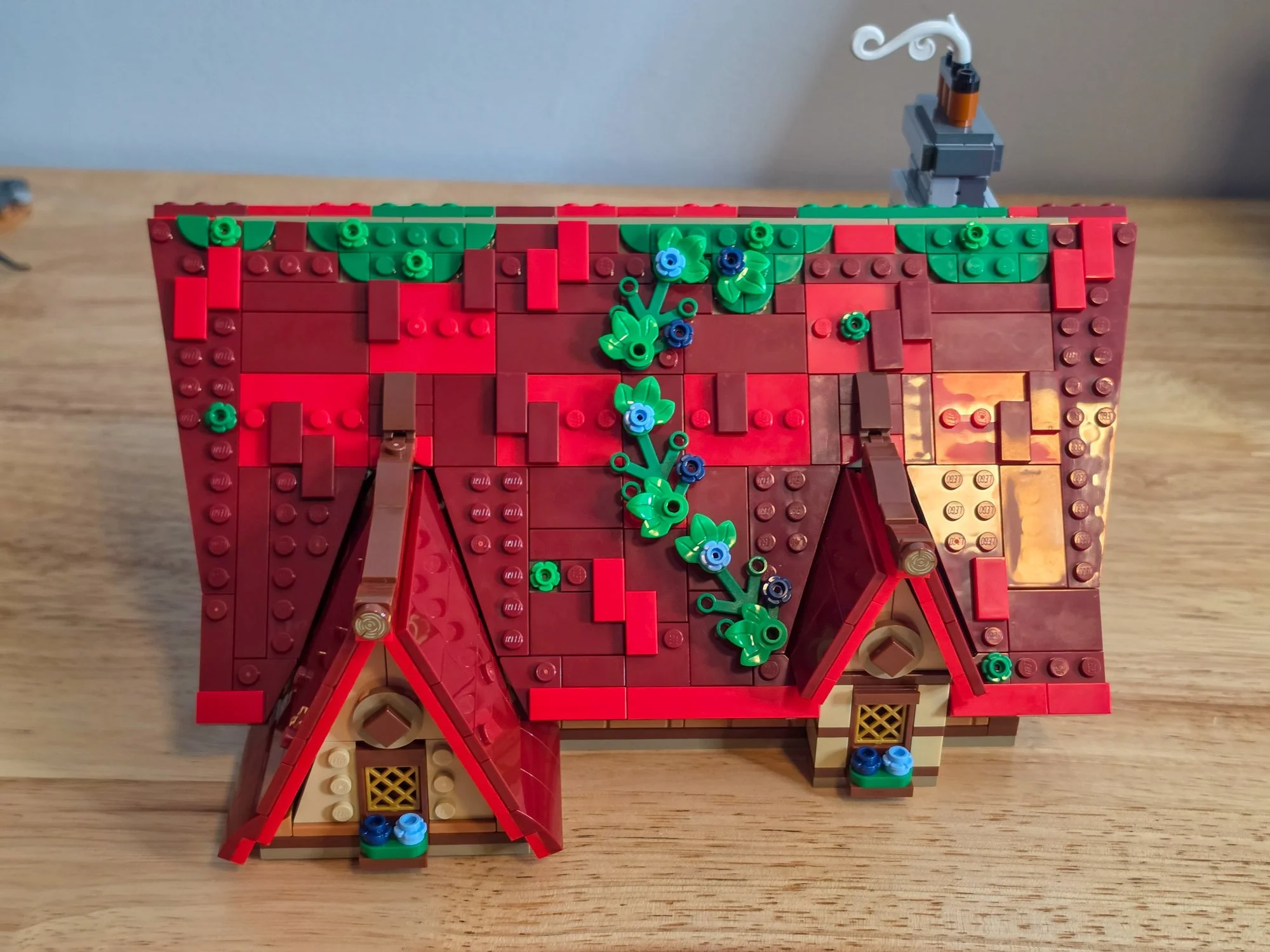
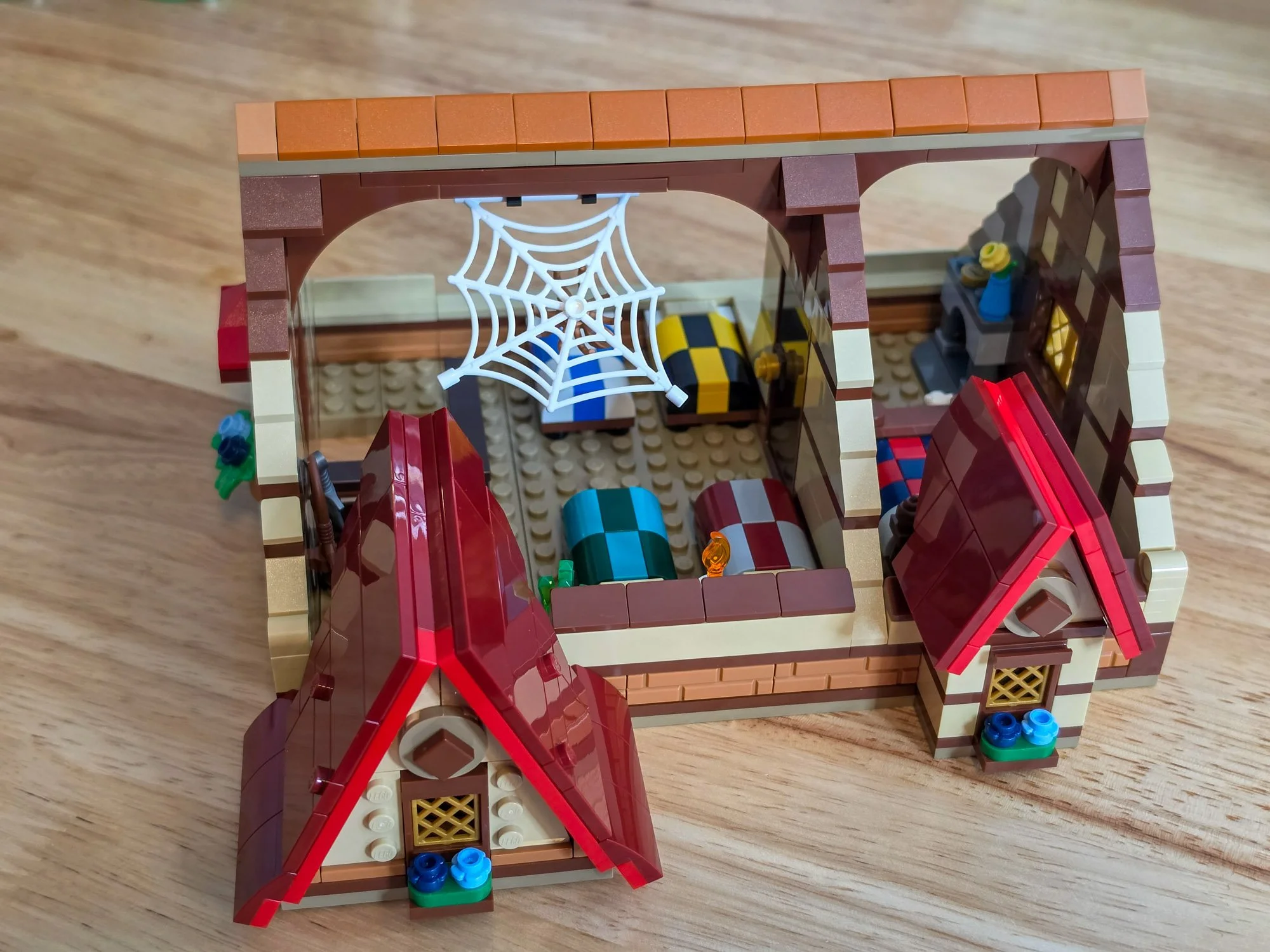
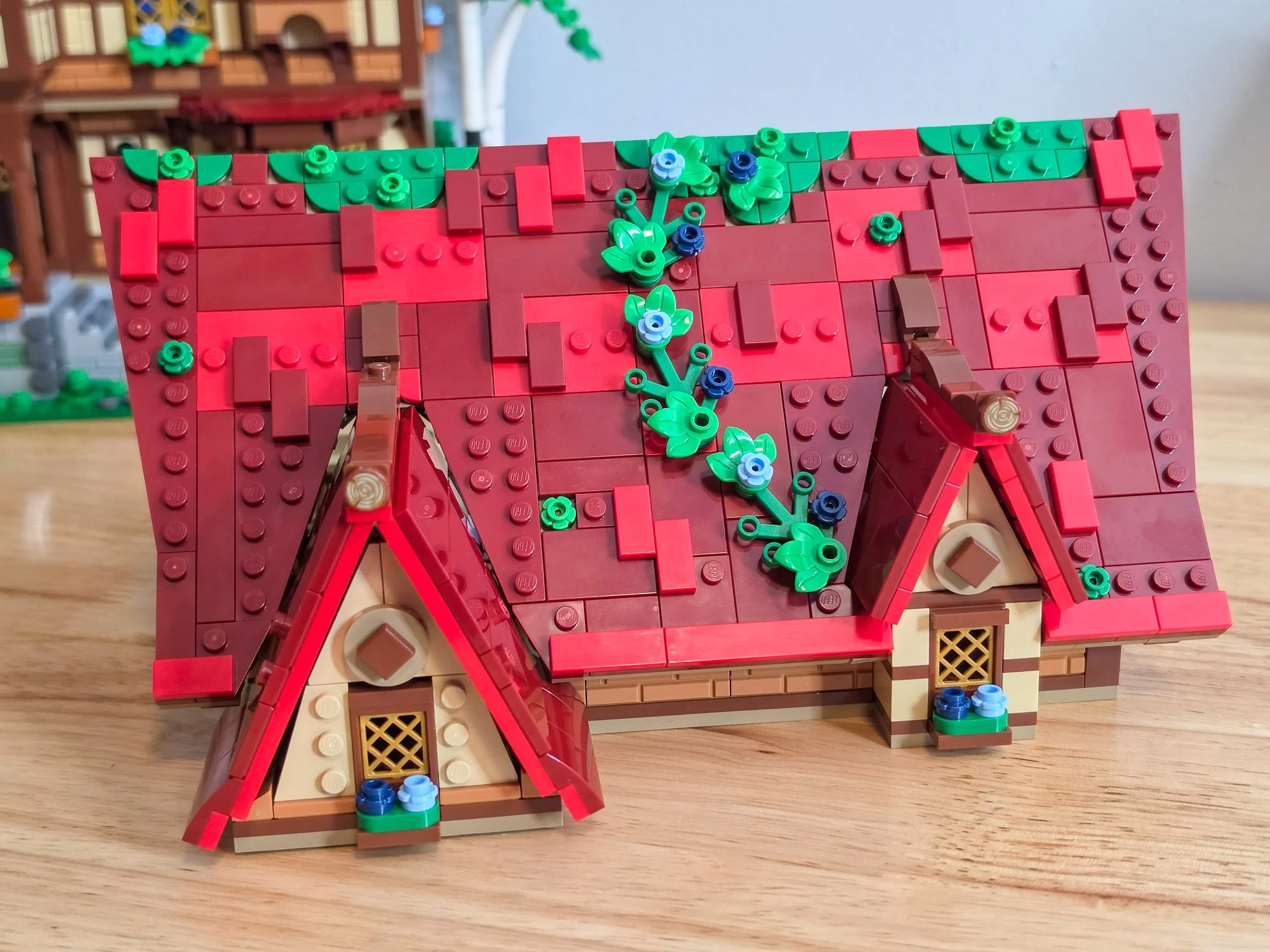
Marin: Once I had roughly determined the location of the main hall, I had to work on the roof, which proved challenging because of the two projecting sections. I built several mock-ups using real bricks to test the angles needed to attach the roof with Technic parts on one side. The other side had to maintain the same angle on a large, removable panel that would allow access to the upper floor.
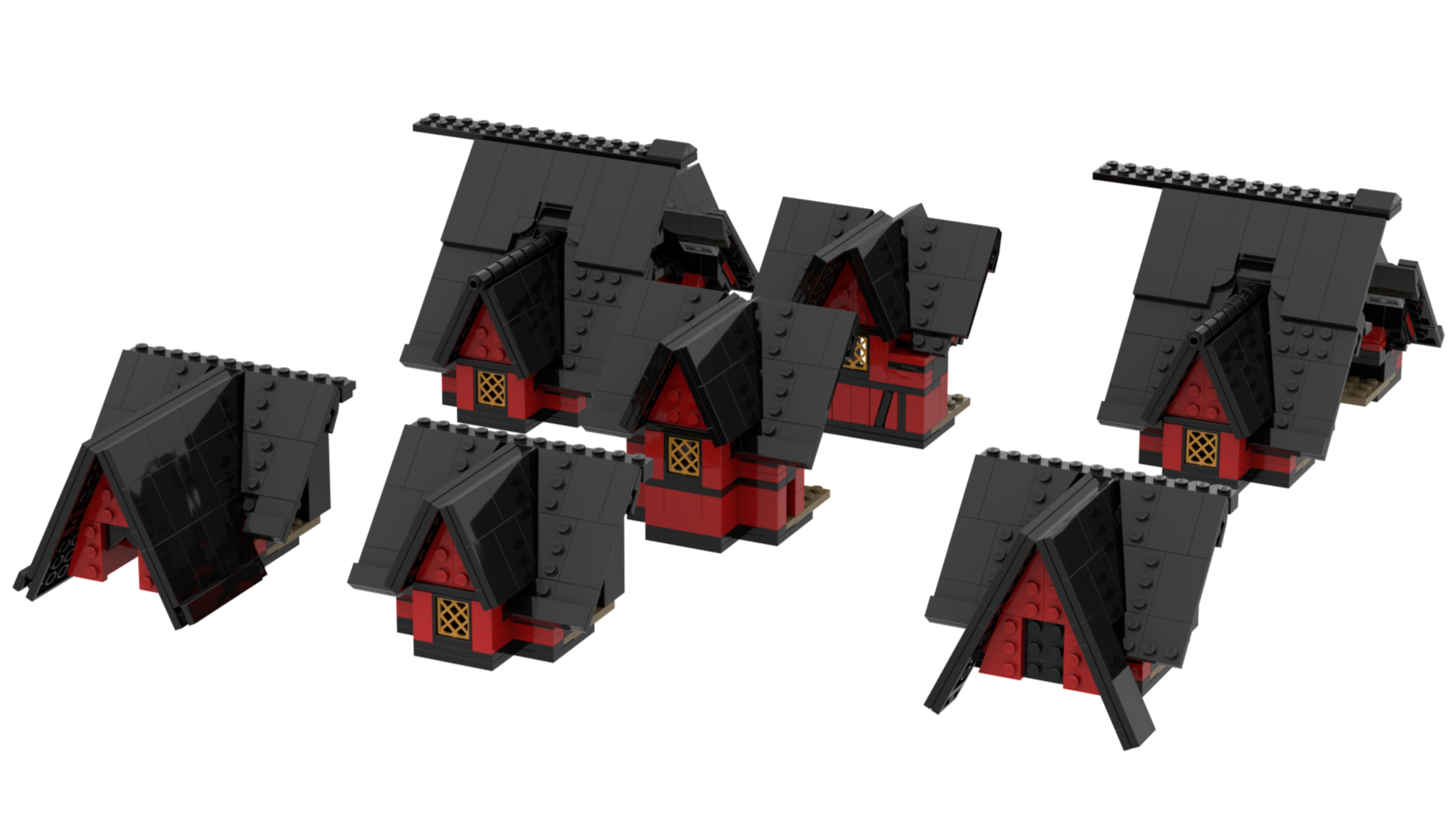
Dave: You asked the community for feedback on colors before returning with the Series 9 version. What were you trying to resolve with the earlier palette, and how did you decide which feedback to follow?
Marin: At that point, I was worried that the black and red I had chosen would look too vintage. So I decided to ask the Reddit community. Sure enough, I got a lot of feedback favoring the current palette, which is why I decided to change the colors.
Dave: That’s a tight set of dimensions to work within. Was there a particular piece or technique that helped you solve another difficult part of the building?
Marin: I’d say the trickiest part was the junction between the main roof and the front roof that projects from the inn. I struggled to find a solution, but seeing 10350 Tudor Corner made me realize it was possible. I didn’t use the exact same technique, but I drew inspiration from it to achieve the final result.
Bringing the Inn to Life
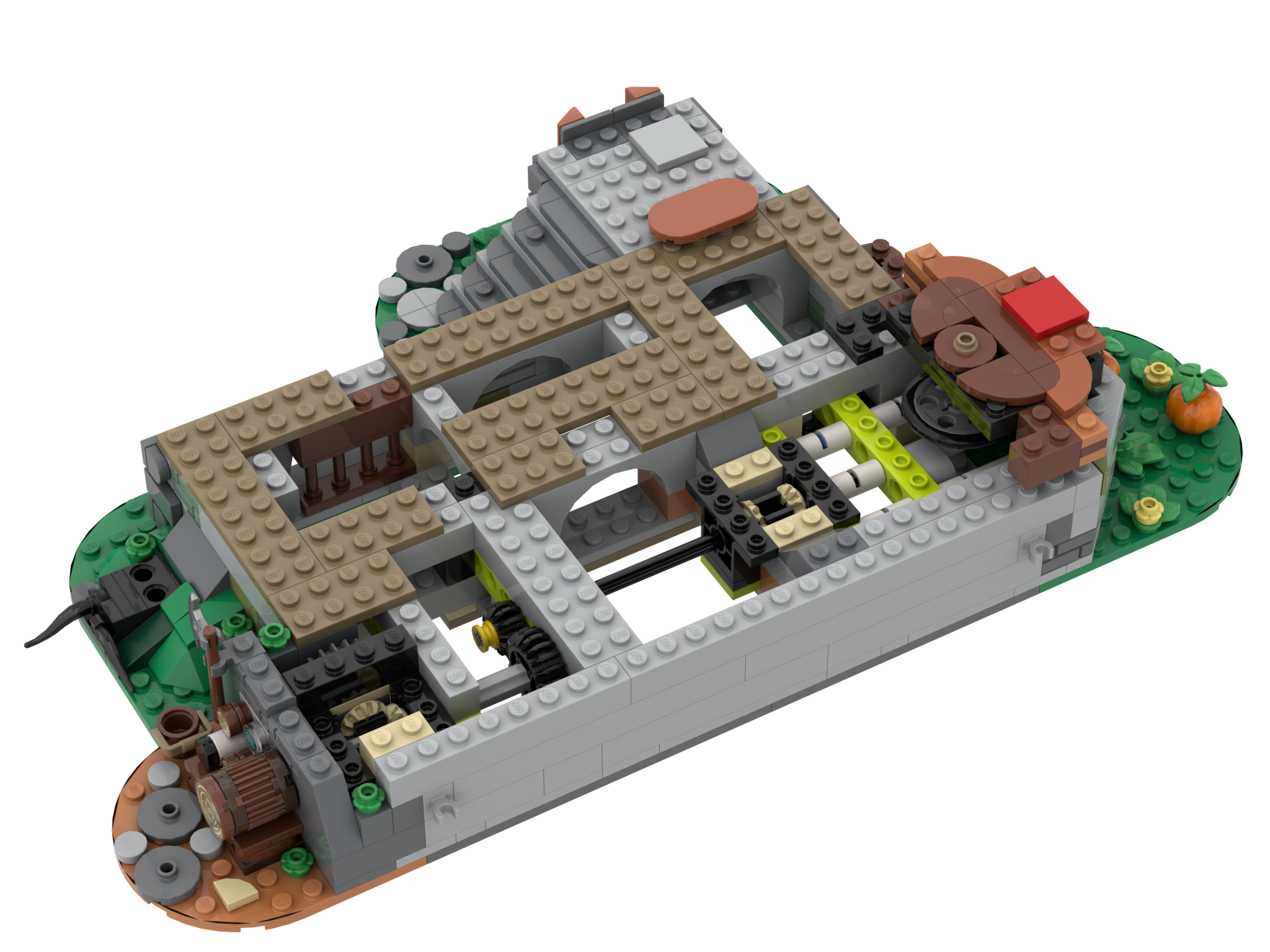
Dave: Turning a single log makes the chicken roast, the guests dance, and the bard perform. How did that idea develop? Were all three movements planned from the start, or did one lead to the others? Which connection was the hardest to get working reliably?
Marin: I hadn’t planned for any mechanism at first. When I designed the initial version of the inn, I felt it lacked life, so I decided to incorporate movement for the bard on the stage. Then, seeing there was space left in the basement, I thought we could include all three movements.
That’s where a real set designer’s challenge arises. The issue isn’t just building the mechanism itself. The hardest part is integrating it into building instructions that allow anyone to assemble it while following LEGO’s rules.
Dave: So the bard started it all! How did you test the combined mechanism? Did anything behave differently in real life than it had in Studio?
Marin: I tested all the mechanisms and roofs using real bricks. BrickLink Studio is very effective, but I know it’s always necessary to double-check when building more complex structures.
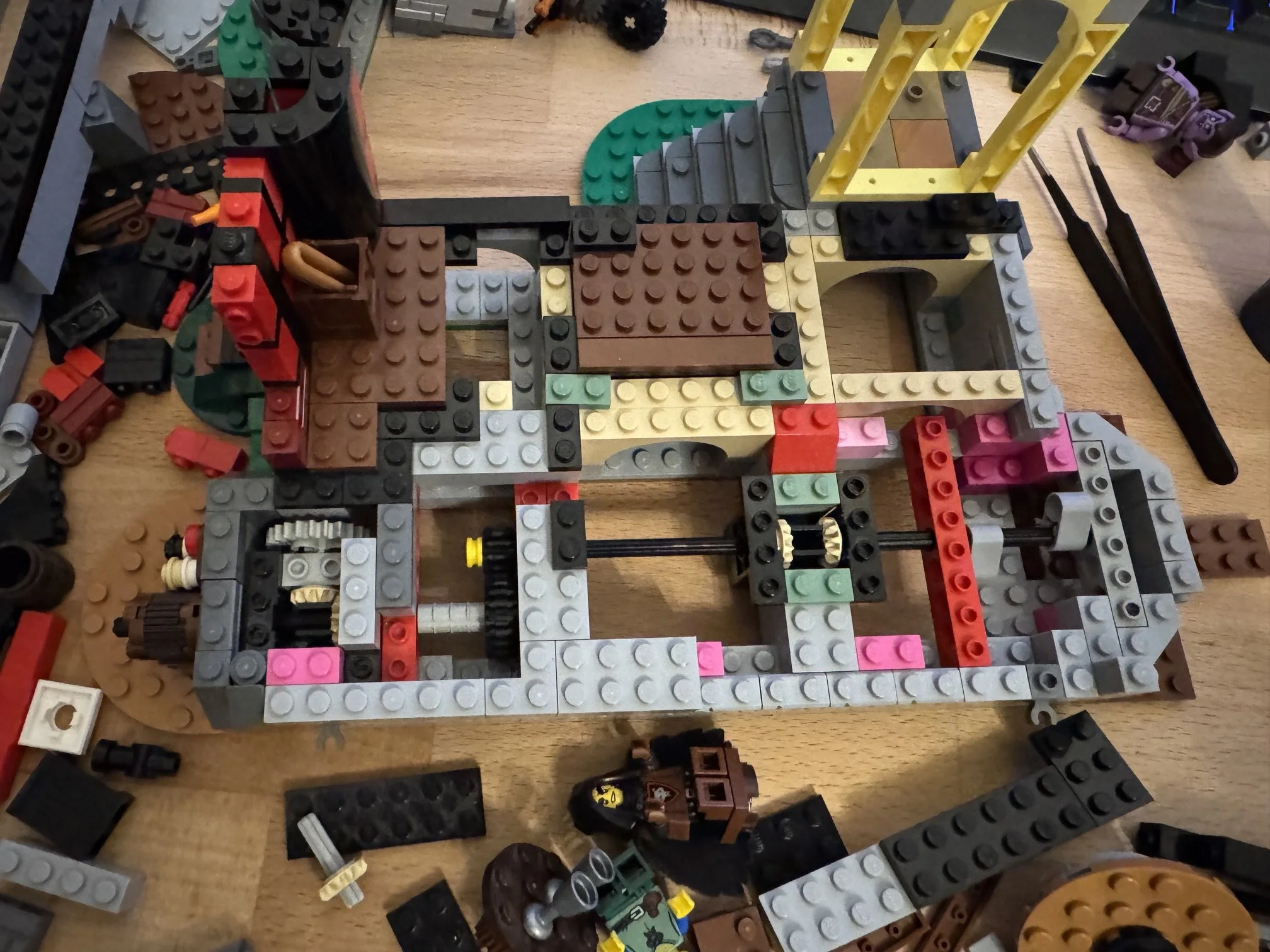
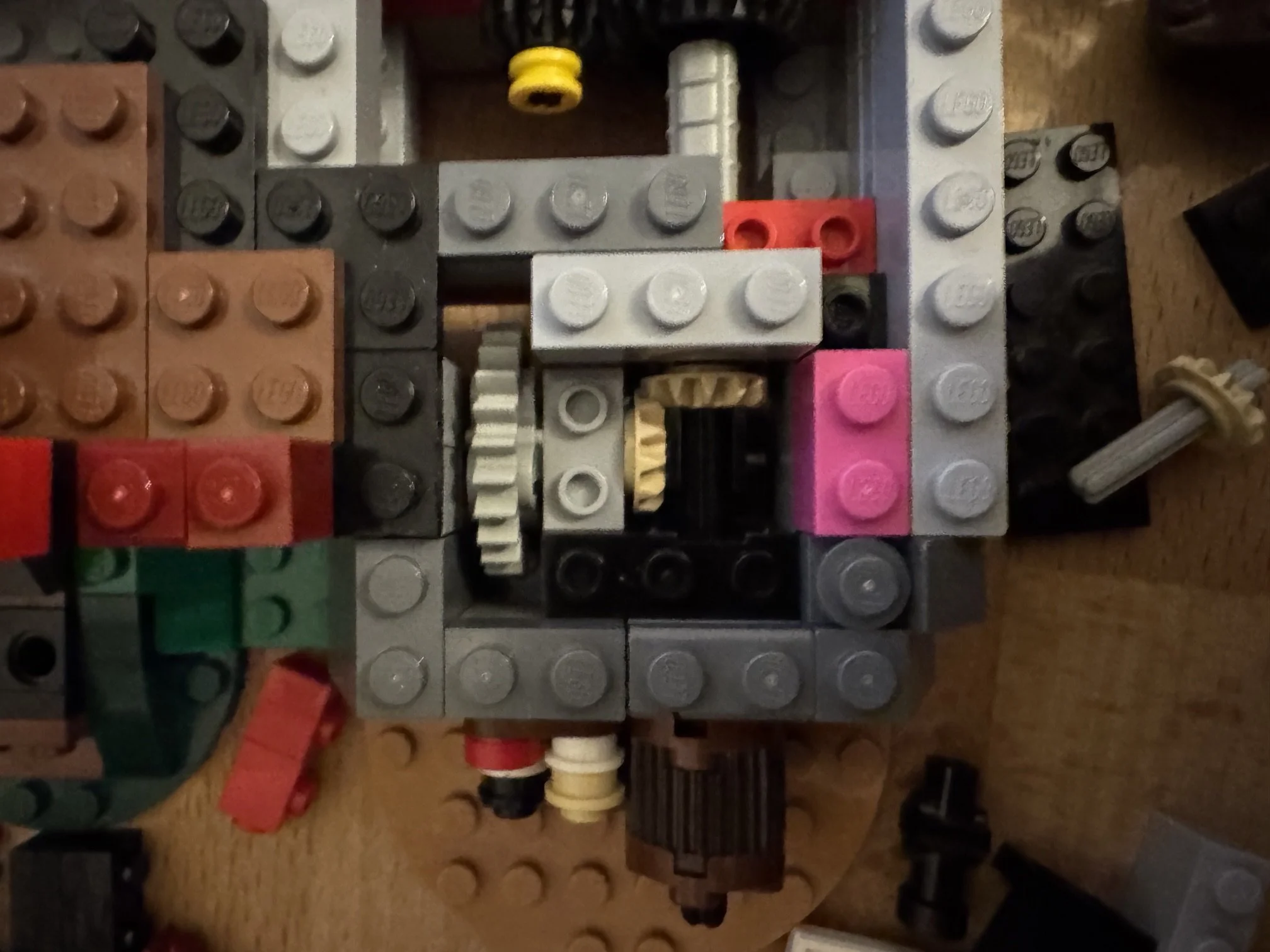
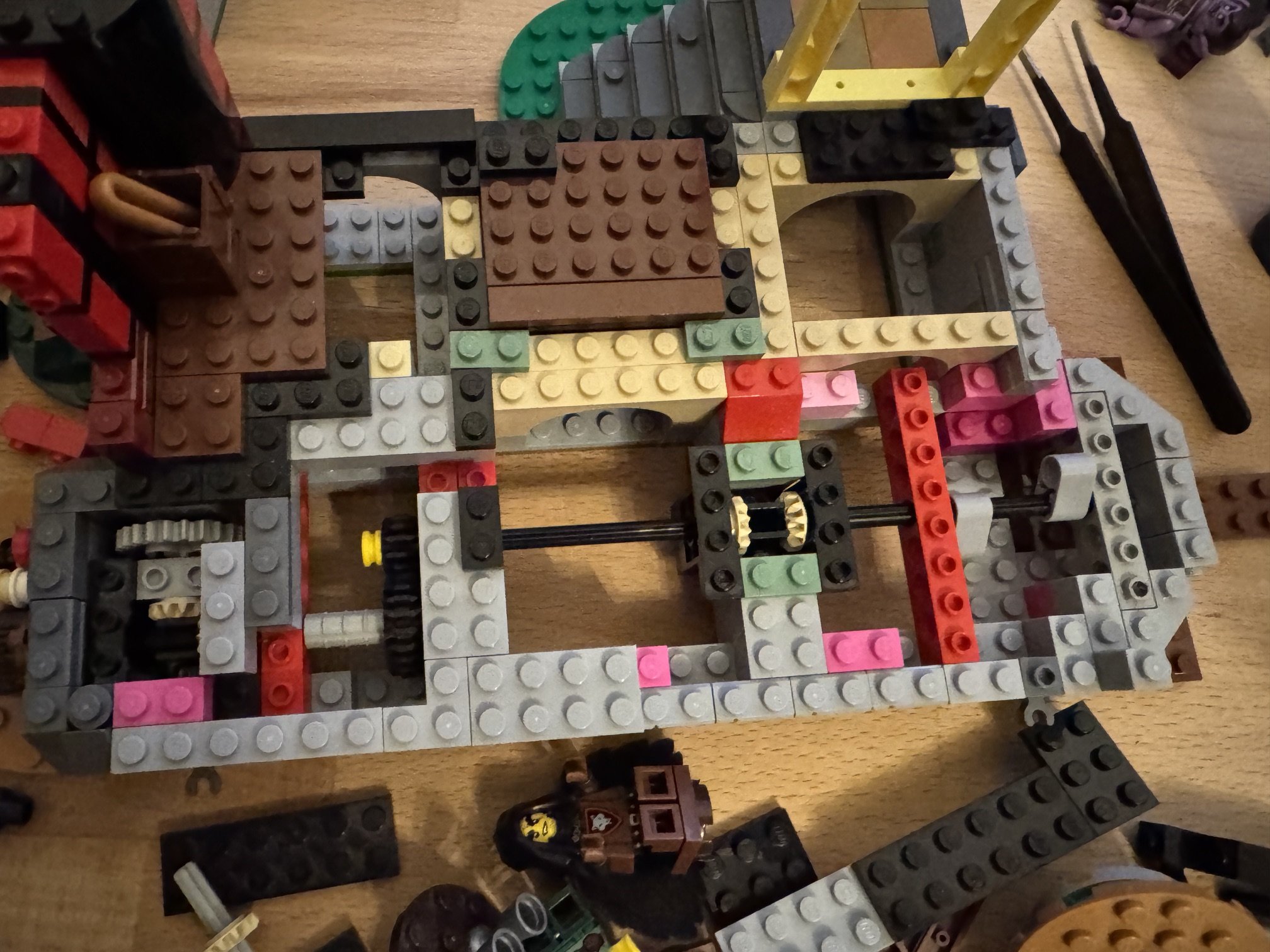
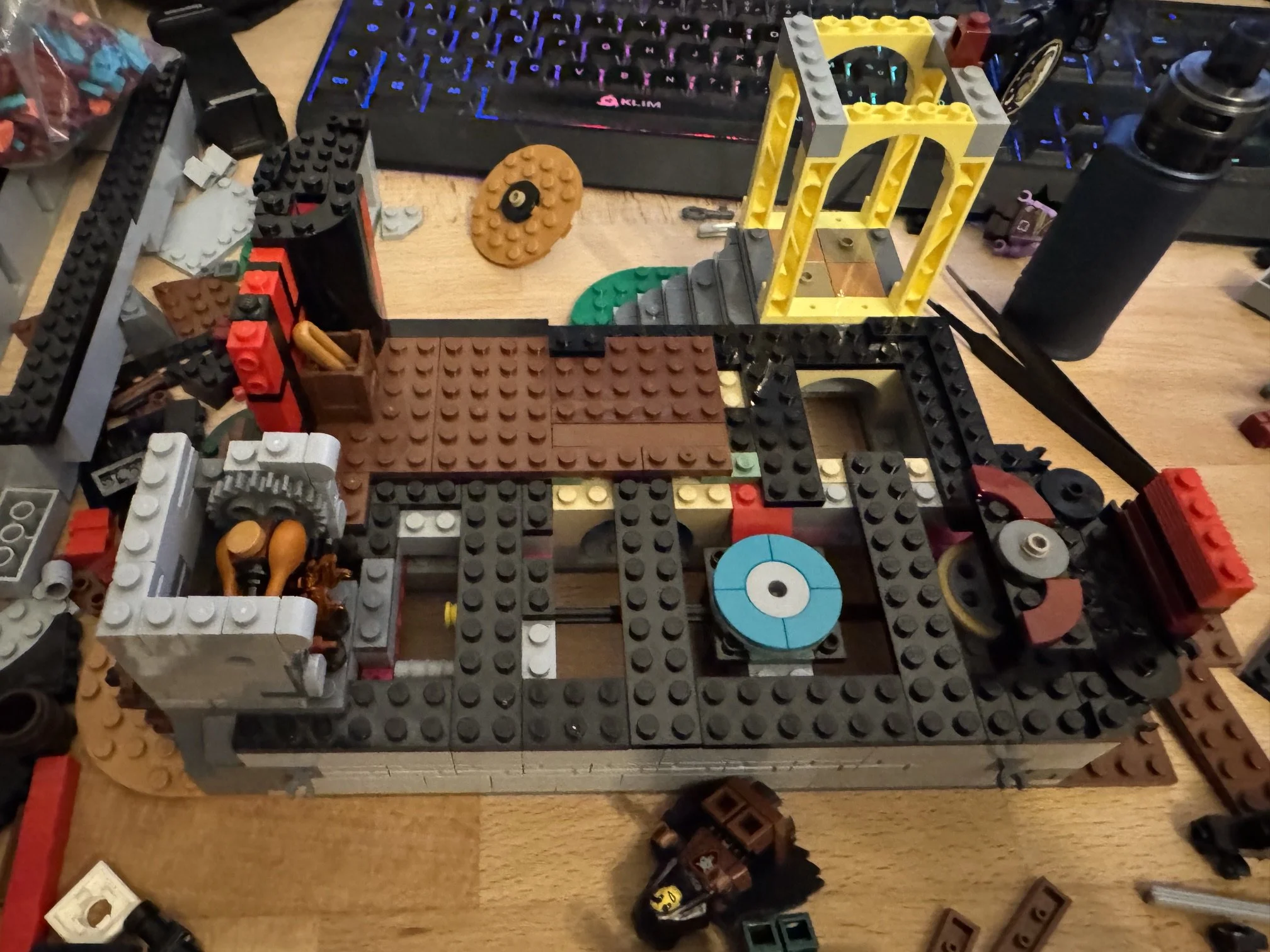
Dave: How did you make sure the inn would hold together when people moved it, opened it, and played with it?
Marin: I very quickly built a mock-up using real bricks, modifying it as I went to ensure everything was solid.
Dave: Who got their hands on your design during development, and what was it like seeing someone else build it?
Marin: It was Dallen Powell from BrickLink who got his hands on my design. I was thrilled that someone had built it, especially a renowned designer like Dallen.
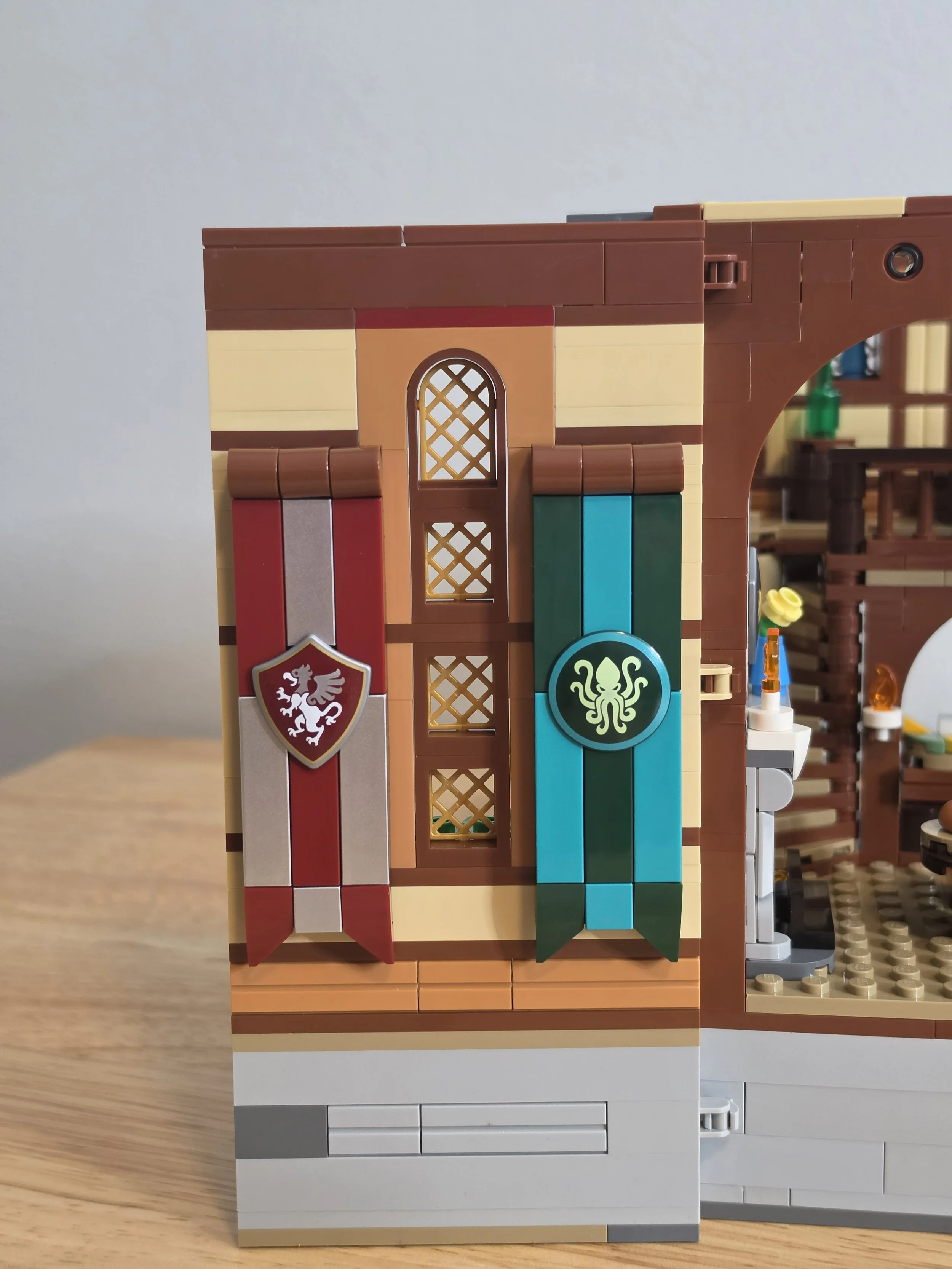
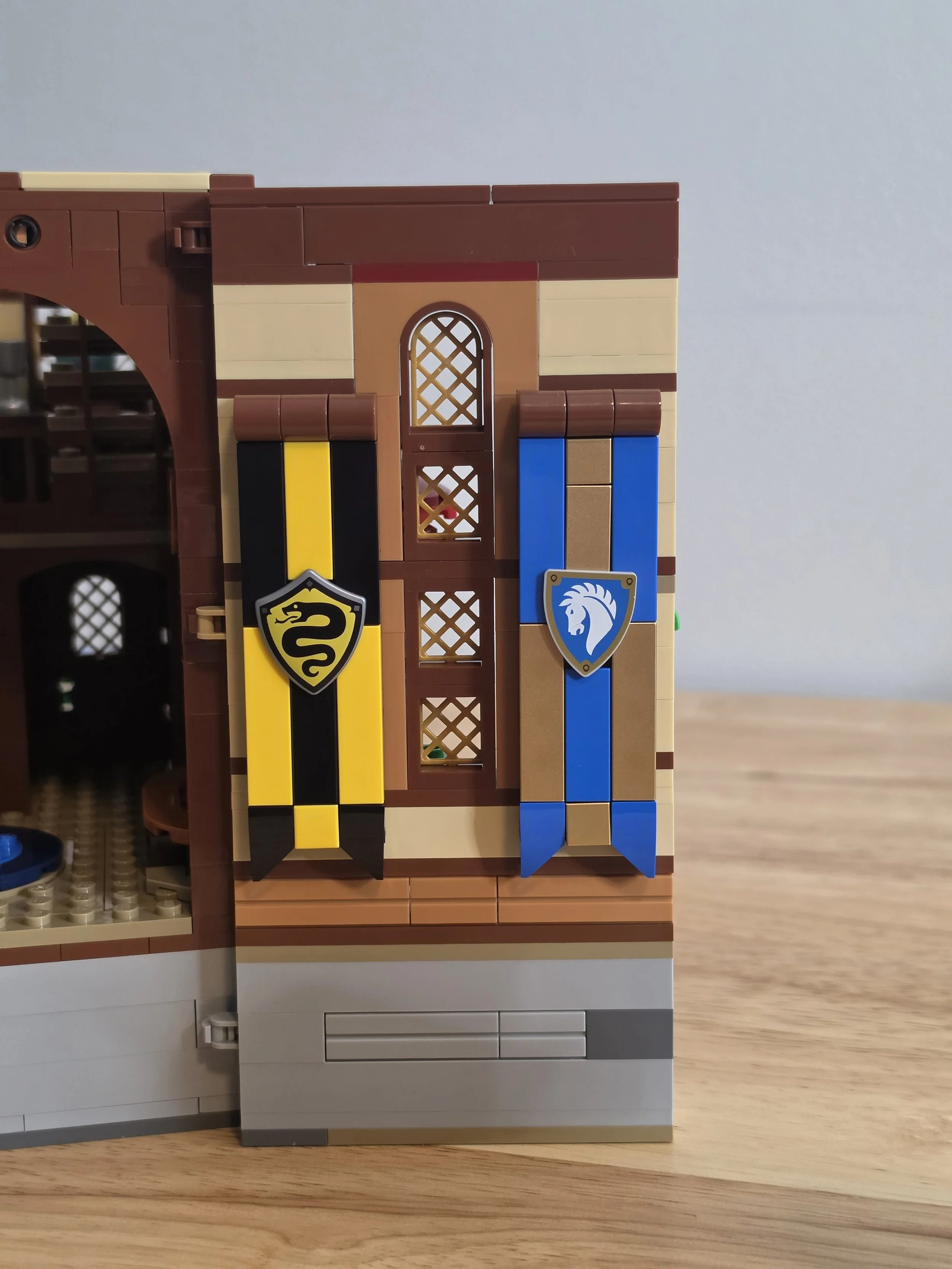
Dave: The faction banners are cleverly designed and a welcome addition. How did those come about?
Marin: In the original design, I had placed two banners on each of the doors at the back of the inn, a technique that helps reinforce the walls. It was Dallen who suggested using four banners representing the four LEGO Castle factions in the set. A stroke of genius!
The Adventurers
Dave: When you were designing the inn, how much did you imagine the people who would live and stay there? Did any character’s story lead you to add or change something in the building?
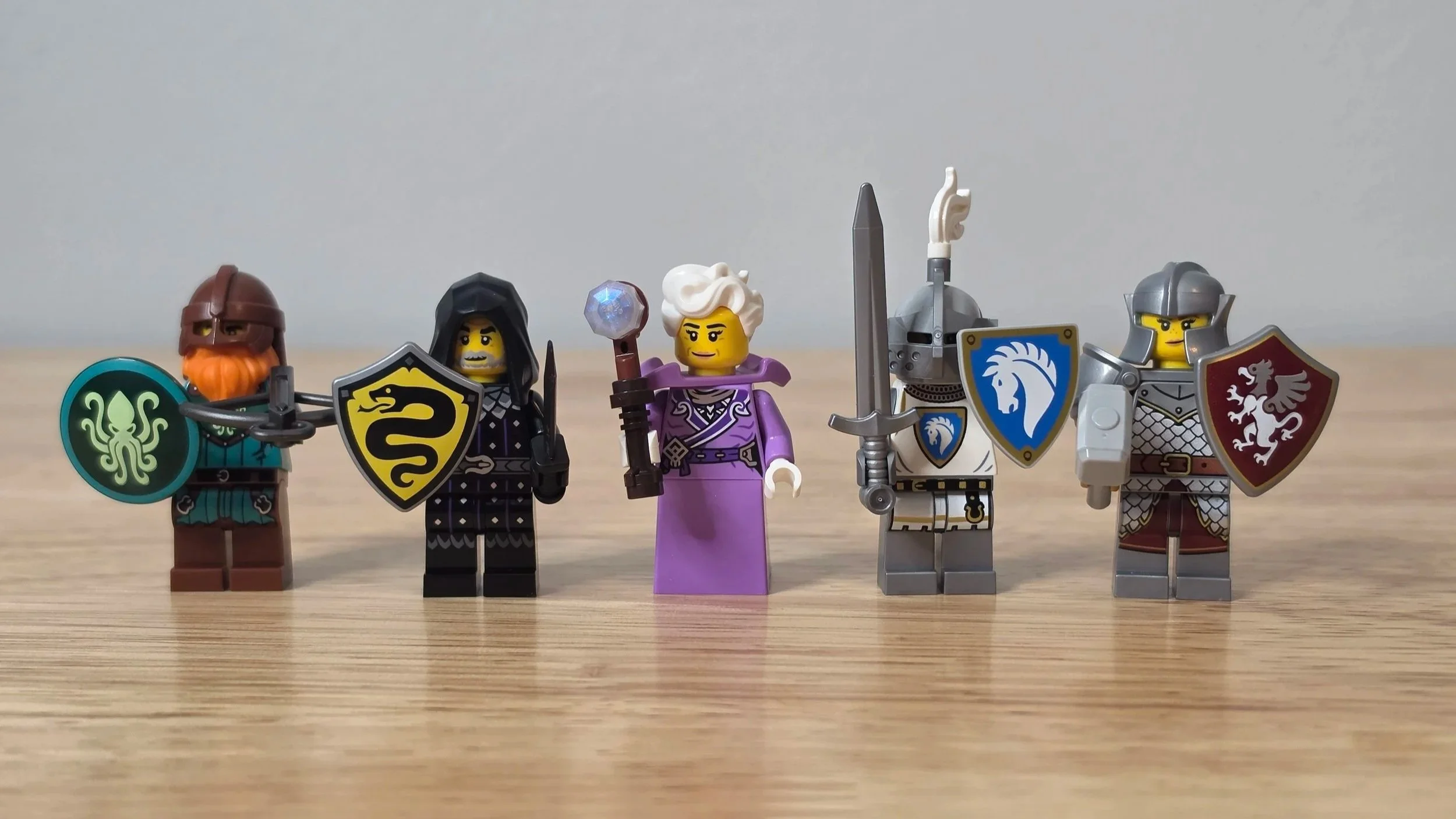
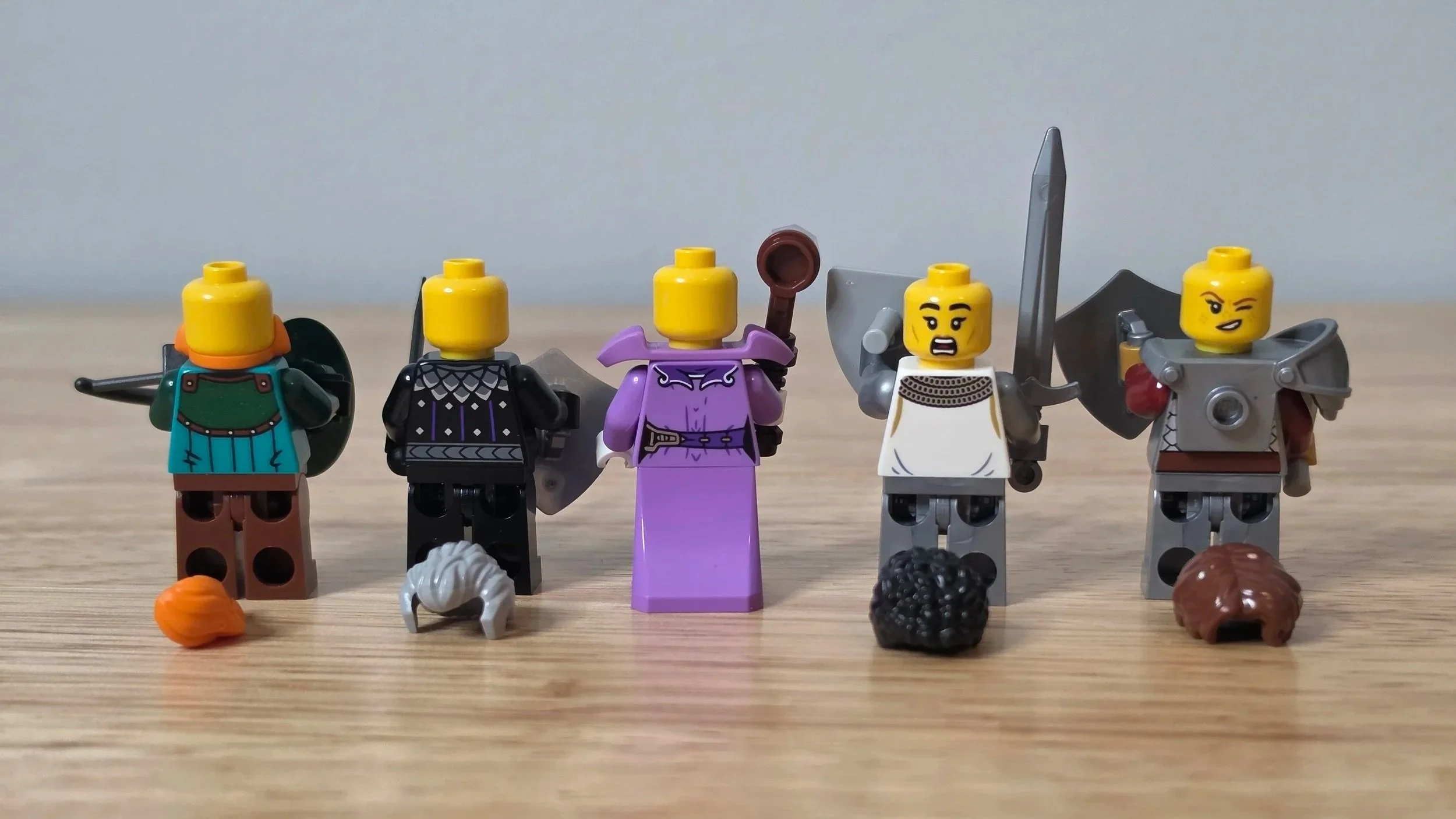
Marin: Originally, I imagined a figure from each faction, all part of the same adventuring party, taking a rest in this inn. I added a female wizard to bring in a fantasy element. I also really wanted a bard who would serve as both a member of the group and a performer at the inn. I included a fortune-teller as well, because the space at the back of the inn’s mezzanine seemed perfect for that mystical touch.
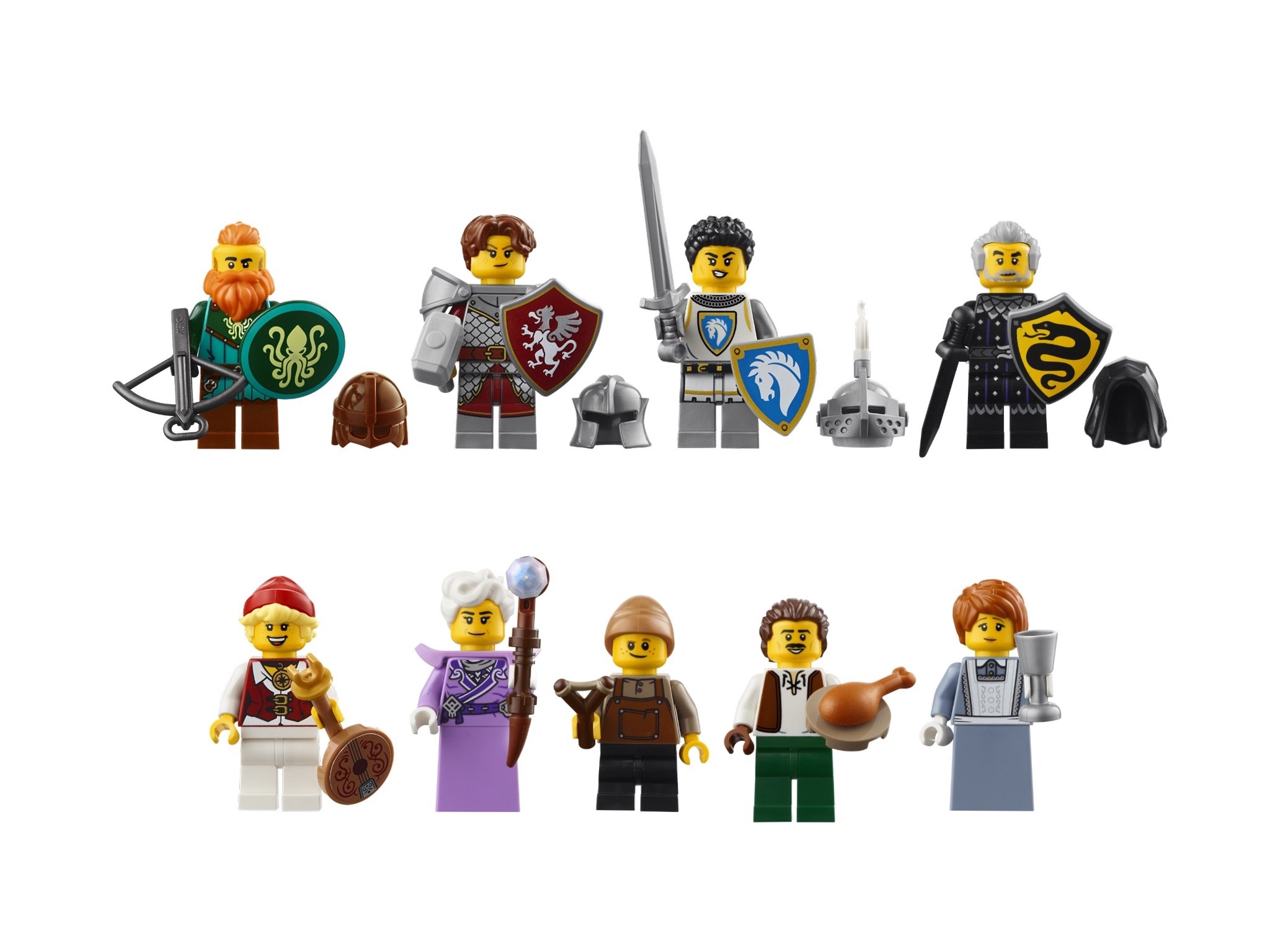
Dave: Tell us about the innkeepers. Have you given them names, personalities, or a history together? Are they, or any of the guests, inspired by people you know?
Marin: I don’t have a specific name in mind, but in the backstory I planned for the inn, the female innkeeper is the granddaughter of the woman who ran Guarded Inn. The roof is red as a tribute to Guarded Inn’s red walls.
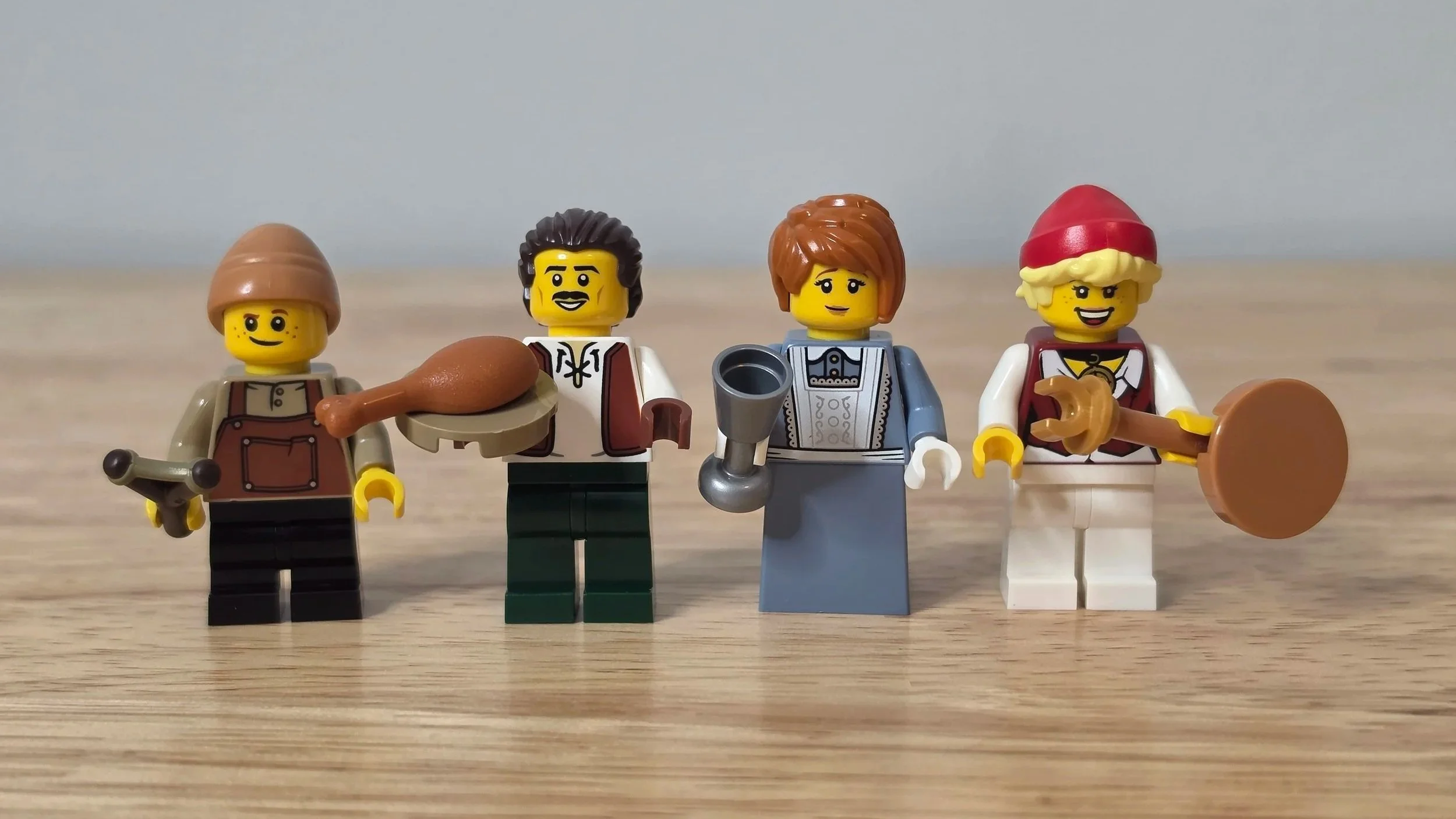
Dave: I love that the business runs in the family! What about the guests? How did you choose the mix of factions, and what relationships do you imagine between them once they put their weapons away?
Marin: I picture a group of adventurers from different kingdoms and traditions, united by a shared mission. They find themselves at this inn to rest and celebrate. It is a scenario with no “good guys” or “bad guys,” just people who want to join forces to save their kingdoms.
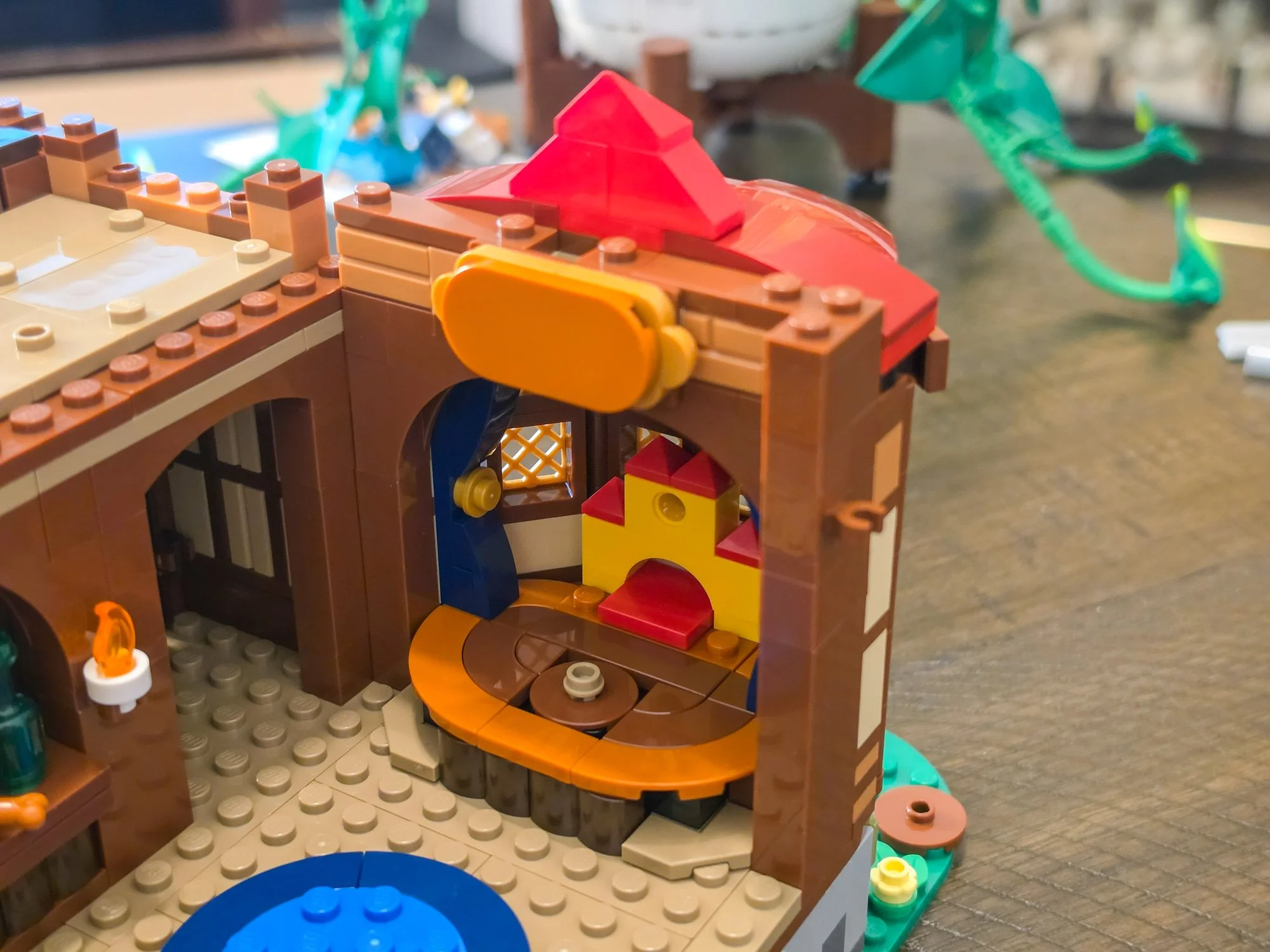
Dave: The miniature Yellow Castle and the green crystal bring references to earlier LEGO themes into the inn. What do those themes mean to you personally, and how did you choose where to include those tributes?
Marin: The Yellow Castle is an obvious reference to the original LEGO Castle set. I felt its bright color made it a fitting decoration for a show.
As for the green crystal, it’s a nod to LEGO Rock Raiders, a theme that made a huge impression on me when I was young. I can’t quite say why, but I found it incredibly appealing. I also played the PC game. It reminds me of a time when LEGO’s own original themes were a massive source of inspiration for me, something I wish would happen again today.
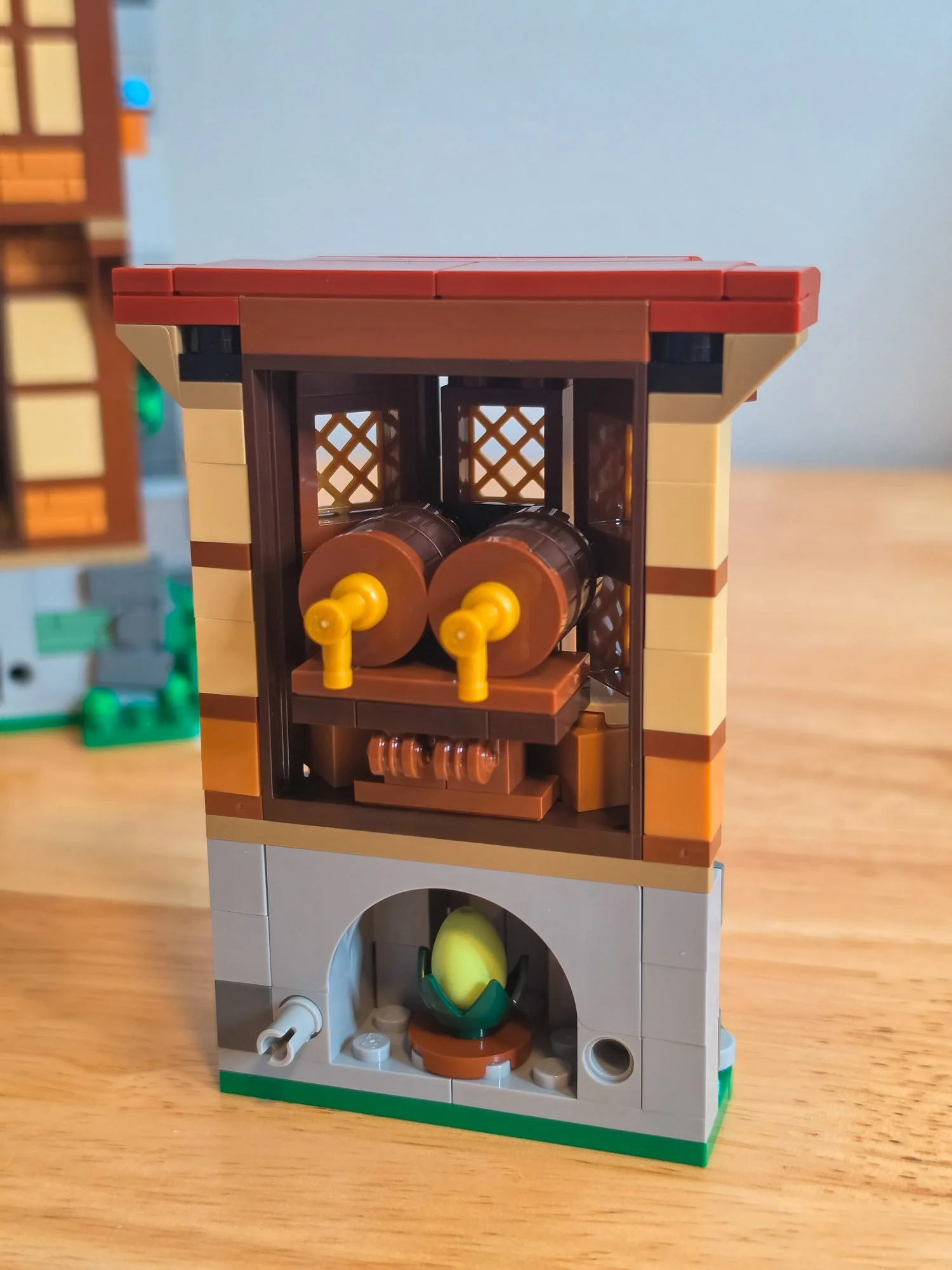
Dave: There’s an egg hidden beneath the barrels. What story do you imagine behind it, and do the innkeepers know what they’re keeping in the cellar?
Marin: Yes, I imagine that the inn serves as a cover for the innkeepers, who are responsible for guarding and defending the dragon eggs against poachers.
Dave: Those innkeepers have quite a responsibility beyond feeding their guests! Are there any other stories or personal references hidden in the build or its stickers that we haven’t covered?
Marin: Oh no, I think everything is clear and everything has been said. There are no more secrets between you and me.
From Submission to BDP Set
Dave: What made the BrickLink Designer Program the right route for the Sleepy Dragon Inn? Had you designed it specifically for the program, or adapted an existing project to fit its requirements?
Marin: This was a project I had in mind for a long time. I had planned to build it for myself and for Rebrickable. It was only when I saw that Alchemist Shop was a finalist, and was being presented as a potential companion to Medieval Blacksmith, that I thought I might submit my own inn to the BrickLink Designer Program.
Dave: After the inn wasn’t selected for Series 8, what convinced you to try again? Beyond the color changes, what did you reconsider before submitting it to Series 9?
Marin: I figured that since many BDP projects hadn’t been selected on their first attempt, it was worth giving it a second shot. This time, however, I decided to ask others for their input, especially regarding the color scheme, as you mentioned.
That turned out to be a good move, as the new colors make the inn feel cozier and fit better with my original vision. Aside from that, I didn’t change much, just a few parts that were no longer in the BDP palette and, of course, the minifigures.
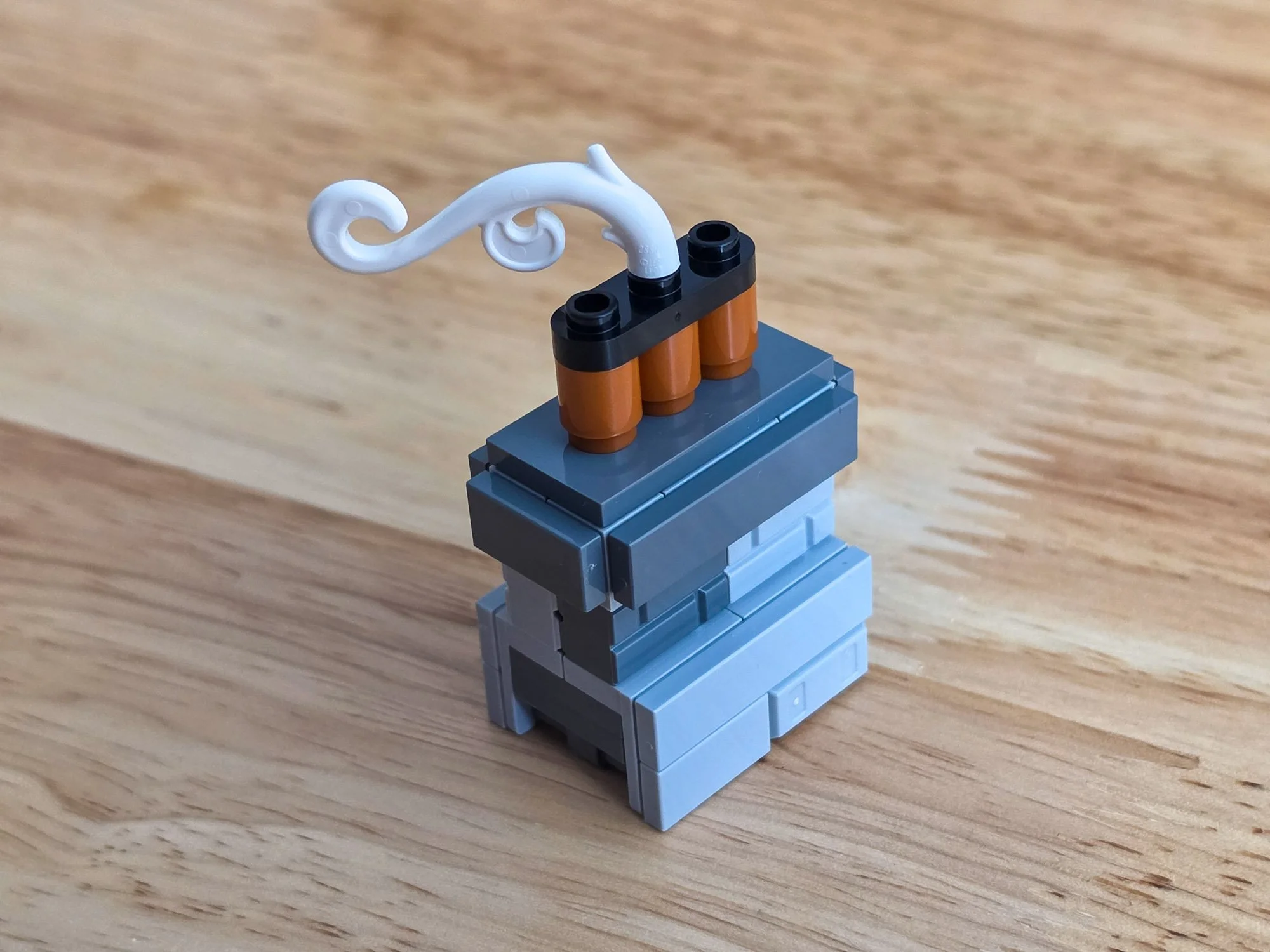
Dave: You mentioned that another unsuccessful submission might have led you to make a smaller version. How close were you to taking that approach, and what would you have kept or sacrificed?
Marin: Yes, indeed—I probably would have sacrificed the bard’s platform (and thus part of the mechanism) to reduce the height of the base. I also would have reduced the overall width of the inn, meaning less space in the main room. But I would have done everything possible to keep the platform in the main room; that’s what gives the space its charm.
Dave: The minifigure lineup and faction displays changed during development. How did those decisions come about, and how much freedom did you have to refine the cast once the project was selected?
Marin: Yes! Originally, the figures included not just different factions but also different fantasy species, such as a dwarf and an orc. I loved that fantasy aspect, inspired by the era around 2007, when LEGO produced Castle sets featuring various species and monsters. However, after discussing it with the BDP team, we realized it didn’t necessarily fit their plans or fan expectations, so we changed the lineup to better reflect the current factions.
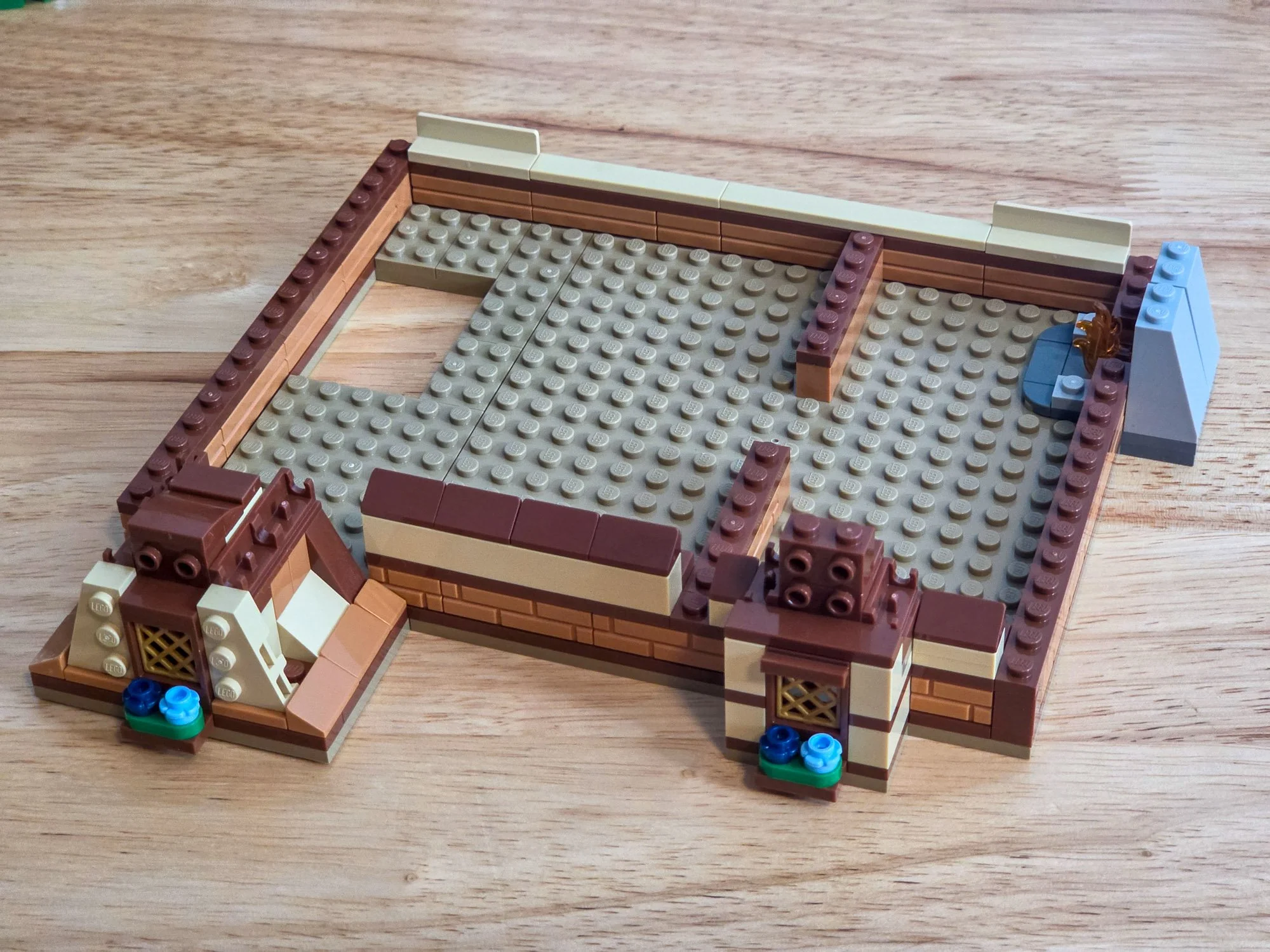
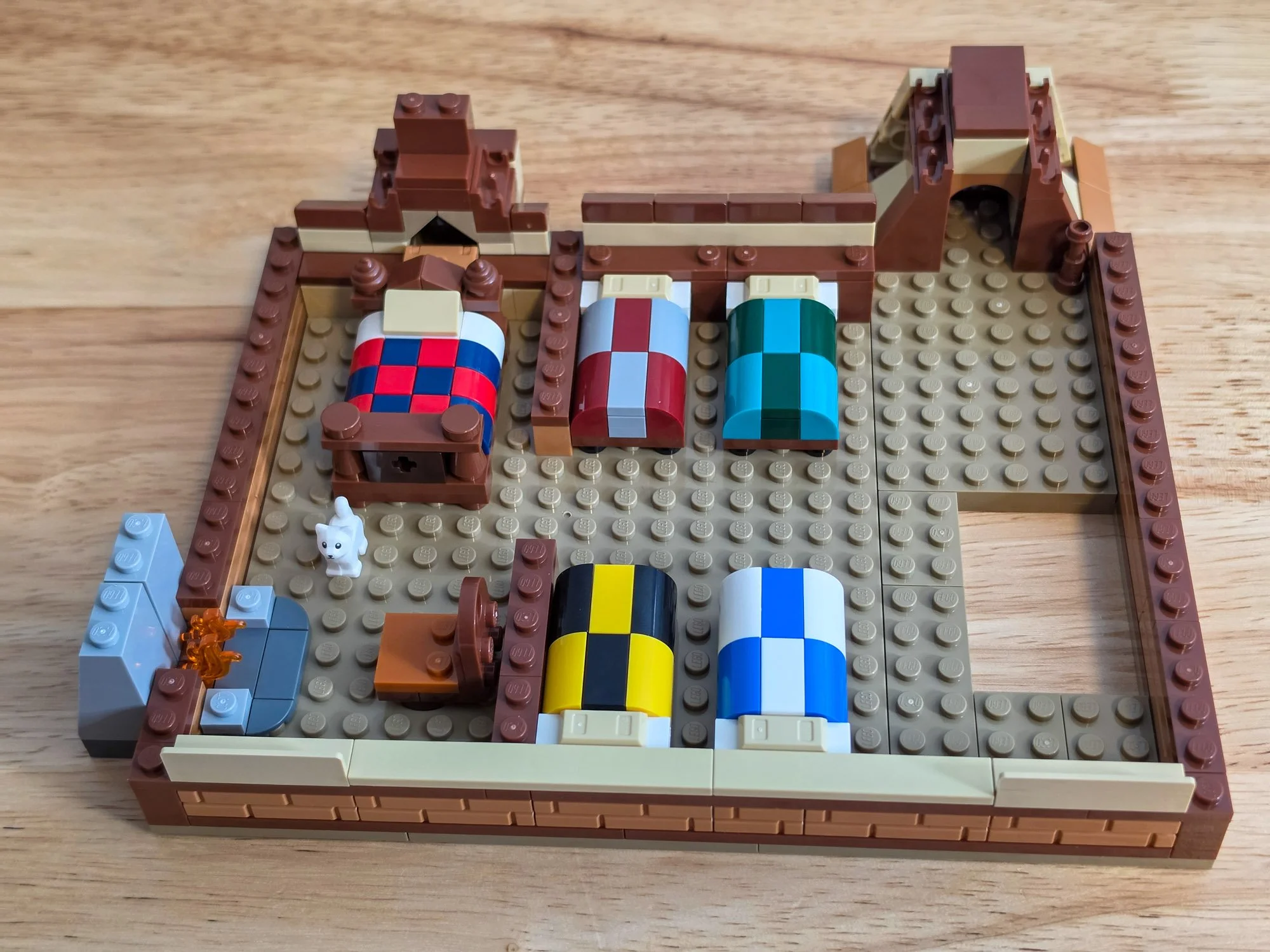
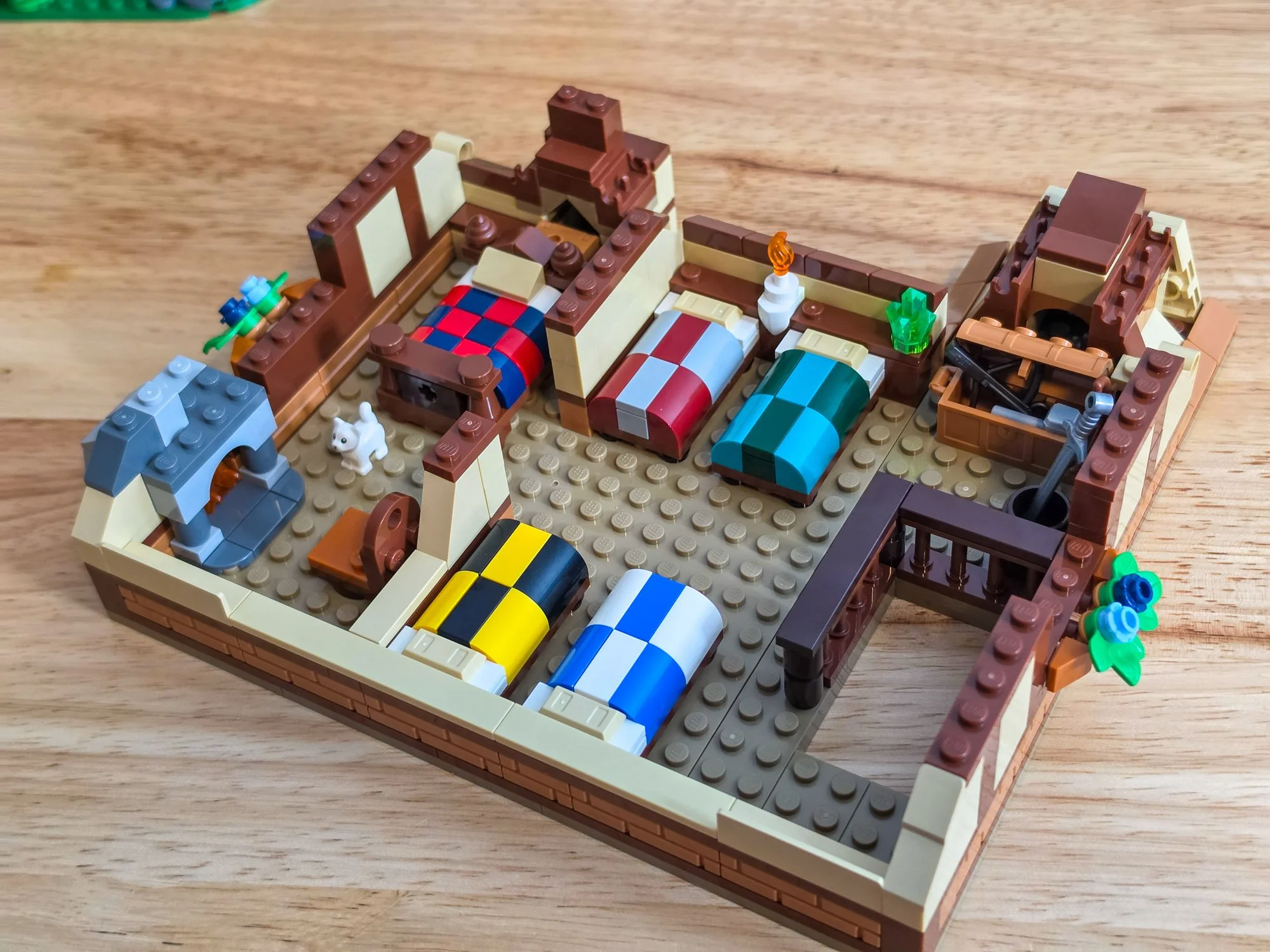
Dave: Did any parts become unavailable during development, or did newly available elements give you opportunities you hadn’t expected? What change had the greatest effect on the model?
Marin: I was very lucky during the design phase. There weren’t any major changes to the parts available for the inn. I was particularly fortunate because plenty of parts were available in dark red for the roof. The hardest part for me was the change in minifigures in early July, but BrickLink changed the game by adding new options in early September, just before submissions opened.
Dave: Was there a detail you particularly wanted to protect during development? Were there other ideas you liked but ultimately agreed to change or remove?
Marin: There weren’t any specific details. The most important thing was ensuring the inn was playable and could open up like a dollhouse. Secondly, I wanted a direct view of the main hall, and finally, a mechanism to bring the inn to life.
Even though some might say otherwise, I made a lot of sacrifices to ensure everything I wanted was included in this inn. I would have loved to include a stable with horses and a much more detailed roof, but unfortunately, that would have caused the piece count to skyrocket.
Dave: What did this process teach you that you wish you had known before your first submission? What practical advice would you give another builder preparing a BDP entry?
Marin: I would echo the advice that Alex, the BDP director, regularly gives. The first question to ask yourself when designing a set is: “Would I buy this at that price?” Everything else follows from there. Every piece used in the set must have a purpose, a function, or a story.
The second piece of advice might seem obvious, but the most important thing is the design concept itself. You have to really refine your original idea. Even if you are the best designer in the world, if the idea isn’t good, you will never manage to create something that appeals to people.
Visiting the Inn
Dave: You’ve spent a long time making decisions about this building. How does it feel knowing that other builders will soon be changing it, adding their own characters, and giving it stories you never imagined?
Marin: Oh, I think that’s fantastic. We might have lost sight of that a bit in recent years, given the collector’s mentality that surrounds LEGO sets. But originally, LEGO bricks were meant to be taken apart, modified, transformed, and rebuilt.
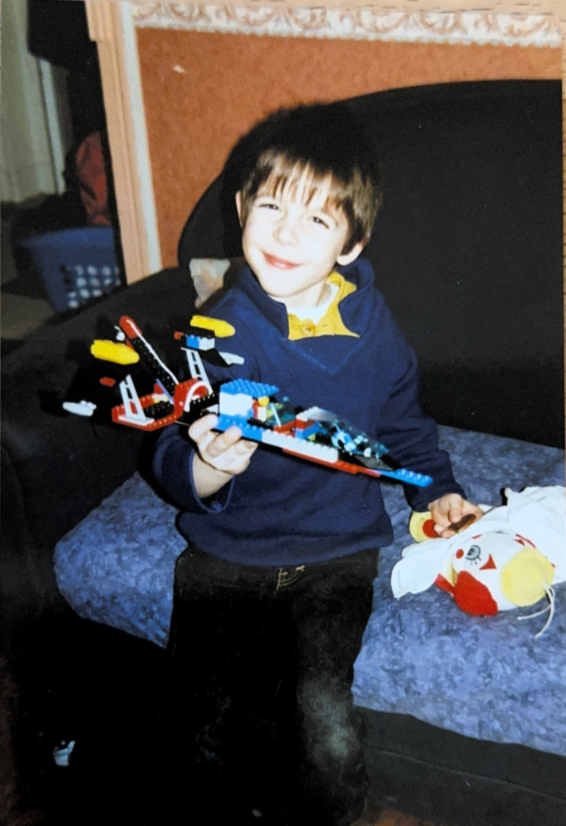
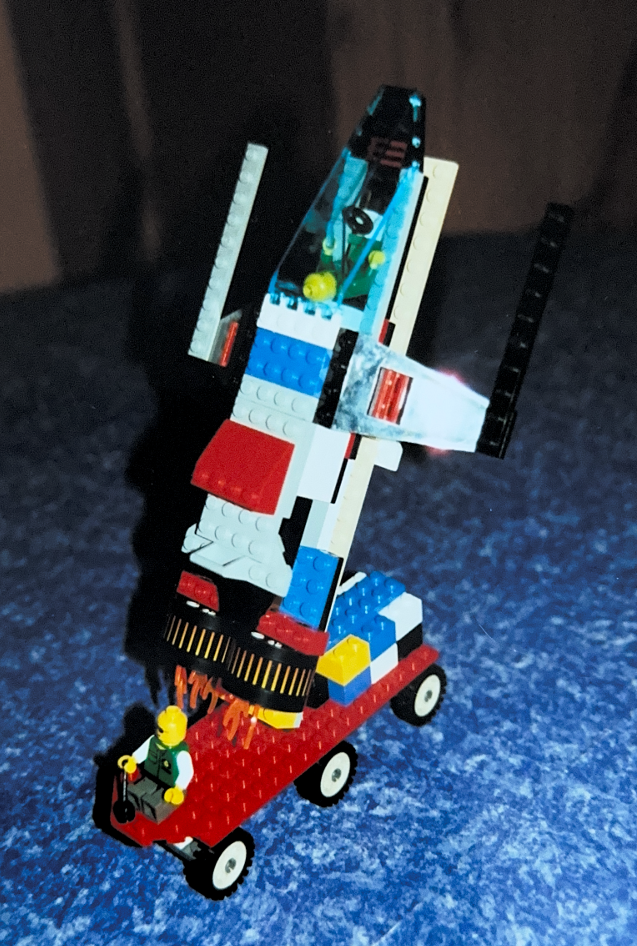
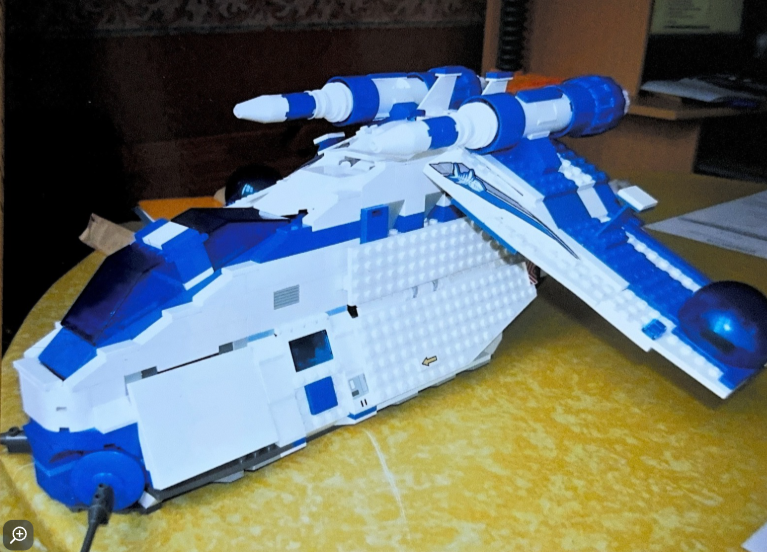
When I was a kid, I used to dismantle all my sets. My parents would scold me because they wanted me to keep the Star Wars sets intact, whereas I just wanted to create something new using the parts I had. So if someone takes my set apart, rebuilds it, or mixes it up, I’d be the happiest fan alive. To me, that is the true spirit of LEGO.
Dave: In that spirit, if you expanded your own copy of the inn without the BDP restrictions, what would you add first? Is there an idea you set aside during development that you would like to revisit?
Marin: Oh boy, you shouldn’t tell me that. If I’d had total freedom, I would have built an inn four times the size, with several areas for the customers, a lively stage with a real band of bards, and a full kitchen. Not to mention the upper floor, where I would have put multiple rooms and beds for all my knights.
Dave: What advice would you give someone who wants to adapt the inn for their own medieval village? Is there a part of the design that lends itself particularly well to customization?
Marin: I don’t have any specific preference in this case. I’d tell them to do whatever they see fit and follow their instincts.
Dave: When you look at the finished inn, what feels most personal to you? Is there a moment from its development that comes to mind whenever you see it?
Marin: When I look at it, I’m very proud of the dollhouse aspect and the mechanism integrated into it. I’ve managed to combine those two elements while preserving the playset feel, which for me is the very essence of LEGO. I’m proud to have captured my own idea of the LEGO brand. It’s an honor for me.
Dave: Finally, imagine you could spend an evening at the Sleepy Dragon Inn. Where would we find you, and which of its guests would you most want to share a table with?
Marin: Ooh, wonderful question! Earlier in the evening, you’ll likely find me playing cards on the mezzanine or asking the storyteller to reveal my future. But after that, I’ll be either out on the dance floor or up on the bar stage, playing guitar and singing until the night is over!
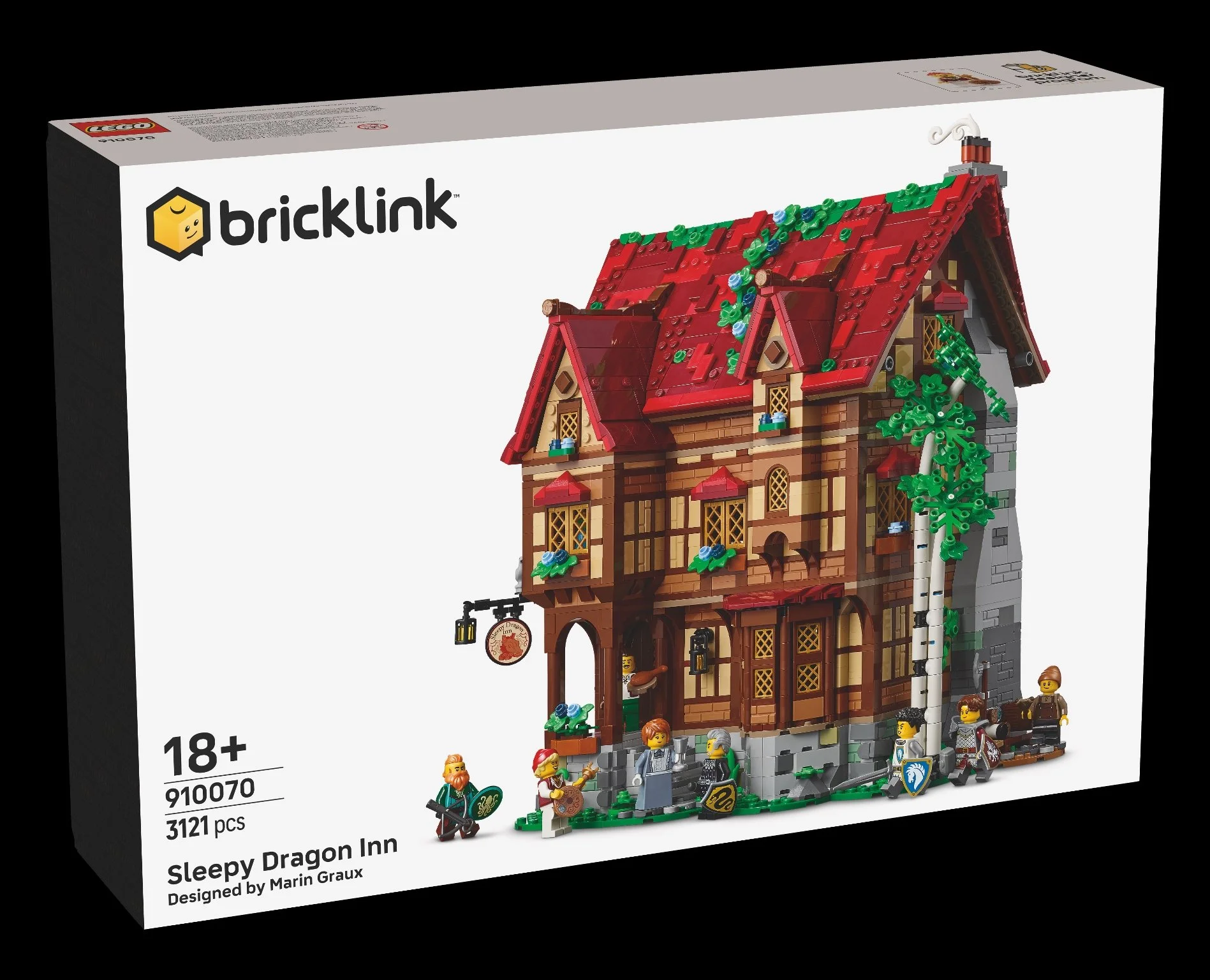
BrickLink 910070 Sleepy Dragon Inn costs $270 US andis available for pre-orders through October 12th, 2026 at 3 PM Pacific time, or once all sets sell out, with shipping expected in March 2027.
DISCLAIMER: This set was provided to BrickNerd by BrickLink. Any opinions expressed in this article are those of the author.
Which LEGO characters would you bring together for an evening at the Sleepy Dragon Inn? Let us know in the comments below!
Do you want to help BrickNerd continue publishing articles like this one? Become a top patron like Paige Mueller, Rob Klingberg from Brickstuff, John & Joshua Hanlon from Beyond the Brick, Megan Lum, Andy Price, Lukas Kurth from StoneWars, Wayne Tyler, Dan Church, Roxanne Baxter, and Marci Hollingsworth to show your support, get early access, exclusive swag and more.