What LEGO Ideas La Catrina Means to Me as a Mexican
/Today’s guest article comes from Dulce Gomez, a LEGO fan and builder based near Guadalajara, Mexico, who shares her perspective on the cultural significance of La Catrina.
A Personal Connection
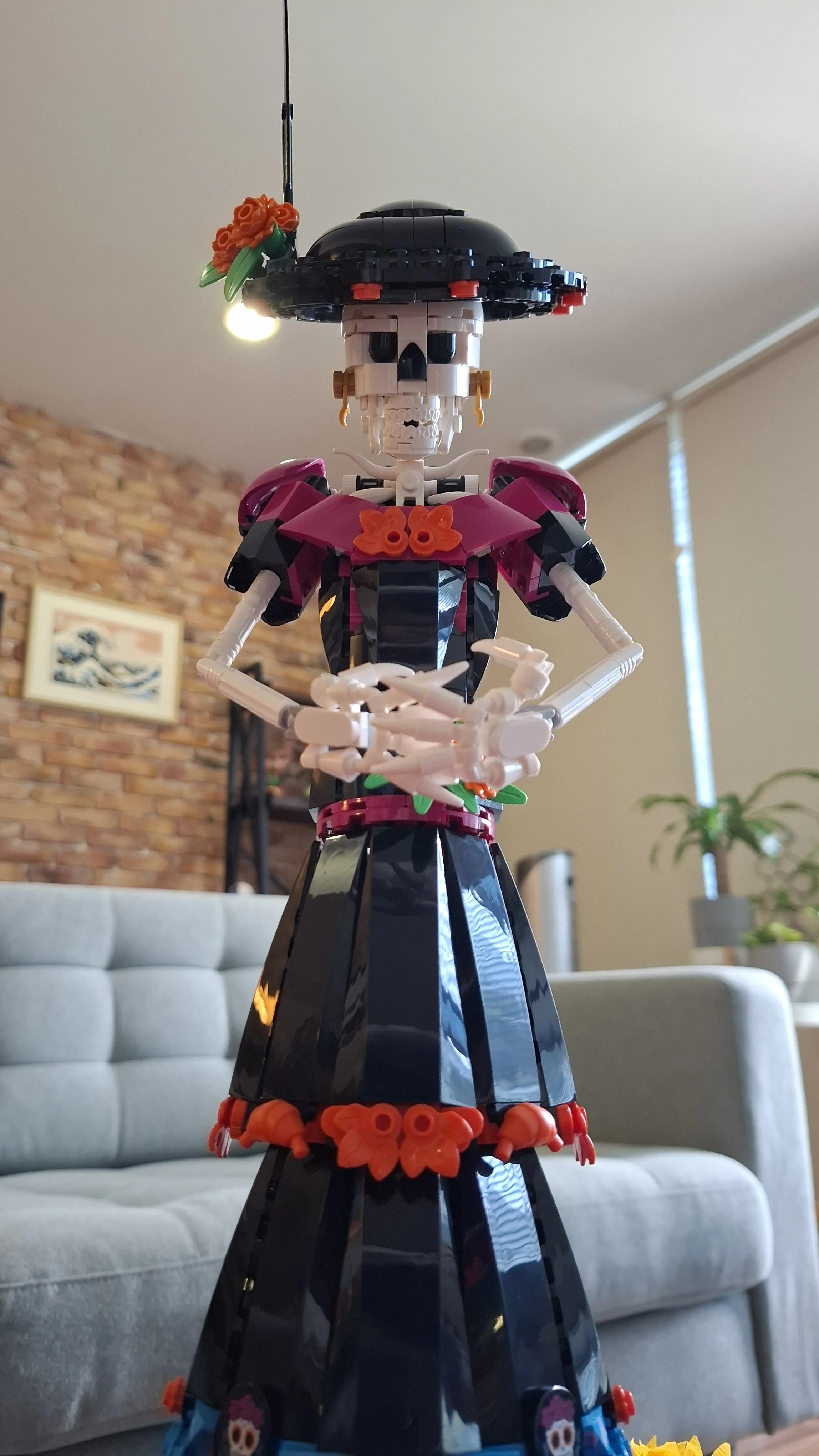
Building LEGO Ideas 21372 La Catrina felt different from any other LEGO model I’ve built. Like any LEGO fan, I enjoyed seeing the model come together, but something else kept catching my attention.
The cempasúchil flowers, the monarch butterflies, the black dress… these beautiful details are symbols I’ve recognized for as long as I can remember. And seeing them recreated in LEGO was something I never expected.
As the model came together, I realized I was building a symbol that has always filled me with pride as a Mexican. It also made me wonder how many people around the world recognize La Catrina by her image, but maybe don’t know the story behind her. That’s a story worth telling.
Celebrating Mexican Culture
After the set arrived and I started building, there were plenty of moments where I stopped just to admire a detail. The shape of the skull, the contrast of colors, and all the decorations all came together in a way that immediately felt familiar. It never felt like the decorations were there just to make the model look pretty. It felt like the designers understood what they were trying to represent.
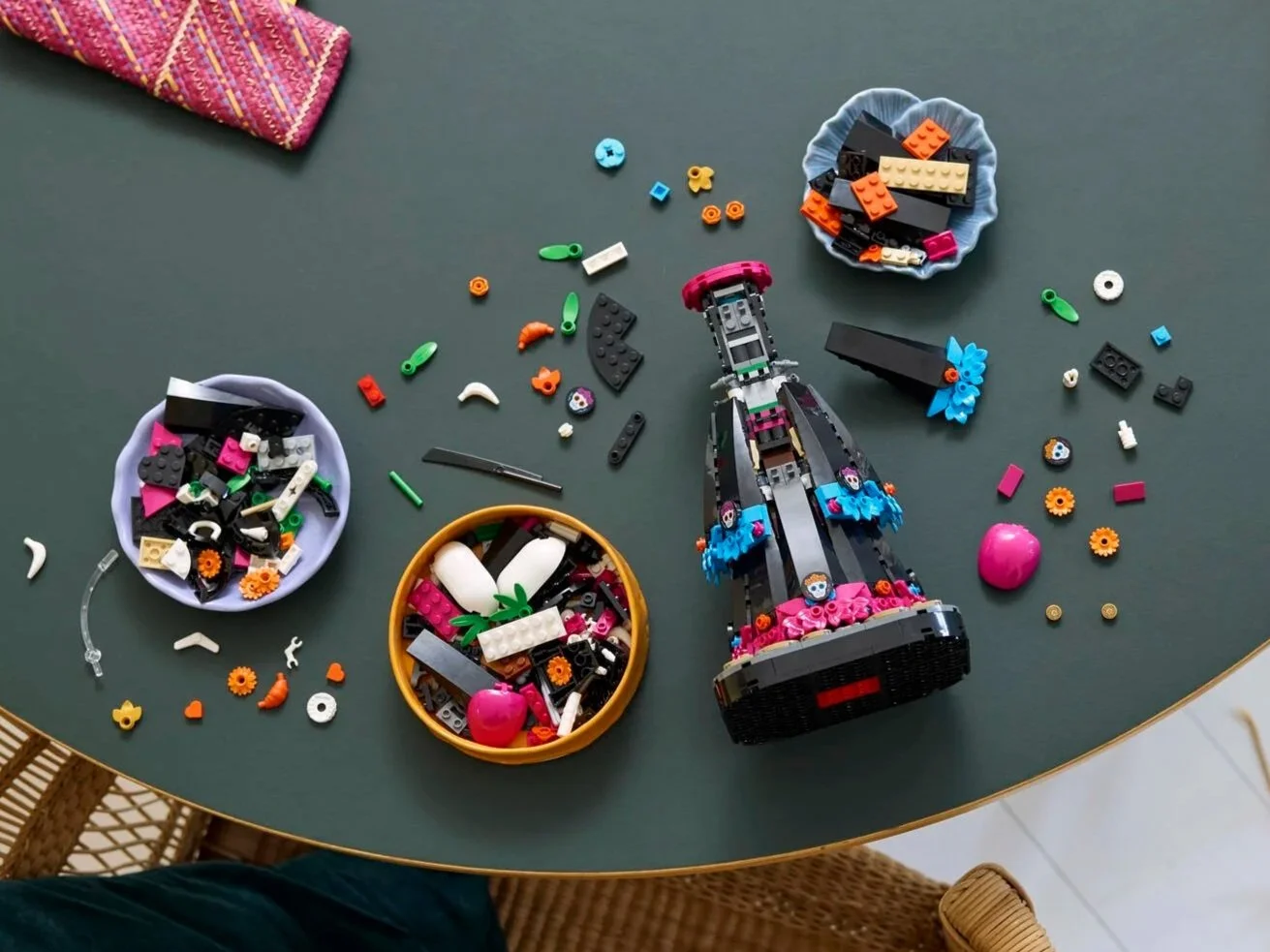
That’s what impressed me most about this set. It’s a beautiful display model that celebrates something deeply connected to Mexican identity. La Catrina represents our roots, our history, and a uniquely Mexican way of embracing life, honoring death, and remembering the people we love.
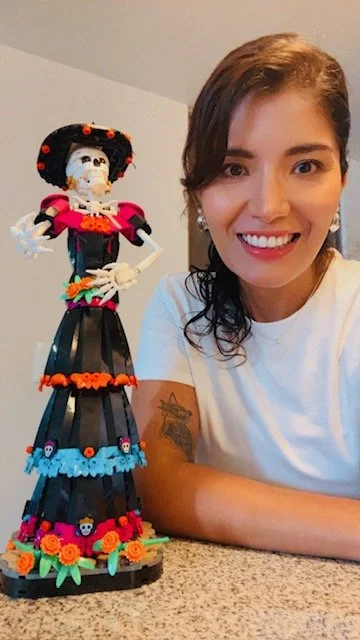
I've always loved that LEGO can introduce people to places, traditions, and stories they may not know much about. Similarly, I hope this set encourages people to learn more about La Catrina—not just as an iconic figure but as part of a tradition that means so much to so many families in Mexico.
Before I talk more about the set itself, it helps to understand where La Catrina came from and why she has become a symbol of Mexican culture.
The Origins of La Catrina
La Catrina is one of the most recognizable figures in Mexican folklore. Many people outside Mexico recognize La Catrina, but fewer know where she came from. Although she has become a symbol of Día de Muertos (Day of the Dead), her story actually began as political satire.
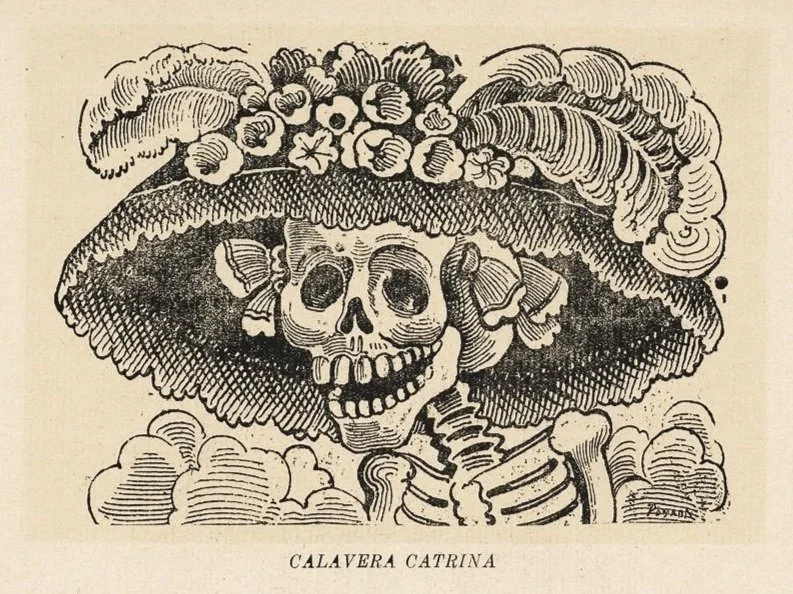
La Calavera Catrina via Wikipedia
In 1912, Mexican illustrator José Guadalupe Posada created an engraving of a smiling skull wearing an elaborate European-style hat. He called her La Calavera Garbancera (translated as Chickpea Skull), using the image to criticize people who rejected their Indigenous roots and tried to imitate European fashions and social customs. Posada described her as “all bones, with a French hat and ostrich feathers.”
She wasn’t wearing the dress we associate with La Catrina today—only the extravagant hat. That contrast was exactly Posada’s point. His message was that no amount of wealth, status, or fashionable clothing could change the fact that death makes us all equal. With that one drawing, Posada criticized inequality while reminding us that death treats everyone the same.
More than three decades later, muralist Diego Rivera transformed Posada’s sketch into the woman we know today. In his famous mural Dream of a Sunday Afternoon in the Alameda Central, Rivera gave her a full dress, her now-famous appearance, and the name La Catrina. Over time, she evolved from a pointed political statement into one of Mexico’s most recognizable cultural icons.
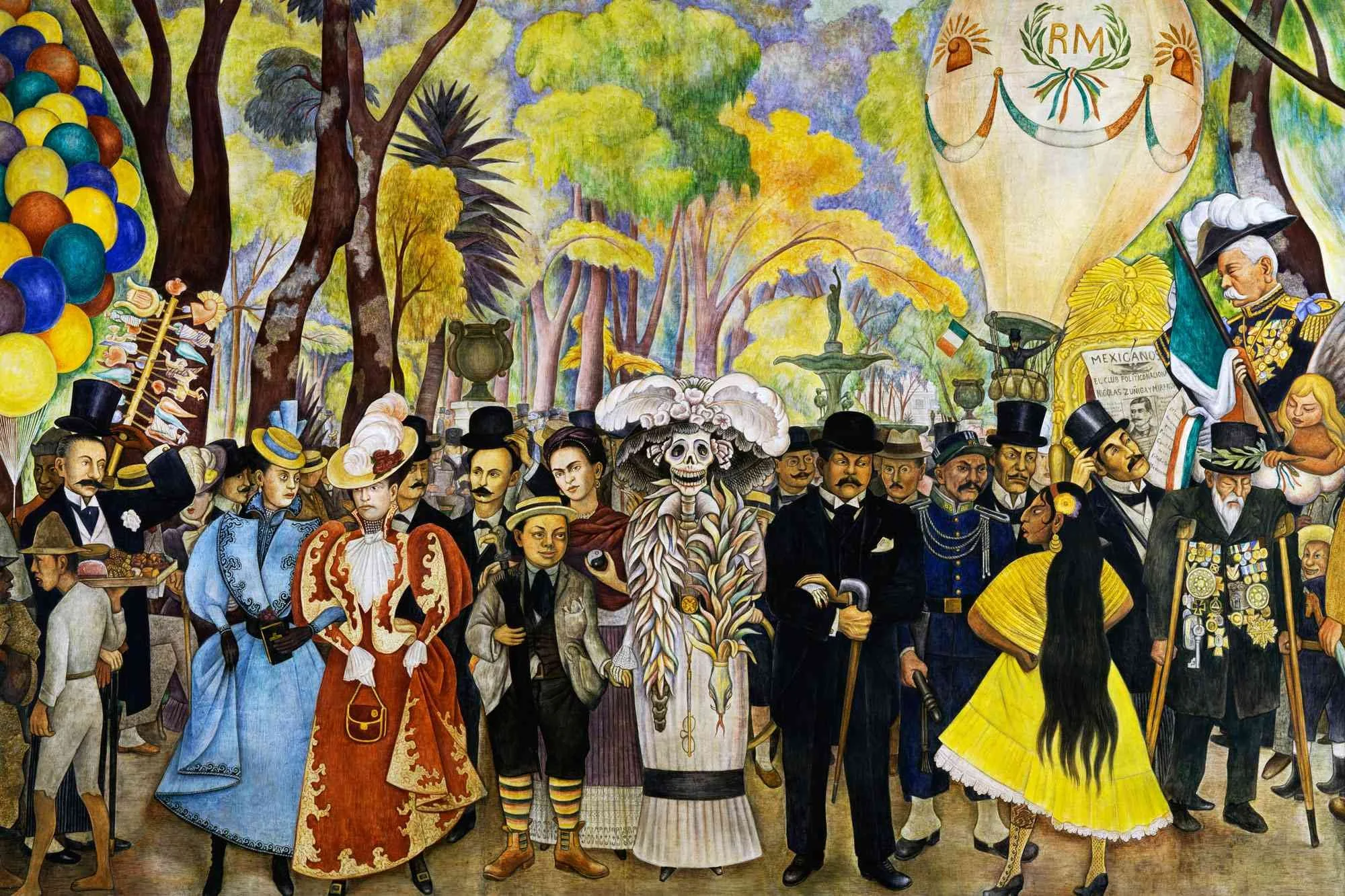
Diego Rivera christened the character La Calaveras Catrina in his 1948 work Sueño de una tarde dominical en la Alameda Central (Dream of a Sunday afternoon along Central Alameda). Via People
Today, La Catrina is closely associated with Día de Muertos, but she is only one part of a much older tradition. Día de Muertos itself has Indigenous roots that stretch back centuries before Posada’s illustration. For many families, La Catrina serves as a reminder that death is part of life and that remembering those who came before us is an act of love. During Día de Muertos, our families share stories, favorite foods, music, and memories with those who are no longer physically with us. It’s a celebration of life, family, and remembrance, not death.
Understanding La Catrina Through LEGO
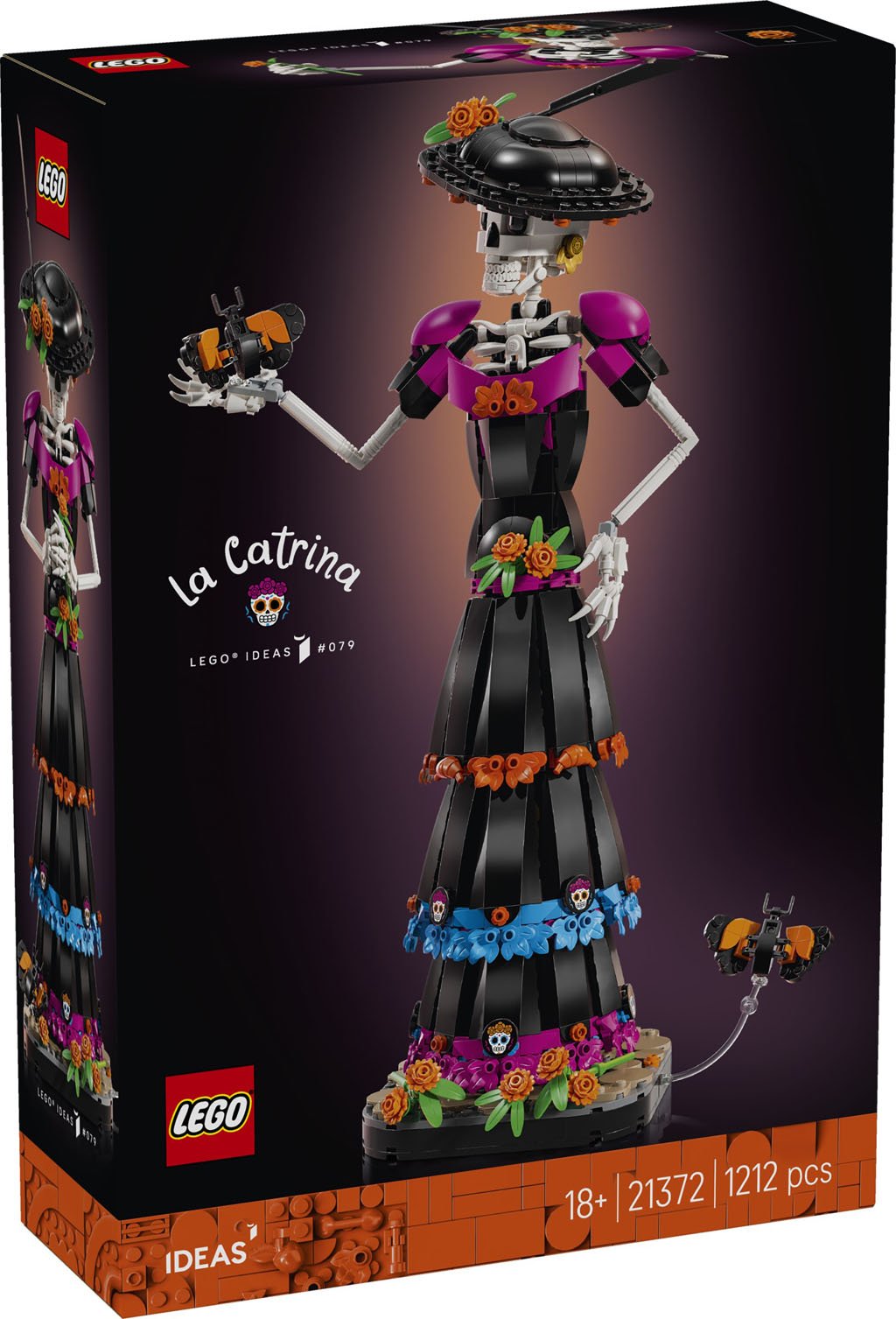
What stands out to me most about this set is that it doesn’t just recreate La Catrina’s appearance. It includes many of the symbols that make La Catrina instantly recognizable in Mexico and that tell a much deeper story. For us, La Catrina is a reminder that social position, origin, and wealth do not change our shared destiny. She reflects equality in the face of death while also honoring the memory of loved ones who have passed away.
As I said above, La Catrina’s presence is especially meaningful during Día de Muertos, celebrated on November 2. During Día de Muertos, families gather around ofrendas decorated with photographs, candles, and flowers, sharing stories and celebrating the lives of those they miss. In 2008, UNESCO recognized Día de Muertos as an Intangible Cultural Heritage of Humanity, acknowledging its importance not only to Mexico, but to the world’s cultural heritage.
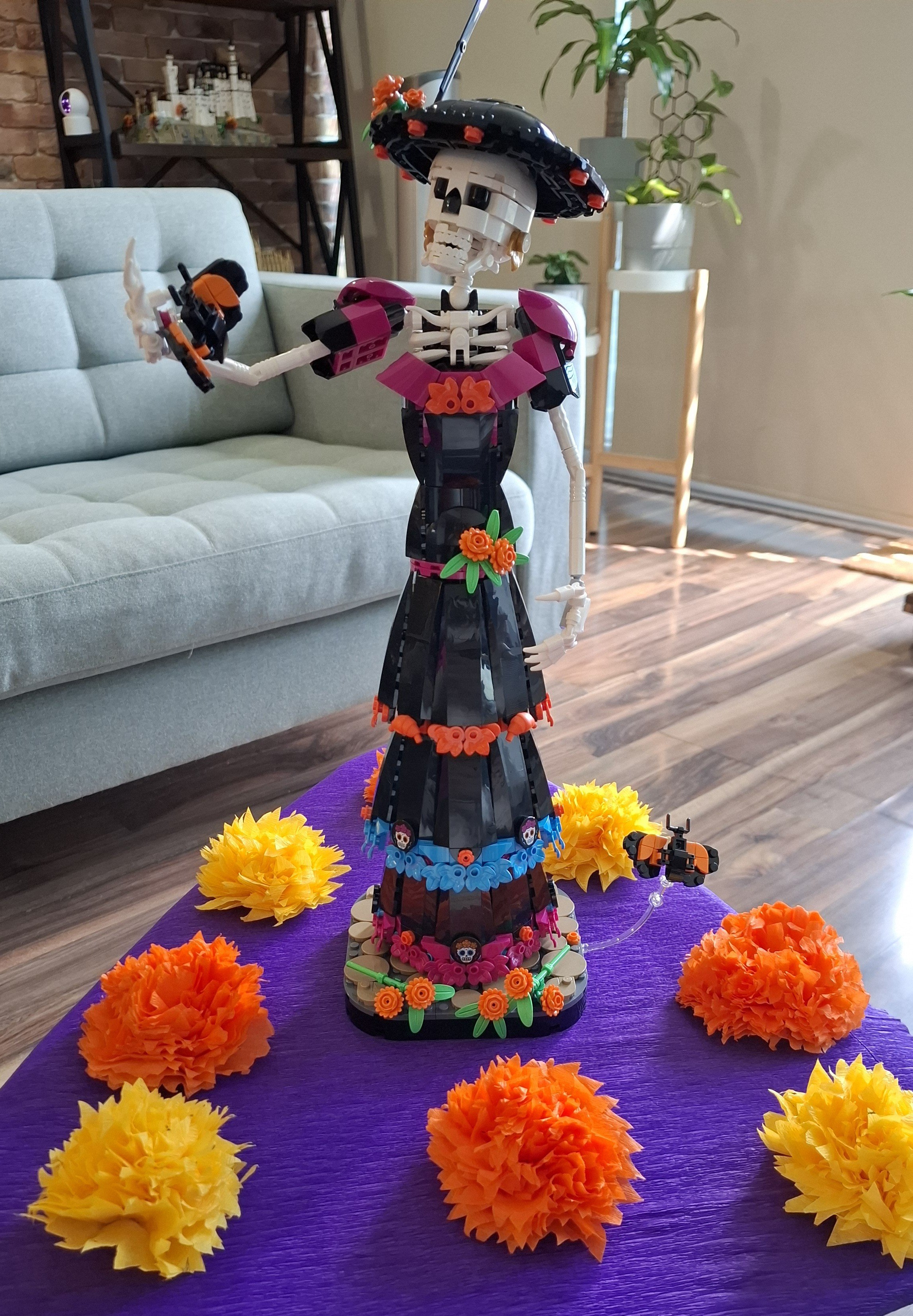
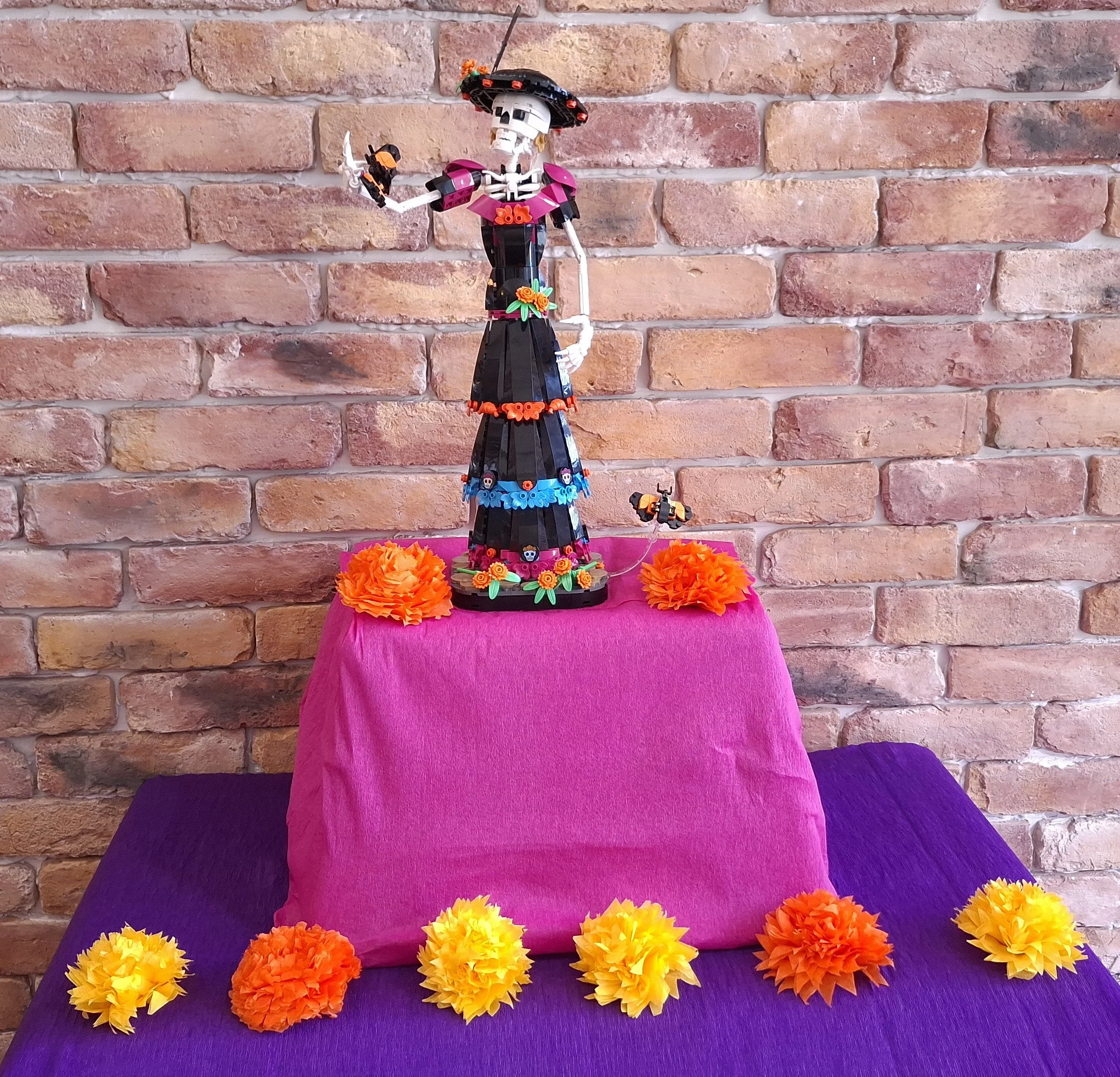
That spirit is reflected throughout this LEGO set. Almost every part of the model reminded me of something I grew up with. Let me explain some of the symbolism behind the details:
The bright cempasúchil flowers (marigolds) traditionally guide the souls of loved ones home, while the monarch butterflies remind many Mexicans of their return each autumn as loved ones also return. The long black dress represents mystery, mourning, night, and death, while the colorful sugar skull decorations reflect a colorful and creative vision of death. The vibrant Mexican pink color symbolizes celebration and the eternal love preserved through memory. Even the oversized hat and ostrich feather create a visual contrast between life and death.
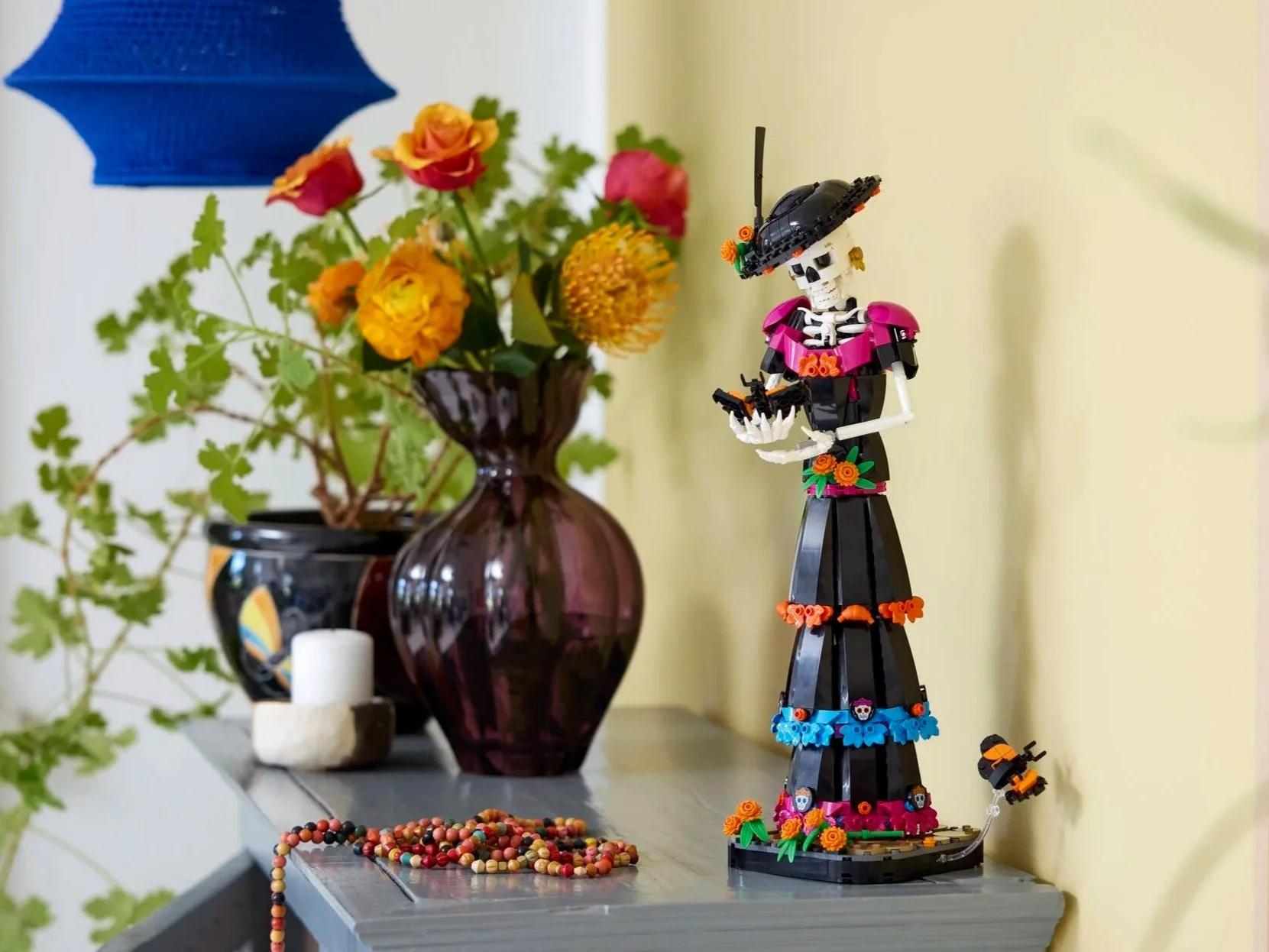
Looking at the finished set, I don’t just see a LEGO model of La Catrina. I see traditions, memories, and symbols. As someone who grew up with these traditions, that’s what makes this set feel so special to me.
A Meaningful Model of Mexican Heritage
Before building this set, I wondered how many people recognized La Catrina without knowing the story behind her. After finishing it, I hope a few more people do.
LEGO could have chosen any number of subjects for a display model, but La Catrina carries a story that extends far beyond her elegant appearance. She represents equality, remembrance, and a uniquely Mexican way of celebrating the people we love. For many people outside Mexico, this may be the first time they really learn who La Catrina is.
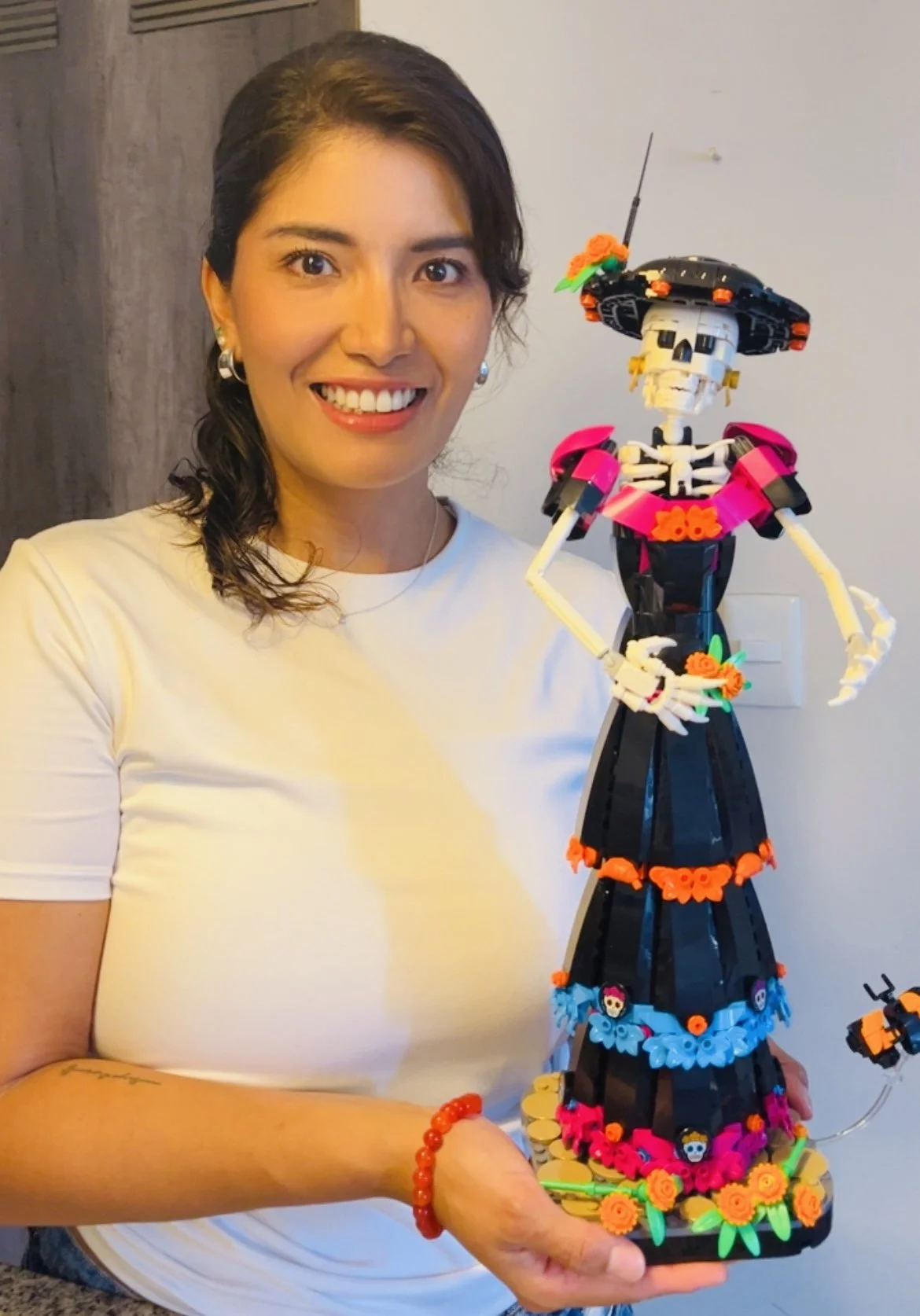
I want to recognize the fan designer and LEGO Ideas design team—Miguel Medina, Jim Clayton, Melody Flores, and Jordan David Scott. The attention they paid to the cultural details shows throughout the model, and I think it honors what La Catrina represents to our community.
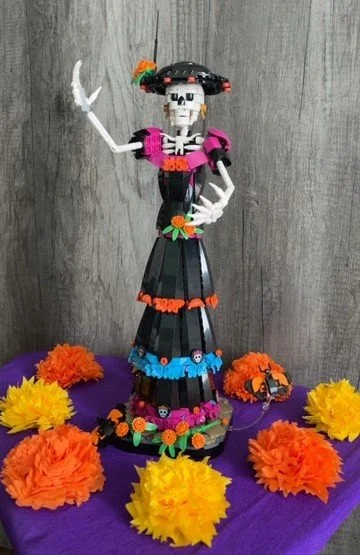
As a Mexican, that means a great deal to me. Building this set gave me the chance to share a tradition that has always been part of my life with people around the world. If this model inspires someone to learn a little more about La Catrina, Día de Muertos, or our Mexican culture, then it has accomplished something far greater than becoming another LEGO Ideas set to collect.
What LEGO set has taught you something new about another culture? Let us know in the comments below!
Do you want to help BrickNerd continue publishing articles like this one? Become a top patron like Paige Mueller, Rob Klingberg from Brickstuff, John & Joshua Hanlon from Beyond the Brick, Megan Lum, Andy Price, Lukas Kurth from StoneWars, Wayne Tyler, Dan Church, Roxanne Baxter, and Marci Hollingsworth to show your support, get early access, exclusive swag and more.