The Evolution of Jerac: From Starfighters to Abstract Art
/If you’ve been keeping an eye on the AFOL scene at all over the last decade, chances are you’ve encountered the work of Jerac. I’ve been following Jerac for a number of years and have found myself increasingly invested in his MOCing journey. His builds frequently feel fresh and unique with artistic themes that truly resonate with the viewer, and when he released his “Abstract Thoughts” series of builds last year, I just knew I had to reach out and learn more about the mind behind the MOCs.
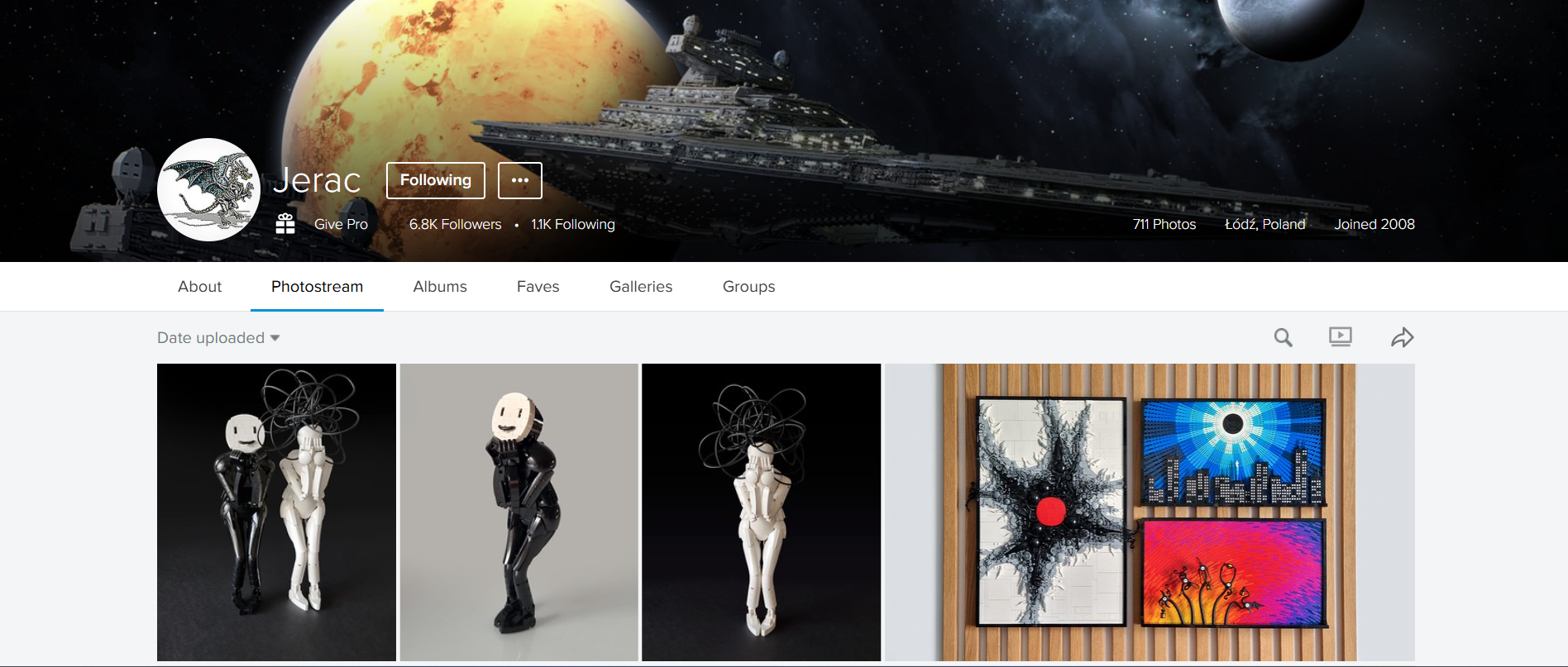
He was kind enough to chat and answer some questions for me, as well as share some exclusive behind-the-scenes photos demonstrating his design process! Read on to learn more about one of the boldest voices in the MOCing scene right now.
Getting to Know Jerac
Caleb: Hey Jerac! It’s an honor to talk to you on behalf of BrickNerd. Can you introduce yourself to our readers?
Jerac: Hello! I’m from Poland and work as a software engineer, most recently in game development.
Caleb: Can you walk us through your journey with LEGO bricks and why LEGO appeals to you as a medium?
Jerac: I got my first set in the early ‘90s and haven't really stopped building my own creations since. Fun fact, I did not really like LEGO initially. Back then I was building things with my local, Polish-made brick brand. It wasn’t until I got my first large set—the M-Tron Stellar Recon Voyager—that I finally had enough pieces to build my own creations.
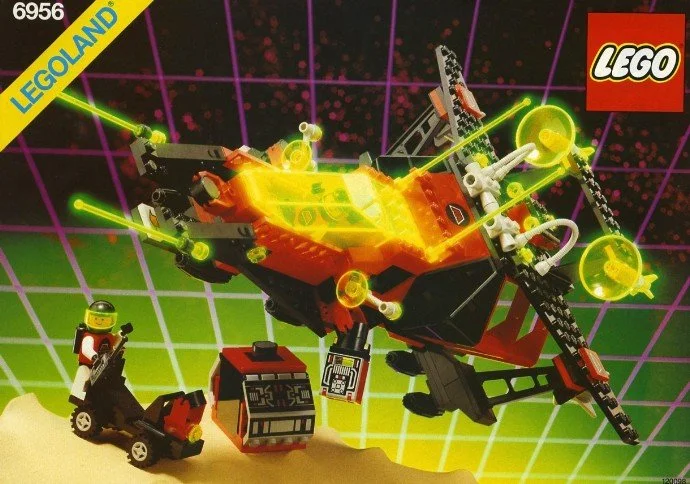
6956 Stellar recon voyager - Photo courtesy of Brickset
Initially, I was building mostly space-themed models, and somehow got the limitation in my mind that everything I build has to be solid and durable. As in, drop from about a meter high onto the floor, and if more than a few pieces fell off, it was not good enough. Breaking out of that self-imposed mind prison, along with buying my first set with my own earned money, marks the beginning of my adult fan of LEGO career.
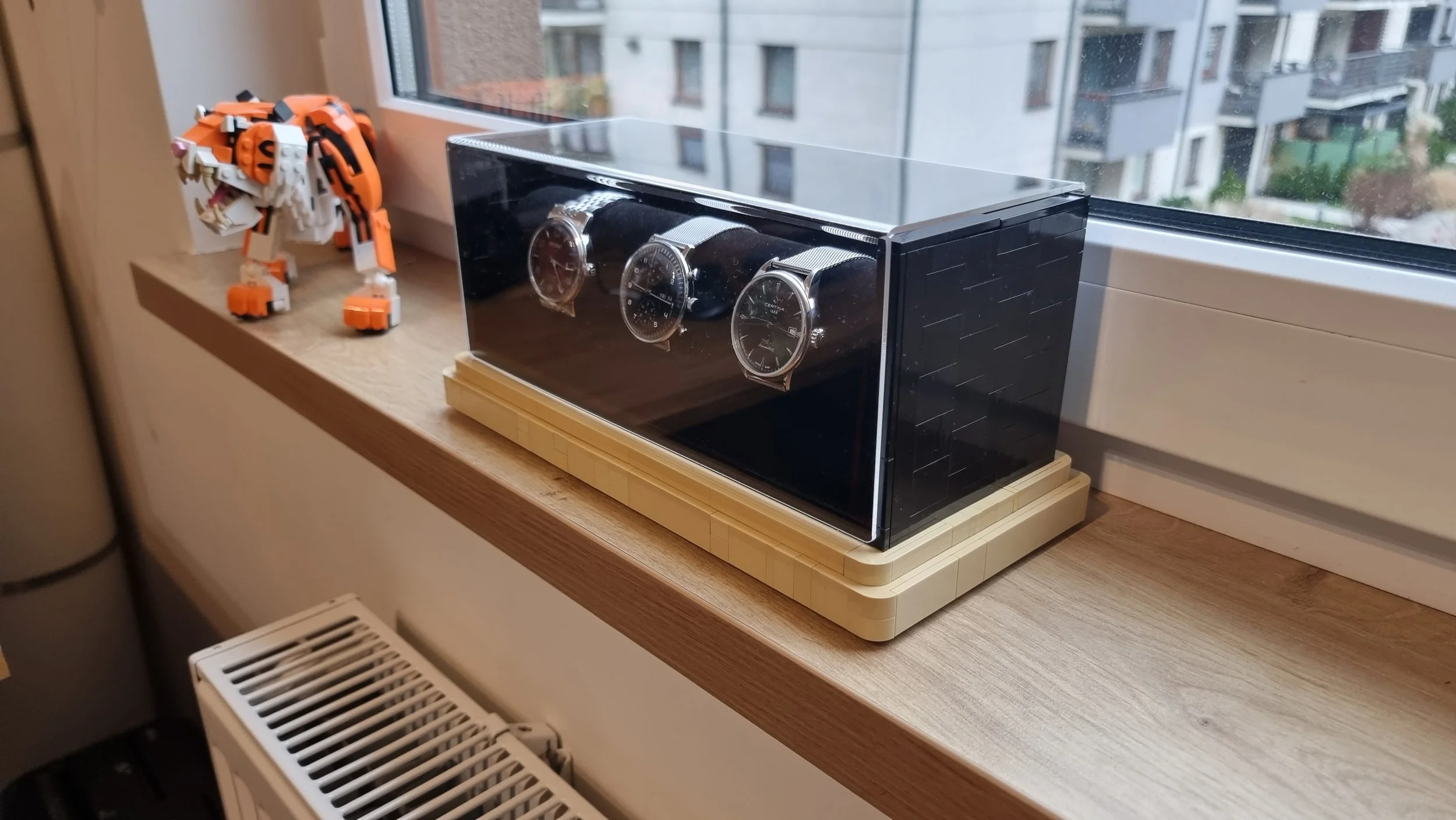
LEGO is great for visualizing concepts of virtually anything in a tangible, real-life medium. An alternative is making models with modelling kits—glue, paint, and everything—which just did not appeal to me as much as LEGO. With the bricks, I can build everything I might ever want, from cars to spaceships to human-like figures, and even 3D paintings. My last MOC? An actual watch box. A prototype covered with velvet on the inside.
LEGO as a medium also grants parts reusability. Got a model that you don’t like or want anymore? Dismantle it and use it for something else. At least that’s the premise. In my case, once I have a model I like, it is more likely to end up stored in a box somewhere than get sorted back into the pool.
Caleb: Where do you draw your inspiration from?
Jerac: Virtually anything. I’ve built spaceships, rovers, houses, buildings, characters big and large, beasts, motorized vehicles, “art” pieces, and assorted odds and ends that I can’t really classify. The way I build, inspiration-wise, changes depending on the subject. When building replicas of existing objects, that thing becomes the obvious source for inspiration.
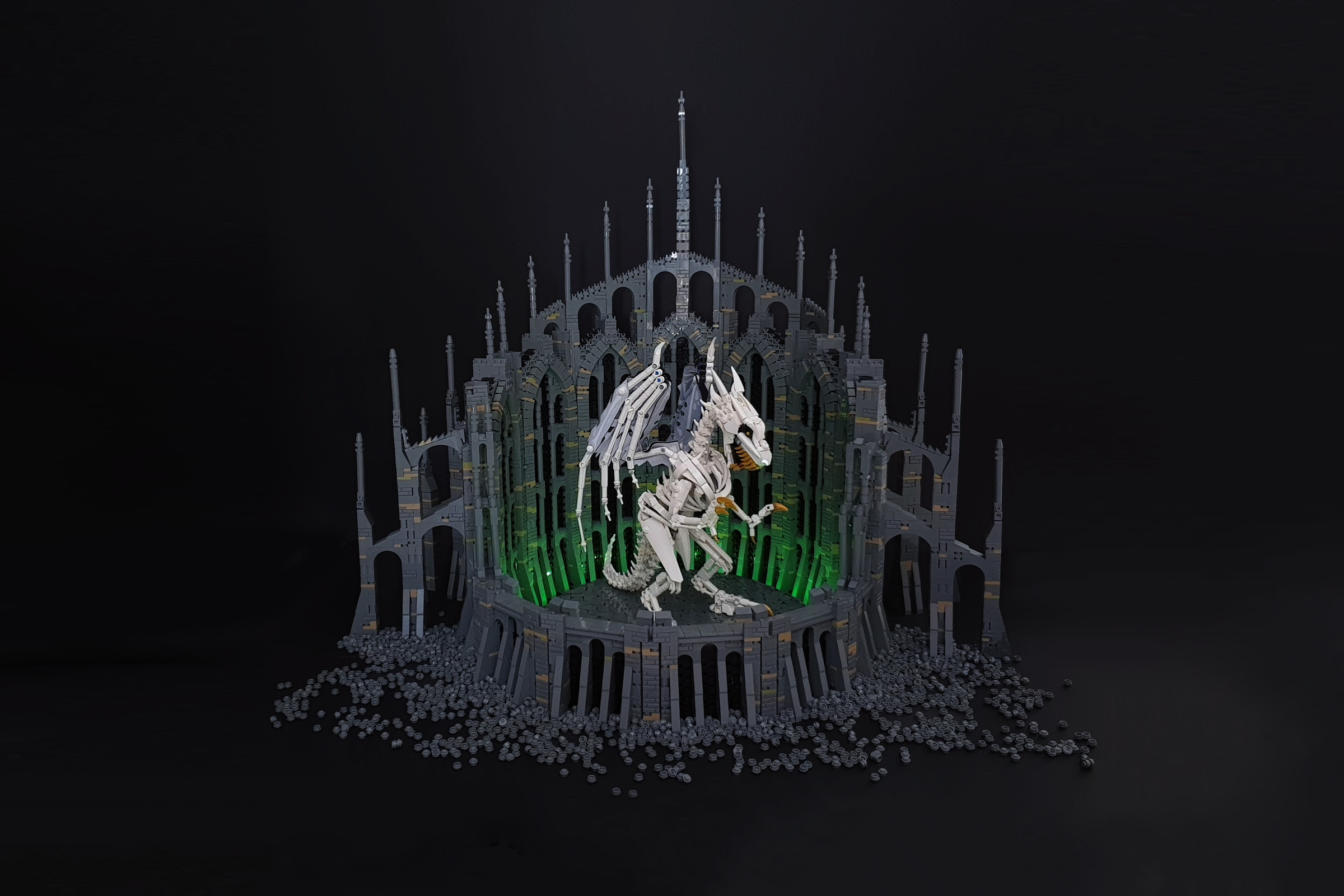
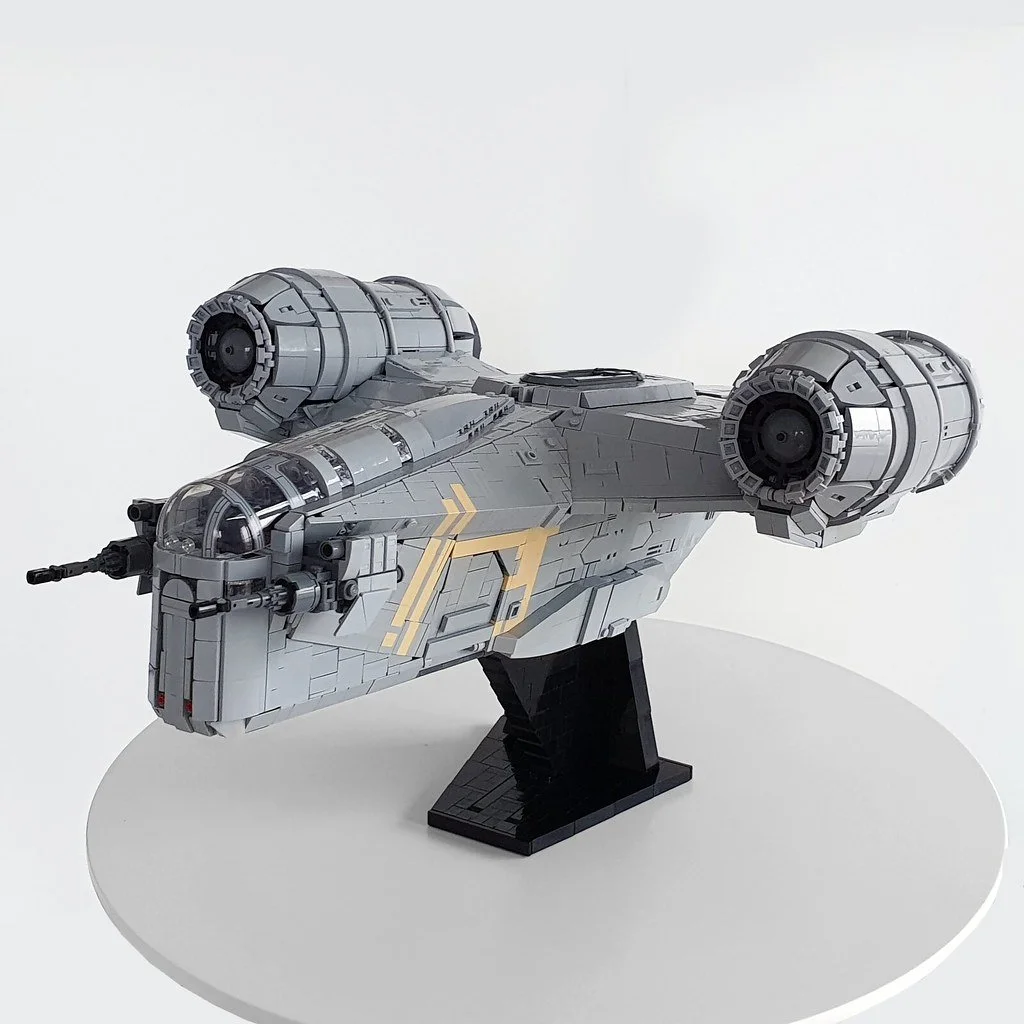
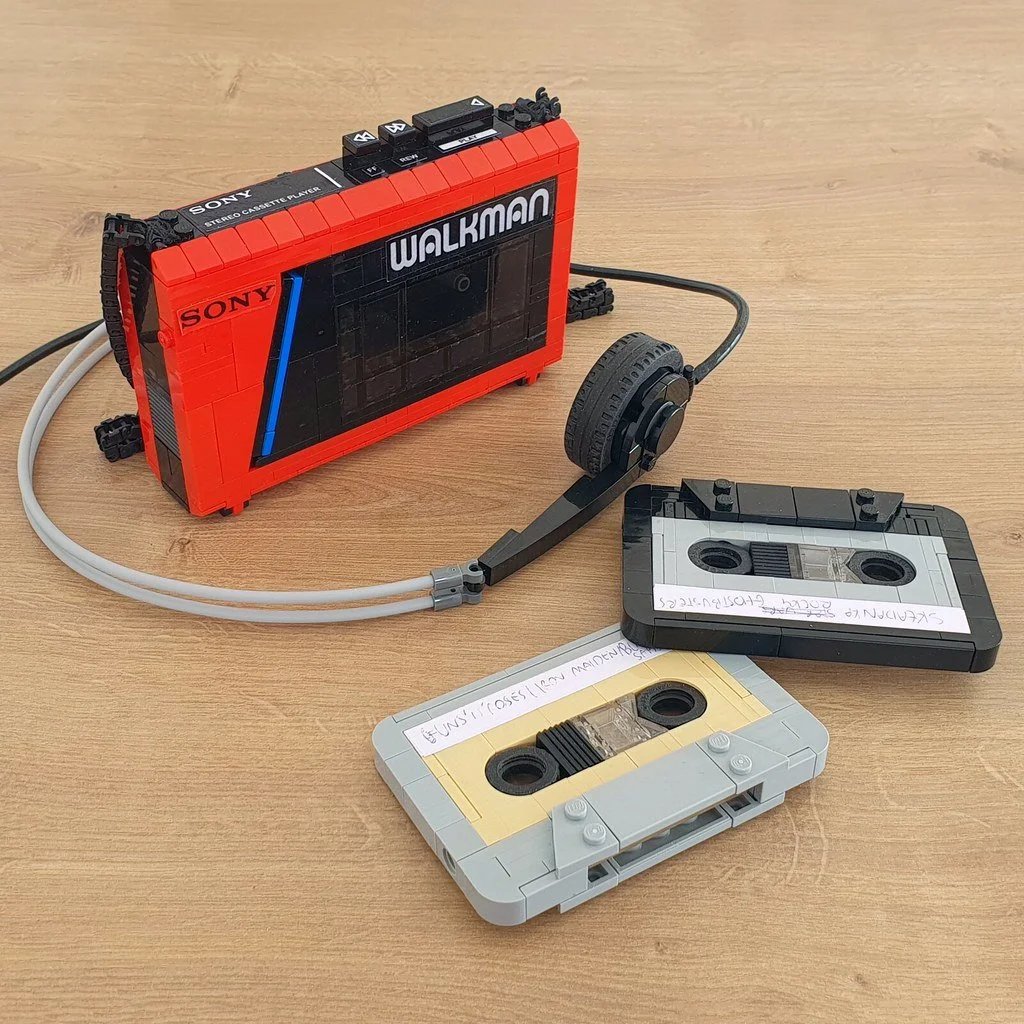
When building my own models of various objects and vehicles, I generally have a concept in mind that is influenced by designs I’ve seen elsewhere. For example, let’s say I want to build a minifig-scale spaceship. I might take Freespace Ursa, a ship from a game, and then convert it into something else. I might mix it with some other ship, or add my own elements to it, all in my mind. Or alternatively, I will have some very general idea where I want to go and build towards it, trying different approaches and techniques.
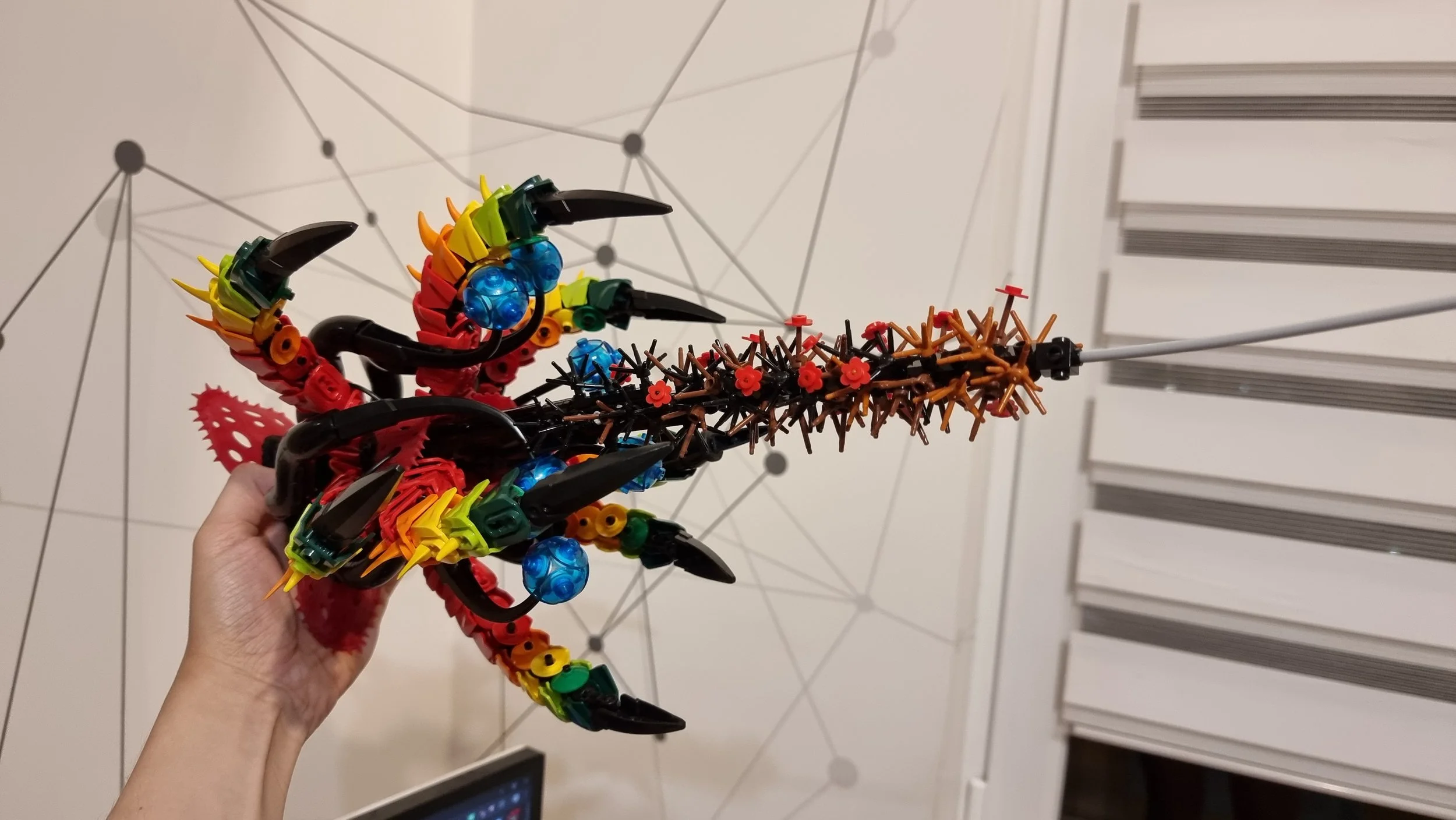
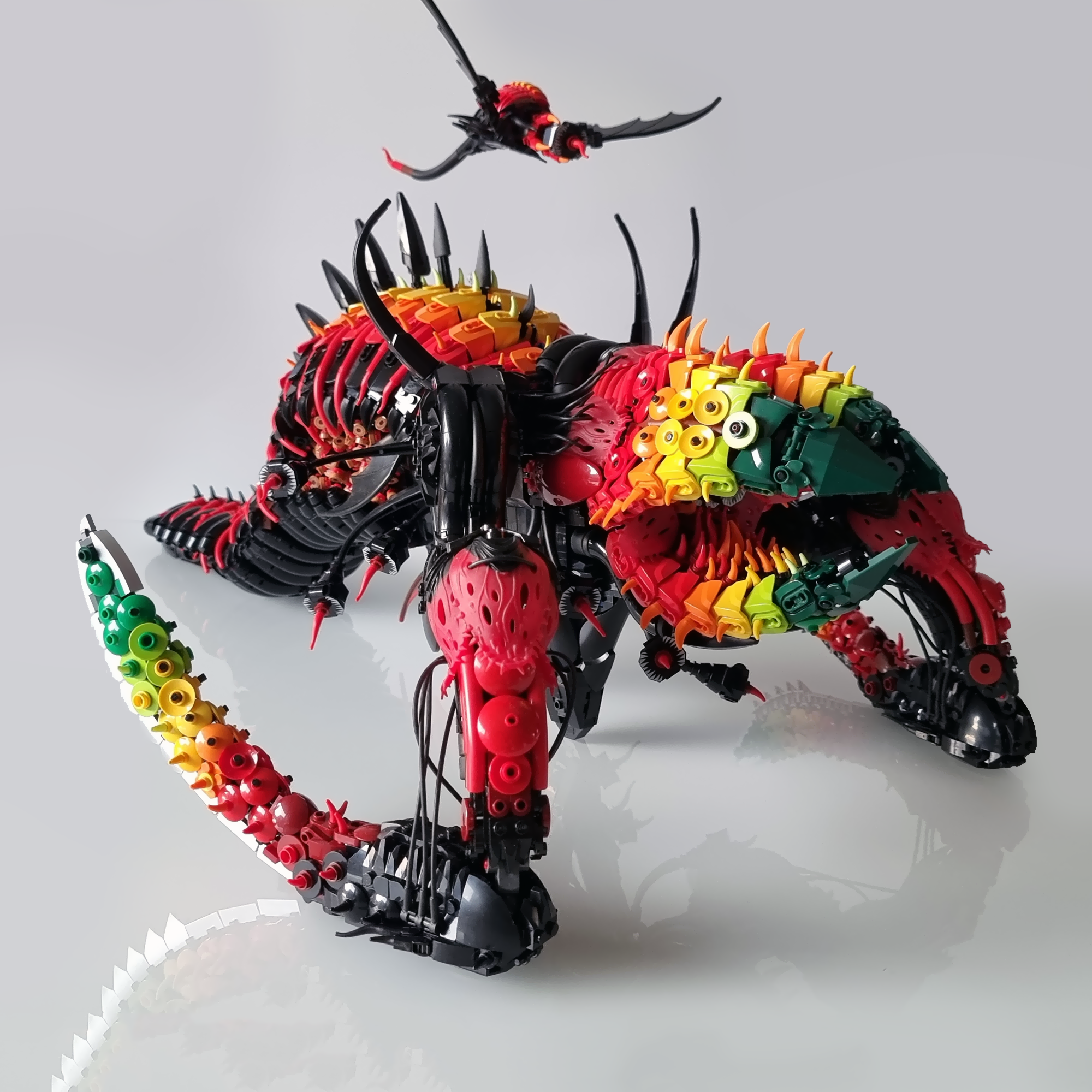
Recently, however, I have been having fun with an entirely different approach where I start building something and let the creation grow on its own, sometimes ending up being completely different from the rough original idea. The colorful beast, Yigg? I started with these tentacles made out of Hero Factory armor parts and built around that concept until I was happy. The model went through these phases:
A potted plant
An organic spaceship
A really weird spider-demogorgon mashup
That slug-like… thing it is now.


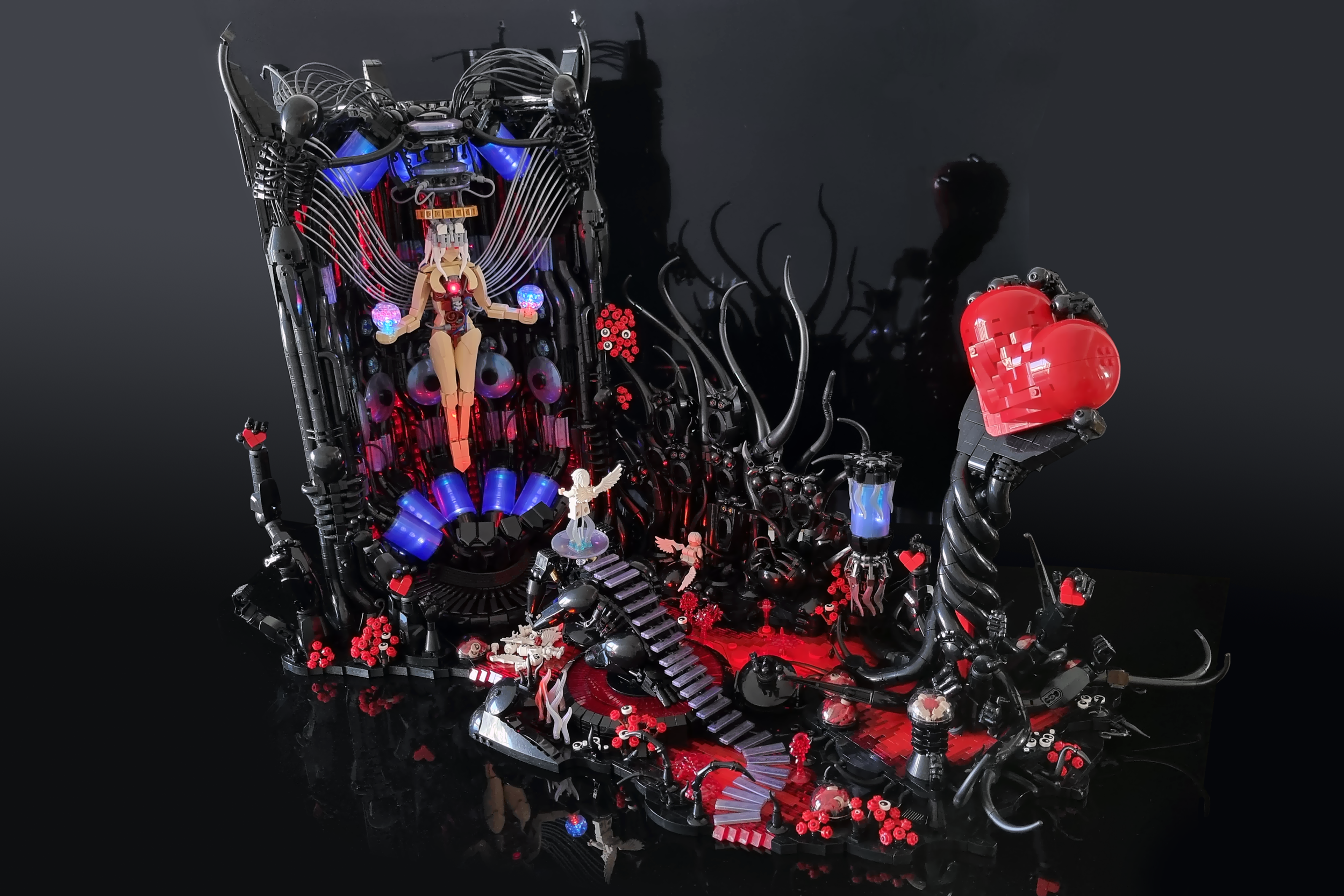
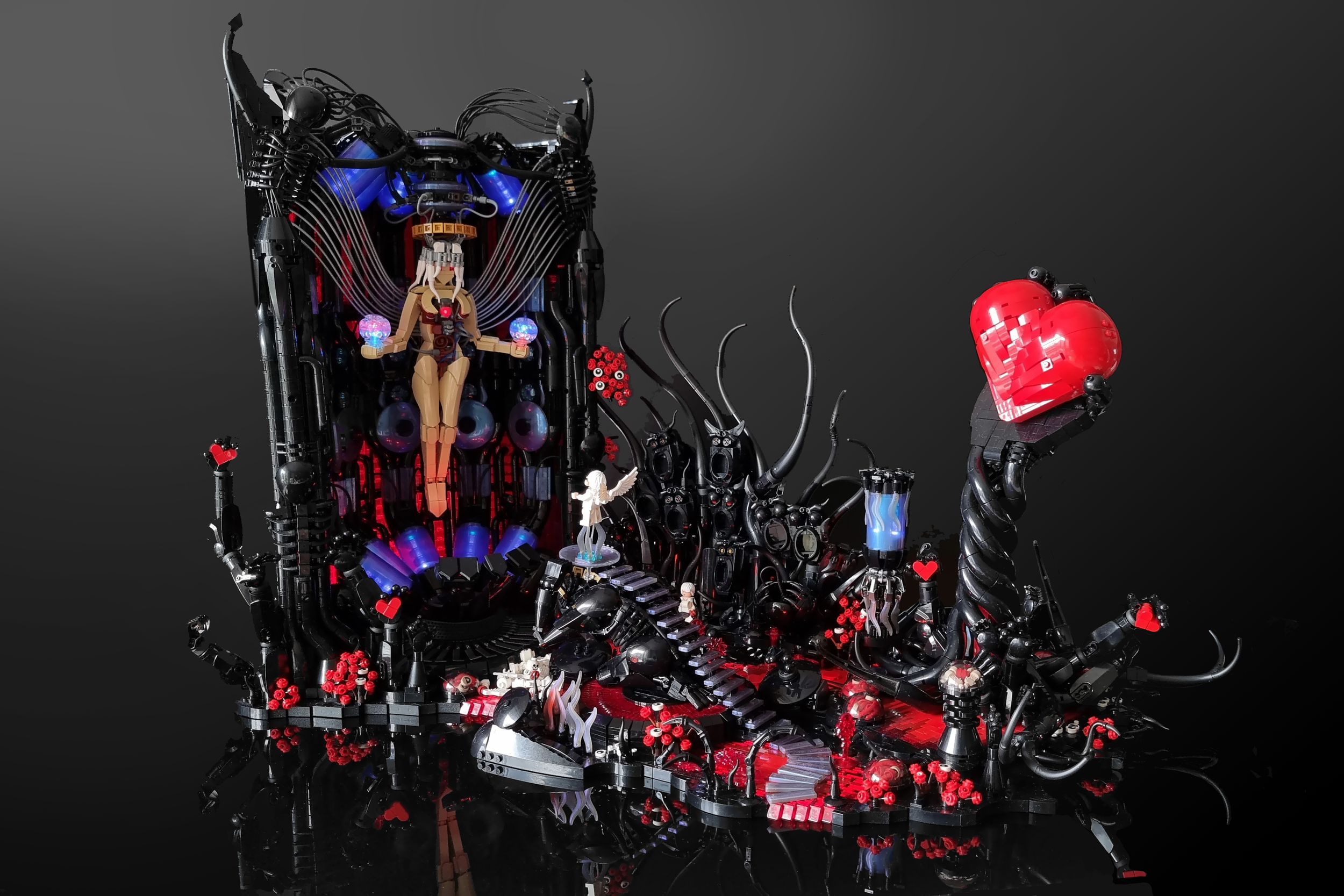
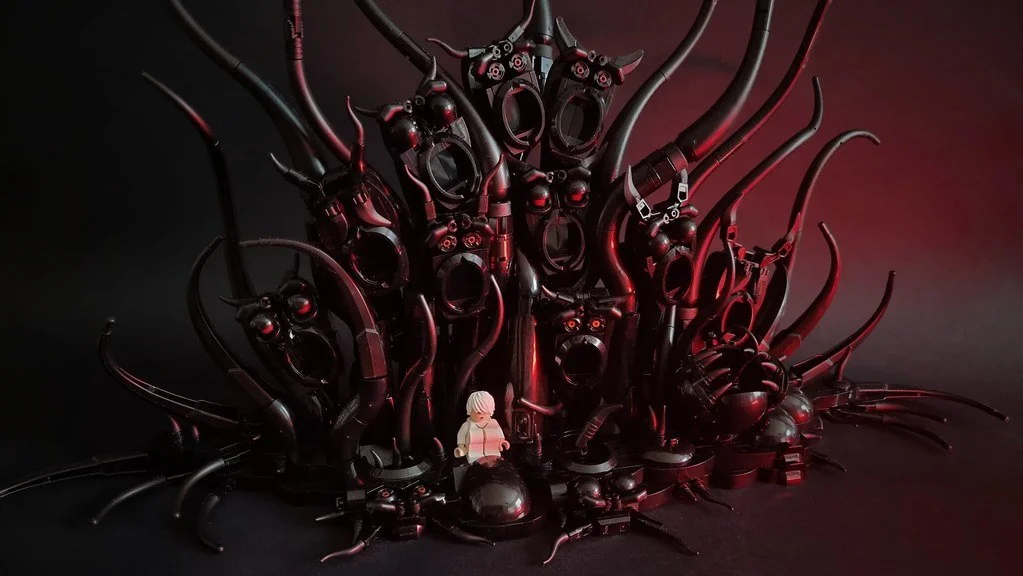
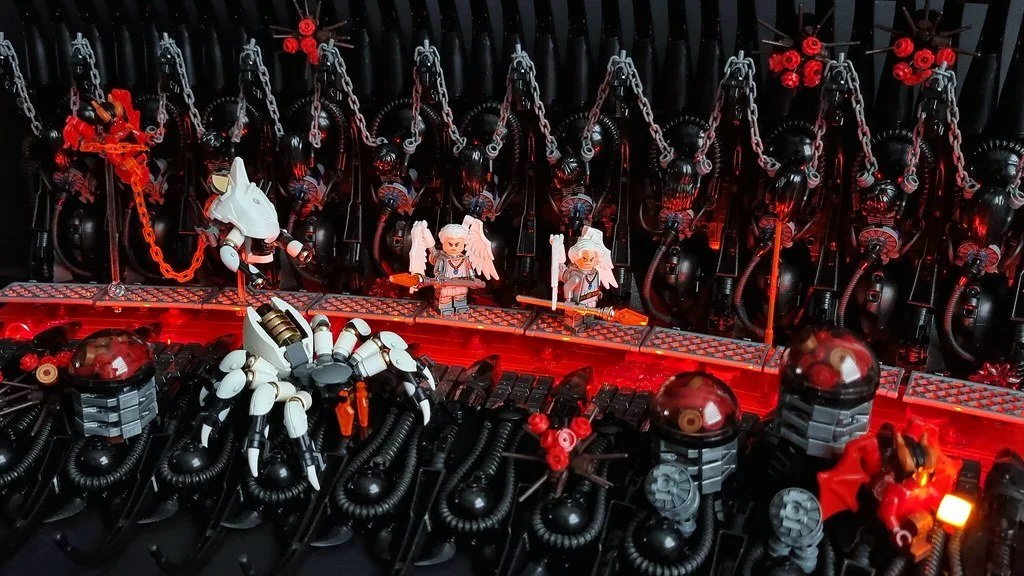
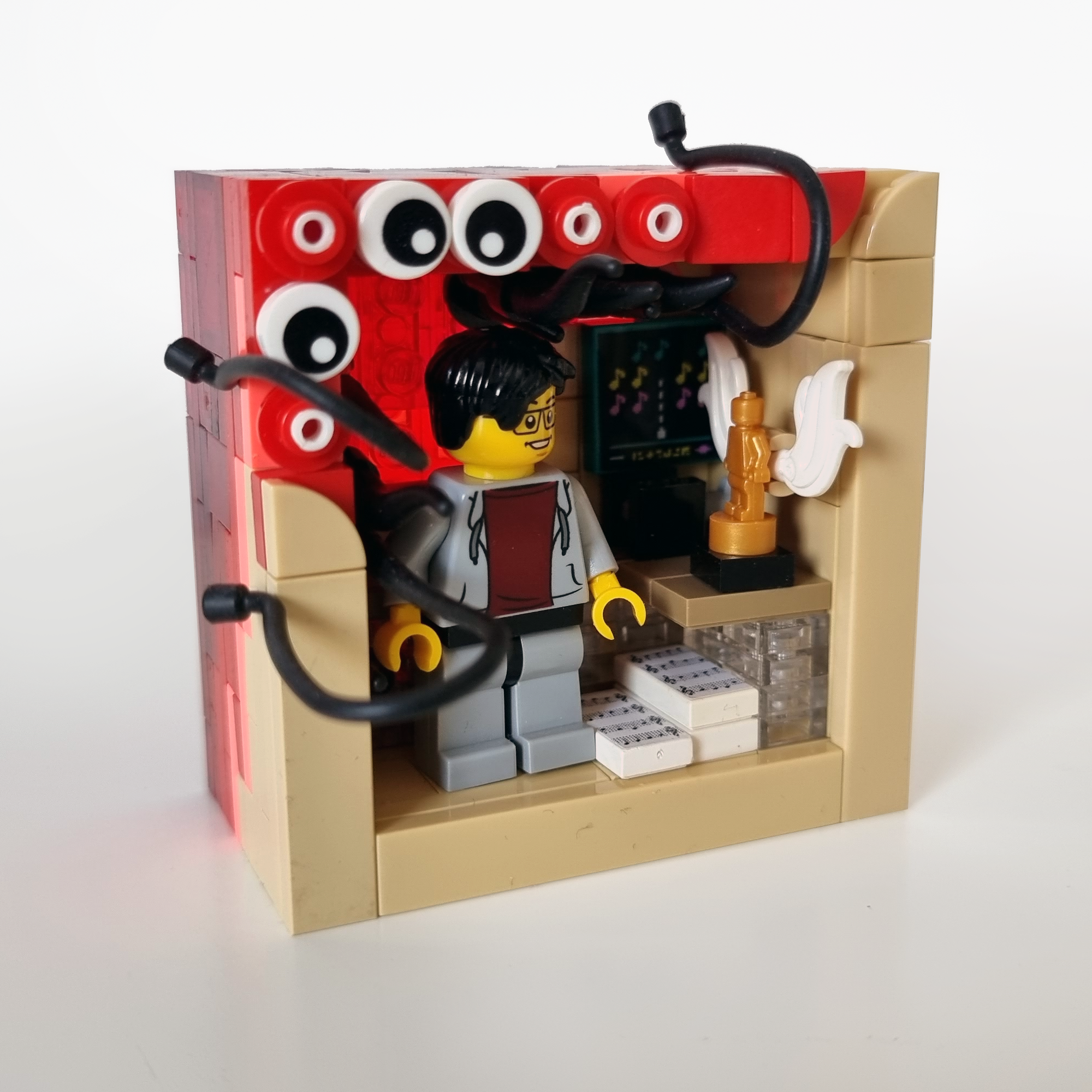
Anagnorisis diorama was even weirder. I had this general theme of organic black models going, each a complete creation in its own right, each with its own story.
A little soul among a wall of wailing faces.
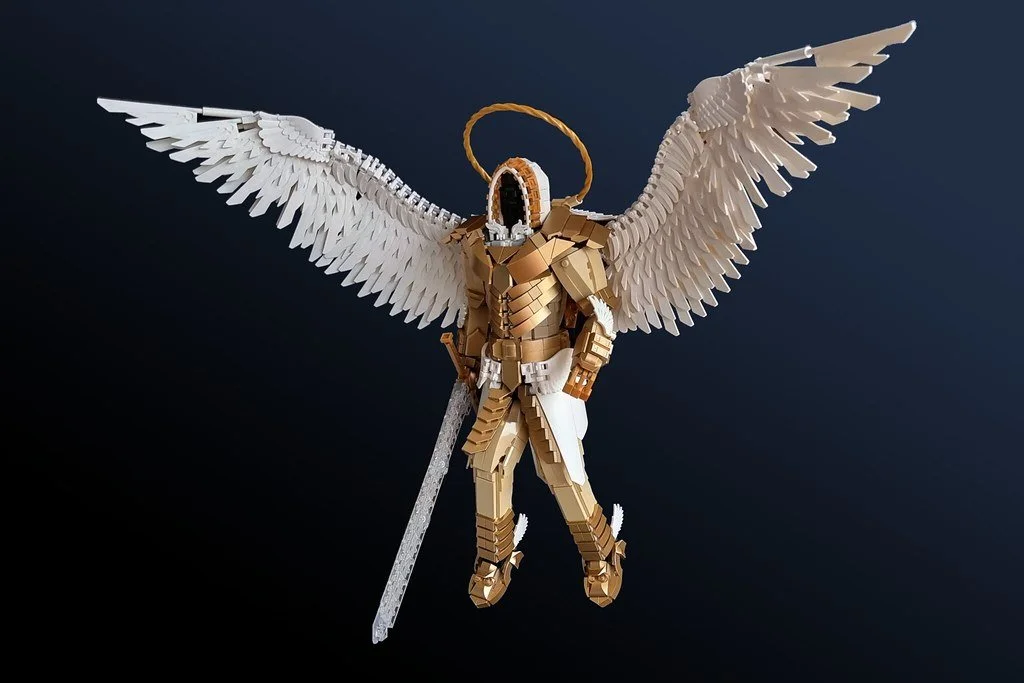
An angel ascending on top of a black, hunched humanoid.
A heart held by a black hand-tentacled creature.
A naked human serving as a form of an oracle in a biomechanical shrine.
Each of these represents a feeling, an emotion, and they somehow all had the same theme.
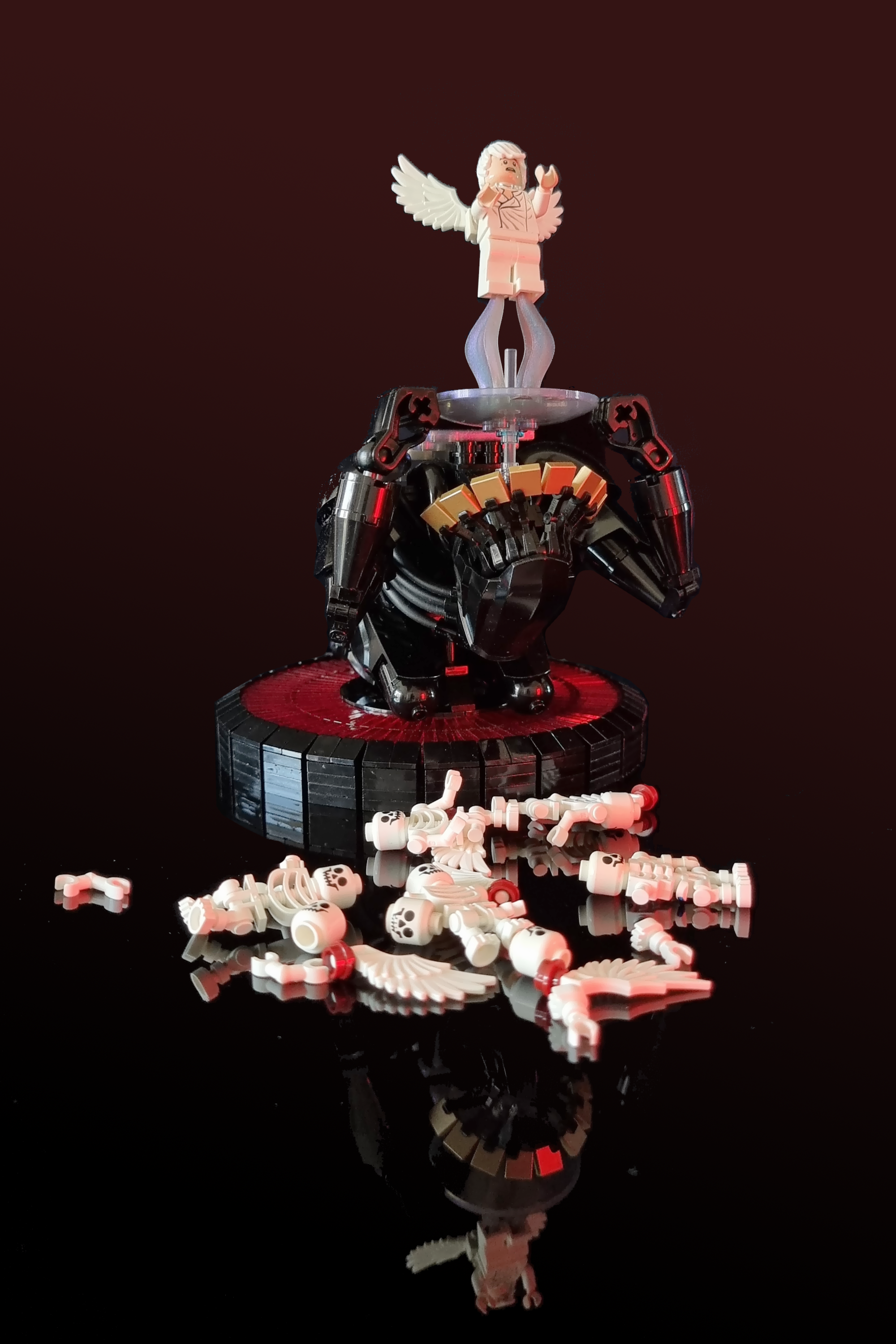
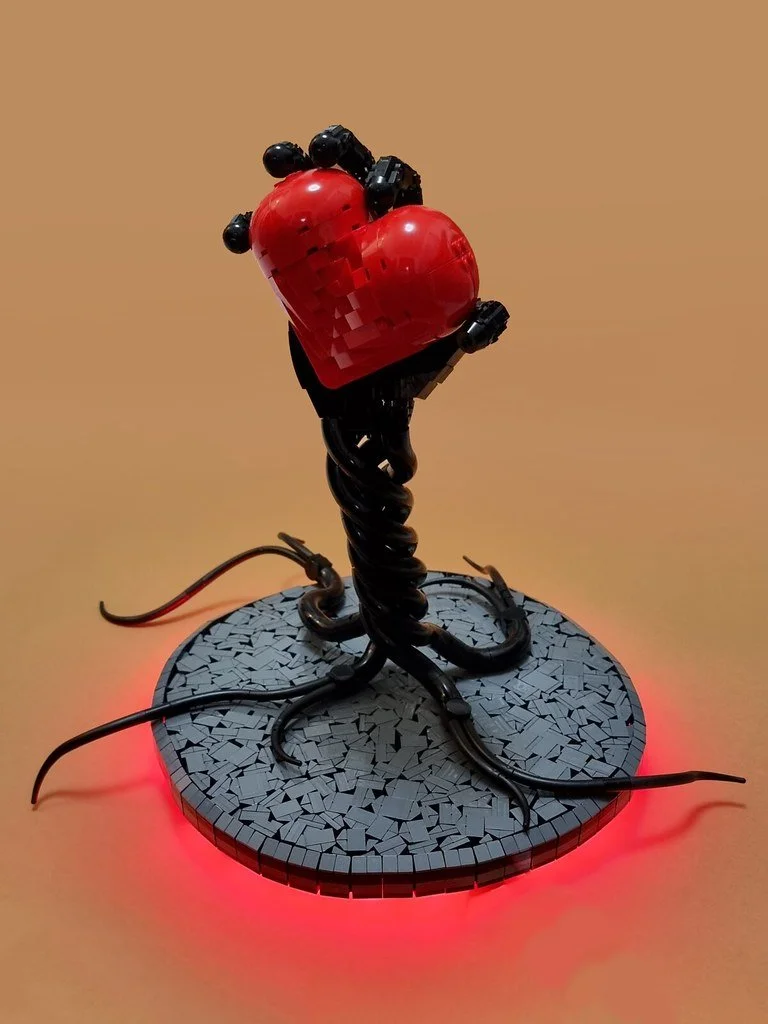
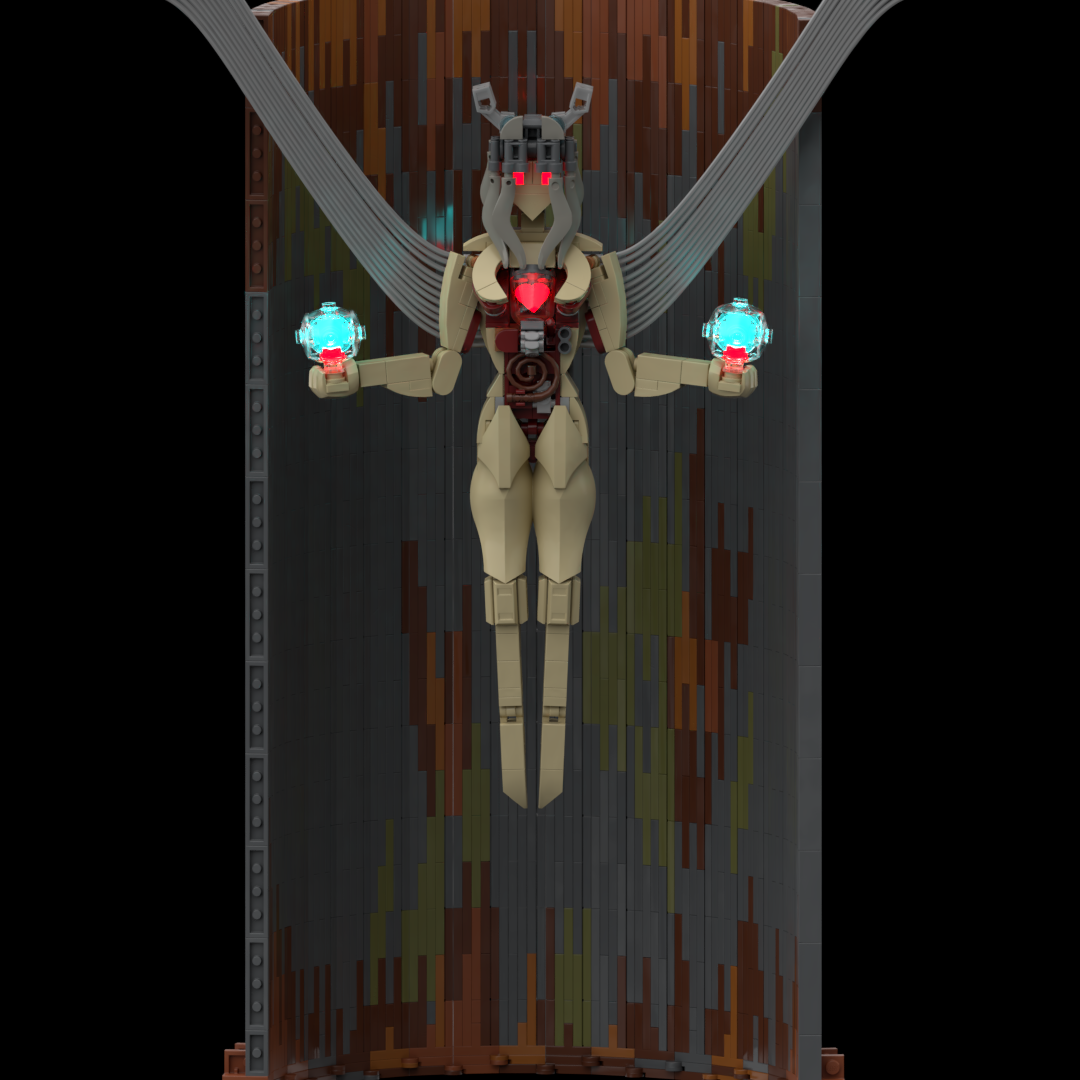
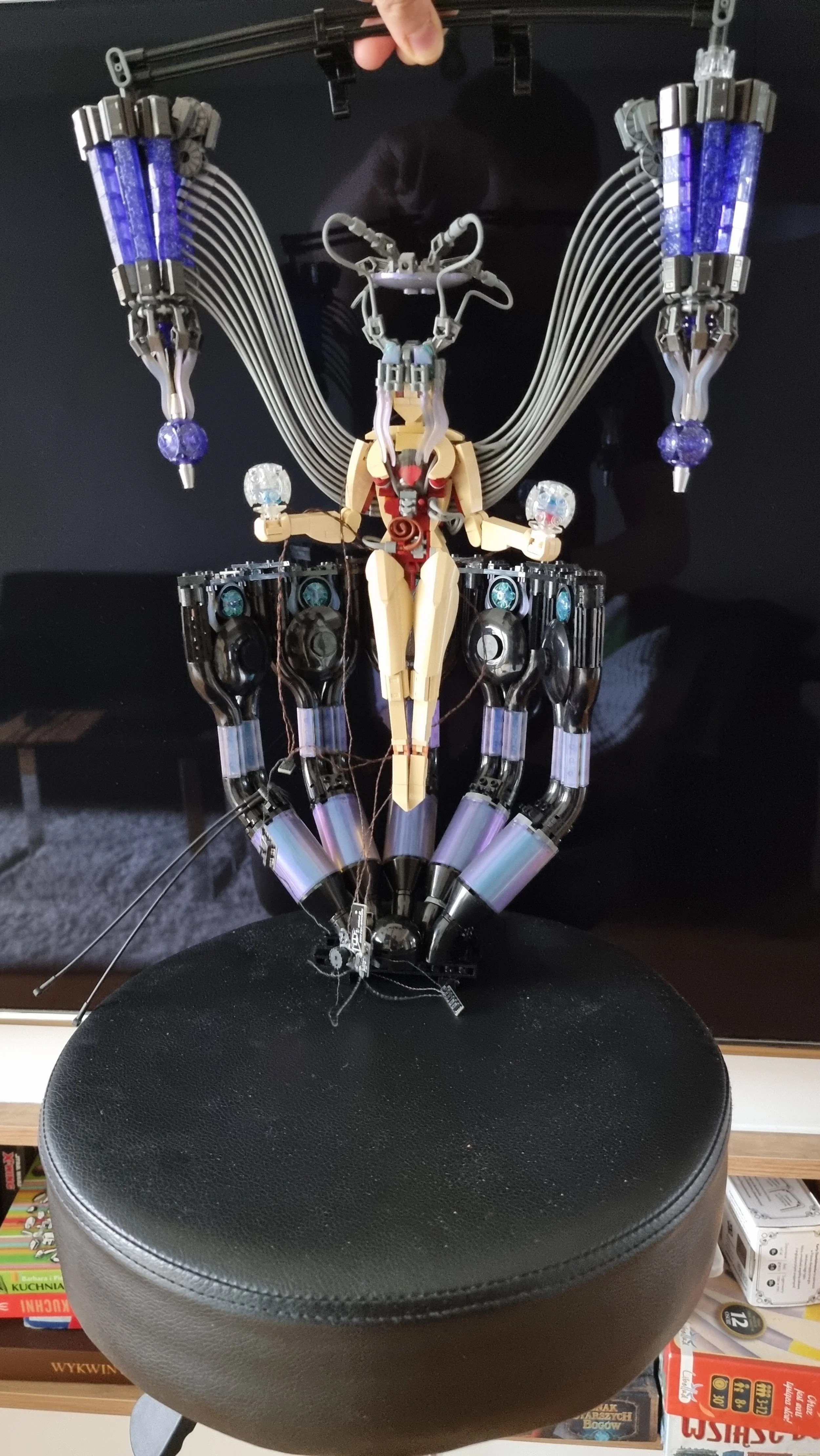
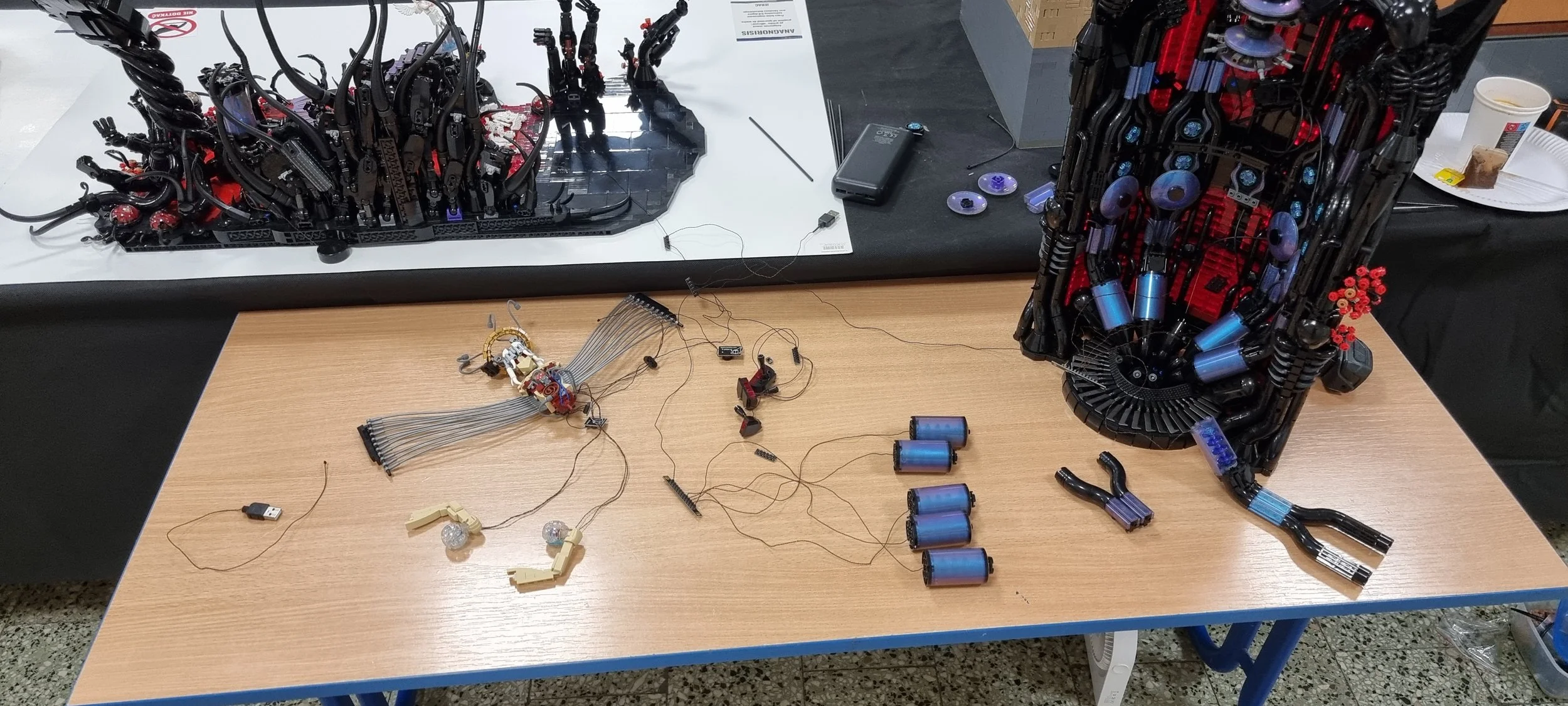
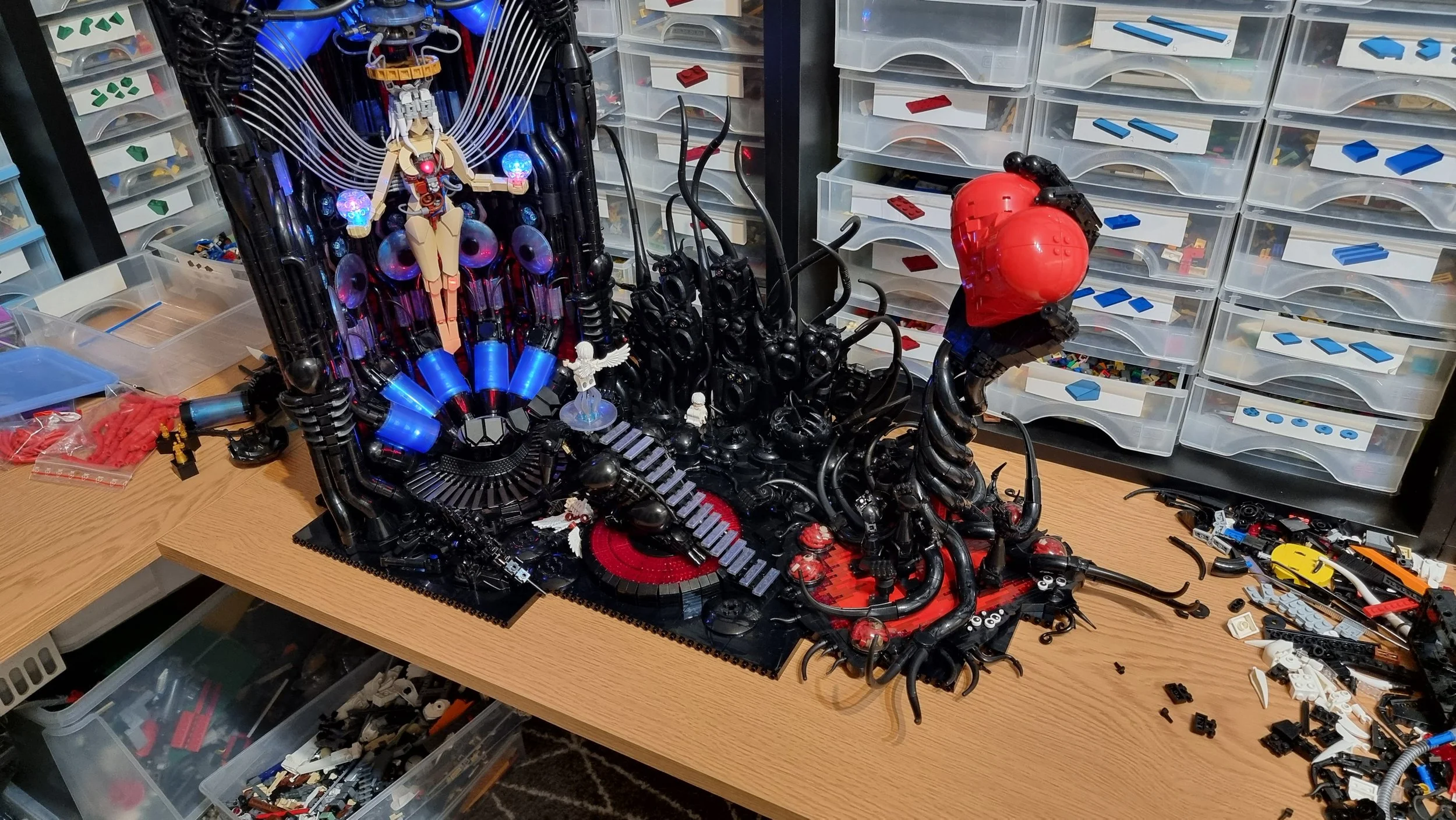
One day, I put them all near each other, and it just dawned on me that all I need is to make a large, matching base on which they all can be placed. That was it—a diorama that is nothing more than a collection of four creations, yet looks, as a whole, like a premade display.
Following the Idea
Caleb: While I’ve been a fan of your work for quite a while now, I was particularly impressed with your recent “Abstract Thoughts” art pieces. Can you walk us through them and where the idea for this series came from?
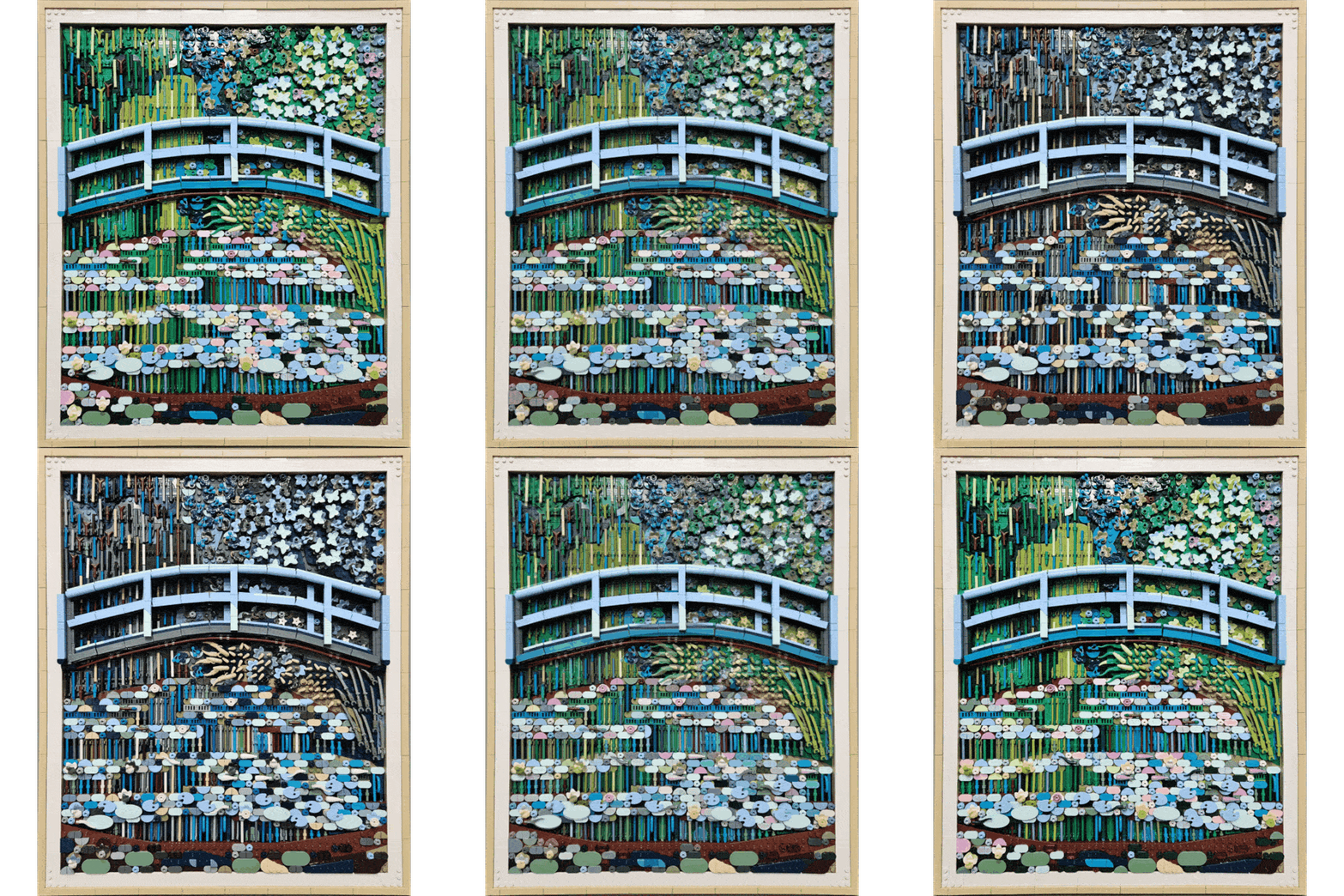
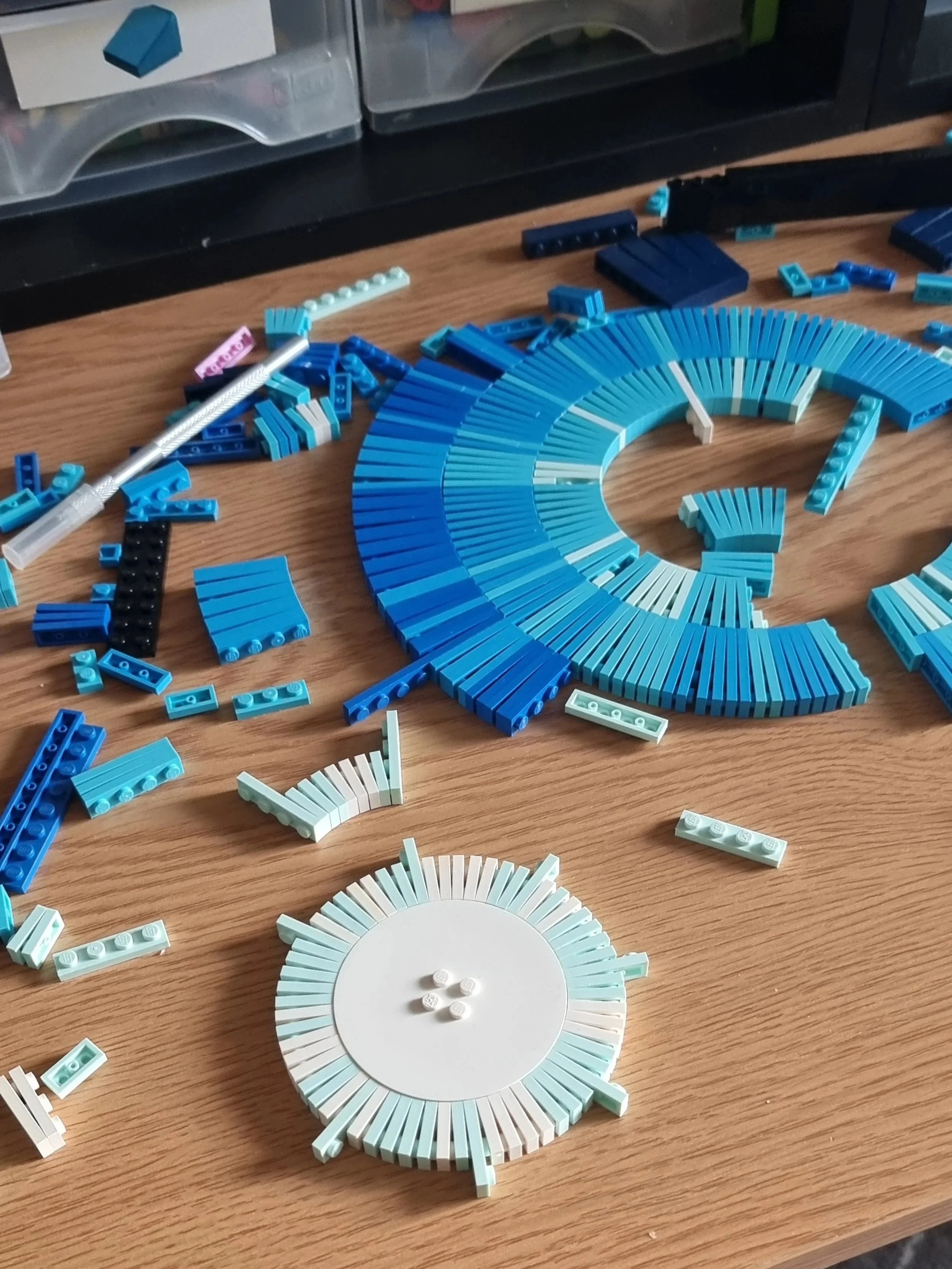
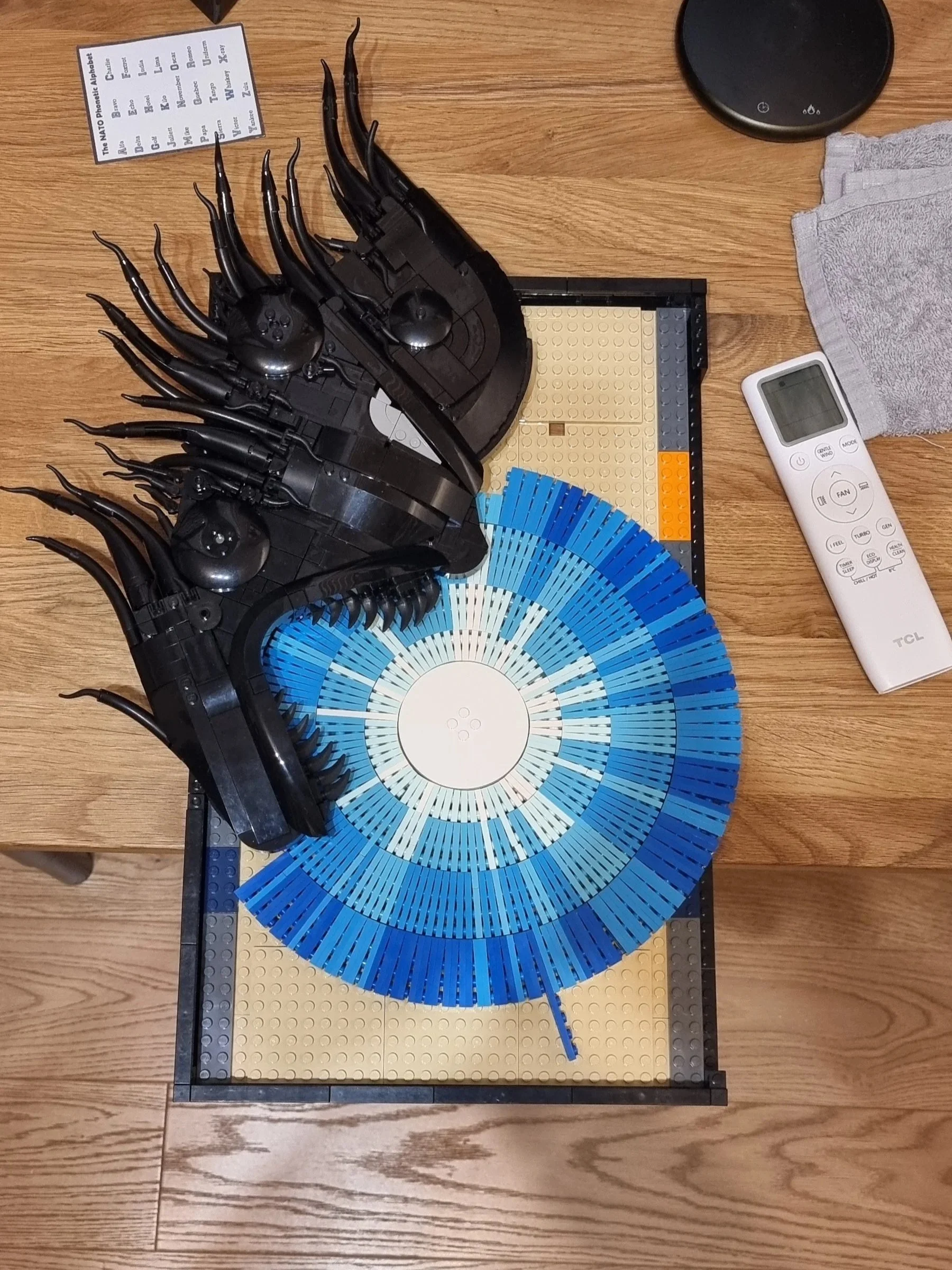
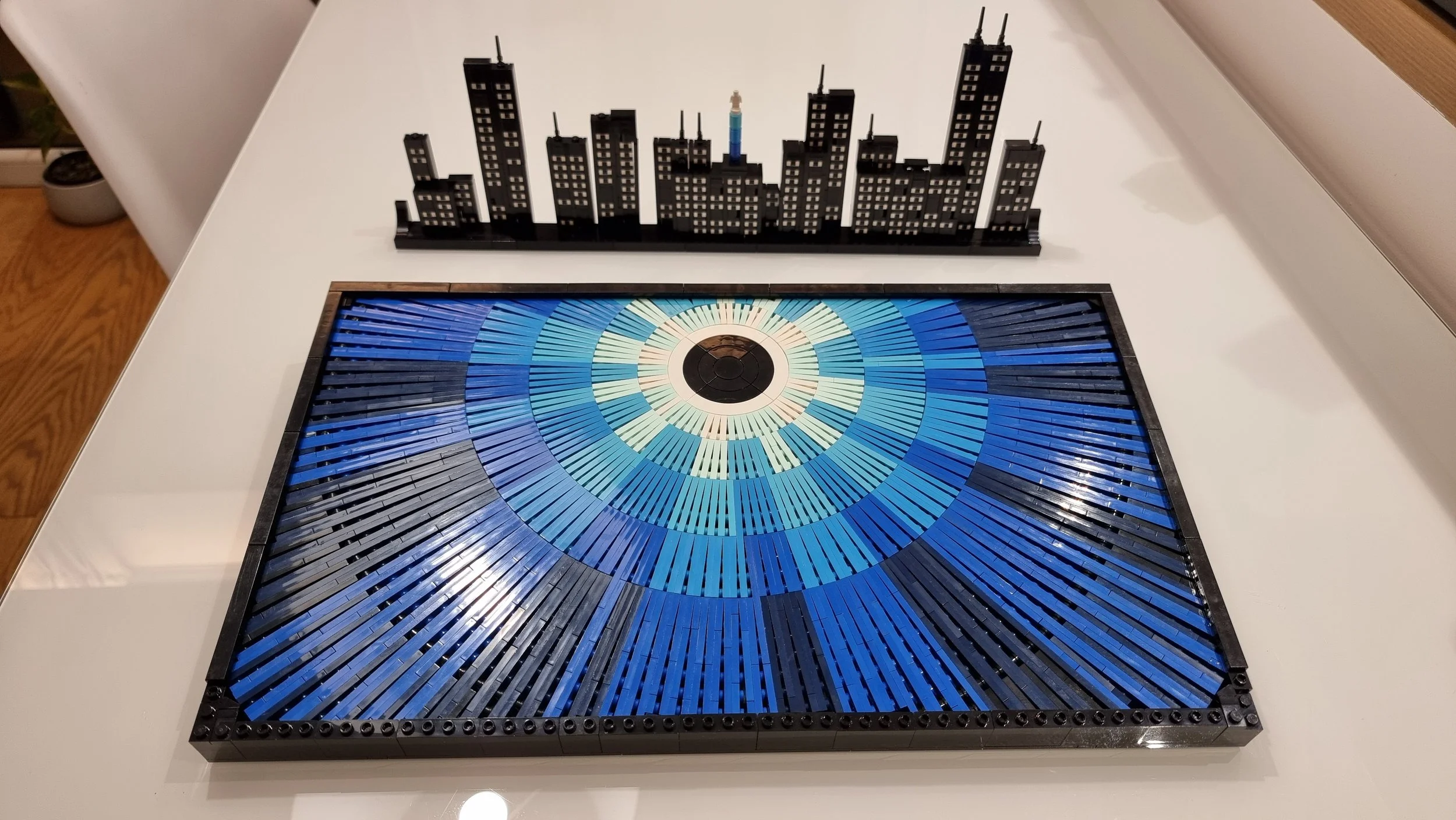
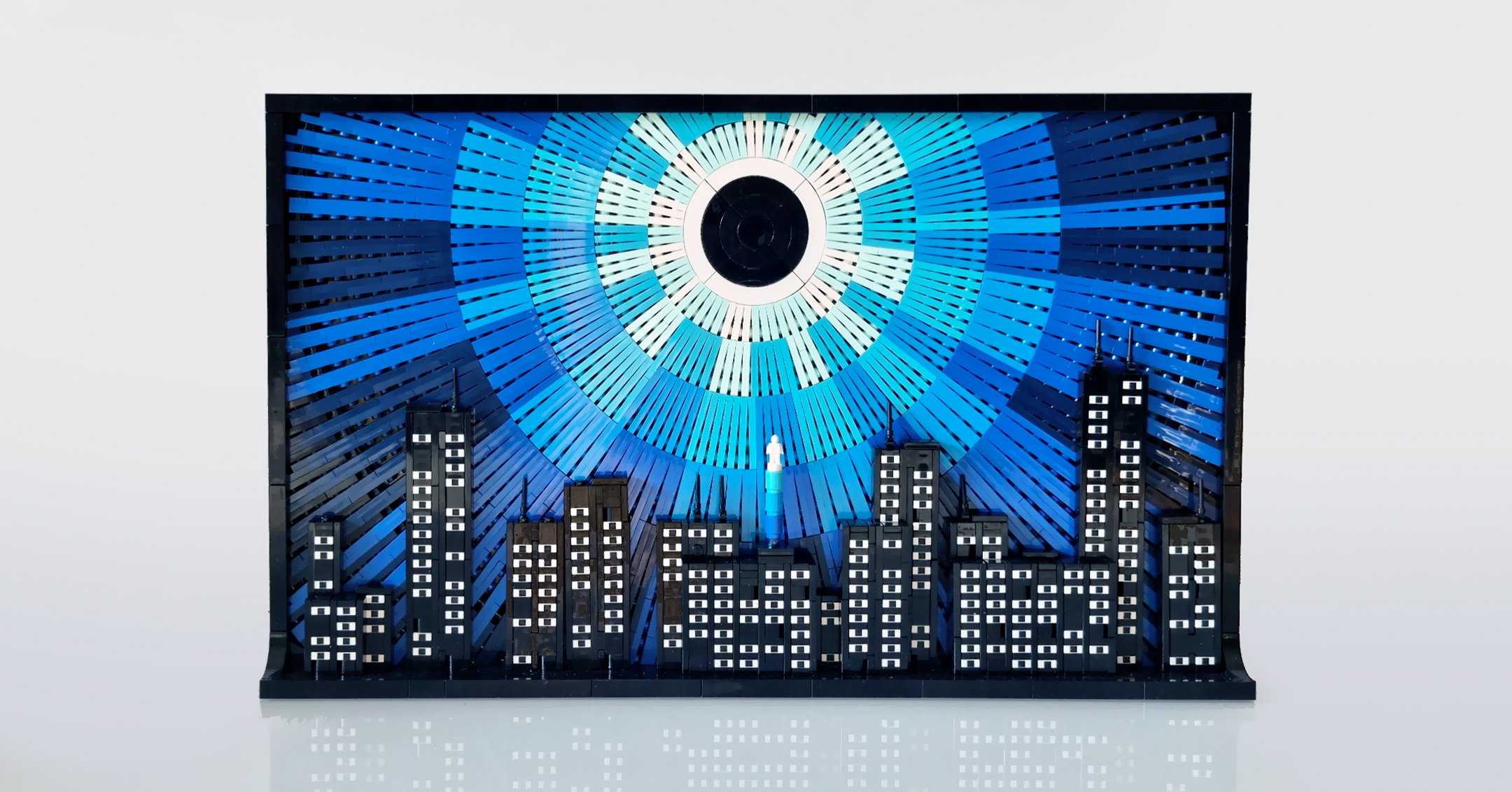
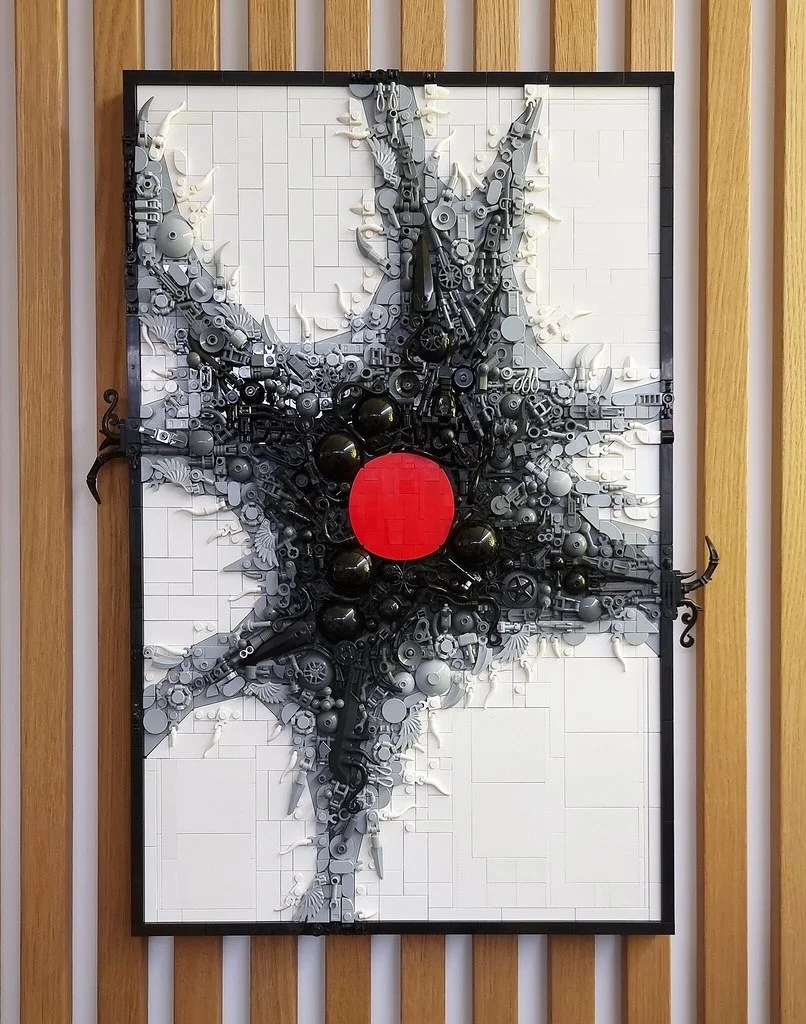
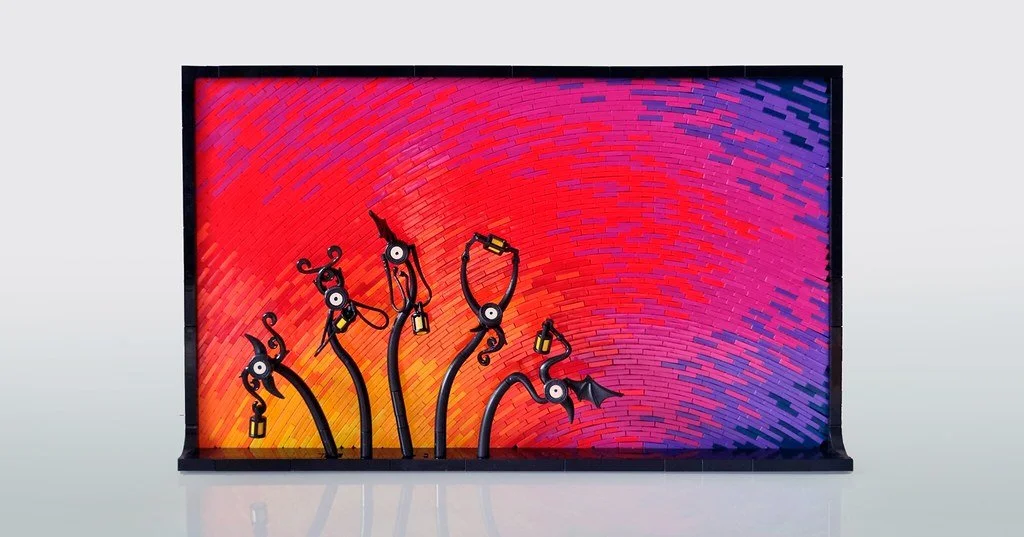
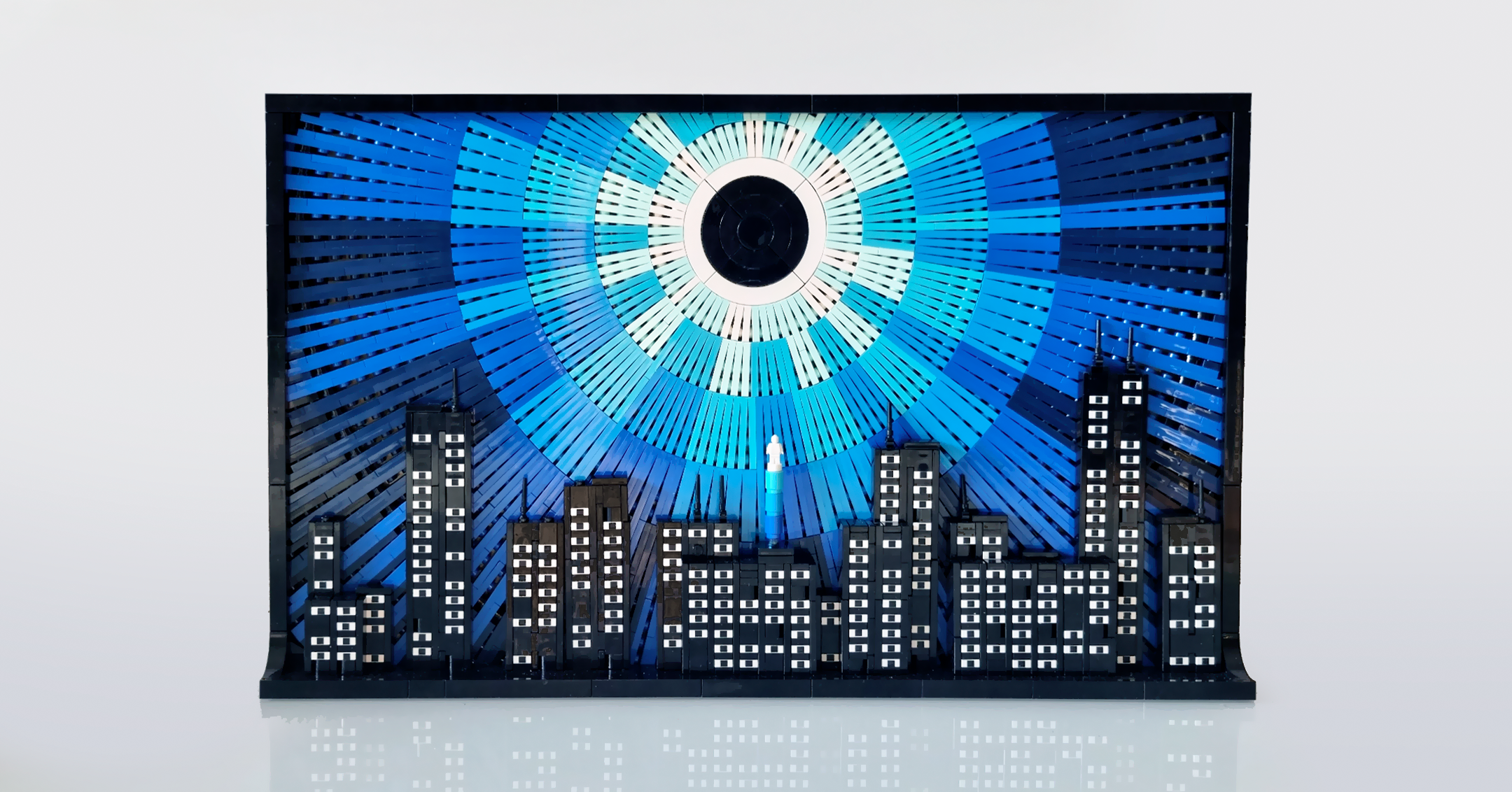
Jerac: These started from a technique study, and the only restriction I had in place was being a 3D painting, inspired by recent LEGO sets. One was a sea of black greebles, which became the Come and See piece, and the other two were experiments on backgrounds built with sideways attached plates assembled in an unusual way.
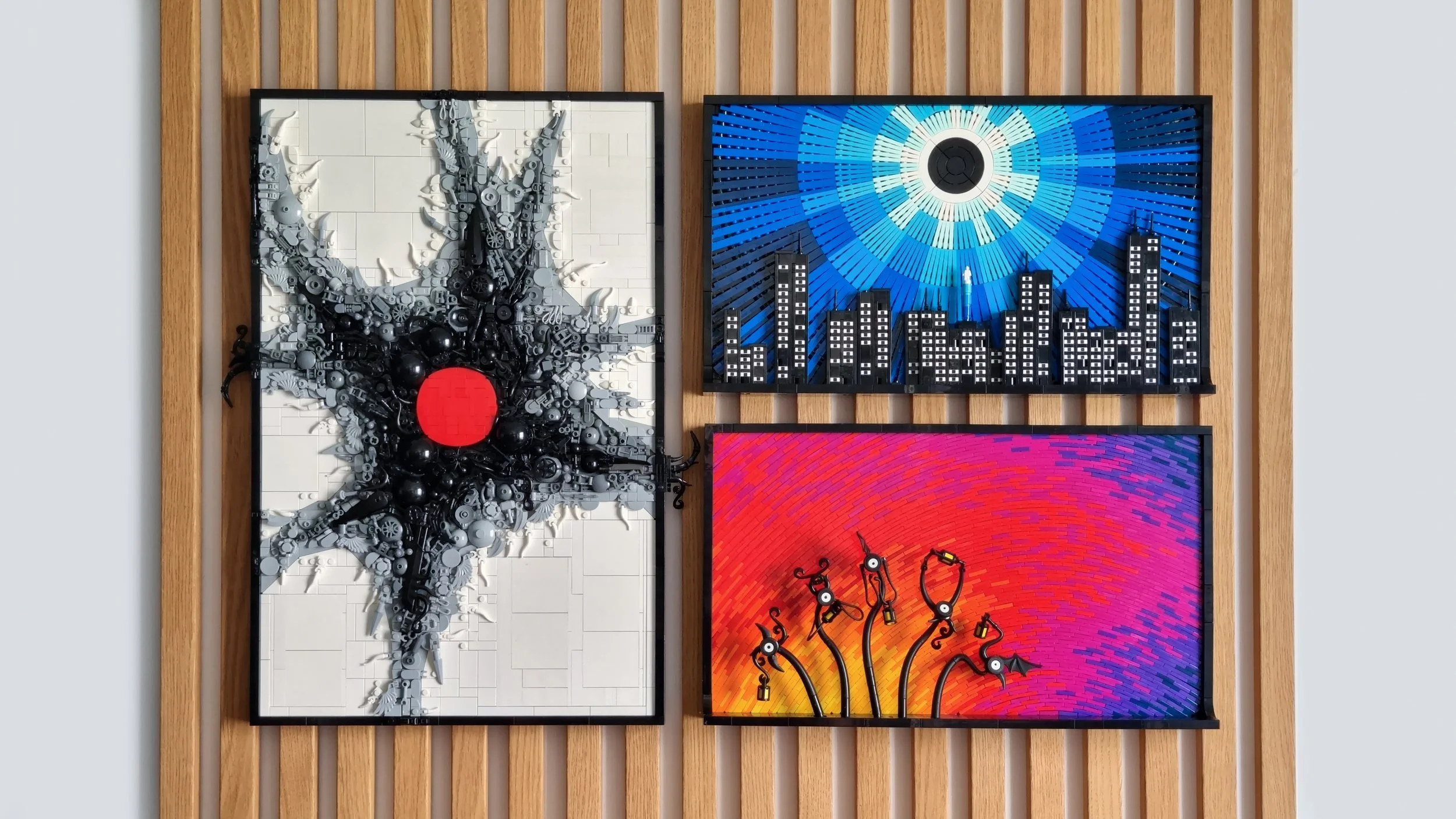
I did not plan this to become a series. I built one, realized this format has potential, then built Watchers and finally The Last Piece. Initially, they were not even matching size-wise at all, Watchers being much longer than The Last Piece, for example. I’ve changed that last one when building it to match the layout that naturally started forming.
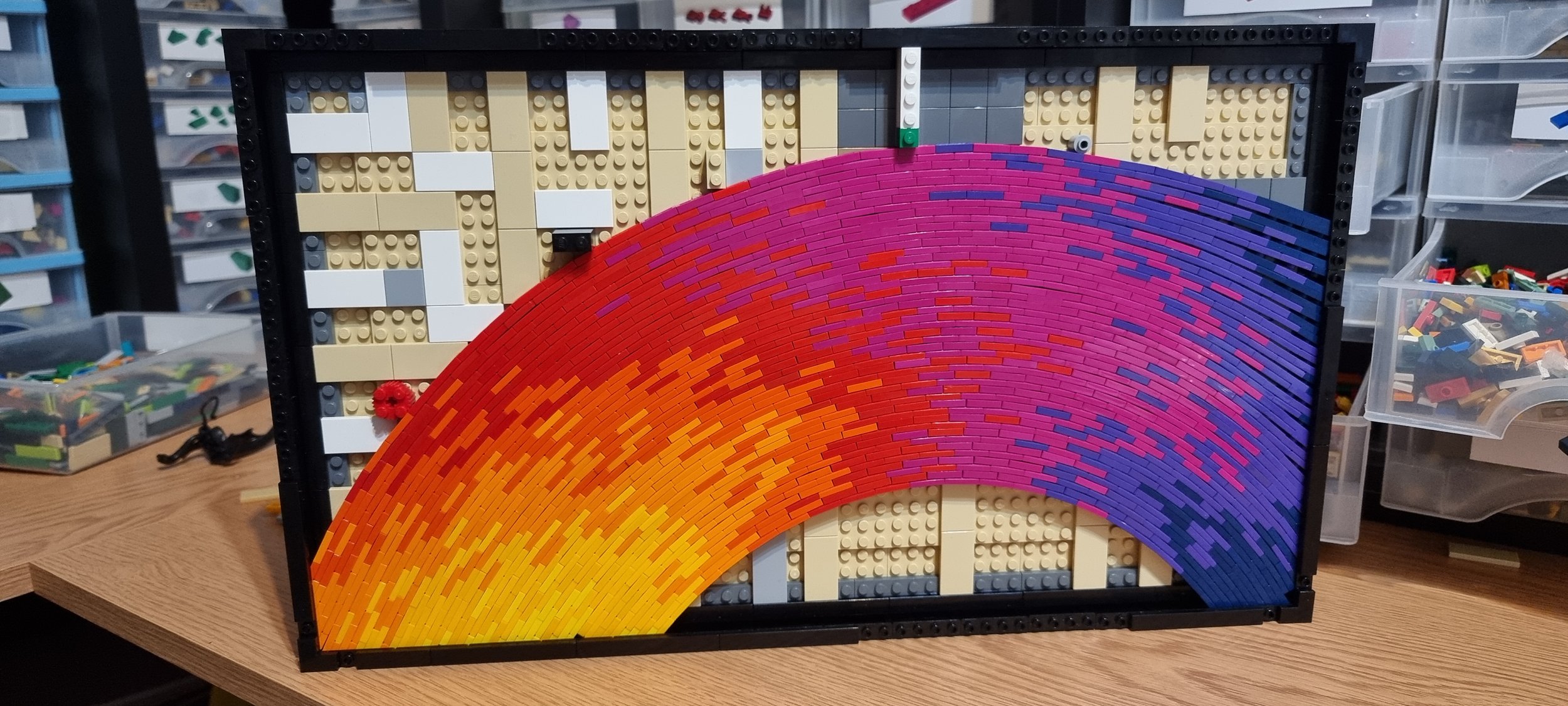
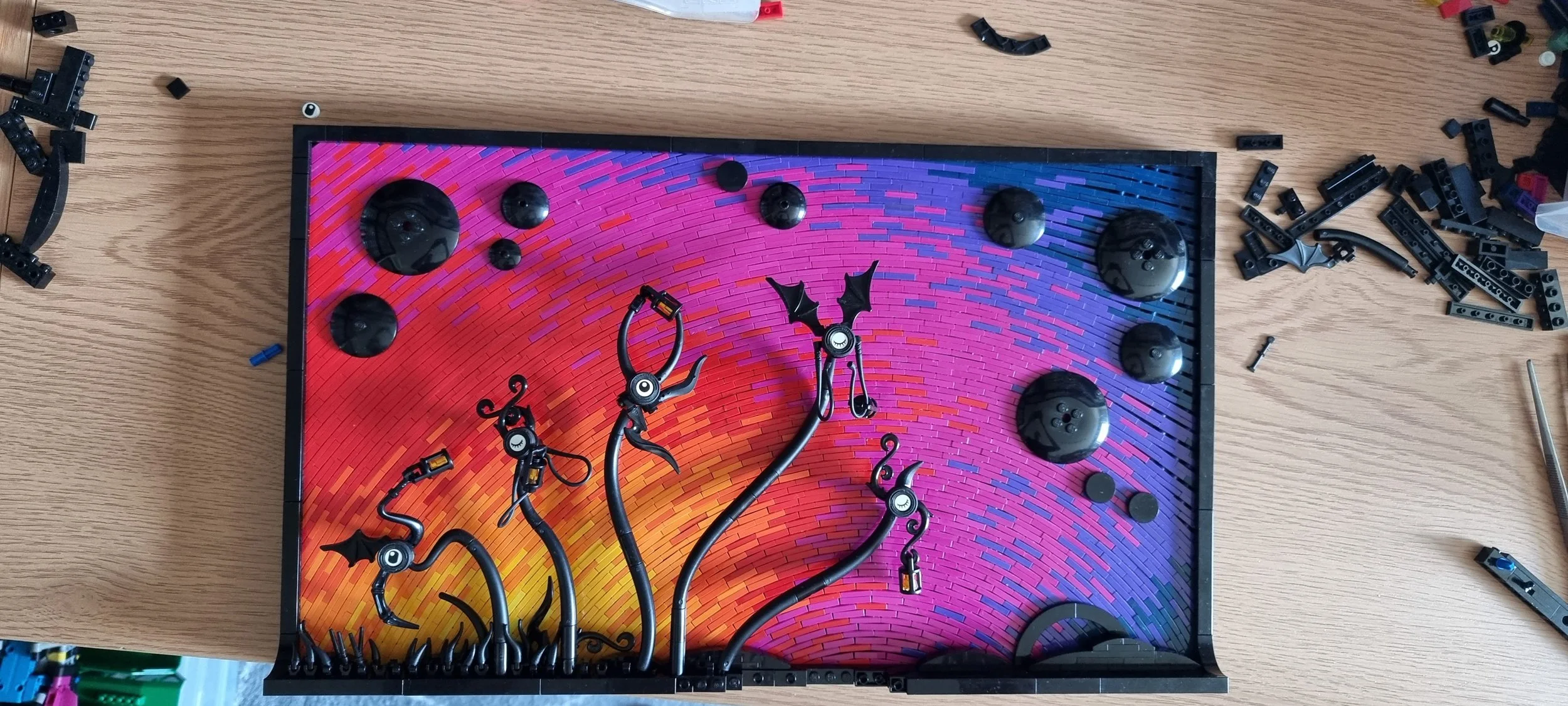
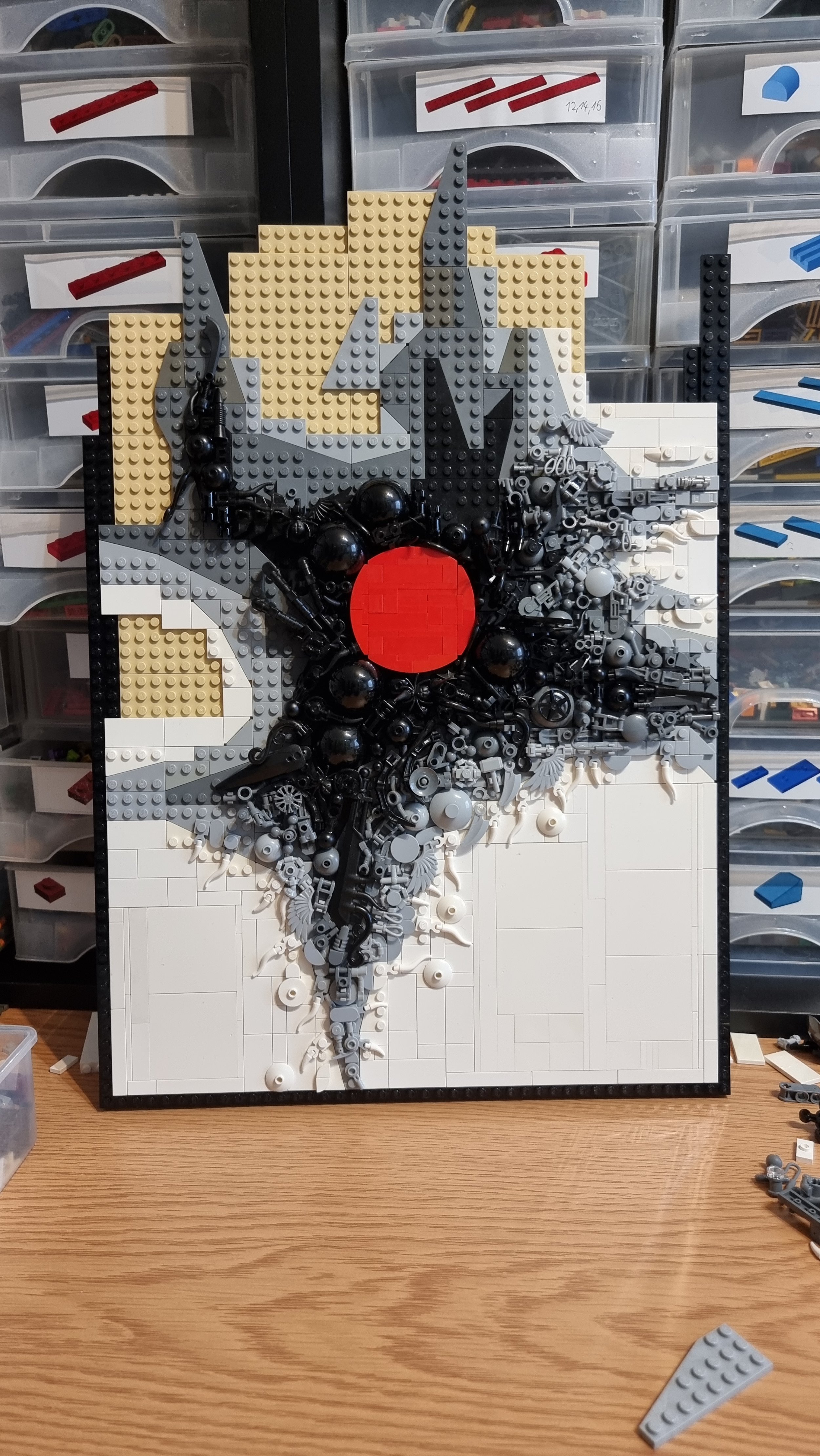
While the first two works had a relatively straightforward creation process, with the core idea not changing much, the third blue one has a turbulent history. At one time it was a huge face, at another it had a huge abstract angel-like being, then lots of ascending souls. Somehow, it ended up being just one, over a silhouette of a city. I did not want it to represent a soul ascending from that city into a black sun specifically. The final result is merely a collection of components that somehow make sense to me.
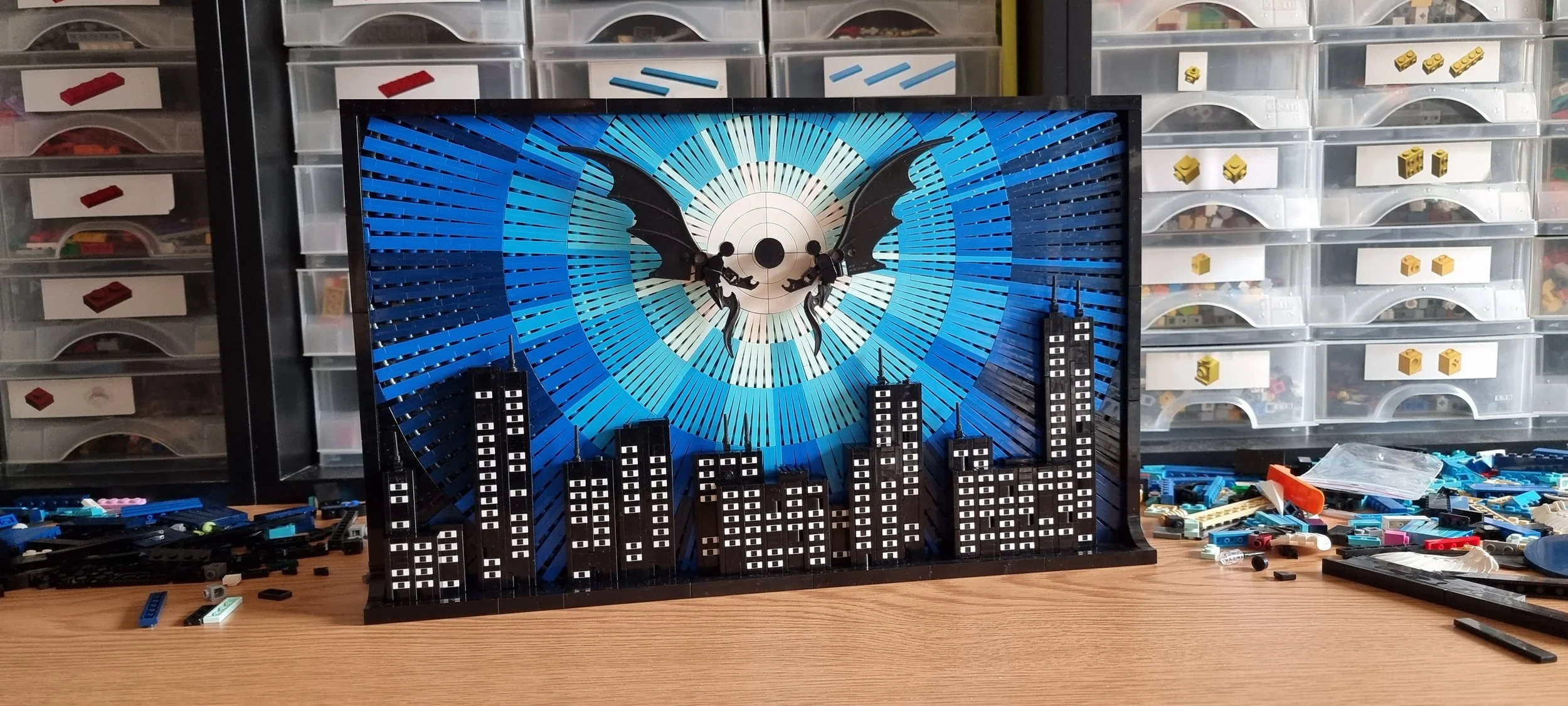
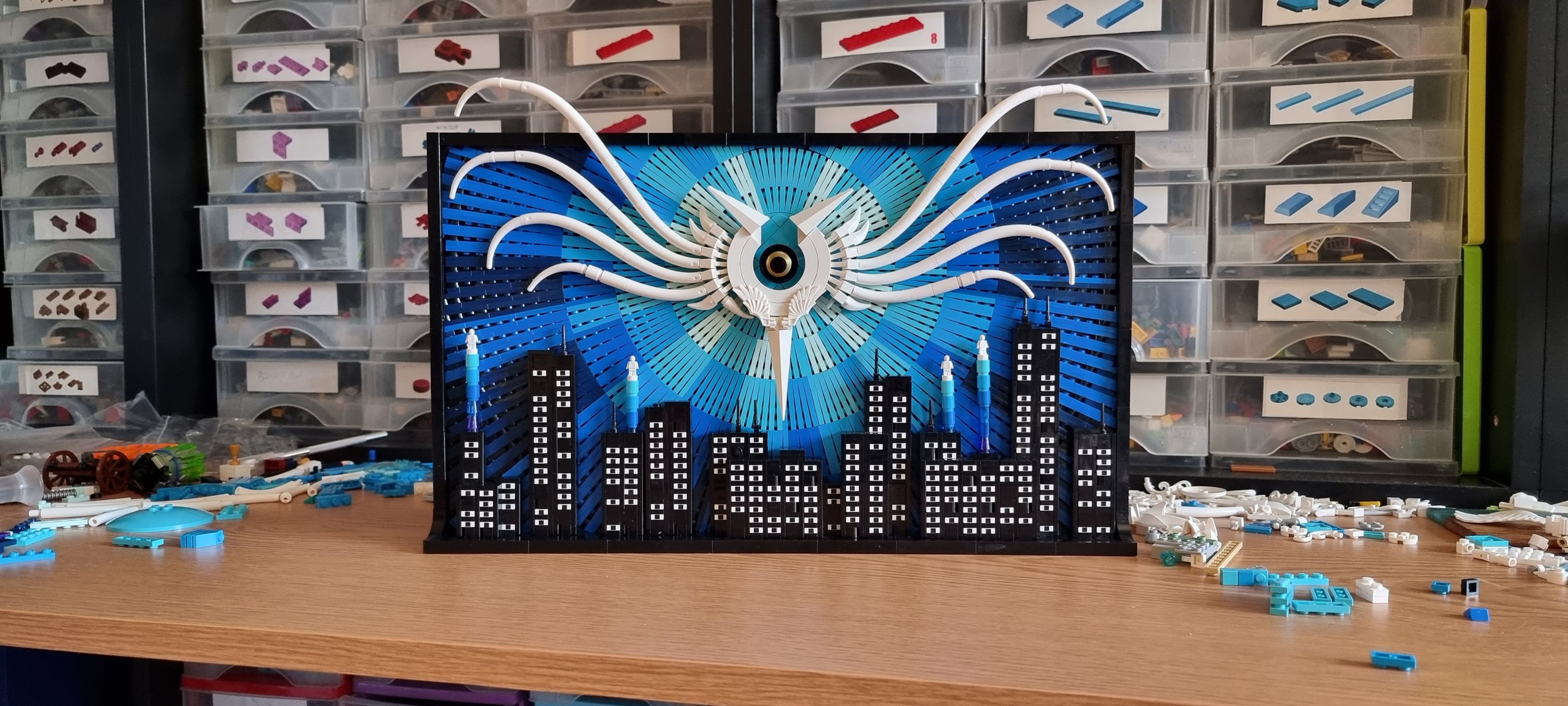
Caleb: Each piece in the series works really well on its own, but they also look stunning together. How did you balance those two needs, and how much thought did you put into how well they work as a group?
Jerac: Like in the case of Anagnorisis, there was no thought at all until I got a realization that these individual models do actually work together, and I only need to adjust the currently built one to match existing ones. This is a short answer, as that’s really all there is to it.
Building Through Emotion
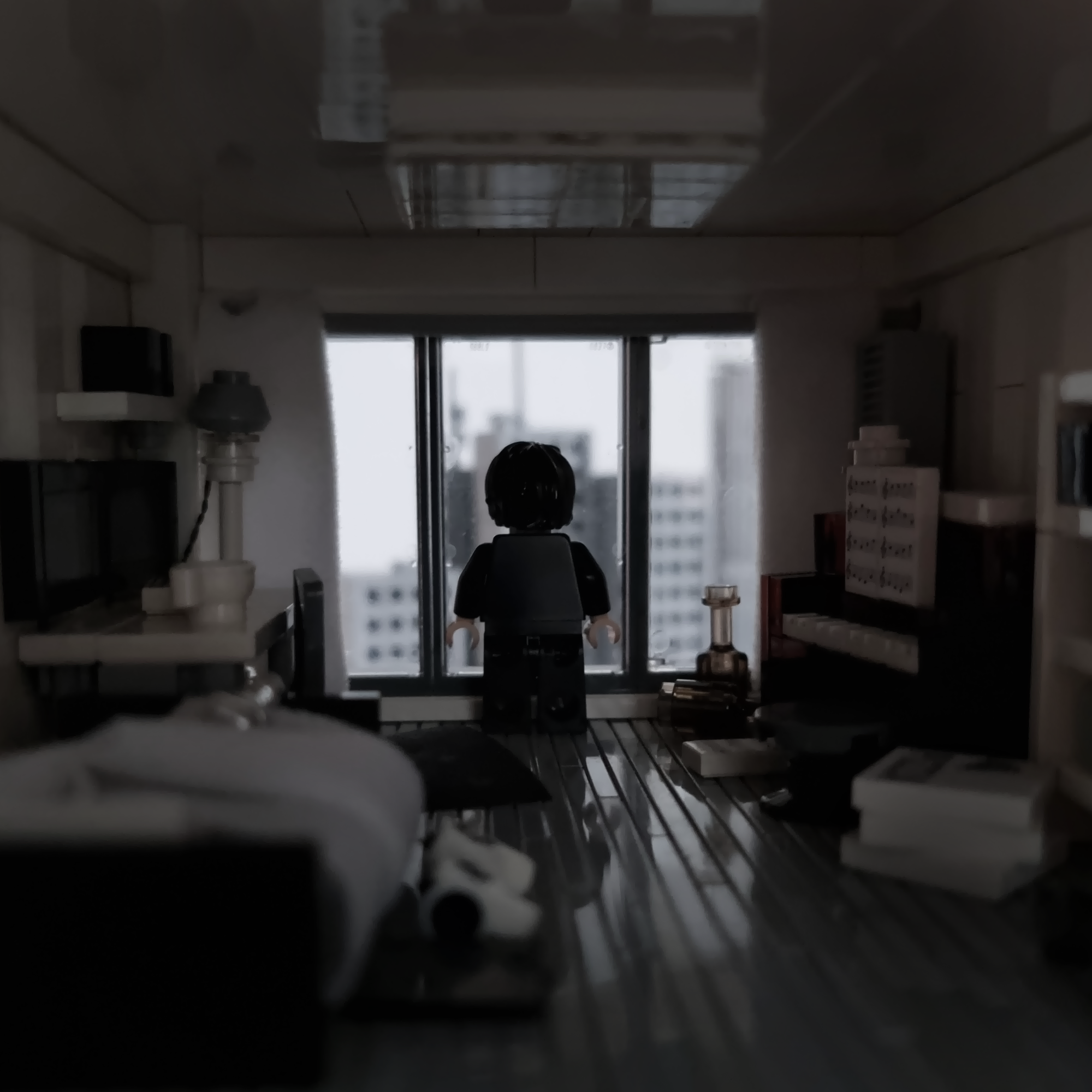
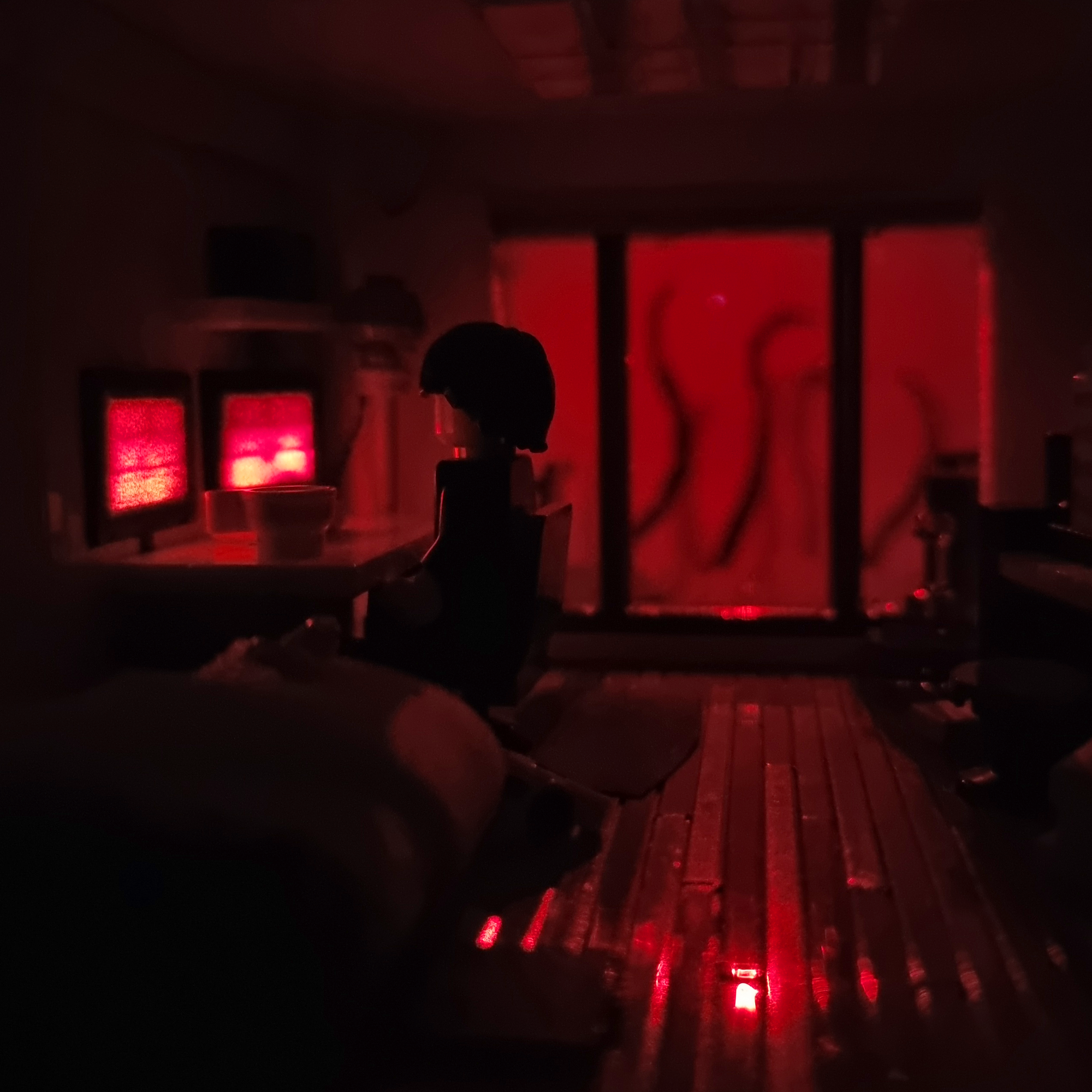
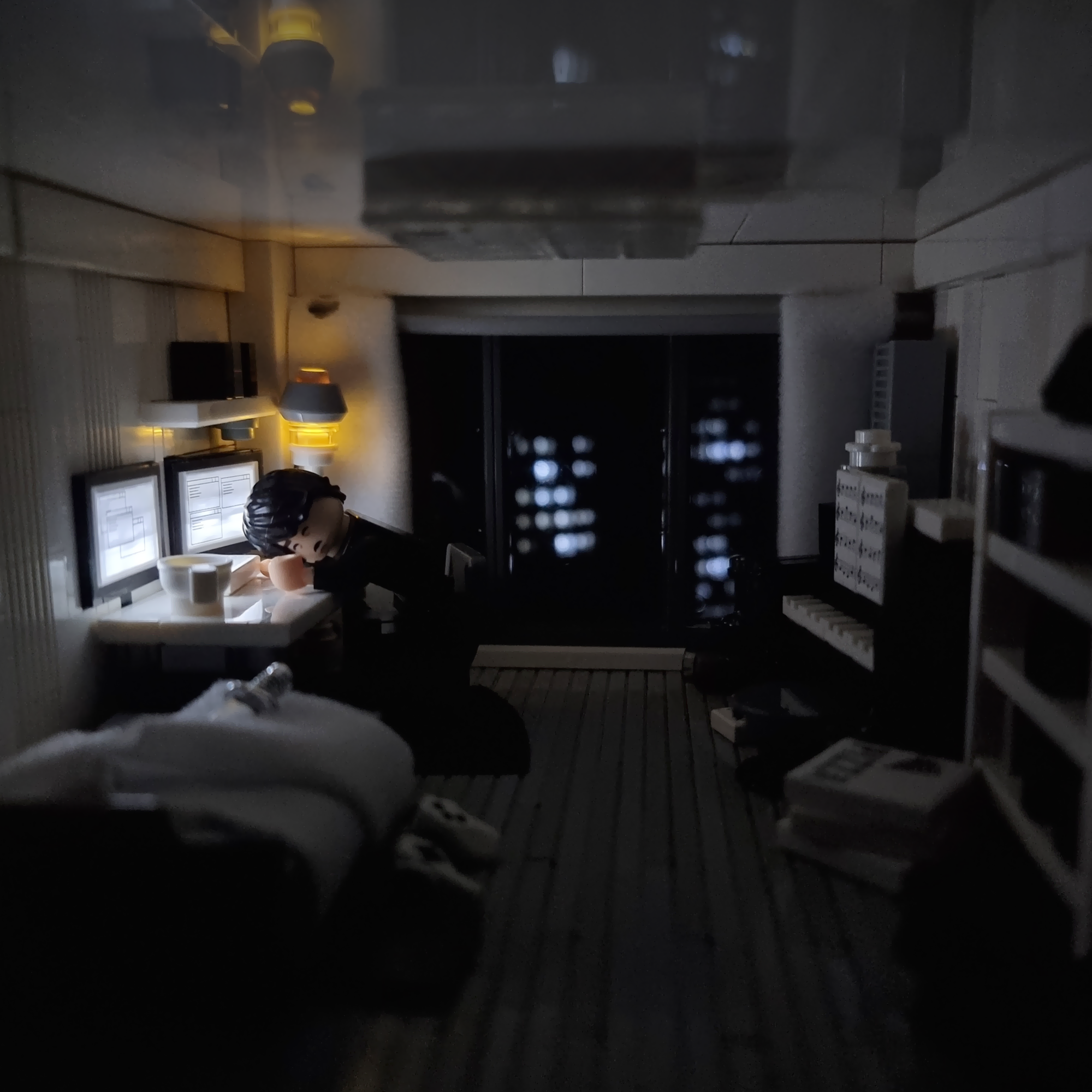
Caleb: As someone who has wrestled with depression and mental health, your “▯▯▯▯▯ ▯▯▯▯▯▯▯” series really spoke to me as well. What was the thought and building process behind these models?
Jerac: I was literally bottling up my emotions. Those were some truly dark times for me. It is a bit better now, mostly because of understanding where those feelings come from and how emotions work at a biological level. There is more to it, but I am not willing to share that publicly.
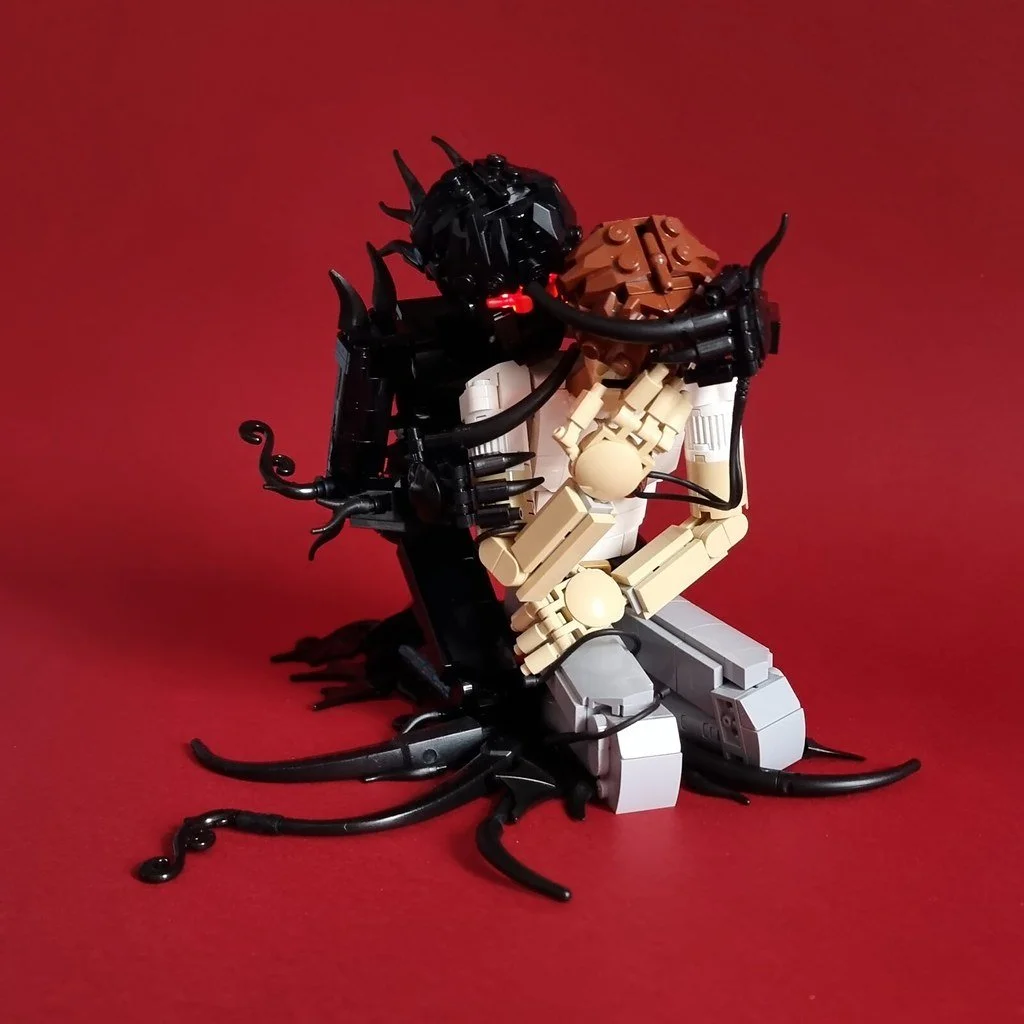
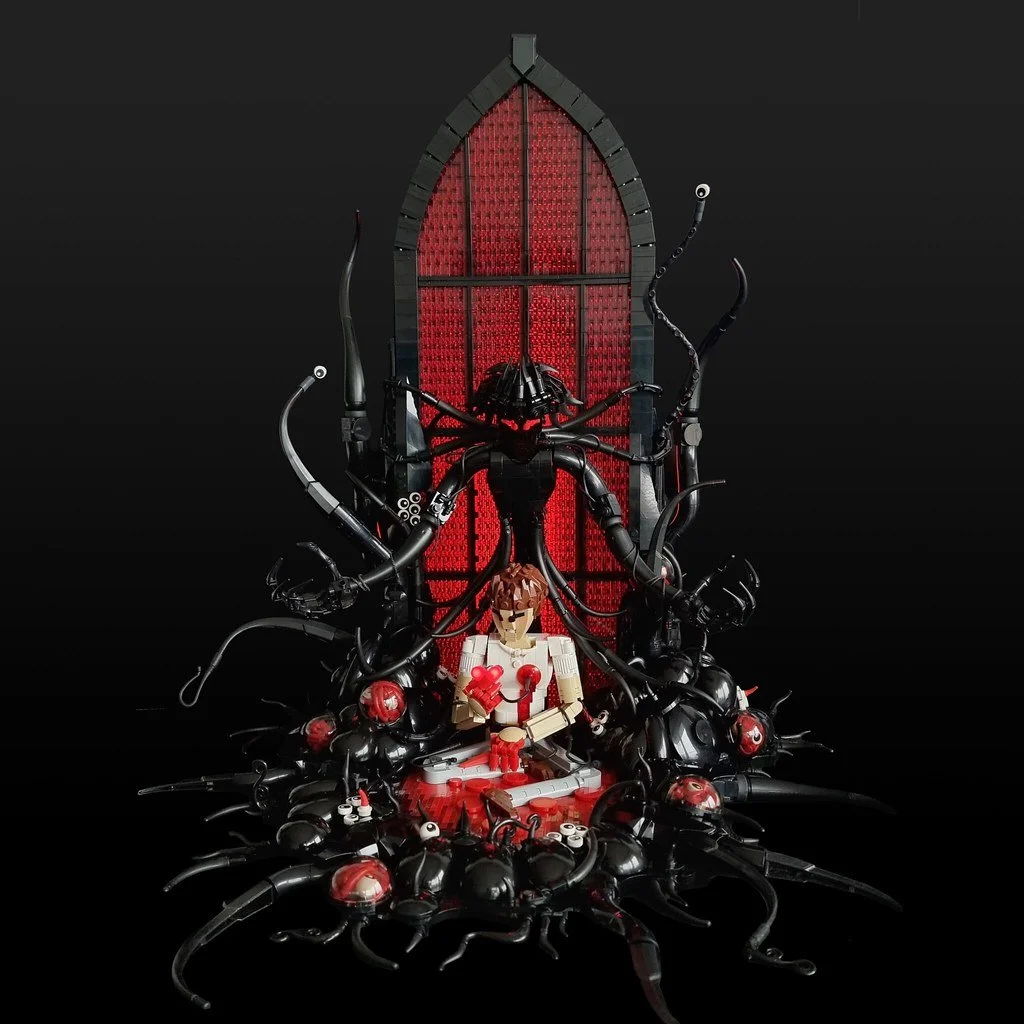
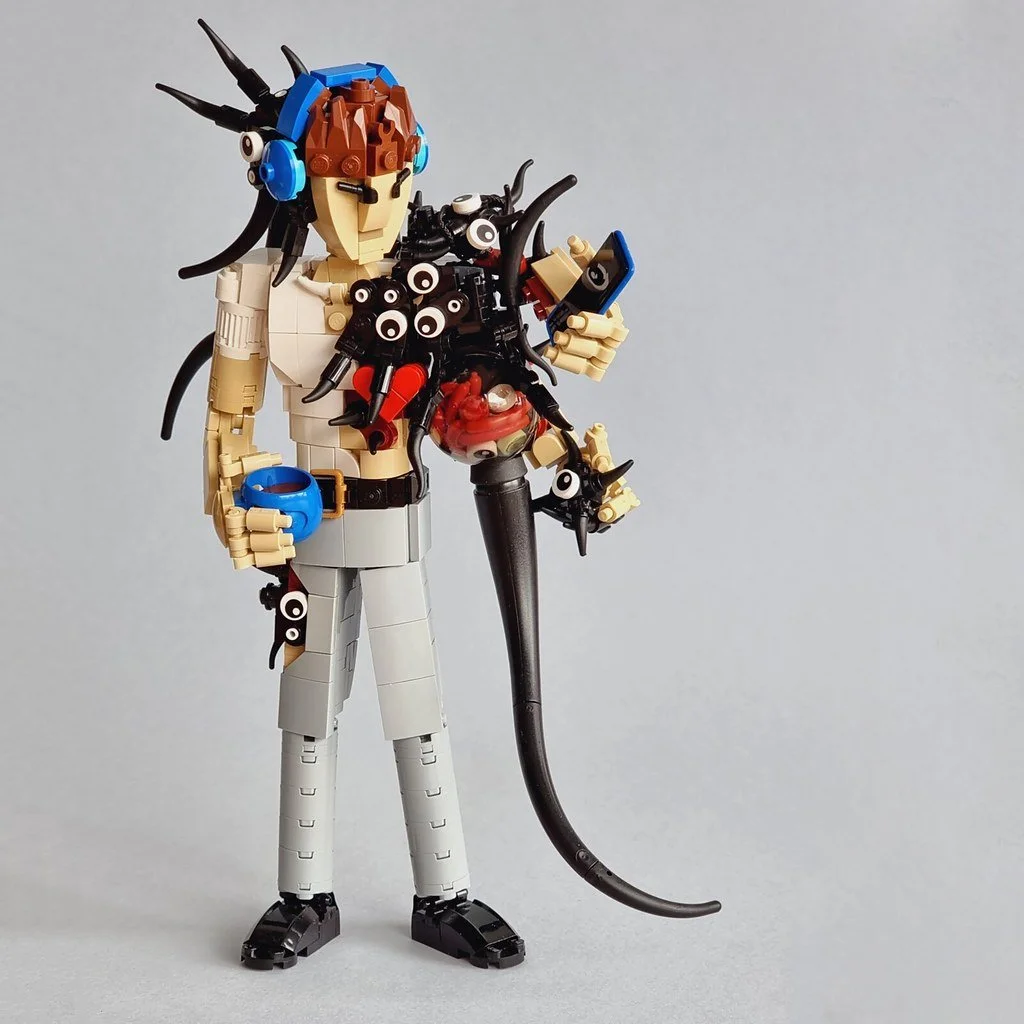
Nowadays, I find these models raw and crude. I’d build them differently now, and in a way, I am doing just that. The Dolls model is, in fact, the same theme, just much more nuanced. Anagnorisis served as a sort of bridge between the three original works and the approach I use now.
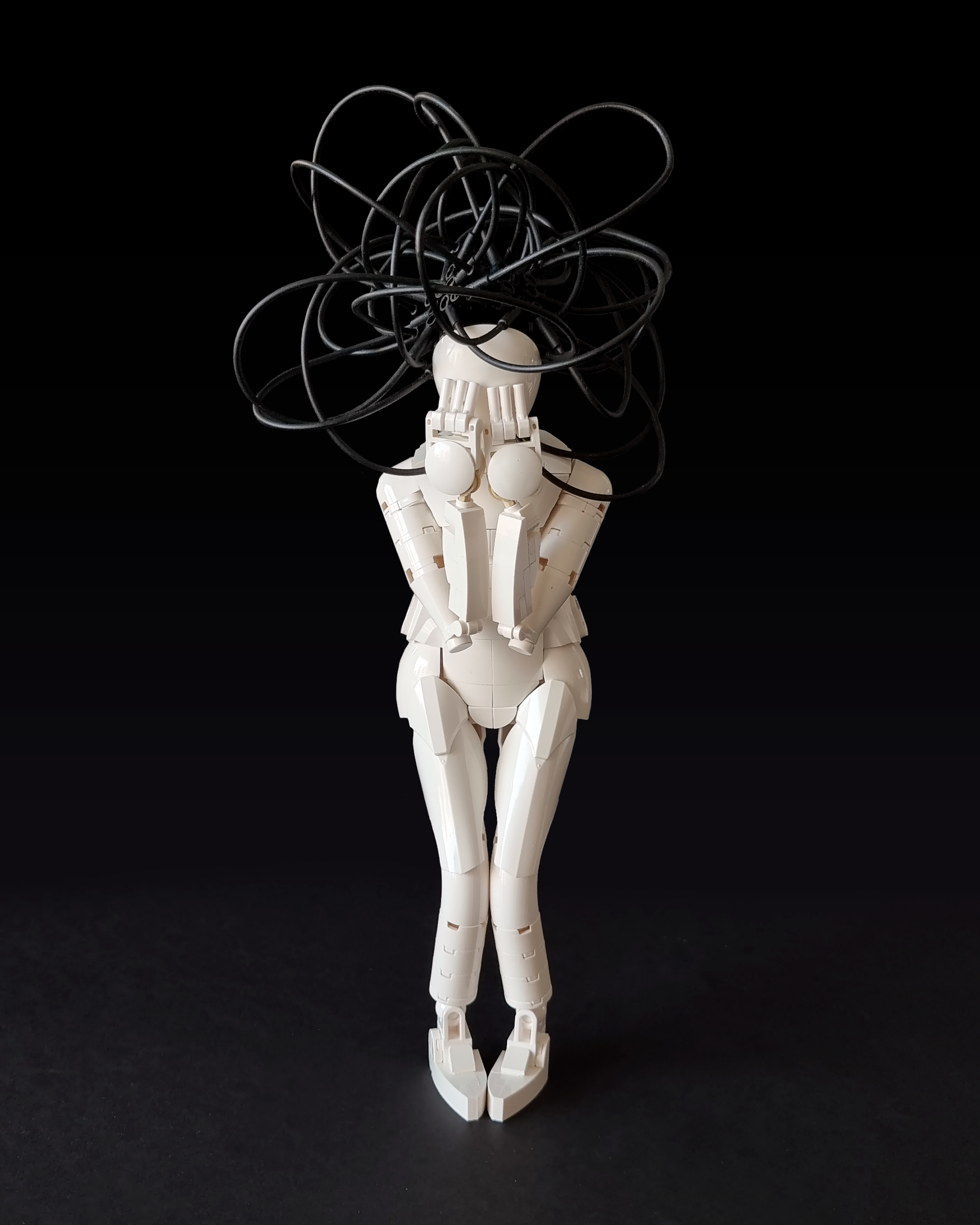
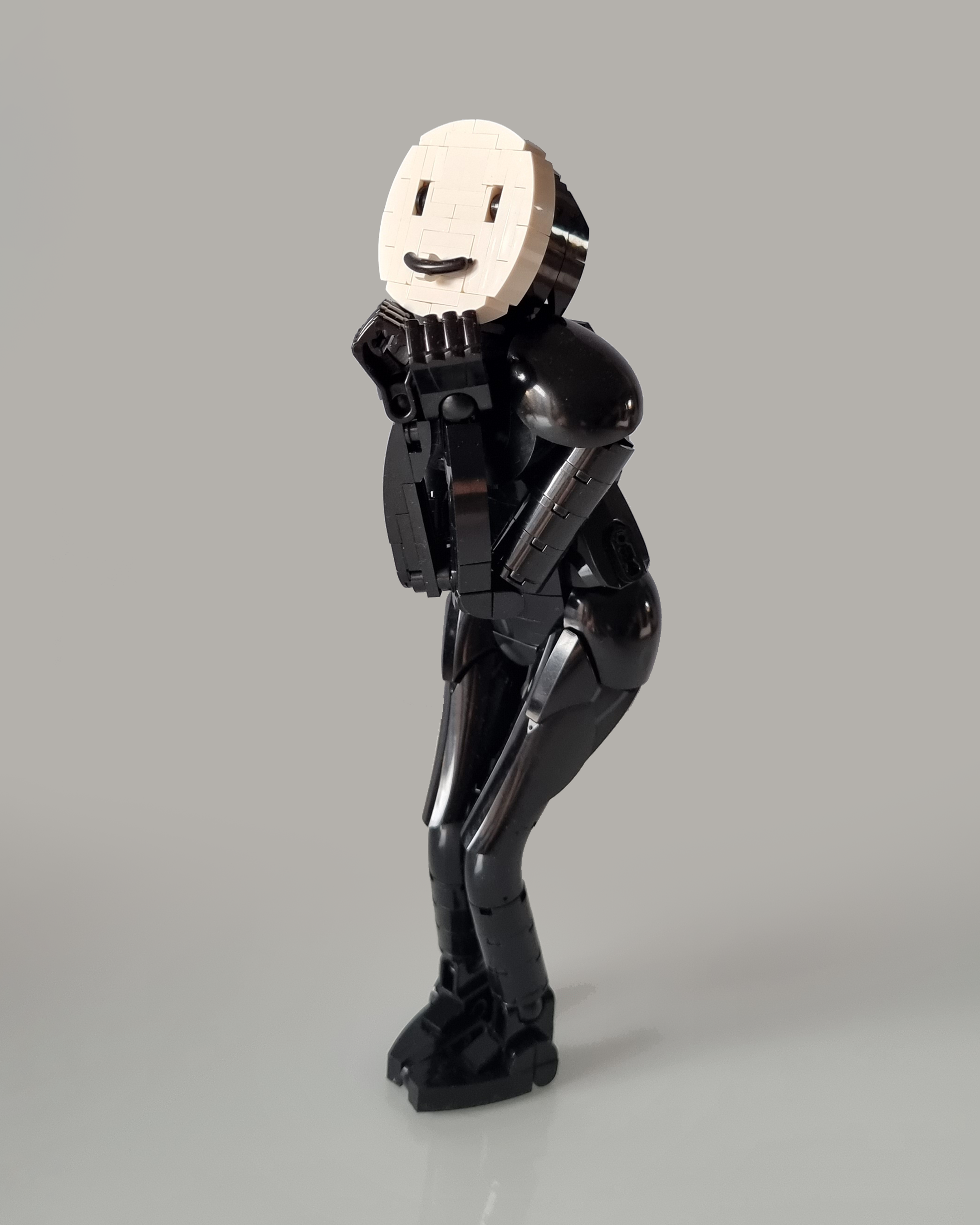
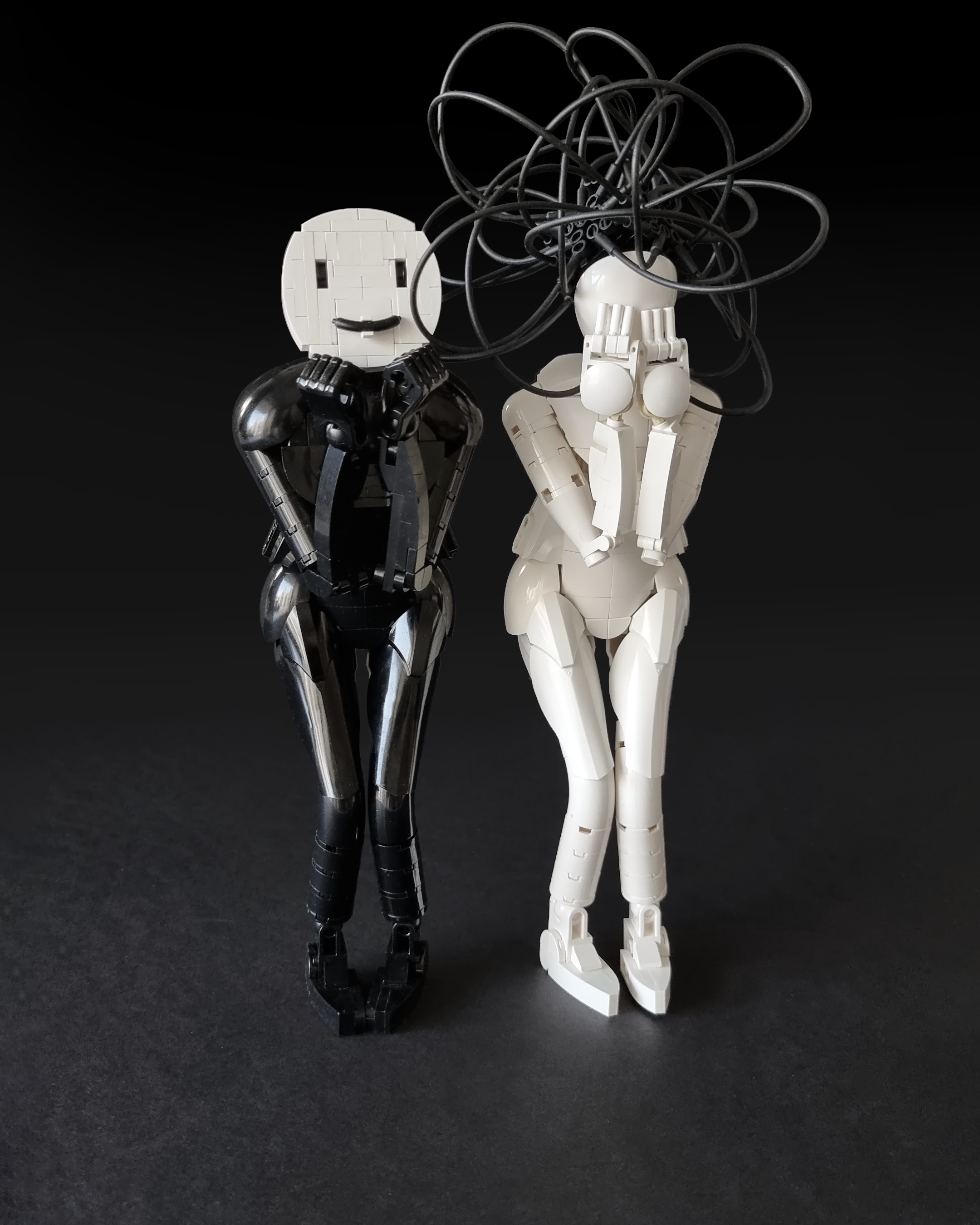
As for naming… It is twofold. One name is Happy Thoughts. Those who know the reference will understand. The other one, with unintelligible symbols, represents that weird, indescribable feeling I sometimes have. It is neither positive nor negative; it is more like a lump of random emotions or thoughts that don’t really make sense. Both together end up being a representation of what depression feels like to me. Sadness without reason. Sadness without meaning.
From Starfighters to Self-Reflection
Caleb: Looking back through your photostream on Flickr, it’s clear you got your start in the world of sci-fi, and your early work is dominated by various spaceships and other vehicles. You’ve branched out a lot more in the past couple of years and have started experimenting with other genres and building styles. How did that evolution happen? Was it a conscious choice or a natural growth?
Jerac: I never really thought of it much. It might be a representation of my growth as a person, perhaps? First, the spaceships marked the end of the childhood/teenager phase. The rule of cool was the foremost principle.
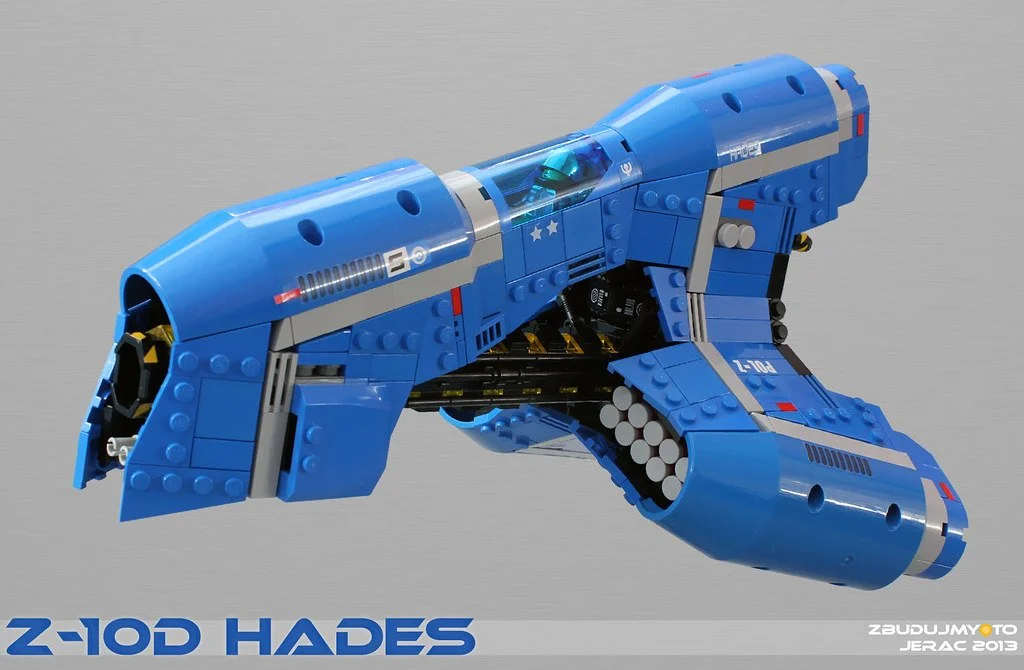
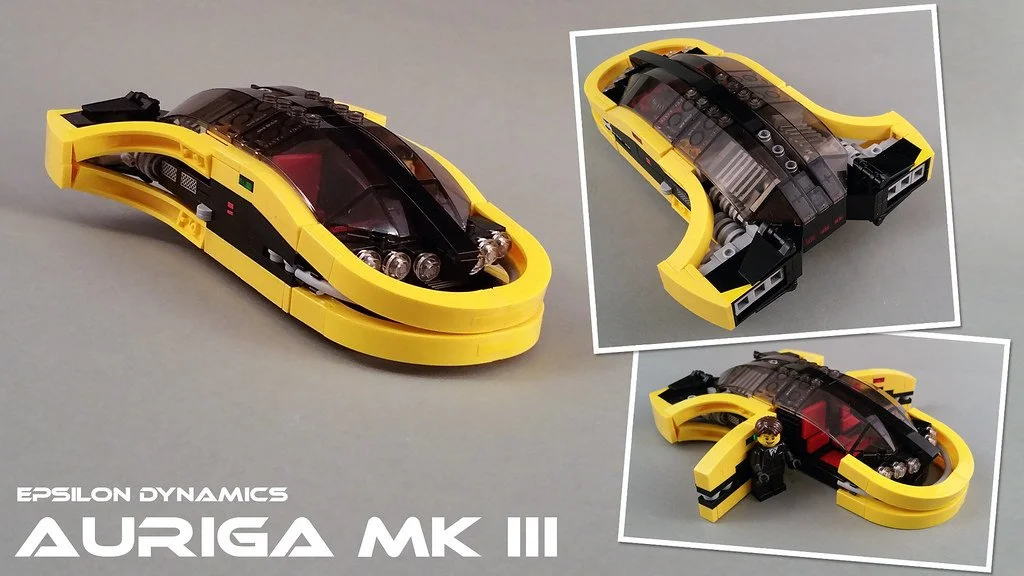
Then there were the megaprojects, the young adult phase where ambitions and (some) money allowed me to build bigger. First, the Titow Battlecruiser, then the Imperial Star Destroyer, which was from the very beginning made to be “the first large-scale, fully SNOT-based ISD in LEGO history.”
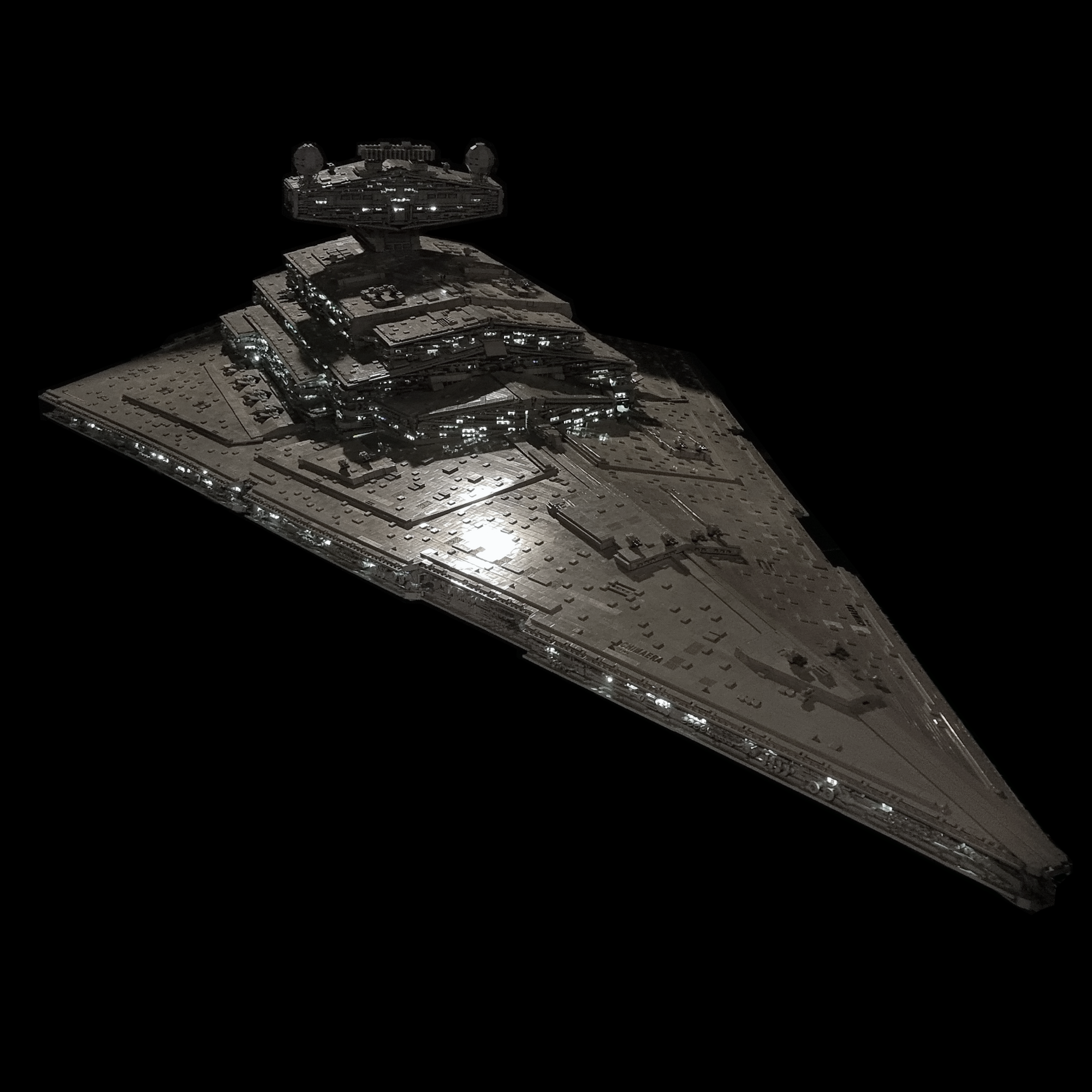
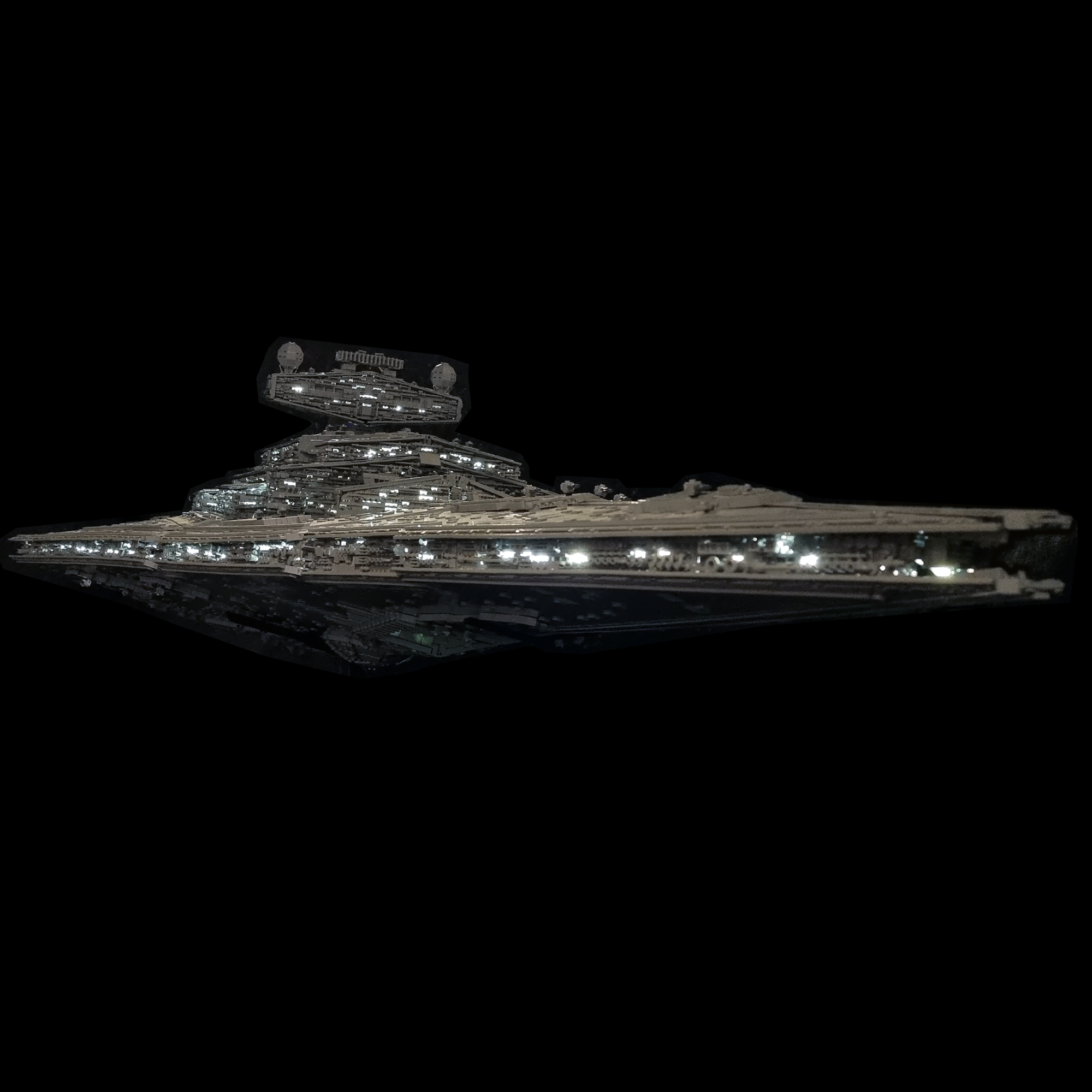
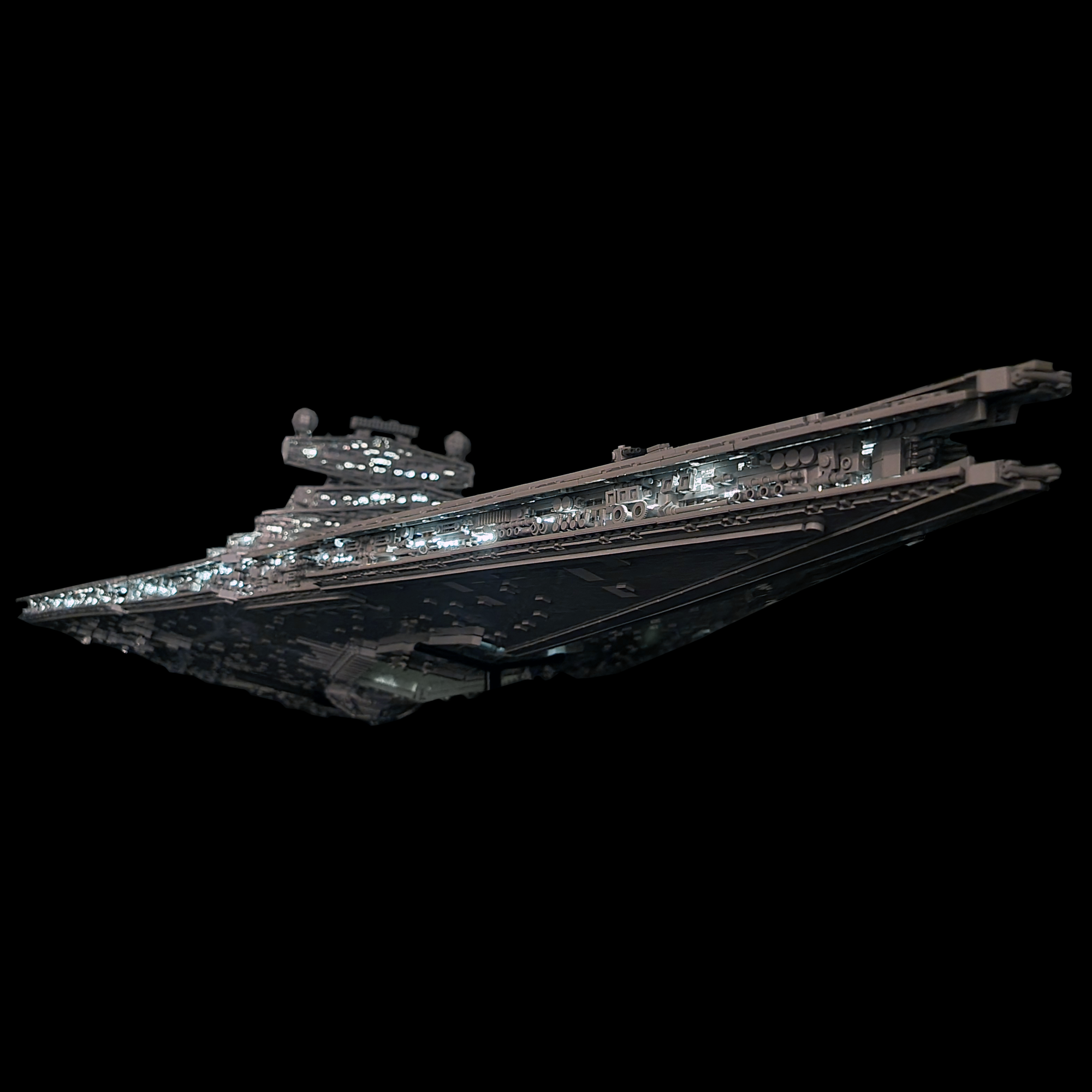
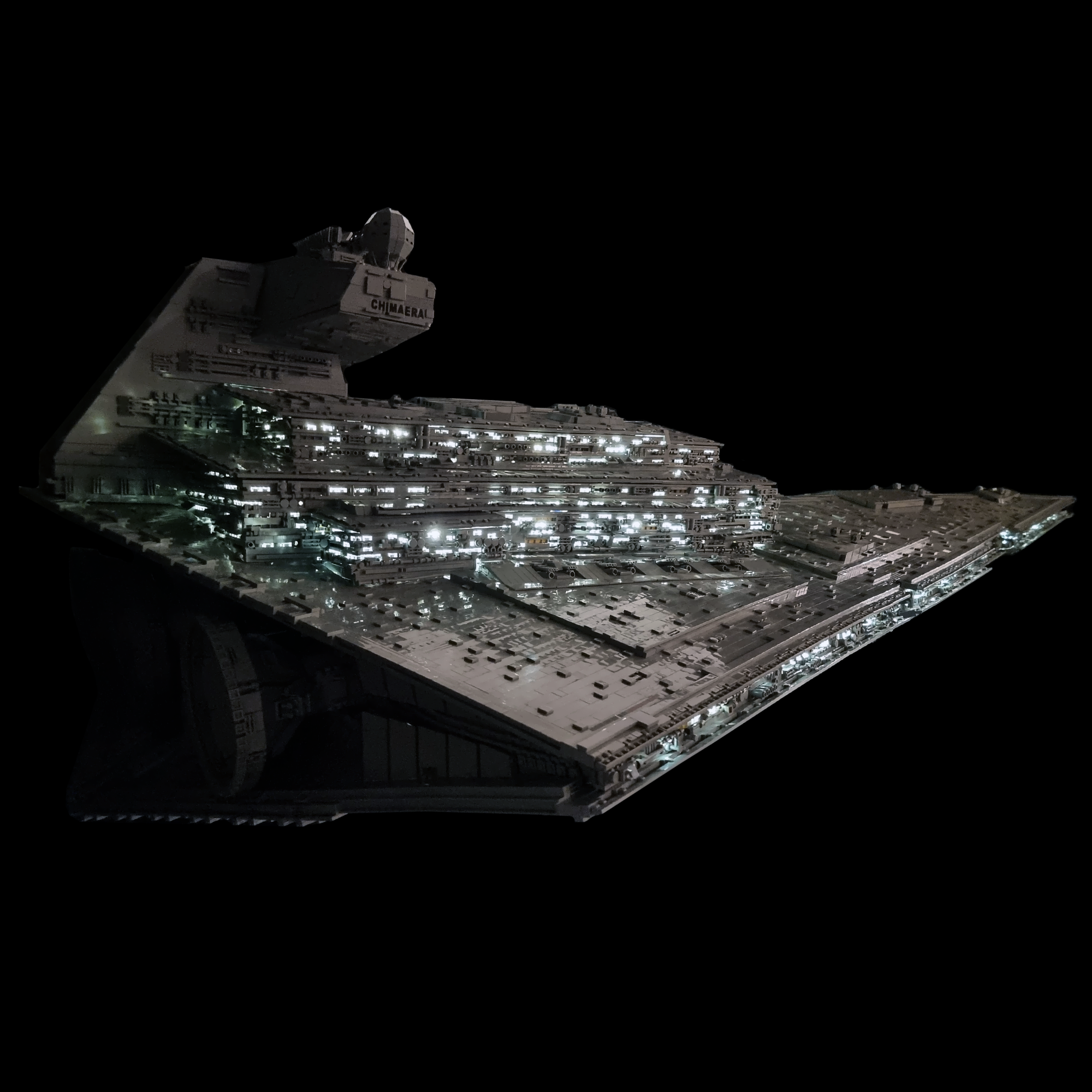
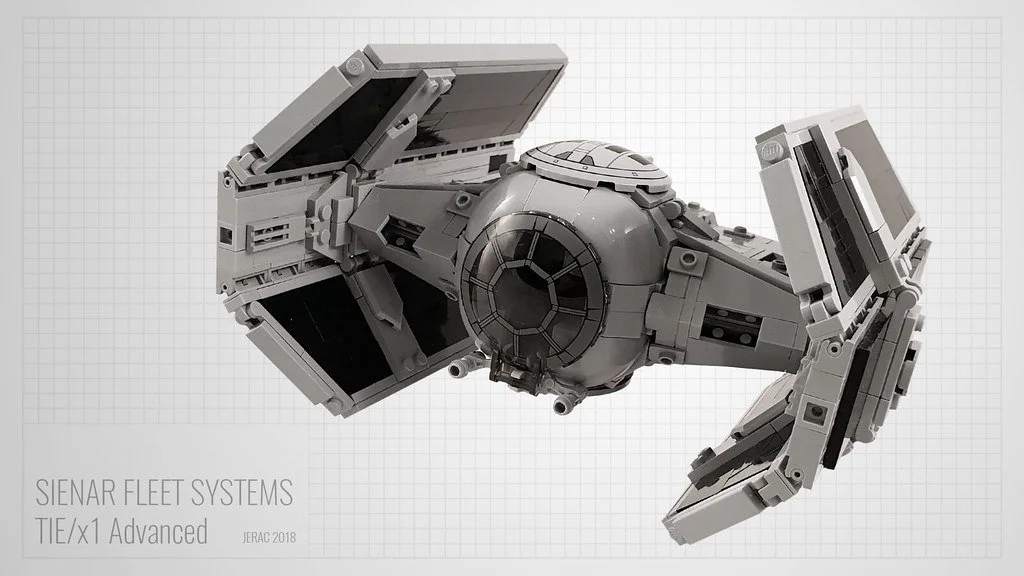
The Star Wars phase, which was also the instructions phase, was about sharing. I wanted people to build my things and feel the same joy as I do, as well as wanting to impress others with what I do.

Characters represent a shift from “things” to people, as they became more important in my life. I’ve mentioned I work in software engineering, and the fine line between being just a developer to being a proper engineer is just that: understanding of people. How to communicate, how to understand what a client needs or what a project manager wants to achieve, and how to deal with team issues.
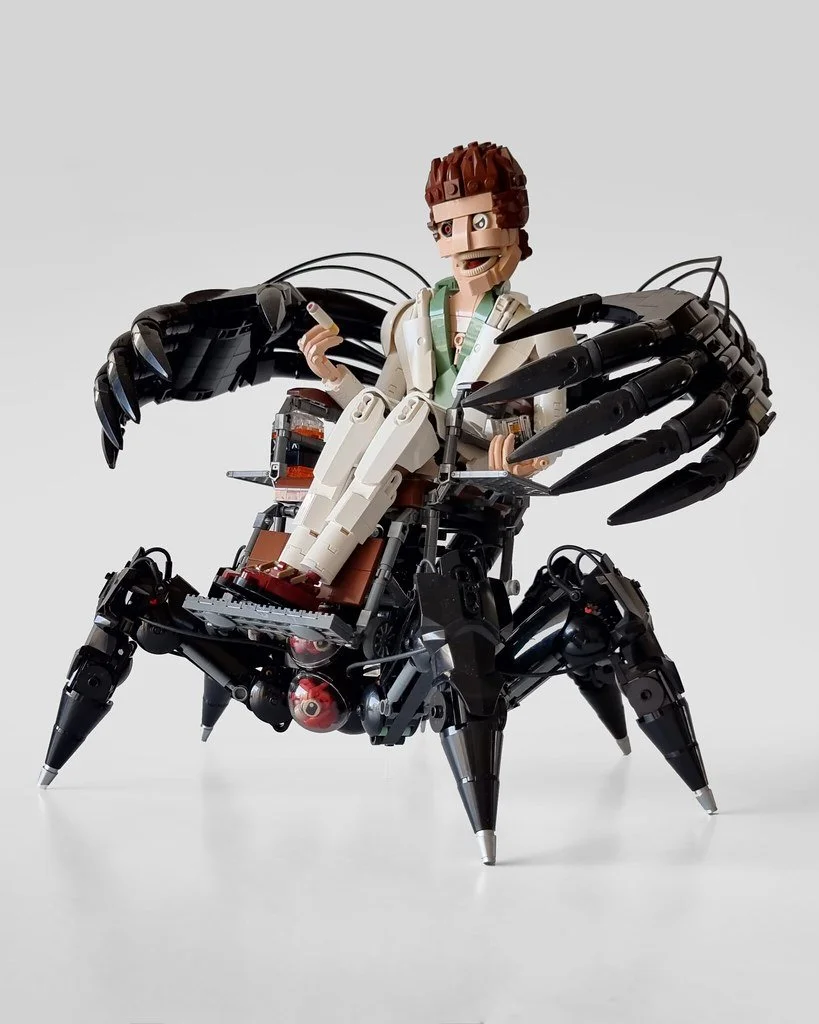
The latest phase represents feelings, being able to look inside and actually evoke feelings in viewers seeing my models. It is oddly satisfying to hear different interpretations of my recent builds, ranging from very simple, direct ones to really complex, bizarre ones that are beyond my understanding. Then there’s also that look of guests of exhibitors who come to conventions to see nice and cool creations until they reach my table, and they get that “wait, what” look on their faces.
The Builds That Matter Most
Caleb: What’s your favorite MOC you’ve built?
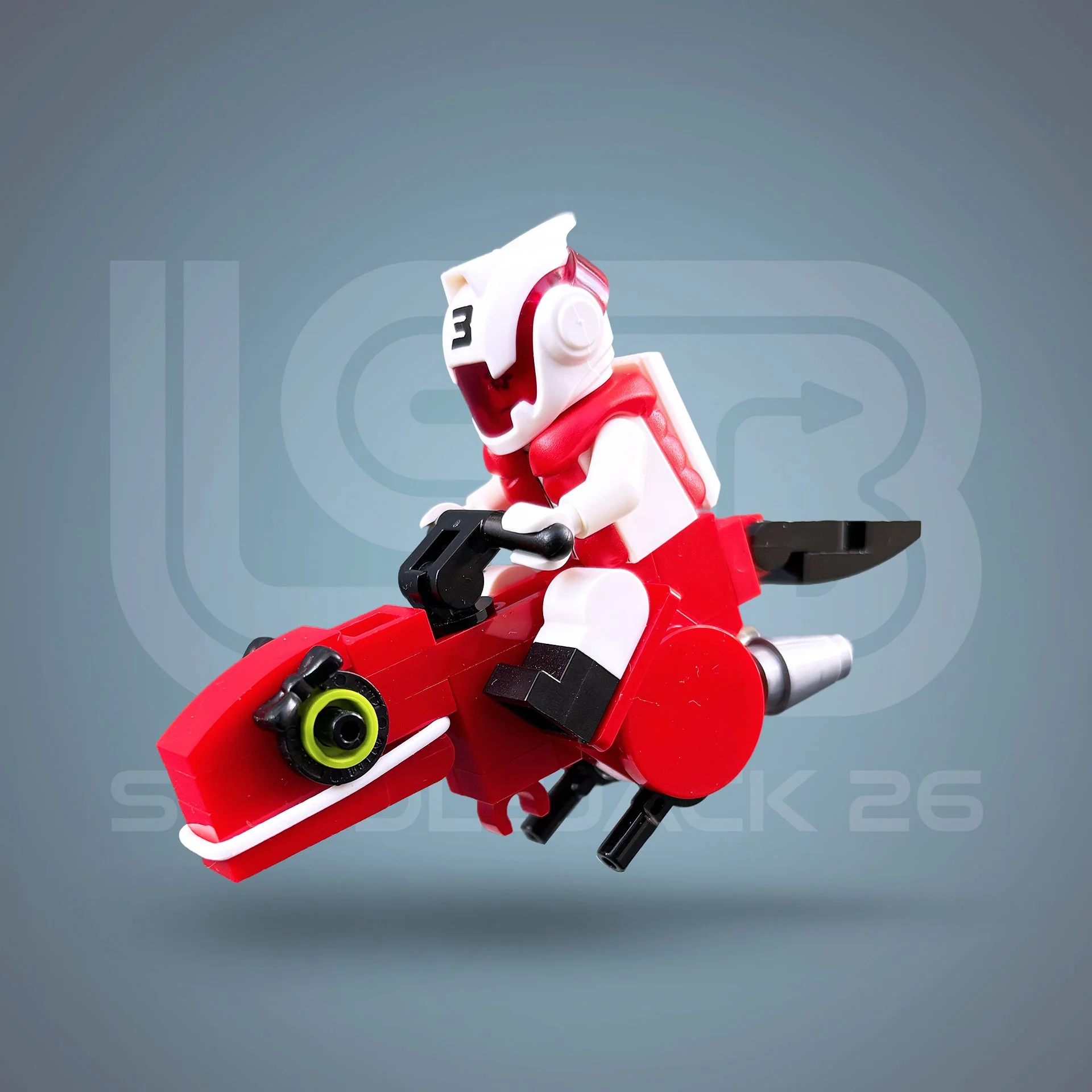
Jerac: I would probably categorize it by period. In the spaceship period, it would be the Cobrahn fighter, a curvaceous piece of starfighter coolness, and then the Titow Starcraft Battlecruiser.
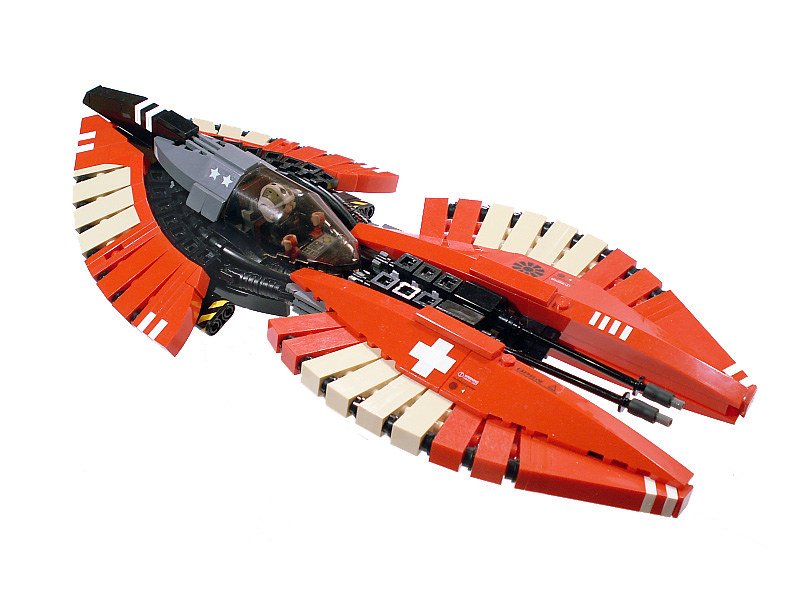
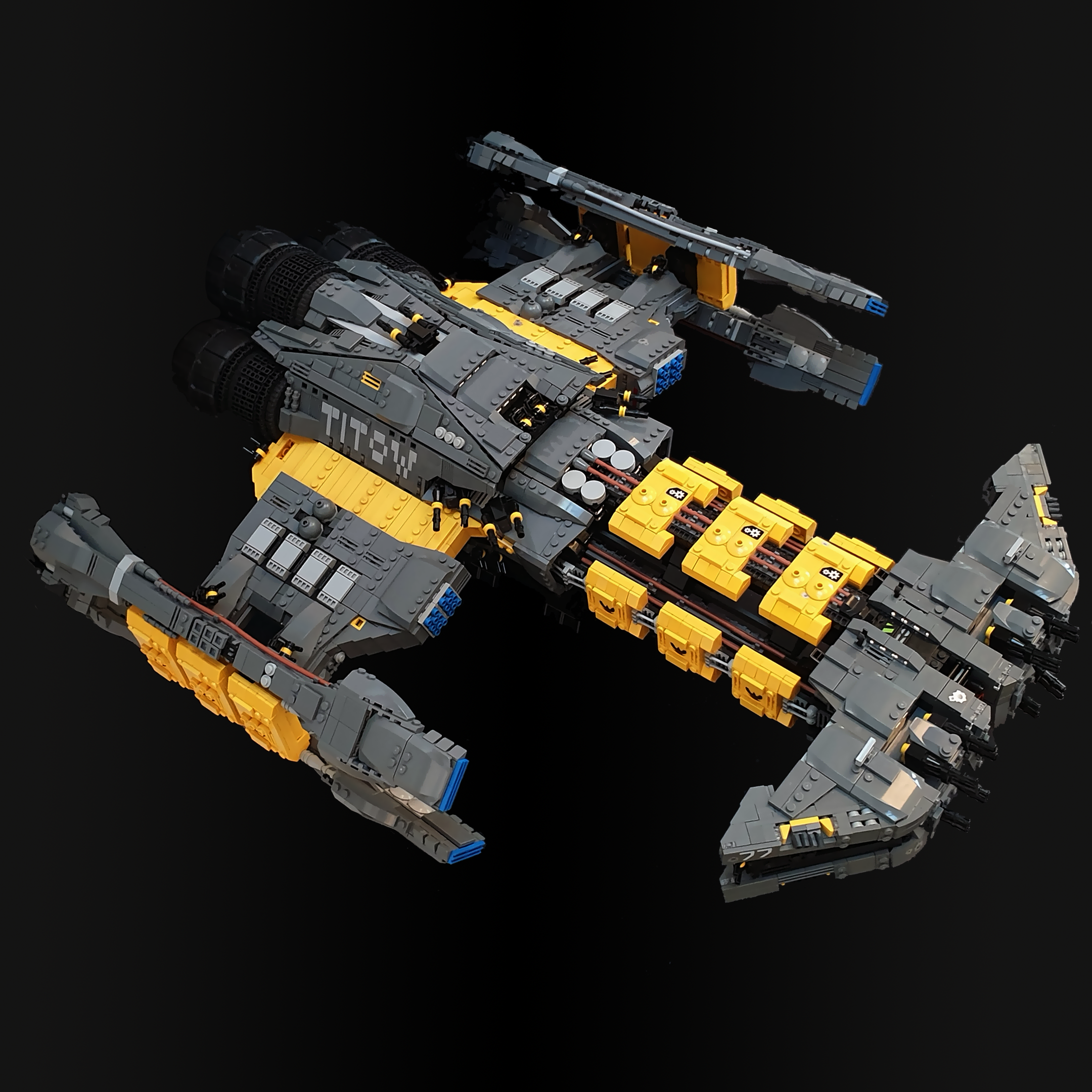
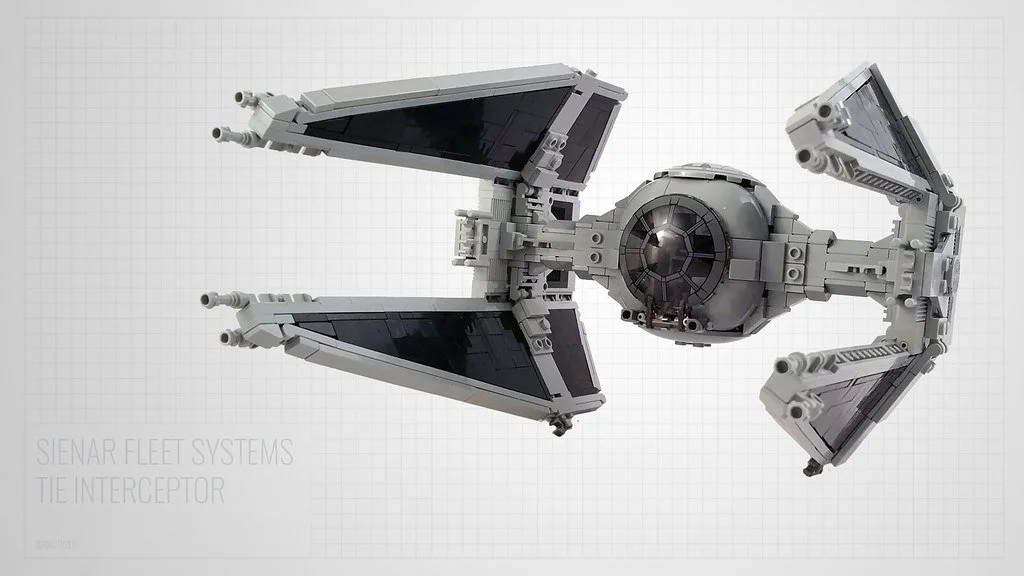
In the Star Wars period, it is hard to tell, really. The X-Wing, Y-Wing, and TIE Interceptor are my favorites without a clear winner.
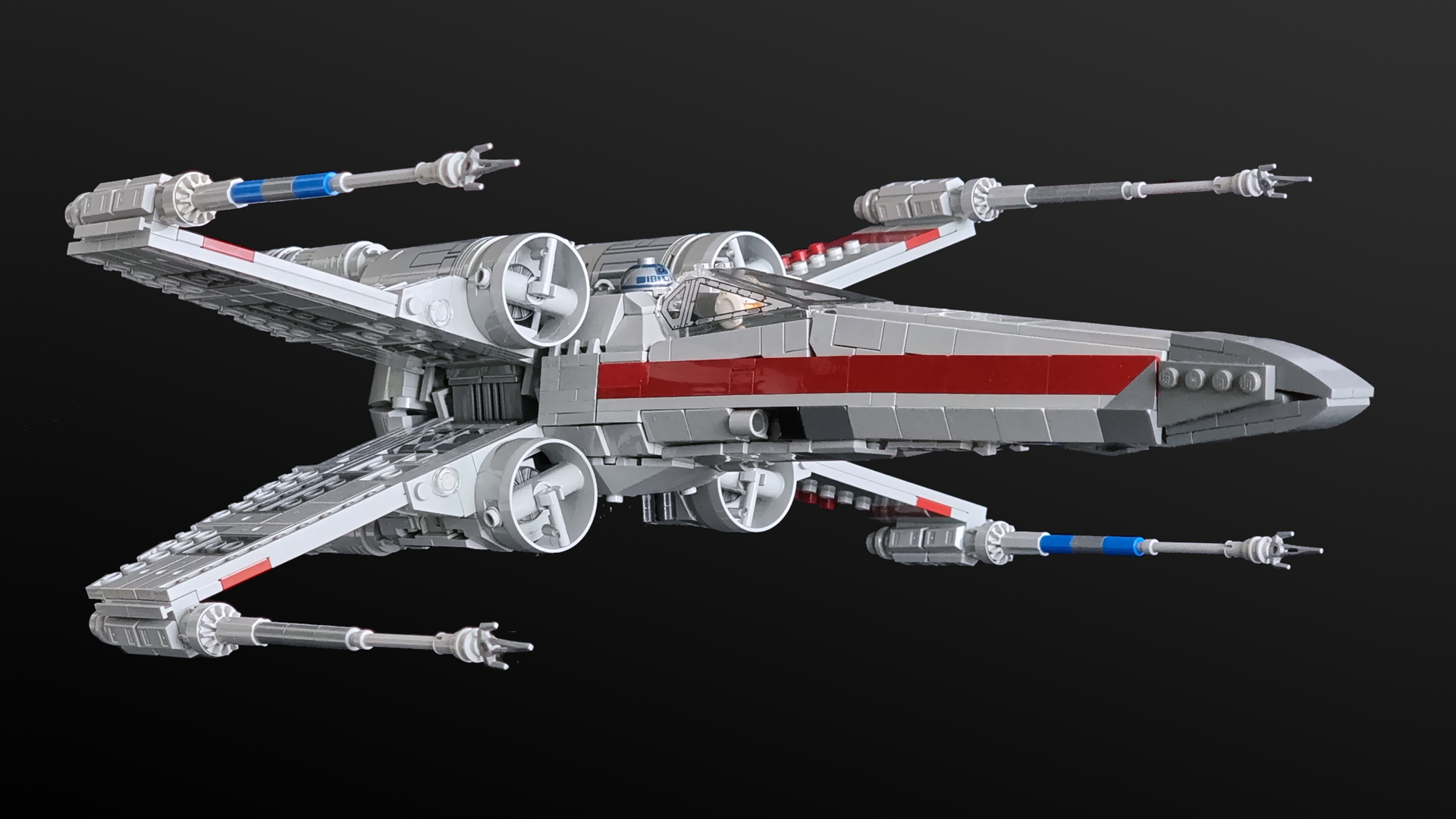
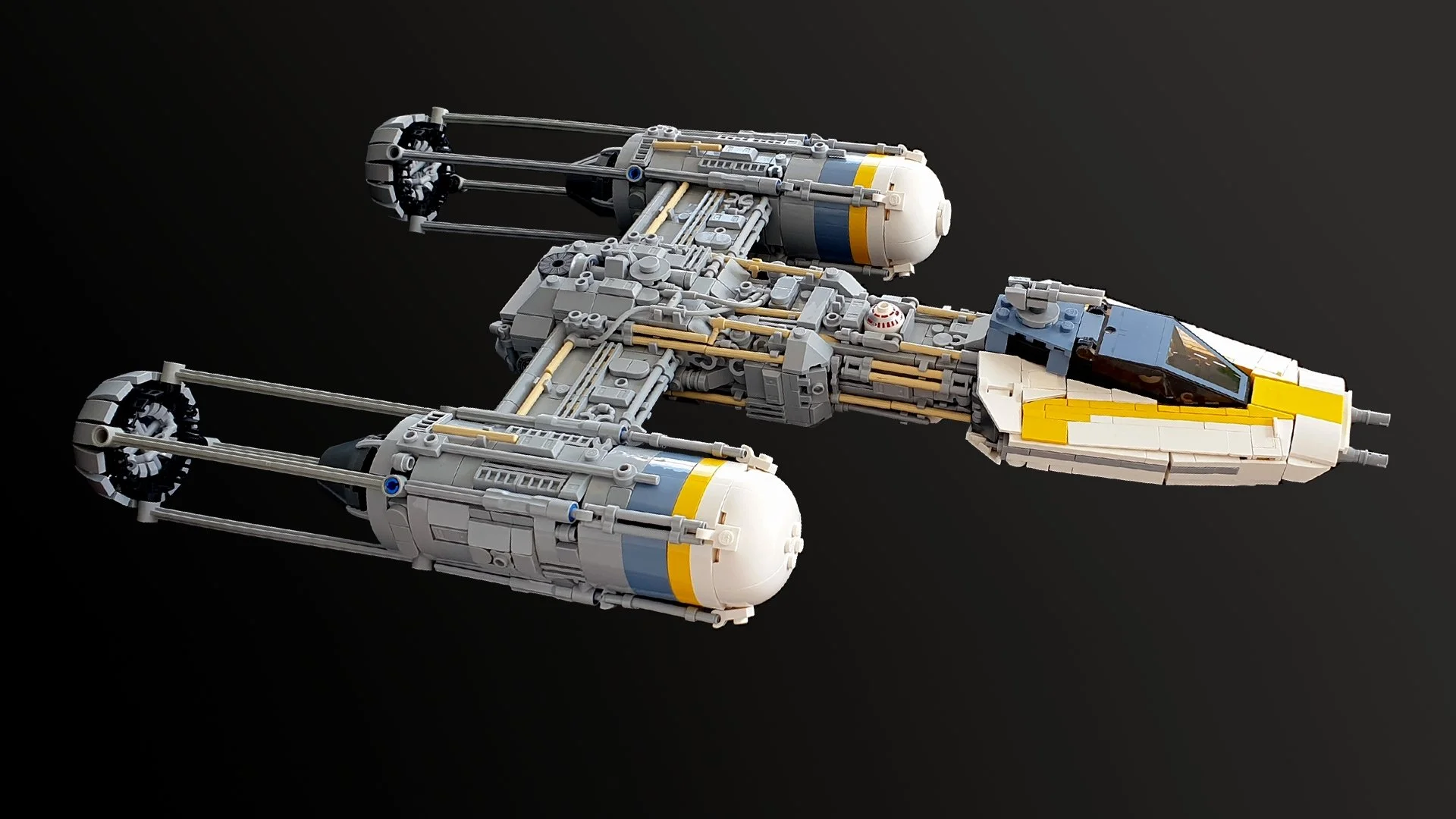
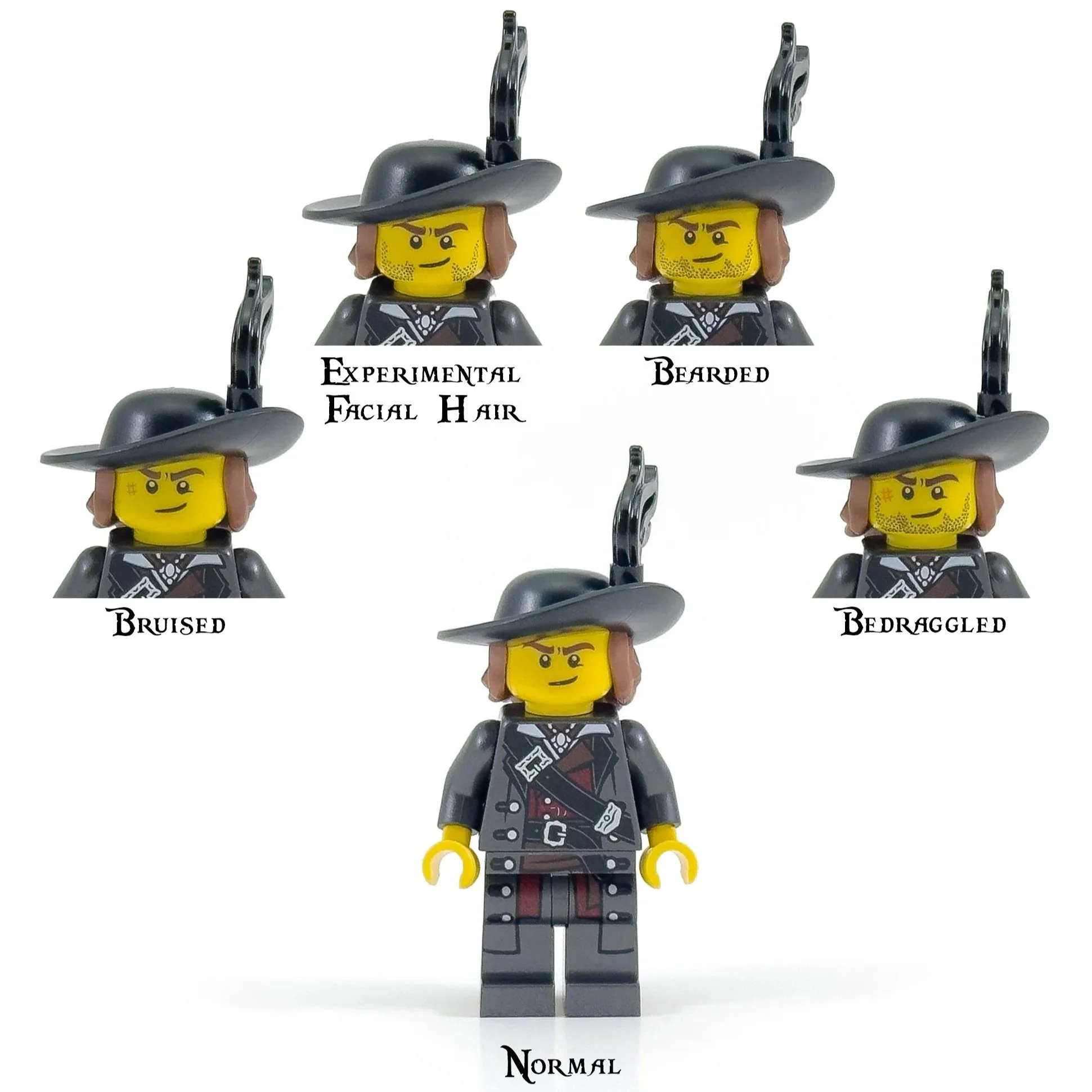
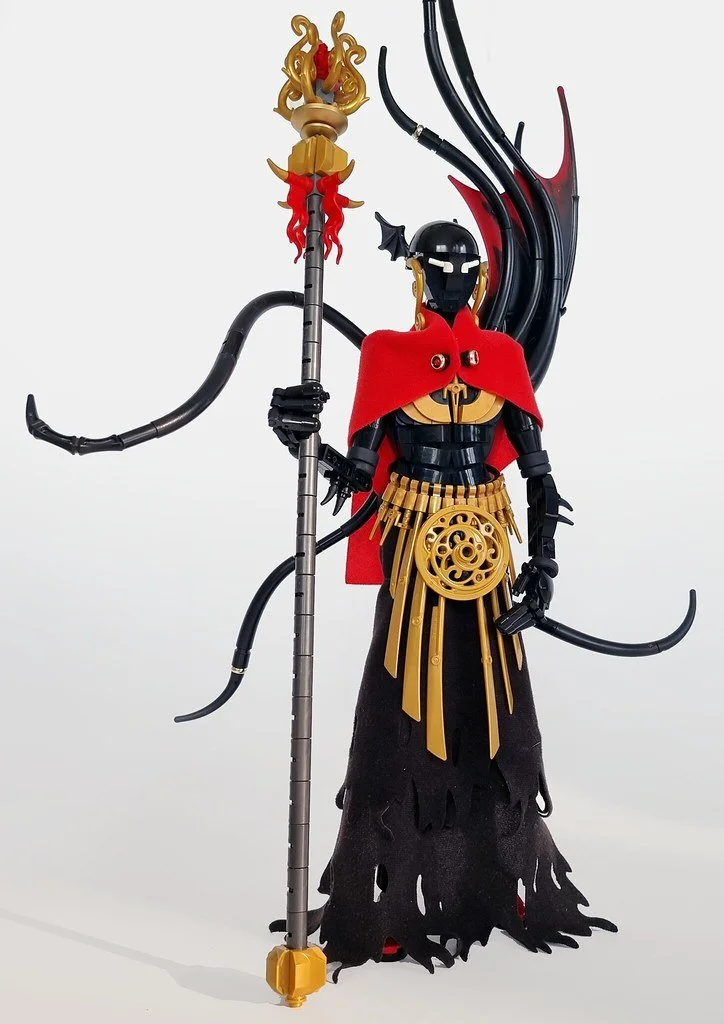
Out of the characters, one of the older pieces, The Countess of Dis.
In the recent feelings-based theme, the Impling.
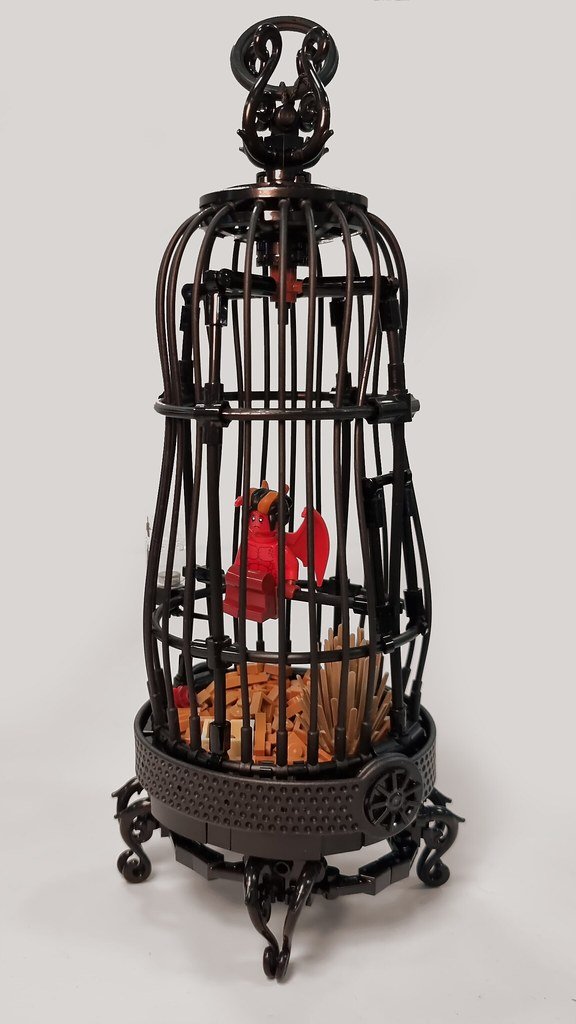
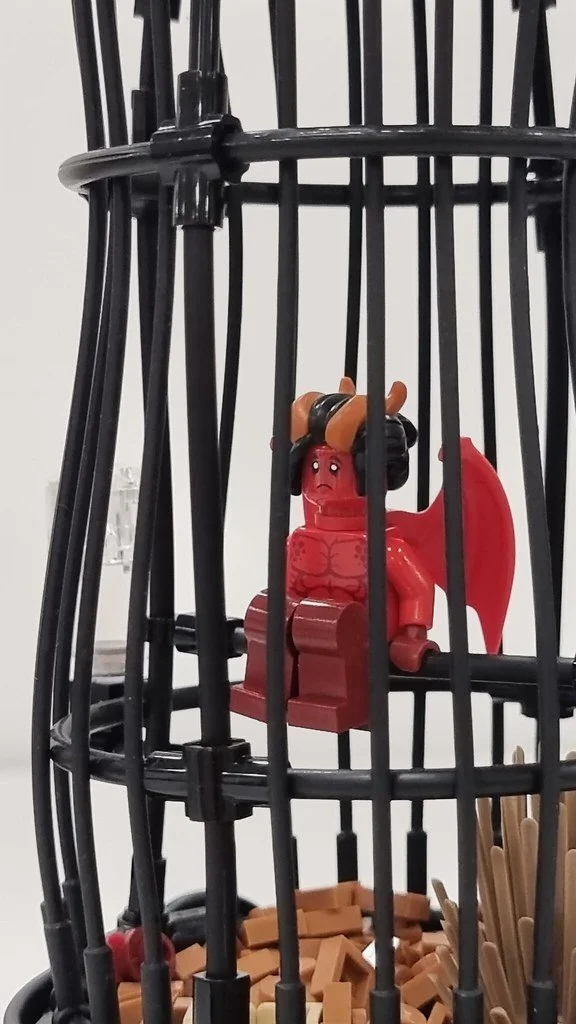
In the latter two, what appeals to the broad LEGO fan community is rarely what I like the most. Some of the pieces that get just a comment or two are much more significant to me for one reason or another.
Caleb: Do you ever miss building vehicles?
Jerac: I don’t really miss any of the previous phases, and sometimes I return to these. I already have a few ideas for spaceships brewing. One day, one will spill out into being a LEGO model. This might be relatively soon, actually!
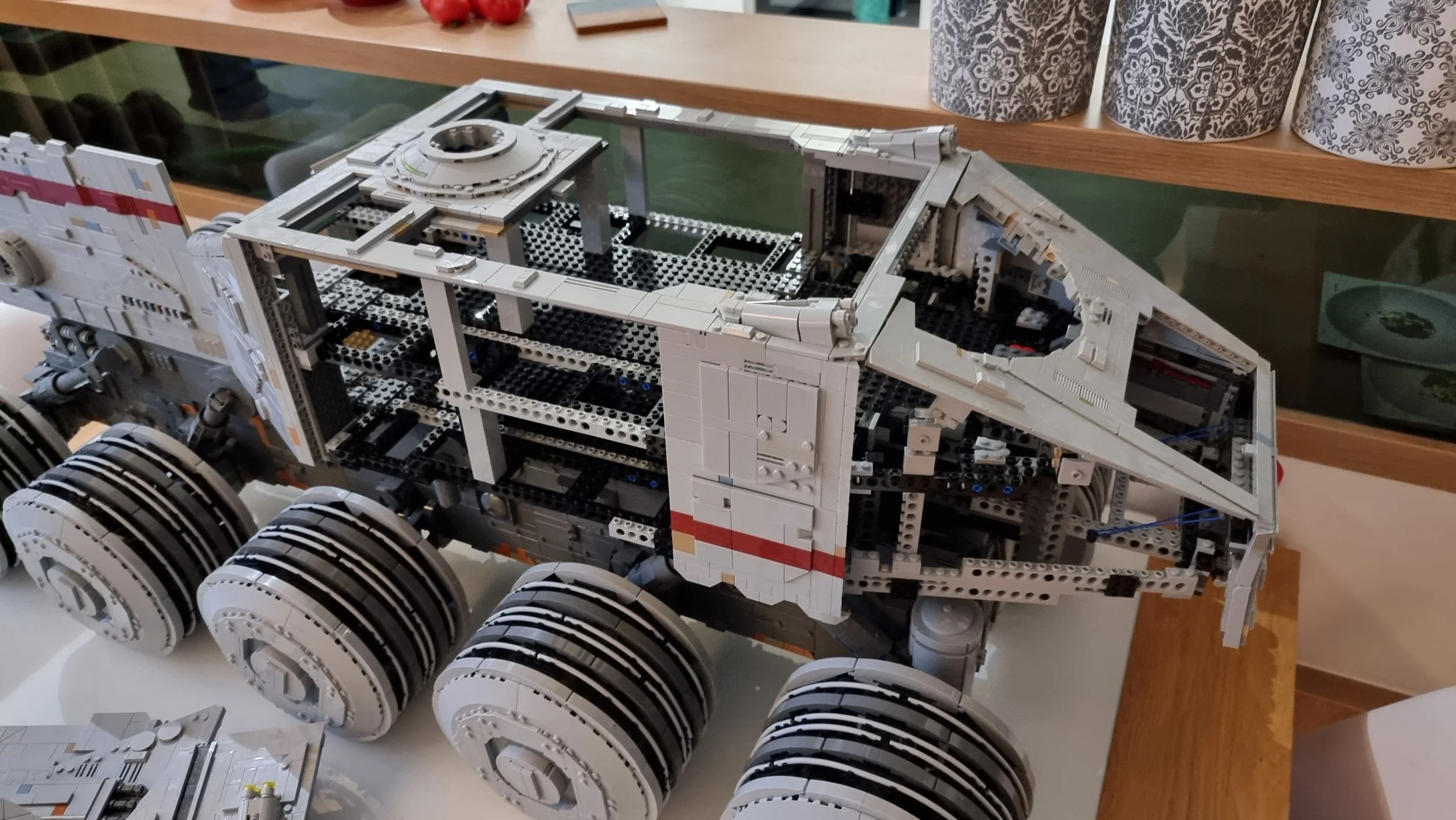
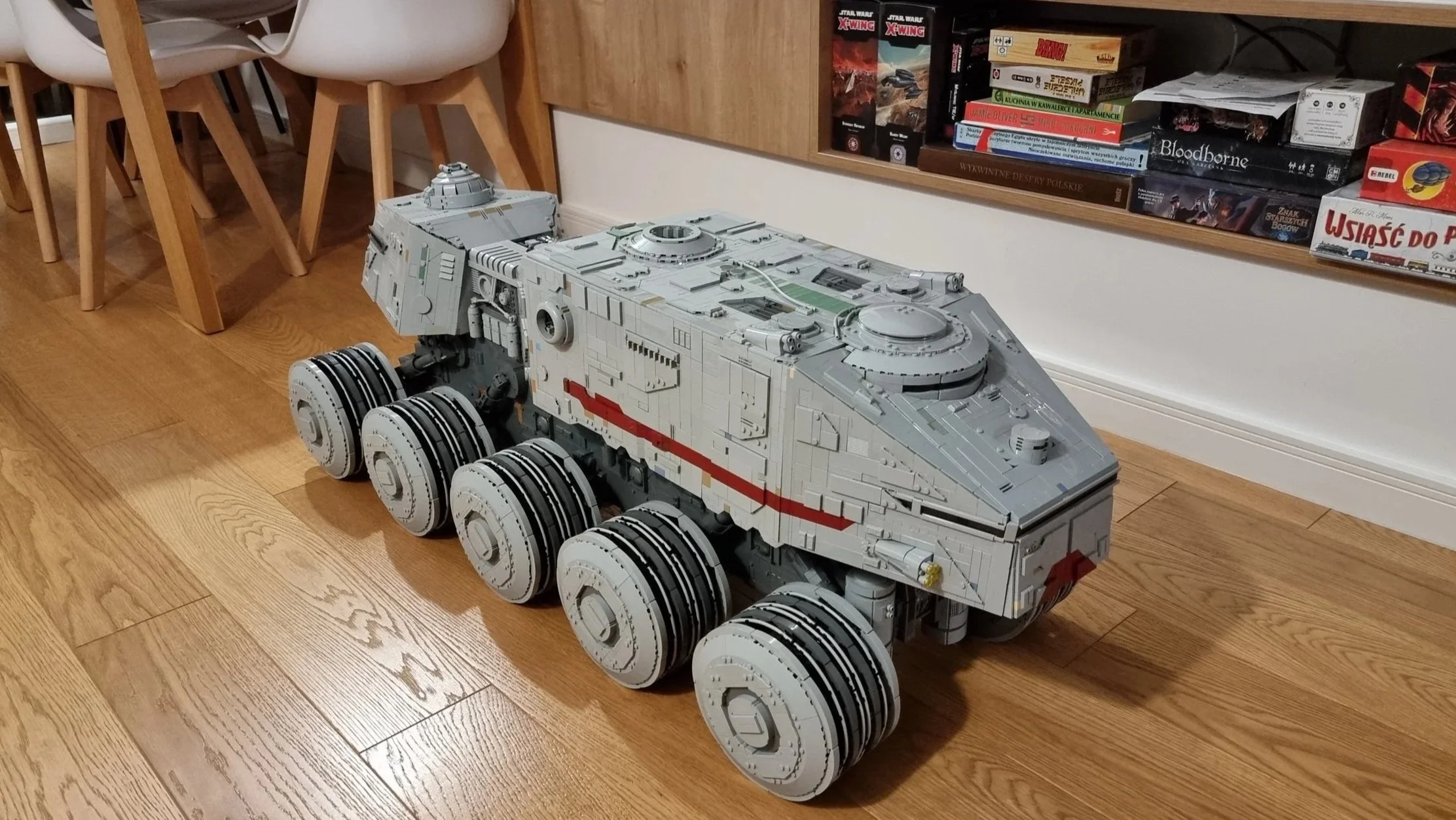
The biggest reason for abruptly stopping vehicle production is the Juggernaut. It is the biggest, literally, the most complex technical undertaking in my LEGO life. One day, after about two years of working on it, I just got fed up when I built all the top sections only to realize I needed to completely rebuild it, as none of the original playability goals could be done. Since then, it has sat abandoned in a dark corner of my apartment. I do think about returning to it sometimes, though, so it might not be a lost cause yet.
Caleb: What’s your dream MOC? If you had infinite time and resources, what would you create?
Jerac: No idea. The limitation is neither time nor resources, really. In the case of both the Star Destroyer and the Juggernaut, I had enough time and resources, and yet it was more exhausting than fun. Smaller creations are a distillation of the important parts of the process to me, which fit my style better.
Caleb: Do you have anything exciting in the works that you can share with us?
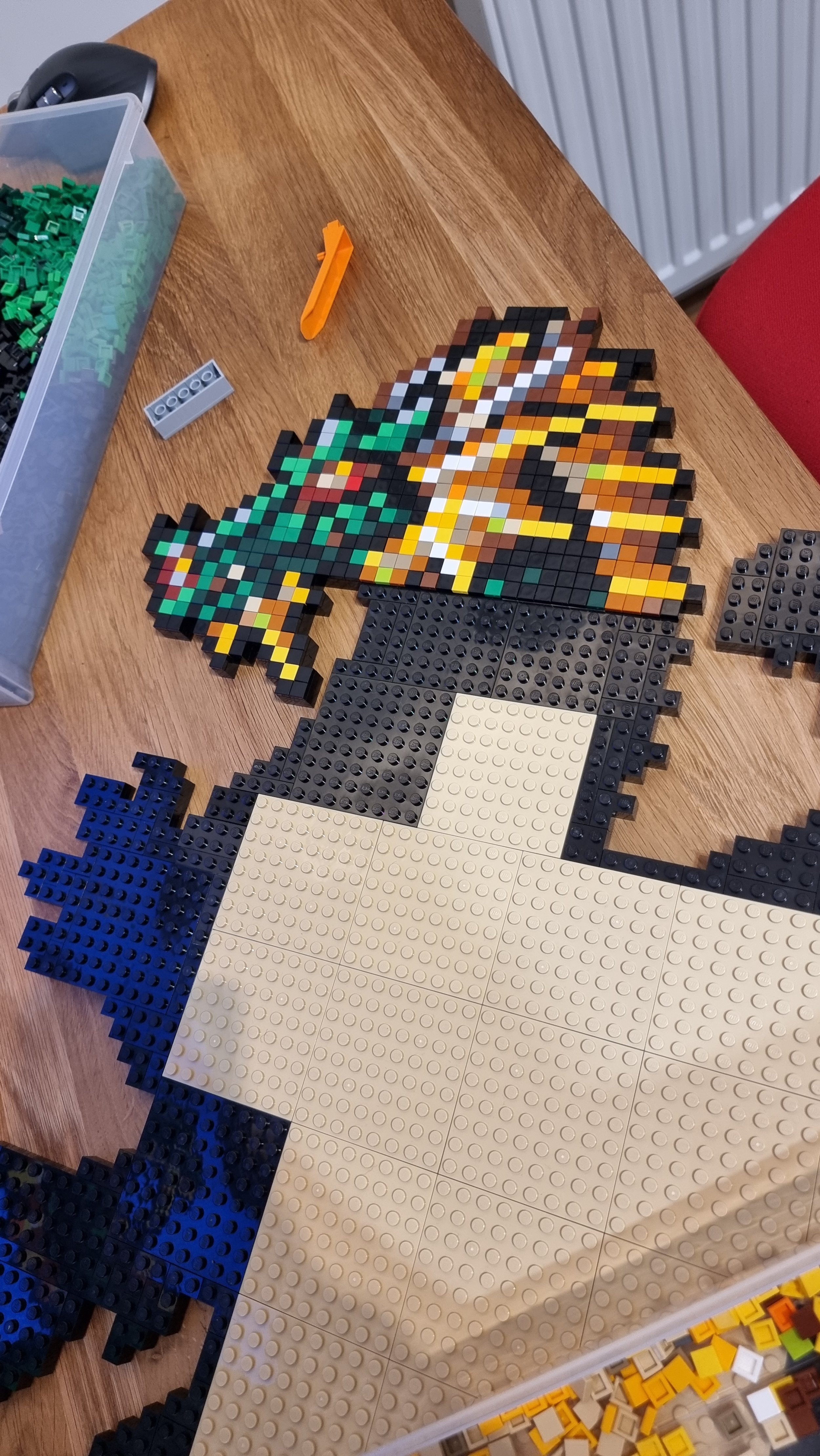
Jerac: Yes, but I won’t spoil much. I think I am building something that has never been done in LEGO. Which I doubt anyone will realize, but that means a lot to me, to even find such a topic!
Caleb: Thanks for taking the time to talk to us! Do you have any closing thoughts you’d like to share?
Jerac: Take care of yourself and your mental health. It feels laughable and stupid, until suddenly it is not. Don’t limit yourself to arbitrary rules when building your LEGO models, or when collecting sets. The pure, unbridled joy of the hobby, in my opinion, is worth the most!
Caleb: Thank you so much for taking the time to chat! I’m excited to see what you’ve got in the works, and best of luck with your future endeavors!
What Comes Next
So there you have it! From spaceships and Star Wars to figures and abstract art, Jerac has proven his mastery of the art, and I do mean art, of LEGO building. I don’t know about you, but I, for one, am excited to see what he has in store for us next!
Have your own LEGO builds changed as you’ve grown as a builder? Let us know in the comments below!
Do you want to help BrickNerd continue publishing articles like this one? Become a top patron like Paige Mueller, Rob Klingberg from Brickstuff, John & Joshua Hanlon from Beyond the Brick, Megan Lum, Andy Price, Lukas Kurth from StoneWars, Wayne Tyler, Dan Church, and Roxanne Baxter to show your support, get early access, exclusive swag and more.