When the Bricks Won’t Click: Tackling Creative Burnout in the LEGO Hobby
/LEGO building is a remarkably diverse creative practice. Some builders dive into projects with playful abandon, improvising as they go. Others hesitate, plan endlessly, or feel crushed by the weight of their own expectations. Perfectionism isn’t universal, but for those who experience it, it can be deeply limiting.
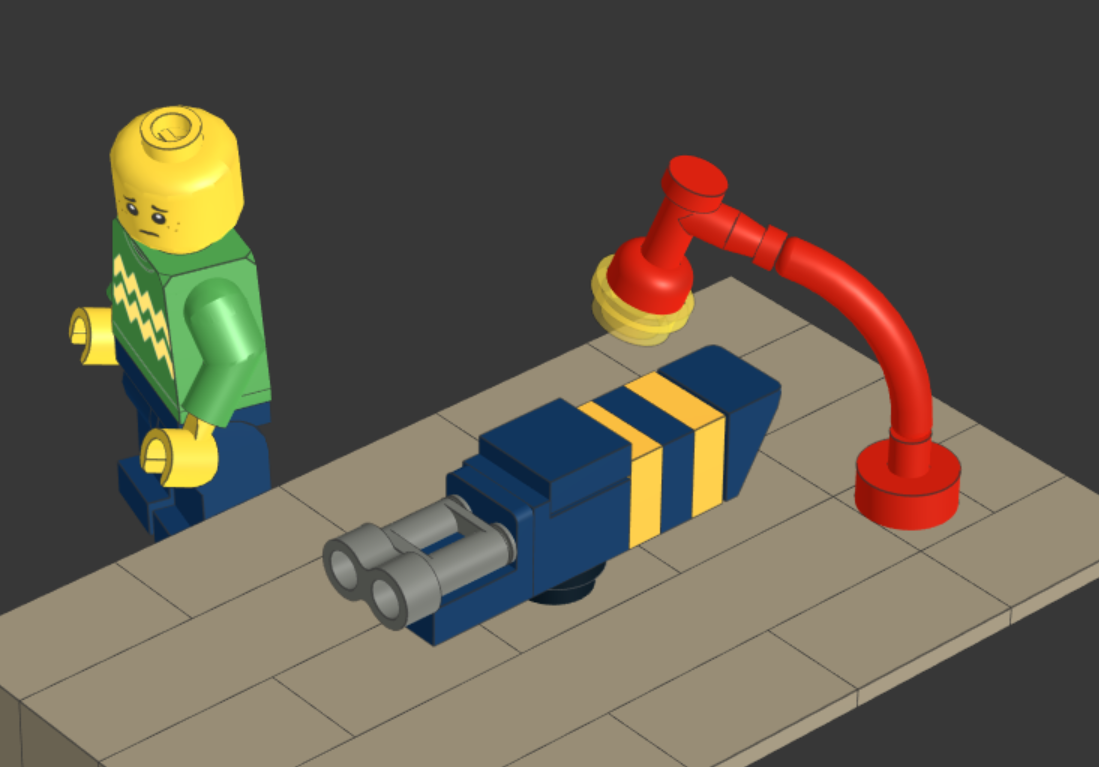
In this article I talk about my continued personal journey as a LEGO builder, my exploration of creativity and design, and the things I’ve learned on the way. More specifically; how I found myself locked by my own expectations and how I dealt with it.
The Burden of Knowledge
To understand how I ended up in this situation, I need to go back to the beginning.
I took my first small steps as a LEGO builder in 2012. I had just moved into a house and received all my childhood LEGO that had been stored at my parents place. The first MOC I built was a sort of Wipeout-esque spaceship, inspired by the work of Dasnewten and Pierre E Fieschi. I quickly realized that to be able to get better, I needed to buy some new parts.

My first MOC. Built from my childhood LEGO. This made me realize I needed to buy new parts.
So, I ordered a couple of big sets and started building. Exploring all the new elements and colors was a true joy (and still is) but after a couple of months of fidgeting, I had a new realization: I need to learn building techniques.
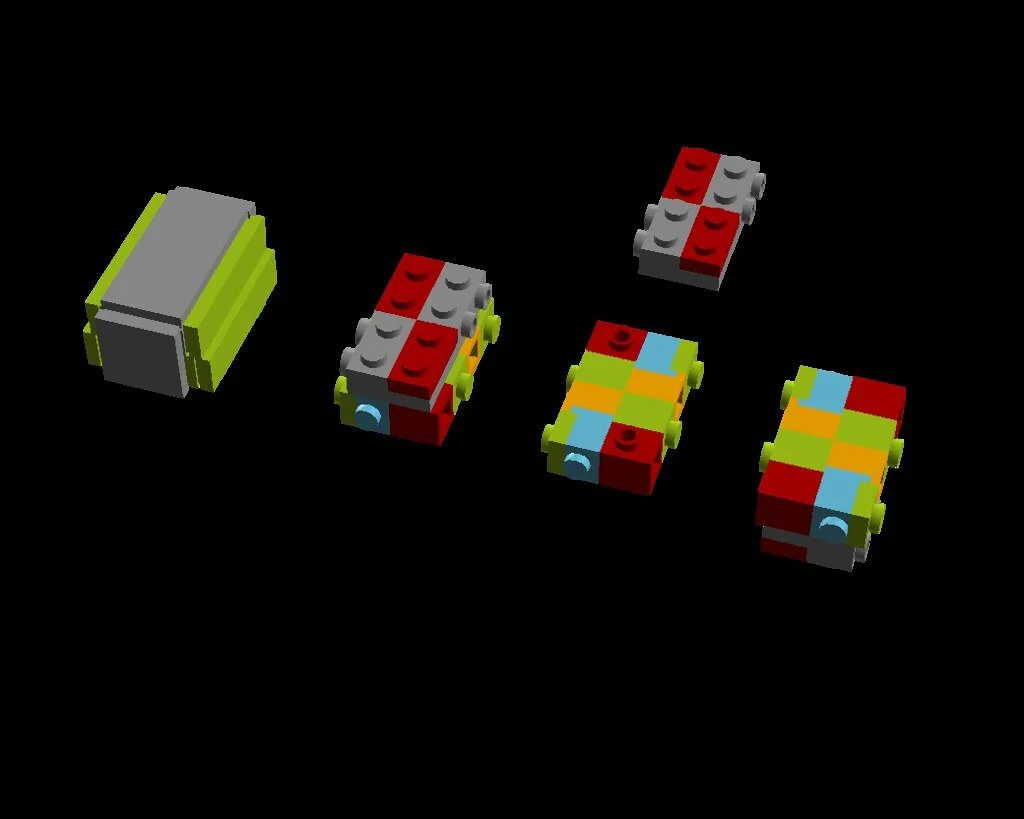
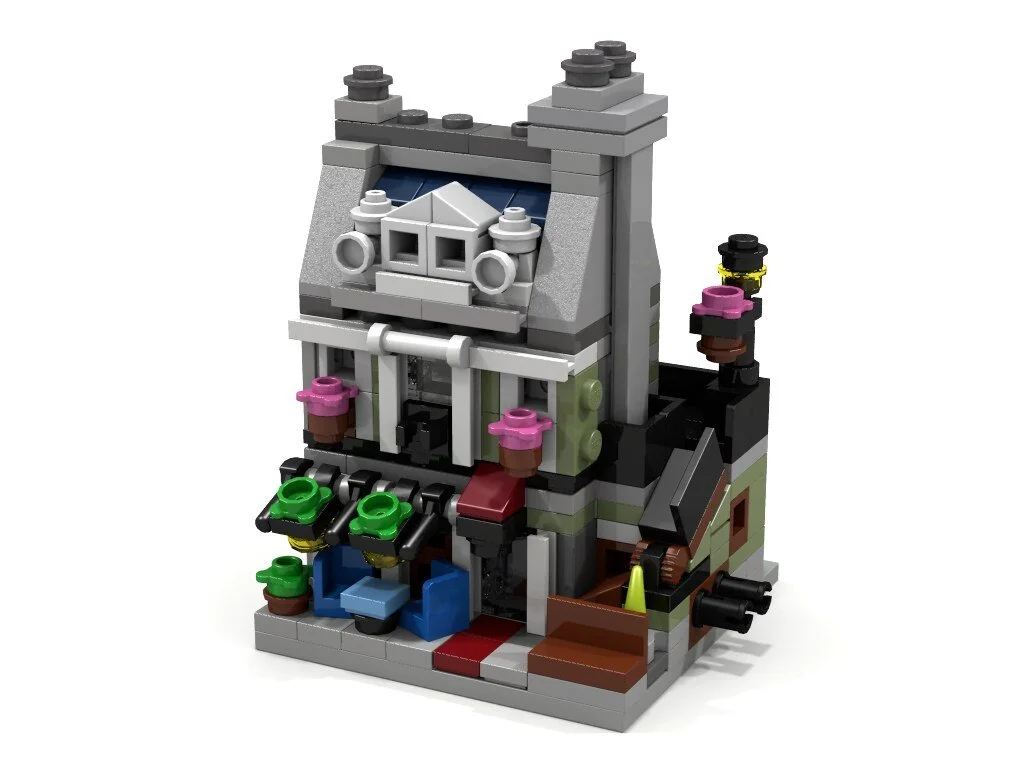
Me exploring SNOT, through the Reverse Engineering Challenge and designing Mini Modulars.
I spent years learning about SNOT and stability. I continued building MOCs during this time, and for every new MOC, I grew better and gained insights about LEGO building and design. I could look at my first MOCs and really see a palpable difference in my skill.
This exploration of my own creativity and skill was something that brought me so much joy. Sometimes I got stuck, but the community I found in my LUG and on Flickr encouraged me. Constantly pushing myself to finish my builds and wanting to improve.
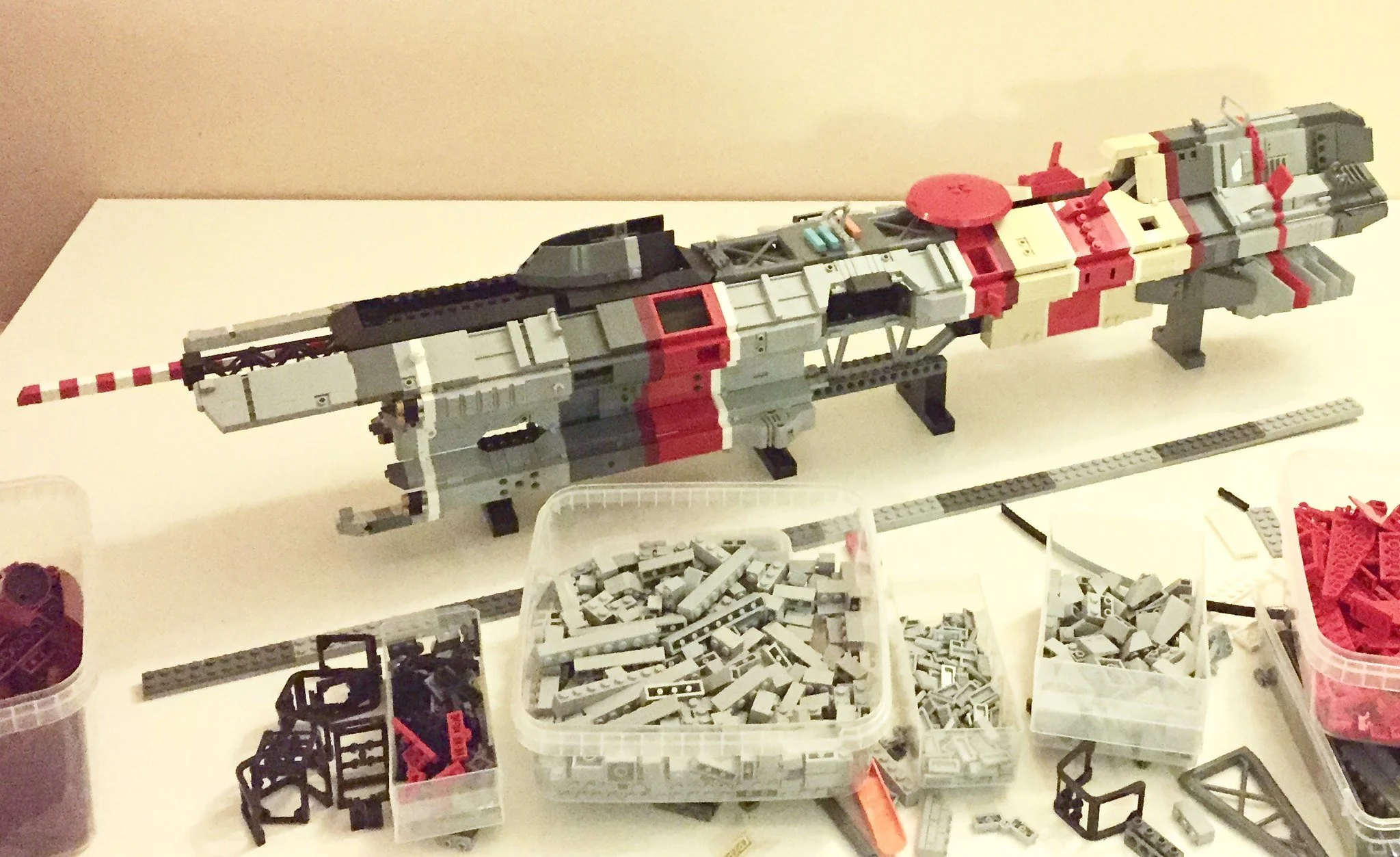
One of my first entries for SHIPtember. I had reached a point where I didn’t want to finish because I didn’t think it was good enough. But the community pushed me in the right direction!
This has been part of my life now for almost 15 years. I’ve grown used to constantly improving and always discovering something new to explore. So when the curve recently started to flatten, it felt a bit like coming off a high. And all the knowledge and insights I had gained, almost became an obstacle instead.
I want all my builds to be better in some way than everything I’ve done before. So if there is a slight gap somewhere, or a detail that I think is wrong, I can’t just leave it. I need to fix it. I feel in some way that I owe it to my MOCs to give them all the same amount of attention, or else, they will not leave a mark, they will just be wasted potential. The result, instead, is that a lot of my builds are left unfinished, because I know I should be able to build something much better. And in the last couple of years, it almost even keeps me from beginning building new things at all. Because I have vision of what I want to build, but I know that there are so many hours of struggle to get there, that I almost just give up before I’ve even started.
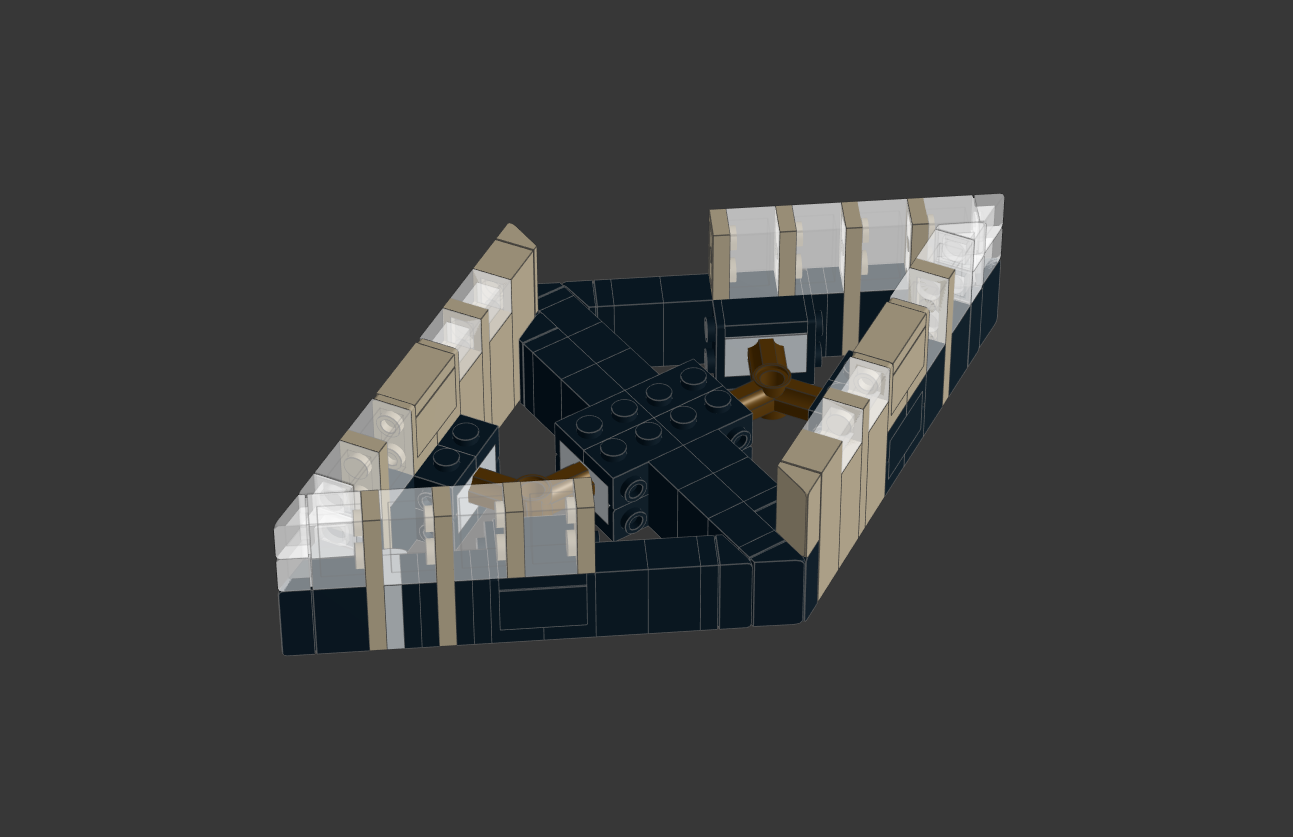
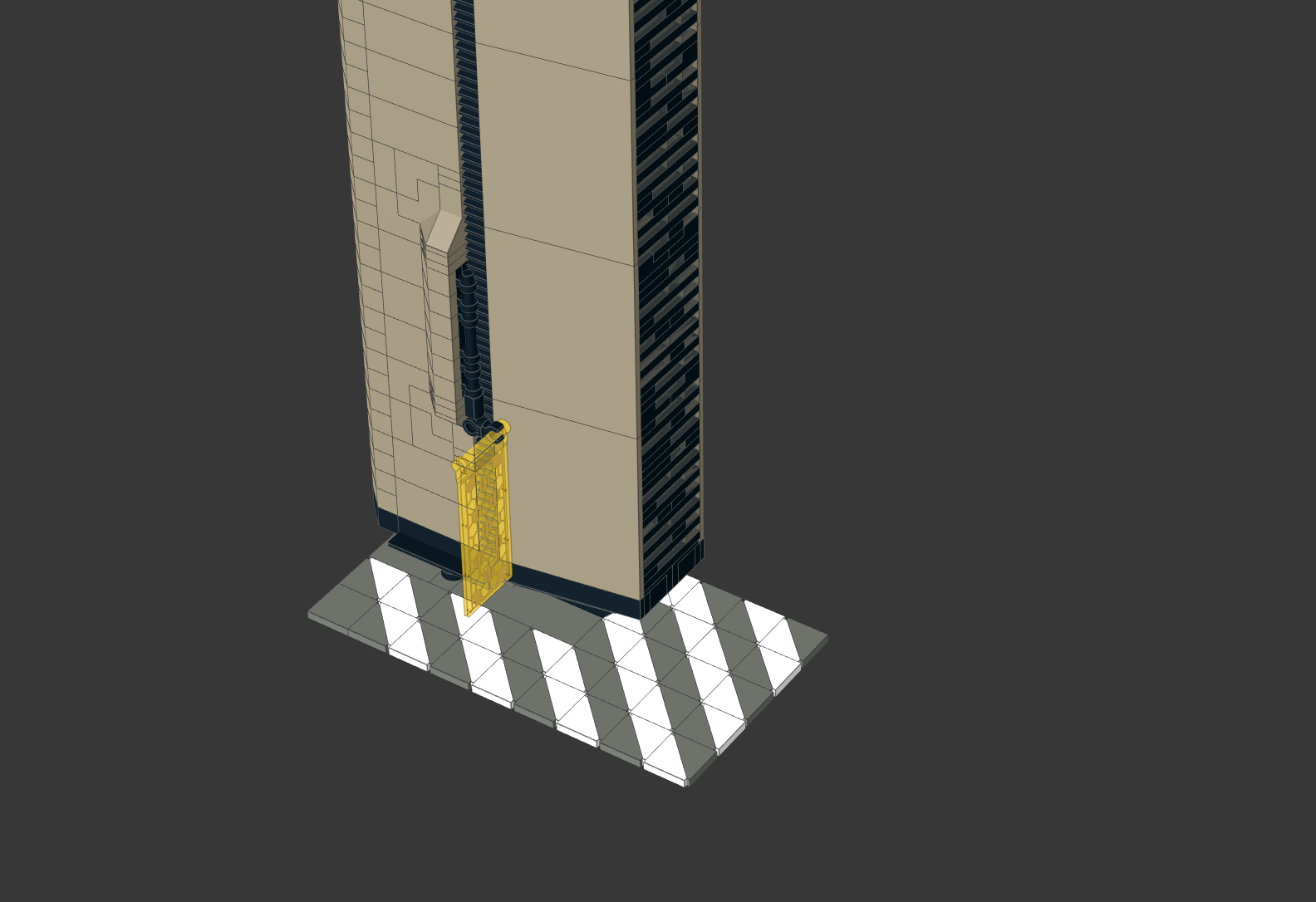
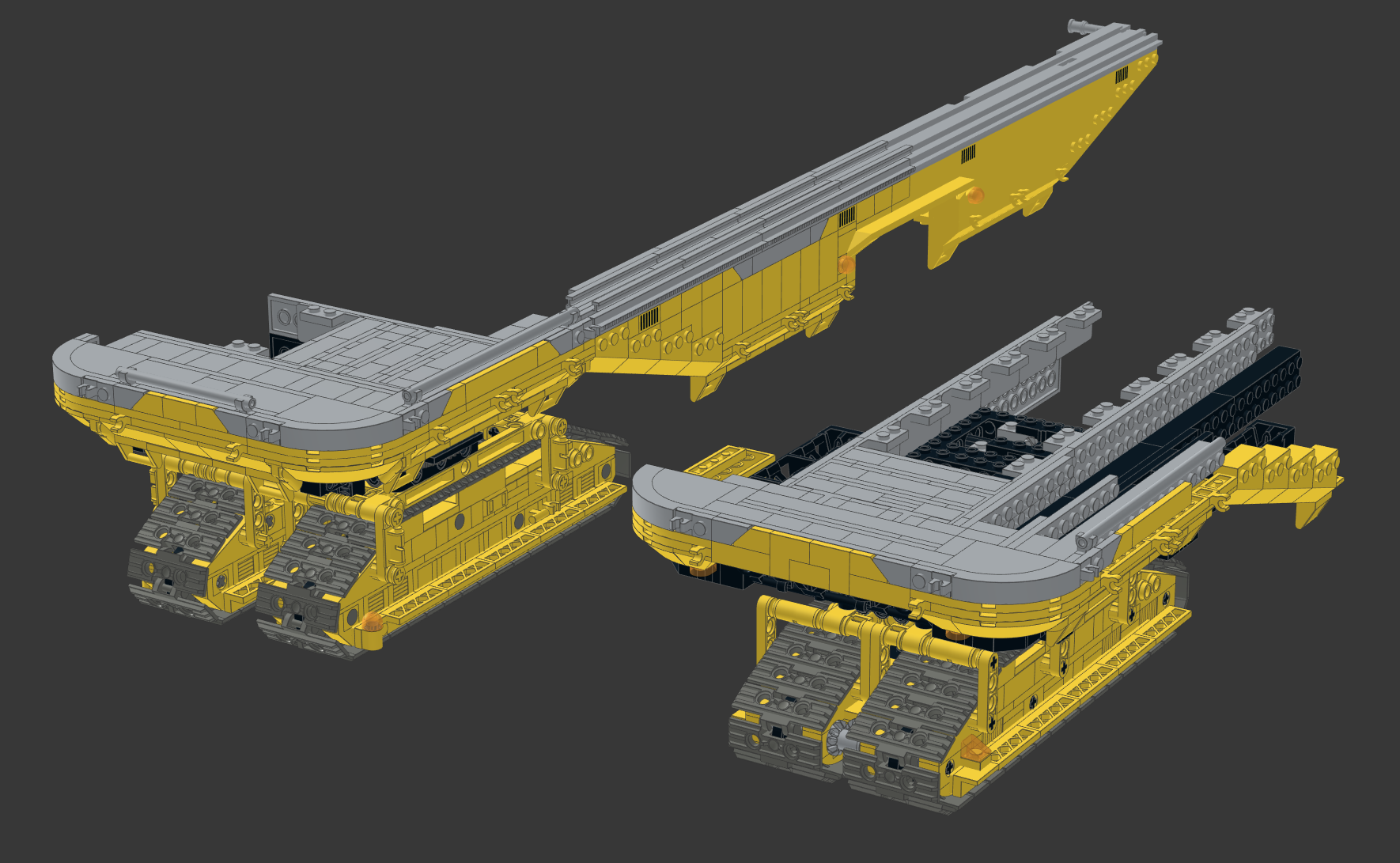
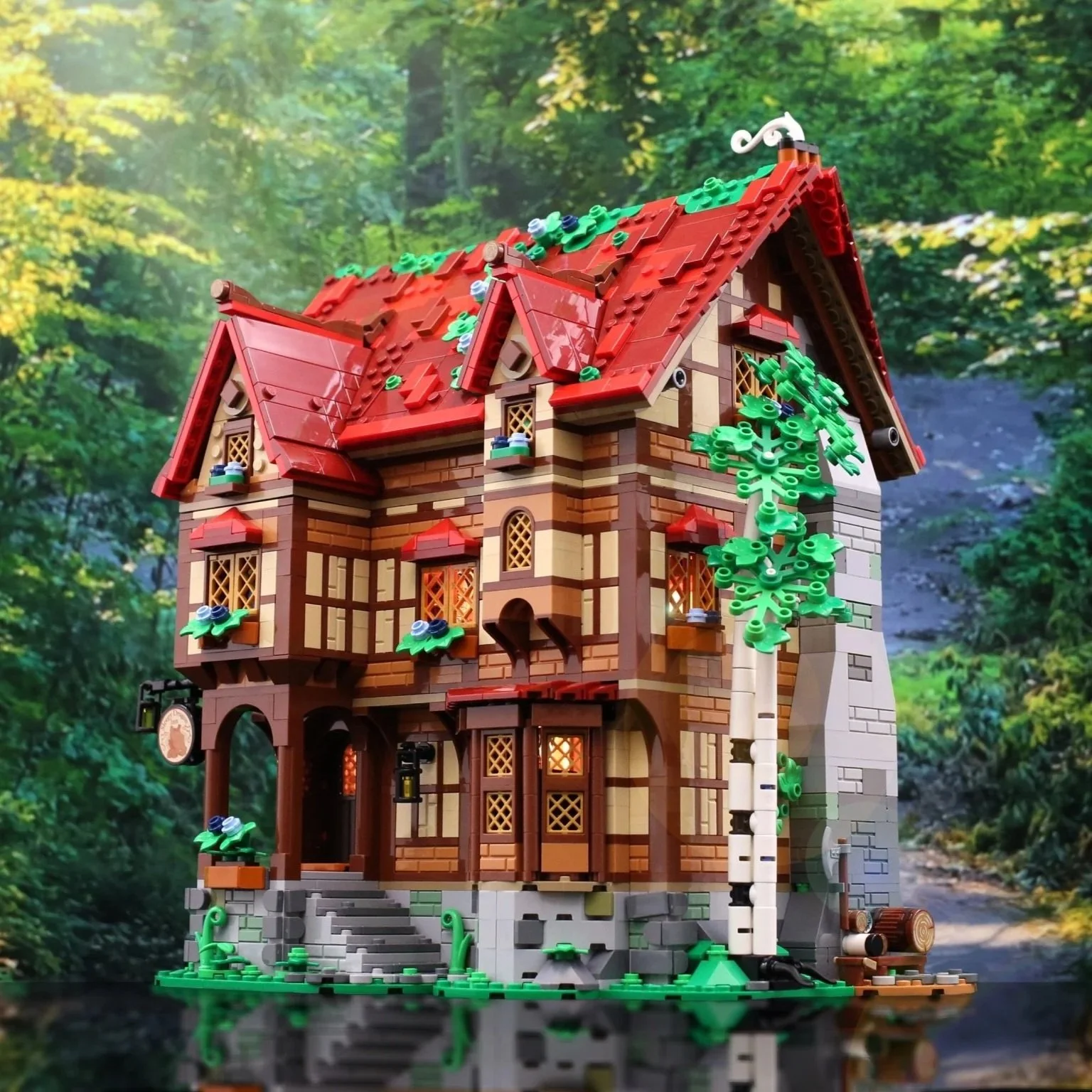
Three very different projects started during 2025 that I’ll probably never finish. What they all have in common is that the end result will be too big for me to be able to finish.
The knowledge and competence I’ve gathered as a builder, all the MOCs I’ve built and everything I’ve learnt have formed into a mountain of work that I know I need to climb in order to be able to reach that bar. The bar that I myself have raised to an almost impossible level, and that I keep raising with every new MOC.
I’ve become my own worst competitor.
Do you recognize any of this? If not… good for you! Truly!
If you do… know that you are not alone feeling this way. And that the realization about this is the first step to breaking the cycle!
The Perfectionism Cycle
I’ve just explained how years of learning, improving, and raising my standards eventually turned into a trap. Your story might look different, but I think many people with creative hobbies recognize the pattern. The details vary, but the mechanism is the same: the better we become, the more we expect of ourselves. And expectations are fuel. They keep the cycle spinning.
But there’s something else worth mentioning here, something I didn’t understand until recently…
The Psychology Behind the Paralysis
It turns out that what I’ve been describing isn’t just a personal quirk or a LEGO‑specific problem. Psychologists actually have a name for it: Perfectionism Paralysis.
It’s a well‑documented mental pattern where the fear of not doing something perfectly becomes so strong that you avoid doing it at all. Not because you don’t care, but because you care too much. The brain starts to associate creativity with pressure instead of joy, and once that connection forms, even starting can feel overwhelming. A vicious cycle forms, made up of what is known as the 3 Ps: Perfectionism, Procrastination, and Paralysis.
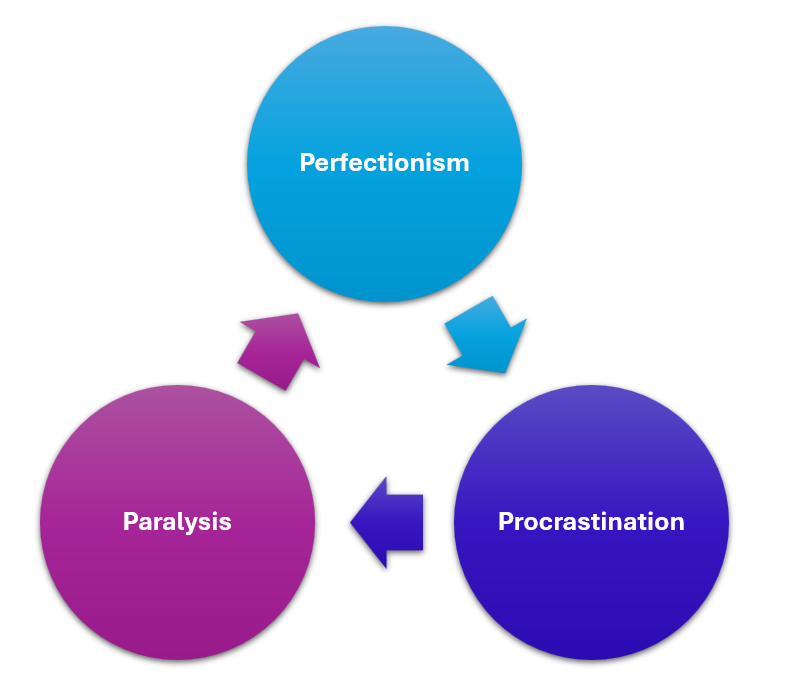
Each of these three leads continuously to the next.
Some people also talk about something called Analysis Paralysis. A state where you get stuck in planning, comparing options, or imagining every possible solution without ever choosing one. In practice, it often overlaps with perfectionism. The higher your standards become, the harder it is to make decisions. And the harder the decisions feel, the more pressure you put on yourself to get them right.
I think I have a cocktail of both analysis and perfection paralysis.
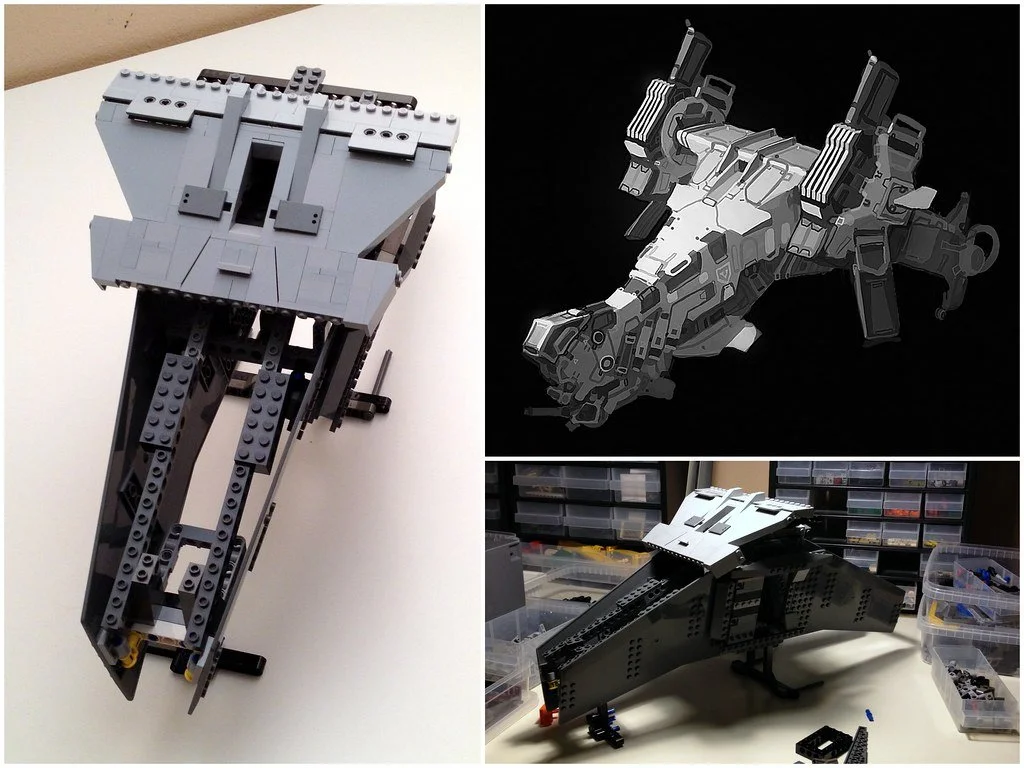
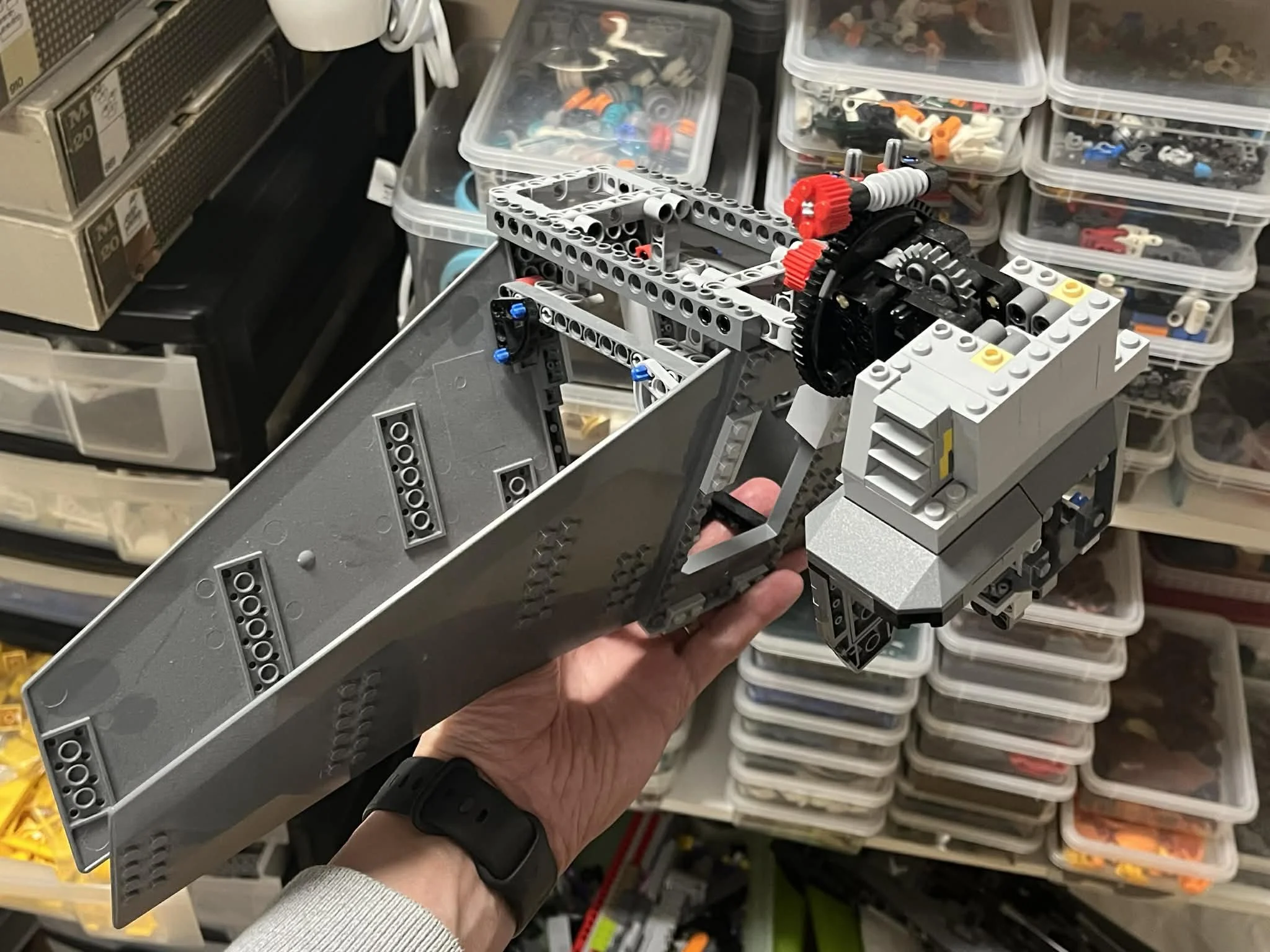
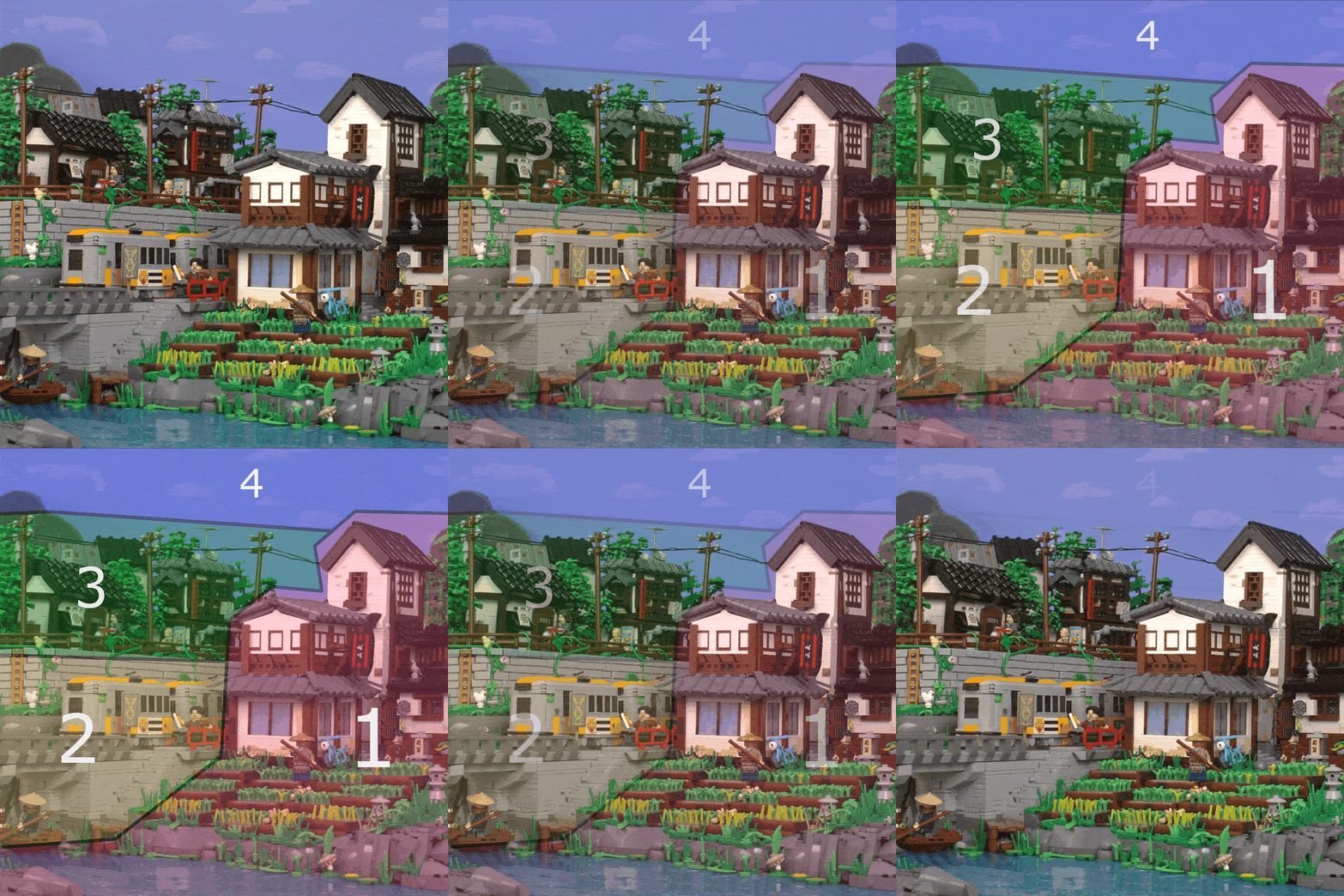
Above is an extreme example. The image on the left is from 2014. I’ve done hundreds of iterations during the years. The image on the right is from 2026. I’m not getting any closer finishing it.
These paralyses don’t usually hit beginners. They hit people who have invested time, identity, and emotion into their craft. People who know enough to see every flaw. People who care deeply. In other words: people like us?
Understanding these mechanisms doesn’t magically fix anything. But it reminds you that paralysis isn’t a personal failure. It’s a known psychological pattern that can be changed.
NOTICE! If you feel burnt out or depressed when you think about your hobby, don’t hide it away! Try finding someone to talk to. Look for help. You might need medical assistance and there are ways to break out of these patterns!
Fuel For the Fire
Perfectionism doesn’t grow in a vacuum. It feeds on the environment around us, and on the expectations we build over time.
External Pressure
Many people feel external pressure from social media. Platforms like Instagram, TikTok, and YouTube have made the LEGO hobby incredibly public and visible. We see polished finished products, the success of other builders, and the constant stream of amazing MOCs. The more visible the hobby becomes, the more aware we are of what others are doing — and what we’re “missing out on.”



Personally, I’ve mostly felt inspired by social media. I love seeing amazing MOCs, weird ideas, clever techniques. It’s what made me want to start building in the first place.
Internal Pressure
What has fed my paralysis is something self‑made: expectations.
Over the years, I’ve created a personal standard — an idea of what a “real” MOC from me should look like. This standard is hard to escape. It’s the quiet pressure of my own ambition. You can delete an app. You can take a break from posting. But it’s harder to mute your own standards.
External Expectations Layered On Top
There are also expectations from others: recurring themes people associate with you, collaborations where others depend on you, or simply the reputation you’ve built over time. I’ve realized I have a limit for how much external pressure I can take. It’s like a glass of water: I can fill it with some pressure, but at some point it spills over.
For me, these expectations have formed from things like:
themes I usually build
signing up for too many projects
starting projects I don’t have the energy to finish
Recognizing these pressures, both internal and external, is essential. They are the fuel that keeps the perfectionism cycle burning.
Getting Back On Track
This is how the idea for this article was born. I’ve been at the bottom of a creative valley for the last couple of years. My output of MOCs has not been what it used to, to the point that I actually felt sad every time I went into my LEGO room. I looked at all my unfinished projects and only felt pressure.
After several months of feeling like this, I reached a point where I couldn’t stand it anymore. I missed my old LEGO self. That’s when I thought to myself, “What is wrong? Why am I feeling like this?” I don’t think I ever reached total paralysis, and just the realization that something was wrong made me aware I had to change things.
I’ve almost climbed out of the valley now. At least this time. I didn’t find a magic solution, but I think I learned a few things. Not as rules, but as reminders. Small ways to loosen the grip.
Bringing Back the Fun
The first question I had to ask myself was: “Why isn’t it fun anymore?”
When I looked back, I realized that learning how to be better, in itself, had always been a huge part of the joy. In some ways, writing articles for BrickNerd helped me because it forced me to keep learning new skills and be curious about new aspects of the hobby. So I started giving myself small challenges again: Try adding lights, add some play feature, use a color I normally never use, or experiment with new or obscure elements. This might not work for everyone, but the key takeaway is to ask yourself the following:
- “What made you want to start building with LEGO in the first place? What makes the hobby fun for you?”
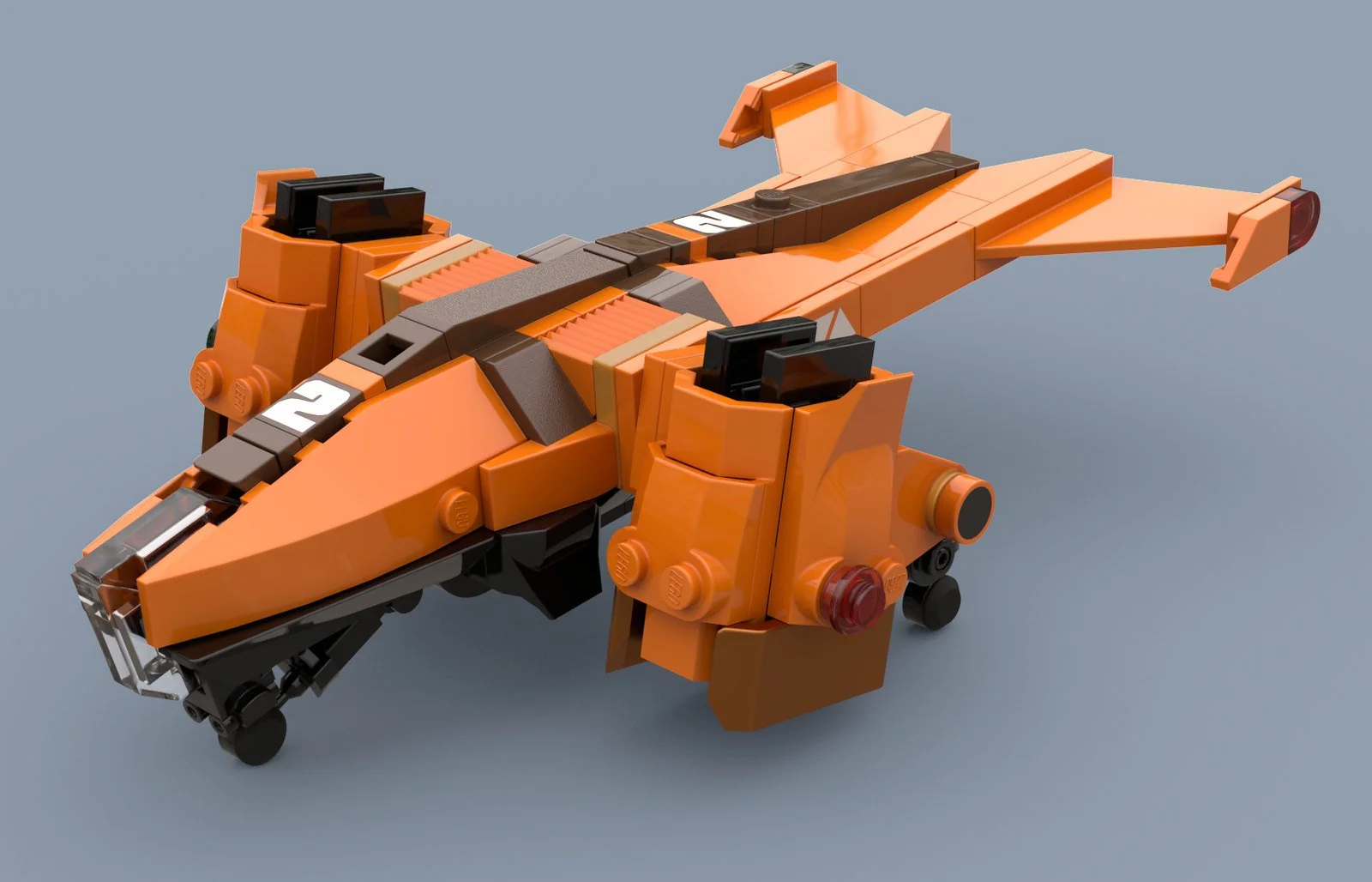
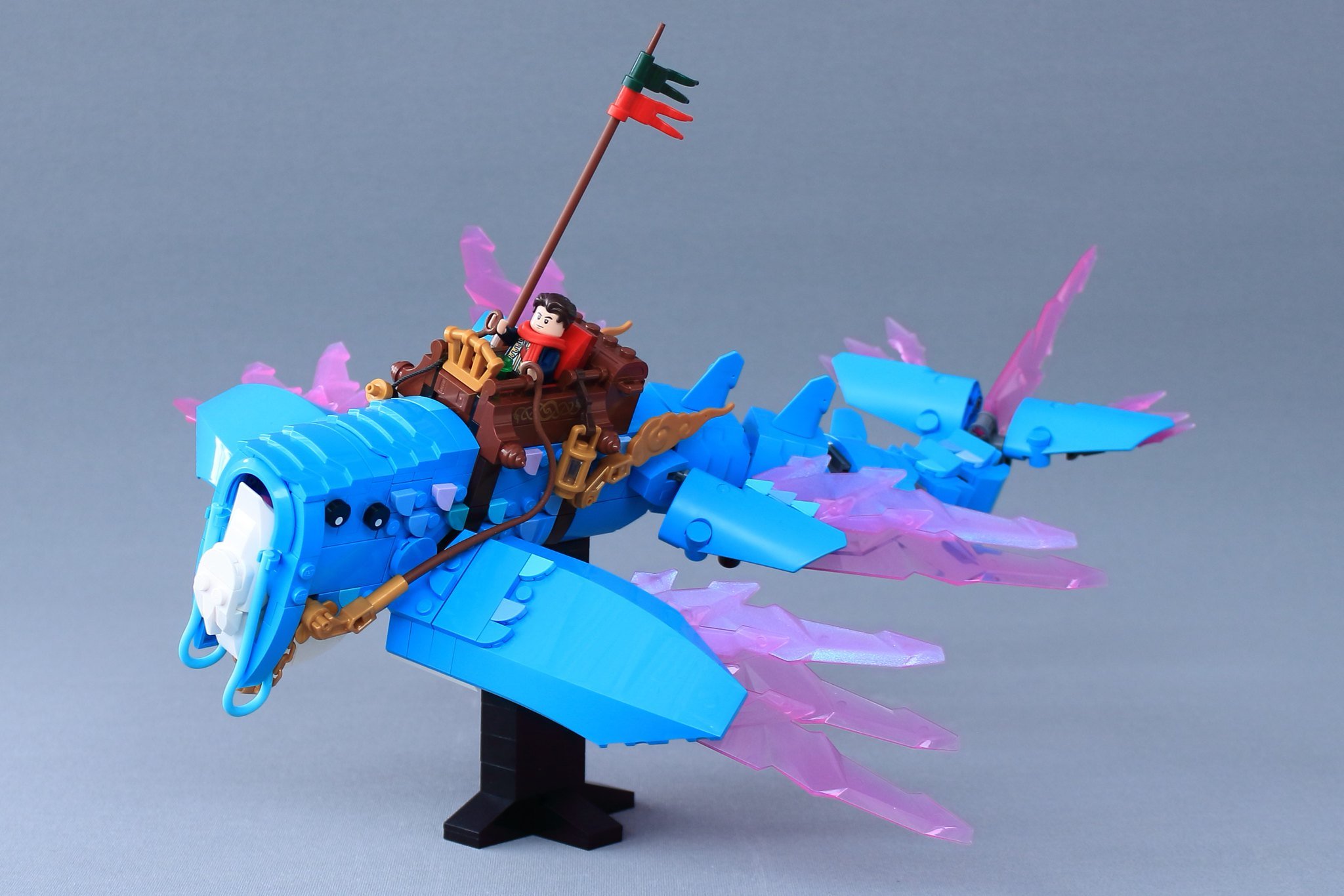
Above are two examples of MOCs where I tried some new things. A digital redesign of an old MOC and building in a color I almost never use.
Letting Go of Expectations
Expectations form over time, and they are not easy to detect. Sometimes letting go means admitting that some projects, even the ones you love, are no longer good for you.
RECURRING EVENTS: Every year when SHIPtember approaches, I feel a familiar pressure. A sense that I should build something big, something better, something worthy of my past work. I love SHIPtember and what it has done to me as a LEGO builder. I wouldn’t be the same without it. But many times I haven’t felt up to it. Maybe I’ve already built the best SHIP I can?
Last year I did something that I never thought I’d do: I built a digital SHIP. Digital SHIPs have had a complicated history in the event, and I’ve always dismissed the idea for myself. But, when September came, and I started trying out some shapes in Studio for a SHIP, I felt joy again. No sorting, no searching for parts, no worrying about color availability. I just built it, without caring about expectations. It felt amazing.

Boonta Ziringa - My digital SHIP from last year
- If something you used to love, now feels like pressure instead, maybe it’s time to take a pause from it. Or change some ways you approach it.
RECURRING THEMES: Another similar thing happened with my Mini Modulars. What started as a playful exercise in SNOT became a kind of responsibility I never asked for. They became popular, and people expected new ones from me. But as the official Modular Buildings grew more complex, they became harder to translate into mini form. I wasn’t happy with my Assembly Square Mini Modular, and when Downtown Diner was released, I felt zero interest in creating a mini version.
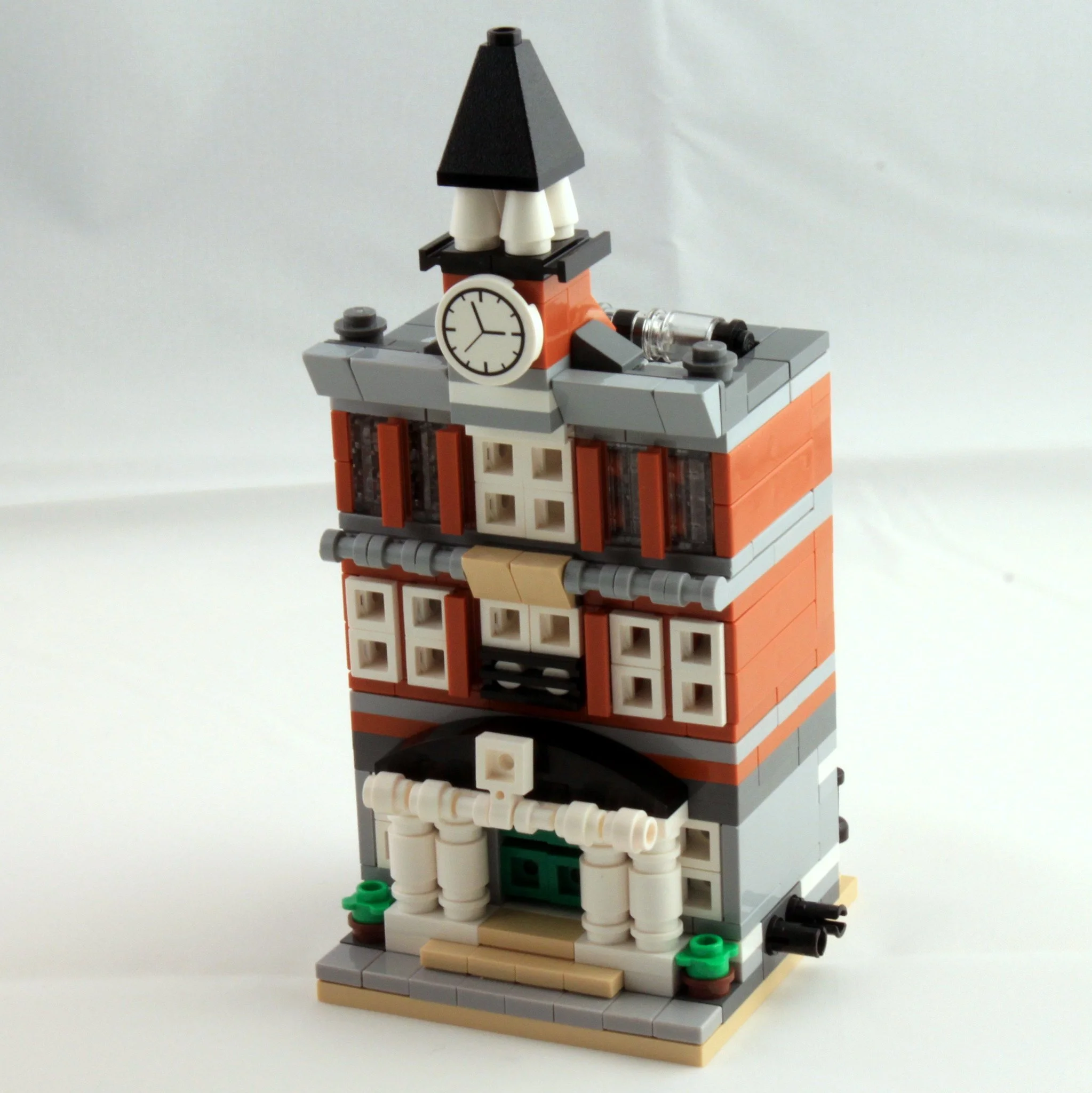
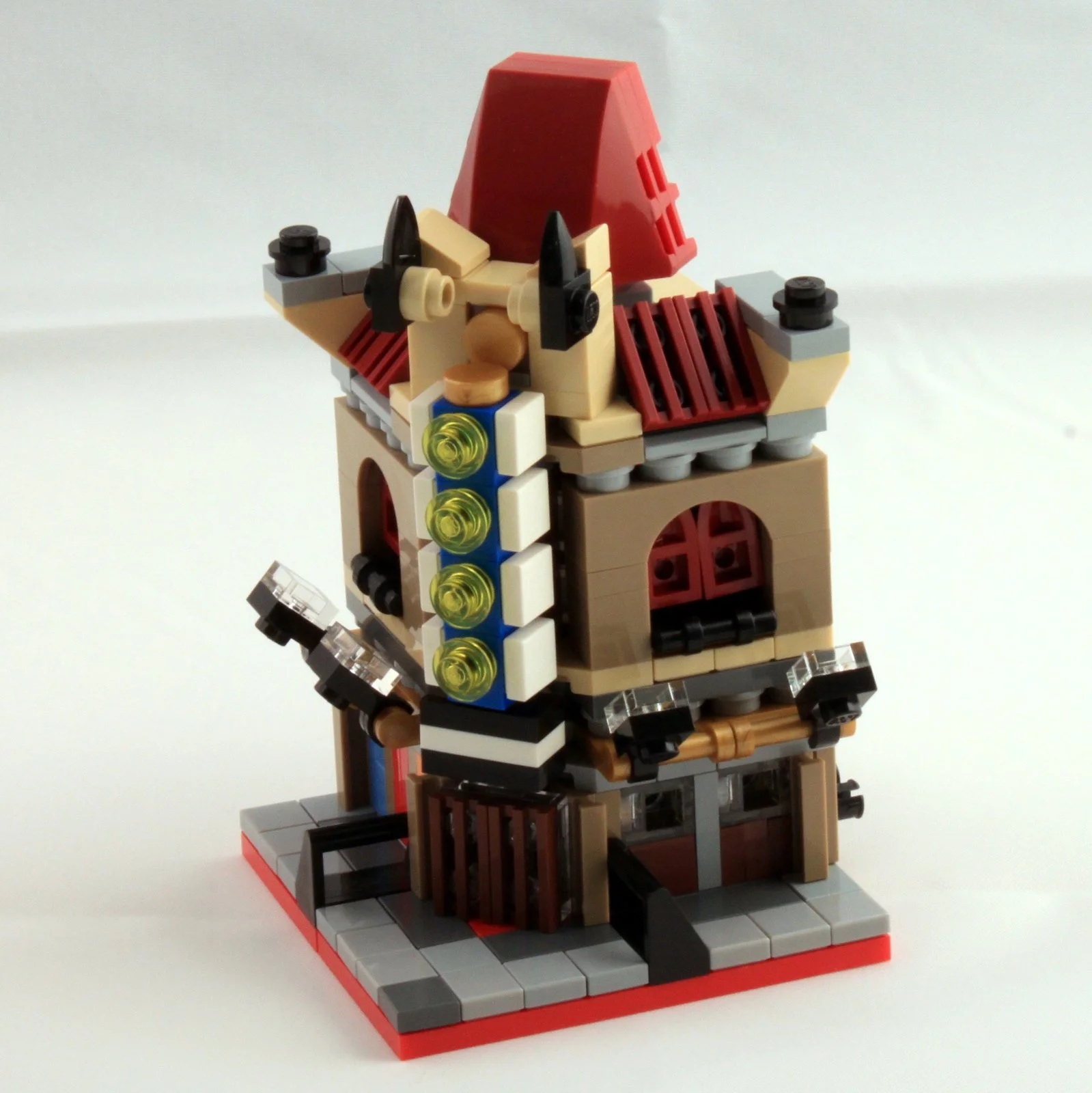
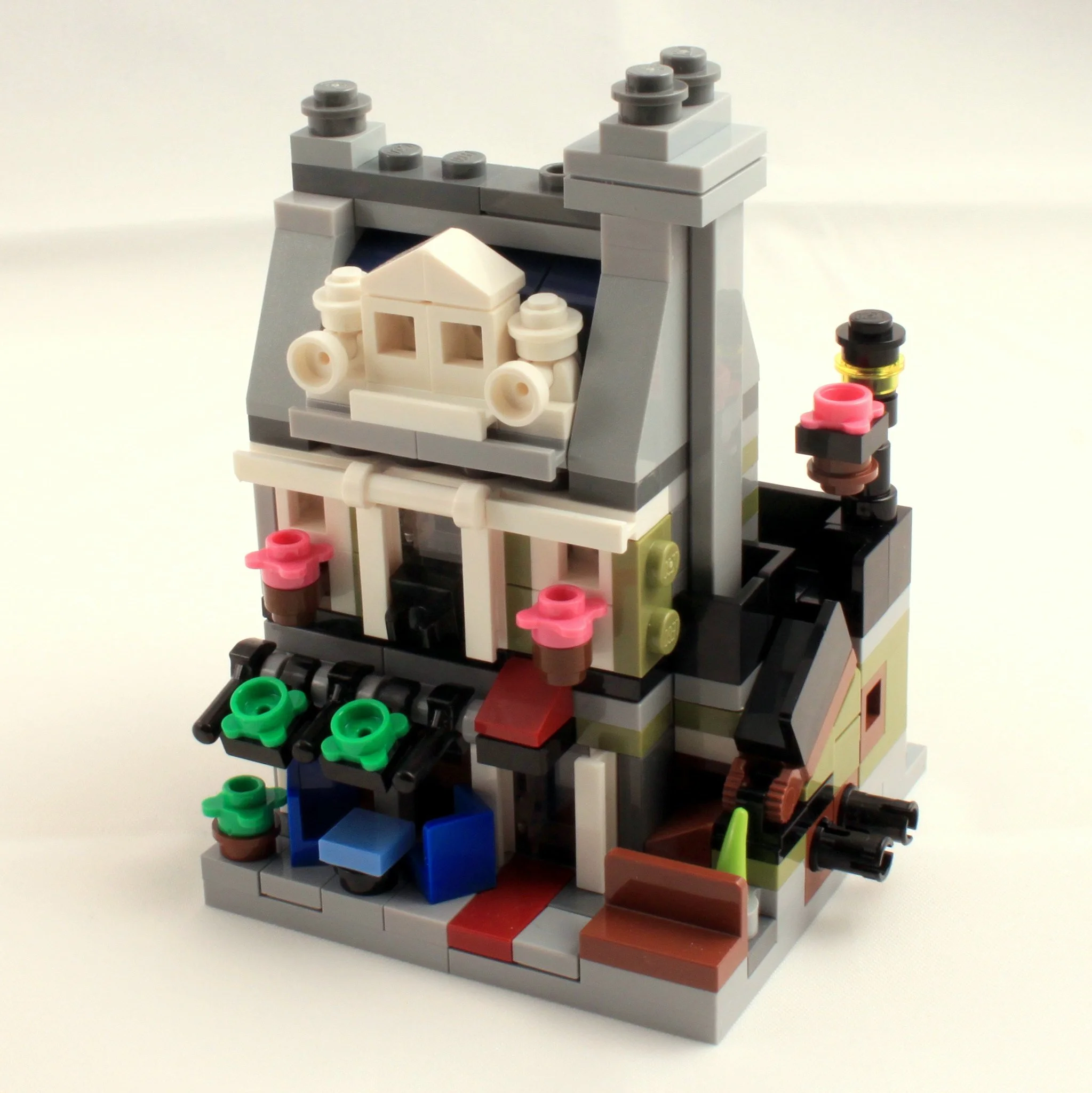
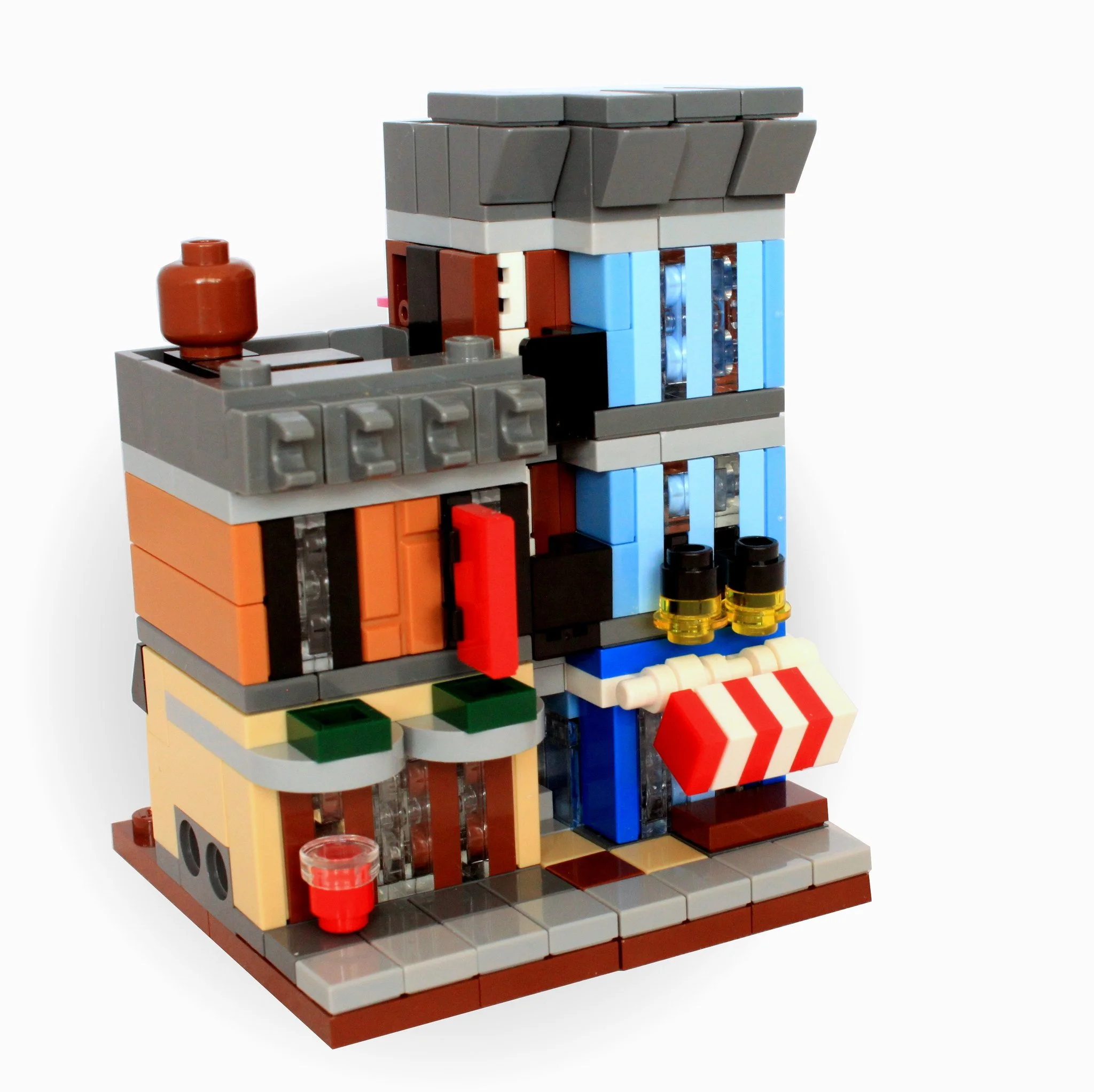
I asked myself “Do I really want to feel forced to create a new modular every year? The answer was no. And when I realized I no longer enjoyed it, I just stopped. It wasn’t fun anymore.
- Isn’t it more important to enjoy your hobby than to live up to other people’s expectations?
COLLABORATIONS: Collaborations are mostly amazing experiences, but sometimes I’ve joined or started collabs that I lost interest in before they even began. Those realizations were painful. I had made promises I felt obligated to keep, even when I wanted to build something else. It was also an important lesson: “Some collabs are not for me.”
I’m not saying you should avoid collabs. I still enjoy them. But don’t let them go too far. Leaving a collab when it stops being fun is better for everyone involved.
- Letting go of expectations should not be thought of as a failure. It might be what you need to reclaim ownership of your creativity.
Keep Experimenting
This is something I’ve touched on before in prior articles. The power of experimentation in creativity is well established. Sometimes, experimenting with something completely different from your usual methods is exactly what you need.
I’m not asking you to abandon your big, ambitious dream projects. But take breaks from them. Build something small, silly, or strange. Join a contest. Try a new theme. Use an element you’ve never touched before. These small acts of creative rebellion can remind you that building can be light and playful.
When I look back at my MOCs and try to think about which ones I had the most fun building, there is a clear theme: The MOCs I enjoyed most were ones that originated from experimenting with elements. These MOCs often took only a couple of weeks to build, sometimes just a couple of days.
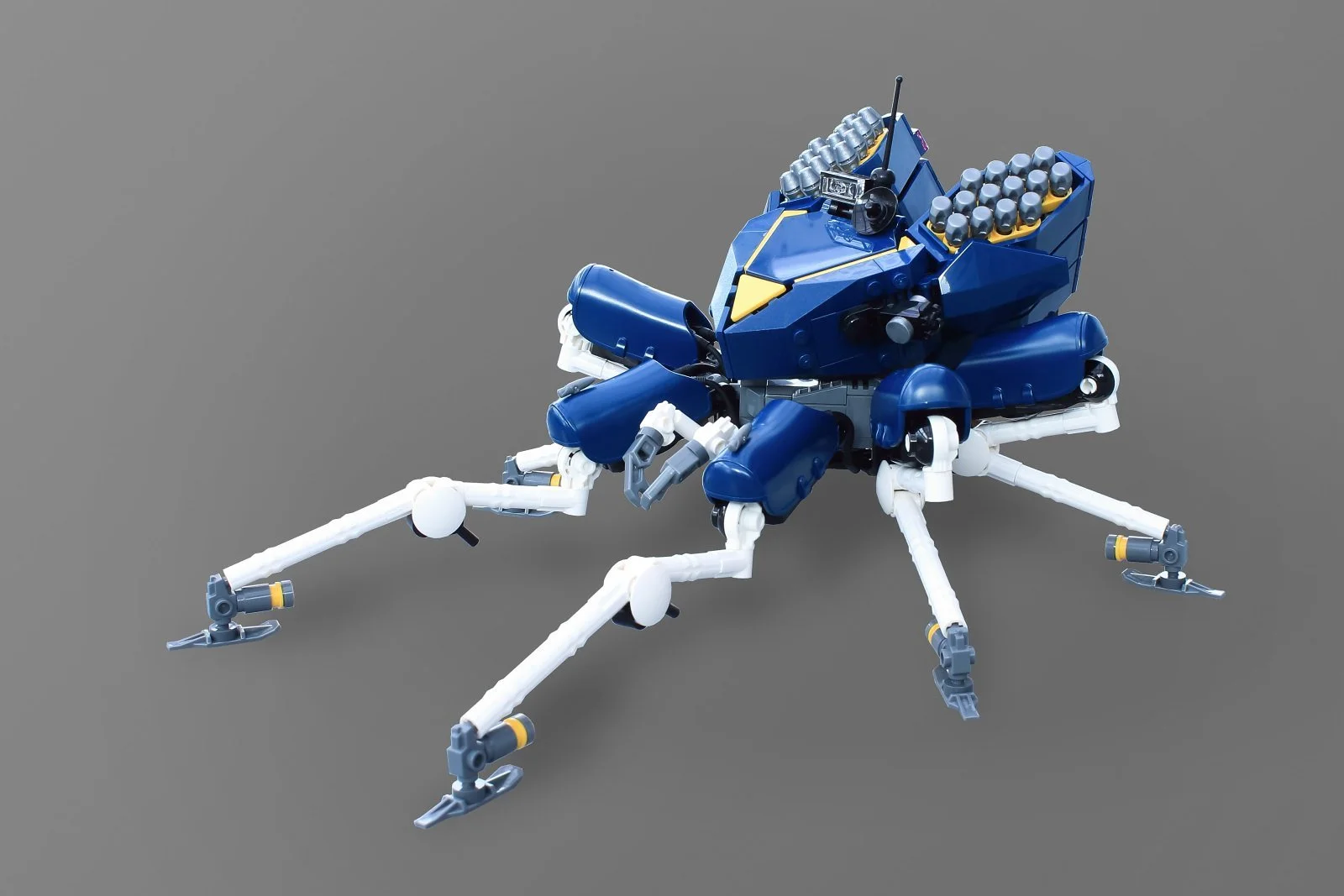
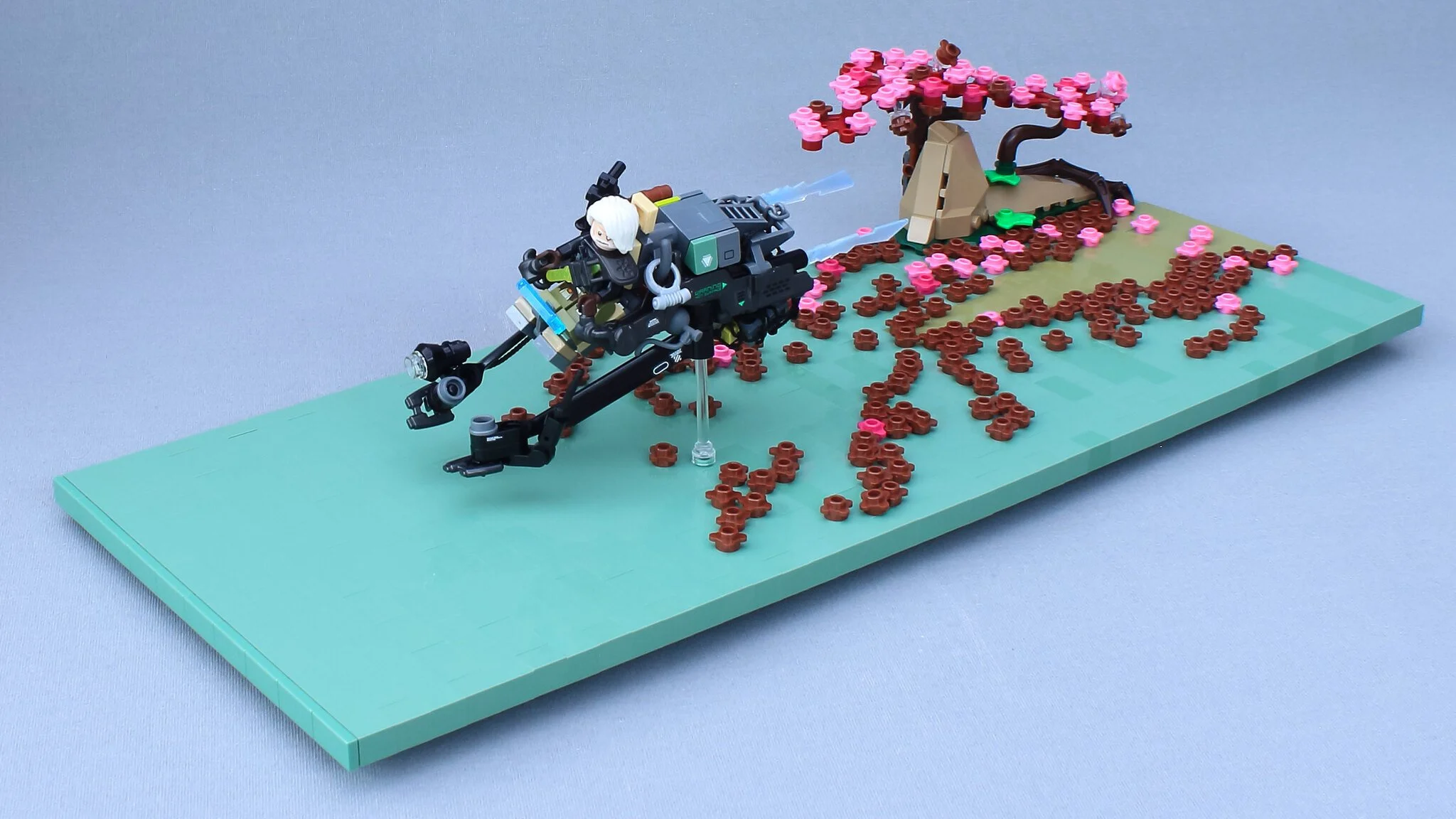
- Experimentation doesn’t just produce results. It produces energy.
Find Your Community
Finding a group of builders who share your style or interests can be incredibly important for your well‑being. I don’t mean that they should act as therapists or problem‑solvers, but simply talking about a challenge you’re facing can open up new possibilities you hadn’t considered. Seeing others struggle with their builds can also be comforting.
My tips for finding these smaller groups are to use Discord or join a LUG. From there, you can ask if there are groups for your specific interests, and most people will gladly help you.
I have been lucky to find many sub-communities in the AFOL world that I value immensely. I was talking about my paralysis on a Discord server some months ago when I got this valuable advice:
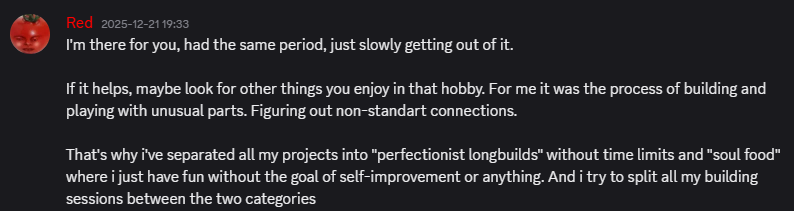
Split your projects into “perfectionist longbuilds” and “soul food.” It was so obvious, but still incredibly helpful. Sometimes simple advice is what steers you back on the right track. This made me realize I had to drop my biggest projects, and take a break from some others, and focus on building something fun again. Thanks, Red!
Embrace the Unfinished
If you don’t think a project is fun anymore, leave it. You don’t have to disassemble it, just put it in a box and call it a Work-In-Progress (WIP). You can have many projects going at once, and before you know it, you’ll get a new idea that fits your old project perfectly.
There’s also a good chance that one of your old WIPs fits a new build. This has happened to me several times. Just when I don’t know how to continue, I remember that weird old mech head I built long ago. Didn’t it have a cool shape?
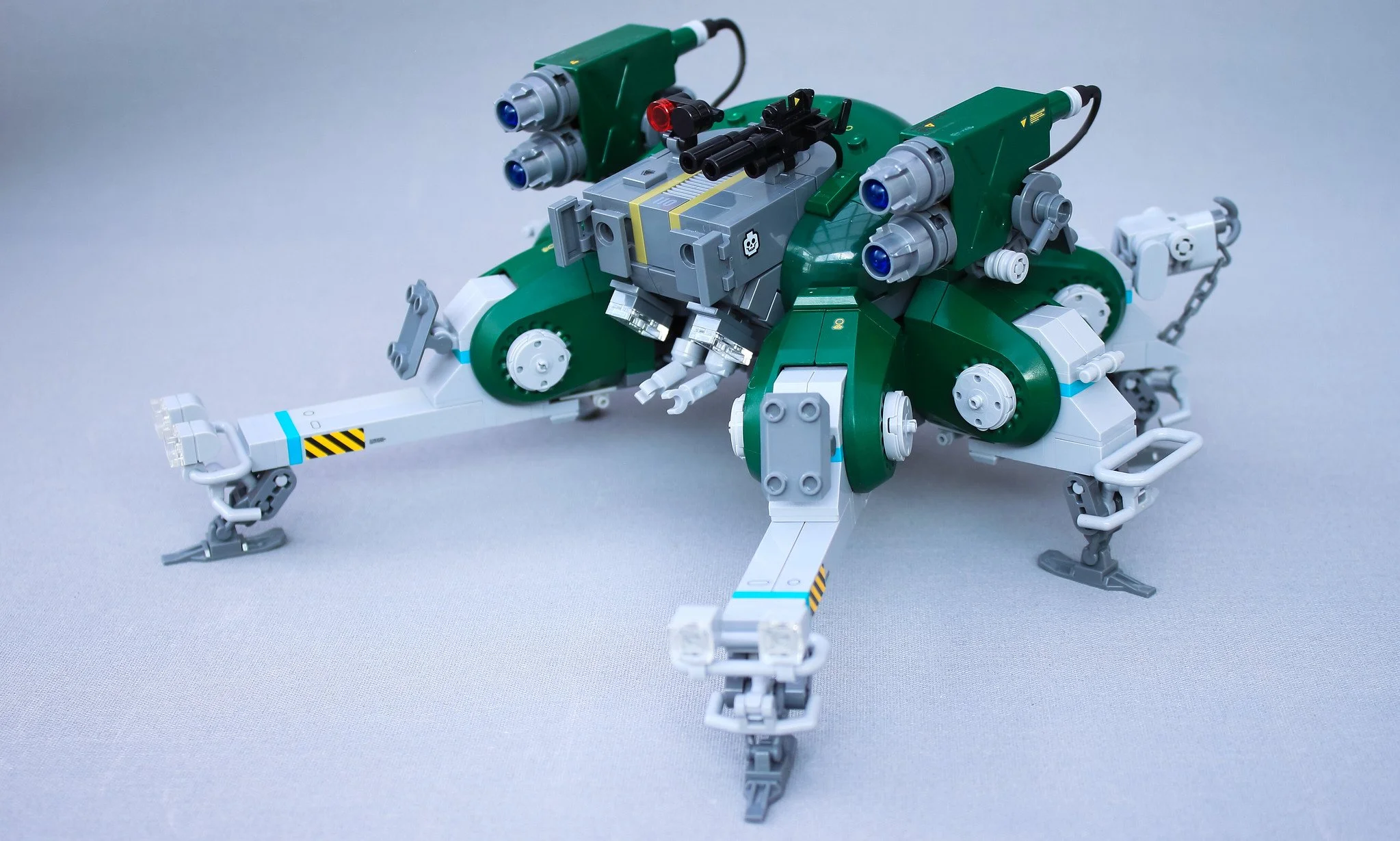
An example of where I found an old WIP that fitted perfectly for a new MOC. The “head” of the tank was something that I had built many years before and just kept lying around on my desk.
This way, you don’t have to feel like you’ve failed just because you can’t finish something. Let the unfinished projects be part of your creative process. And remember: even if you abandon a project completely, you still learned something from it.
How to Break the Perfectionism Cycle
Here is a list of how to approach your LEGO paralysis. These aren’t rules, but reminders.
Ask yourself why it stopped being fun. This is the most important lesson. Reconnect with the spark that made you start building in the first place. Try small challenges: a new color, a weird element, a tiny build, a contest.
Notice the expectations you’ve built up over time. Some expectations are invisible until you name them. Ask, “Is this pressure coming from me, or from others?”
Take breaks from recurring events that feel like obligations. If something you once loved now feels heavy — SHIPtember, contests, annual traditions — it’s okay to pause or change how you participate.
Question the roles you’ve assigned yourself. If you’ve become “the Modular Building person,” “the SHIP builder,” or “the technique expert,” you don’t have to stay in that box forever. Try a different theme or style just to see how it feels.
Re‑evaluate collaborations. If a collab feels like pressure instead of joy, consider stepping back. You’re not letting anyone down by protecting your creativity.
Experiment without aiming for a masterpiece. Build something silly, tiny, fast, or strange. Let experimentation be your creativity spark.
Find your community. Talk to people who build like you do. Share struggles, not just finished MOCs. Sometimes one simple comment from a friend can shift everything.
Embrace the unfinished. An unfinished WIP isn’t a failure, it’s a resource. Put it in a box. Let it rest. You might return to it with new energy, or reuse a part of it in something new.
Finding Balance Again
I’m still learning how to deal with perfection paralysis. Simply realizing that I had started procrastinating and hesitating before beginning a new project pushed me in the right direction. I realized I had to do something about it if I wanted to keep my love for the LEGO hobby.
I still raise the bar too high. I still hesitate before starting something new. I still get lost in the mountain of my own expectations. But I’ve learnt that the most important thing about this hobby is that it so important to feel energized by it. If it isn’t fun anymore, then what’s the point?
And if you’ve lost that feeling, even for a while, you need to know that you can find it again. Not by climbing higher, but by stepping off the path for a moment. By remembering who you were before you knew so much.
Creativity is personal. It isn’t measured in perfection, but in presence. In curiosity. In joy. And the best part is: joy clicks back into place far more easily than perfection ever will.
Did this article make you pause and reflect on your own creative habits? I’d love to hear from you. What part of the perfectionism cycle do you recognize most? Have you ever found your own expectations getting in the way of creativity? Please tell me in the comments.
Do you want to help BrickNerd continue publishing articles like this one? Become a top patron like Paige Mueller, Rob Klingberg from Brickstuff, John & Joshua Hanlon from Beyond the Brick, Megan Lum, Andy Price, Lukas Kurth from StoneWars, Wayne Tyler, Dan Church, and Roxanne Baxter to show your support, get early access, exclusive swag and more.