The Conversation Piece #14: Finding Your LEGO Community
/
“The Conversation Piece” is a monthly BrickNerd series about creativity and building with LEGO authored by our friends over at the Builder Improvement Initiative (BII), a Discord-based community that helps LEGO builders of all levels get better at their craft through knowledge-sharing and constructive feedback.
Have a question you would like us to consider for a future article? You can submit it here. Enjoy!
Who Are My People?
At its core, LEGO building tends to be a rather individualistic hobby. Putting a set together is often a time to relax and mindlessly follow prescribed instructions to create a display piece or playset. When building a creation of your own, it is your personal accomplishment, shaped from your original inspiration to your final masterpiece. Even a builder’s collection, from their sorting system to part assortment, is tailored to their personal interests.
However, the individualistic nature of the hobby can also lead to frustration. Sometimes, a build isn’t coming together the way you envision; you just can’t put your finger on why. It can even have a negative impact on your mental well-being; without the validation of others, you may find yourself feeling uncomfortable, insecure, or alone in your hobby.
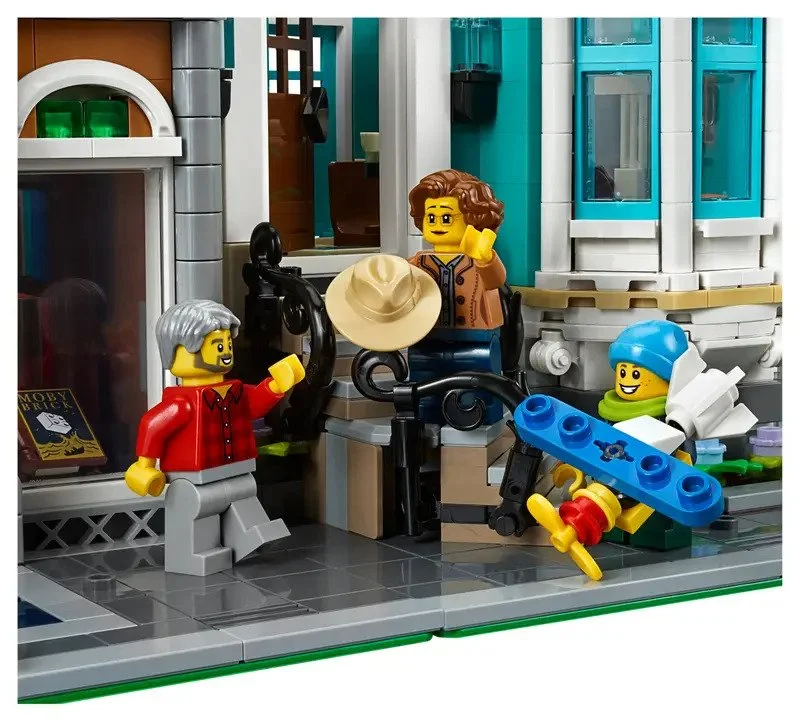
Finding community can grow your passion for the hobby and reframe how you interact with the brick. Communities can be found nearly everywhere and take many forms: not just at your local brick-and-mortar shop, but also in the digital landscape. With so many options, it can be daunting to find your people in a world of people.
What are the advantages of choosing different groups? What should you look out for? Which one is right for you? In this article, we’ll do our best to offer some insight into these questions. The good news is everyone in these communities already shares one thing in common: a love for LEGO!
Many Meetings: LUGs and In-Person Communities
Local LEGO communities – often established LEGO User Groups (LUGs) – are a great way to meet fellow builders. LUGs typically have consistent in-person meetings: both in frequency and proceedings. These meetings offer opportunities for discussion, show-and-tell, and LEGO activities. Many LUGs also have a social media presence on Facebook, Discord, or Instagram, providing opportunities for connection outside of meetings. Beyond meetings, LUGs are often involved with LEGO conventions by either hosting or attending as a group, and often with members contributing to collaborative projects.
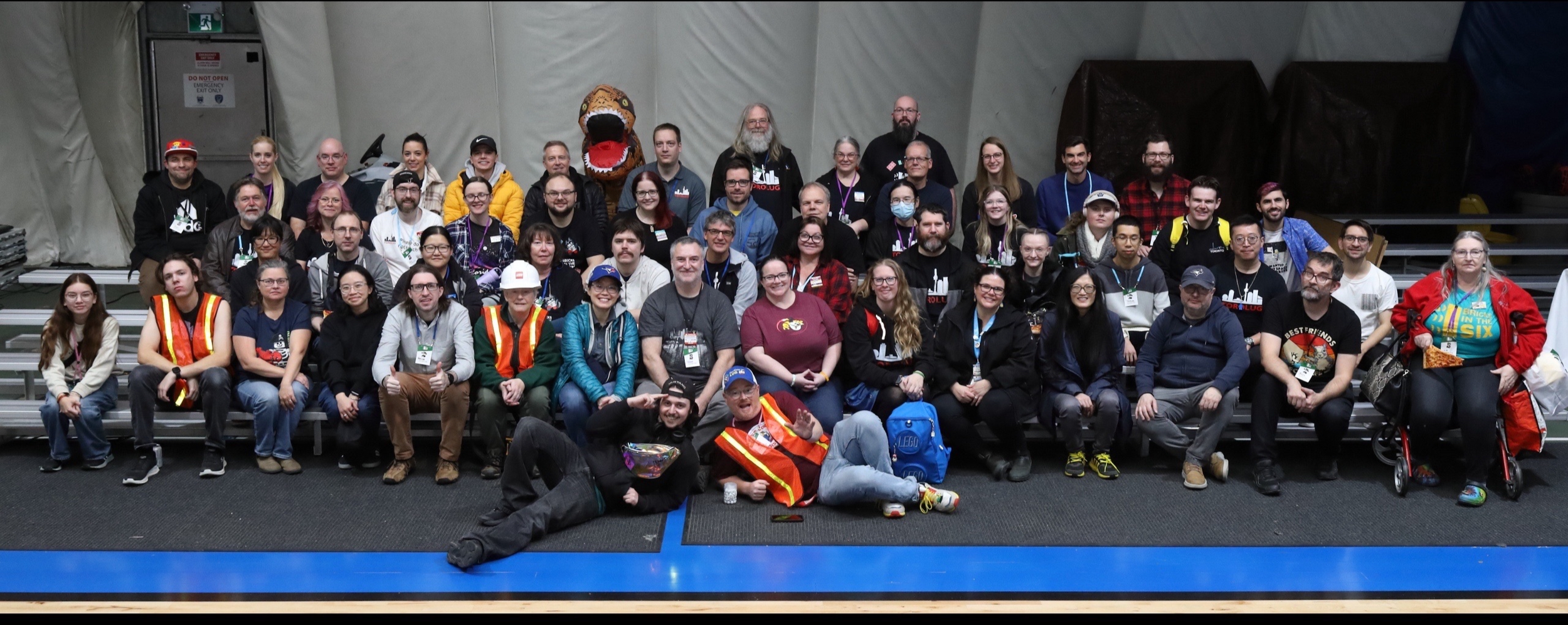
ToroLUG at Bricks in the Six 2025
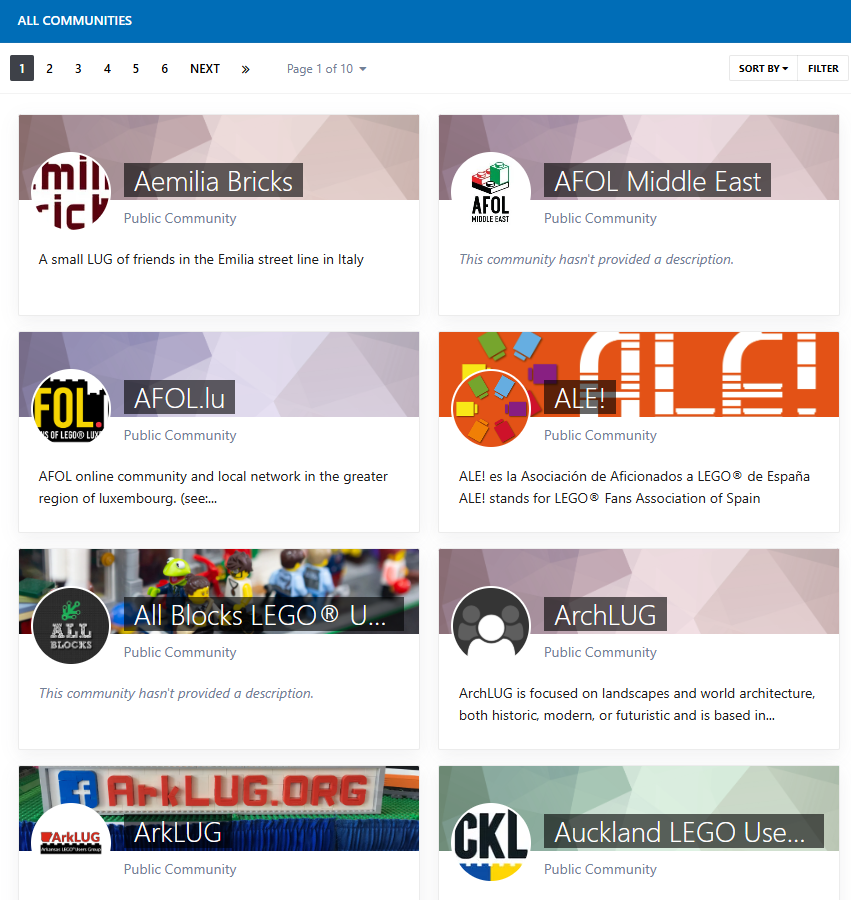
LUGs serve as representatives of the LEGO hobby in their local communities. Some are recognized by the LEGO Ambassador Network (LAN), dubbed RLUGs. The LAN even has a database of these LUGs to help you find ones near you! The LEGO Group will occasionally reach out to LUGs with opportunities for collaborative projects or special events.
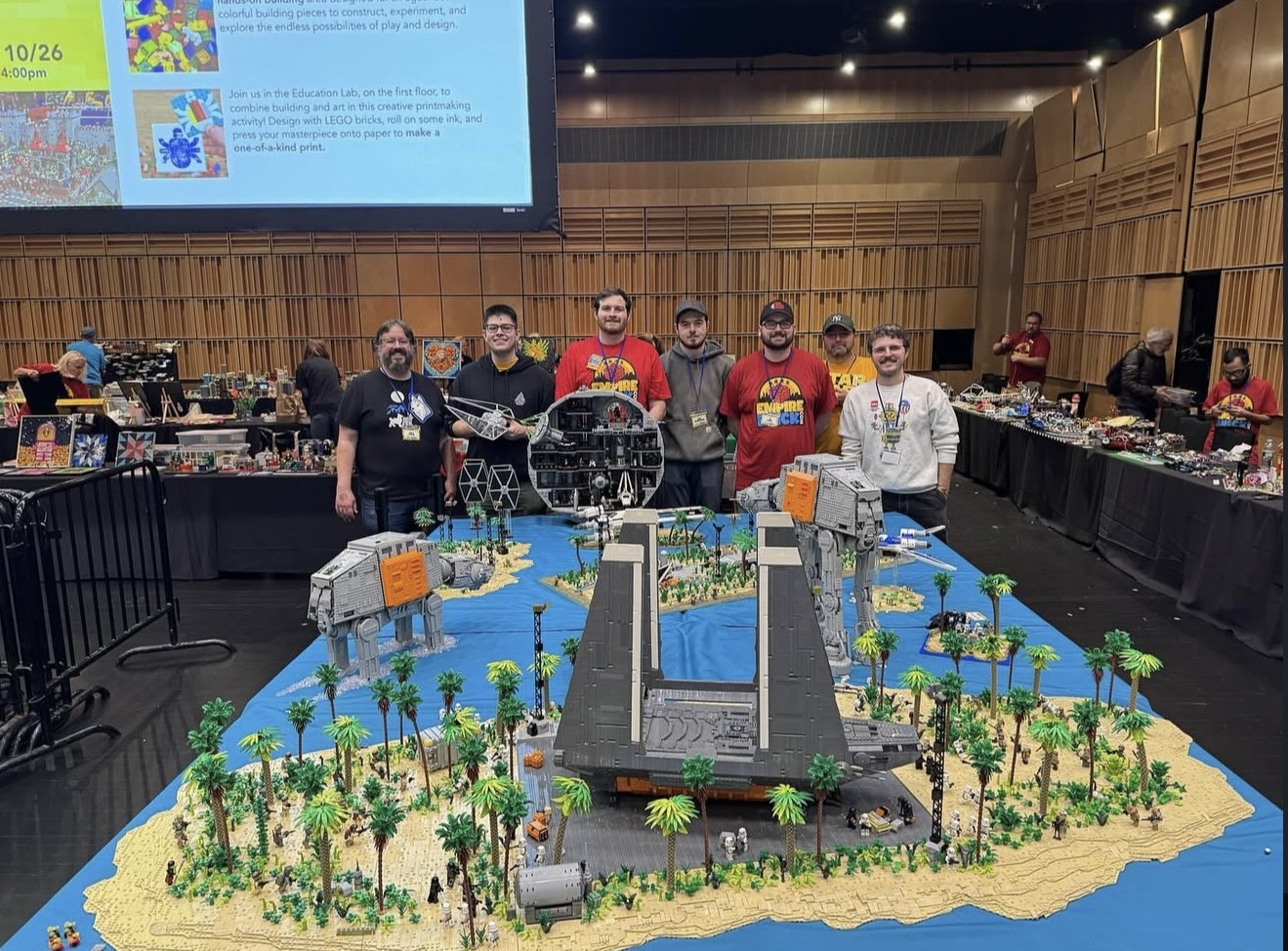
In addition, organizations or groups not involved with LEGO or the hobby will sometimes invite local LUGs to display within the area, and sometimes commission builds. Displaying and meeting non-LEGO-hobbyists of your local communities can be special opportunities to give back and inspire others to harness a creative outlet.
Given the time and effort required to get a LUG up and running, these groups are few and far between; in North America, there are only around 80 Recognized LUGs (RLUGs), with major cities often boasting several LUGs. While this can make LUGs hard to access in certain areas, it also usually results in a group that spans a wider variety of hobbyists, each with different interests and levels of involvement. This diverse environment can be a great place to branch out from your typical styles and get fresh perspectives on MOC building – or the hobby as a whole.
Summary of common LUG Features:
Structured format
Diverse fan demographics
Opportunities for collaboration
Ease of access is region-dependent
Ben’s LUG Experience
BII contributor Ben (BenTheBrickbuilder) has built and found his community through social media, including his YouTube channel, where he uploads various LEGO-related content such as MOC creation/technique videos, hauls, and vlogs. However, in addition to online spaces, Ben has found inspiration in his local LEGO communities:
“I absolutely love the online community and have made so many lifelong friendships, but joining my local LUG (shoutout RocLUG!) was one of the best decisions I’ve ever made. Over the past few years, my local community has not only improved and encouraged me to grow as a builder, but also as a person. Having a local LEGO community encourages us to build whenever and whatever, whether it’s for challenges or for events. As a group, this has almost forced us to actively build MOCs, take inspiration from each other, and become better builders together.”
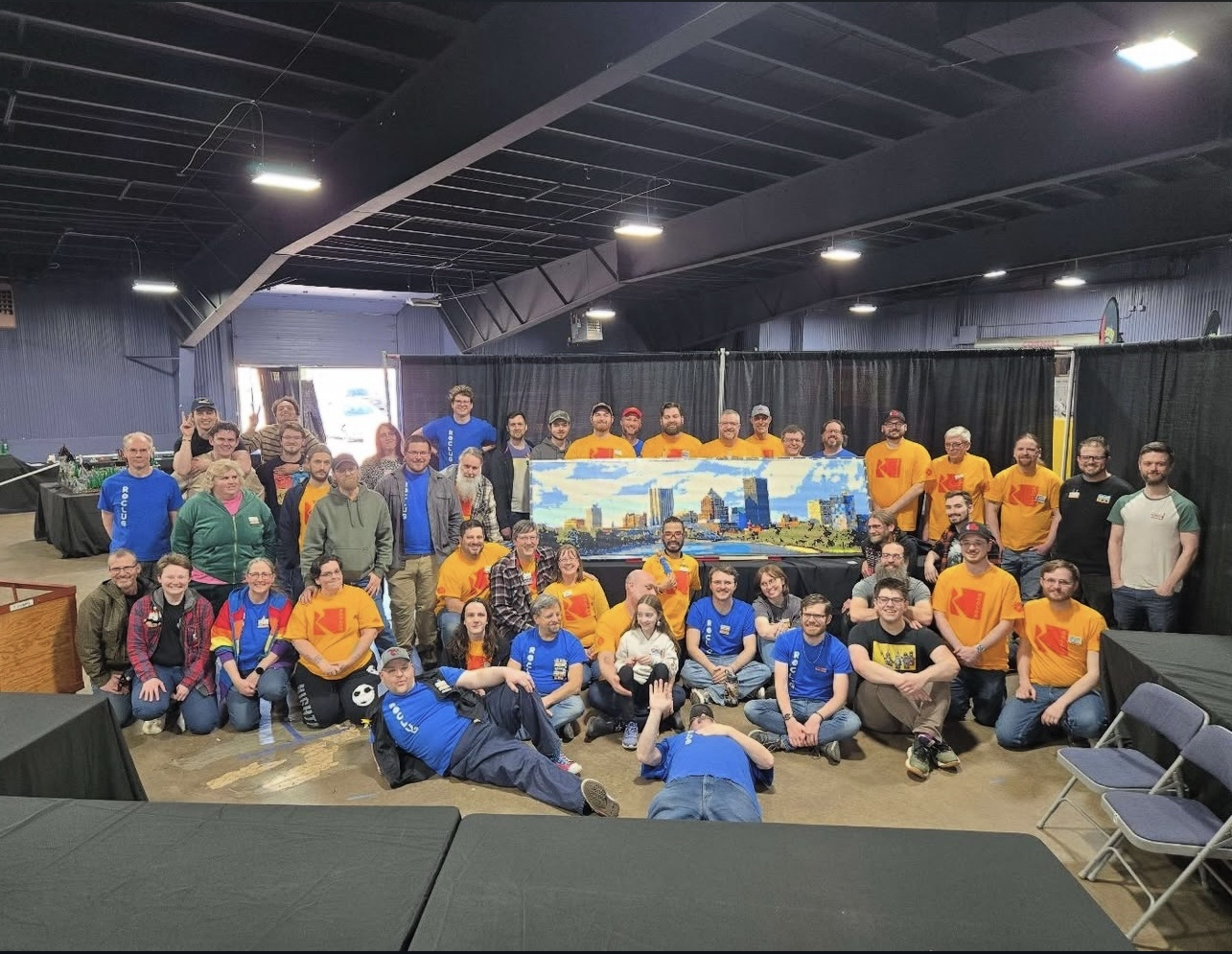
“Meeting people through this shared interest has allowed me and other members of my community to get out of our comfort zones and take chances we might not have taken otherwise. Even smaller events in the local community and LUG meetings have been impactful for developing my interests in LEGO. I’ve talked with the friends I’ve made about how being a part of the LUG has opened up many new opportunities- opportunities such as commission work, professionally displaying for conventions, and even working for the LEGO Group.”
“For the last year, I have worked at a LEGO Resale store called BricksROC!, which is owned by two members of my local LUG. This has introduced me to an entirely different community. Many LUG members do frequent our store, but most customers are not actively part of the LEGO hobby. Most customers through our doors are kids and families, and it’s wonderful getting to watch the next generation interact with LEGO- some of whom will someday be AFOLs and part of our community. I also get to interact with AFOLs that aren’t a part of the LEGO community, and the store is their community. They enjoy LEGO and doing it for themselves; some people have met and gotten to know each other solely from coming into our store. One of my favorite aspects of the job is getting to know our regulars and what projects they are working on or items they are looking for.”
Virtually A Community: LEGO in the Online World
In the age of social media, LEGO Online Communities (LOCs) are plentiful and accessible; while it takes a lot to organize a LUG, it’s comparatively simple to create a new Discord server or join an existing one! Thanks to this aspect, you can find plenty of online groups specializing in different themes, activities, or discussion topics.
For instance, our group, the Builder Improvement Initiative (BII), specializes in providing build feedback for MOC builders. Blogs like BrickNerd (you’re here!) provide avenues to expand your interests in the hobby by sharing not only amazing creations but wisdom from fellow builders and happenings within the broader community.
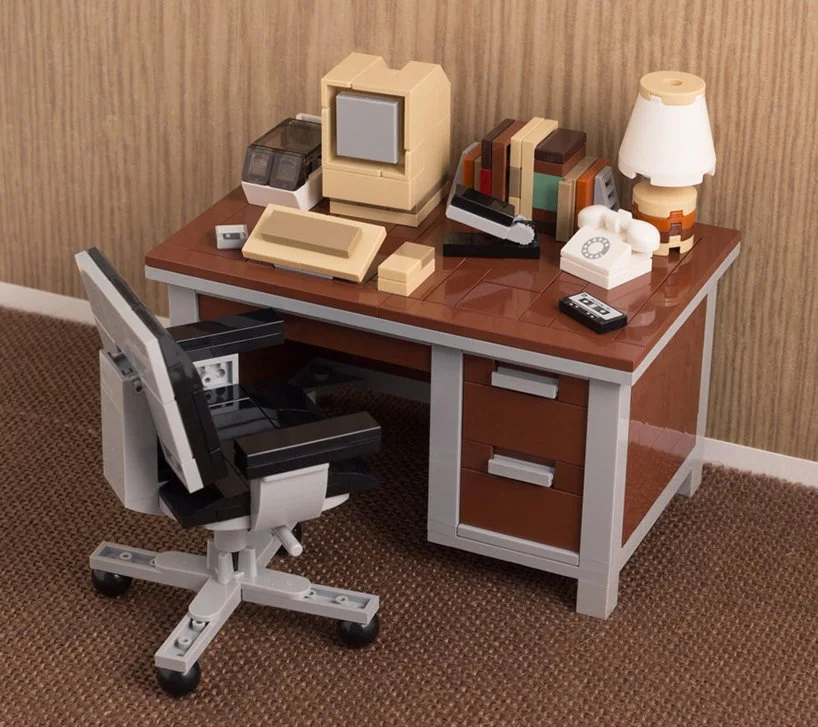
“Everything New is Old Again” by Chris McVeigh
As a visual and physical hobby, social media has been a crucial part of the online LEGO community’s presence. While the main platforms have changed over the years, from the now-defunct MOCPages to Flickr to YouTube and Instagram, the goal has always been the same: to showcase your creations and connect with others of similar niches.
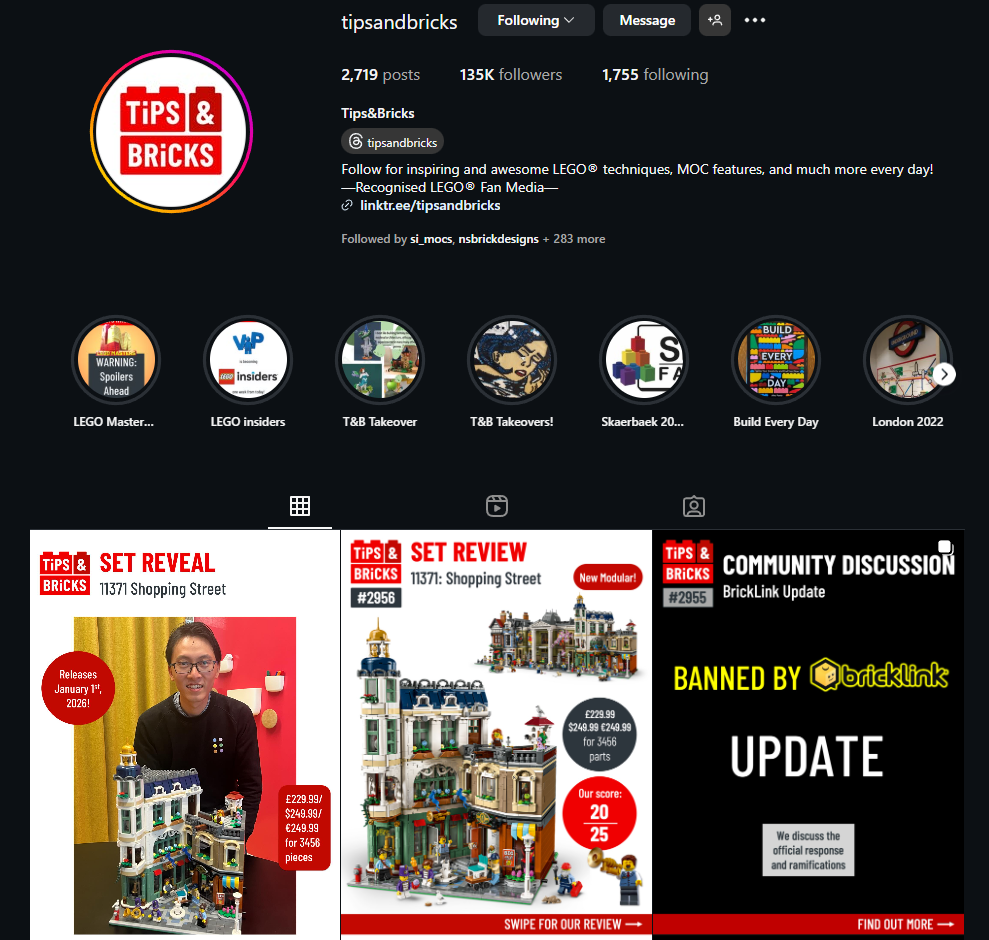
Tips & Bricks is an Instagram-based blog that focuses on technique breakdowns, insights into MOCs and official sets, and news on the greater LEGO community. They spark discussion and interact with their community through comments and story posts.
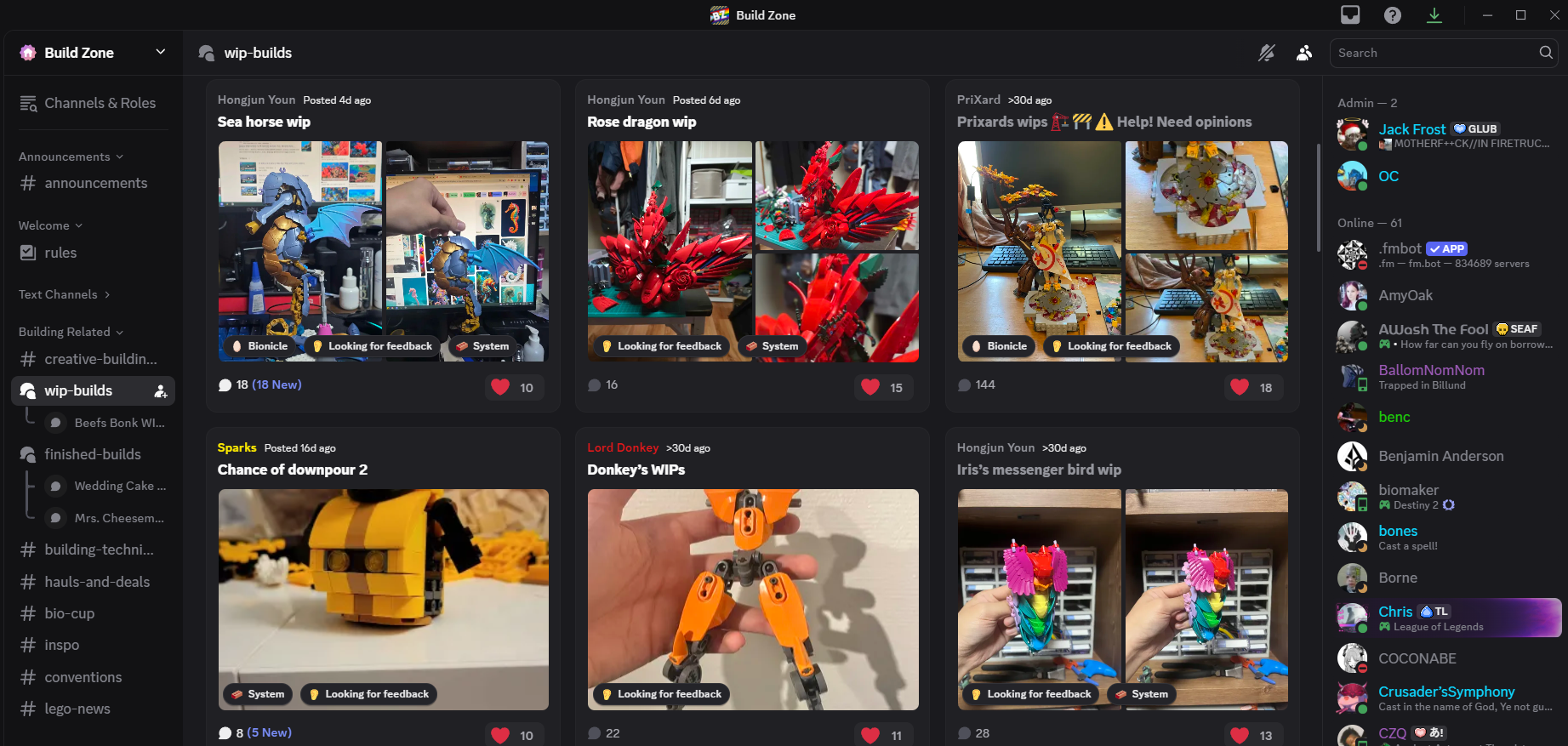
Chat-based platforms are also incredibly popular for providing LOCs with a natural way to engage with each other. Discord is one such platform that has become a hub for various hobby groups, including LEGO. Discord Servers are communities that any user can create or join. Servers are organized into text and voice channels for various topics. Below are some of our members’ picks when it comes to Discord-based LOCs and their primary niches:
LEGO SPACE! — Spaceships! (Benny would approve)
Build Zone — Constraction/character building
Brickz Lab — Star Wars and Pop Culture
Another great way to get involved with LOCs is through contests. Throughout the many different servers and groups, there is almost always some sort of contest or build challenge taking place. These activities can help you grow as a builder by asking you to build in themes or styles you may not normally build in.
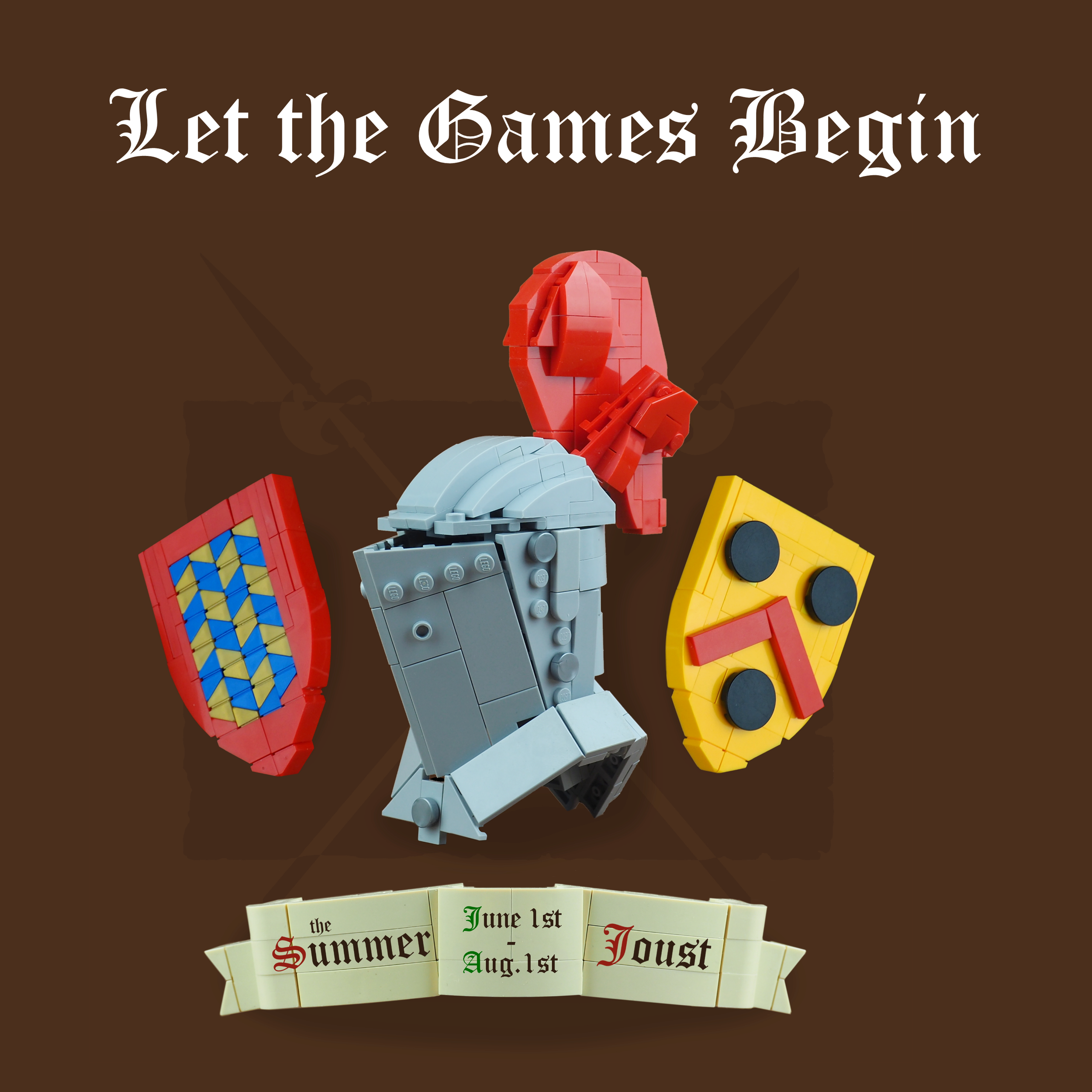
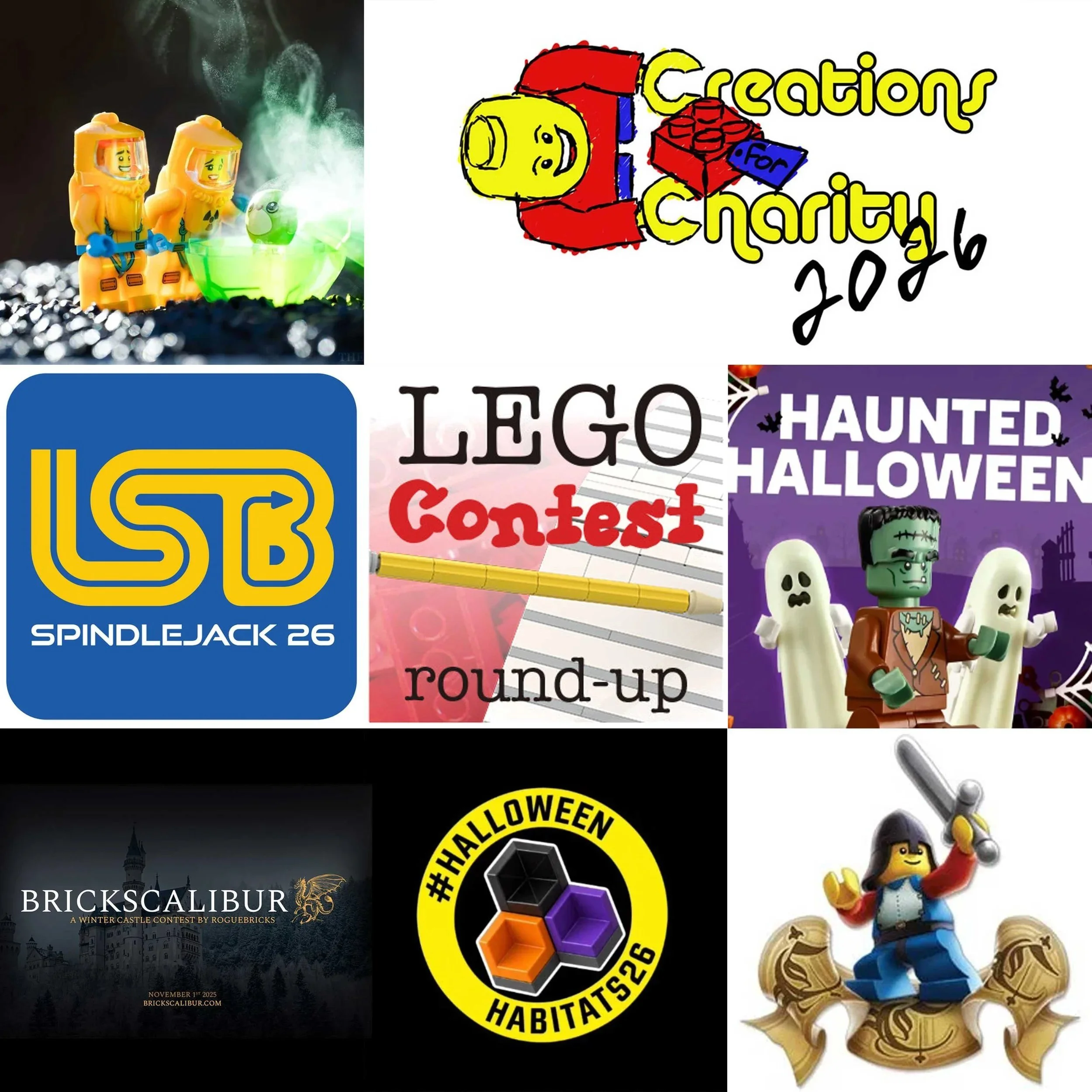
Participating in LEGO contests and themed months is also a great way to interact with a wide range of builders and inspire each other as a community. Some contests even have collaborative categories where builders team up with other interested competitors, and are a great way to meet others in the community and grow your social circles. Oftentimes, contests also have prizes that are, of course, a nice bonus! Here’s a list of every themed month and recurring contest in the LEGO community.
There are contests available in all themes and sizes:
Brickscalibur and Summer Joust are two medieval-themed contests with a wide variety of categories.
Bio-Cup is an annual gauntlet-style constraction-focused building competition.
SHIPtember is an aptly named space-themed challenge to build a 100+ stud-length spacecraft during the month of September.
Iron Builder is a more unique contest, where two established builders get invited to go head-to-head in a build challenge to use a specific “seed part” in creative ways. Every January, the organizers host an open contest, the Iron Forge, where anyone can join in and compete for a spot in a future round!
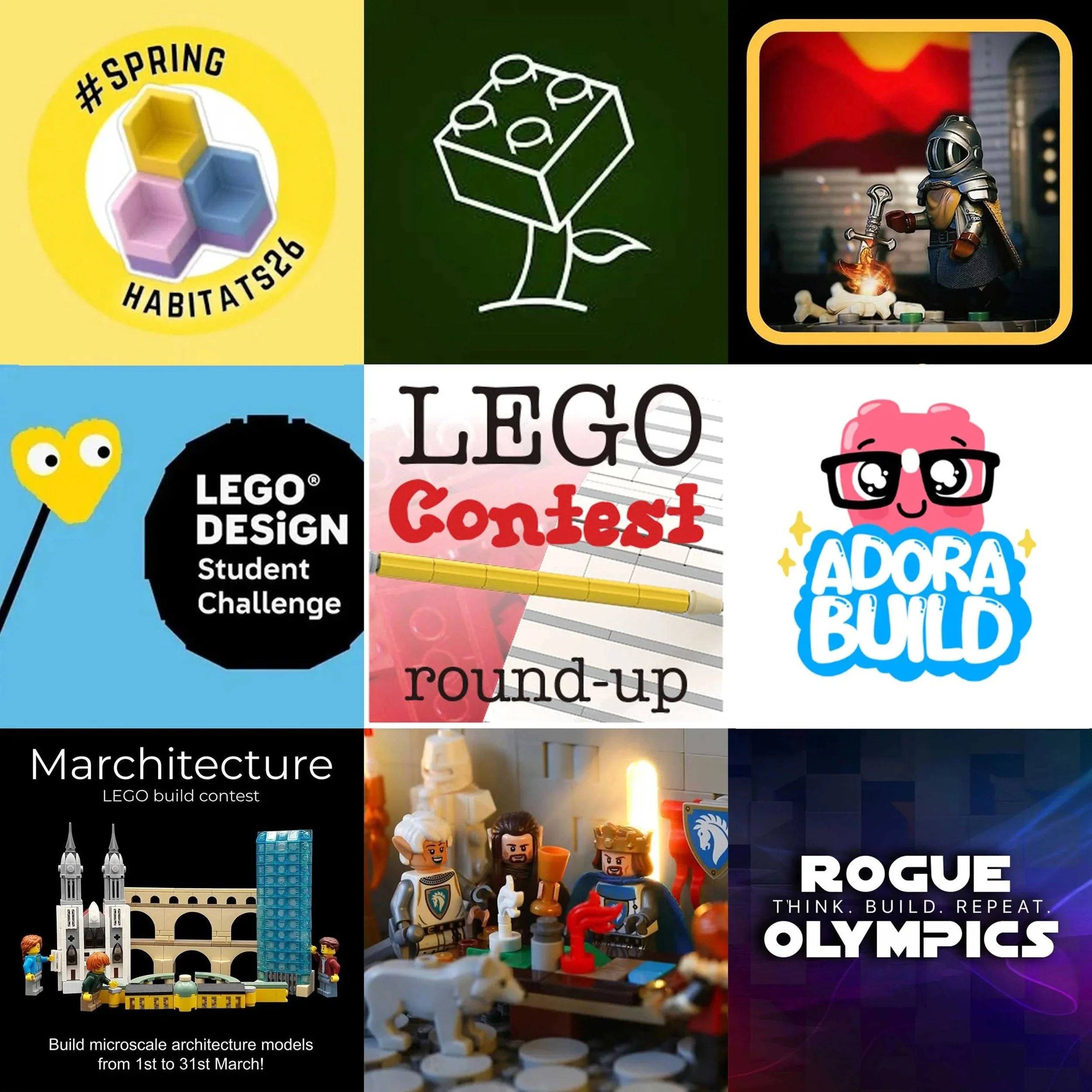
Keep an eye on BrickNerd, too: every month, there’s a new post on the latest contests!
Summary of common LOC features:
Easily accessible
Cover many niches
Often run contests, challenges, and collaborations
Oshi’s Online Experience
Someone who has primarily interacted within the world of these online communities is Oshi (OshiBuilds). He highlights the importance of learning from others within his communities, and has been able to refine his skills as a result:
“The LEGO community space was, to a large extent, the whole reason I started building again back in 2021. In the midst of the pandemic and the boredom that came with it, building in a social context was a great way to keep myself occupied. Discord has long been home to active LEGO groups and offers a variety of spaces tailored to your interests — role-playing games (RPGs) such as Dark Times provide opportunities to collaborate on projects within a wider setting. The annual Summer Joust (a favorite contest of mine) and other building contests are a great way to push yourself out of your comfort zone and challenge you to build different themes and styles. Naturally, dedicated feedback forums such as the Builder Improvement Initiative server encourage us to continually seek out ways to improve our creations.”
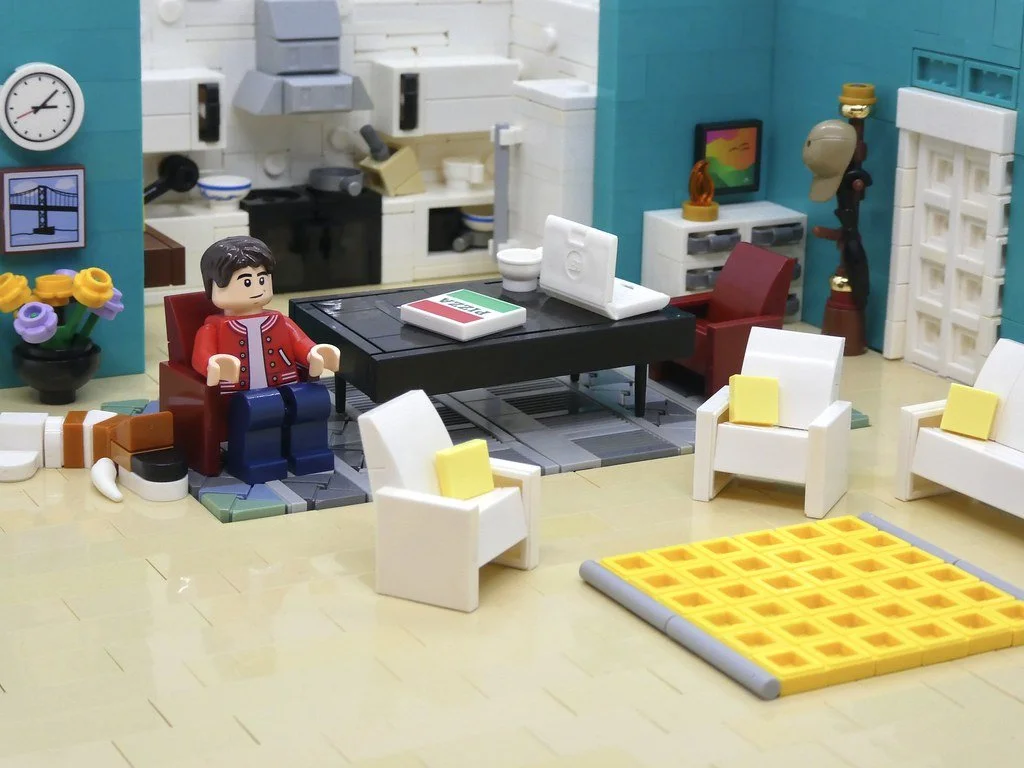
Oshi’s 2022 build, “A Year Later,” marked his first year in the broader LEGO community!
“Of course, there are commonalities between every successful community within the wider LEGO sphere: facilitating feedback exchanges, running events or activities and being welcoming to both familiar and new faces are all vital to keeping group dynamics healthy. But perhaps more importantly, there are enough differences between communities that they each stand out. By combining a collaborative atmosphere with a specific focus, they create opportunities for people to share interests through an active medium. The way I see it, the best community spaces meet all these criteria, catering for a specific niche whilst still enabling those new to the hobby to join in and feel involved.”
“In my personal experience, collaborations 一 often organised through larger community forums, such as Discord servers 一 have been a great way to get to know others, many of whom I’ve gone on to collaborate with again. On top of that, they’re a fantastic way to develop your skills and potentially learn from more experienced builders. A lot of the improvements I made while getting the hang of MOC building can be attributed to the groups that I joined early on, like the 253rd Legion RPG, and if it weren’t for the numerous communities that make the experience worthwhile, I have no doubt I wouldn’t be building today.”
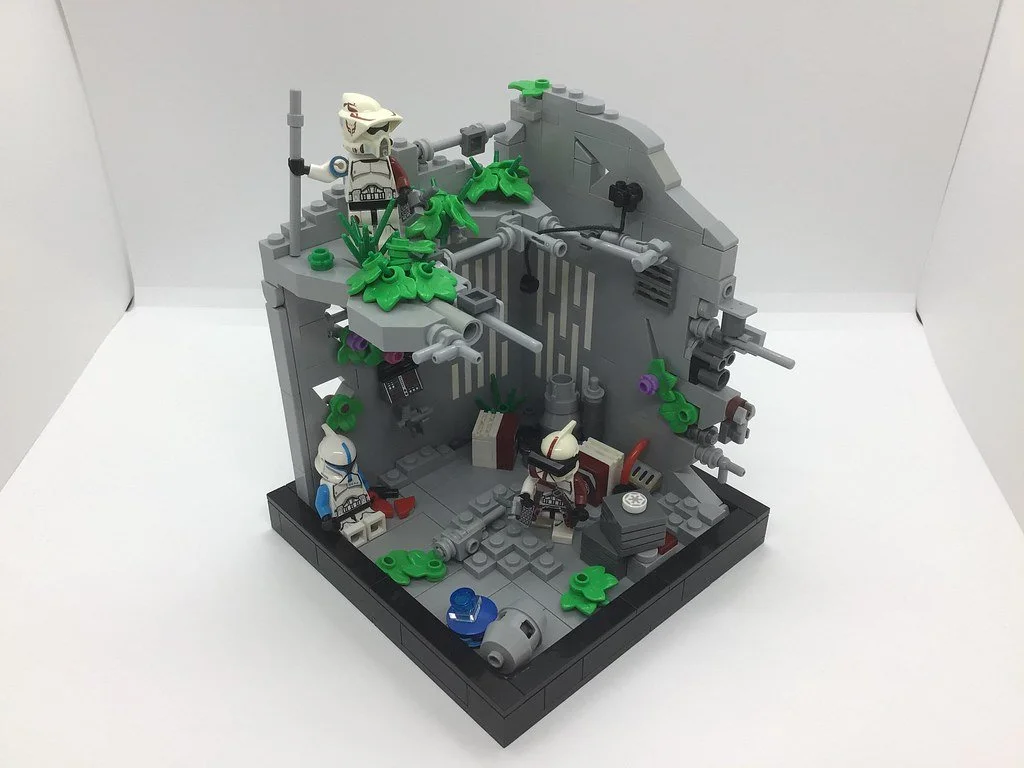
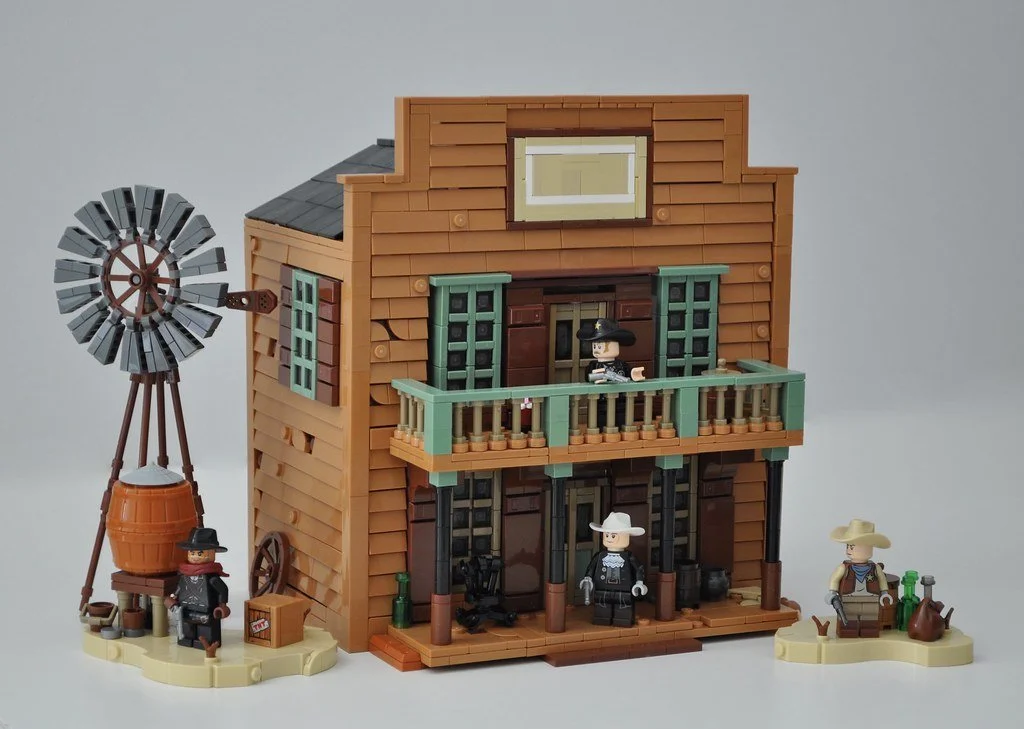
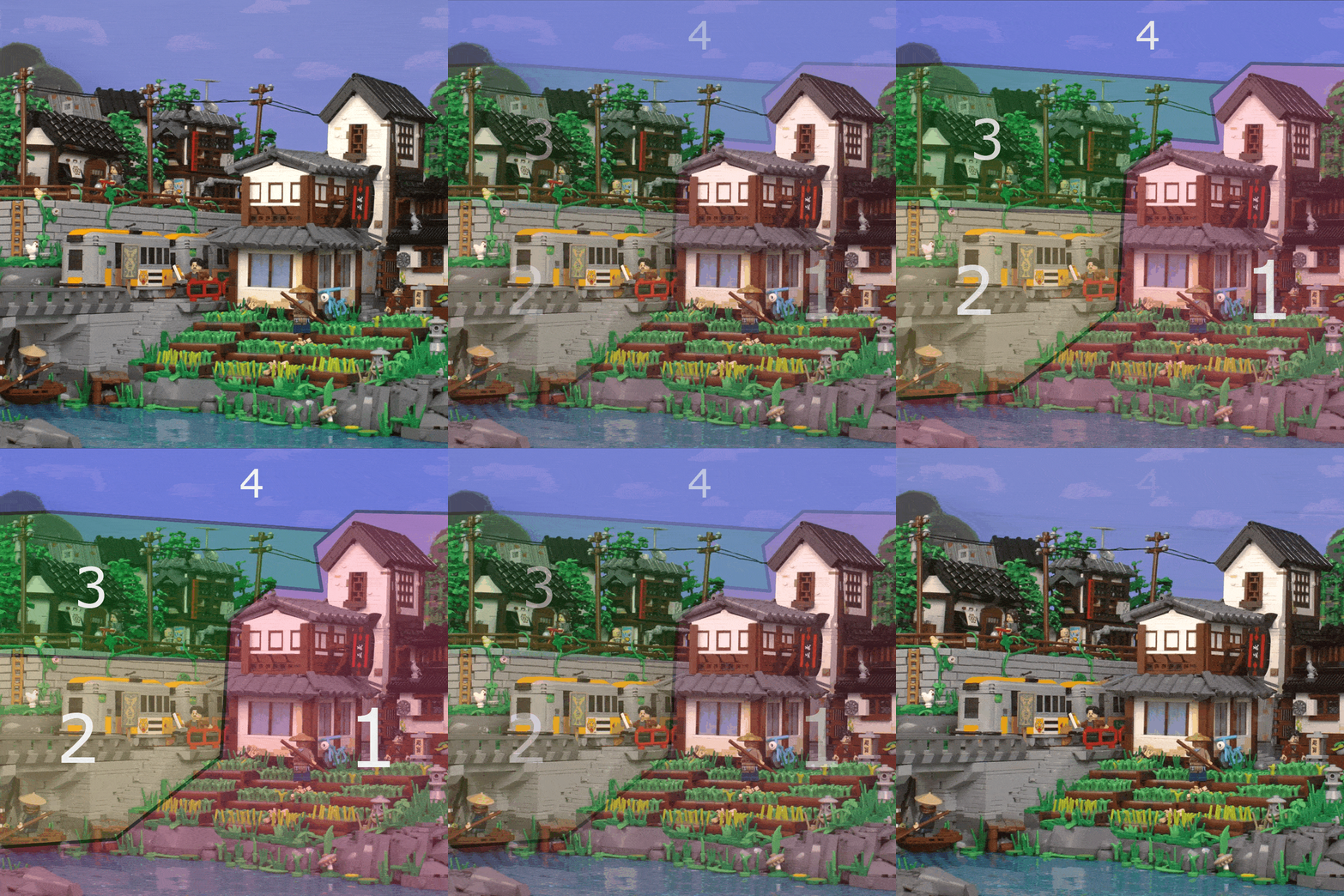
Oshi’s 253rd Application (2021) compared to “The Frontier” (2024).
Getting Involved
The easiest way to find community is by involving yourself! Share your creations on social media and interact with others; you’ll be able to find communities quite quickly once you reach out. Contests are a good way to challenge yourself as a builder, and can connect you with people and communities you might otherwise not have known about.
There is value in both online and local LEGO communities. Online LEGO communities are plentiful; the ones mentioned above are only a fraction of what’s out there! Exploring some of the options in this article is a great way to get started. Local LUGs or groups are a good way to meet a variety of hobbyists, and usually have regular meetings and activities. Check out the LEGO-recognized LUGs and Communities to check out a community near you!
Finding the communities that are right for you and your interests will help you to evolve as a builder and as a person. It may take some time to search and experience different groups, but finding the right communities can ultimately be very rewarding; take it from a team of writers who all met through LOCs!
Written by Julian Collins, Marc, Eann McCurdy, Oshi White, and Benthebrickbuilder.
Have a question for a future article in The Conversation Piece? Let us know in the comments below!
Do you want to help BrickNerd continue publishing articles like this one? Become a top patron like Paige Mueller, Rob Klingberg from Brickstuff, John & Joshua Hanlon from Beyond the Brick, Megan Lum, Andy Price, Lukas Kurth from StoneWars, Wayne Tyler, Dan Church, and Roxanne Baxter to show your support, get early access, exclusive swag and more.