Expanding the Forge: The Ninjago Blacksmith Shop 15 Years in the Making
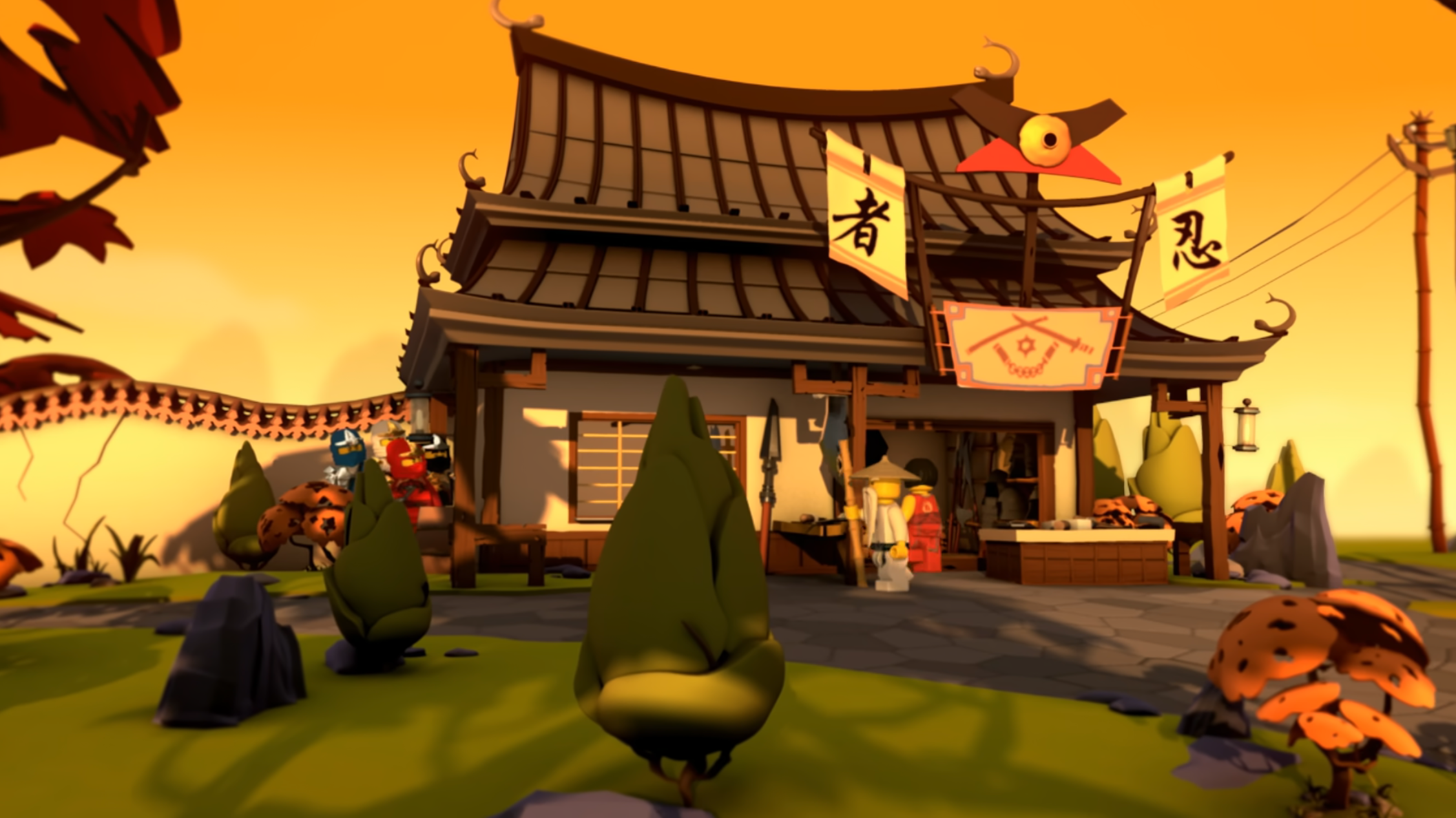
/It is 2011. You turn on the TV to tune into a new LEGO TV special titled Ninjago: Masters of Spinjitzu. The opening scene depicts an old, wise-looking man walking up to a blacksmith shop, where inside, a young man hammers away at a sword. It is in this blacksmith shop that a 15-year journey begins…
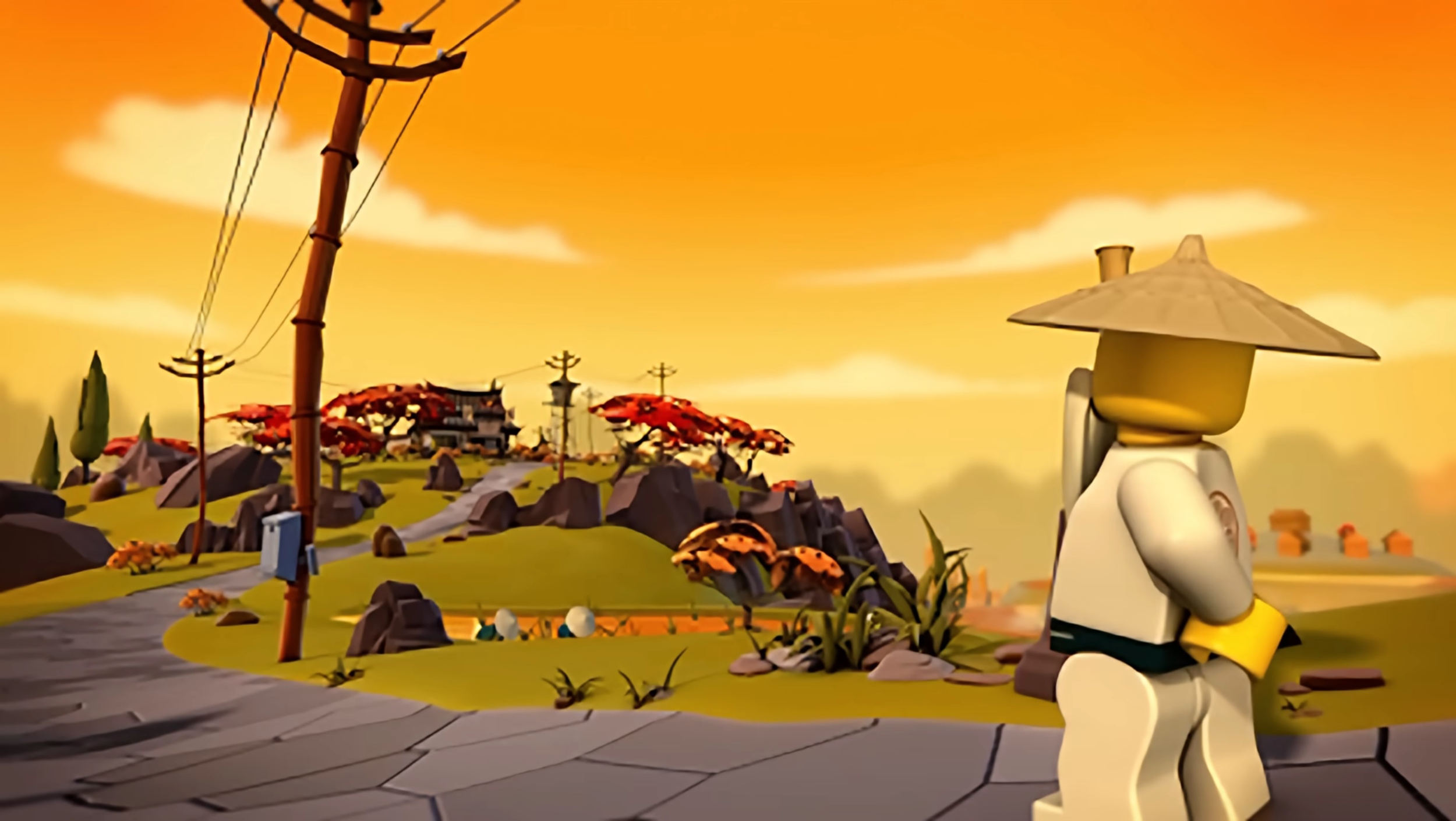
In the opening scene, Sensei Wu looks upon a blacksmith shop…
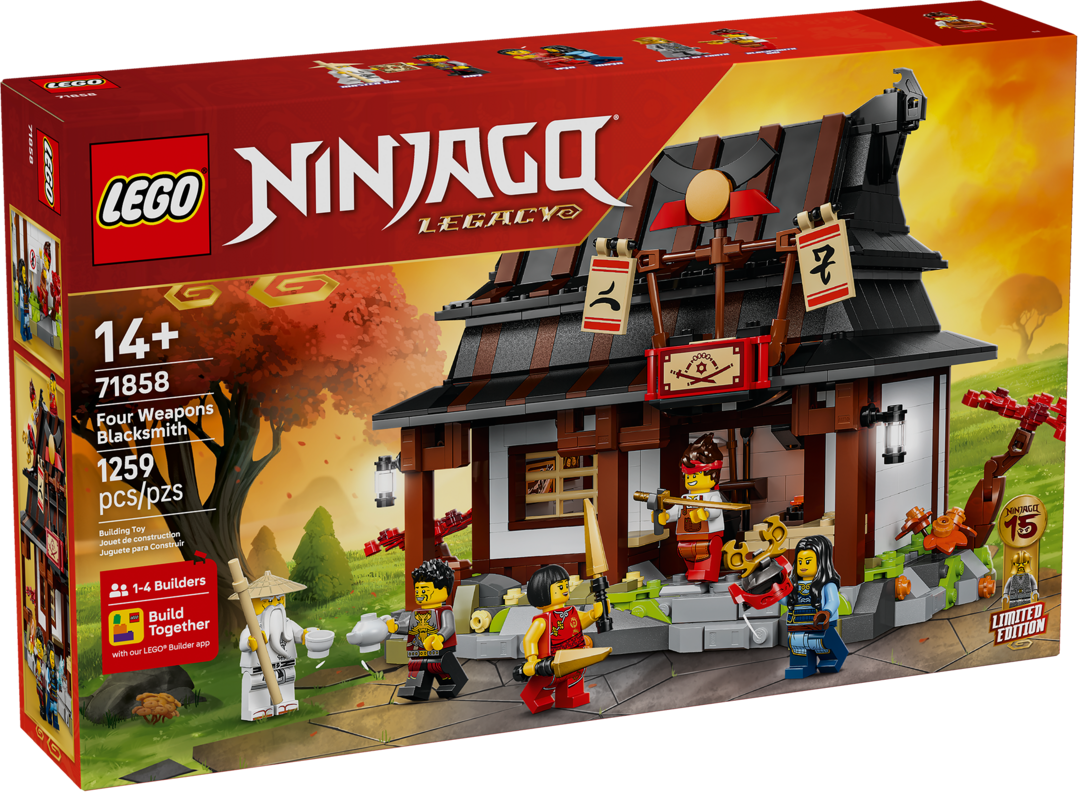
2026 marks Ninjago’s 15th anniversary, and The LEGO Group has been celebrating in a variety of ways, from a new season of the cartoon to music videos, comics, board games, and, most importantly, LEGO sets. One of those sets is something fans have wanted since 2011, LEGO Ninjago 71858 Four Weapons Blacksmith 15th Anniversary, depicting the structure seen in the opening shot of the very first episode of Ninjago: Masters of Spinjitzu.
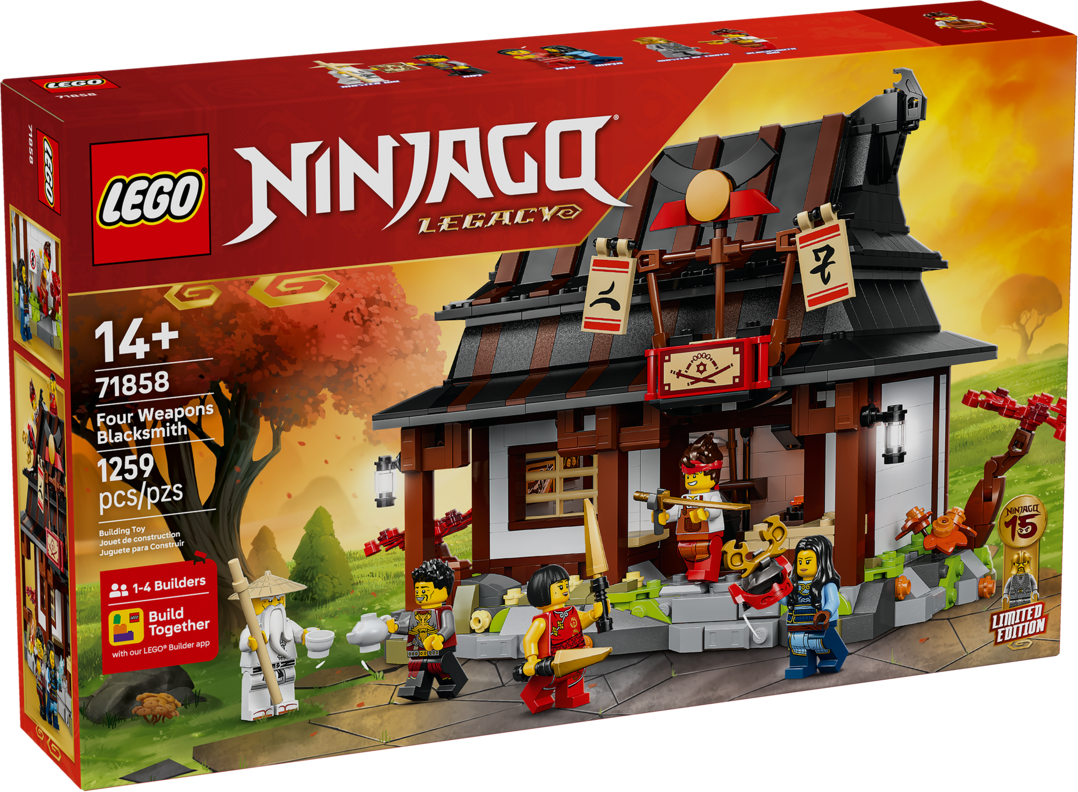
Many longtime Ninjago fans, myself included, have been waiting for this set to come to fruition. It’s honestly surprising it took this long, considering how frequently the location appears in the show’s early days—featured in the original pilot episodes and several of the mini-movies that aired on the Ninjago website at the time.
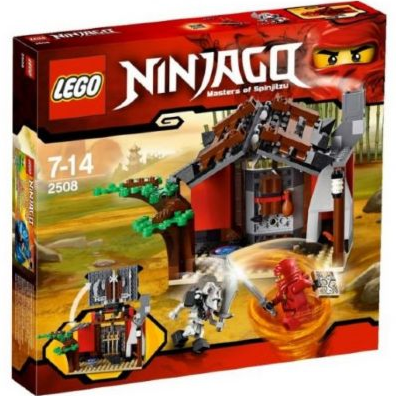
Image via BrickLink
While we did get 2508 Blacksmith Shop back in 2011, I don’t think it’s fair to call that version an adaptation of the show’s location. The two are visually very different, though the older version includes a number of fun play features that this legacy version lacks.
I was fortunate to receive the new Blacksmith set, and I can confidently say it was worth the wait. In full transparency, if the circumstances had been different, I would have bought this set at full price on day one. It’s clearly targeted at Ninjago superfans like myself, but even so, it’s a genuinely enjoyable build and makes for a fantastic display piece—or a great addition to your own MOCs.
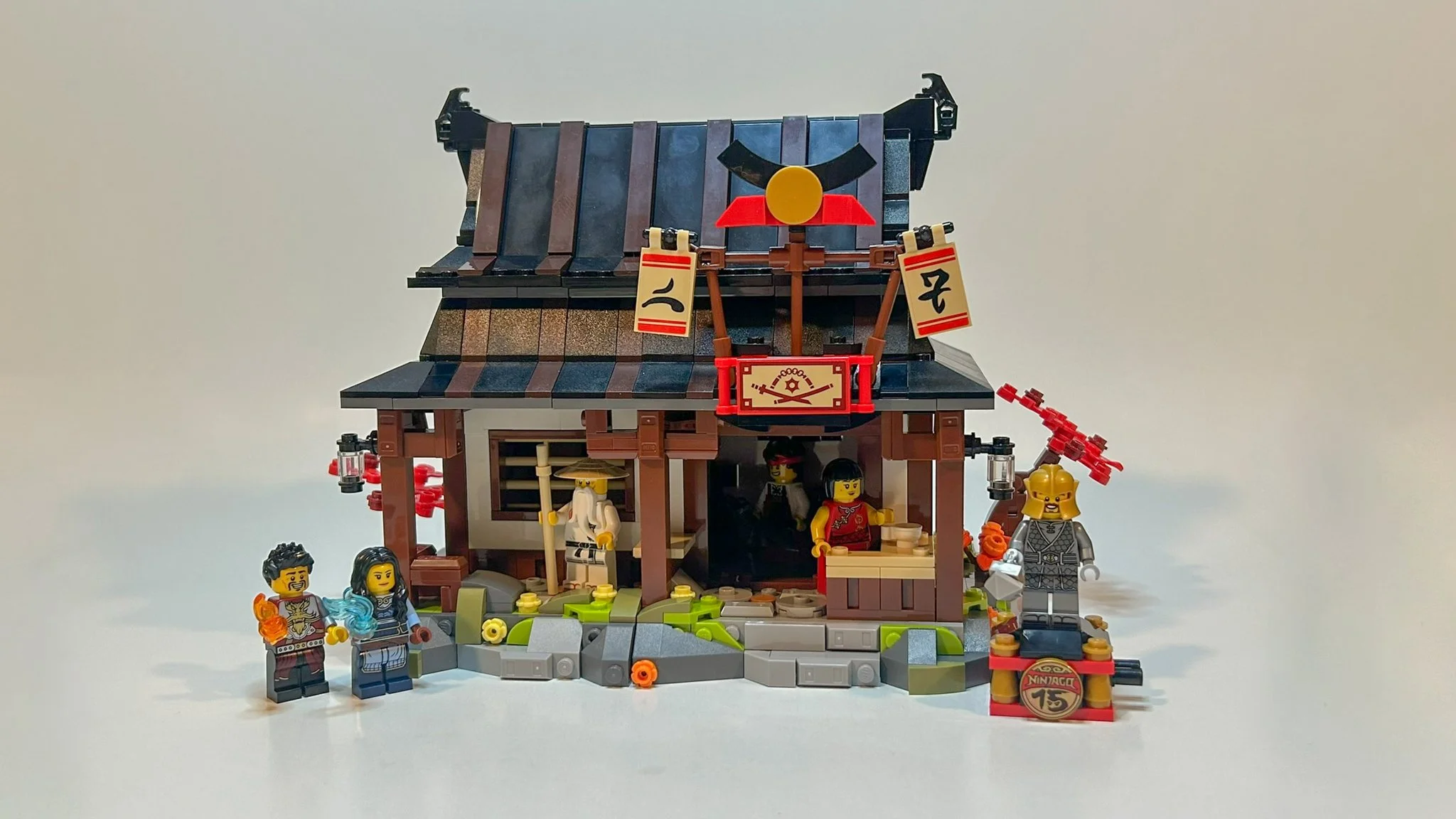
LEGO Ninjago 71858 Four Weapons Blacksmith 15th Anniversary
After building the set, I found myself pleasantly hungry for more Ninjago. In this article, I’m going to take you on a deep dive into the set, the history and lore of the Four Weapons Blacksmith Shop, related MOCs from over the years, and even some LEGO building of my own.
The Set We Waited 15 Years For
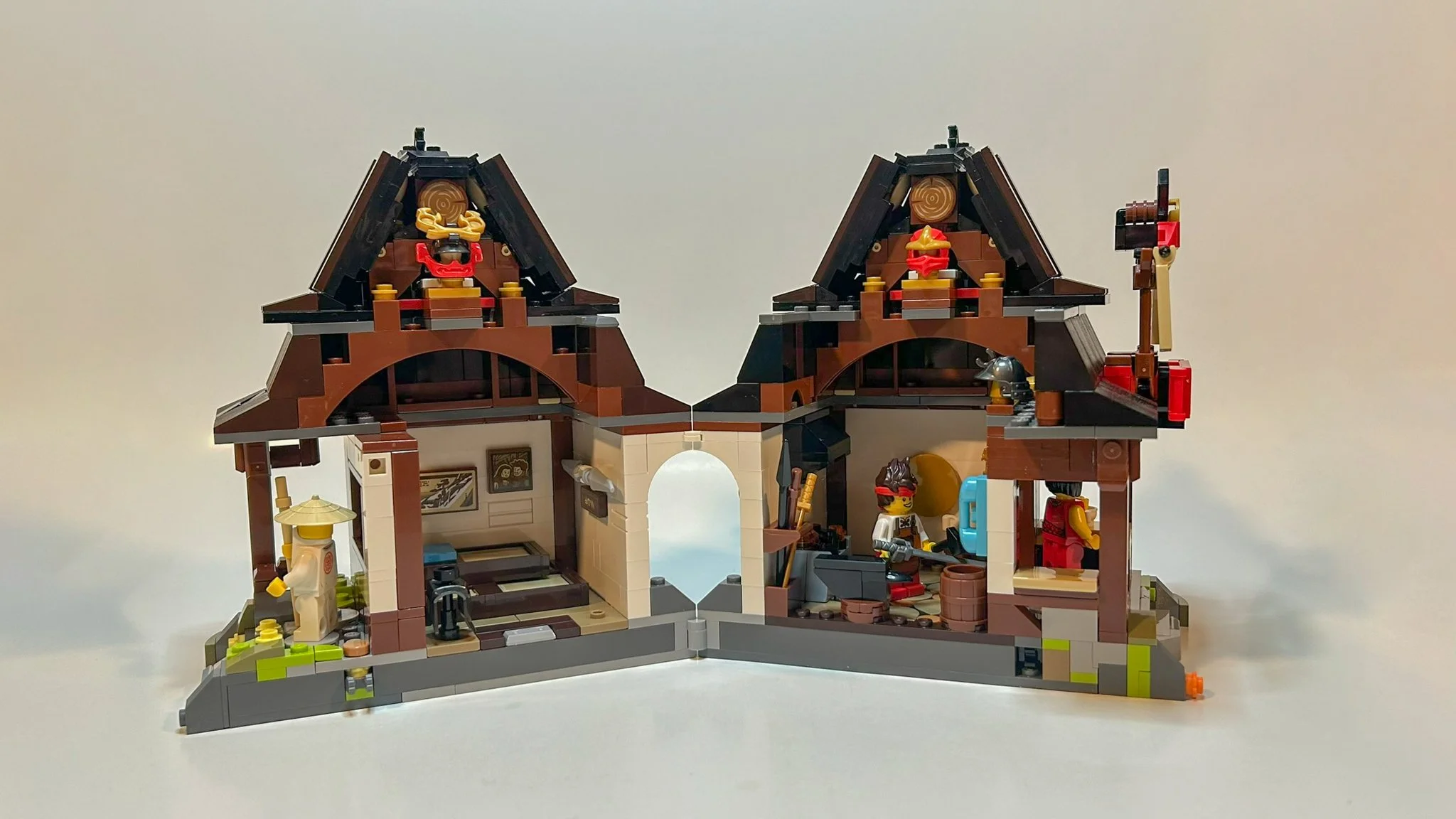
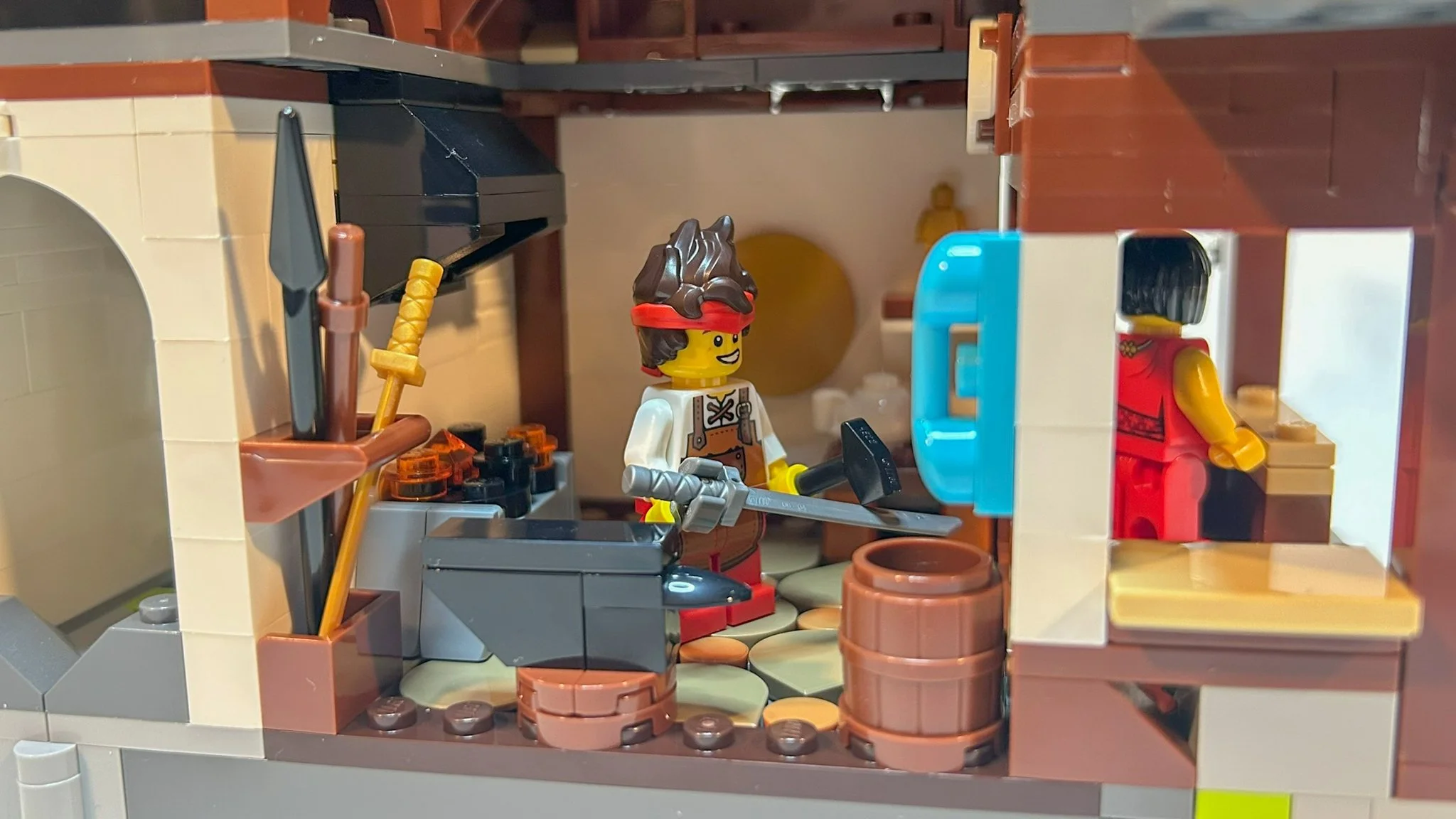
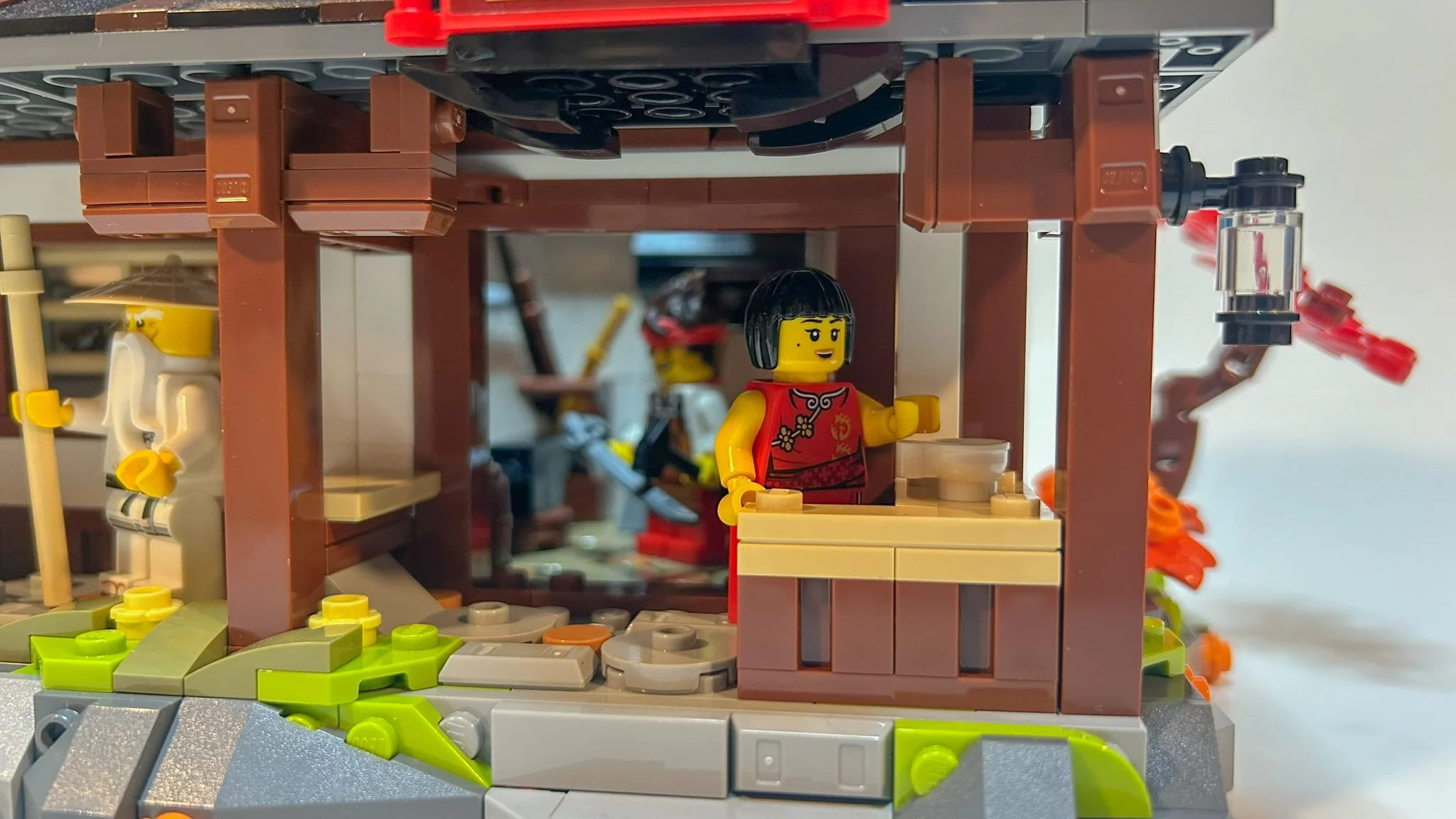
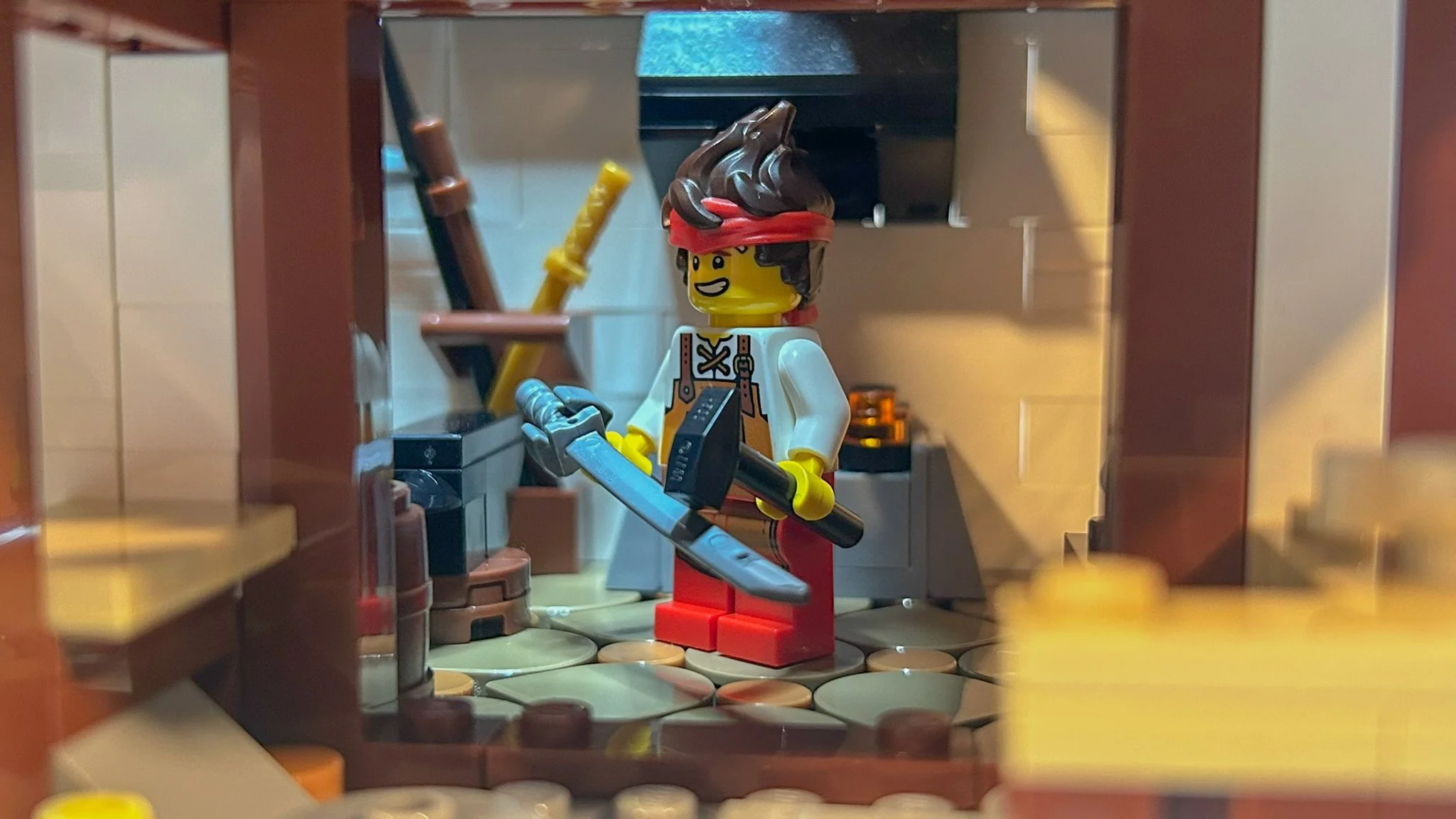
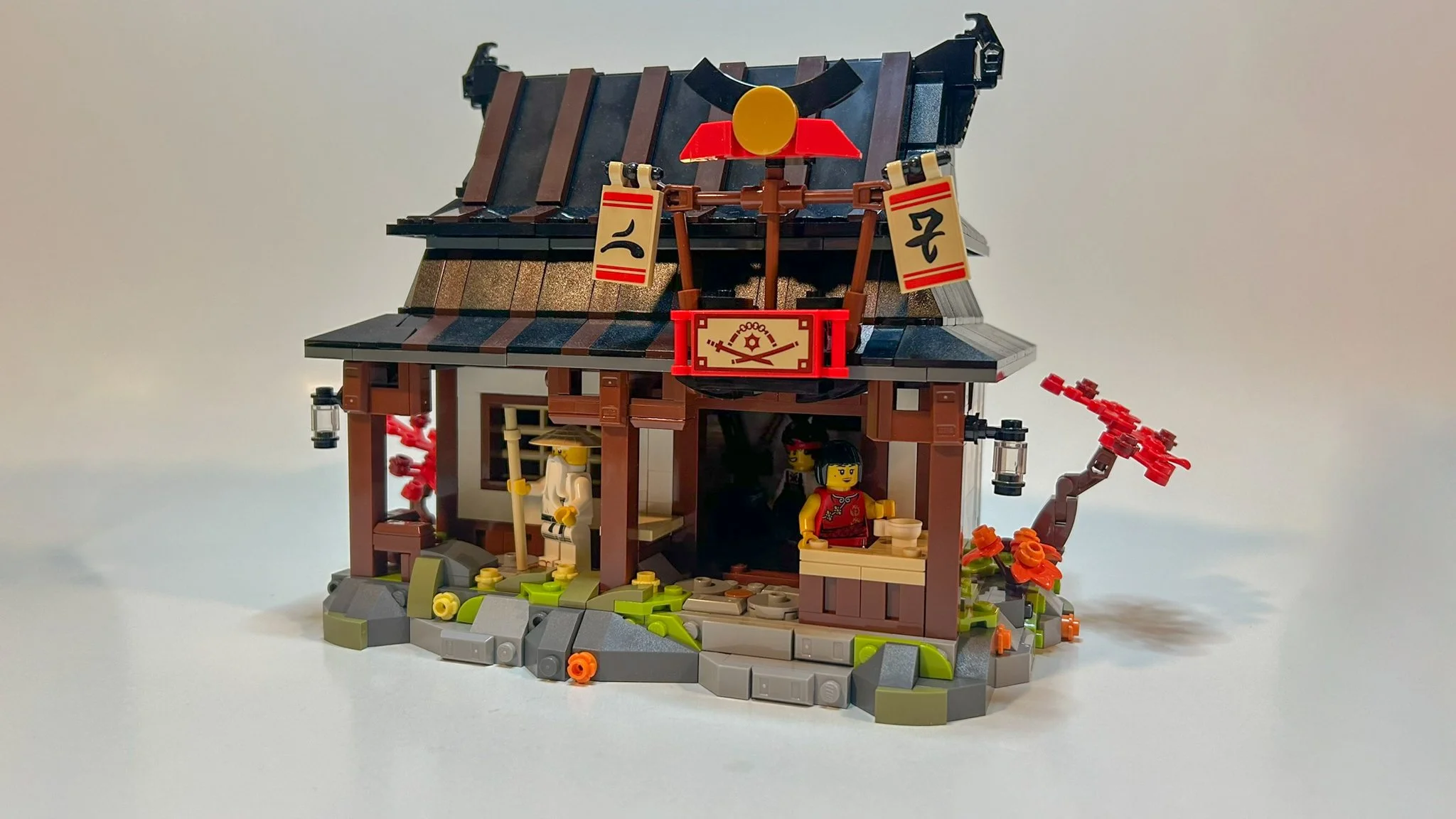
With 1,259 pieces, six minifigures, and a cost of around $100 USD, this set is not only a great value for your money, but also an excellent building experience and a display piece to interact with after completion. This set is clearly targeted to teens and older Ninjago fans, which leads to a lack of play features, one thing I do wish this set had more of.
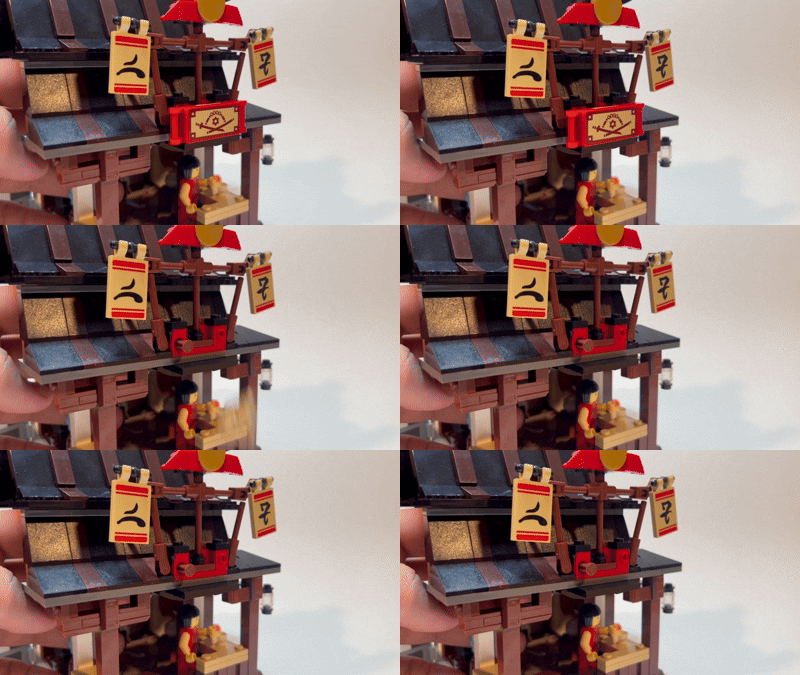
We do have one core play feature in the set, where the banner on the front of the shop can be “exploded off” using a Technic axle, alluding to the scene where skeletons attack the Blacksmith Shop in the first pilot episode. Behind the sign, both in the set and in the episode, is a map to the four golden weapons of Spinjitzu. This is where the shop gets its name, “Four Weapons Blacksmith,” alluding to the fact that the secret map is hidden within the shop.
But what other play features could have been added? In the mini-movie Secret of the Blacksmith, we see that the shop has a revolving wall, which is also a play feature in the early 2508 Blacksmith Shop. In the season “Hands of Time,” we see a trap door and a secret room beneath the shop's main floor. I understand the designer, Chi Wing Lee (a fellow Ninjago superfan turned designer), had to stay within budget for this set, which led to decisions about what works best for the set and its target audience, but I can’t help but love playing with my LEGO sets. The kid in me itches to play more.
I wish we could have at least gotten the revolving weapons wall, or even a hidden compartment containing the Dragon Blade—the blade that lets Kai and Nya combine their elemental powers to create the fusion dragon in “Hands of Time.” But the missing, over-the-top details a superfan like me notices do not detract from the amazing experience of this set; it is still a very complete and visually appealing model.
A Legacy of Blacksmith Shop MOCs
As I stated earlier, this is a set that Ninjago fans have wanted for years, and that demand has led to 15 years of MOCs of the Four Weapons Blacksmith Shop. Without the same restrictions as a LEGO designer, builders have taken this location in all kinds of creative directions. Let’s look at some incredible builds from the community.
Starting with this incredible build by Imagine Rigney, which I first discovered through ArtiFex Creation in 2014, which blew my mind as a kid fan of Ninjago. Imagine Rigney has created other Ninjago builds that heavily inspired me as a kid, and I highly suggest giving them a look. (Imagine Rigney is now a LEGO designer too.)
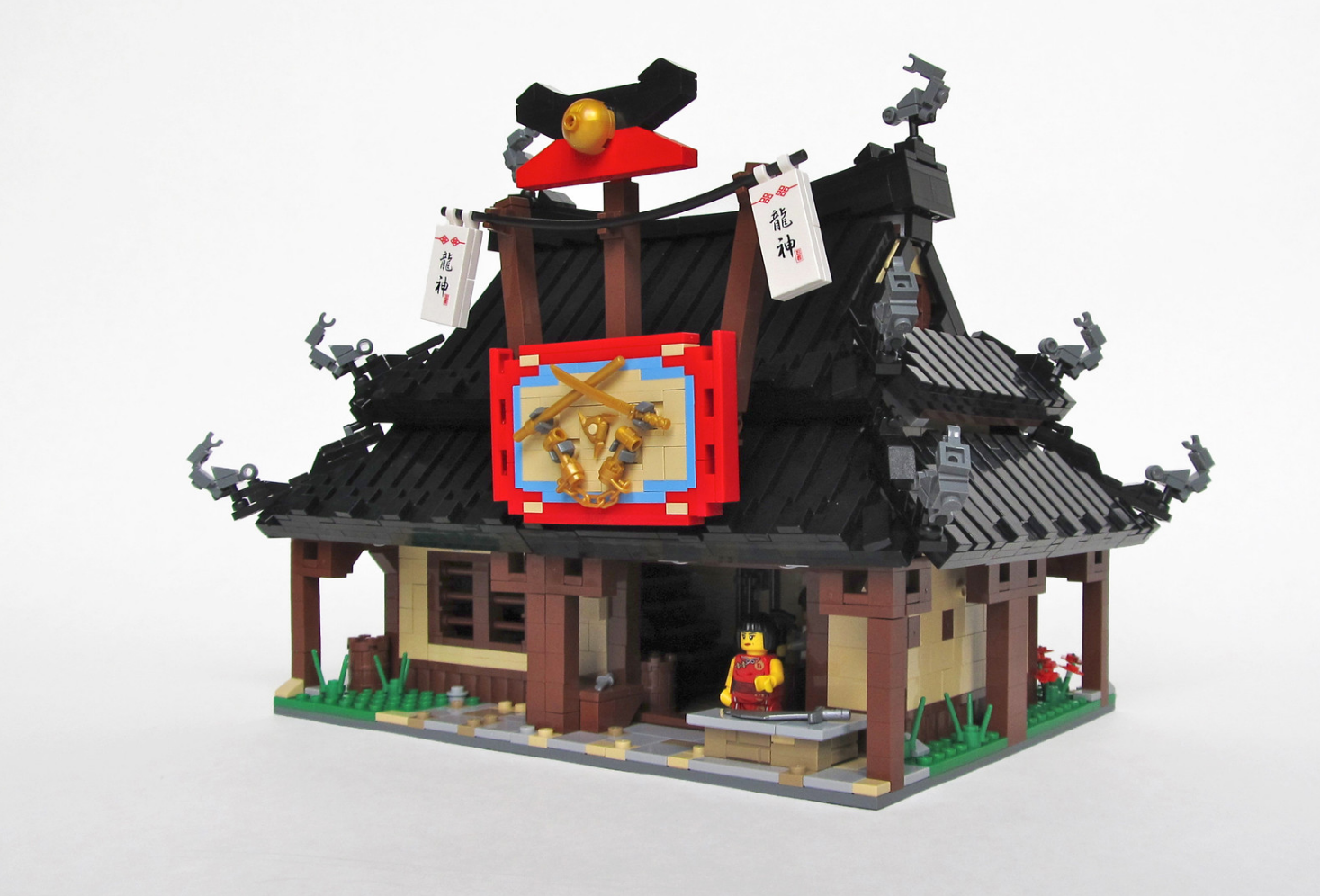
Imagine Rigny on Flickr
This MOC is incredible, and what I consider the gold standard for what a LEGO build of the Four Weapons Blacksmith Shop should look and play like. I remember watching this video over and over again as a kid, and even briefly trying to gather all the parts to build it myself. But 13-year-old Daniel had not discovered BrickLink yet, and I was nowhere near skilled enough to properly recreate it from a four-minute video. Maybe it’s something I’ll have to try on my own time later.
Comparing this MOC to the source material, it successfully captures every possible detail from the show that had aired at the time. It even features an entire second floor—a detail never shown in the show or other Ninjago media—highlighting Imagine’s creativity. The build also features a revolving weapons wall and opens in the middle on a hinge, similar to the official set.
Compared to the official set, this MOC is larger, allowing it to capture more show-accurate detail. However, the official set has the advantage of more modern pieces and techniques, resulting in a more refined and engaging build experience. This trend carries across other Blacksmith Shop MOCs as well—especially more recent ones—which are typically larger and make use of newer elements and building methods.
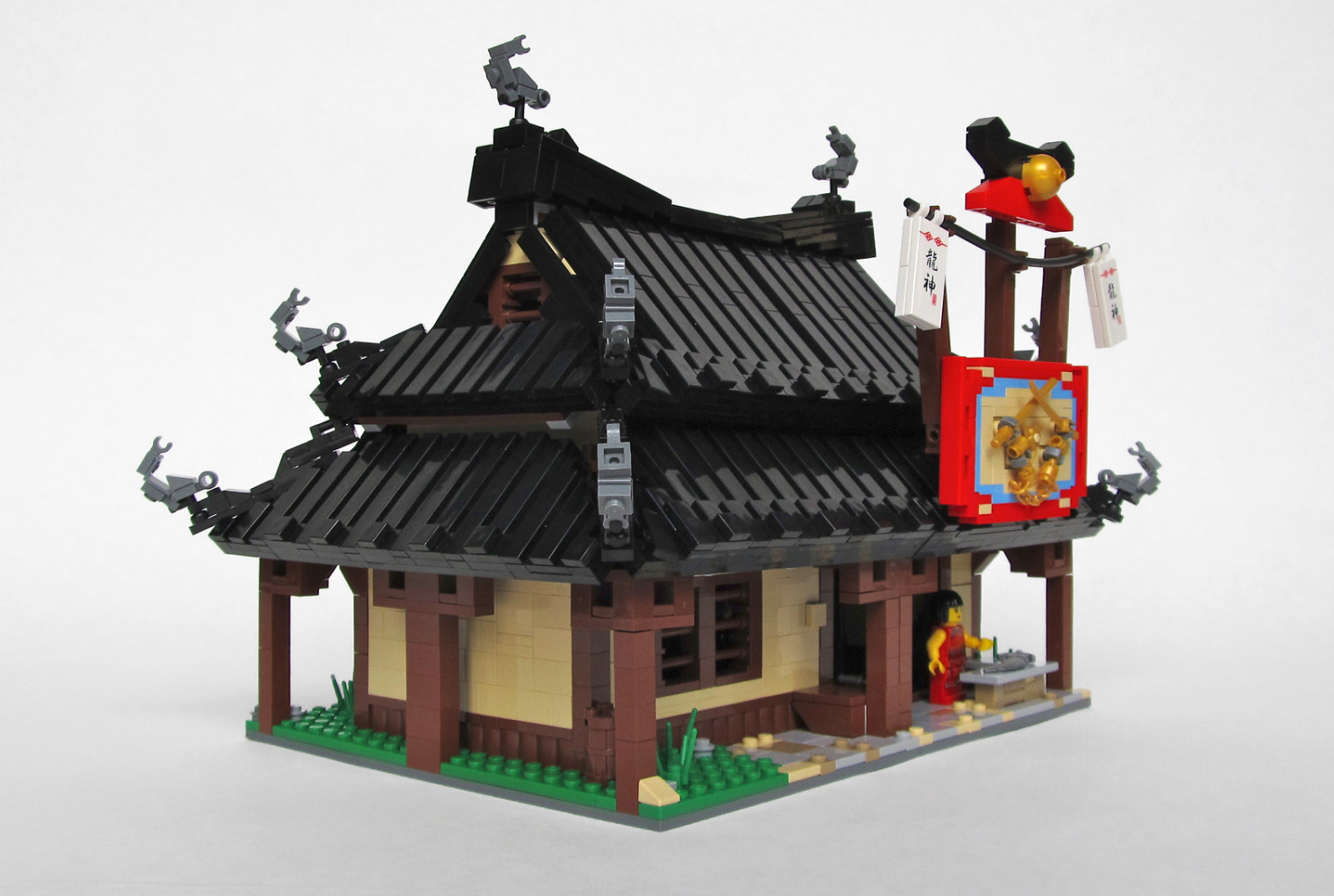
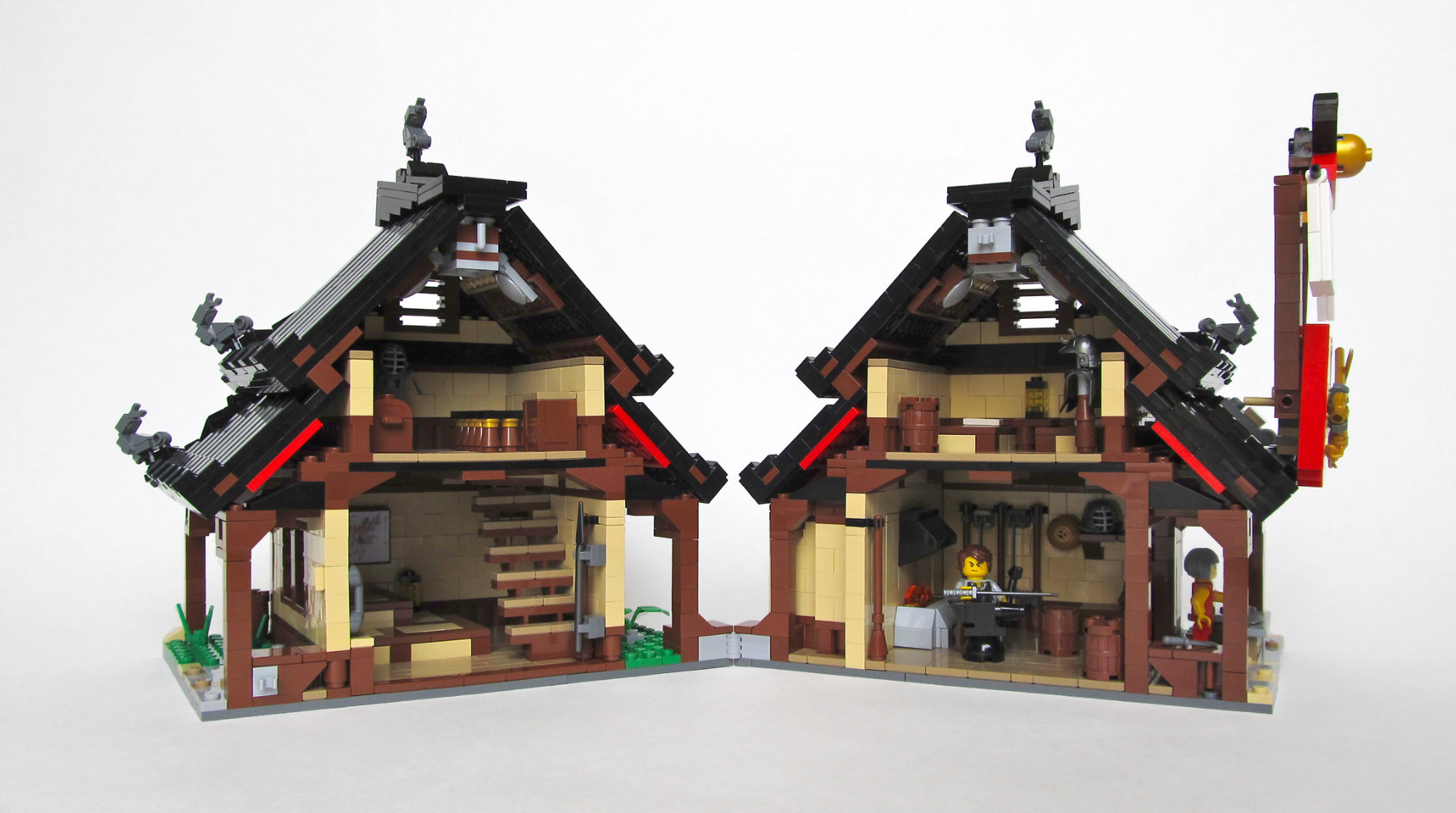
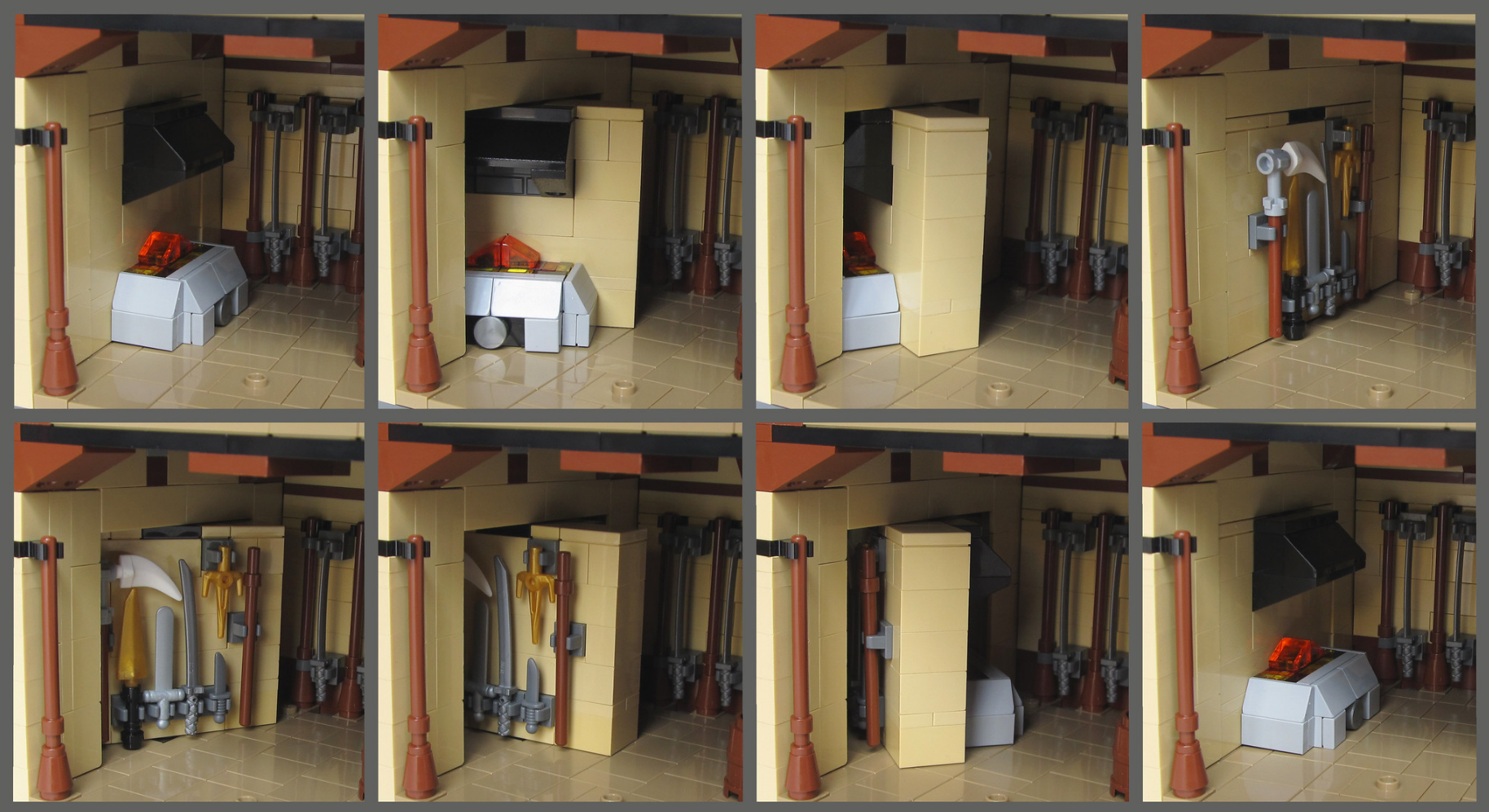
In defense of the set, the smaller size of the Blacksmith Shop set not only allows it to be priced more reasonably but also scales better for display on shelves and looks nicer next to minifigures filling out the scene and story. Drawing on my own building experience, I always want to include as much detail as possible and make my builds as strong as possible, but when designing professionally—whether for commissions or work—I have to operate within certain restrictions.
When you’re building for yourself, you don’t have to worry about part counts, working with and pleasing IP holders or licensees, staying within a budget, designing for instructions, or even how large the box will be and how much shelf space it will take. When I am designing professionally, all of those factors come into play. The same is true for the many talented designers at LEGO, including the Ninjago team.
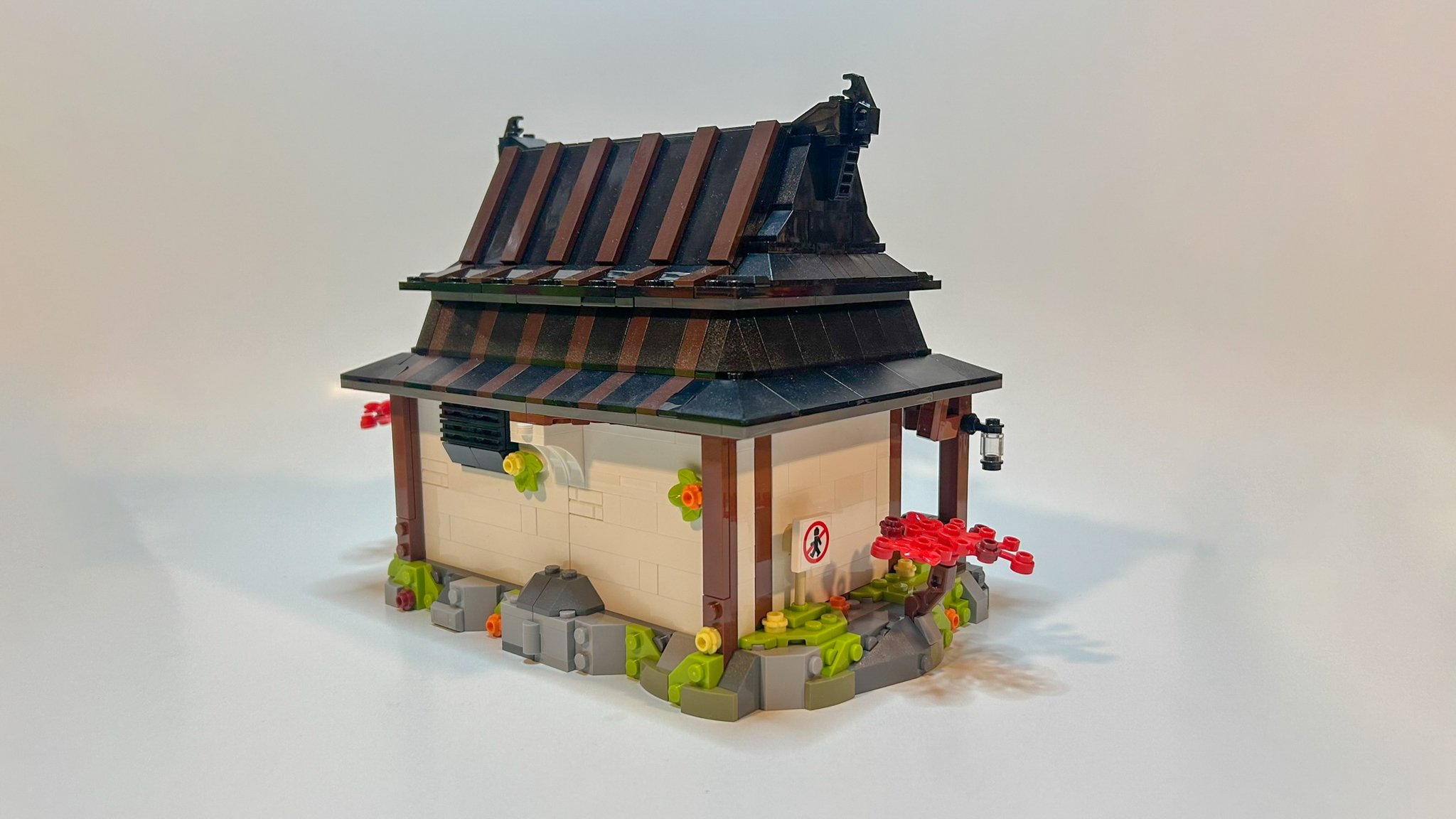
A closed back makes for a full and complete-feeling model
Keeping all of this in mind (and seeing how good the official set is), I am beyond impressed with this set. Unlike many Ninjago sets—and other play-scale sets for that matter—this model has a closed back. Many sets at this scale use an open, dollhouse-style design so kids can easily access the interior. Here, the designers chose to create a complete model, opting to split it open in the middle on a hinge. That’s something I really appreciated, and it shows that the designers wanted to give hardcore Ninjago fans exactly the model they’ve been waiting for.
Hidden Details and Easter Eggs
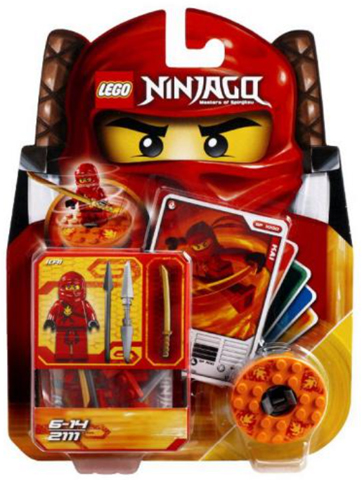
Set 211 Kai via BrickLink
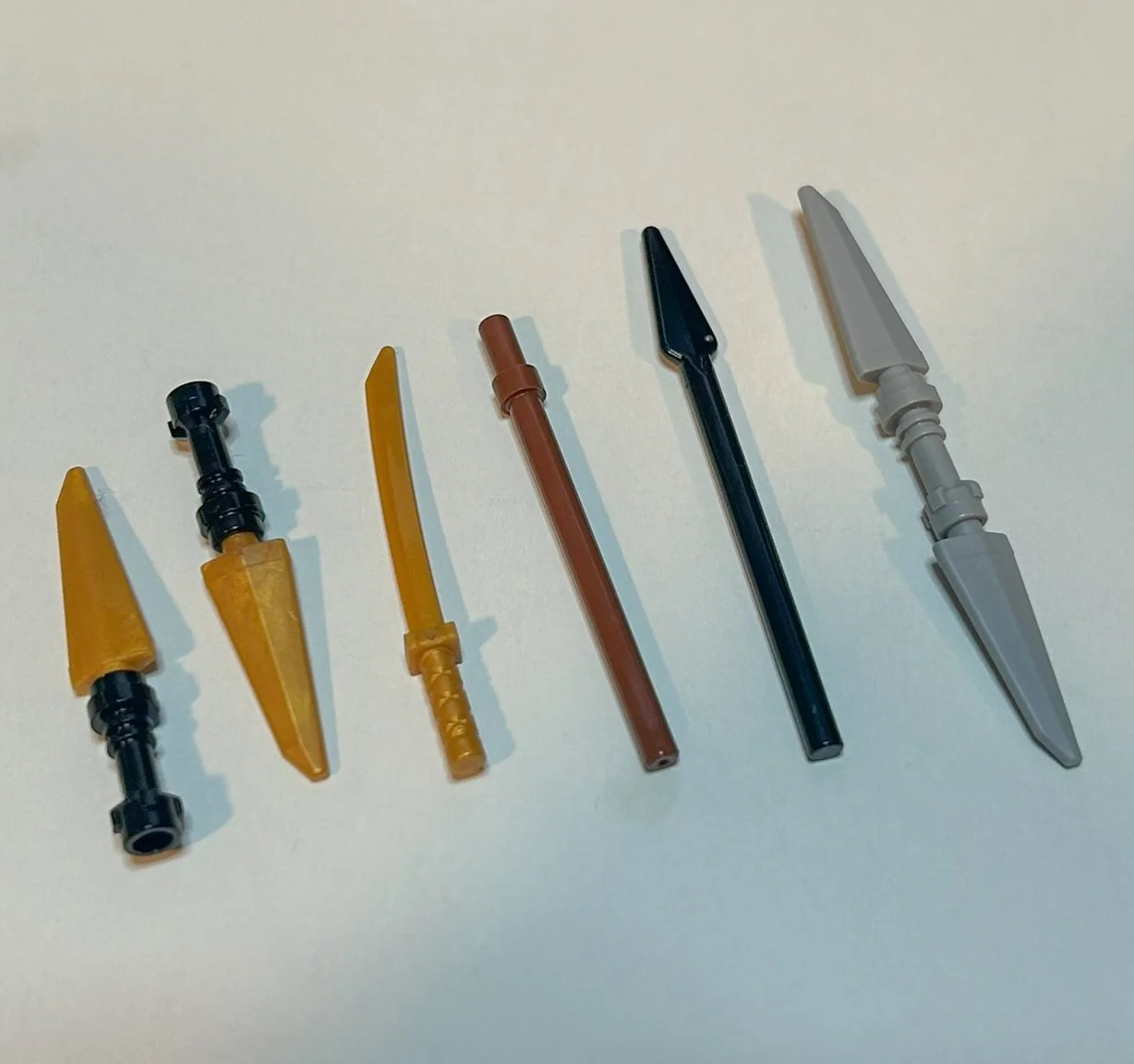
Let’s turn things back to the set, as there is a lot to love here. The set includes a reference I really love: all the weapons included are the exact same ones that Kai and Nya have in their respective 2011 spinner sets (2111 Kai and 2172 Nya). My first Ninjago set was the #2111 Kai spinner, so this reference really hits close to home—a full circle moment as I was building and realized it.
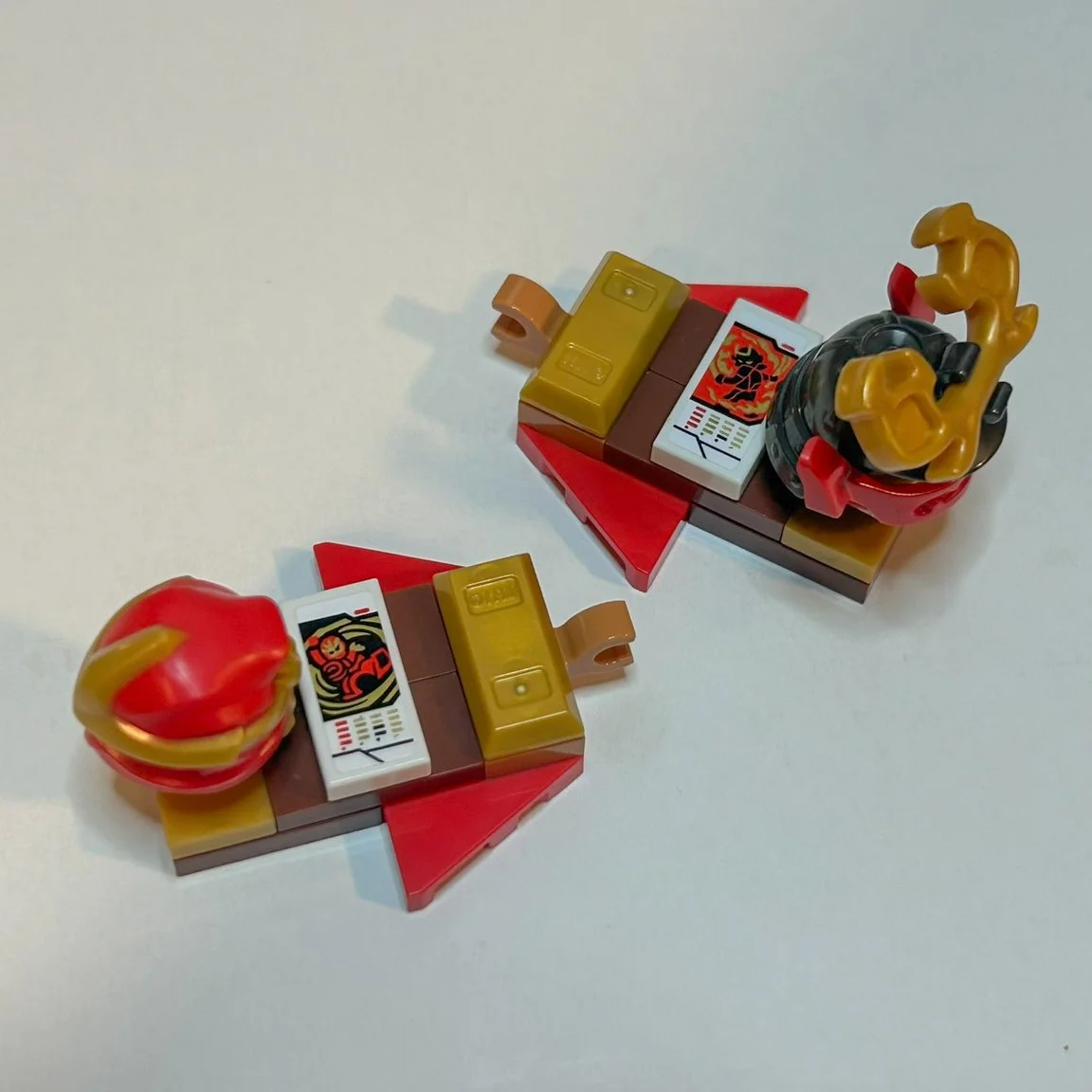
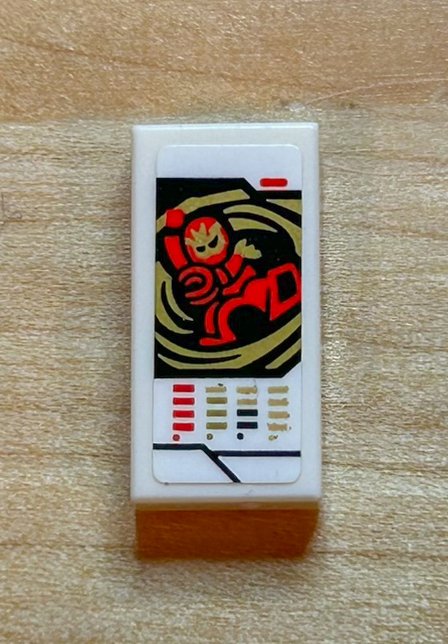
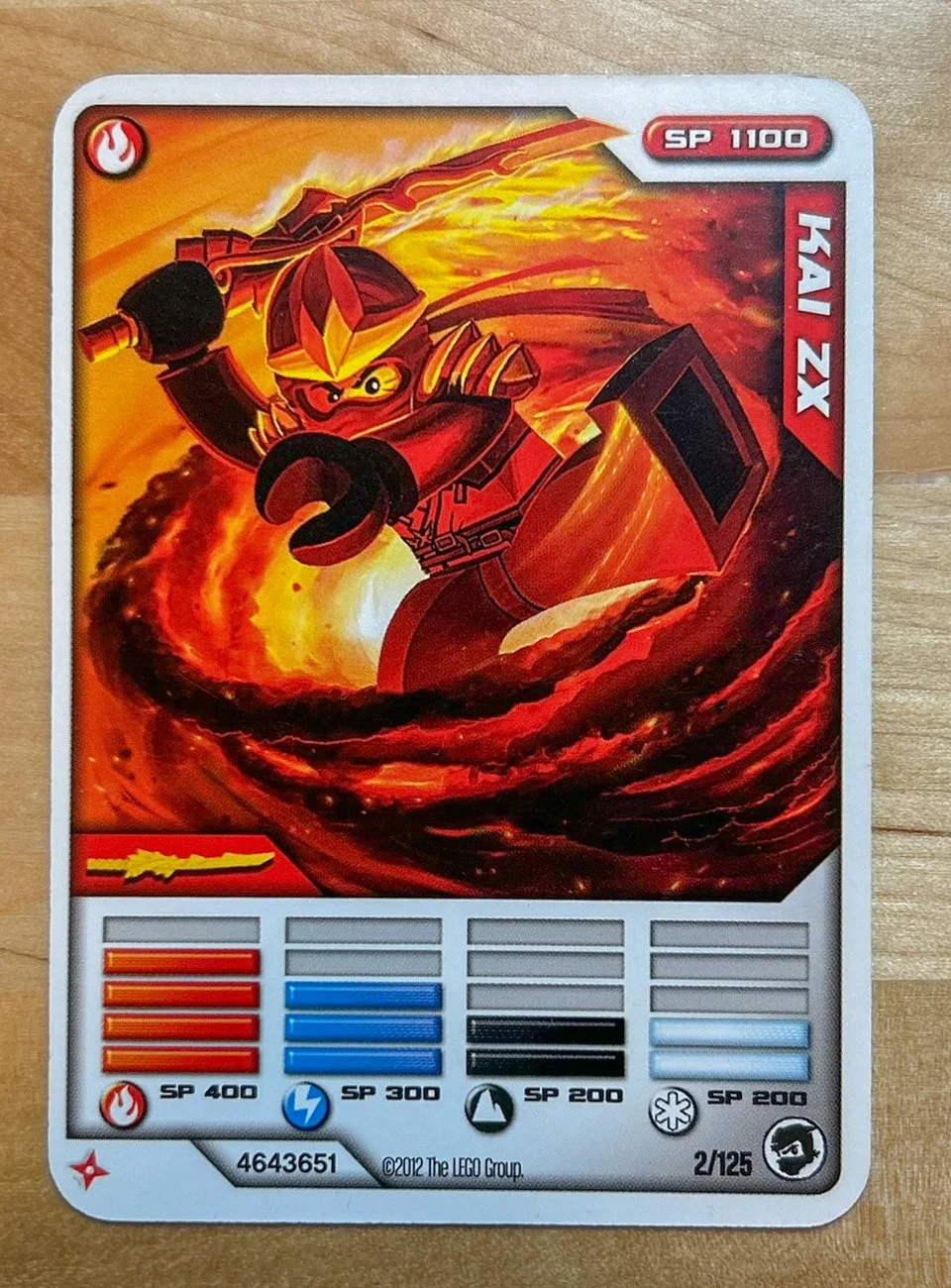
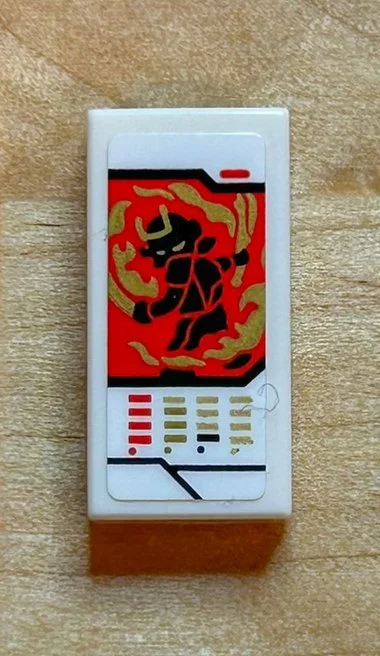
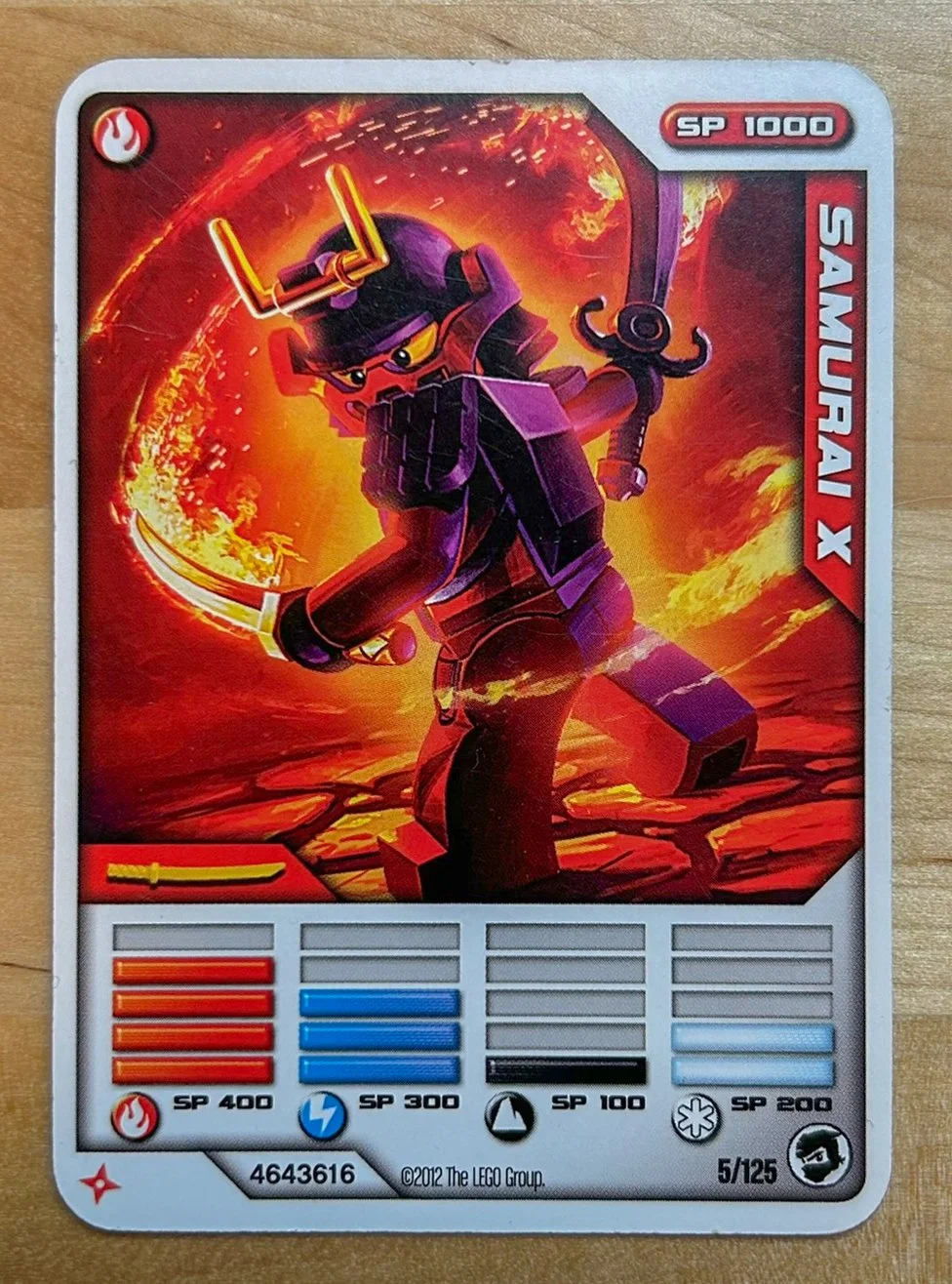
Another Easter egg found in Ninjago sets is the use of small tile versions of the spinner character cards, something I discussed in more detail in my deep dive into 71861 The Old Town. What’s interesting here is that while the weapons reference their 2011 spinners, the cards instead reference their 2012 versions, featuring Kai in his ZX outfit and Nya in her Samurai X armor. The 2011 cards had already been used in previous sets, so this feels like a deliberate choice. You’ll find these hidden in the roof of the building, alongside Kai’s ZX ninja hood and Nya’s Samurai X helmet.
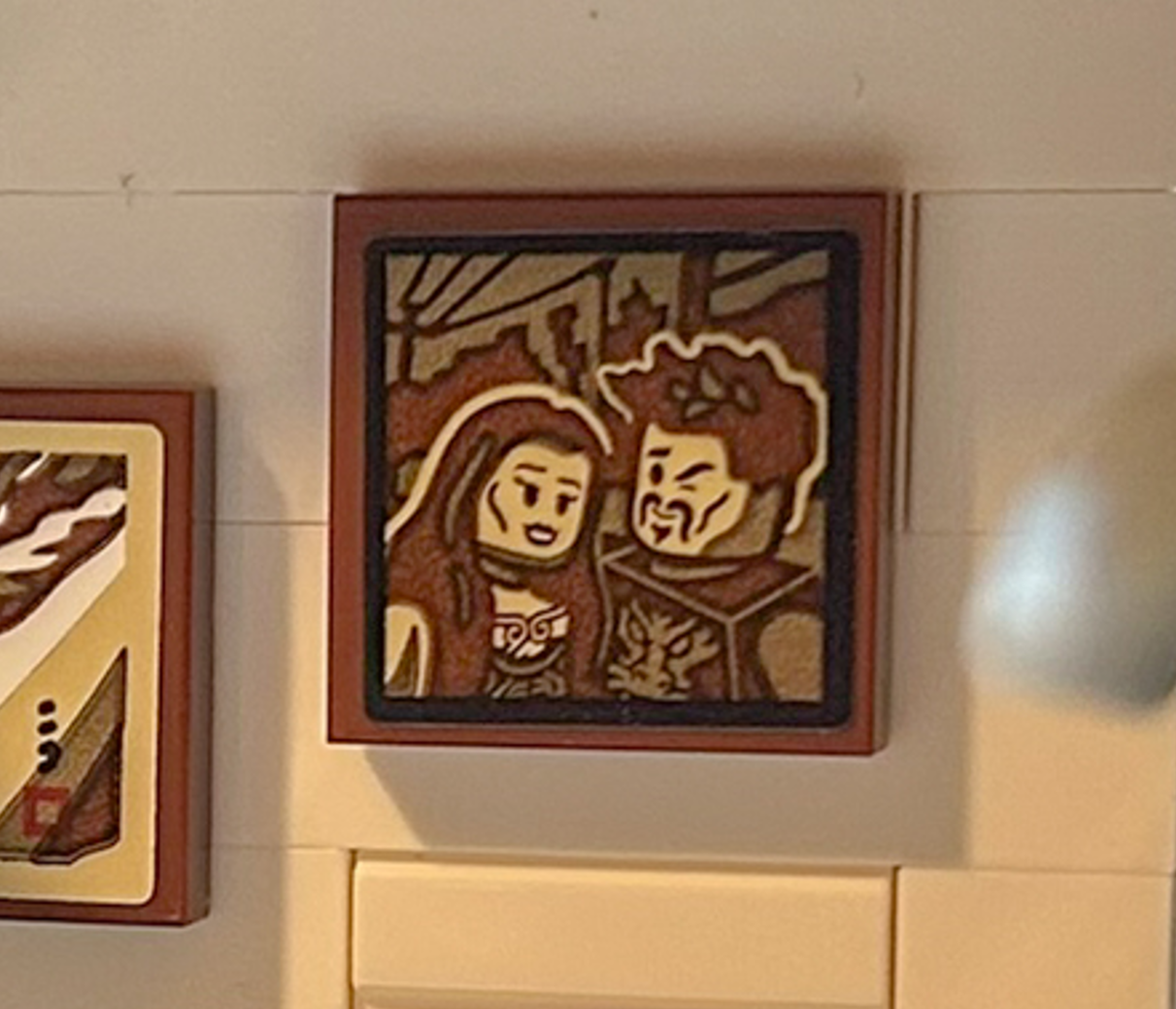
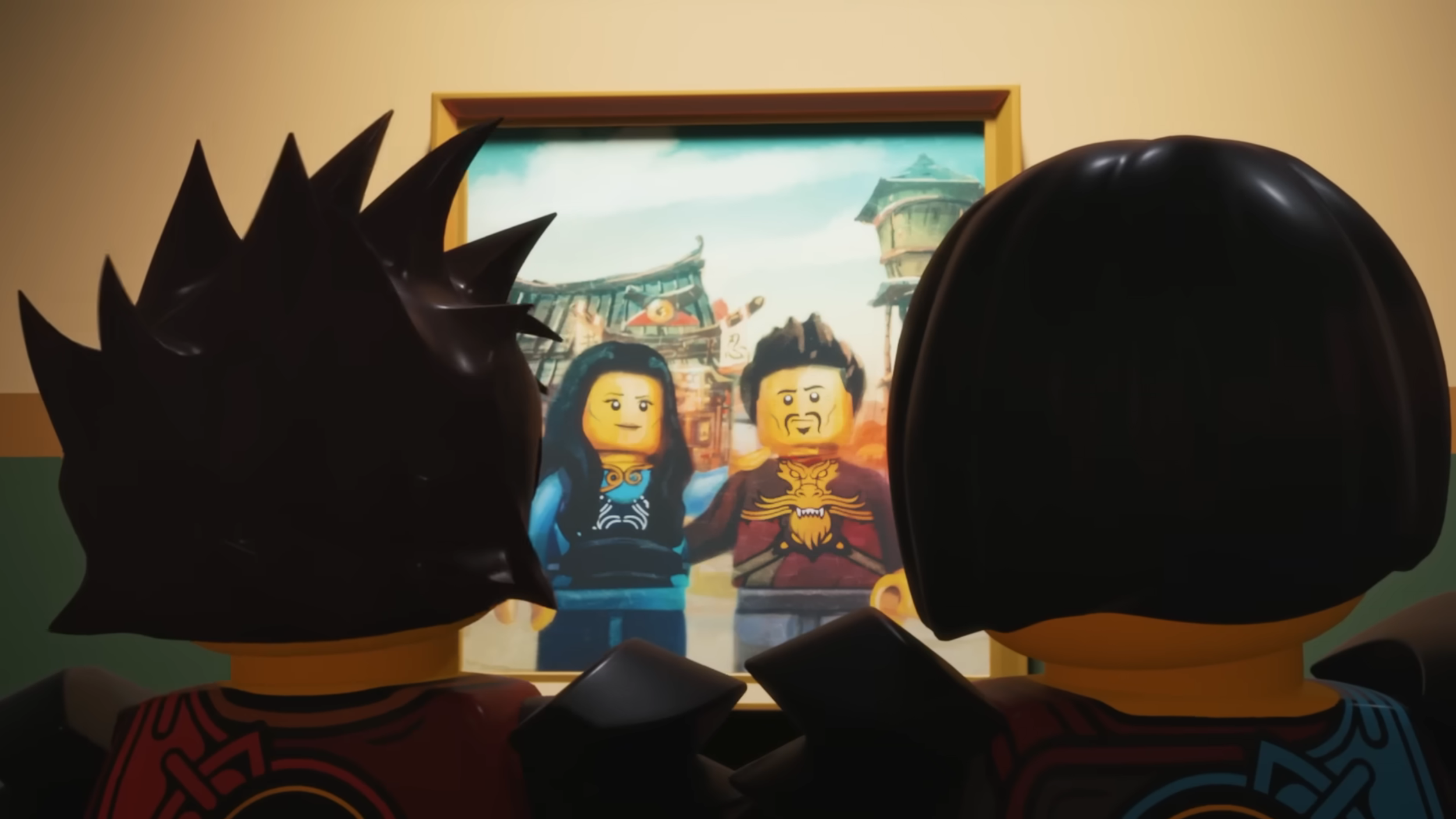
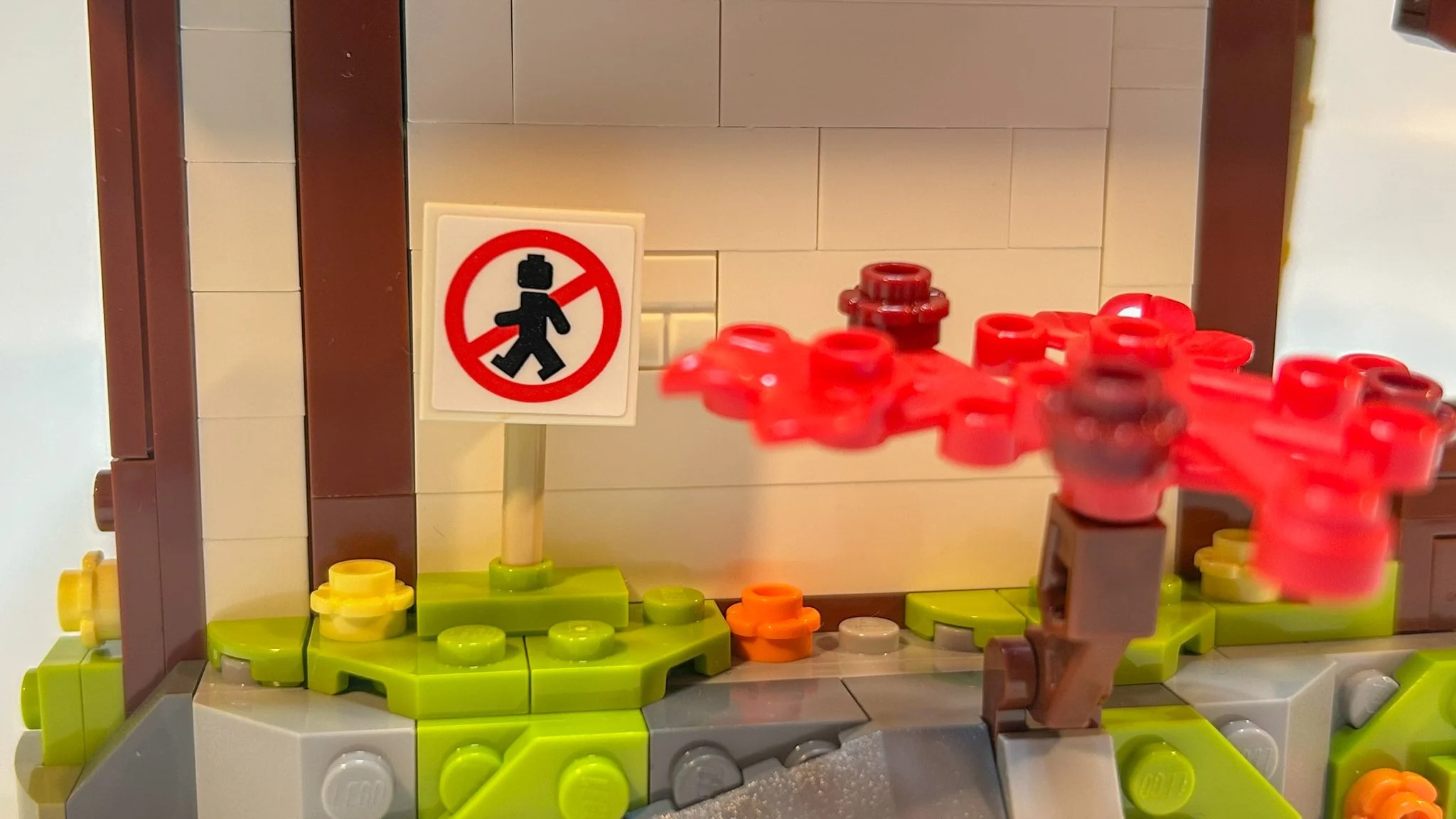
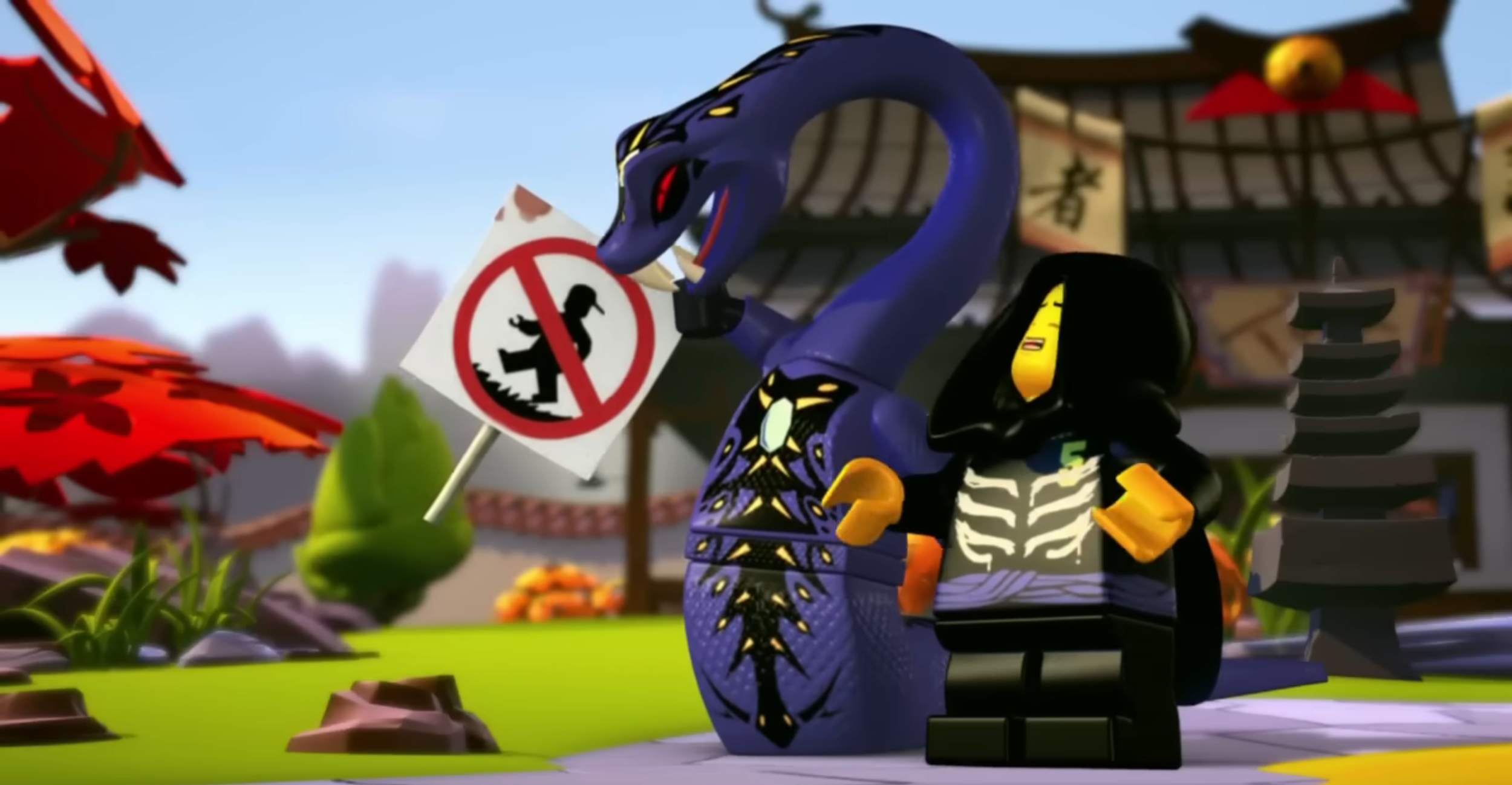
On the wall is a picture of Ray and Maya—Kai and Nya’s parents and the original owners of the Four Weapons Blacksmith Shop—taken directly from the special Day of the Departed. On the back of the model is a “no walking on the grass” sign, a nod to the scene where a young Lloyd and the serpentine general Pythor remove a similar sign in the episode “Never Trust a Snake” from season 1, Rise of the Serpentine.
On the front of the building is the sign that hides the map to the four weapons of Spinjitzu. On that sign are two banners written in Ninjargon (the Ninjago alphabet), with the left translating to “W” and the right to “F.” This is a nod to the shop’s name, “Four Weapons,” read right to left, as in Japan—a culture Ninjago draws heavy inspiration from. A coworker pointed out that the “W” and “F” could also reference Water and Fire, the elemental powers of Maya and Nya, and Ray and Kai, respectively.
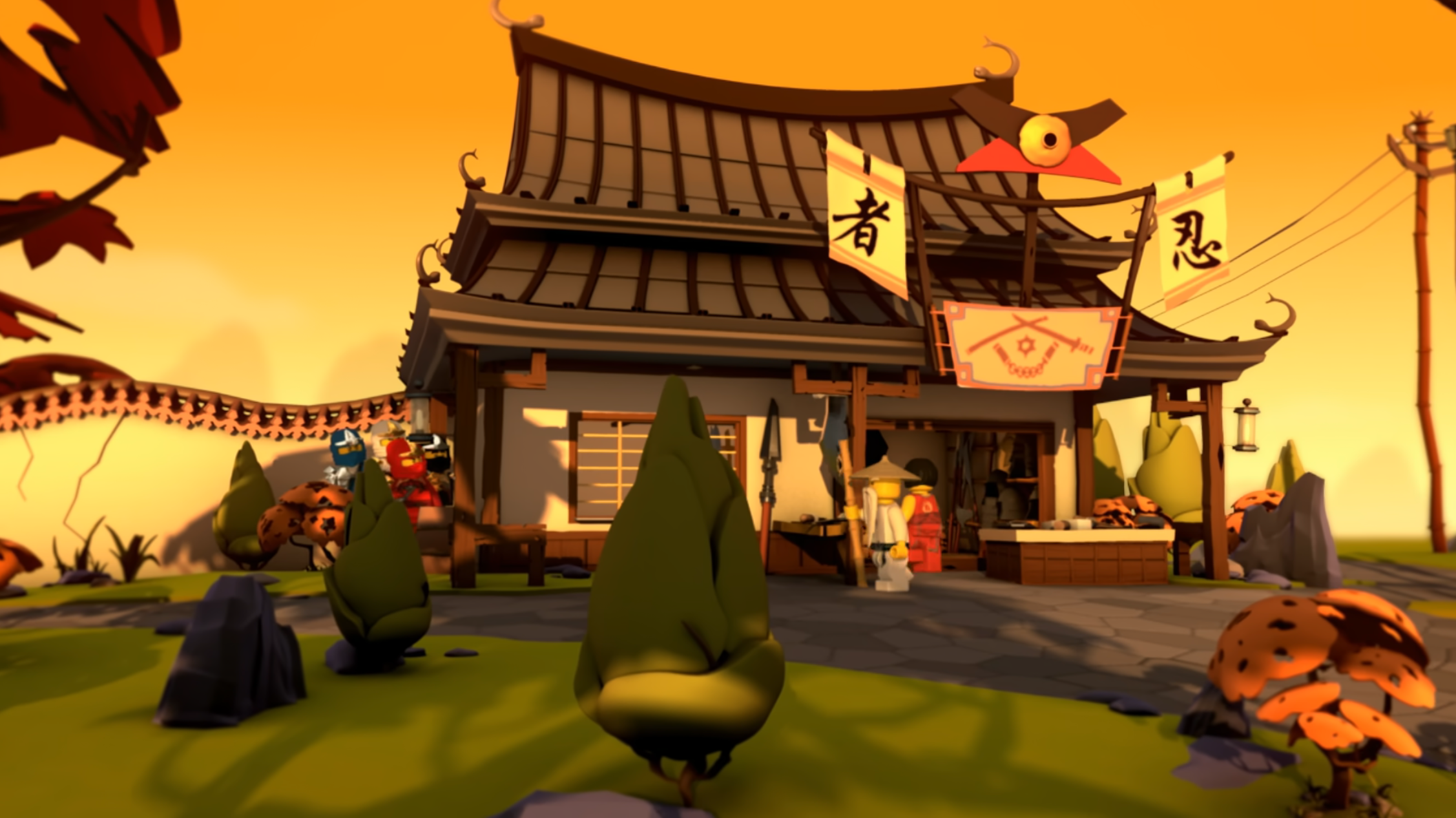
In the original pilot episode, Ninjargon didn’t exist yet—it wasn’t introduced until The LEGO Ninjago Movie in 2017—so the original banners featured actual Japanese kanji, which translated to “Ninja.” Even in this compact, tightly built model, there are a surprising number of nods to the series’ early years.
The Missing Minifigs
Not only is the set itself fantastic, but the minifigures are also. We get six minifigures in this set: Kai in his blacksmith outfit, Nya in her first appearance outfit, their parents, Ray and Maya, Sensei Wu, and, as the special 15th-anniversary figure, the original Master of Earth, Benton.
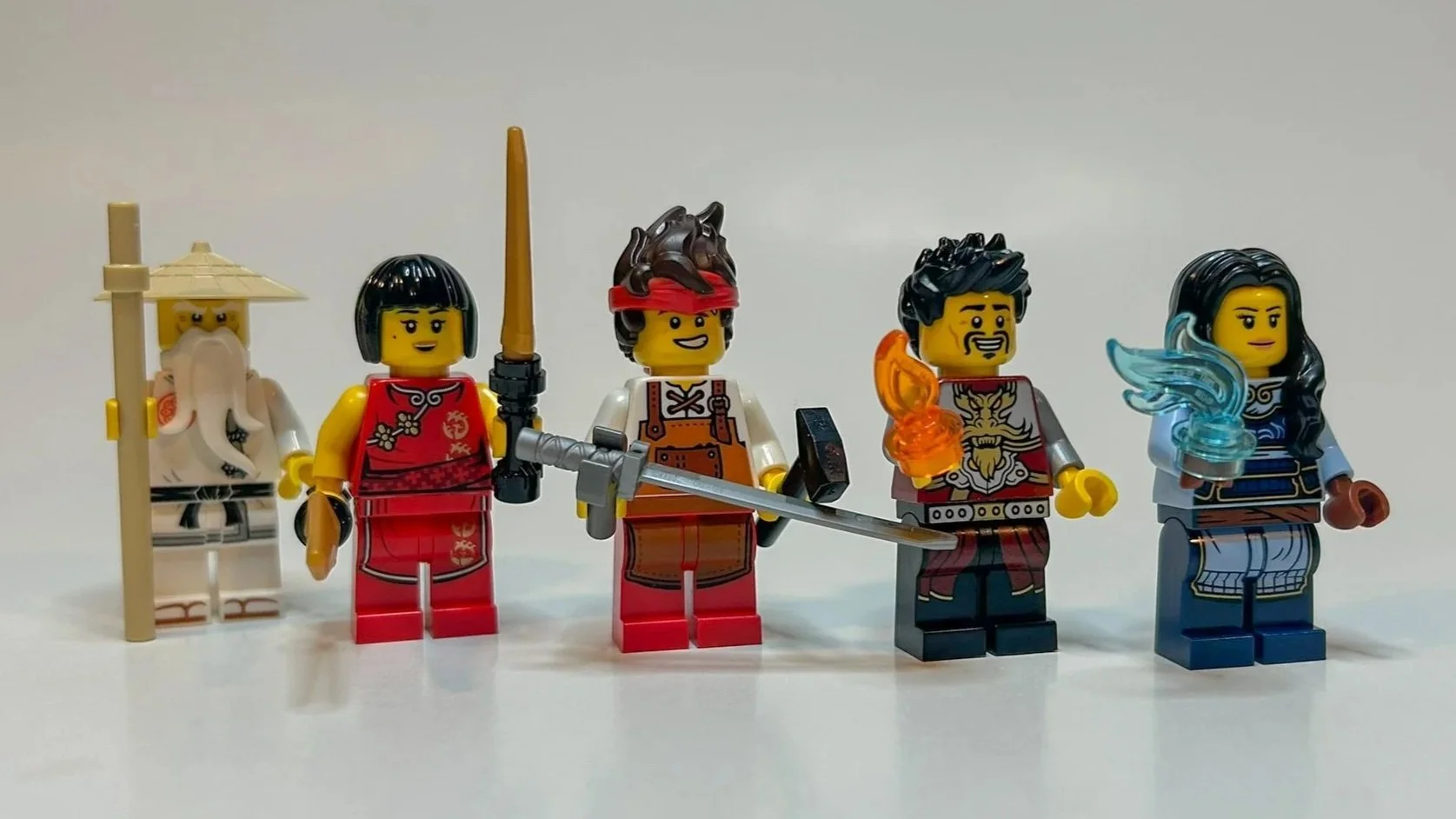
(l-r) Sensei wu, nya, kai,
Kai in his blacksmith outfit has appeared before in 71799 City Markets, but the version featured here is a more show-accurate take on the outfit. Nya’s outfit is a perfect recreation of her look from the original 2011 sets. Another figure very close to their 2011 counterpart is Sensei Wu. We will see this version of Wu in two more sets this year, 71861 Old Town and 71866 Ninja Character Display, but it’s a great figure nonetheless, so having more ways to get him is nothing to complain about.
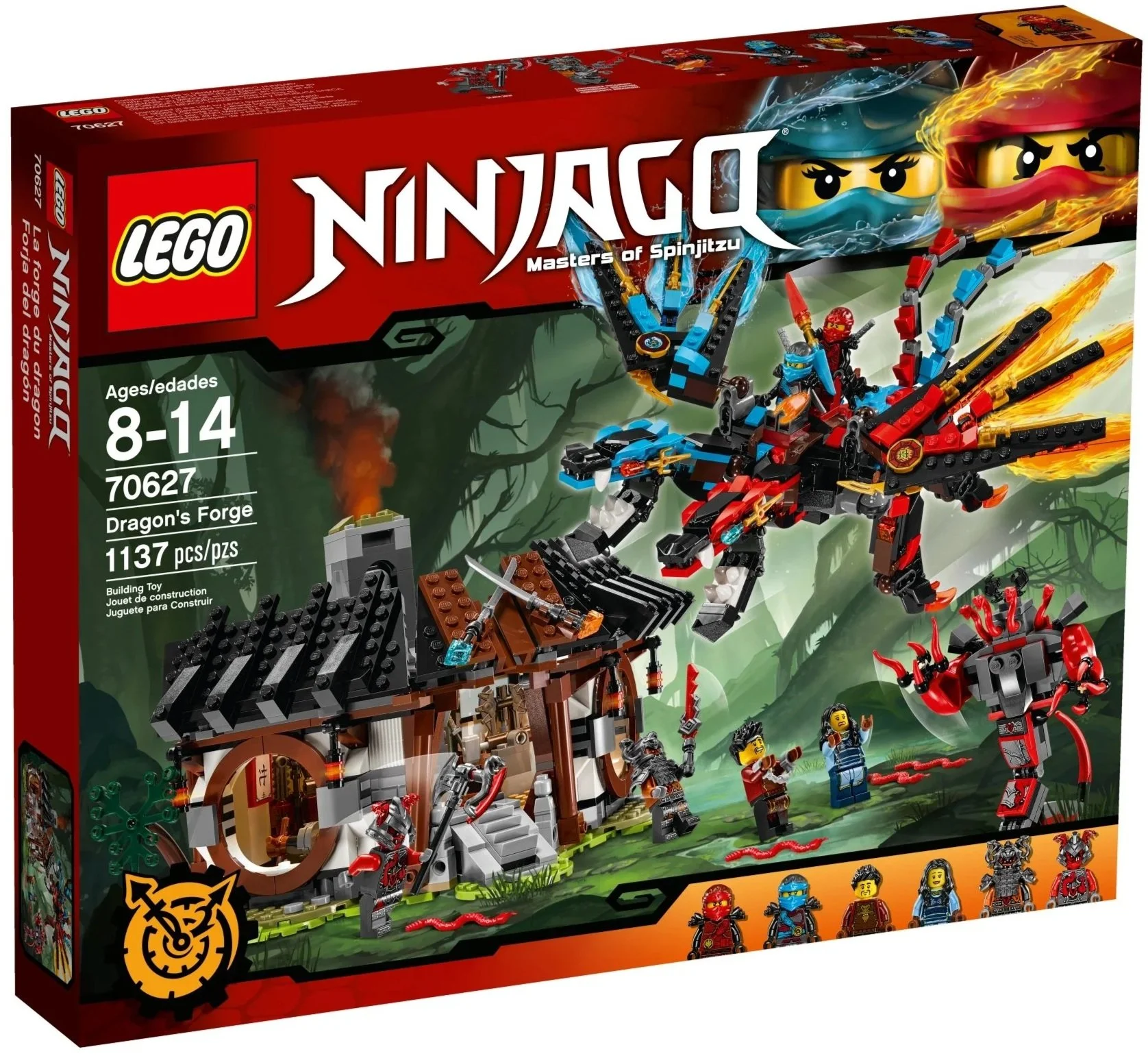
Image via LEGO
Next up are Ray and Maya, the original Masters of Fire and Water, respectively, and Kai and Nya’s parents. We have gotten figures of them before in 70627 Dragon’s Forge from “Hands of Time,” but in this set we get their outfits from their first appearance in flashbacks to the serpentine war, as seen in “Tournament of Elements.”
This decision was made by the set’s designer, Chi Wing Lee, who stated in an interview with LEGO fan media that he wanted to include these outfits to align with the other 15th anniversary minifigures spread throughout this year’s Legacy sets. Featuring them as standalone figures in this set allowed for more all-new characters to be included in the anniversary collection, rather than filling those slots with characters we have seen before.
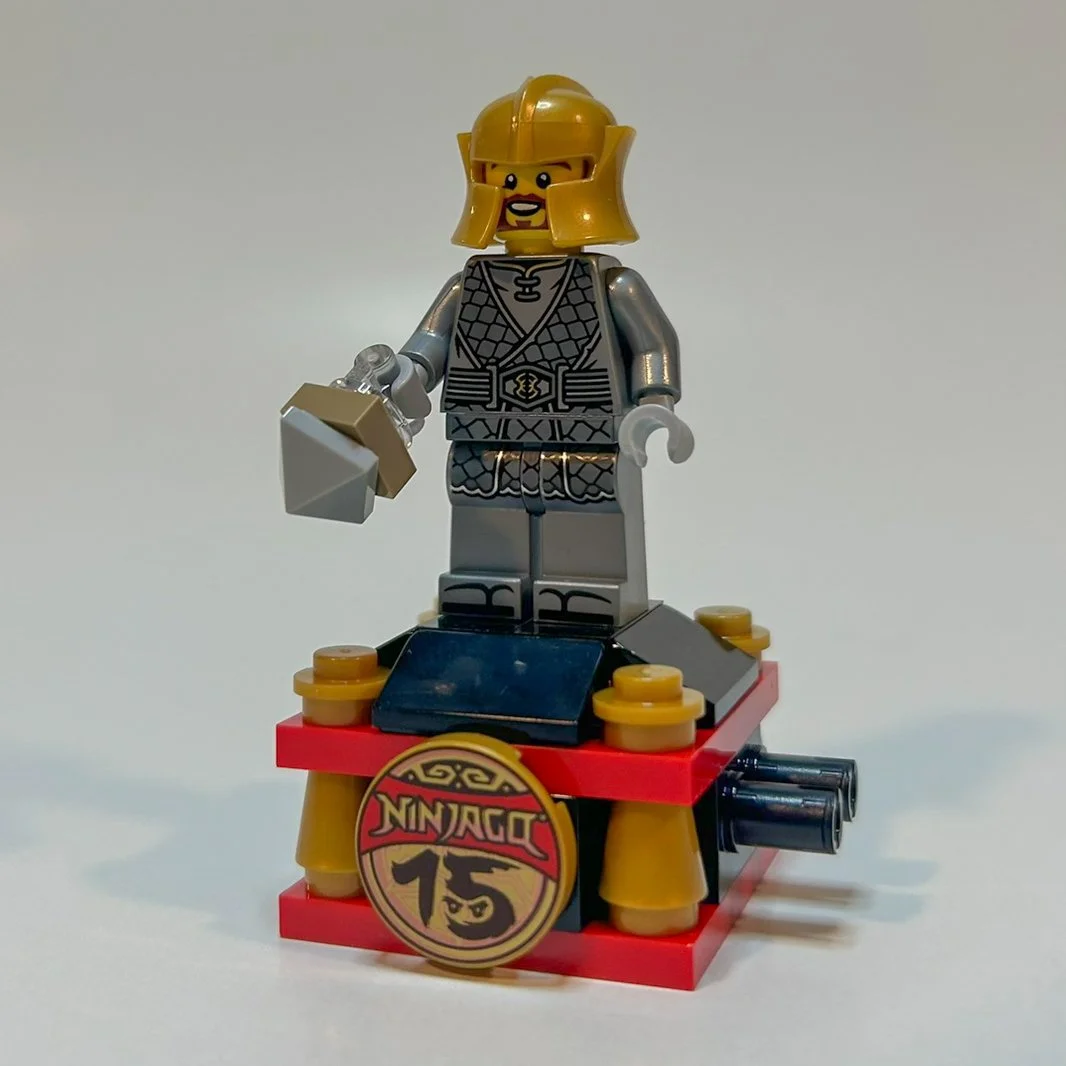
I built two more stands in the style of the anniversary displays (look at those black frogs!) and added Ray and Maya to the collection—and it looks perfect.
Continuing the 15th anniversary lineup in this set is the original Master of Earth, Benton, Cole’s grandfather. We see him once in the show during flashbacks to the serpentine war in “Tournament of Elements,” and we learn more about him and that conflict in the recently released graphic novel Strike of the Serpentine, written by Cameron Chittock with art by Will Morris and Sara Antonellini. His minifigure is a perfect translation from show to toy.
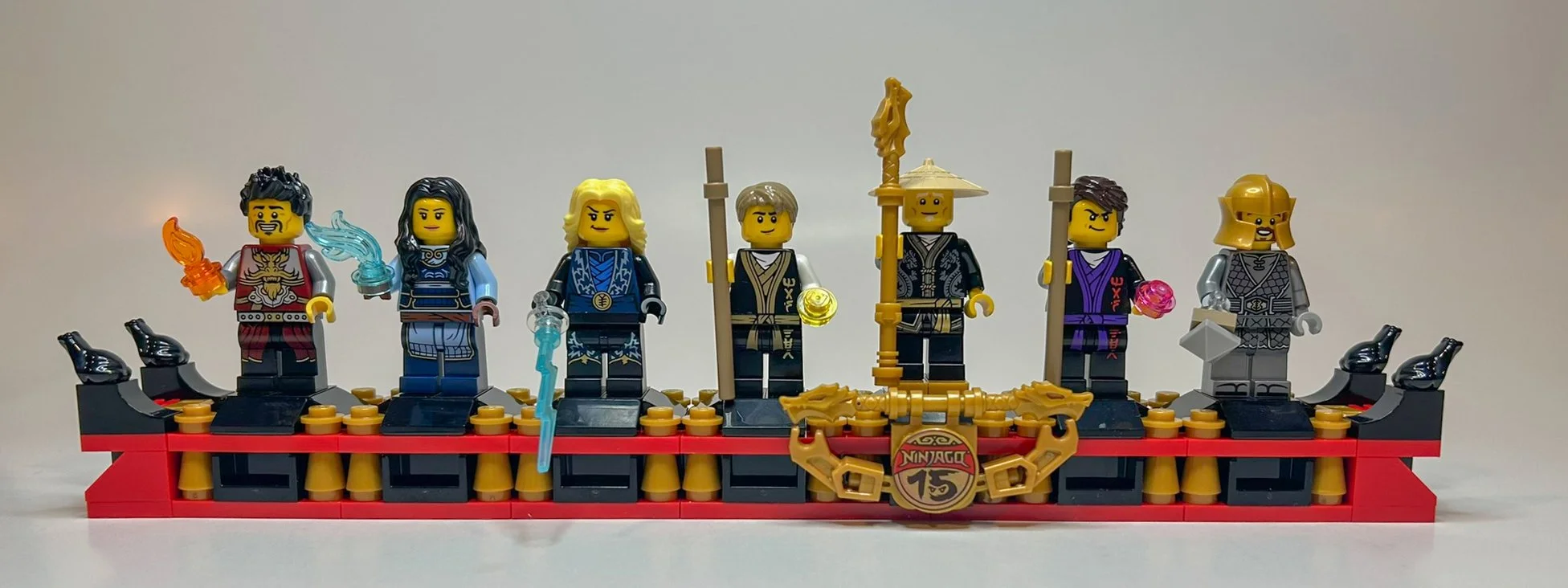
The original elemental masters that fought during the serpintine wars
Overall, all of these figures are fantastic, well-designed, and great additions to any Ninjago fan’s collection.
Expanding the Blacksmith Shop Scene
Typically, after I finish building a LEGO set, I find myself inspired to build more. That was especially true here, and with this being a Ninjago set, I was particularly inspired to build something Ninjago-related. Earlier this year, I finished rewatching the pilots, all 18 seasons currently out, and the specials—totaling roughly 270 episodes of pure ninja action—so you can probably guess why I was in the mood for more.
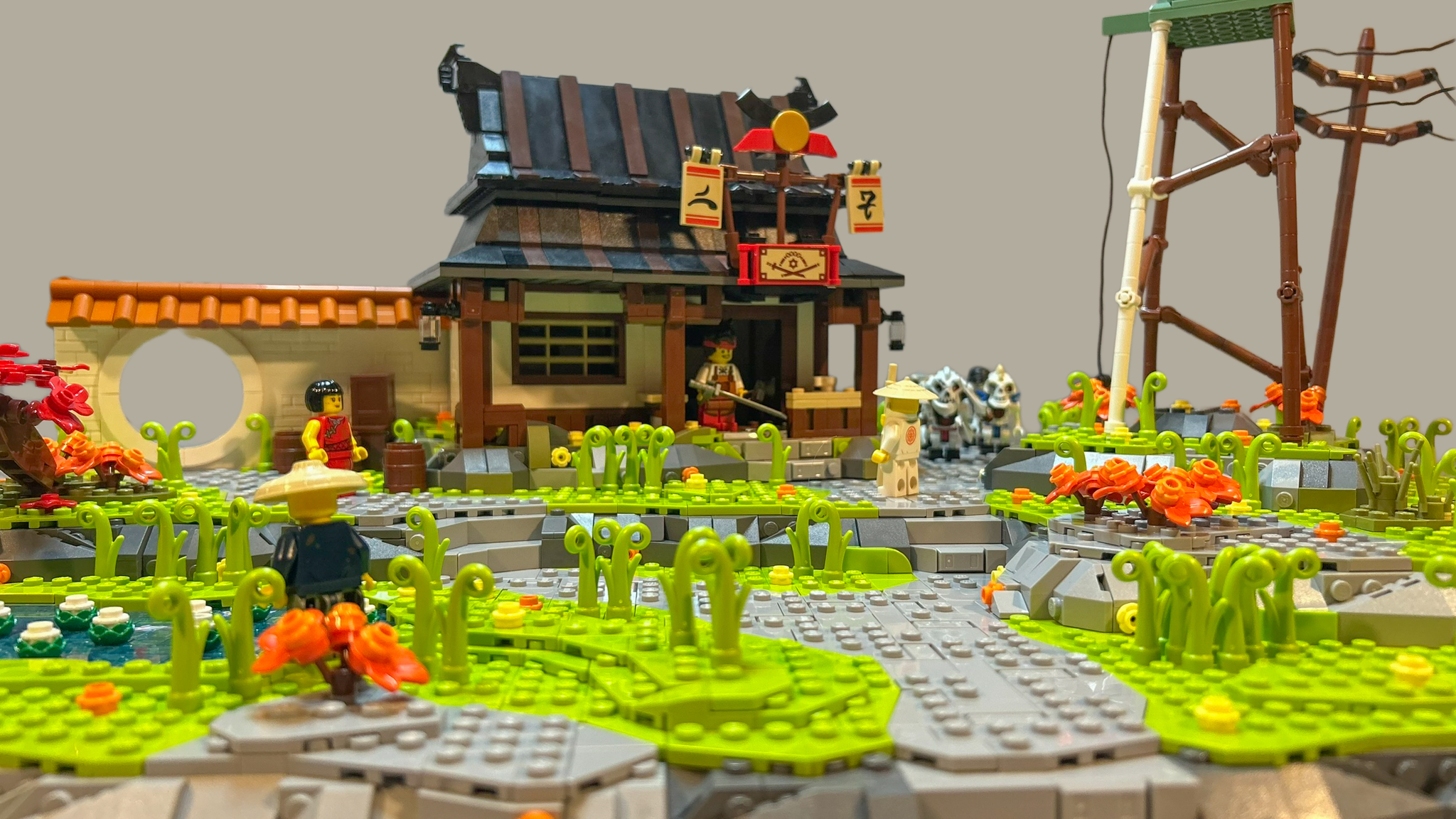
I was deep into that rewatch as I built this set and thought, what better way to showcase it than to recreate the opening scene I’ve been talking about throughout this article using this set and some LEGO bricks of my own?
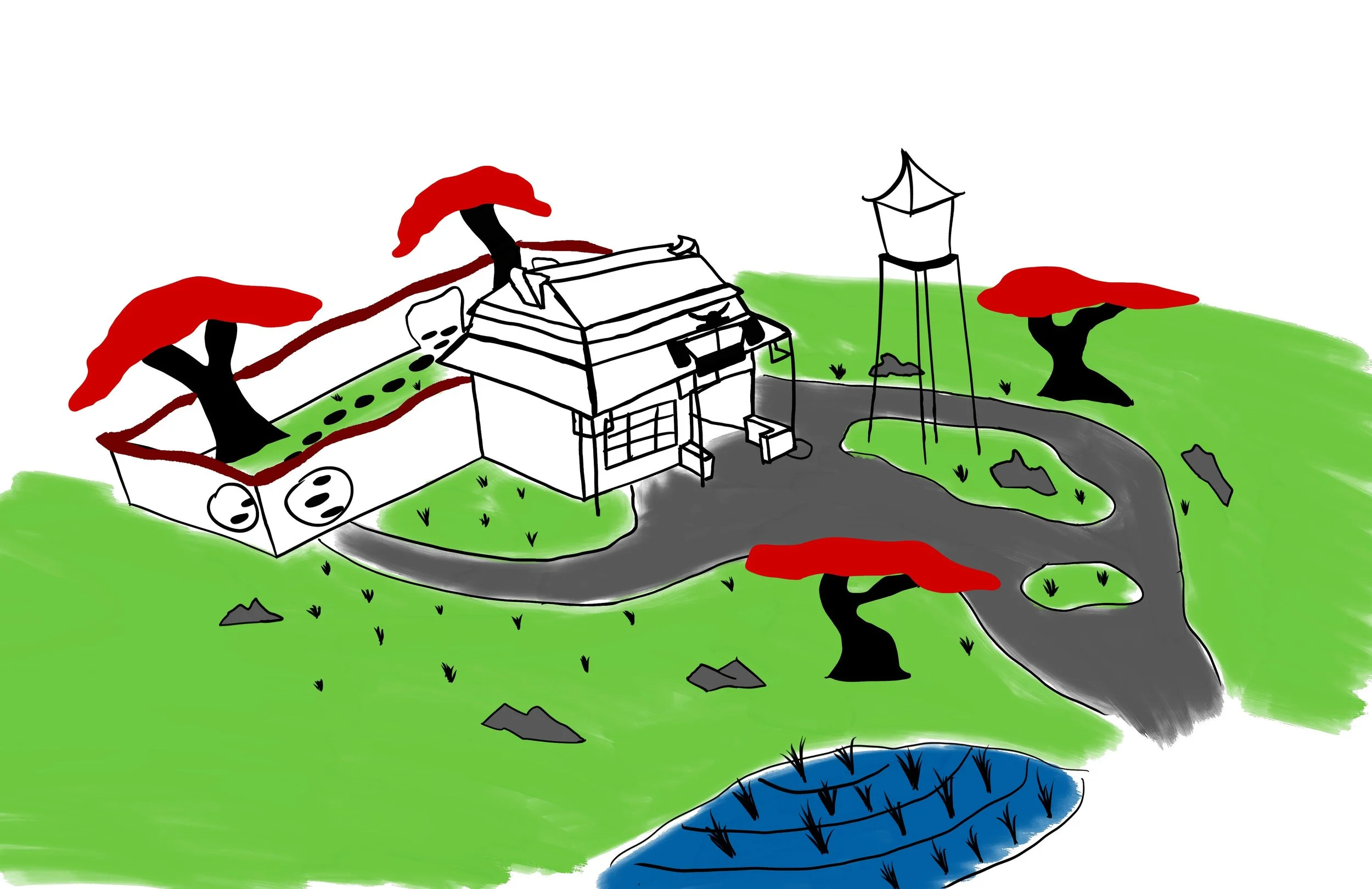
my initial sketch
I start my builds in all kinds of different ways, as do many other builders. Sometimes it’s a sketch, sometimes you go straight to the brick, and other times it’s a rough model in Stud.io. That’s one of my favorite parts of building with LEGO—there’s no one way to do the same thing.
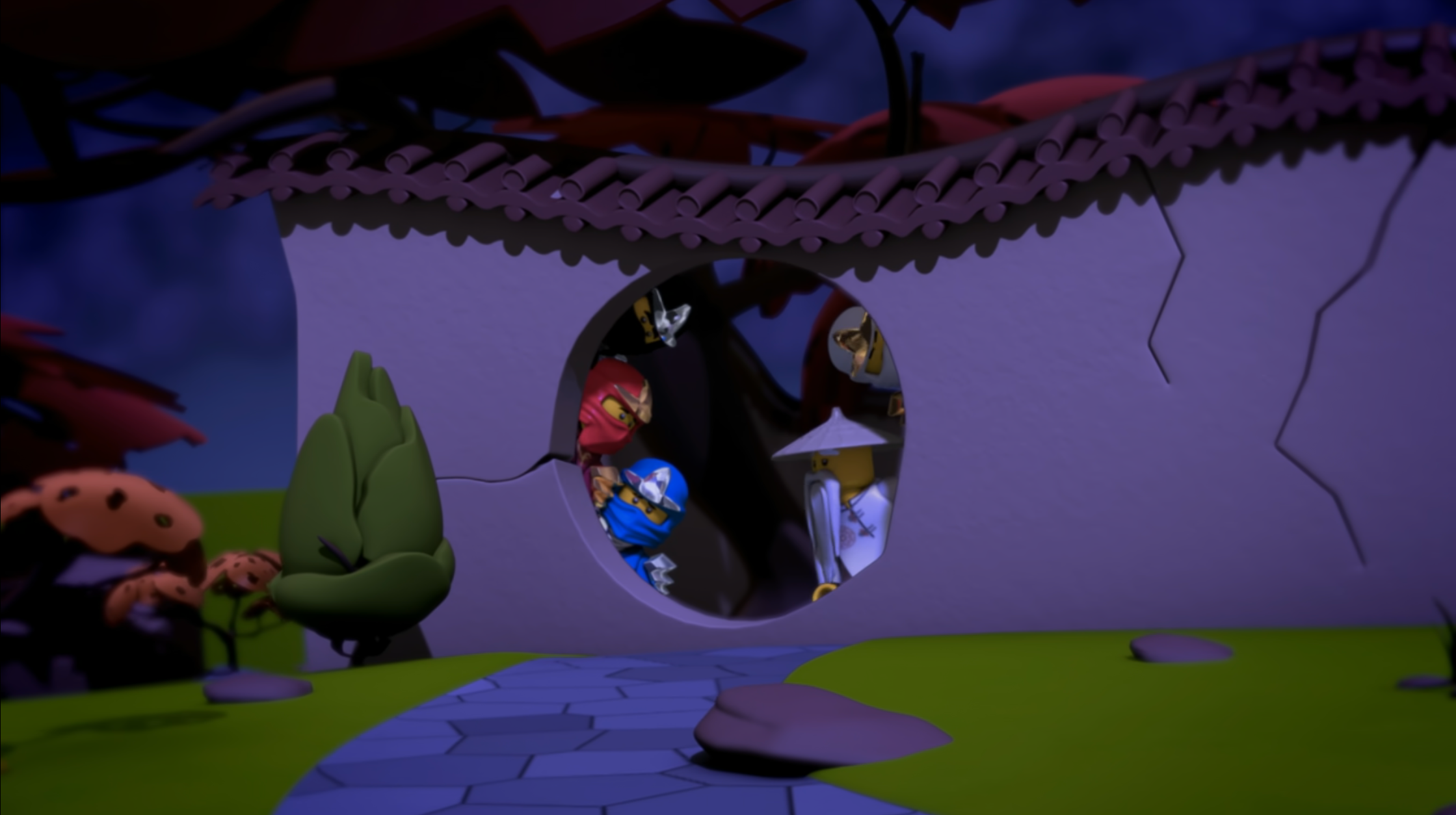
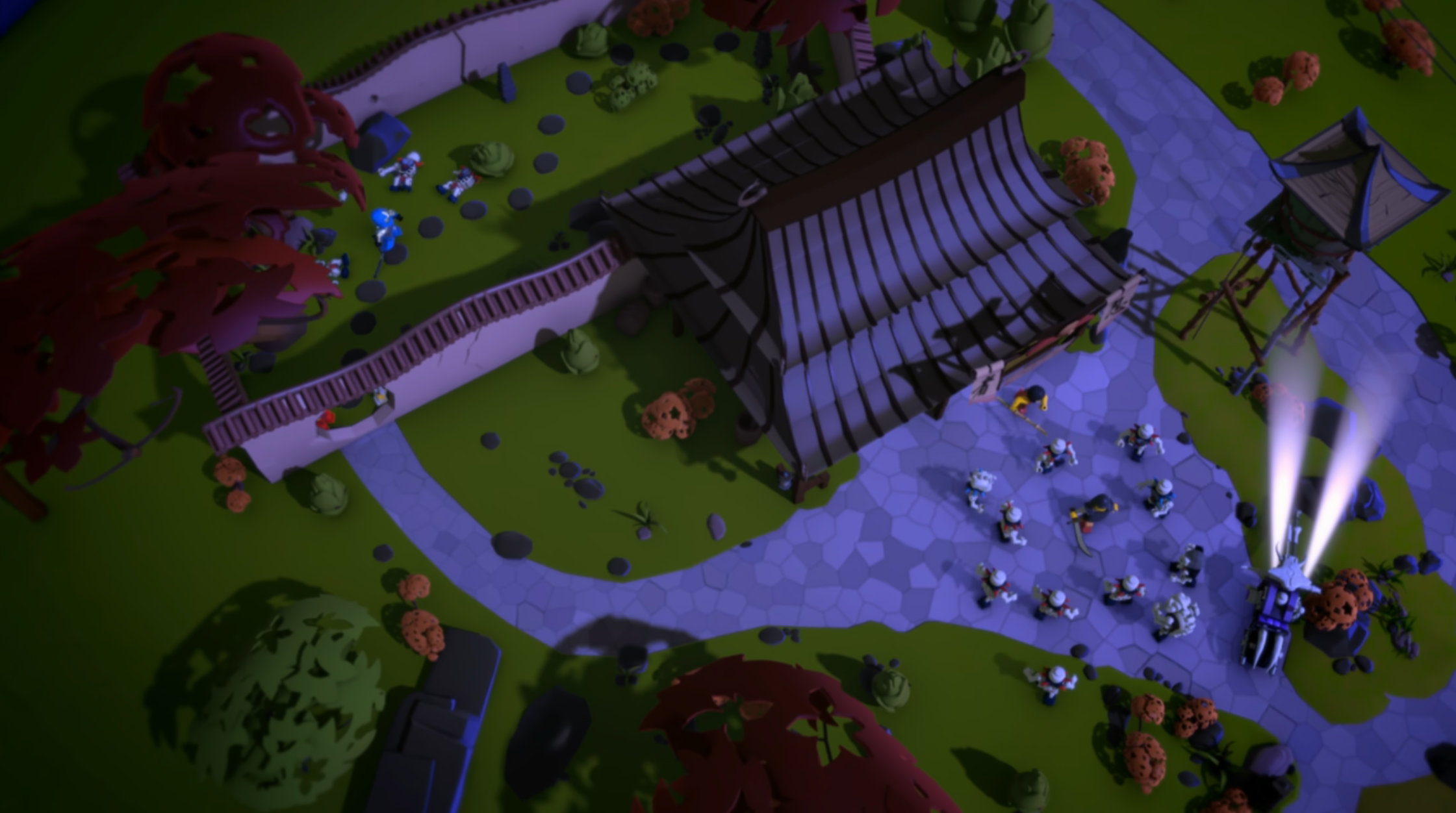
For this build, I started by gathering screenshots from as many angles of the Blacksmith Shop as I could find. From there, I narrowed down the most important landmarks, details, and elements left out of the set, and worked them into a sketch of the layout I wanted to capture from the opening shot. I initially planned to build the fully-walled area behind the shop, but later decided it would require a lot of effort without adding much to the final build.
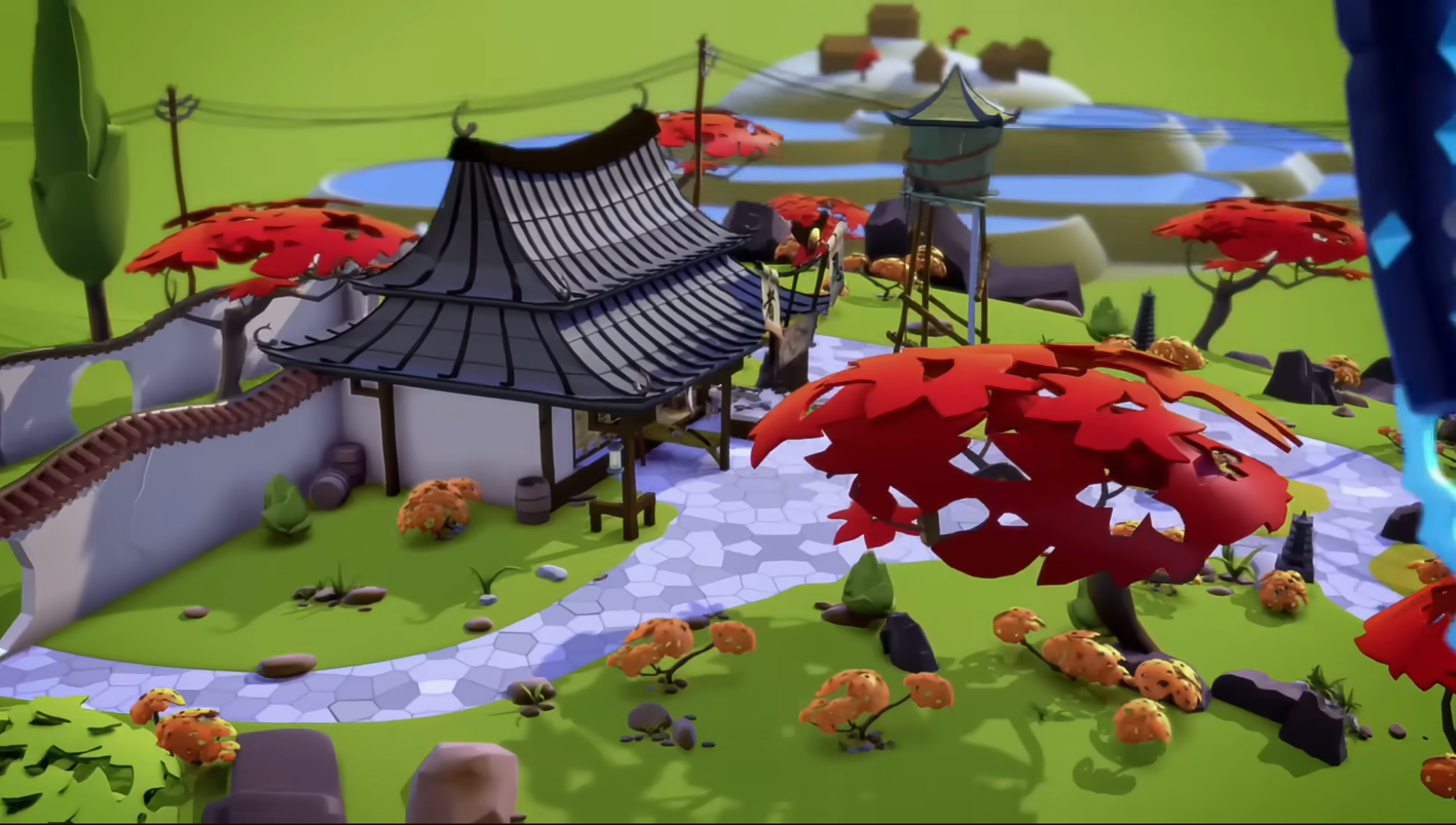
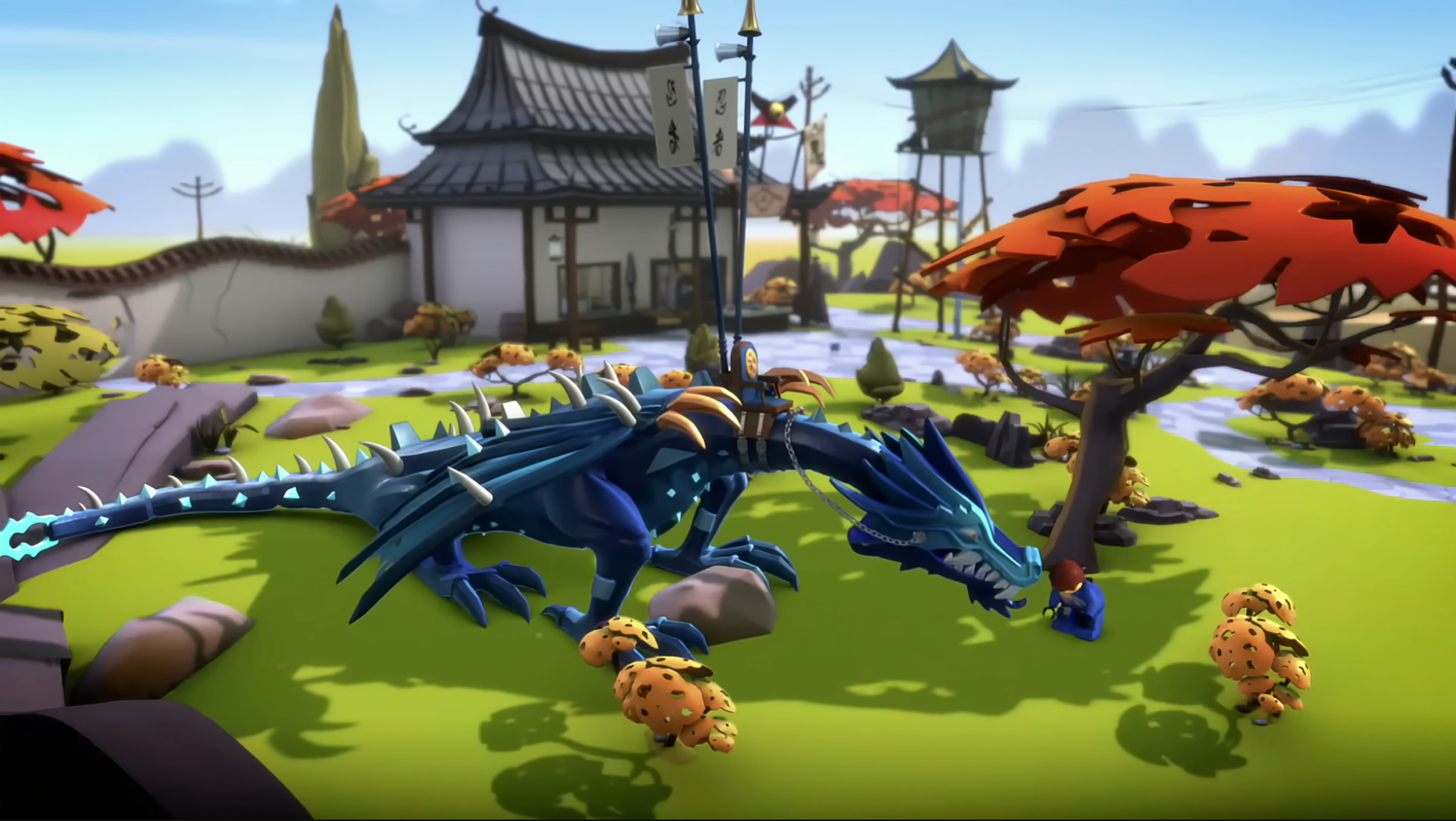
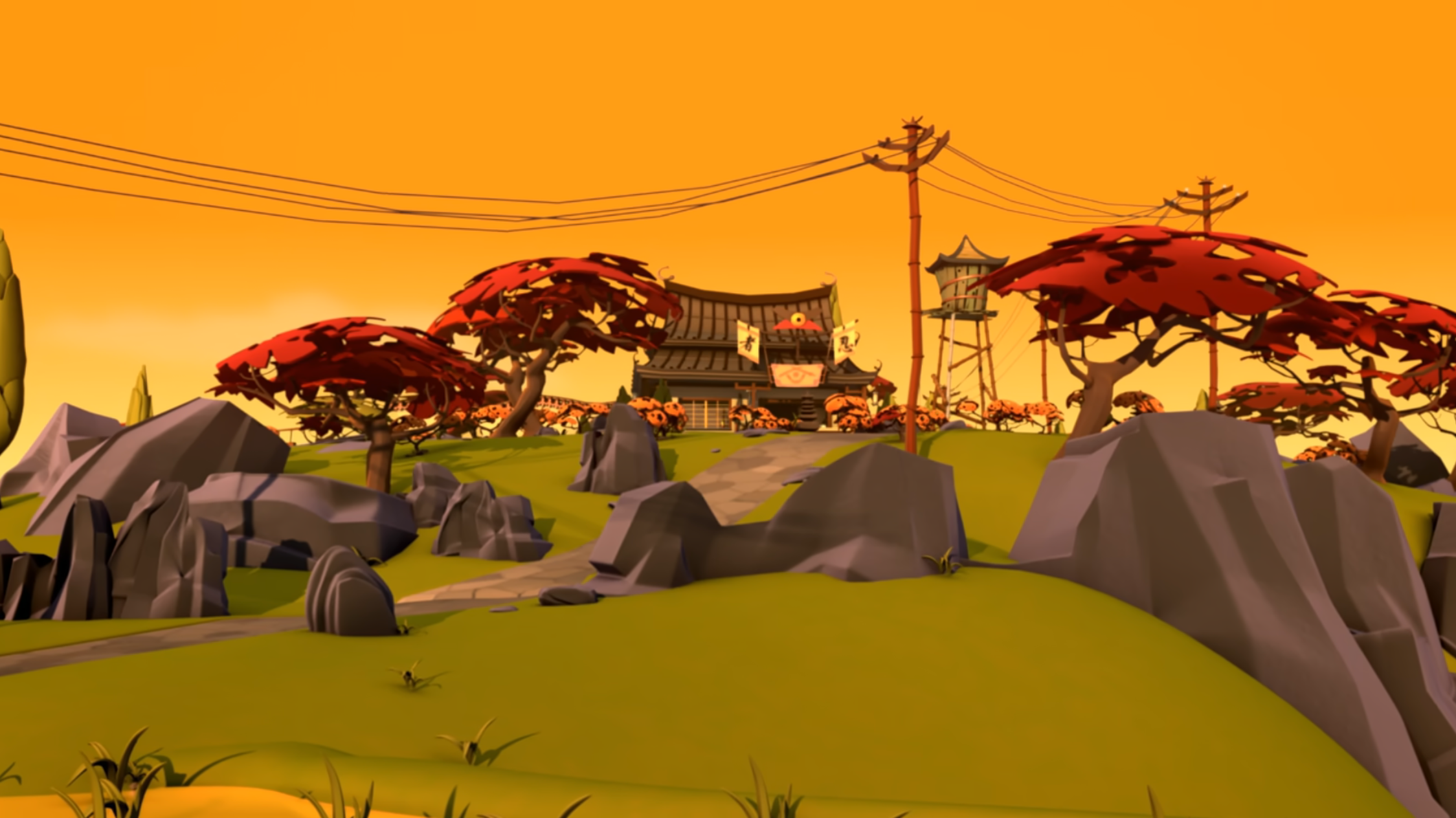
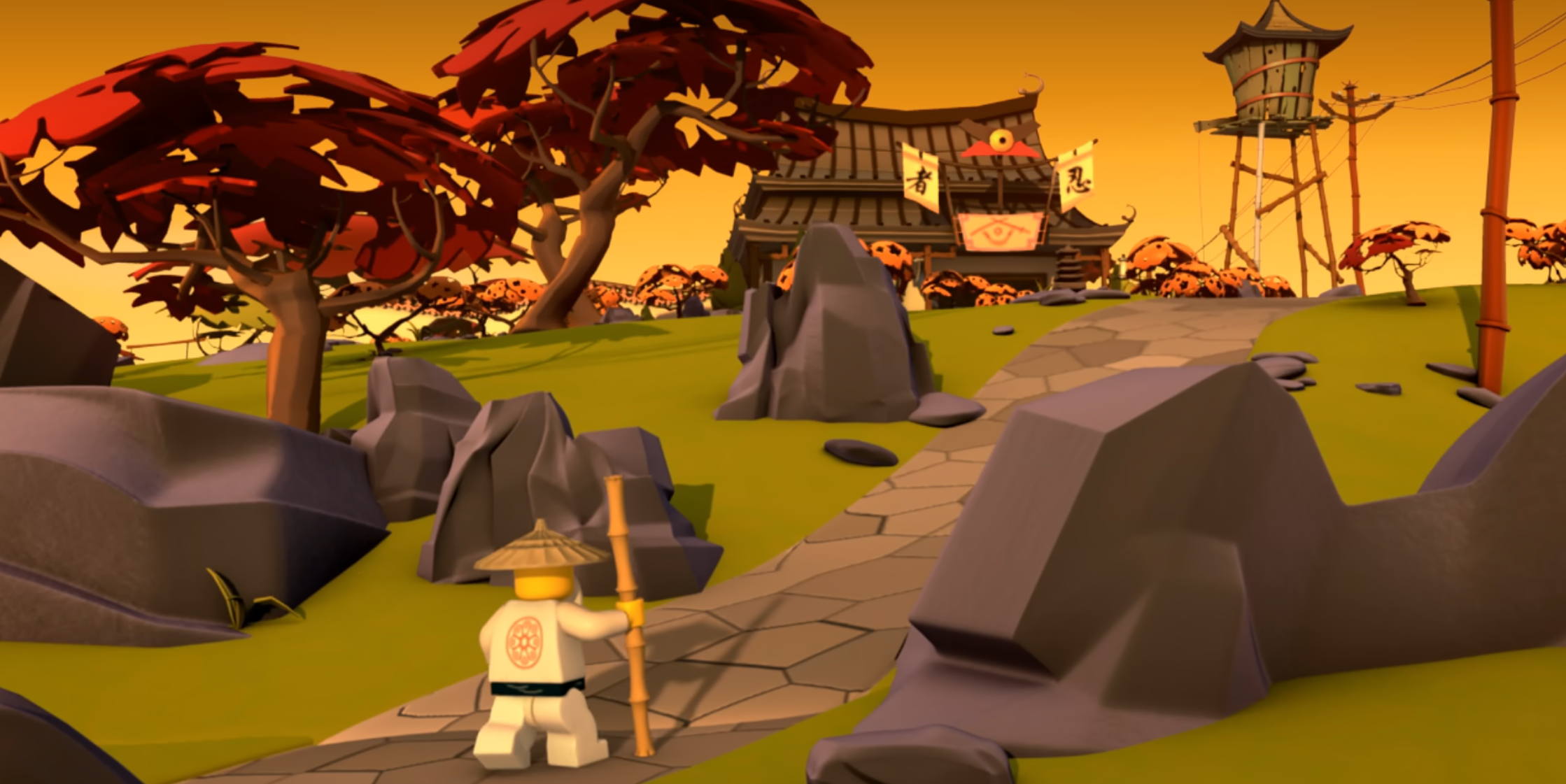
But that’s enough planning—time to put some pieces together!
Building the Water Tower
I wanted this set expansion I was building to have little to no modifications to the official set, as I felt the set itself did not require any changes for what I had planned. The only modification I made was removing some plants and a few protruding parts of the base around the Blacksmith shop that would have gotten in the way.
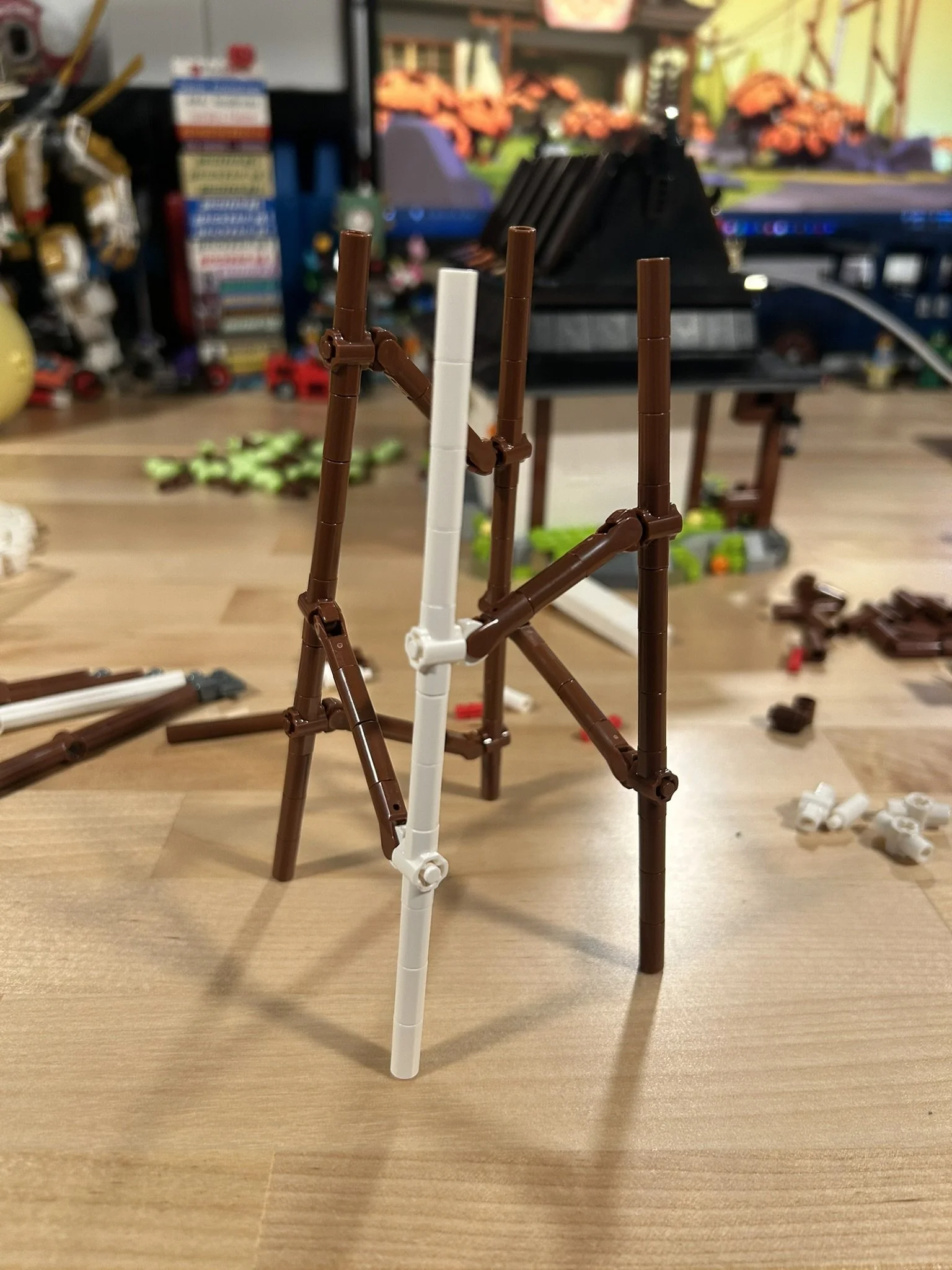
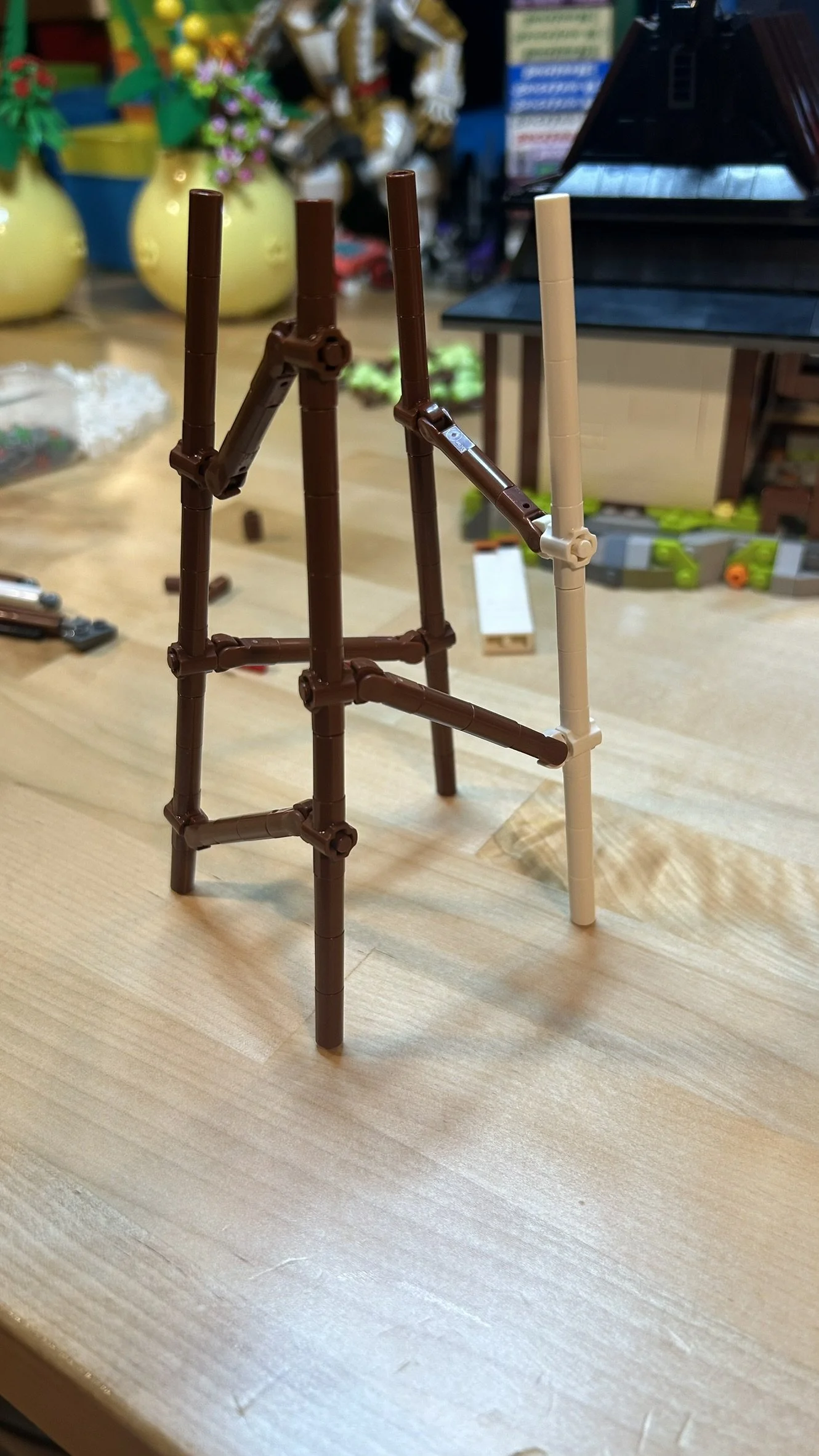
The first element of the build I tackled was the water tower. I had to figure out how to build thin, “wooden”-feeling legs that were not only angled inward, but also had angled supports between each leg. I initially planned to build it using Technic axle connectors, but they quickly felt too thick. As I dug through my parts, I found a Technic connector with bar holes, and once I realized it scaled perfectly with the candle elements, I knew this was the way to go.

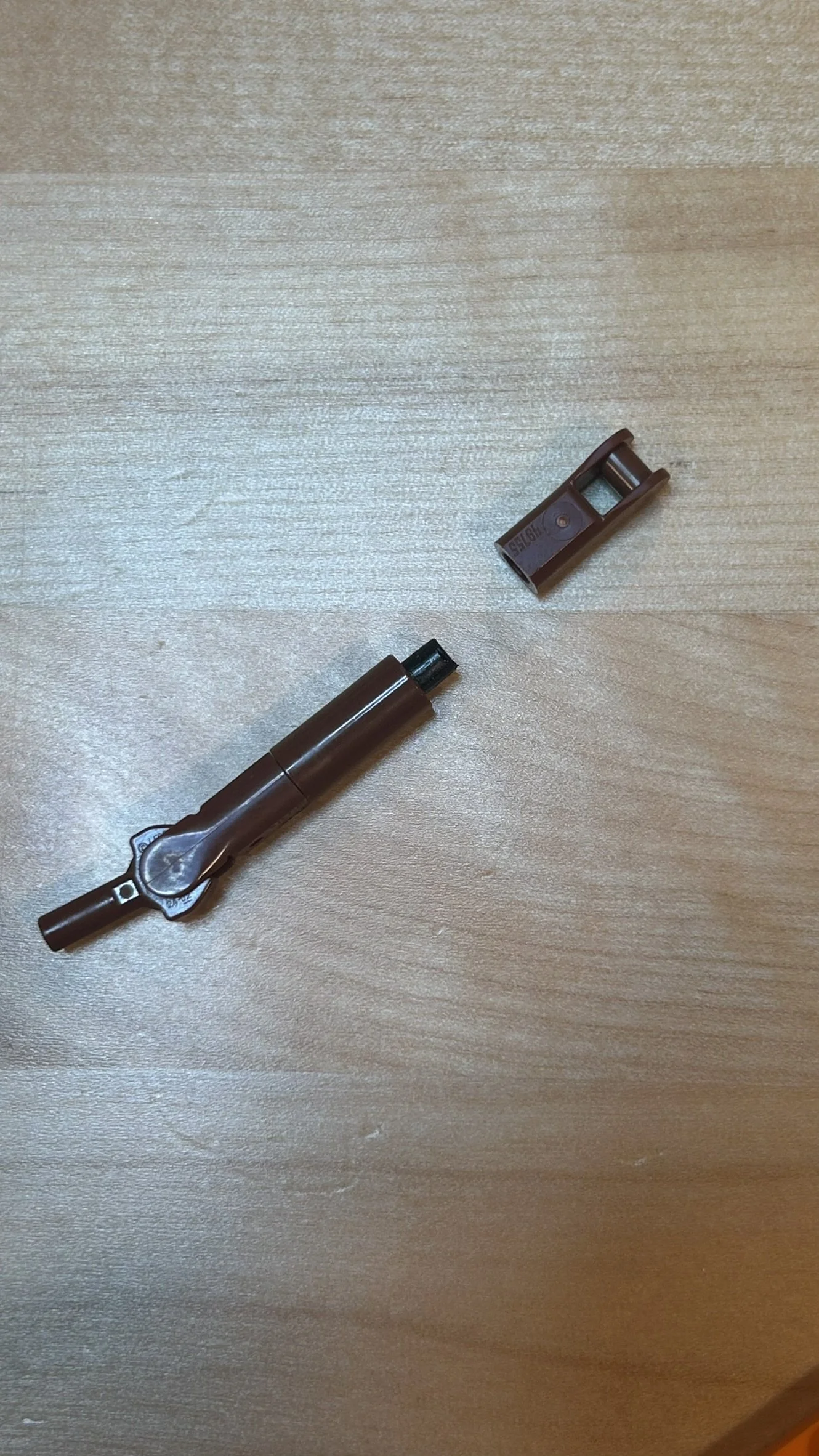
Another problem arose quickly. To connect the water tower’s legs where this connector needed to go, I needed bar connections in both directions—not just one—and the candle element only has a bar connection on one end. I decided to cut a well-worn piece of flex tube to length so I could get connections from both ends. I had never cut a piece of flex tube before—I had always left them as they came from sets—so my purist mindset was initially mortified, but that quickly faded when I saw the final results. It came out better than I imagined.
You will notice one of the legs is white. This is because, in the first episode of the pilot, the skeleton leader Samukai destroys the water tower in a fight with Sensei Wu. In later appearances, it is repaired, and the damaged brown leg is replaced with a white one.
For the top of the tower, I used another LEGO set as inspiration: the large flower pot from the Botanicals set 10329 Tiny Plants. It was exactly the size I needed; I just had to make it taller. This is something I love to highlight in LEGO building—when builders take a technique from an official set and push it further or make it their own. The students learn from the masters.
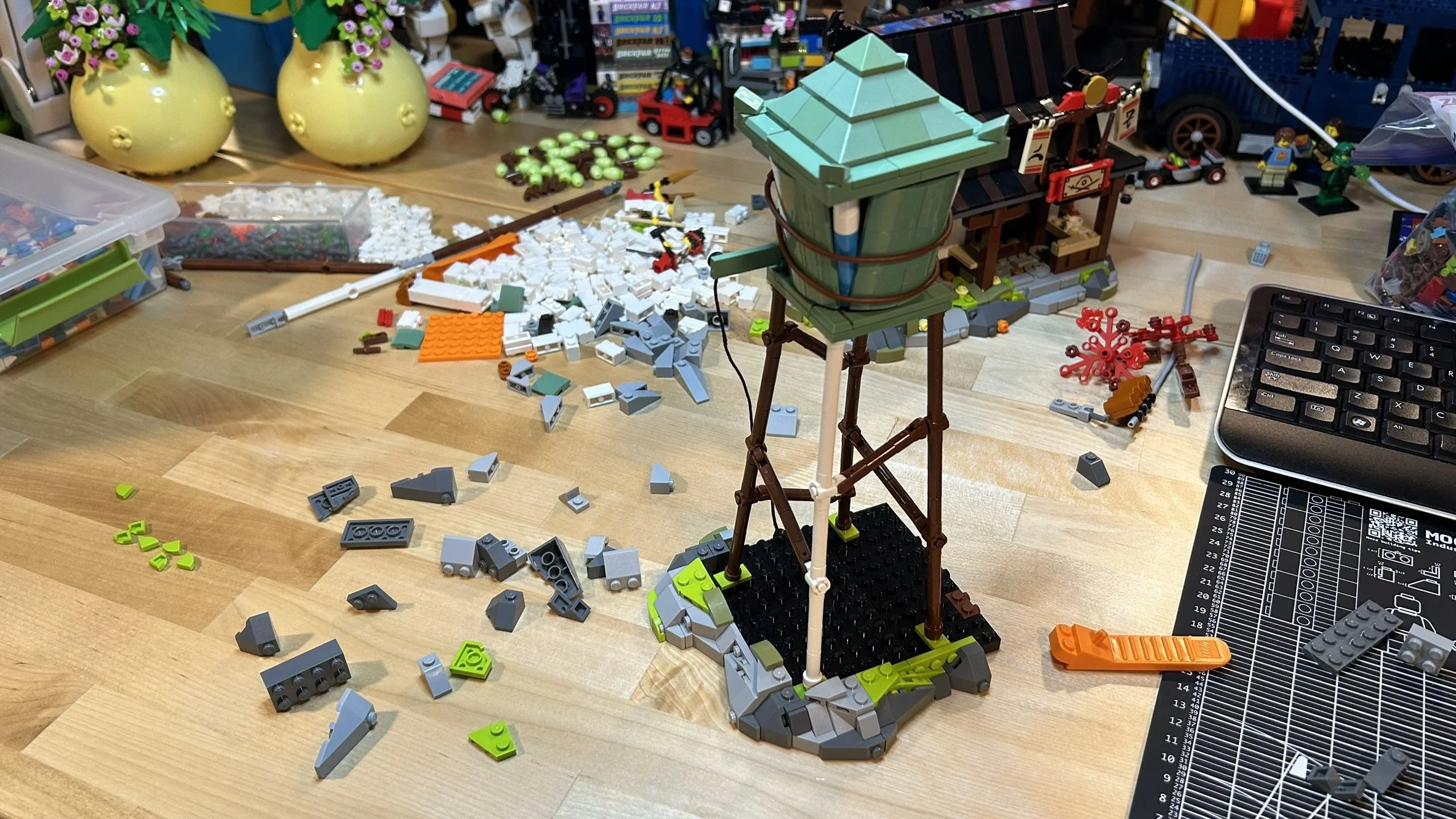
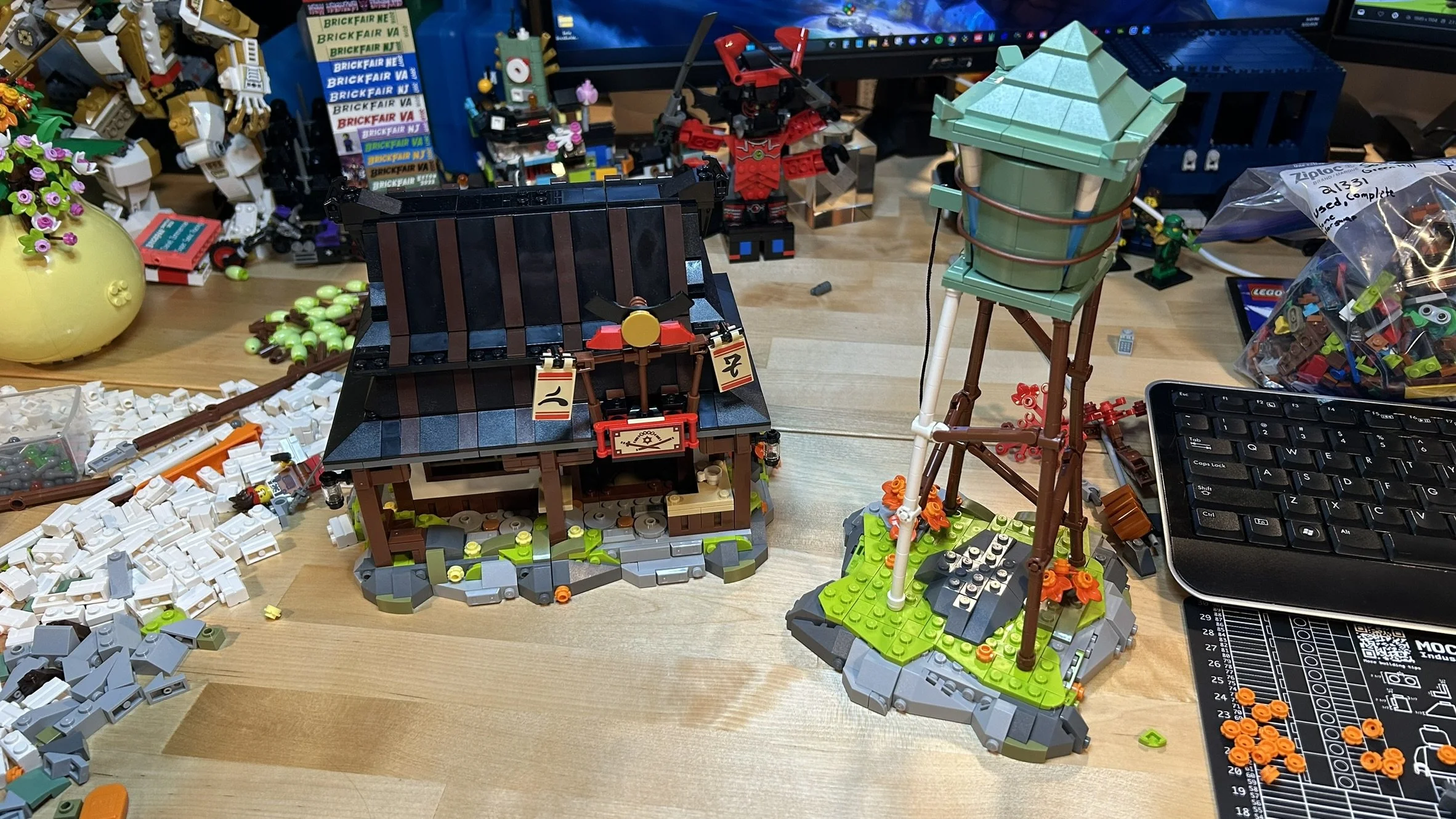
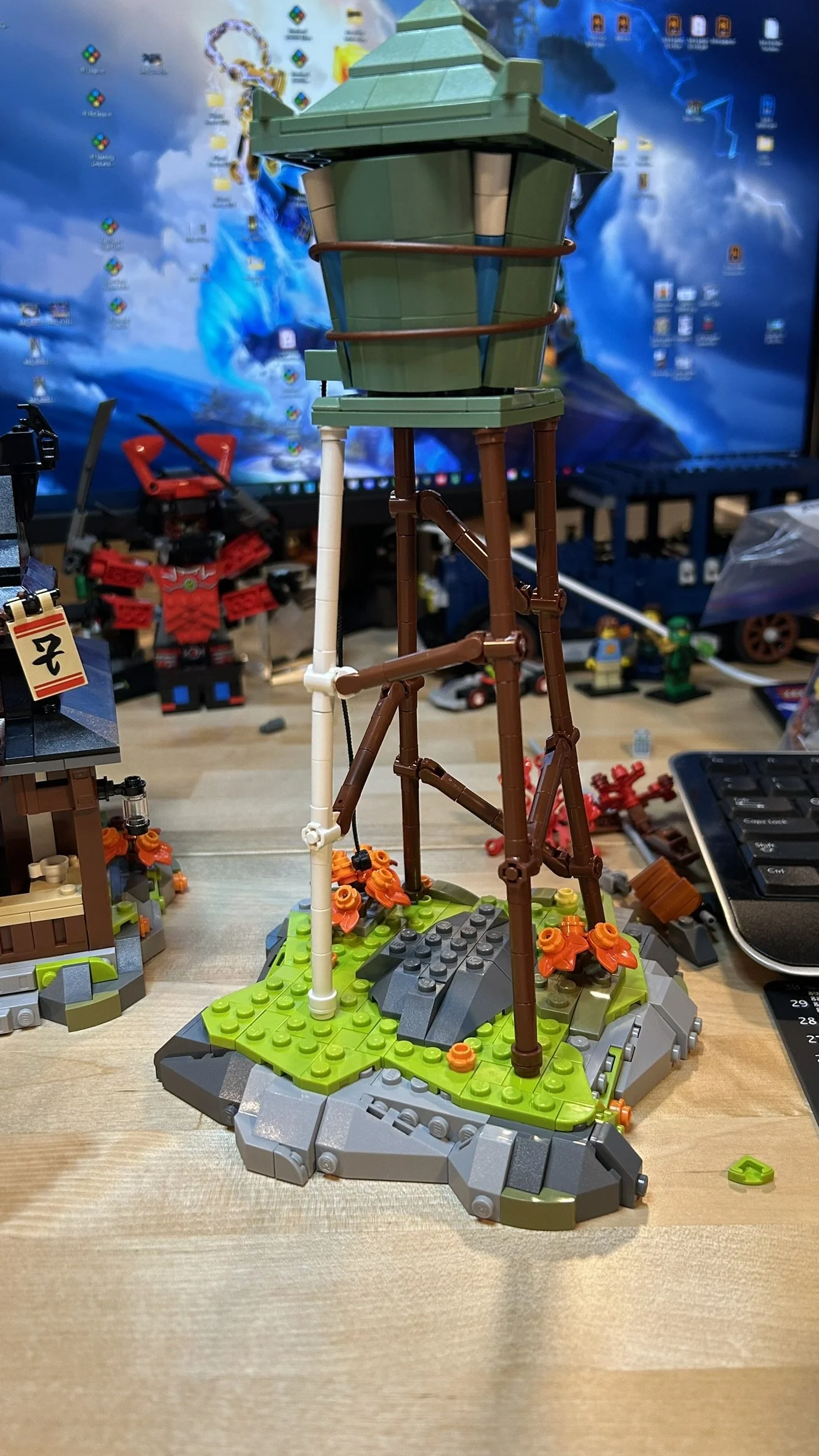
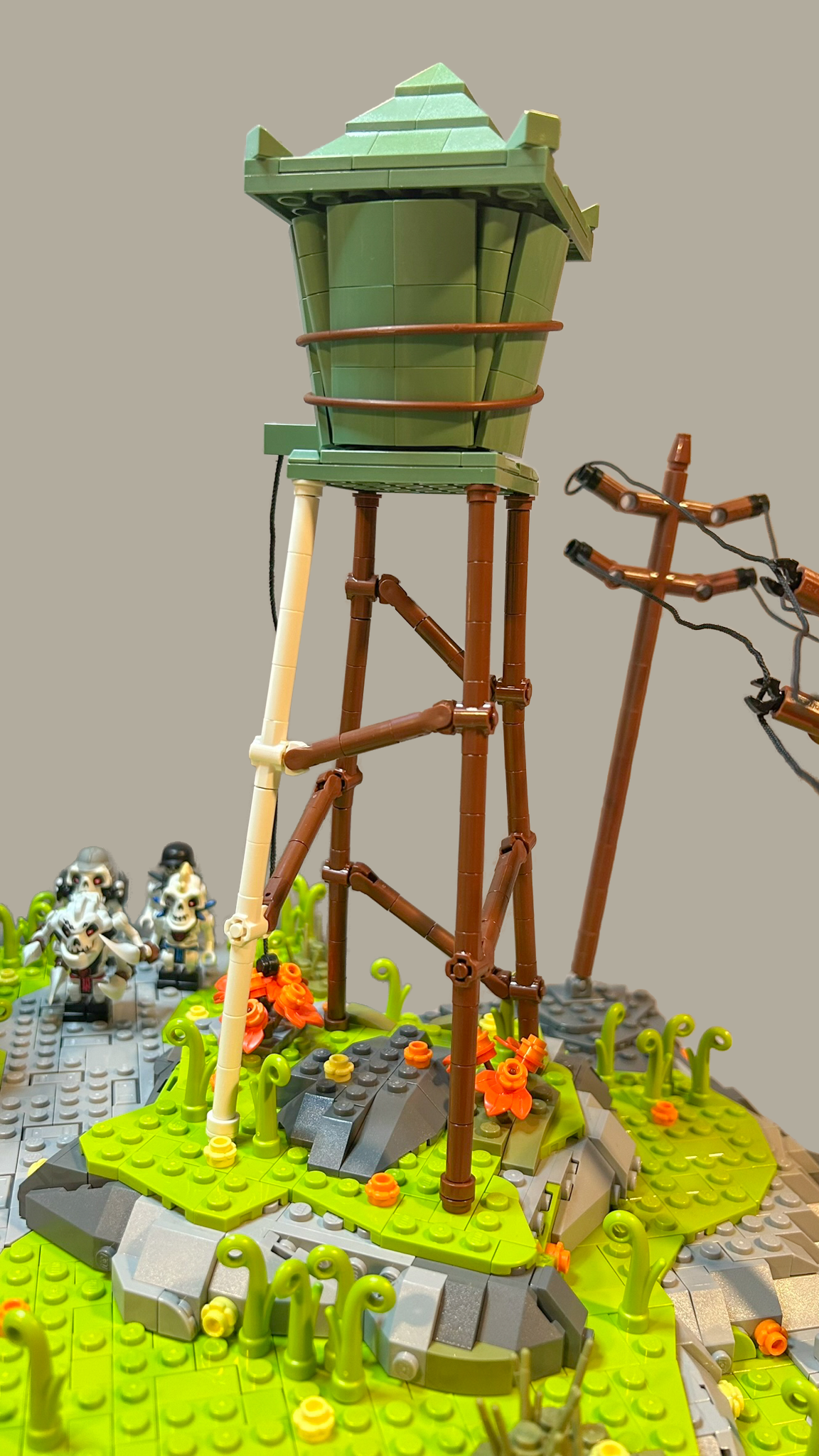
To wrap up the water tower, I built a base for it to stand on, replicating the style of the Blacksmith shop set by using the same techniques, colors, and similar elements so that my expansion felt cohesive with the official model.
Building the Base
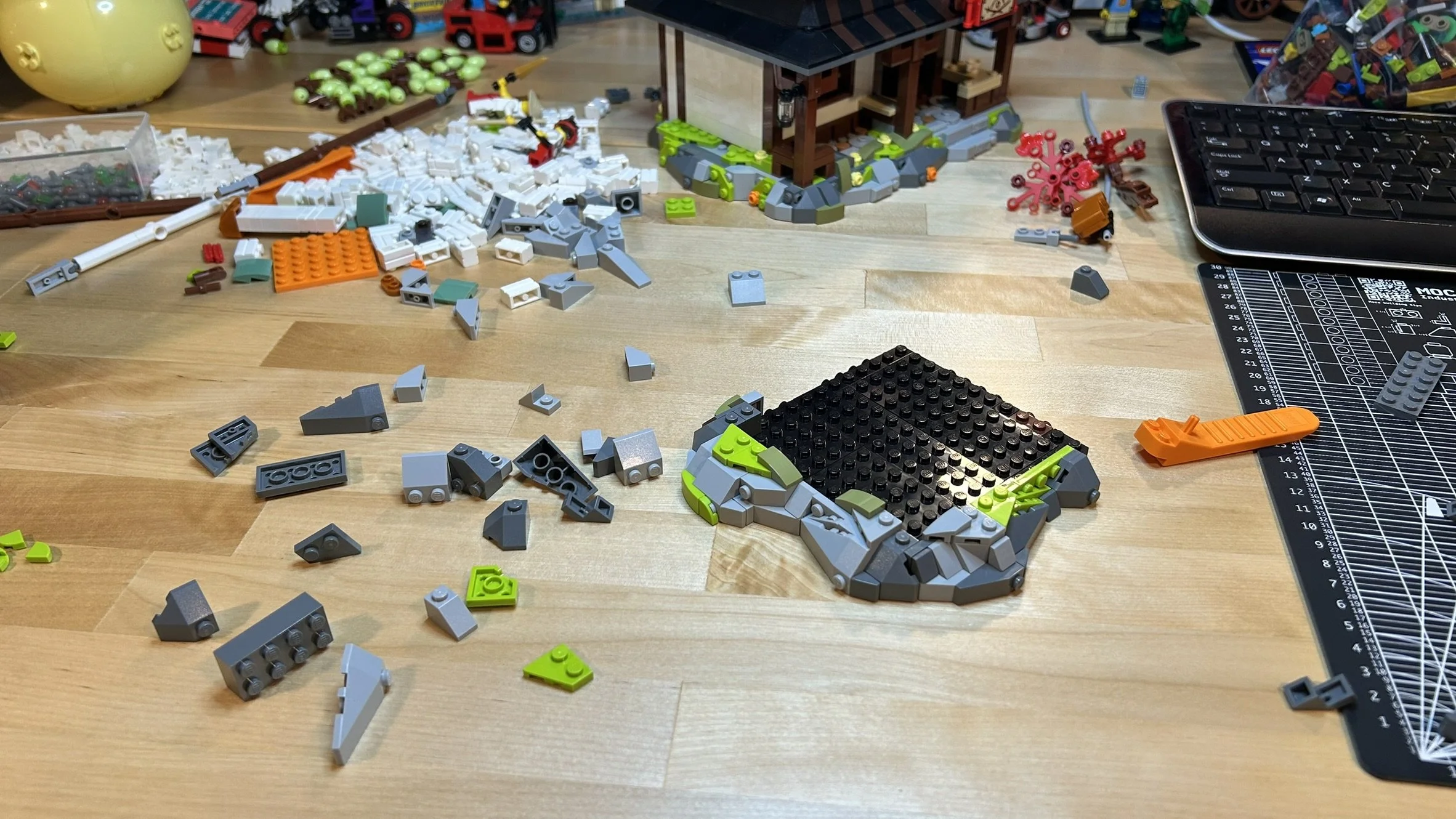
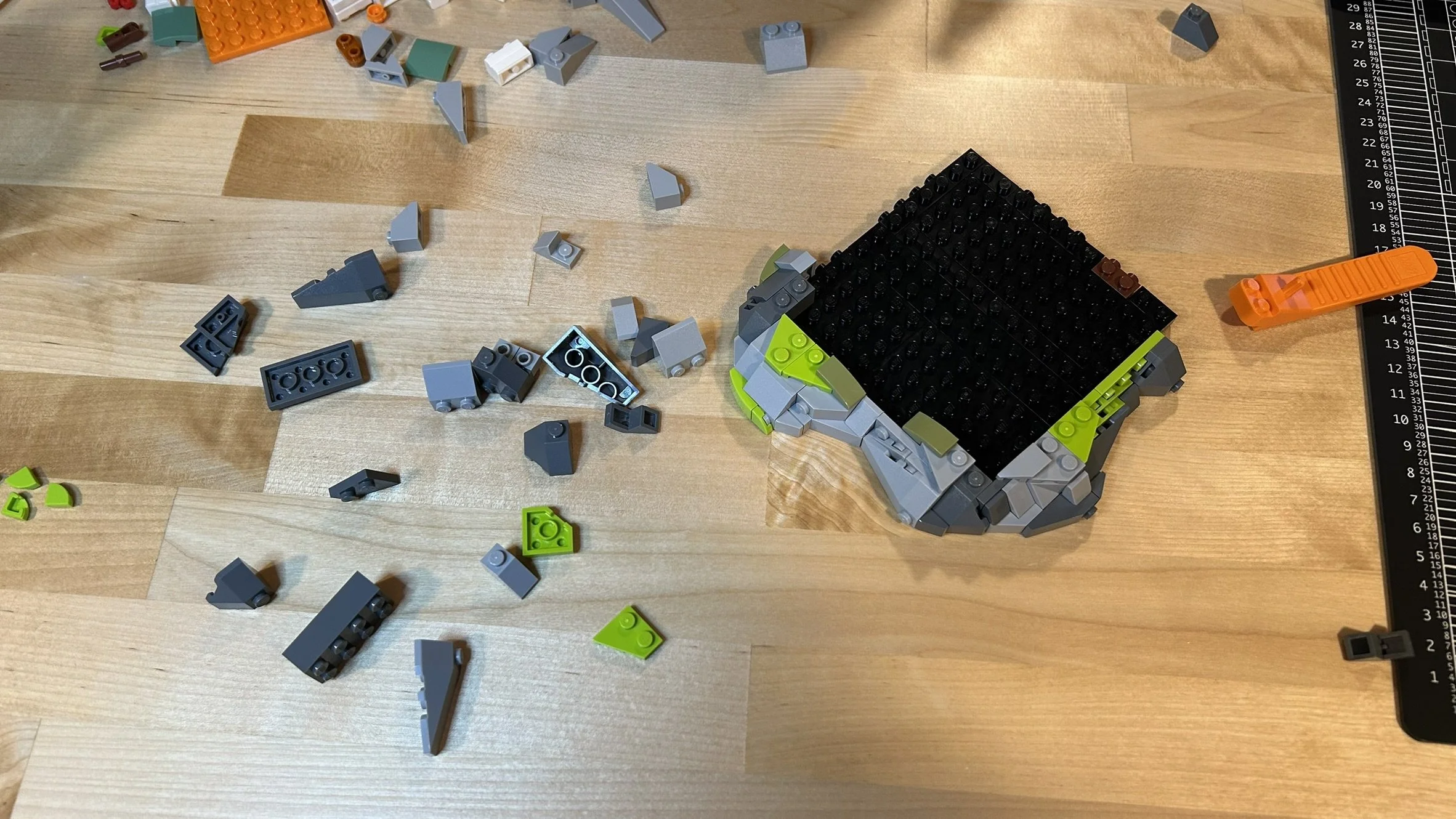
Next was the entire base that would contain my water tower and the Blacksmith set itself. This took me quite a while to construct. I started with the rockwork on the edges and was very particular about making it feel like a seamless continuation of the set. I would build a small section of the wall, look it over, take it apart, and try again repeatedly until it felt right. Between that and the amount of rockwork wrapping around the perimeter and dividing the base into levels, I quickly realized I could have built three Blacksmith sets in the time it took to make the base. That said, I can’t complain—I think the final result speaks for itself.
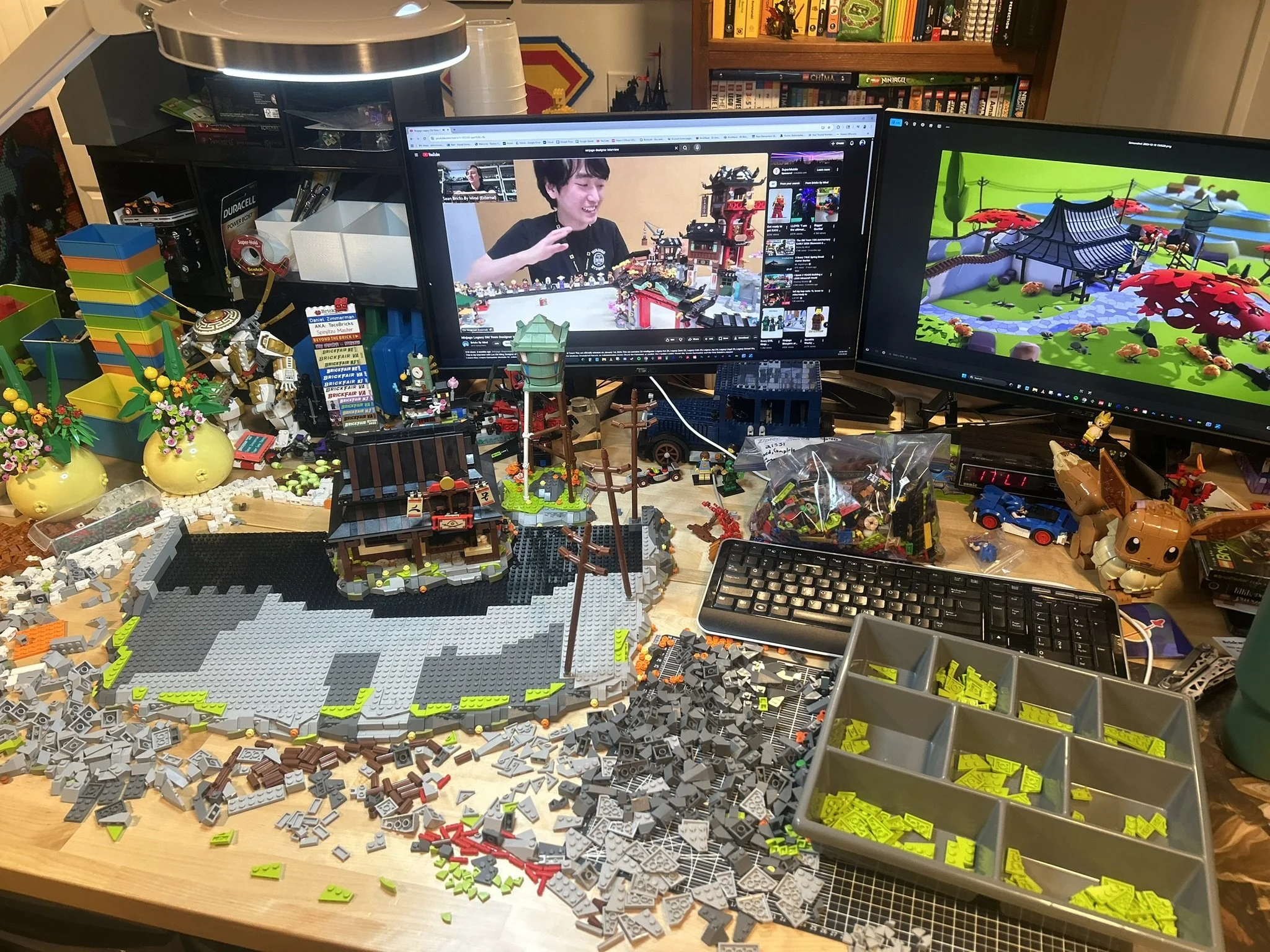
The inner build of the base went much more easily. Using a predetermined color scheme of lime green for the “grassy” areas, I filled in the base and used wedge plates and angled tiles in lime green and light bluish grey to create the stone pathways to and from the shop, as seen in the show. Ingot tiles came in handy to add extra texture beyond just a mix of tiles and studs.
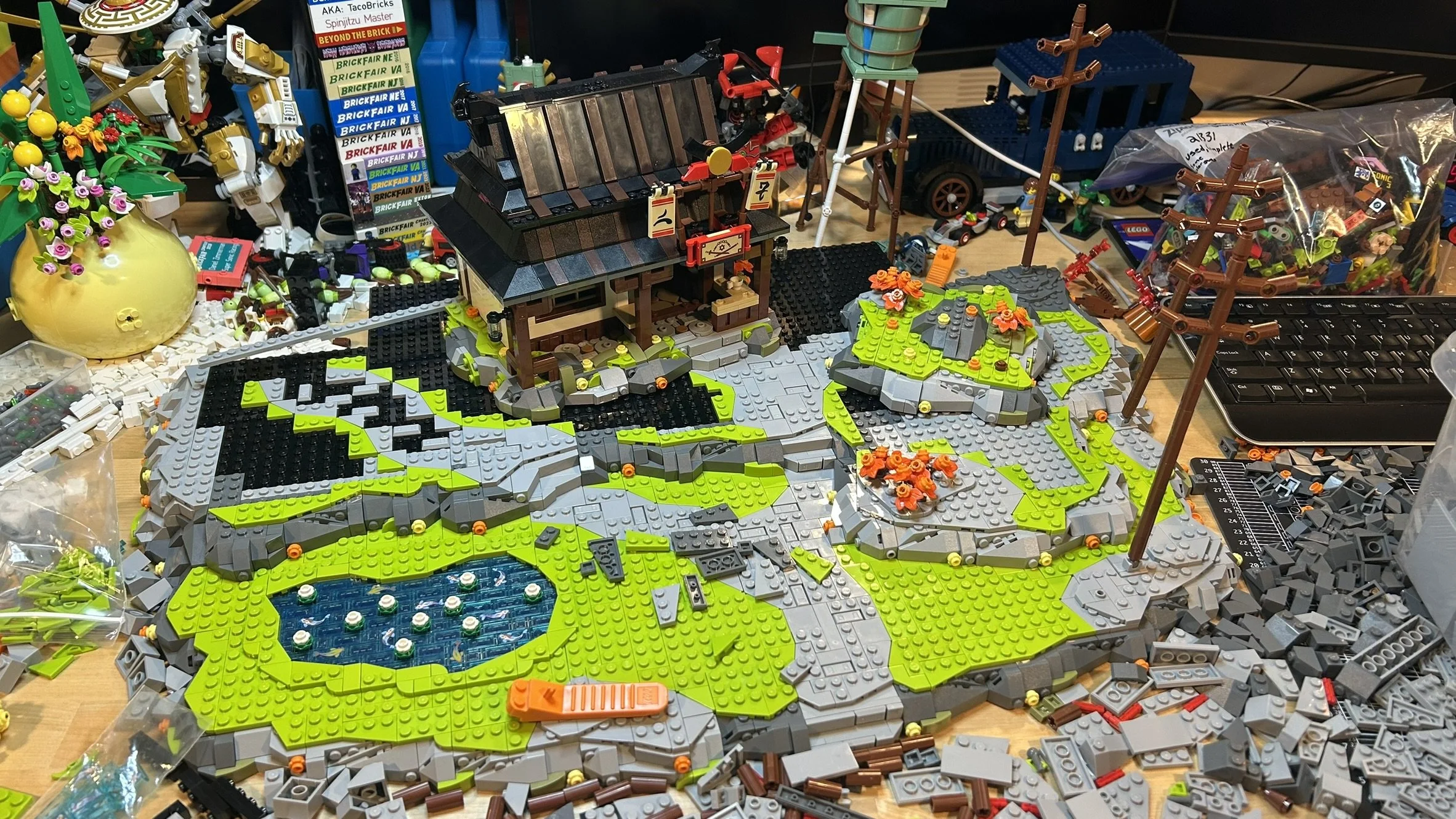
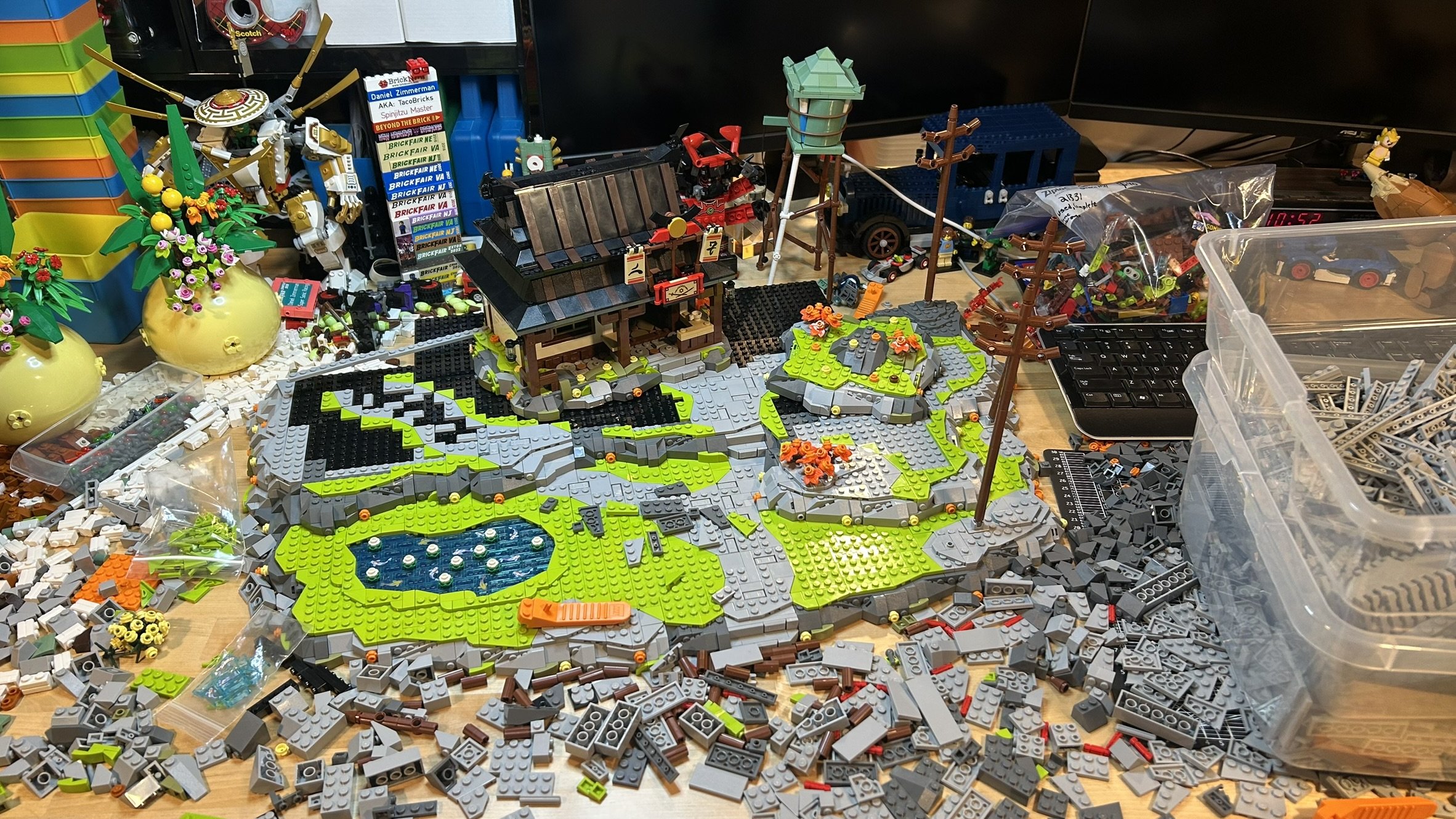
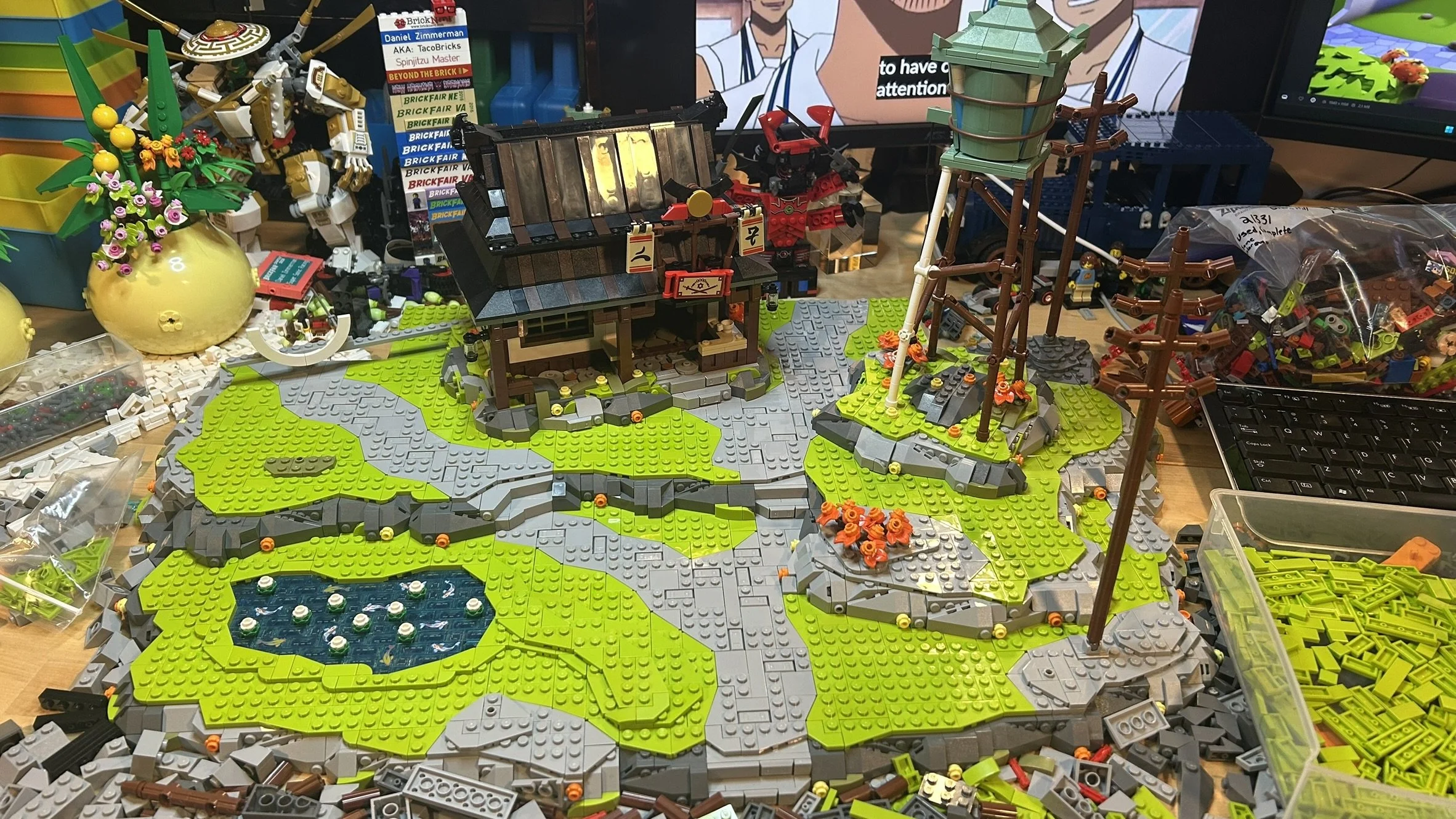
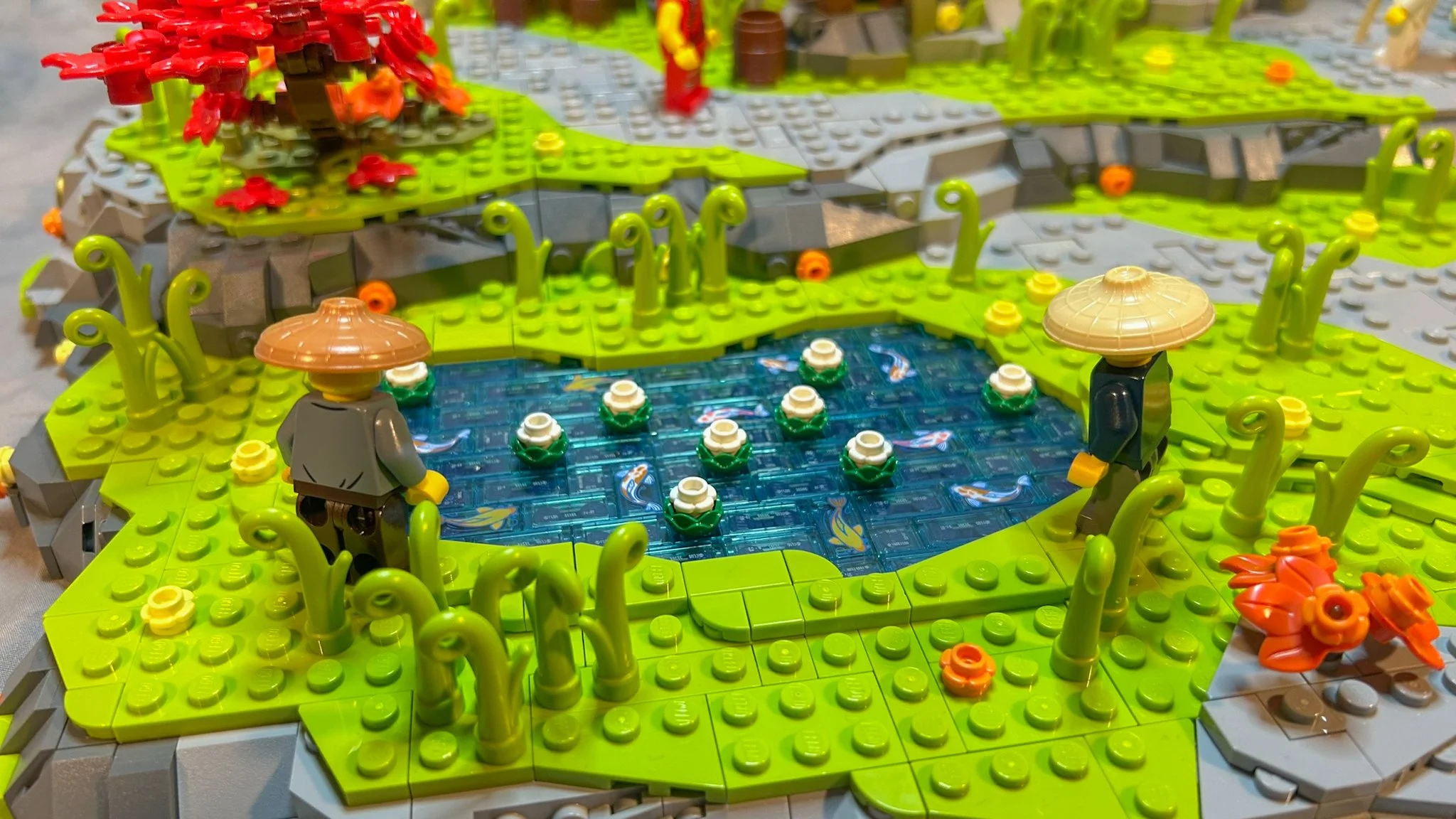
I also wanted to incorporate some water into the base, both to reflect the rice fields seen around the shop in the show and to break up what would otherwise be a lot of grey and lime green. I didn’t feel I had the space to include full rice fields, so I opted for a koi pond instead, using printed koi tiles from previous Ninjago sets. I added a few white water lilies as well, simply because I liked how they looked. That’s one of the things I enjoy most about LEGO building—I don’t have to follow any rules and can include whatever I want. (Maybe Darth Vader should stop by for lightsaber repairs next time!)
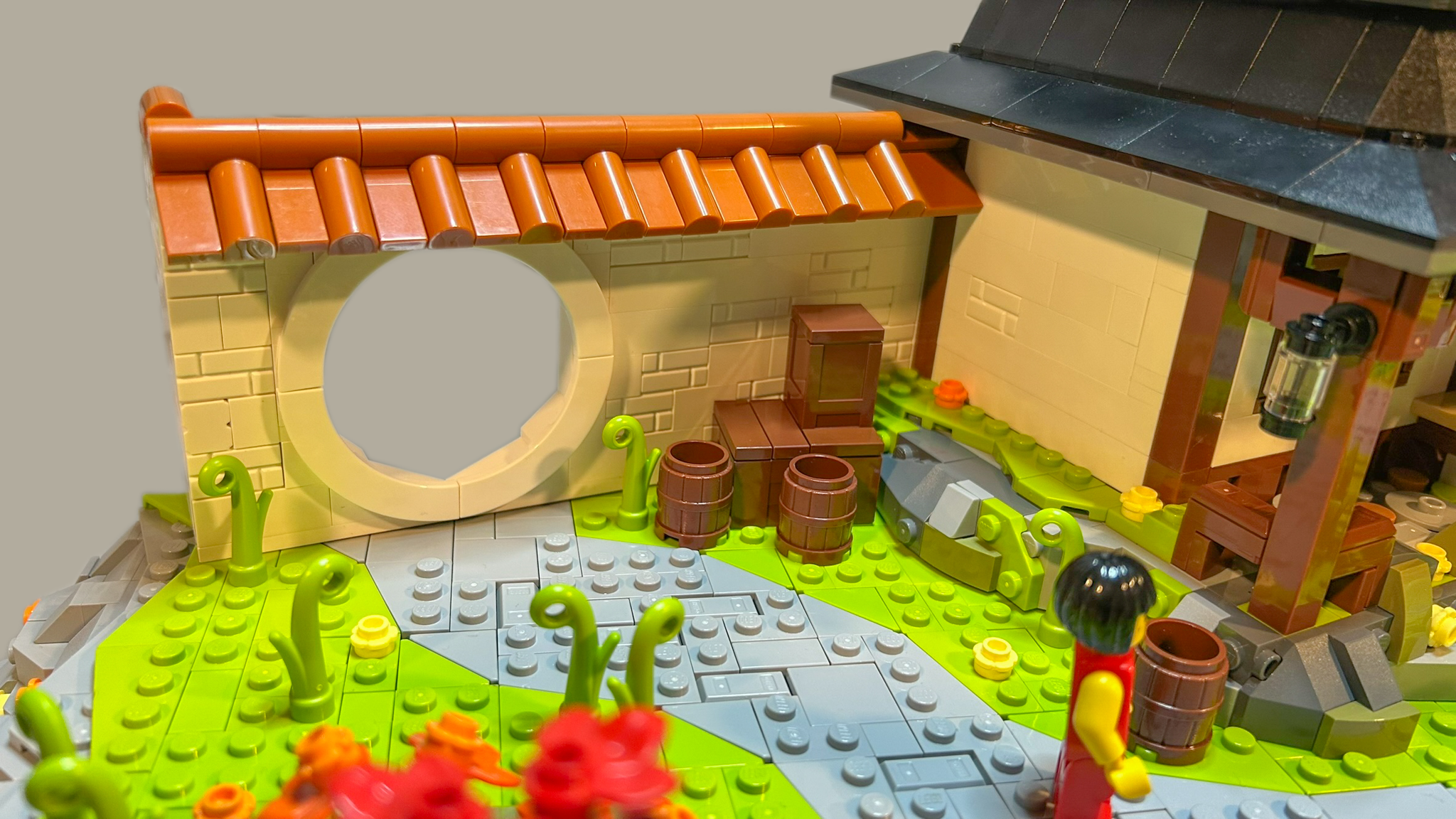
Finally, I moved on to the wall next to the Blacksmith shop, representing part of the back garden. I had originally planned to build the entire garden, but that would have been massive and taken attention away from the main focal point—the shop itself—so I focused on a smaller section. The most challenging part of this wall was the dark orange shingles on top. Shingles are straightforward when you have the right pieces—which I did, thanks to a recent BrickLink order—but these needed to follow a wave pattern, which proved difficult on a wall only 20 studs long.
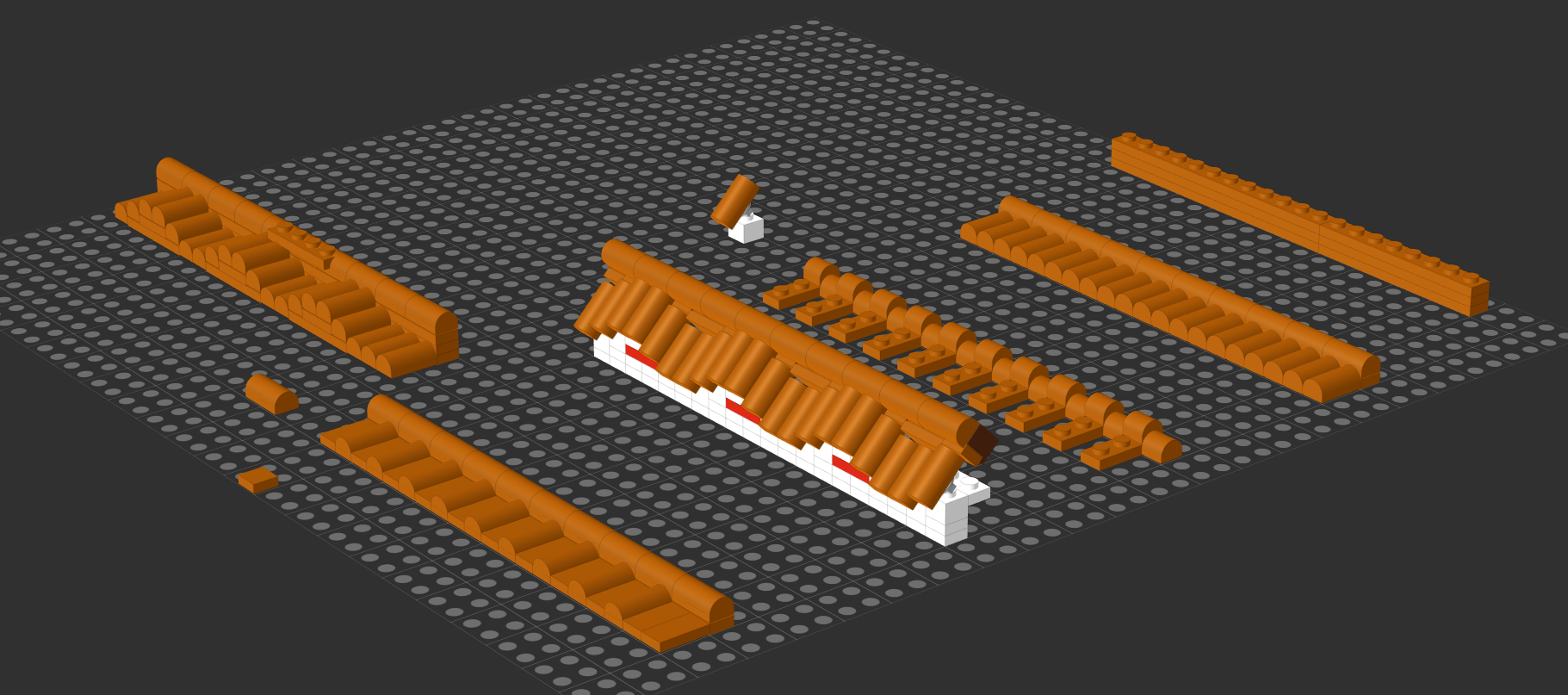
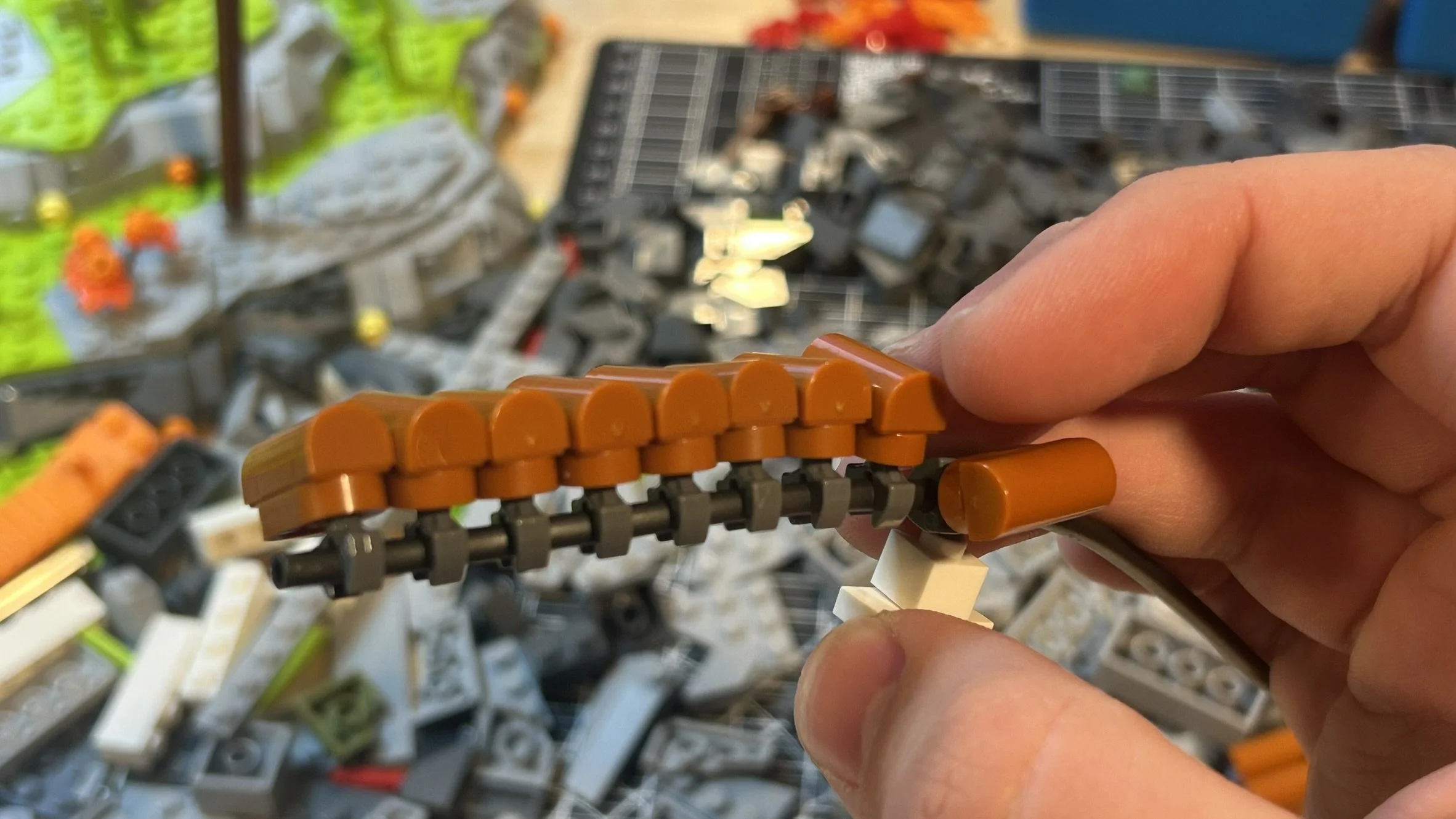
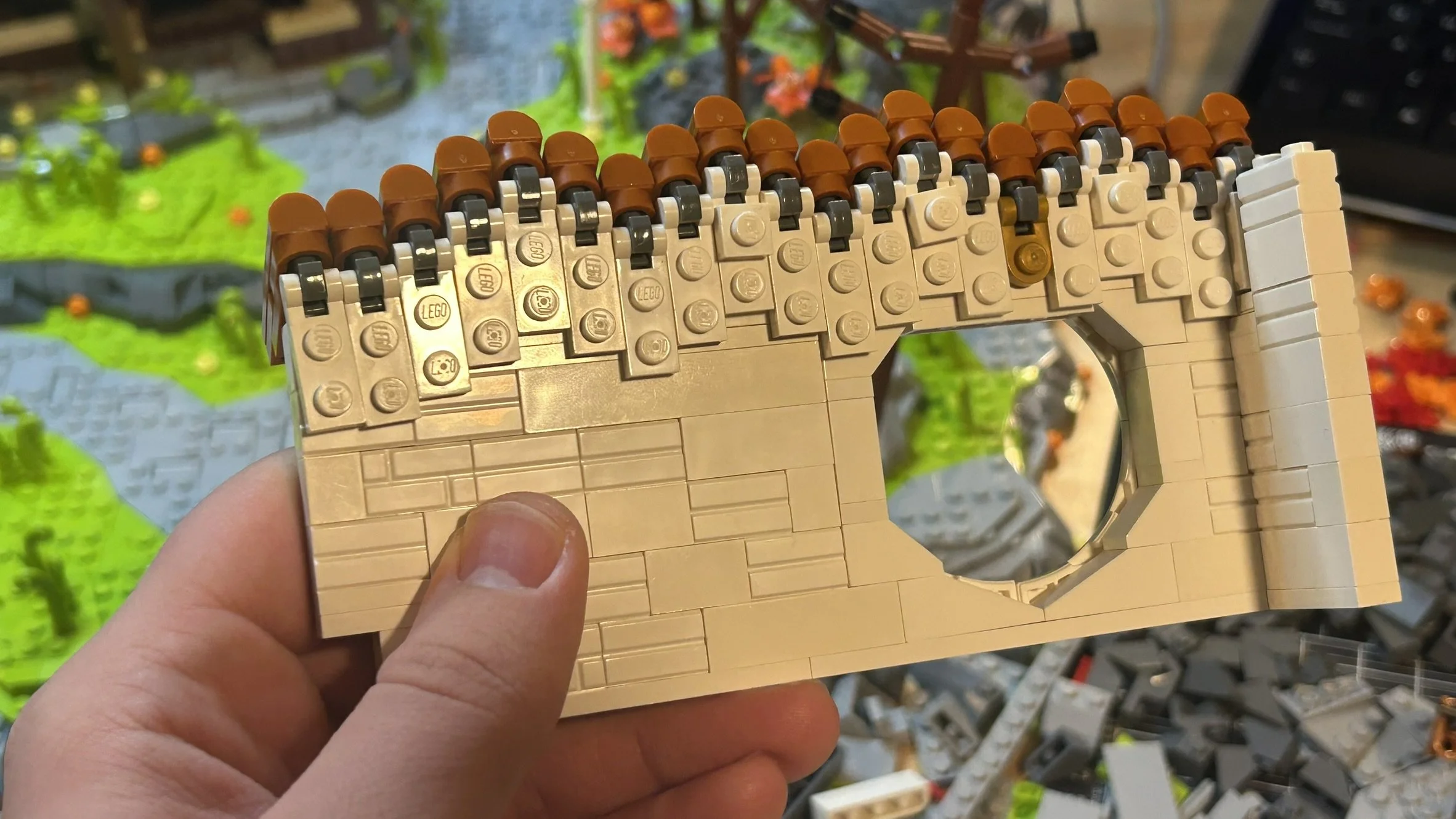
I tried multiple approaches, both digitally in Stud.io and with physical bricks. Some versions were too tall, while others stretched the wave too far, ending up looking more like a hump. With so much detail to consider, I eventually realized I was overthinking it. Sometimes less is more, so I settled on a design where the shingles themselves looked strong and stayed close to what was depicted in the show, even if I omitted the wave effect.
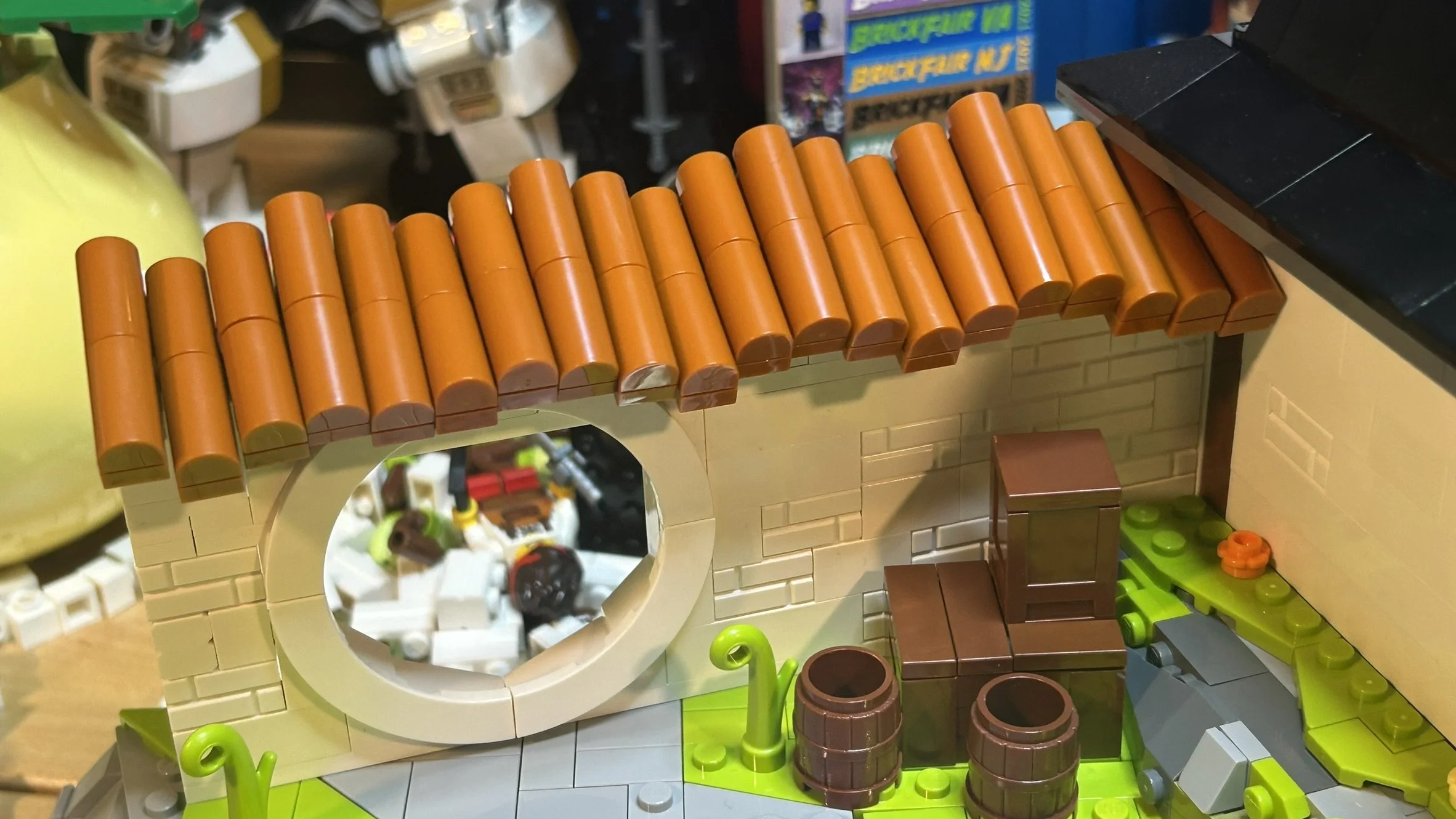
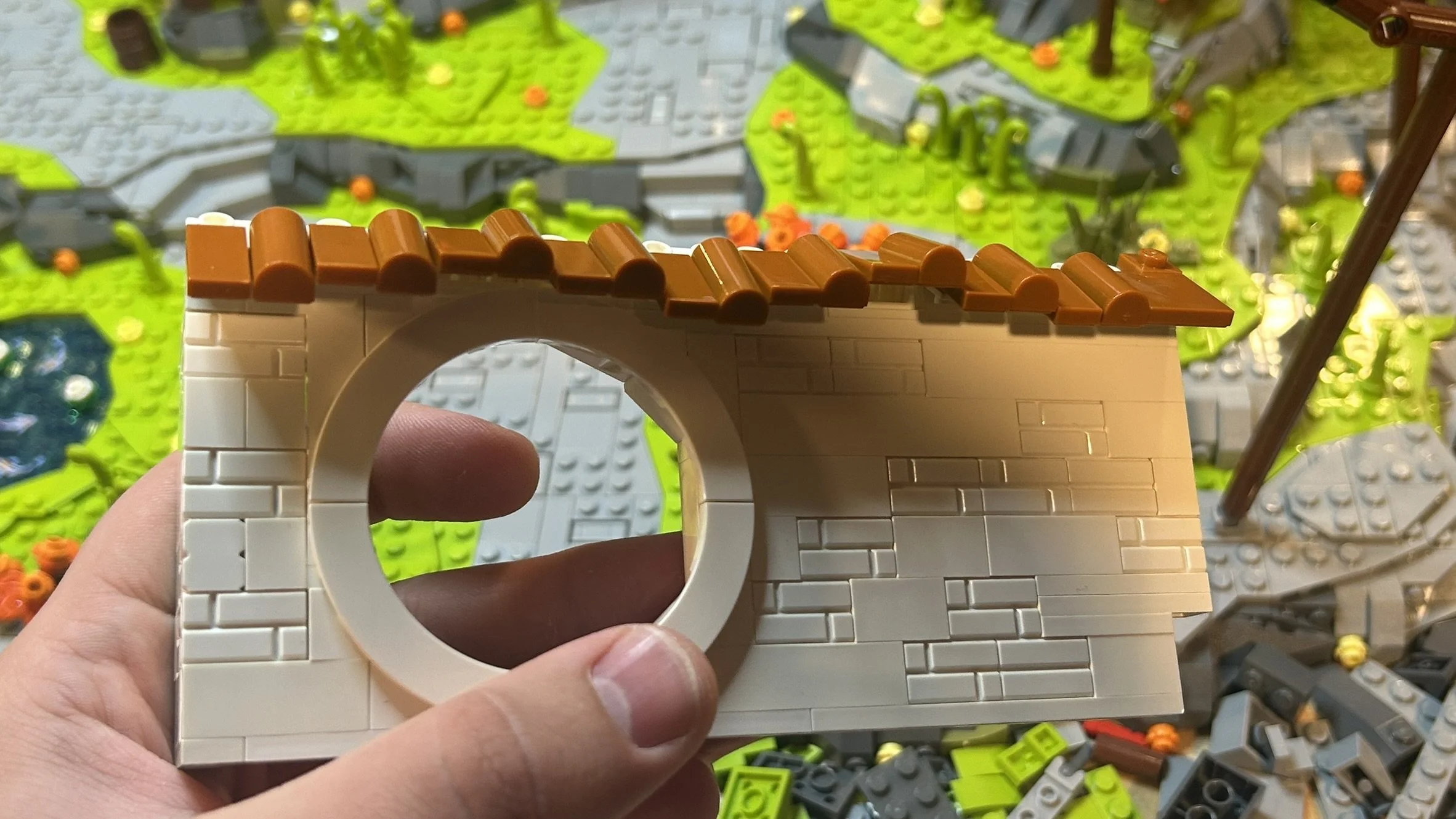
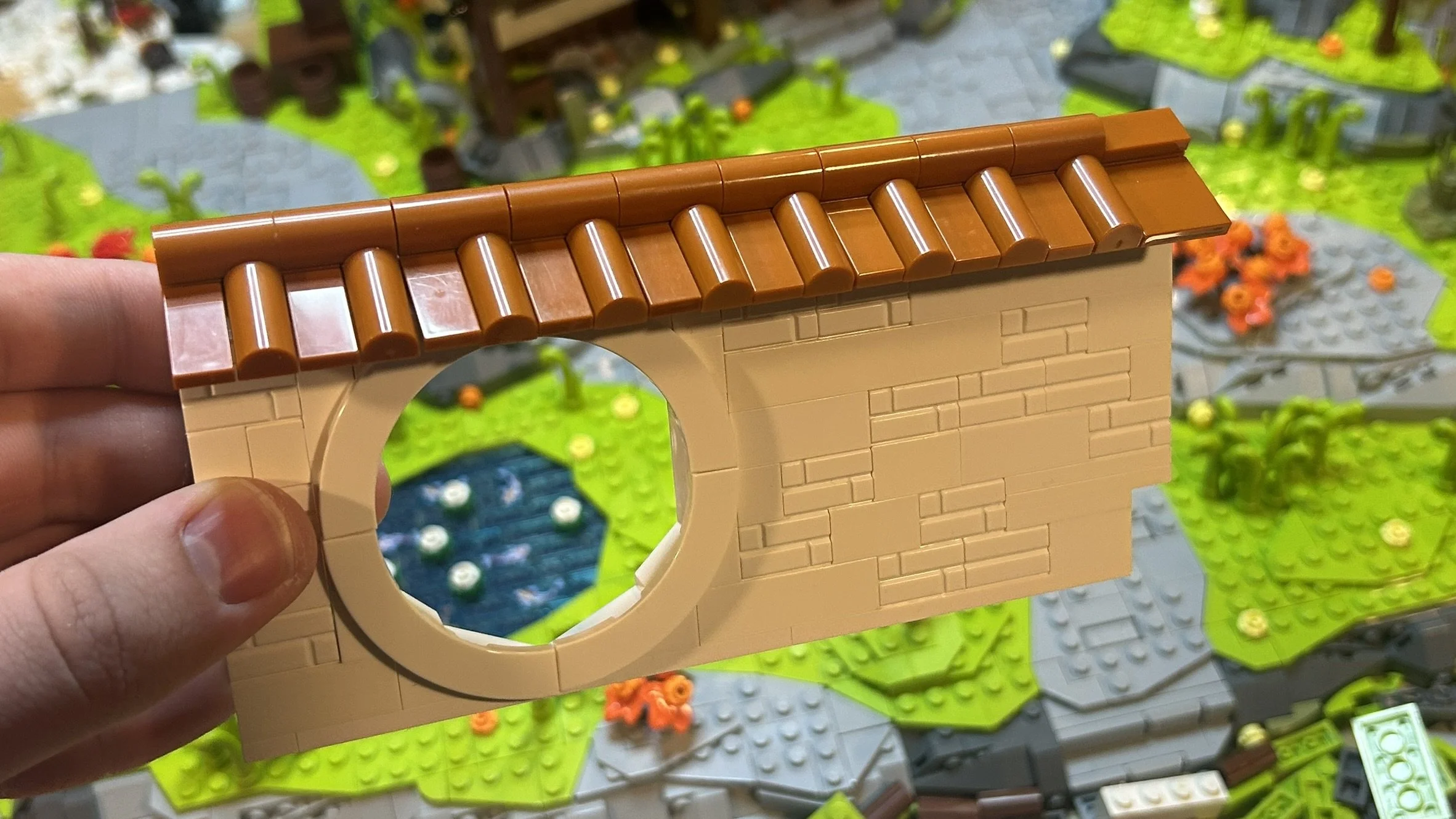
In the end, I was really happy with the result and felt it was the best outcome I could achieve at this scale. Maybe down the line I’ll revisit this scene at a larger size and fully capture that wave detail, but for now, I’m proud of how it turned out.
A Set Worth the Wait
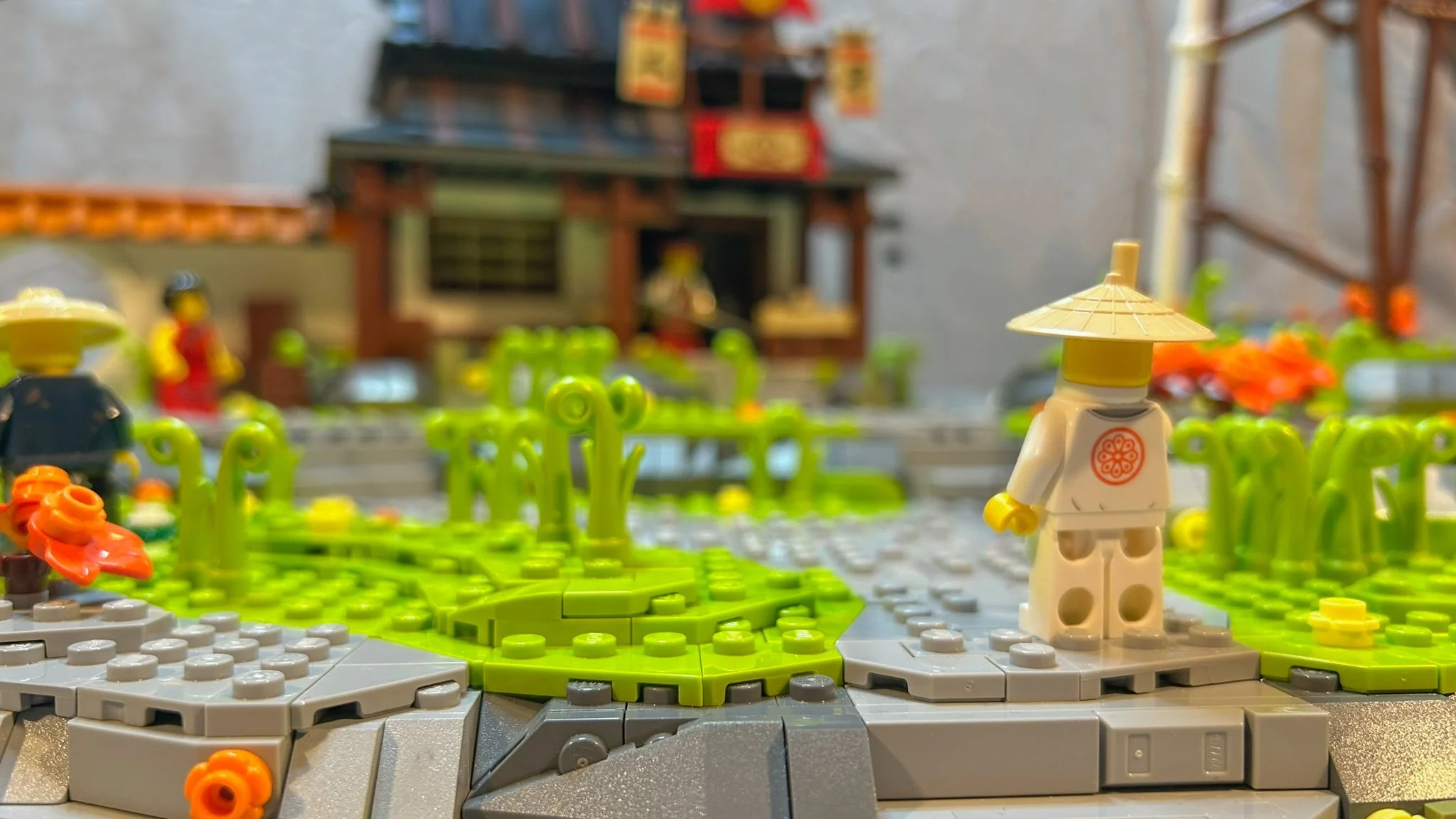
I think the pictures speak for themselves. This set extension MOC of 71858 Four Weapons Blacksmith came out great, and I am incredibly proud of what I achieved here. I set out to capture the magic of the opening scene from the pilot episode of Ninjago—the beginning of it all—and I’m happy to say I believe I did capture that magic.
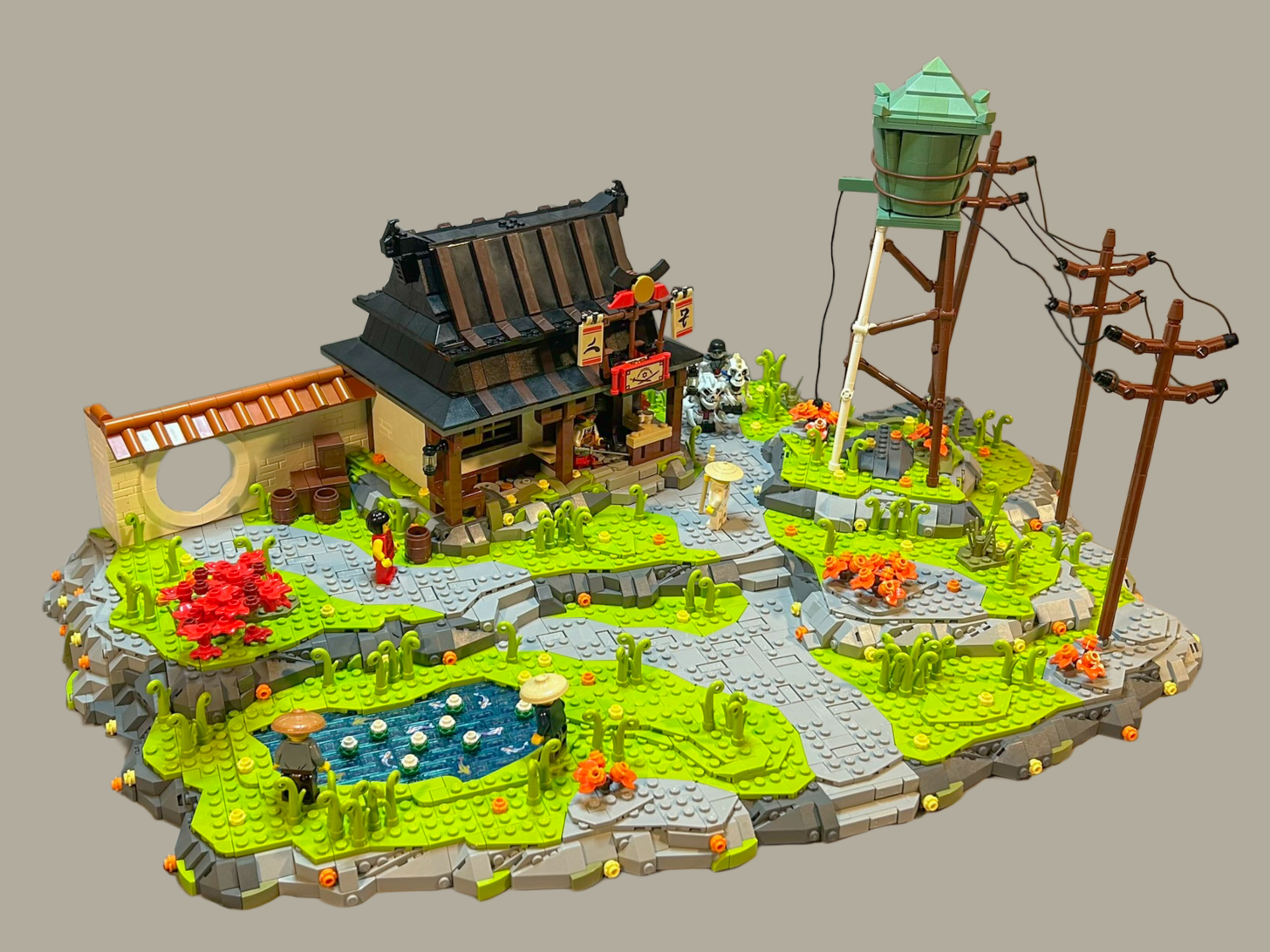
I sent early pictures of the build to my fellow LEGO-building friends, even those with no interest in Ninjago, and the feedback was overwhelmingly positive. That meant a lot, especially because 99.99% of the time, I am very critical of my own work. I stress over the smallest details in everything I do (my LEGO builds, BrickNerd articles, drawings), because I always want it to be the best I know I can make it. Those closest to me can attest to that.
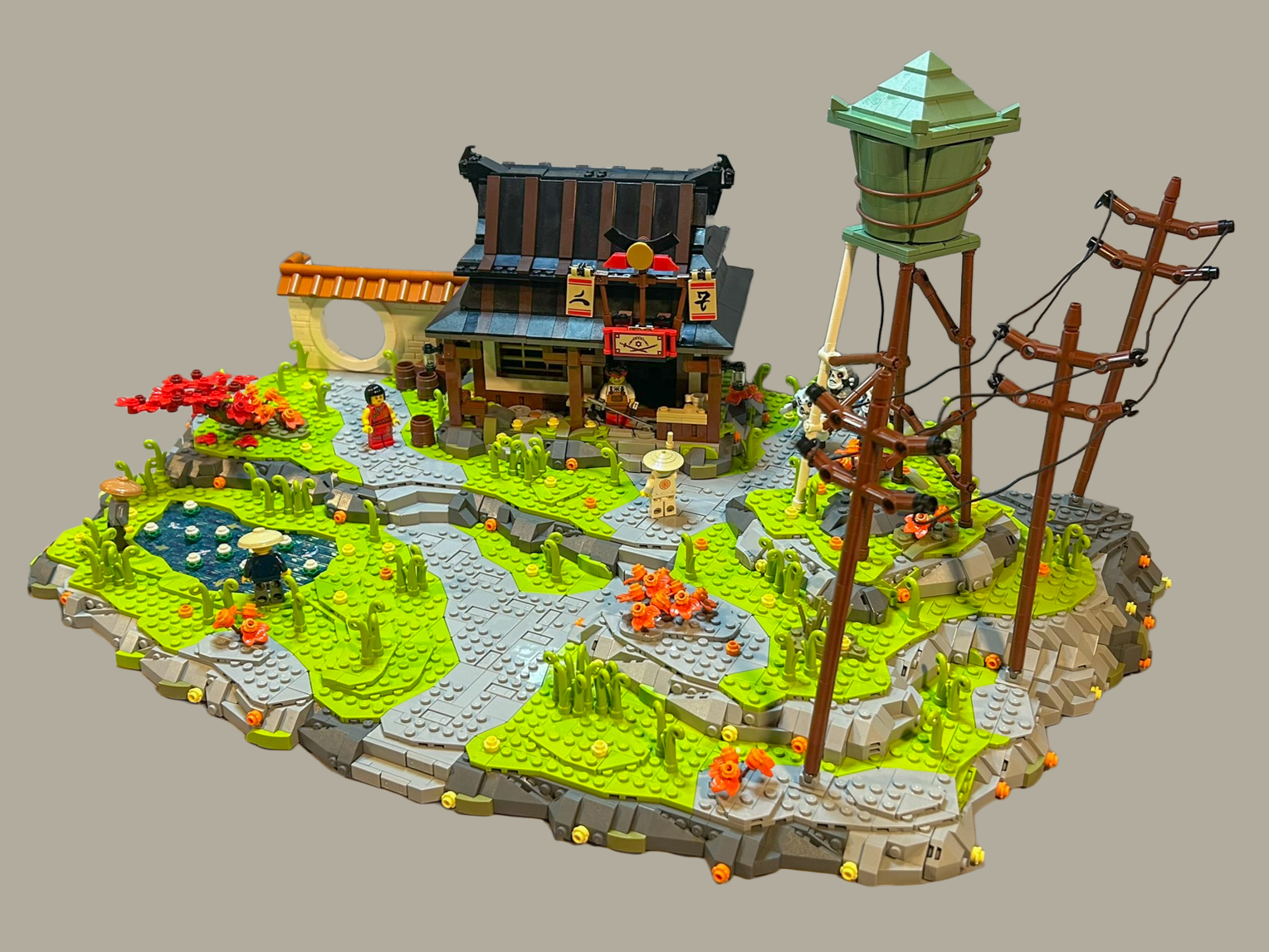
It’s hard for me to be fully proud of my work, but with this build, I can say I gave it my all and went beyond what I thought I could do. That mindset really comes from my love of Ninjago. The series focuses on characters who give everything they have to achieve their goals and dreams, and I try to carry that same approach into my own work.
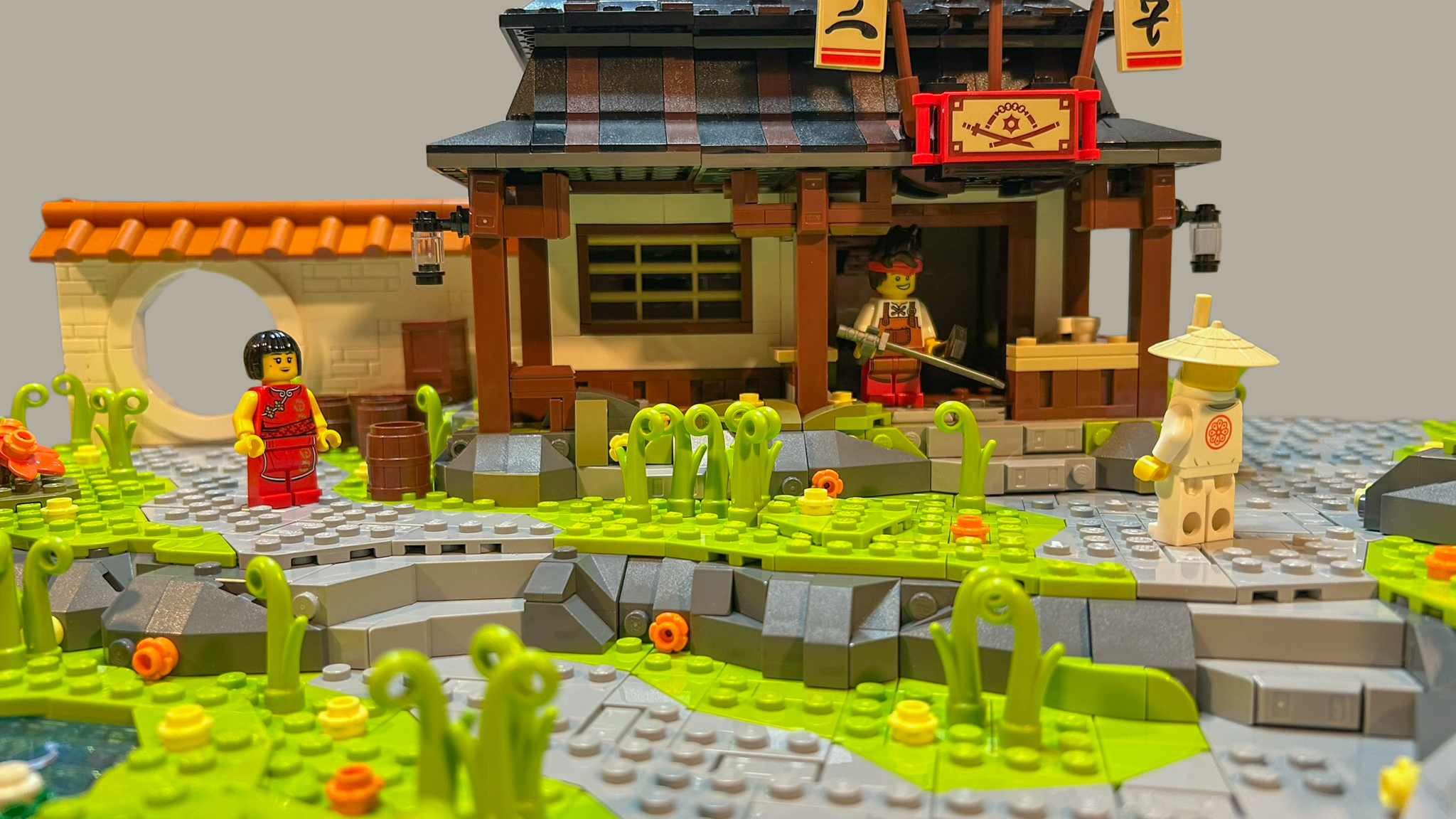
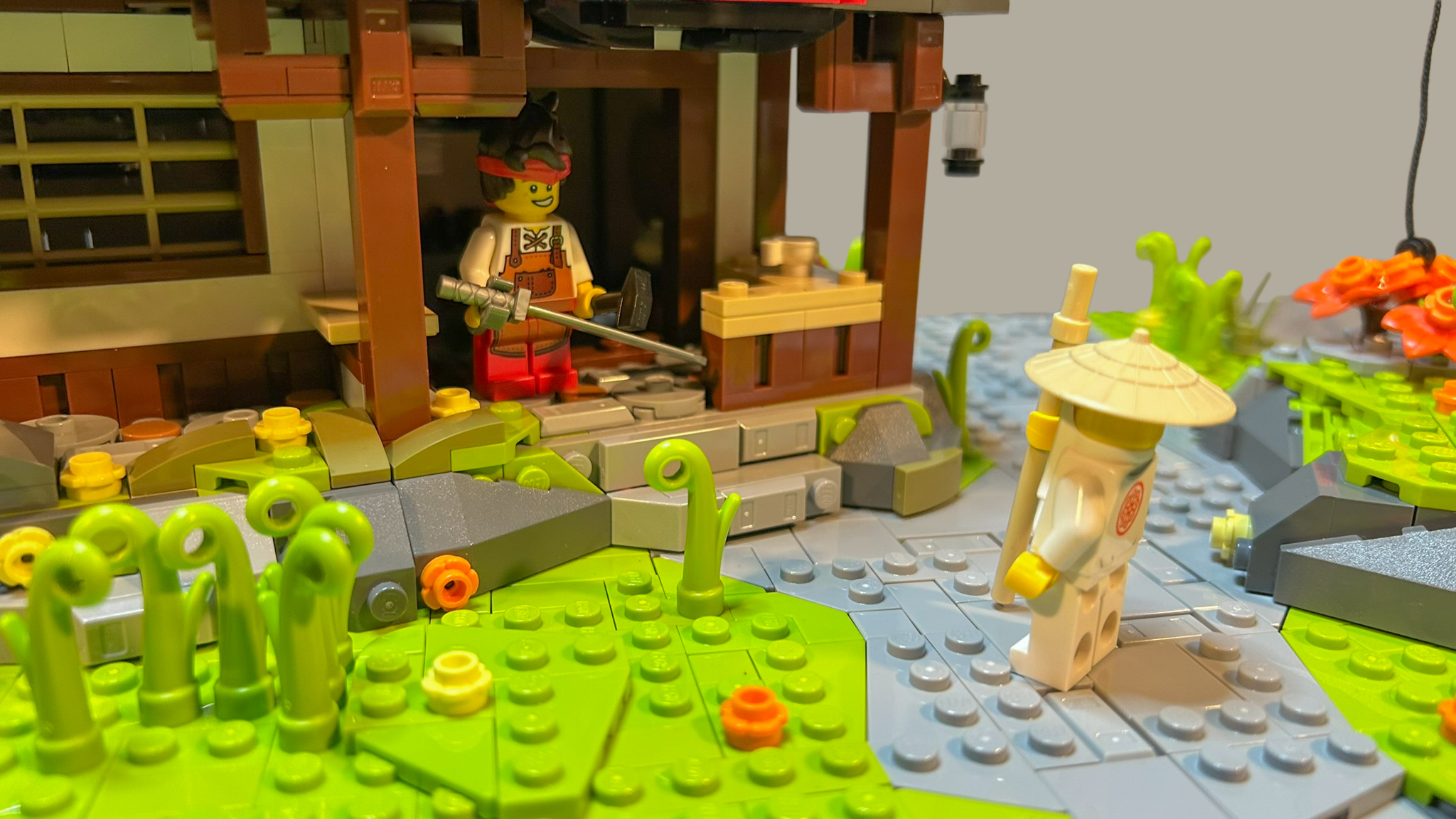
Regardless of my immense passion for LEGO and Ninjago, I can confidently say that the Four Weapons Blacksmith would be a welcome addition to your collection. I hope my passion has inspired you to dive deeper into the theme—and maybe even build your own Ninjago MOC.
Until next time… NINJAAAA GOOOOOOOOO!!!
Do you have any fond memories of the early days of Ninjago? Do you think this set lived up to the high bar MOC builders set? What did you think of my set extension MOC? Let us know in the comments below!
Do you want to help BrickNerd continue publishing articles like this one? Become a top patron like Paige Mueller, Rob Klingberg from Brickstuff, John & Joshua Hanlon from Beyond the Brick, Megan Lum, Andy Price, Lukas Kurth from StoneWars, Wayne Tyler, Dan Church, and Roxanne Baxter to show your support, get early access, exclusive swag and more.